Top 8 Local Alcoholic Beverages
in Vienna

Last updated on June 15, 2026

Best Vienna Alcoholic Beverages
01

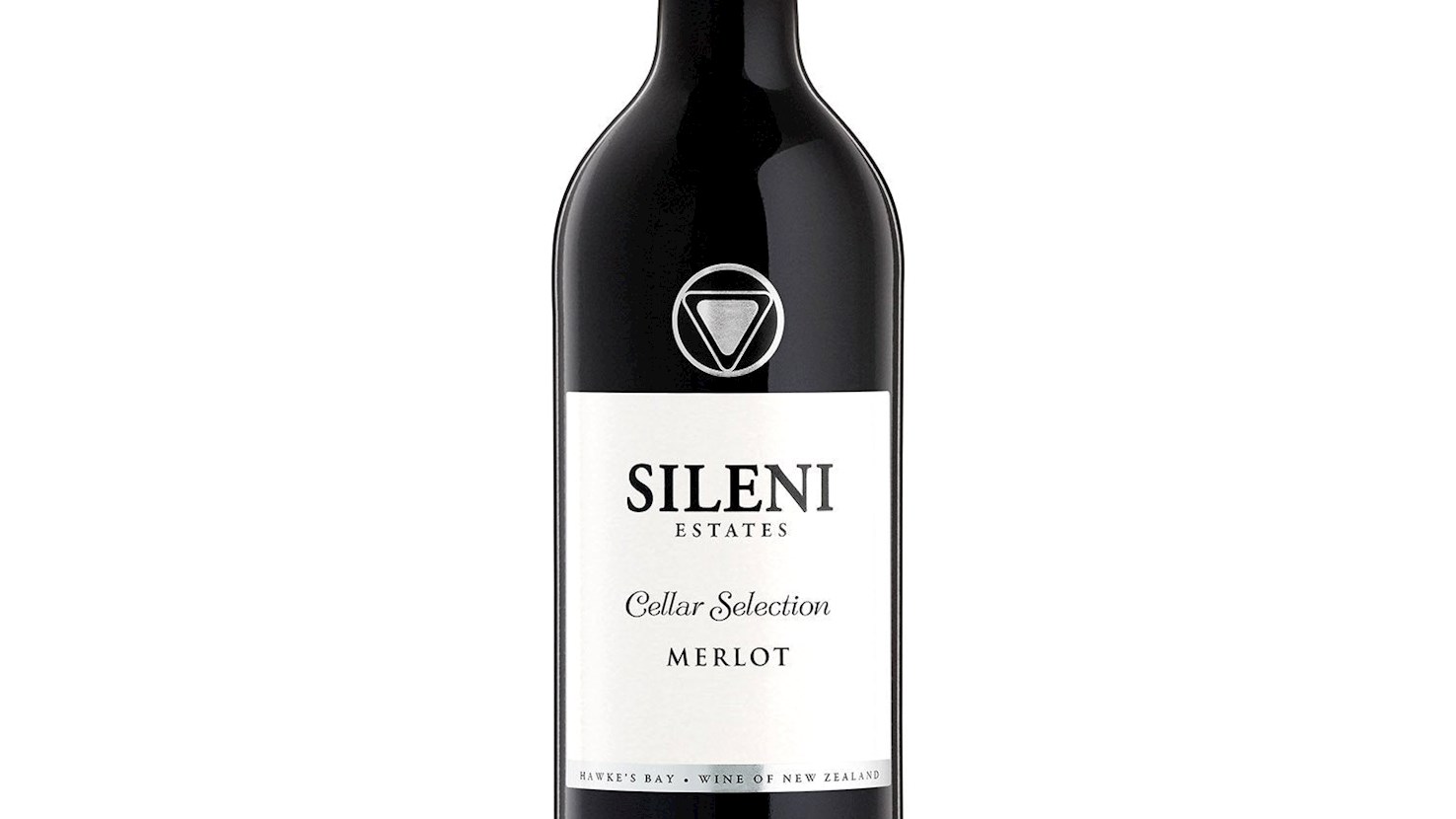
Sileni

4.9 ·
Awards
Decanter World Wine Awards - Platinum (2017, 2016)
02

Key Drinks M&P

4.8 ·
Awards
The Rum & Cachaça Masters - Gold (2022)
03

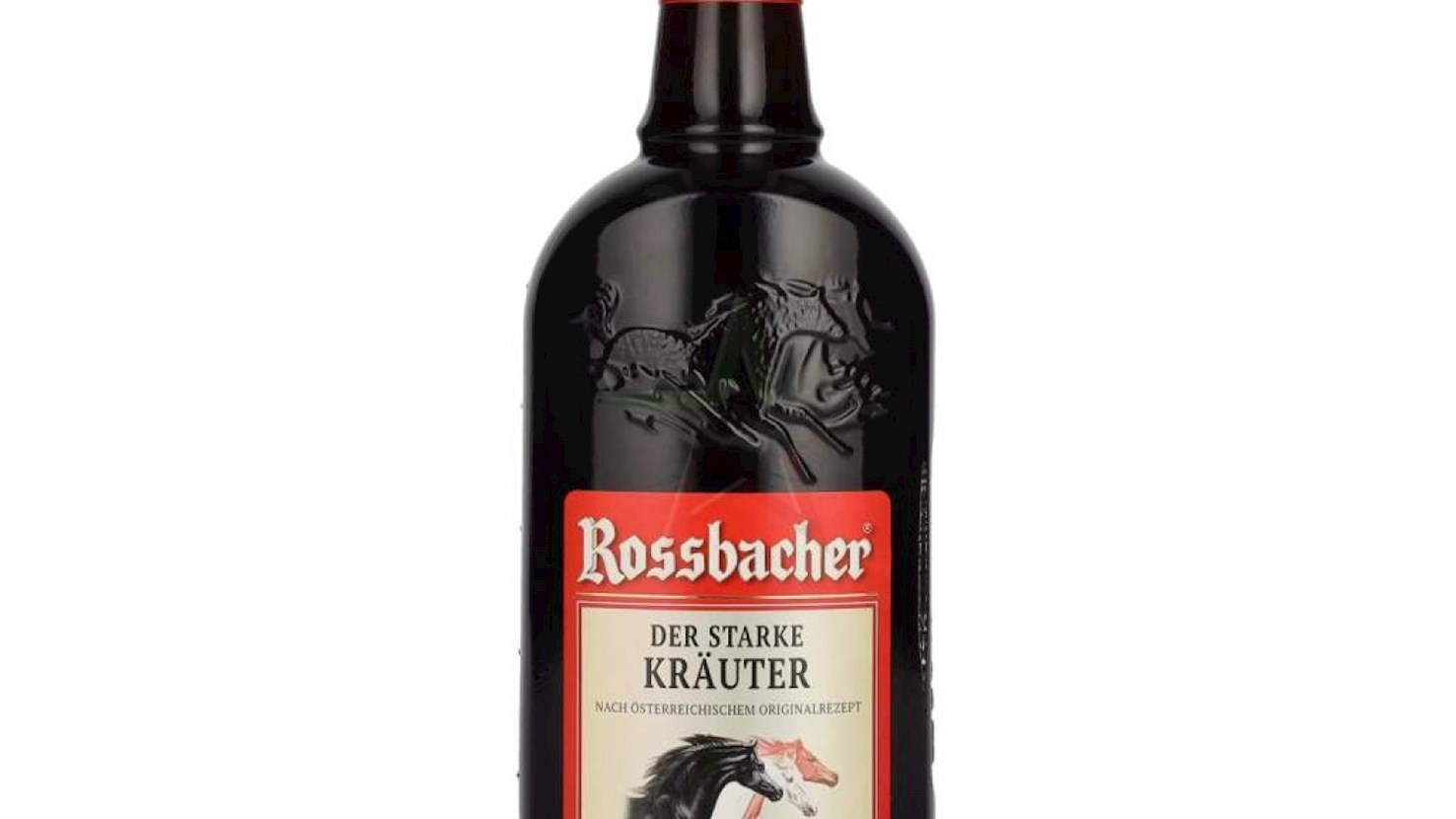
Rossbacher

4.8 ·
Awards
IWSC- International wine & spirit competition - Spirit Gold (2020)
04

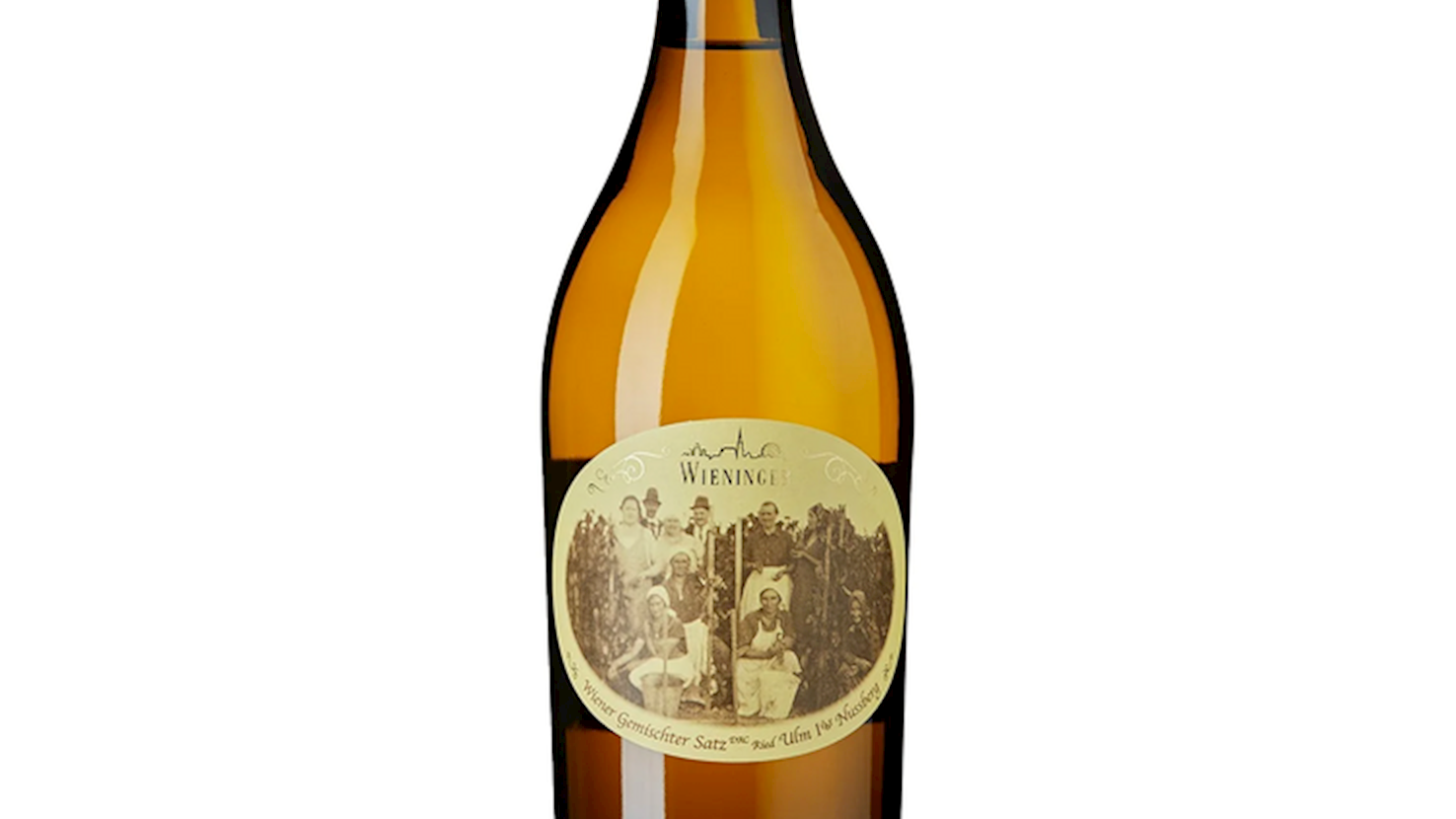
Wieninger

4.7 ·
Awards
Decanter World Wine Awards - Best in Show (2018)
Decanter World Wine Awards - Platinum (2016)
05

Weingut Horst & Georg Schmelzer

4.6 ·
Awards
IWSC- International wine & spirit competition - Gold (2023)
06

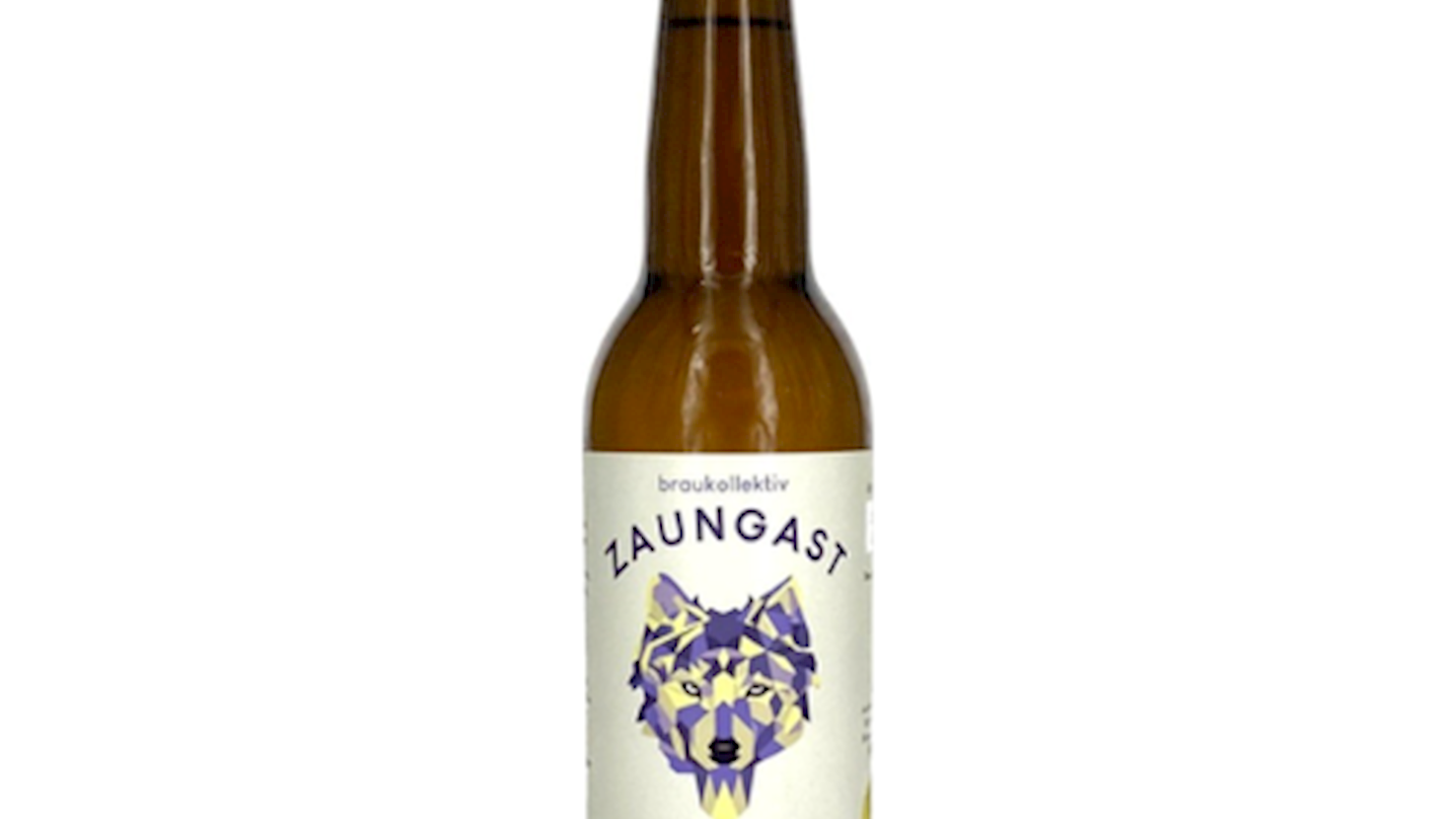
Zaungast

4.4 ·
Zaungast is a contemporary Austrian craft beer brand founded in 2021 in Vienna, focused on independent brewing, bold design, and community involvement in the development of new beers. The brand positions itself within craft beer culture not only through small-batch production and creative beer styles, but also through the idea that its audience can participate in shaping future recipes, can designs, and charitable initiatives linked to limited editions. The name Zaungast translates roughly as “onlooker” or “spectator”, reflecting the founder’s entry into the brewing world as an outsider eager to actively engage with the scene. Its visual identity featuring a wolf further reinforces the idea of entering a space traditionally dominated by established beer brands. The portfolio includes modern styles such as IPAs, lagers, wheat beers, and seasonal or experimental releases. The brand emphasizes flavor quality, artisanal brewing values, and independence from large international brewing groups. In addition to its own beers, Zaungast also offers private label brewing services for hospitality and commercial partners. Headquartered in Vienna, the brand distributes through its online shop and selected retail and hospitality partners across Austria.
Awards
Falstaff - 93
Untappd - 3.6
07

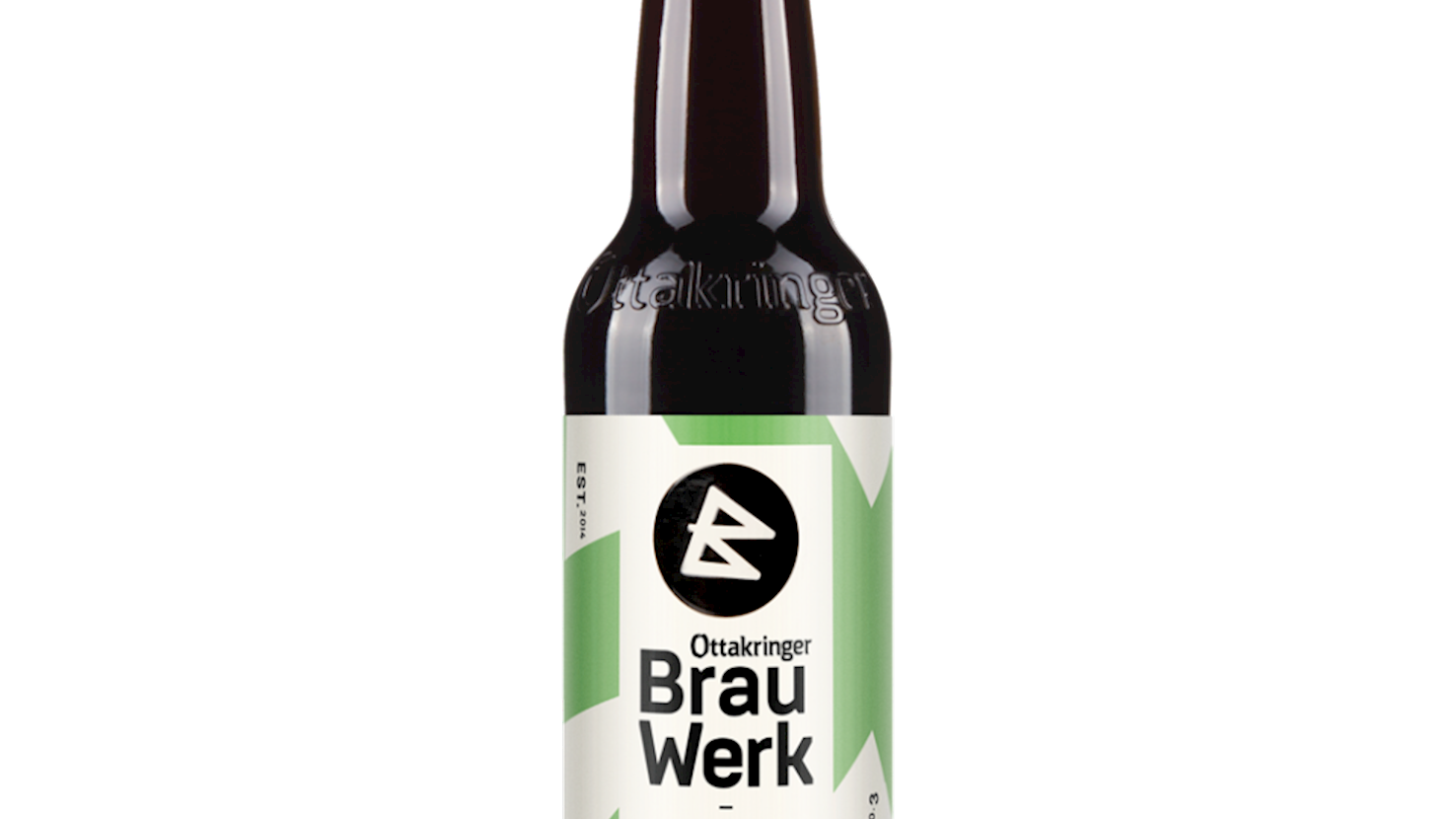
Ottakringer Brauerei

4.3 ·
Awards
European Beer Star - Gold (2022, 2020)
08

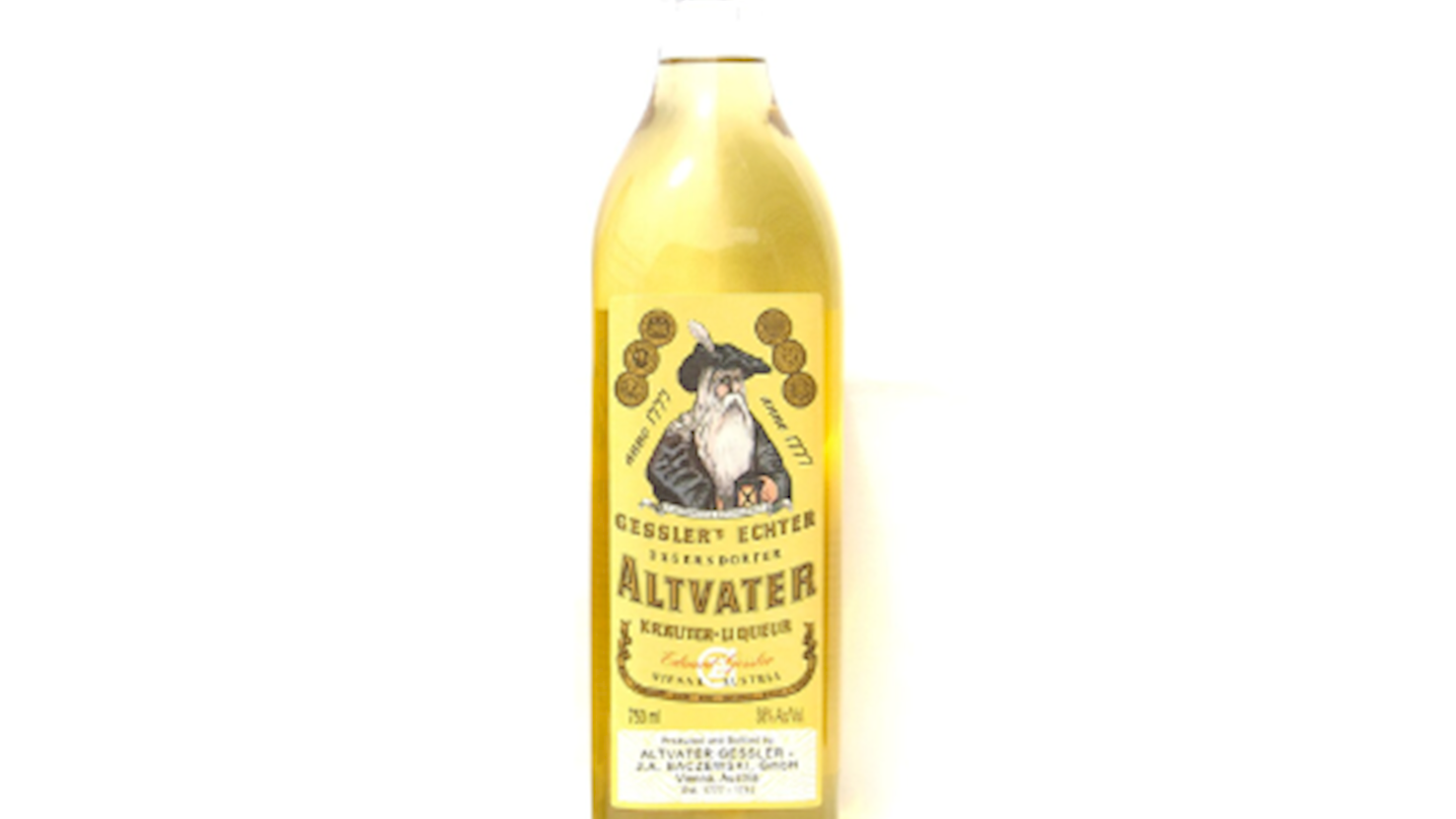
Altvater Gessler - J.A. Baczewski

4.2 ·
Altvater Gessler - J.A. Baczewski is an Austrian spirits company that brings together the heritage of two historic Central European distilling traditions, Gessler and J.A. Baczewski. The company’s roots reach deep into history, with the Gessler name tracing back to the 17th century, while J.A. Baczewski was formally established as a distilling brand in 1782 in Lviv. Following historical upheavals and ownership changes after World War II, Eduard Gessler reestablished and united both legacies in Vienna under the name Altvater Gessler - J.A. Baczewski, preserving the continuity of the brand within an Austrian context. The company is particularly known for premium vodkas, liqueurs, gin, and other traditional spirit products, including Monopolowa vodka and the historic Altvater herbal liqueur. Its identity is strongly rooted in old Central European distilling heritage, family ownership, and historic recipes. Although the brand’s origins are linked to present-day Poland and Ukraine, the company’s modern operations are based in Vienna, where its headquarters are located. Altvater Gessler - J.A. Baczewski remains one of the rare historic spirits brands actively building its identity around a layered Austro-Hungarian and Central European legacy.

Best Vienna Alcoholic Beverage Types
01

Kaisermelange

3.6 ·

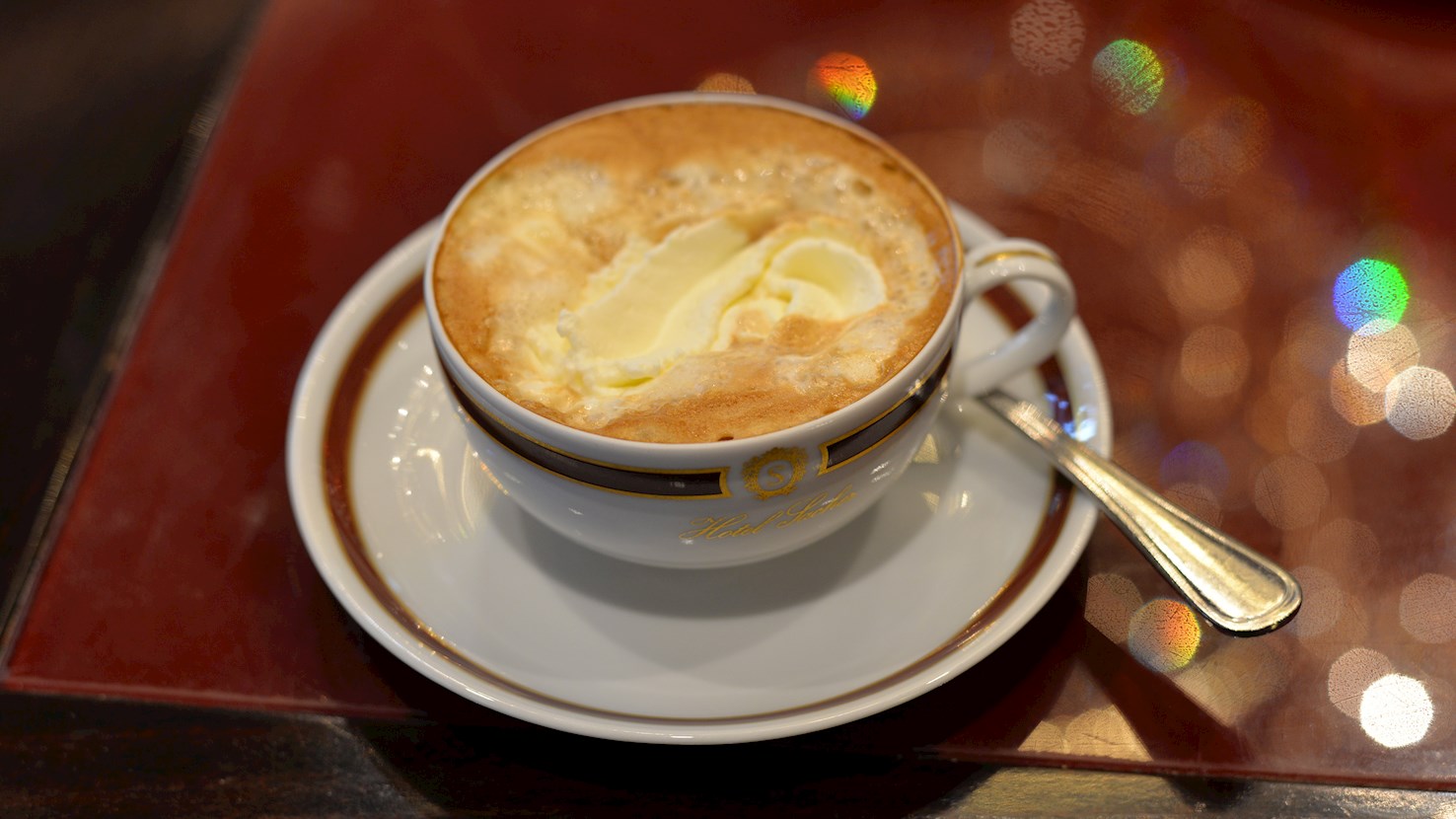
Although it is nowadays rarely found in Viennese coffee houses, Kaisermelange is often listed as a unique Viennese specialty. It consists of a pulled espresso that is mixed with a raw egg yolk. The beverage is usually sweetened with honey and fortified with Cognac, other types of brandy, or rum. The name Kaisermelange translates as Emperor's mélange—presumably because of the luscious texture and rich flavor of the coffee, which makes it worthy of being served to an emperor.

02

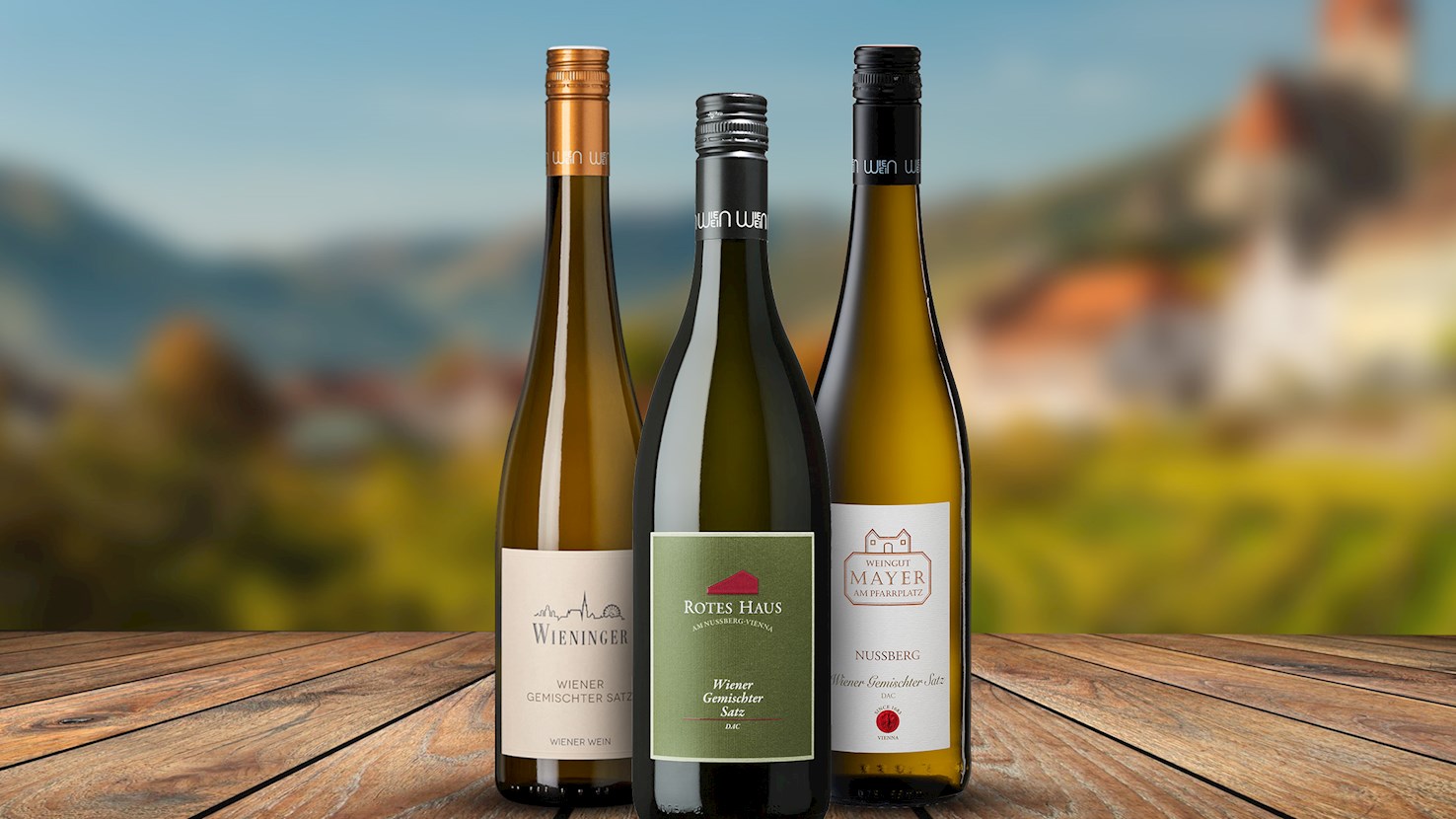
Gemischter Satz

3.5 ·

Gemischter Satz, rooted in Austrian viticulture (particularly within Vienna's wine region), is a distinctive wine defined by its blend of grape varieties. Unlike the modern trend of cultivating and producing single-varietal wines, this traditional approach intermingles different grape types in one vineyard. When the harvest season arrives, these varied grapes are plucked collectively and then co-fermented, leading to the creation of this multifaceted wine. The practice of growing multiple grape varieties together harks back to a time when diversifying crops was a hedge against potential loss. If one variety failed due to weather conditions or disease, the others might still thrive. The wine's character is shaped by the combination of grape varieties that go into its making. This interaction often leads to a wine with layered nuances and depth, a reflection of each contributing grape. The specific varieties can vary, but Grüner Veltliner, Riesling, Pinot Blanc, Traminer, Rotgipfler, and Zierfandler are some of the most common ones. The co-harvesting and co-fermentation processes are crucial. While blending different grape varieties post-fermentation can yield interesting results, Gemischter Satz's character emerges from fermenting these grapes together, intertwining their profiles from the very beginning. Understanding its unique contribution to the world of wines, Austria recognized Gemischter Satz with a DAC (Districtus Austriae Controllatus) designation in 2013. This label assures adherence to quality and origin standards, preserving the wine's legacy.

03

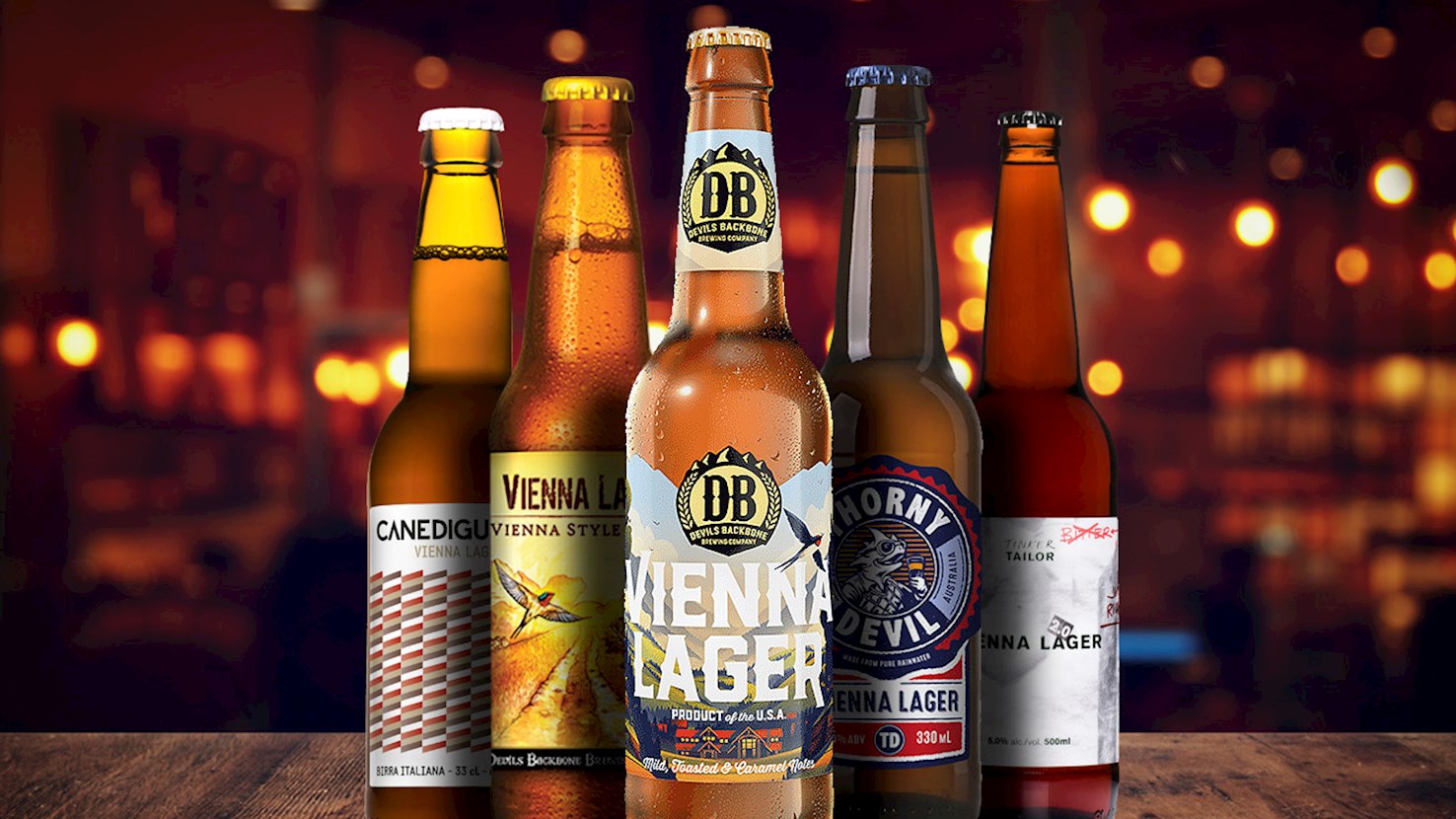
Vienna lager

3.4 ·

Vienna-style lager originated in 1841 when Anton Dreher experimented with the new British tradition of drying malt without the use of direct heat—creating pale malt which would later influence the rise of pale ale style. Dreher combined the practice with lager yeasts to create reddish-copper brew which he released under the name lager Vienna type. This style is typically creamy, crisp, and smooth with toasty and bready malt aromas. It is usually medium to light-bodied, while the finish is dry and typically has subtle hop bitterness. Following the First World War, the style became almost extinct in its place of origin. However, Vienna lagers are prominent in Mexico—where they were introduced by 19th-century brewers who emigrated from Austria. The style was also embraced by several American craft breweries. Vienna lagers share many similarities with the golden-amber Märzen style from Bavaria. The resemblance is not accidental since Dreher went to investigate British brewing practices together with Gabriel Sadlmayer, a Munich native, who later developed the Märzen style. Vienna lagers can match hearty and spicy dishes, including sausages, grilled and fried meat, or spicy chicken wings. They can also pair well with grilled vegetables and semi-hard or hard cheese varieties.

04

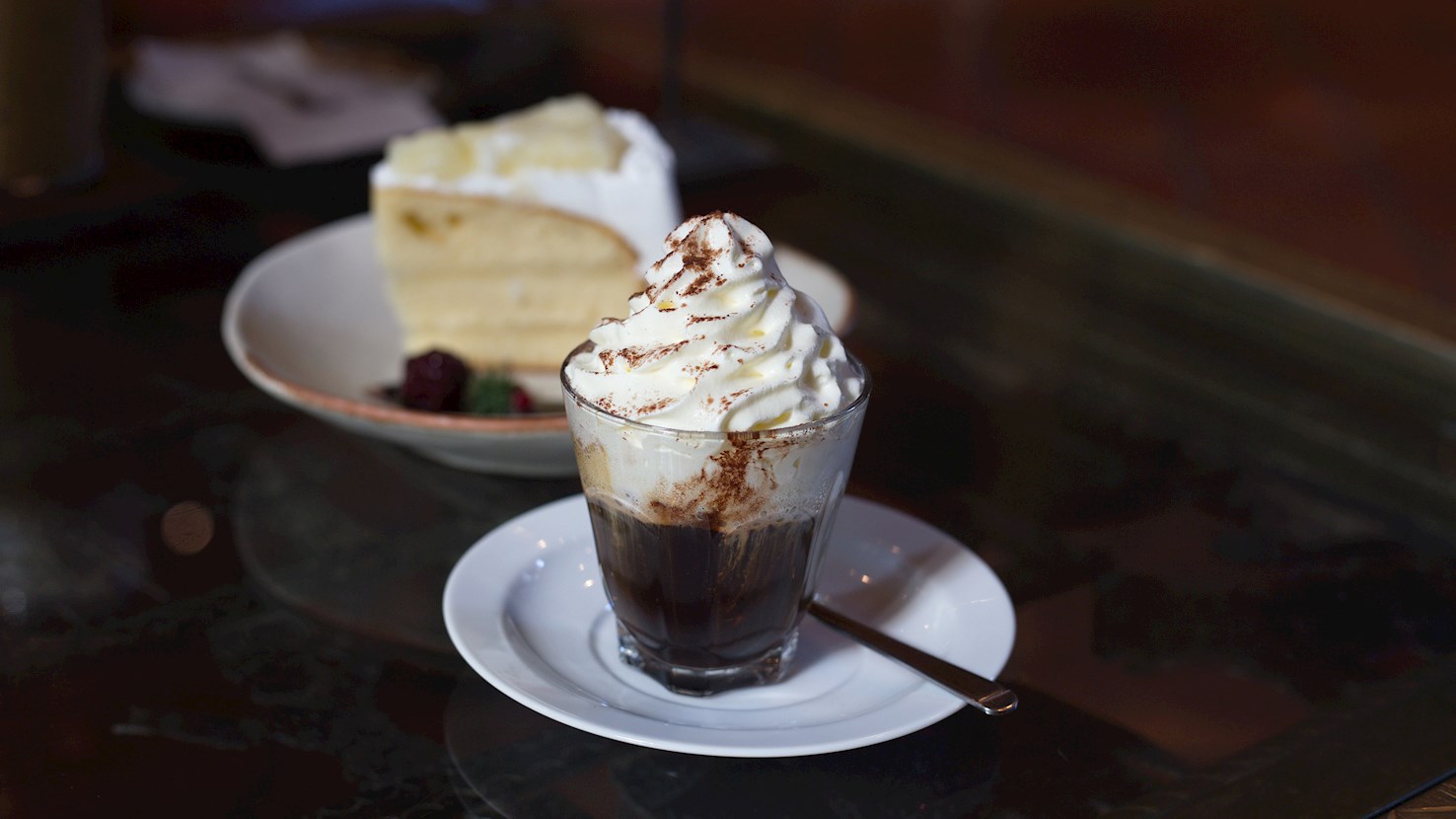
Fiaker

3.3 ·

Fiaker is a Viennese specialty coffee that consists of an espresso that is usually sweetened and then topped with whipped cream. The drink also includes a splash of liquor, preferably kirschwasser—fruit brandy distilled from cherries—which is occasionally replaced with rum of plum brandy. The name fiaker was given because the coachmen of traditional Viennese coaches (fiakers) are big fans of this warming, alcohol-laced beverage. The drink is occasionally garnished with preserved cherries, or it can be dusted with cocoa powder. It is usually served in a hot toddy glass.

05

Café Maria Theresia

3.3 ·

This specialty coffee is a staple in Viennese coffee houses. It consists of an espresso that is fortified with an orange liqueur such as Grand Marnier or Cointreau. The concoction is sweetened and then topped with whipped cream. It is usually garnished with chocolate shavings or orange rind. As it is evident from the name, the drink was named after Maria Theresa, the Holy Roman Empress, but it is not known whether it hails from the time of her reign.

About this ranking

TasteAtlas food rankings are based on the ratings of the TasteAtlas audience, with a series of mechanisms that recognize real users and that ignore bot, nationalist or local patriotic ratings, and give additional value to the ratings of users that the system recognizes as knowledgeable. For the “Top 8 Local Alcoholic Beverages in Vienna” list until June 15, 2026, 102 ratings were recorded, of which 84 were recognized by the system as legitimate. TasteAtlas Rankings should not be seen as the final global conclusion about food. Their purpose is to promote excellent local foods, instill pride in traditional dishes, and arouse curiosity about dishes you haven’t tried.

The initial list of top producers was compiled based on available reviews, awards, local recommendations, media and blog coverage, and consumer reviews. The list will be updated with ratings from TasteAtlas local ambassadors and TasteAtlas users.

Similar lists