shutterstock

Top 11 Local Alcoholic Mixed Drinks
in Paris

Last updated on June 24, 2026

Best Paris Alcoholic Mixed Drinks
01

Le Barteleur

n/a ·

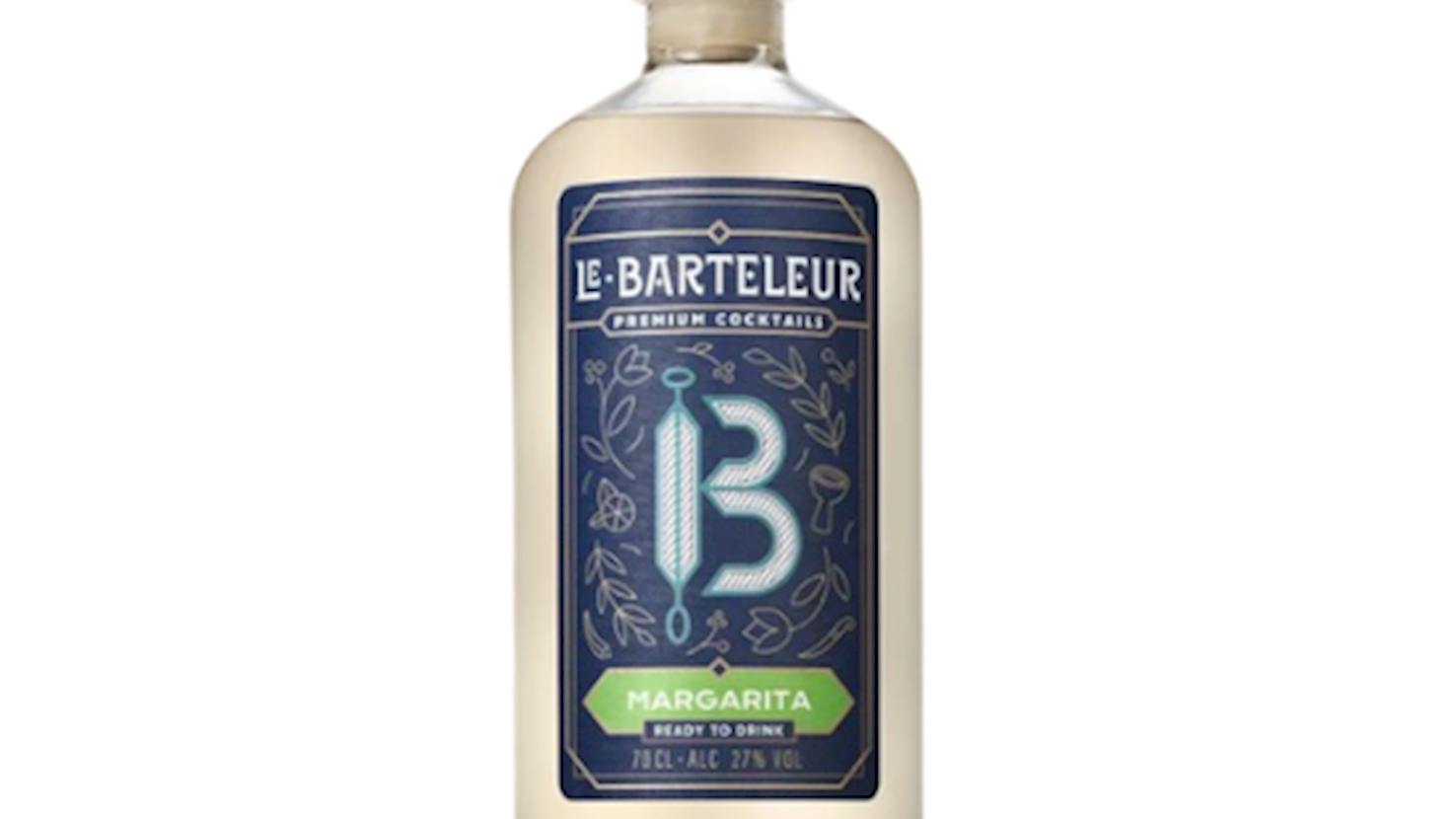
Le Barteleur is a French premium brand specializing in ready-to-serve bottled cocktails, founded in 2019 with the ambition of bringing high-quality cocktail experiences beyond the traditional bar setting. The brand was created around the concept of a “bartender at home”, offering pre-crafted cocktails inspired by iconic mixology classics, reinterpreted through a contemporary French perspective. Founded by Nicolas Varnier and Philippe Di Méo, Le Barteleur combines cocktail culture, design, and convenience with a strong emphasis on premium quality and distinctive brand identity. Its portfolio includes reinterpretations of classic cocktails such as Negroni, Manhattan, Mai Tai, Margarita, Espresso Martini, and Pornstar Martini, alongside original creations and evolving non-alcoholic alternatives. The brand emphasizes the use of carefully selected ingredients and a ready-to-serve approach designed for effortless consumption, typically requiring only ice and simple serving. Production is based in France, with positioning that bridges premium retail, horeca, gifting, and lifestyle markets. A key differentiator is its strong visual identity inspired by tarot symbolism and the fictional character of “Le Barteleur”, imagined as a stylish modern bartender figure.

Best Paris Alcoholic Mixed Drink Types
01

Mimosa

4 ·

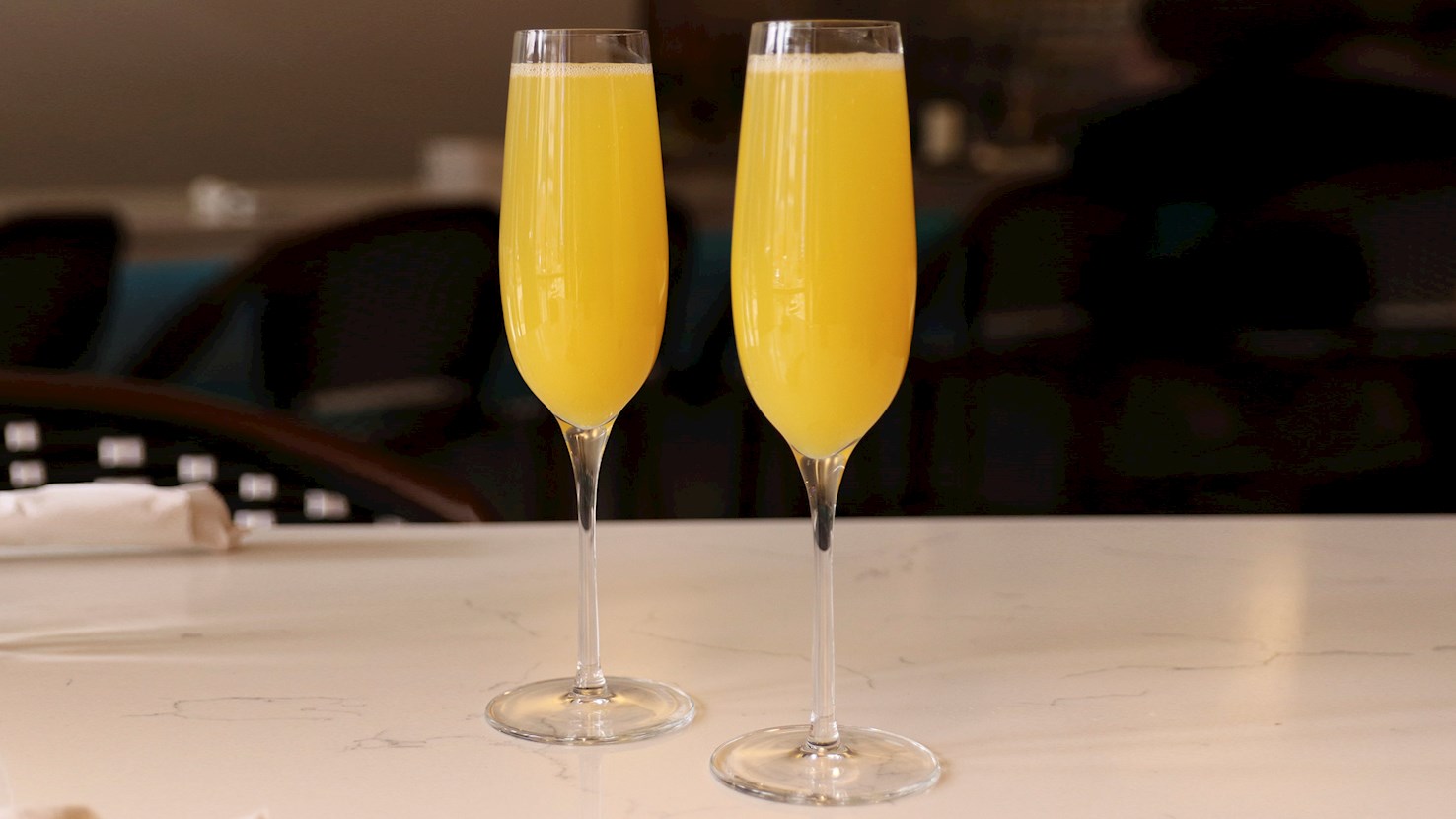
Mimosa is a classic breakfast cocktail that transforms a simple morning meal into a decadent event. The cocktail is made with freshly squeezed orange juice and Champagne or any dry sparkling wine. Grand Marnier or bitters can also be added in order to elevate the flavors even further. To prepare it, orange juice is poured into a champagne flute, and it is then topped with Champagne or sparkling wine. It is believed that the famous director Alfred Hitchcock introduced the Mimosa as a brunch staple in the United States in the 1940s. The cocktail is named after an Australian flower that was introduced to Europe by Captain Cook, and the first Mimosa was supposedly served in Paris in 1925 by Frank Meier, who was the head barman at The Ritz at the time.

02

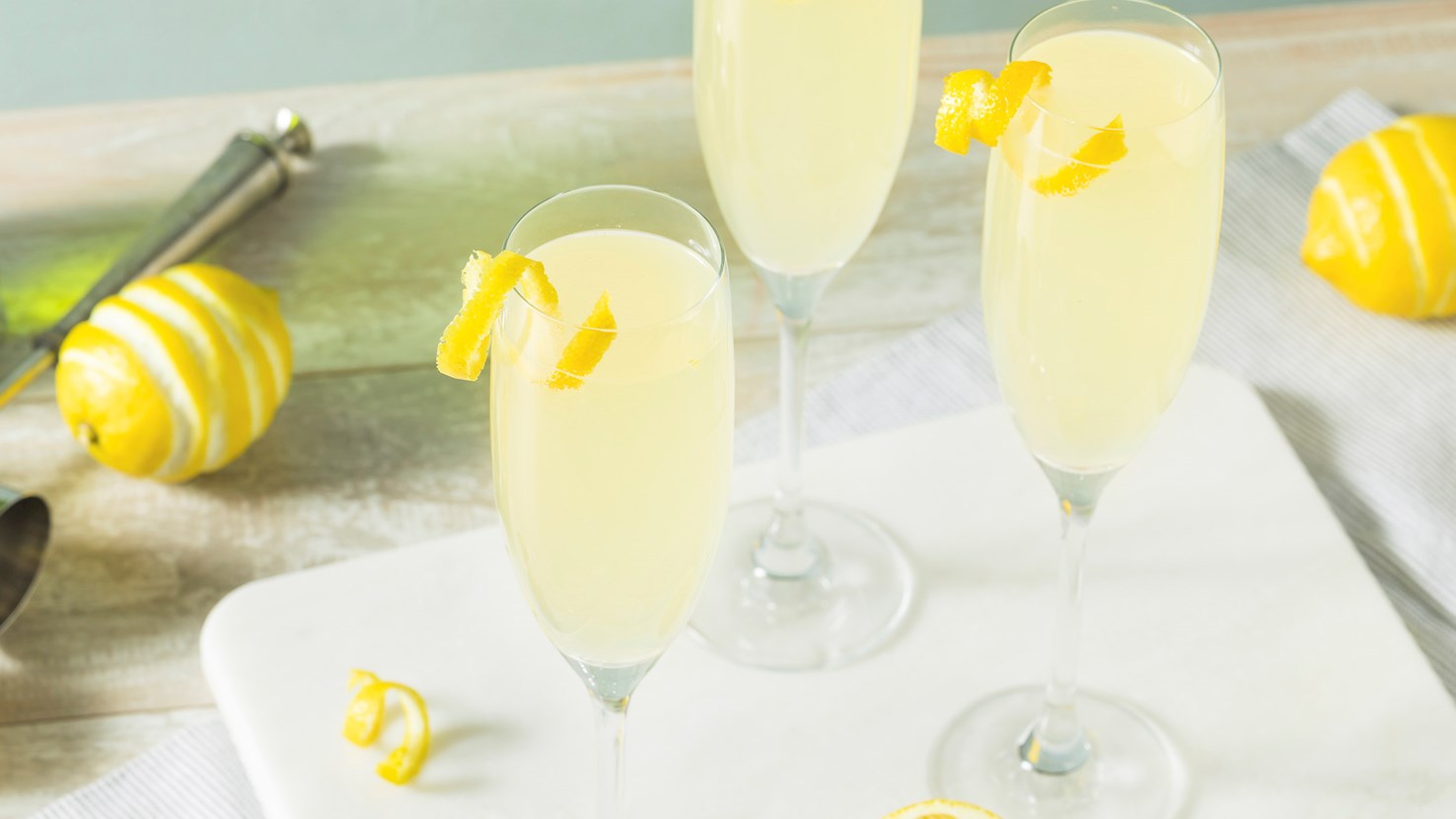
French 75

3.8 ·

French 75 is a classic cocktail made with gin, lemon juice, sugar syrup, and champagne. To prepare it, gin, lemon juice, and sugar syrup are shaken with ice, strained into a glass, then topped with champagne and garnished with lemon peel. It is believed that the cocktail was invented by Scott Harry McElhone, the owner of Harry’s American Bar in Paris in 1926, who named it after a strong artillery gun used by the French military. Shortly after, American soldiers fell in love with the cocktail and brought it back to the United States, where it was a huge hit, especially at New York City’s famous Stork Club. Although it is said that French 75 was made with cognac instead of gin in its early history, nowadays there are countless ways to prepare variations of this refreshing classic. An interesting fact for movie lovers: French 75 appears in one of the most beloved classics, Michael Curtiz's Casablanca.

03

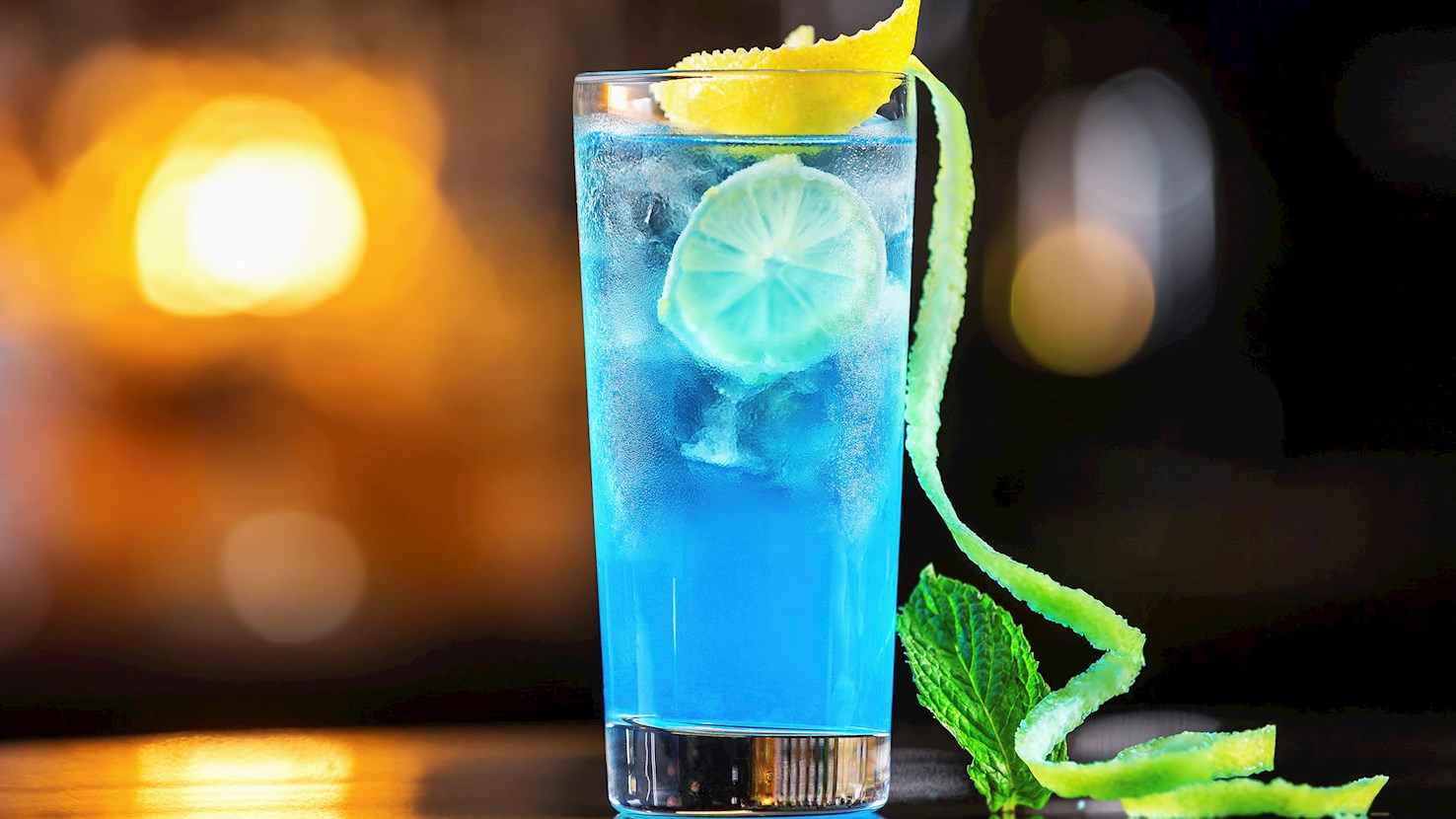
Blue Lagoon

3.6 ·

Blue Lagoon is a refreshing summer cocktail made with a combination of vodka, blue curaçao, and lemonade. In order to prepare it, vodka and curaçao are shaken with ice, then strained into a highball glass filled with ice, and topped with lemonade. The cocktail is typically garnished with an orange or lemon slice before serving. It is believed that Blue Lagoon was invented by Harry MacElhone’s son, Andy, at Harry’s New York Bar in Paris in 1972.

04

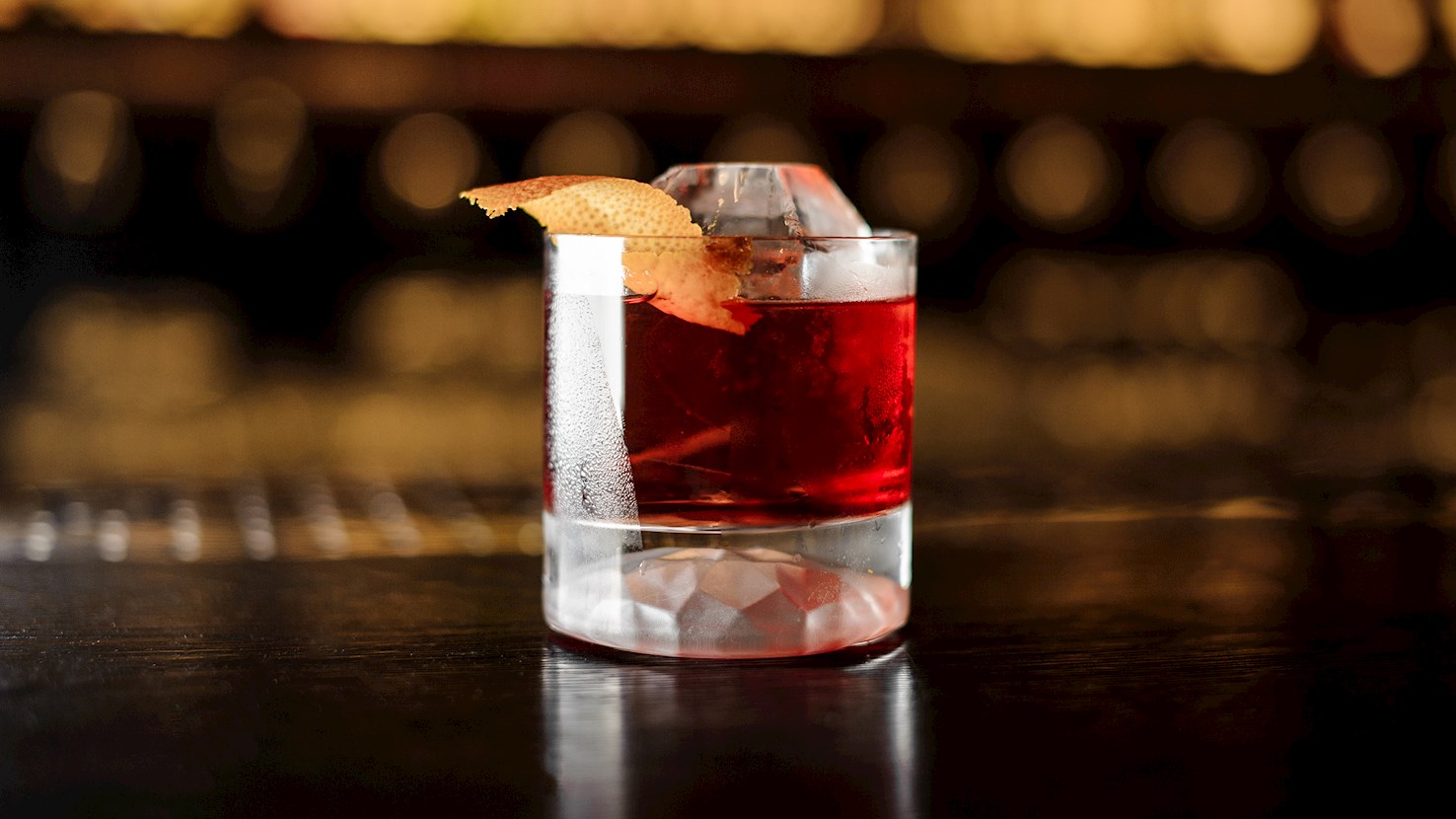
Boulevardier

3.1 ·

Sometimes described as "Negroni’s long-lost autumnal cousin," Boulevardier is a mixed drink made with a combination of Campari, sweet vermouth, and bourbon or rye whiskey. The ingredients are mixed with ice, then strained into a chilled cocktail glass. The cocktail often garnished with a twist of orange peel or a cherry. The first version of Boulevardier can be found in Harry McElhone’s 1927 bar guide, Barflies and Cocktails. This cocktail was the signature drink of Erskine Gwynne, who edited a monthly magazine in Paris, named The Boulevardier.

05

Earthquake

2.5 ·

Earthquake is a cocktail that was supposedly invented by a French painter named Henri de Toulouse-Lautrec. It is made with equal parts of absinthe and cognac, although some recipes suggest gin as the third component. As the name suggests, it is called Earthquake because of the powerful effects of this specific alcohol combination, which tends to shake up the consumer. The combination of liquids has to be shaken vigorously before being strained into a martini or brandy glass with ice. Optionally, Earthquake can be garnished with a sugar lump or a lime wheel.

06

Death in the Afternoon

2.2 ·

A decadent cocktail made with absinthe and champagne is known as Death in the Afternoon. Thanks to its inventor - Ernest Hemingway, it is often referred to as the Hemingway Champagne, or simply The Hemingway. The cocktail originates from 1930's Paris, when the writer spent time in the city writing and enjoying absinthe. Due to the emulsification of absinthe, the cocktail is milky in appearance, with a bubbly structure, and Hemingway’s instructions were to drink three to five of these cocktails slowly from a champagne glass.

07

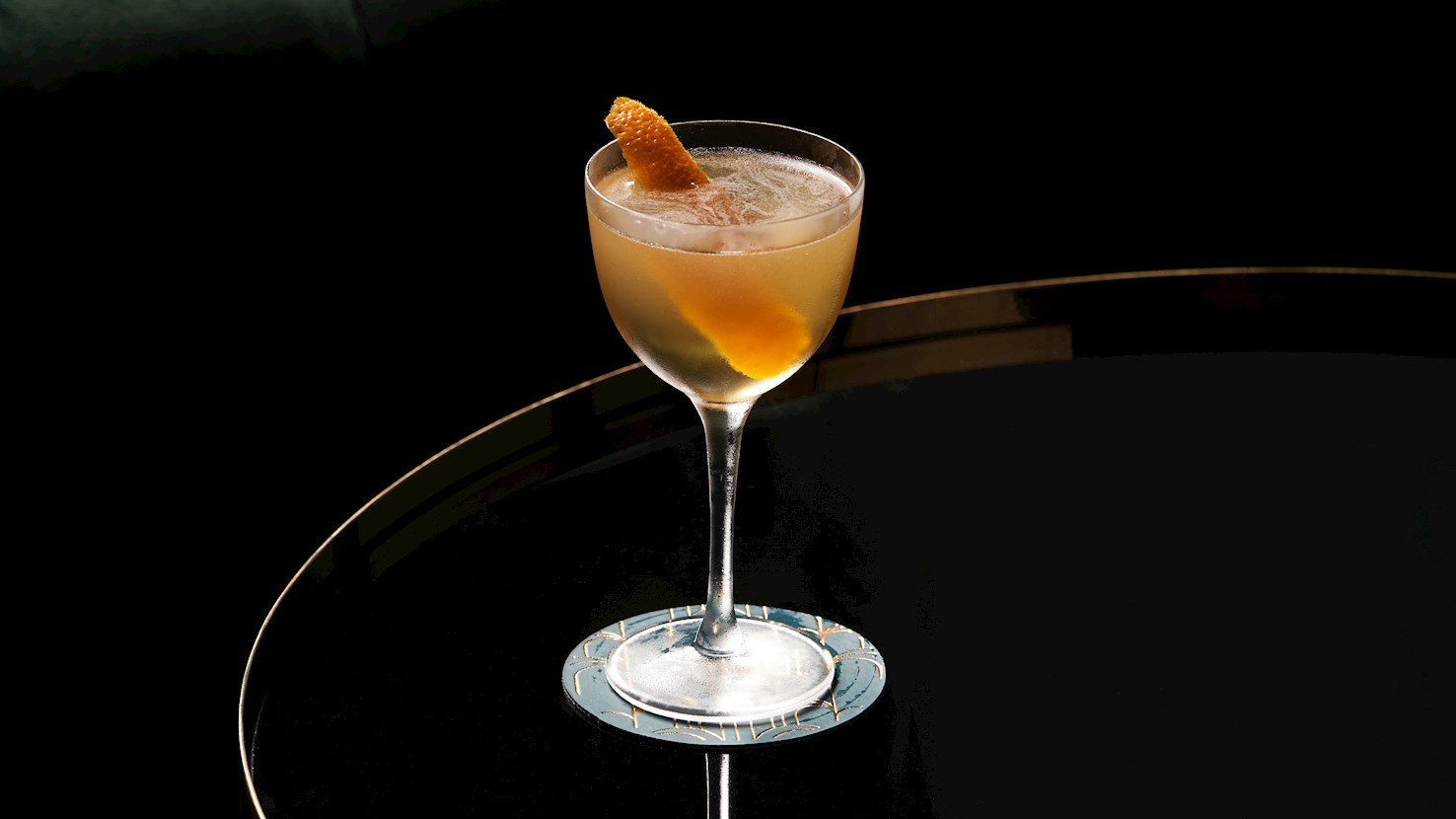
Old Pal

n/a ·

Old Pal is a French cocktail made with a combination of Canadian whiskey, Campari, and dry vermouth. In order to prepare it, all ingredients should be stirred with ice, then strained into a cocktail glass filled with ice. If desired, this dry and bitter drink can be garnished with an orange slice. It is believed that the first mention of Old Pal appeared in Harry MacElhone’s 1922 book called ABC of Mixing Cocktails, where he credits the editor of the New York Herald, Sparrow Robertson, for the invention of this cocktail.

08

Serendipity

n/a ·

Serendipity cocktail is a refreshing and elegant drink that was created at the renowned Bar Hemingway of the Ritz Paris. Concocted by bartender Colin Field, this cocktail is crafted with fresh apple juice, Calvados (an apple brandy from the Normandy region in France), champagne, and mint. It’s a perfect blend of the robust and rich flavor of the Calvados with the fresh and light notes of the apple juice and champagne, while mint provides a refreshing undertone. With a harmonious blend of fruitiness, effervescence, and a slight herbal note, the Serendipity offers a divine and subtly complex drinking experience.

09

Monkey Gland

n/a ·

Monkey Gland is a French cocktail made with a combination of gin, orange juice, and a few drops of absinthe and grenadine. In order to prepare it, all ingredients should be shaken, then strained into a chilled cocktail glass. The drink was invented by Harry McElhone, the famous owner of Harry’s New York Bar in Paris, and he named it after the 1920s experiments done by Serge Voronoff, who wanted to graft monkey glands to human testicles. Although the story about this cocktail’s name is truly odd, it makes for great trivia while drinking Monkey Glands with friends.

10

Rose

n/a ·

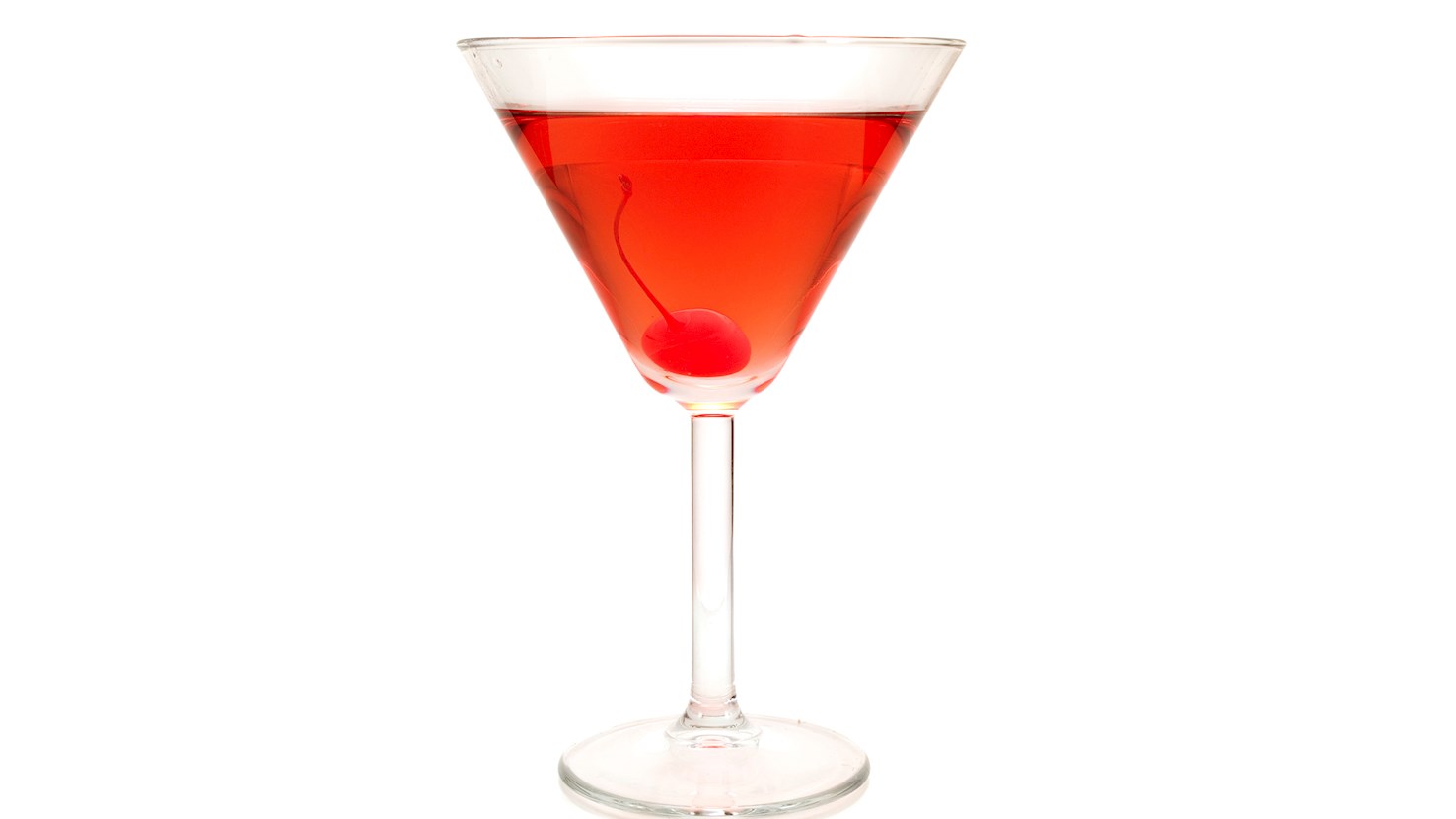
Rose is a cocktail made with kirsch, dry vermouth, and strawberry syrup. All ingredients should be stirred with ice, then strained into a cocktail glass. The cocktail can sometimes be garnished with a single Maraschino cherry. It is believed that Rose was invented in the 1920s by Johnny Mitta, a barman at the Chatham Hotel. A recipe for this cocktail can even be found in a 1927 book written by the famous Harry McElhone.

About this ranking

TasteAtlas food rankings are based on the ratings of the TasteAtlas audience, with a series of mechanisms that recognize real users and that ignore bot, nationalist or local patriotic ratings, and give additional value to the ratings of users that the system recognizes as knowledgeable. For the “Top 11 Local Alcoholic Mixed Drinks in Paris” list until June 24, 2026, 300 ratings were recorded, of which 276 were recognized by the system as legitimate. TasteAtlas Rankings should not be seen as the final global conclusion about food. Their purpose is to promote excellent local foods, instill pride in traditional dishes, and arouse curiosity about dishes you haven’t tried.

The initial list of top producers was compiled based on available reviews, awards, local recommendations, media and blog coverage, and consumer reviews. The list will be updated with ratings from TasteAtlas local ambassadors and TasteAtlas users.

Similar lists