shutterstock

Top 87 Western European Alcoholic Mixed Drinks

Last updated on June 16, 2026

Best Western European Alcoholic Mixed Drink Types
01

White Sangría

4.2 ·

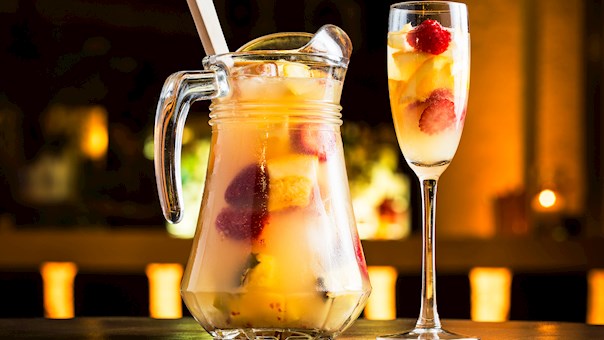
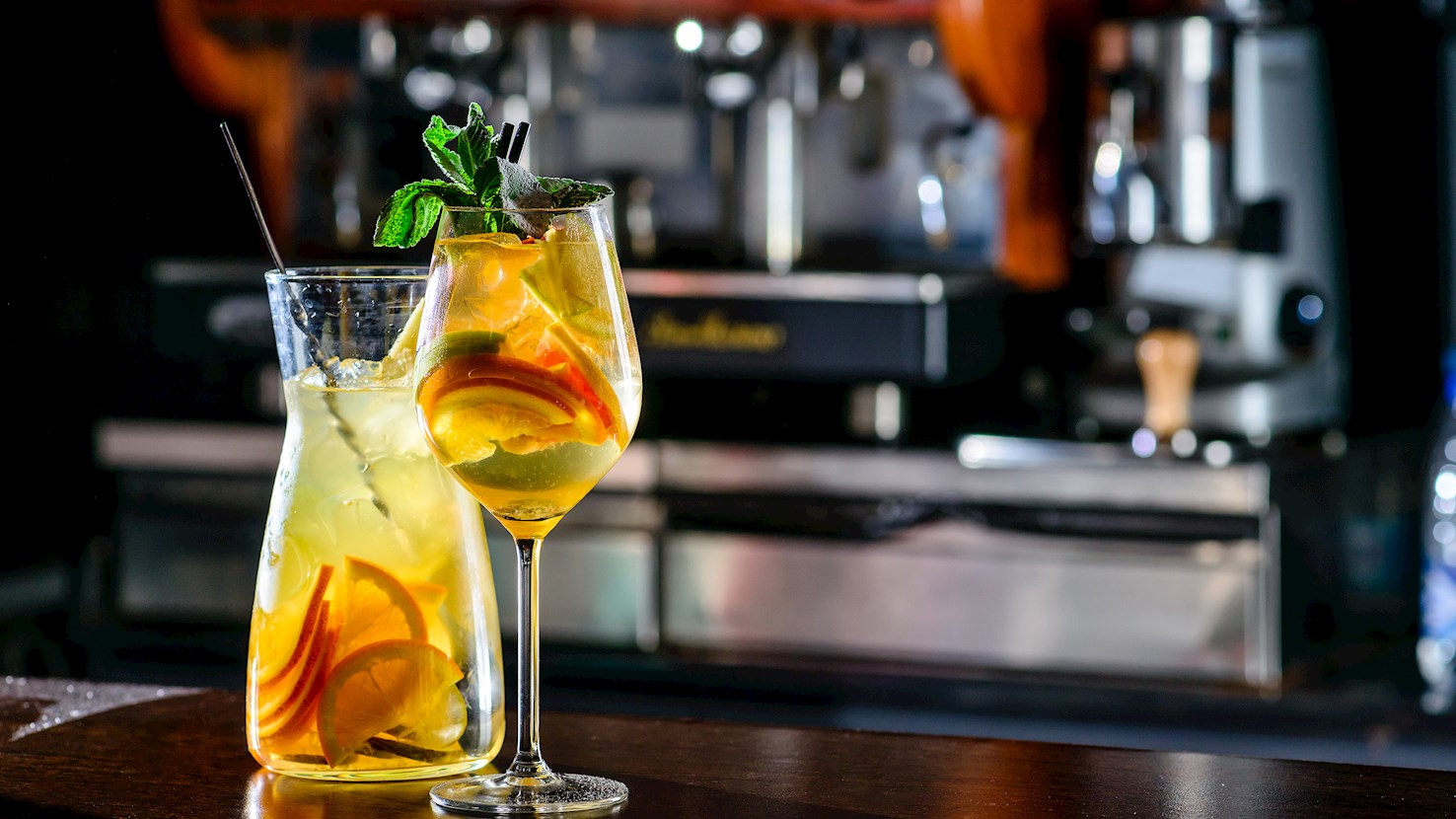
Sangría blanca or white sangría is a white wine version of this popular Spanish wine cocktail. It is usually sweetened and made with light, fruity, and fragrant white wines, while the selection of fruit typically includes peaches, apples, pears, melons, plums, berries, oranges, lemons, and limes. The drink is made by combining white wine, sugar, citrus juice, and fruit. The amount of sugar will depend on the sweetness of the wine and is usually adjusted to taste. It is recommended to cut the fruit into equal-sized pieces, and the combination is best left to macerate for several hours or overnight. This sangría is served well-chilled, preferably topped with ice cubes, while some fresh fruit should be added before serving. White wine sangría should not be made with aged or rich white wines. Recommended varieties include Albariño, Pinot Gris, Chardonnay, Riesling, Chablis, Sauvignon Blanc, and Gewurztraminer. Sometimes, brandy, rum, liqueurs, or spirits can be added to the mix. Like other types of Spanish sangrías, this white version is also served in a pitcher. It is best paired with seafood and pasta or rice dishes, but it can also be a good pairing with cheese.

02

Spritz Veneziano (Aperol Spritz)

4.1 ·

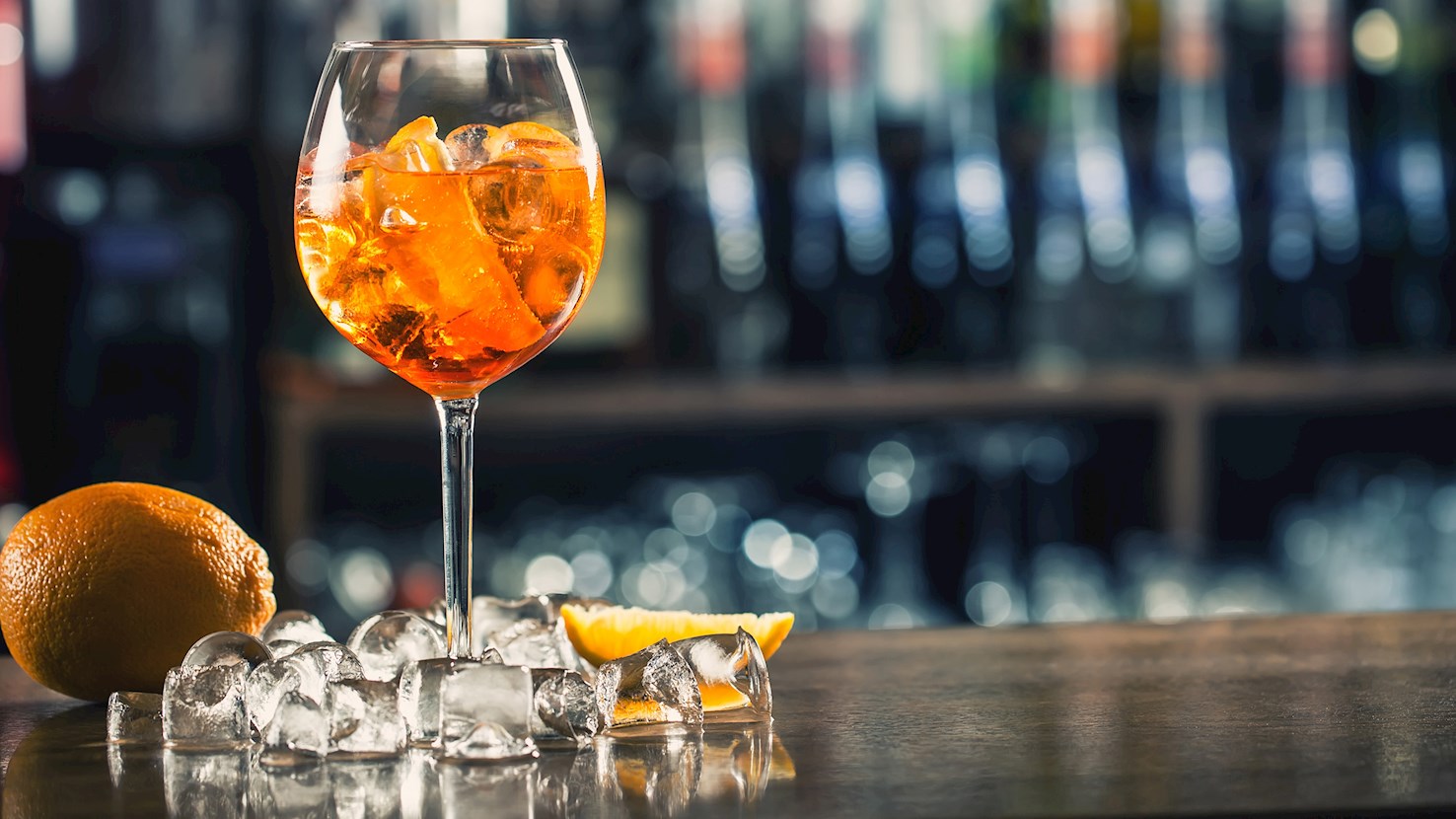
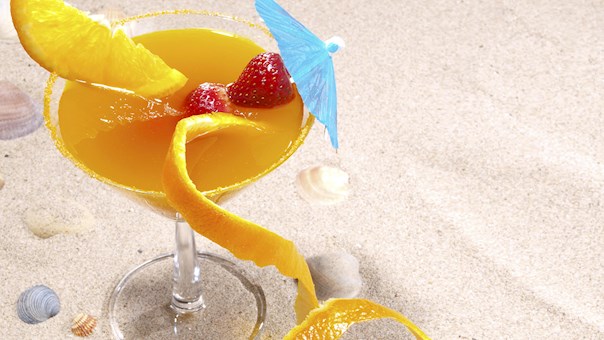
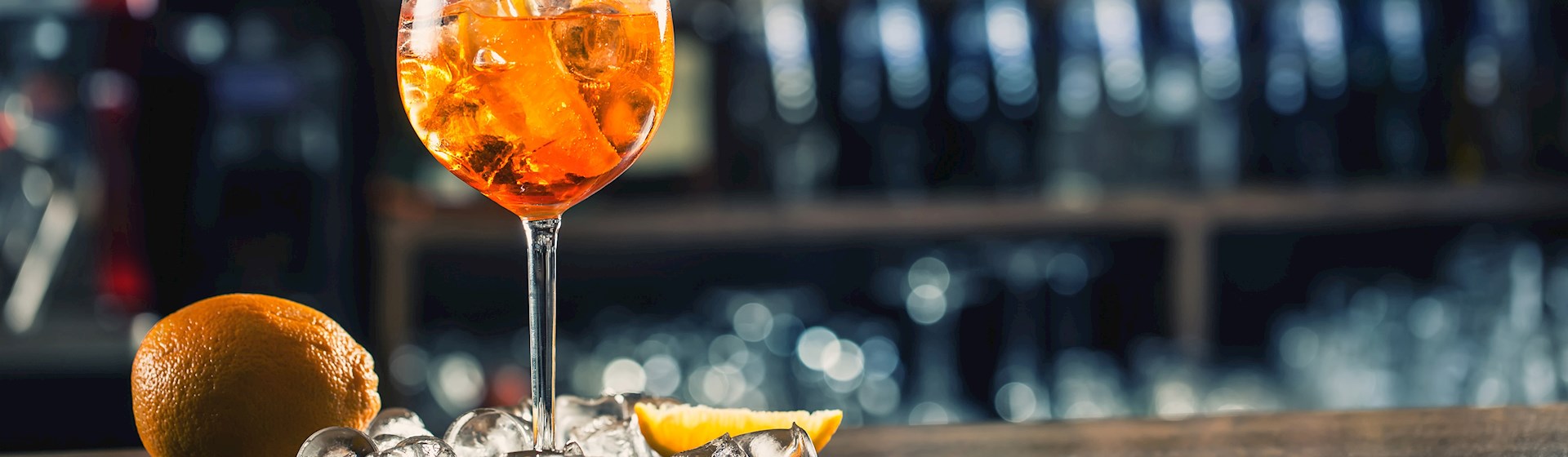
The coral-hued Spritz Veneziano (also known as Aperol Spritz) is one of the most popular aperitif cocktails in Italy. It is made with a combination of prosecco (3 parts), Aperol (2 parts), and a splash of soda water. The drink is traditionally garnished with an orange slice and served in a wine glass with a few ice cubes. The history of Aperol Spritz dates all the way back to the Napoleonic wars of 1805, when the Austrians took local Italian wine and added a spritz (lit. splash) of water into it. Later on, water was replaced by soda water, and wine was replaced with a combination of prosecco and Aperol. The popularity of Aperol Spritz reached its peak in the 2000s, and nowadays it is one of the ideal choices for a light summer drink.

03

Sangría

4 ·

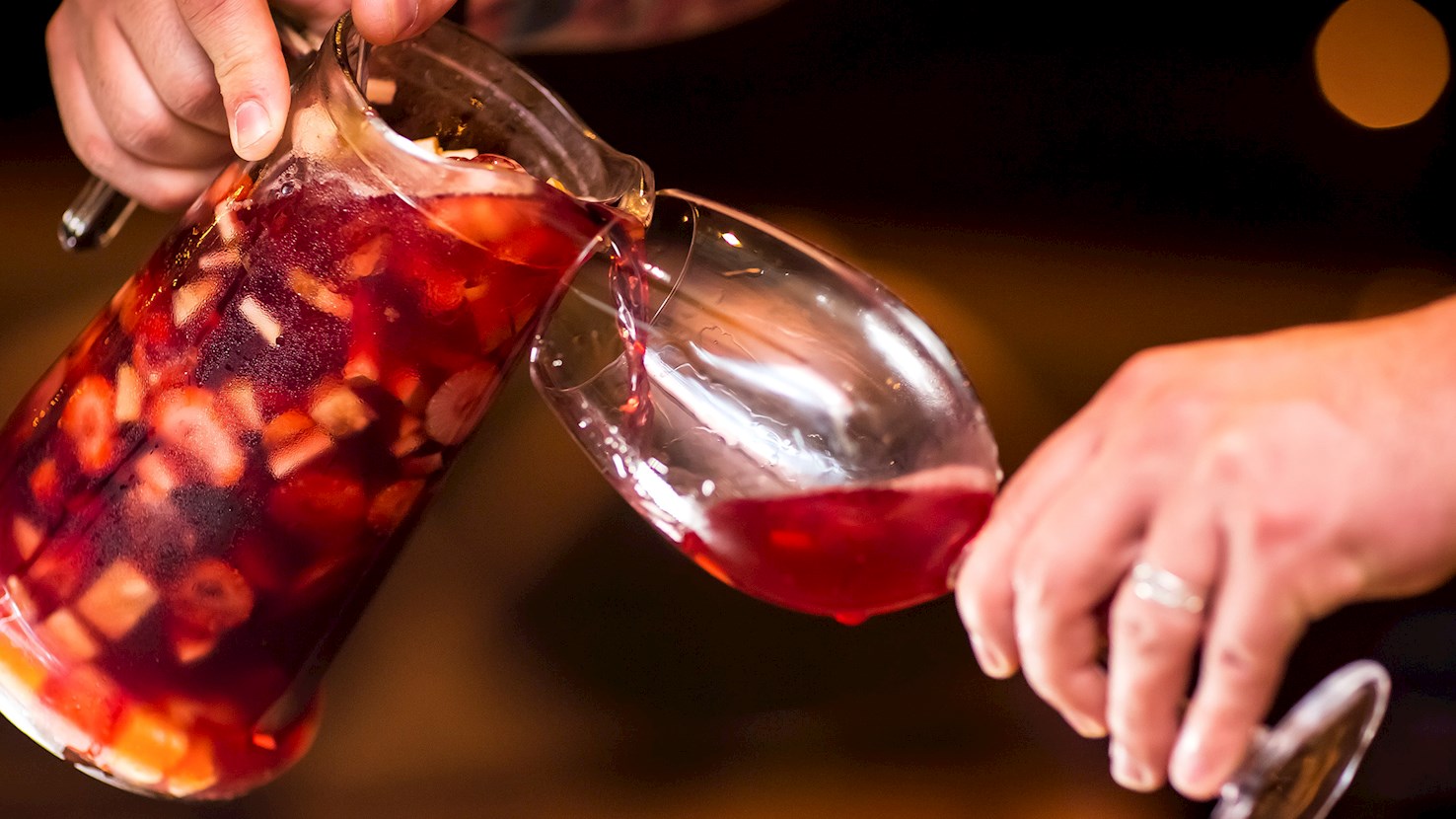
Sangria is a fruity Spanish cocktail made with red wine and chopped fruits such as pears, peaches, berries, apples, nectarines, or pineapple. The beverage is often combined with sugar, orange juice, sparkling water, and even brandy. It is believed that the predecessor of Sangria is hippocras, a beverage made with wine, sugar, and spices. Hippocras was prepared by early Greeks and Romans, who used alcohol to make the beverage drinkable, as water was typically filled with bacteria and was unsafe to drink. The name Sangria means bleeding in Spanish, referring to the red wine used in the preparation process. Even though no Sangria is made in the same way, it has been traditionally prepared with Spanish Tempranillo and similar wines from Rioja. In the 1700s and 1800s, Sangria varieties were prepared in France and England, while the American varieties have been prepared since the 1964 World’s Fair in New York City. Nowadays, European law states that the authentic Sangria must be made in Spain or Portugal, and it must contain less than 12% alcohol by volume. Although Sangria is regularly served at bars and restaurants, where it is served in tall glasses and garnished with an orange slice, especially during summer, it is said that the best versions are made at home.

04

Bellini

4 ·

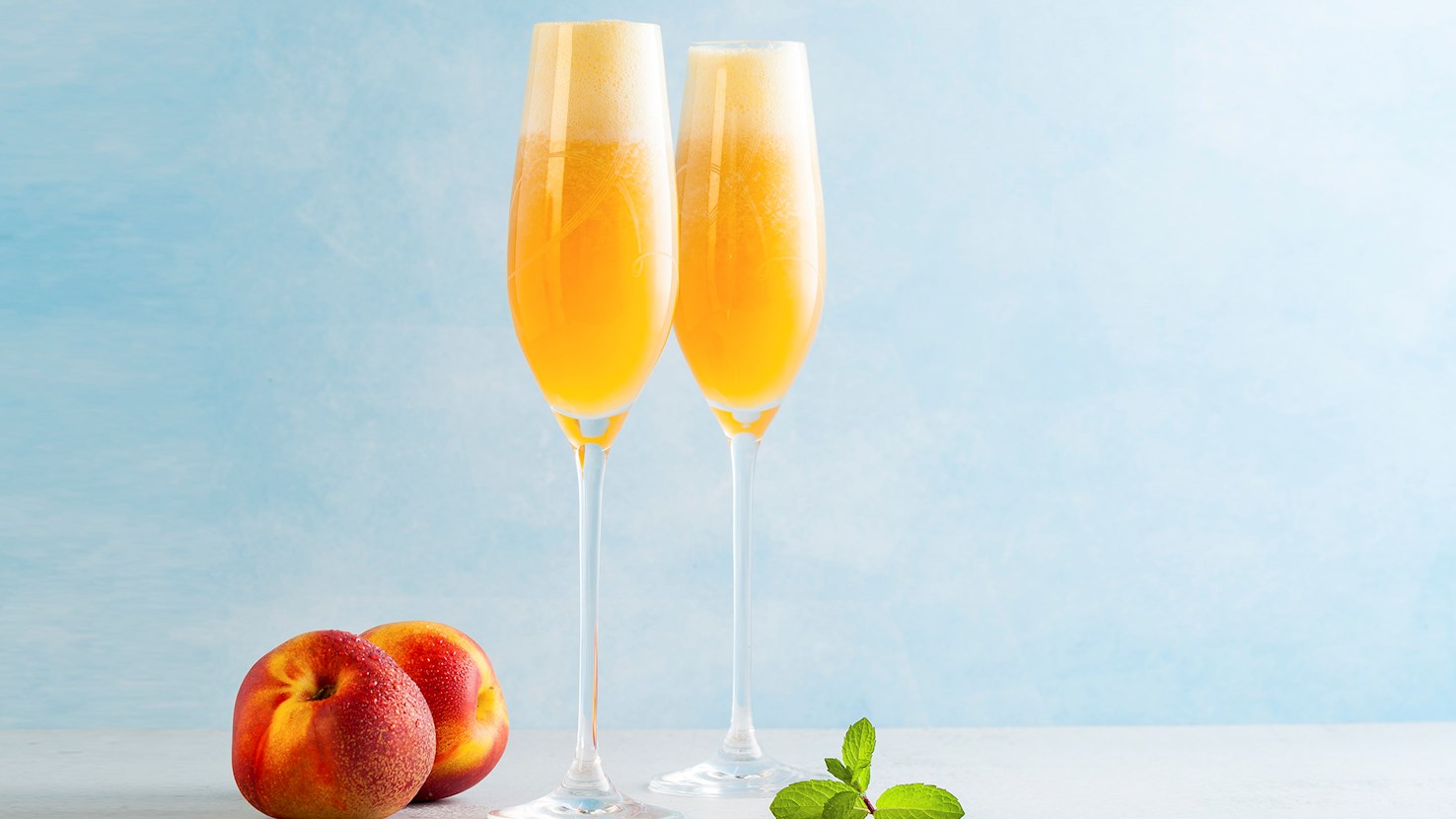
Bellini is a classic Italian cocktail made with a combination of Prosecco and white peach nectar or white peach purée. Peach purée or nectar is first poured into a chilled flute glass, and it is then topped with Prosecco before being gently stirred and served. Outside of Italy, Bellini is often made with champagne, but any sparkling wine will do. The cocktail was invented by a bartender named Giuseppe Cipriani in the 1930s or 1940s at Harry’s Bar in Venice, and it was named after the famous Italian painter Giovanni Bellini. Today, Bellini is especially popular as a brunch drink.

05

Mimosa

4 ·

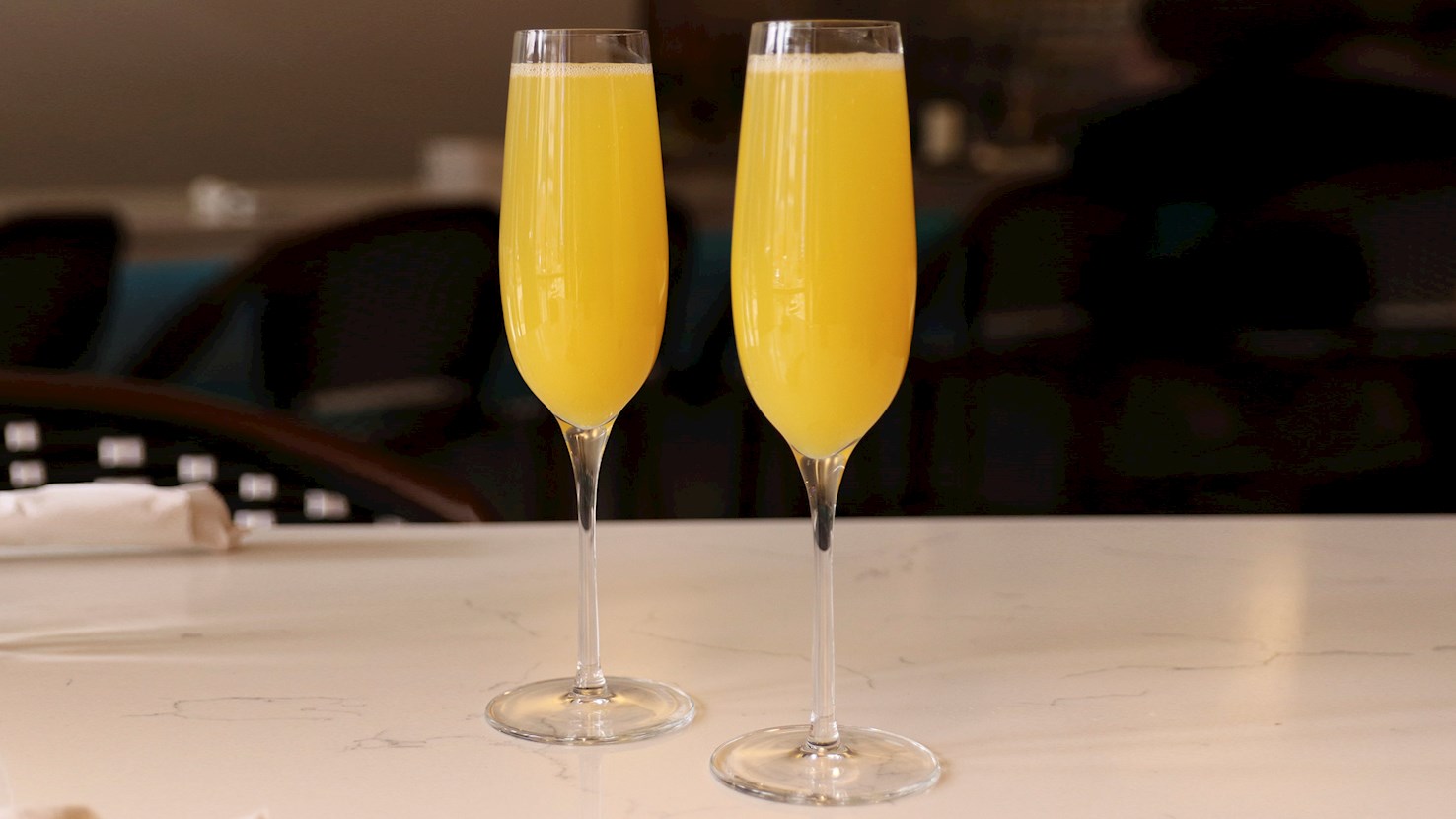
Mimosa is a classic breakfast cocktail that transforms a simple morning meal into a decadent event. The cocktail is made with freshly squeezed orange juice and Champagne or any dry sparkling wine. Grand Marnier or bitters can also be added in order to elevate the flavors even further. To prepare it, orange juice is poured into a champagne flute, and it is then topped with Champagne or sparkling wine. It is believed that the famous director Alfred Hitchcock introduced the Mimosa as a brunch staple in the United States in the 1940s. The cocktail is named after an Australian flower that was introduced to Europe by Captain Cook, and the first Mimosa was supposedly served in Paris in 1925 by Frank Meier, who was the head barman at The Ritz at the time.

06

Bombardino

4 ·

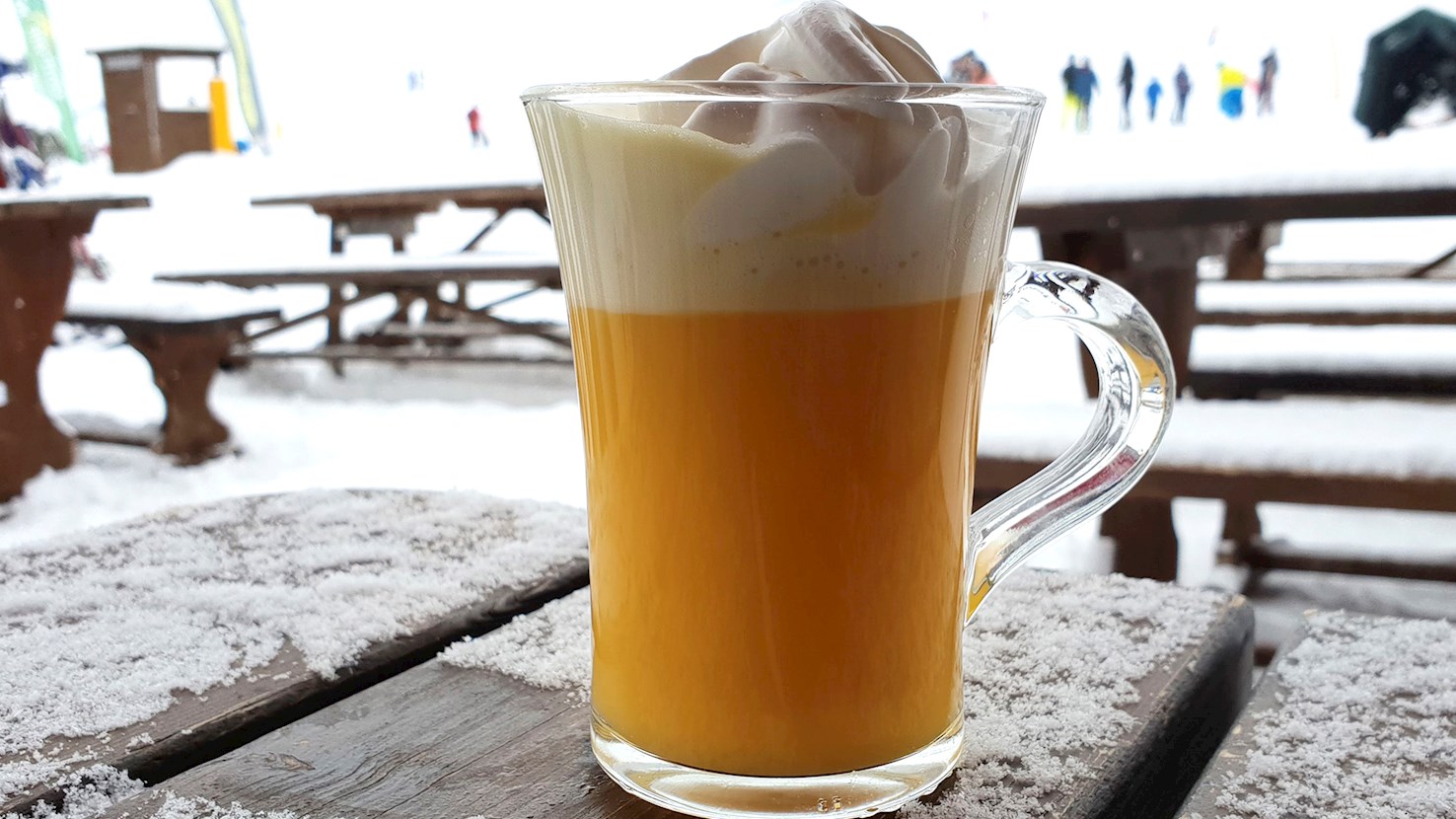
Bombardino is the ultimate Italian winter cocktail made with a combination of brandy, VOV egg liqueur, whipped cream, and cinnamon. In order to prepare it, brandy and warm egg liqueur should be poured into a glass mug, and the combination is then generously topped with whipped cream and a sprinkling of cinnamon. It is believed that the drink is named Bombardino after the fact that one of the first people to try it exclaimed that "it’s like a bomb" after noting its high alcohol content and hot temperature. Although the cocktail originated in Livigno, nowadays it is a staple of numerous Italian ski resorts.

07

Kir Royale

3.9 ·

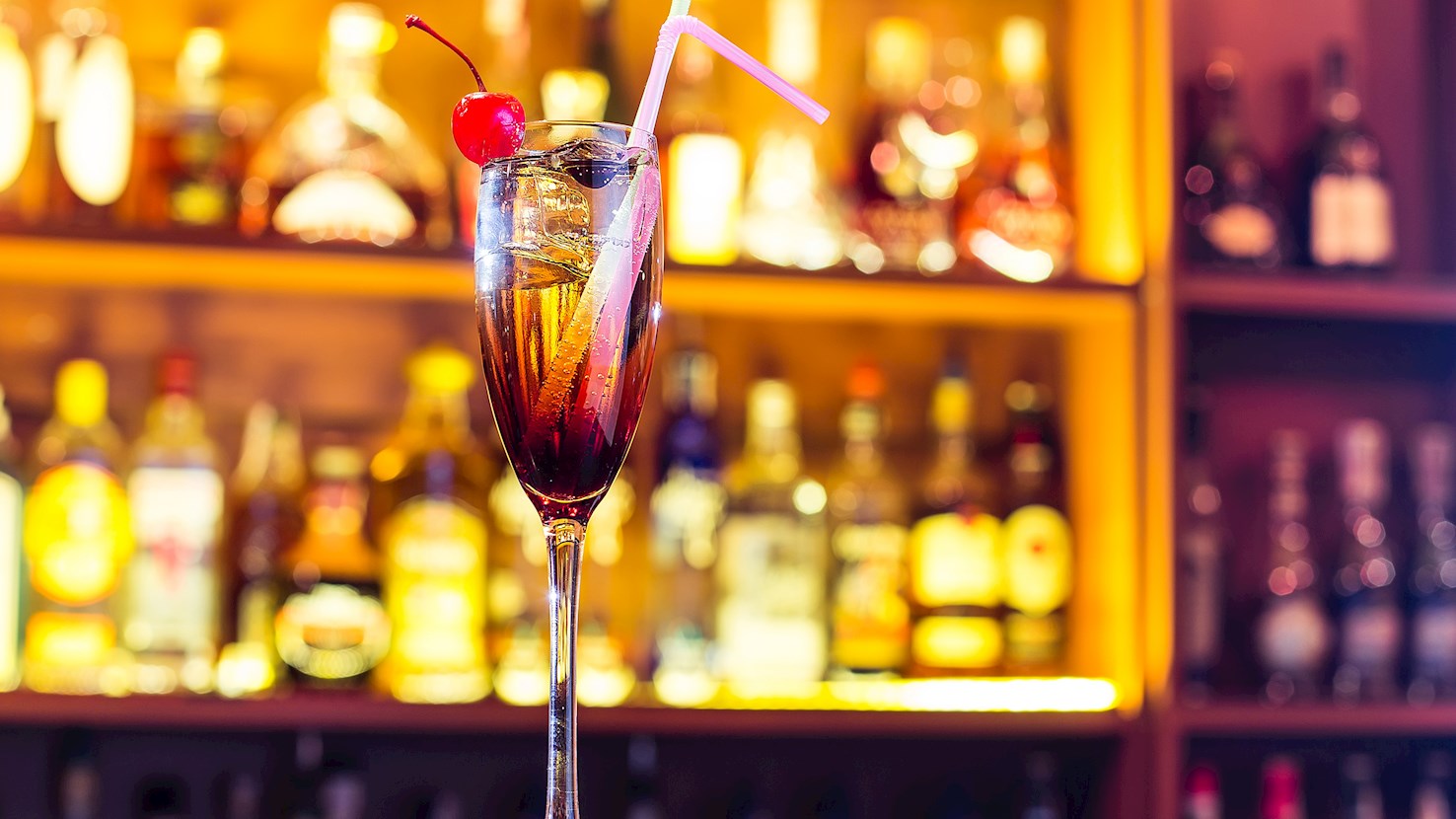
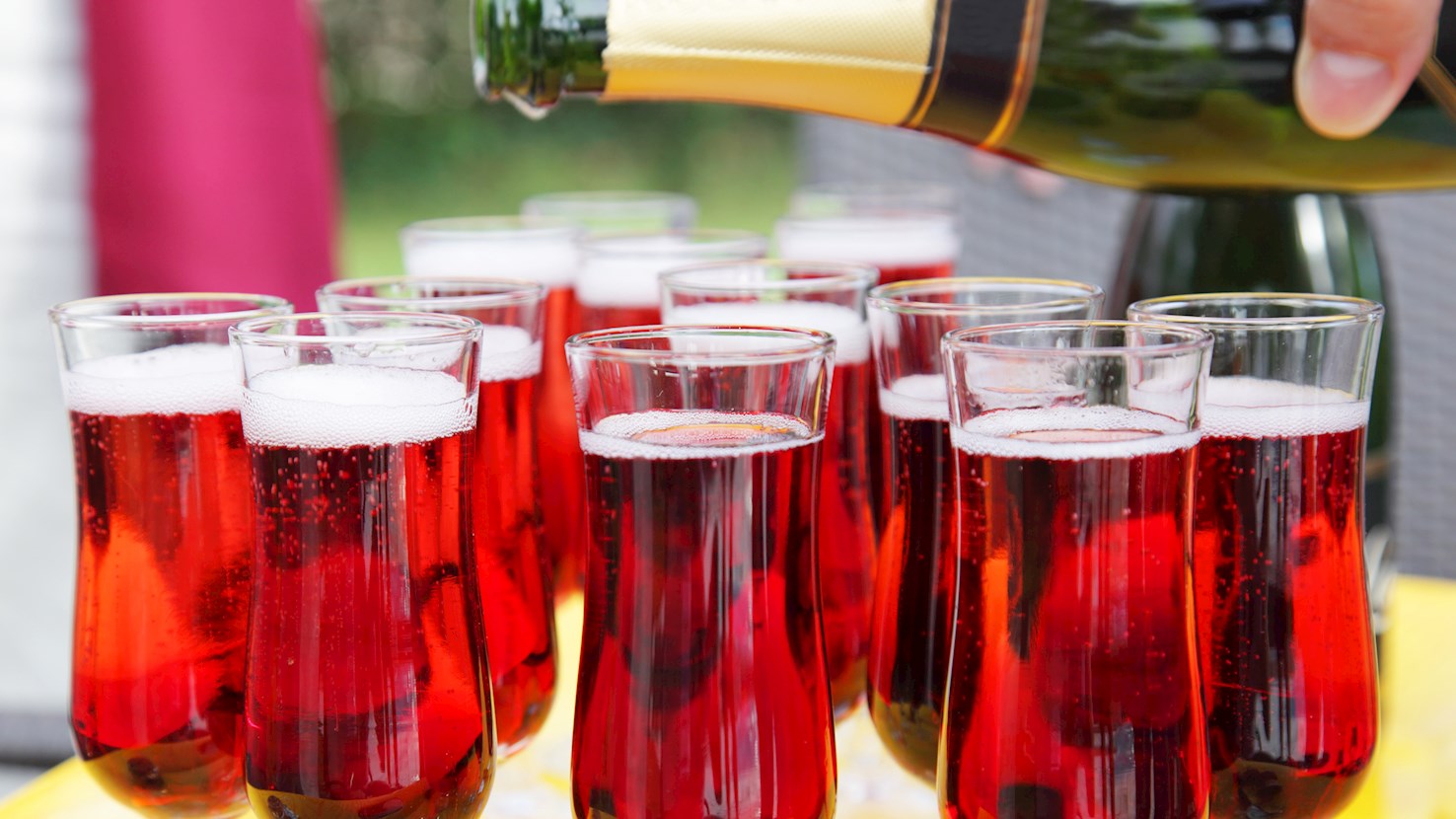
Kir Royale is a French cocktail consisting of crème de cassis and Champagne. It is a modern version of traditional Kir which is made with crème de cassis and white wine. Just like regular Kir, the Royale variety is also served in a flute glass without garnishes, usually as an apéritif. If the cocktail is made with raspberry liqueur instead of crème de cassis, it is then called Kir Impérial.

08

Hugo

3.9 ·

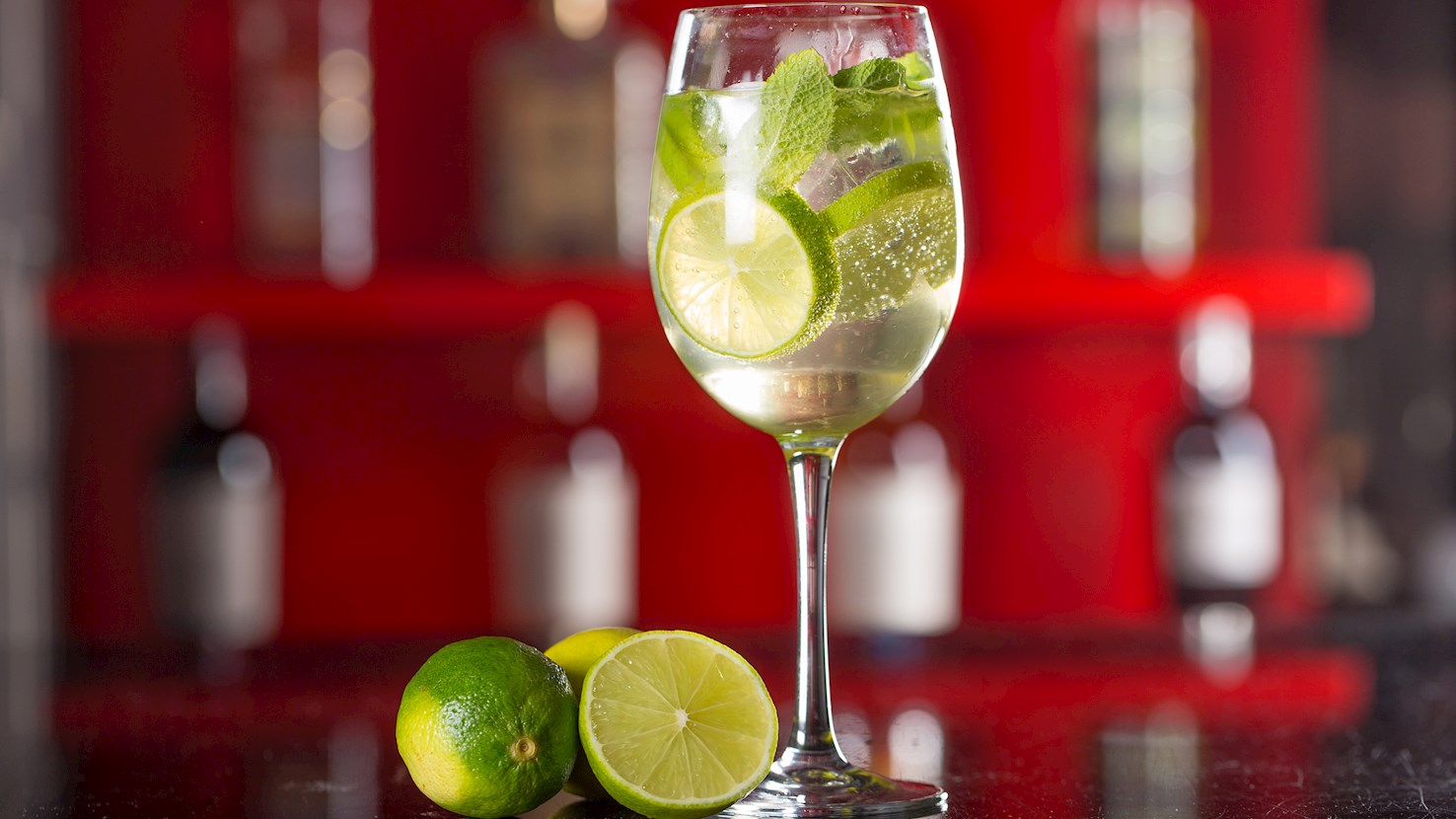
Hugo is a refreshing Italian cocktail that combines elderflower syrup (or elderflower liqueur), Prosecco, and a spritz of seltzer or sparkling water. The original version was made with lemon balm syrup, but since elderflower syrup is more available, it became the prevalent option. The drink is made by adding all the ingredients in a glass filled with ice. It is mostly served in a red wine glass and usually comes garnished with mint and sometimes with lemon or lime wheel. The cocktail was invented in 2005 by Roland Gruber, a bartender who was working in Vinschgau, South Tyrol. The drink soon spread to other Italian regions and neighboring countries and is now commonly found in Germany, Switzerland, and Austria. Hugo is mainly enjoyed as a light spring or summer cocktail. It is also available as a pre-mixed, bottled drink.

09

Tinto de Verano

3.8 ·

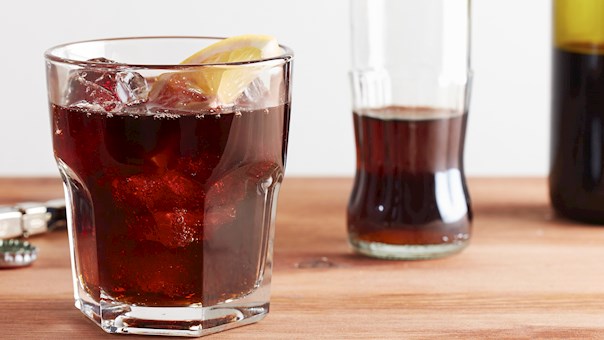
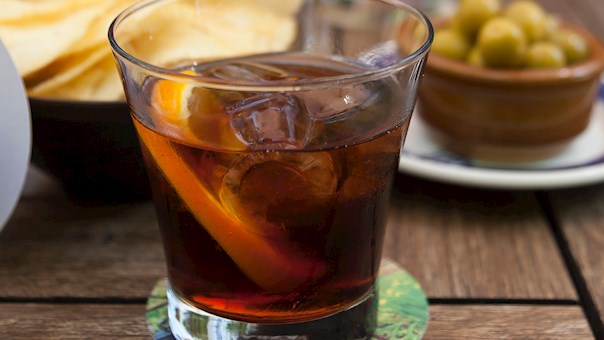
Similar to Sangria, Tinto de Verano is a cold wine-based cocktail that originates from Spain. It can be translated as Red Wine of Summer, so it is not a surprise that it is mainly consumed during summer as a refreshing drink that can be made at home or bought in supermarkets, where it is often readily available. Tinto de Verano is made with equal parts red wine and gaseosa, which is a general term for mild-flavored sodas and carbonated drinks. The beverage is traditionally mixed with a lightly sweetened lemonade called La Casera, but it can be replaced with Sprite or 7-Up combined with sparkling water. While the classic recipe consists of only those two ingredients, rum can also be added to the cocktail for a unique aftertaste. In some varieties, red wine is replaced by rosé, while lemon-based soda can be substituted with orange-based soda. Tinto de Verano is typically served on the rocks in a tall glass with a lemon slice garnish.

10

Kir

3.7 ·

A cocktail made with blackcurrant liqueur (typically crème de cassis) and white wine is known as Kir, a traditional French beverage that is usually consumed as an apéritif. The cocktail got its name after Felix Kir, who popularized it after World War II through the twinning movement, which promoted friendship between towns, cities, countries, and cultures. In the past, it was called blanc-cassis, when it was made exclusively with a measure of liqueur topped up with Bourgogne Aligoté, but nowadays it is reinvented and includes various white wines in the preparation process. Traditional Kir is typically served in a flute glass, but if Champagne is added instead of white wine, it becomes Kir Royale. Depending on the ingredients used in this cocktail, there are also numerous other variations of Kir such as Kir Berrichon, Kir Bianco, Kir Breton, Kir Impérial, Kir Pêche, Pink Russian, and Tarantino.

Best Western European Alcoholic Mixed Drinks
01

Le Barteleur

n/a ·

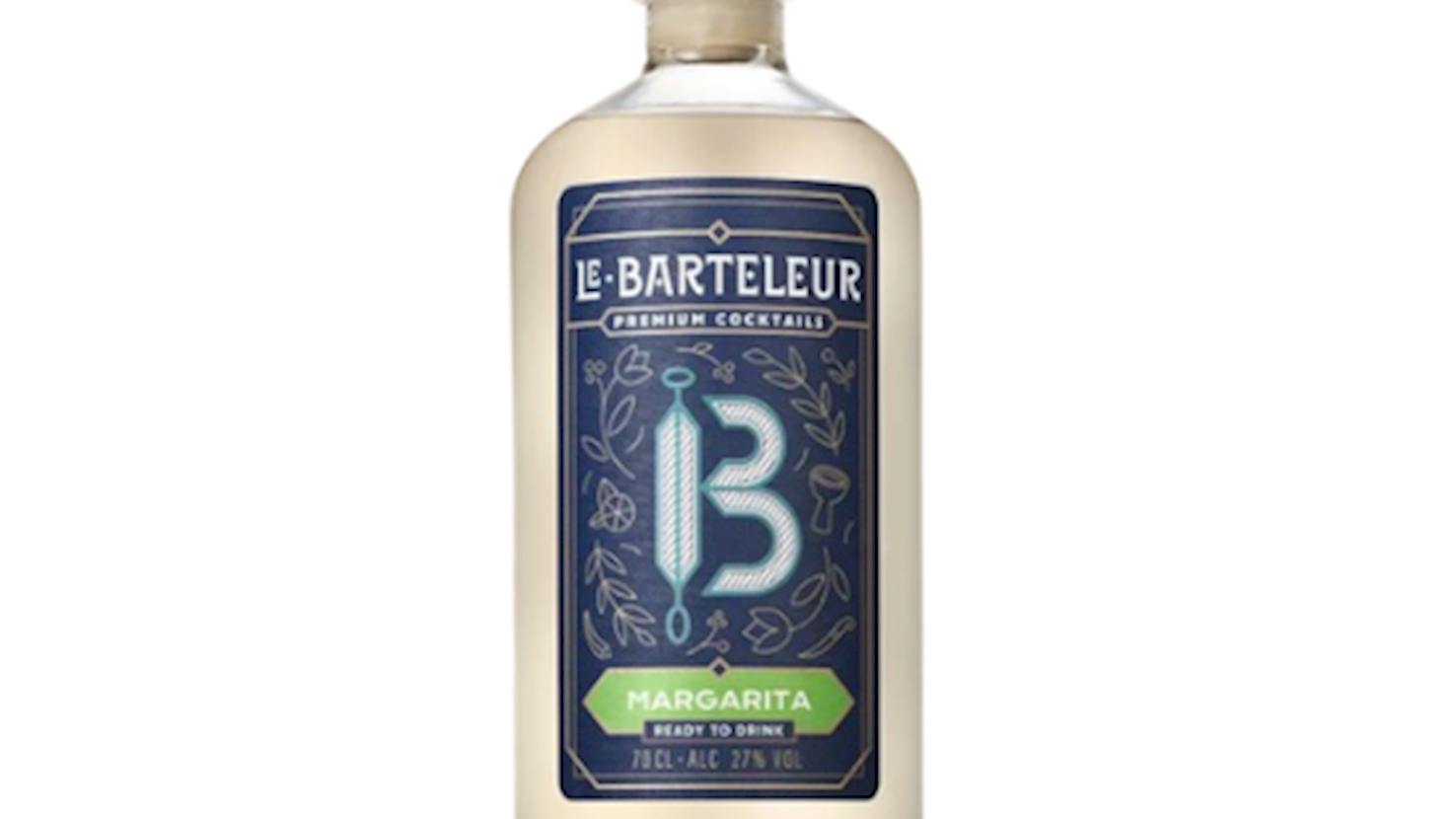
Le Barteleur is a French premium brand specializing in ready-to-serve bottled cocktails, founded in 2019 with the ambition of bringing high-quality cocktail experiences beyond the traditional bar setting. The brand was created around the concept of a “bartender at home”, offering pre-crafted cocktails inspired by iconic mixology classics, reinterpreted through a contemporary French perspective. Founded by Nicolas Varnier and Philippe Di Méo, Le Barteleur combines cocktail culture, design, and convenience with a strong emphasis on premium quality and distinctive brand identity. Its portfolio includes reinterpretations of classic cocktails such as Negroni, Manhattan, Mai Tai, Margarita, Espresso Martini, and Pornstar Martini, alongside original creations and evolving non-alcoholic alternatives. The brand emphasizes the use of carefully selected ingredients and a ready-to-serve approach designed for effortless consumption, typically requiring only ice and simple serving. Production is based in France, with positioning that bridges premium retail, horeca, gifting, and lifestyle markets. A key differentiator is its strong visual identity inspired by tarot symbolism and the fictional character of “Le Barteleur”, imagined as a stylish modern bartender figure.

Read more
View all
View map
About this ranking

TasteAtlas food rankings are based on the ratings of the TasteAtlas audience, with a series of mechanisms that recognize real users and that ignore bot, nationalist or local patriotic ratings, and give additional value to the ratings of users that the system recognizes as knowledgeable. For the “Top 87 Western European Alcoholic Mixed Drinks” list until June 16, 2026, 2,171 ratings were recorded, of which 1,855 were recognized by the system as legitimate. TasteAtlas Rankings should not be seen as the final global conclusion about food. Their purpose is to promote excellent local foods, instill pride in traditional dishes, and arouse curiosity about dishes you haven’t tried.

The initial list of top producers was compiled based on available reviews, awards, local recommendations, media and blog coverage, and consumer reviews. The list will be updated with ratings from TasteAtlas local ambassadors and TasteAtlas users.

Similar lists