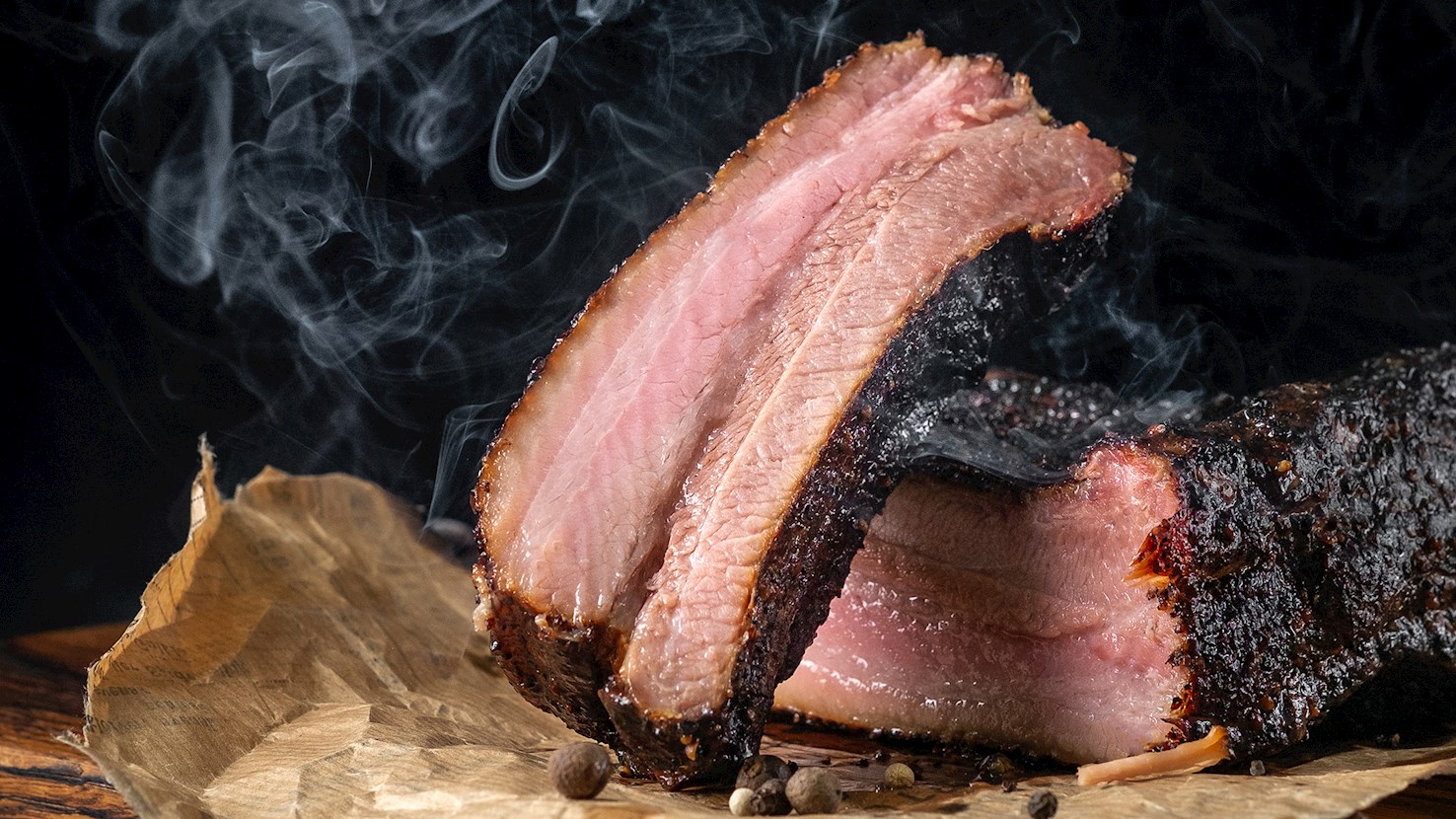
In the American, English and German systems of primal beef cuts, the brisket (or rinderbrust) is a cut that comes from the breast or lower chest of the cow. The brisket is one of the nine primal cuts of beef and is particularly known for its size and for having a significant amount of connective tissue. This cut consists of two different muscles: the pectoralis major, known as the "flat," and the pectoralis minor, or the "point." The flat is leaner, while the point has more fat and marbling. Because of the high amount of connective tissue, brisket needs to be cooked slowly, over low heat, to allow the collagen in the meat to break down and become tender. This makes it a popular choice for slow cooking methods like smoking, braising, or slow roasting. Brisket is notably used in a variety of regional American barbecue traditions, particularly Texas-style barbecue, where it's often smoked for many hours. It's also traditionally used for making corned beef and pastrami.
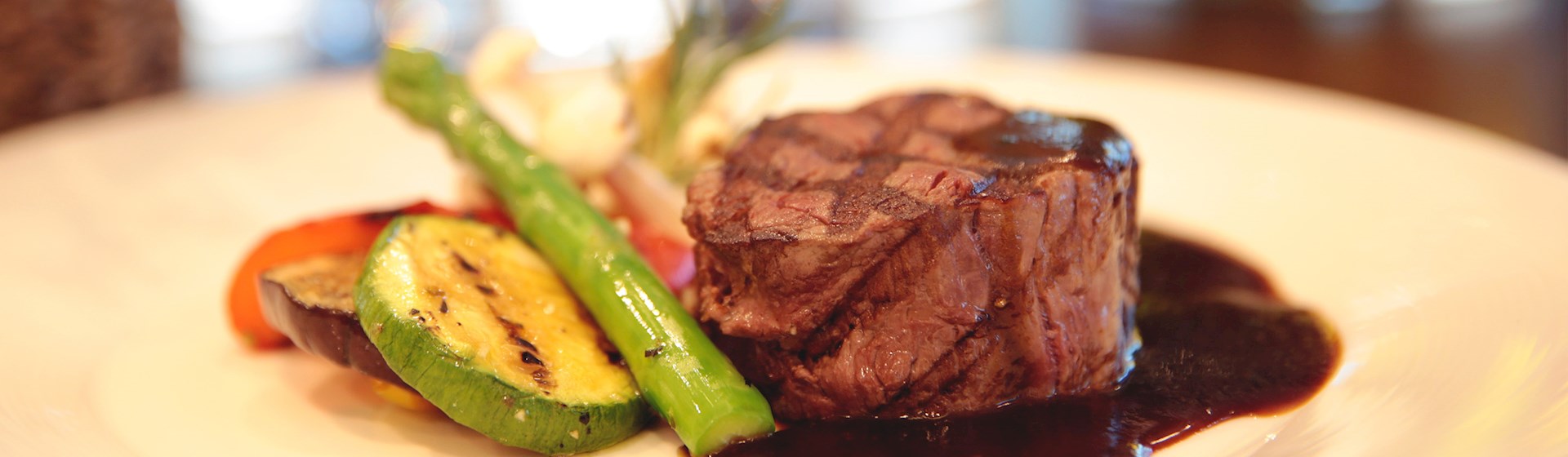
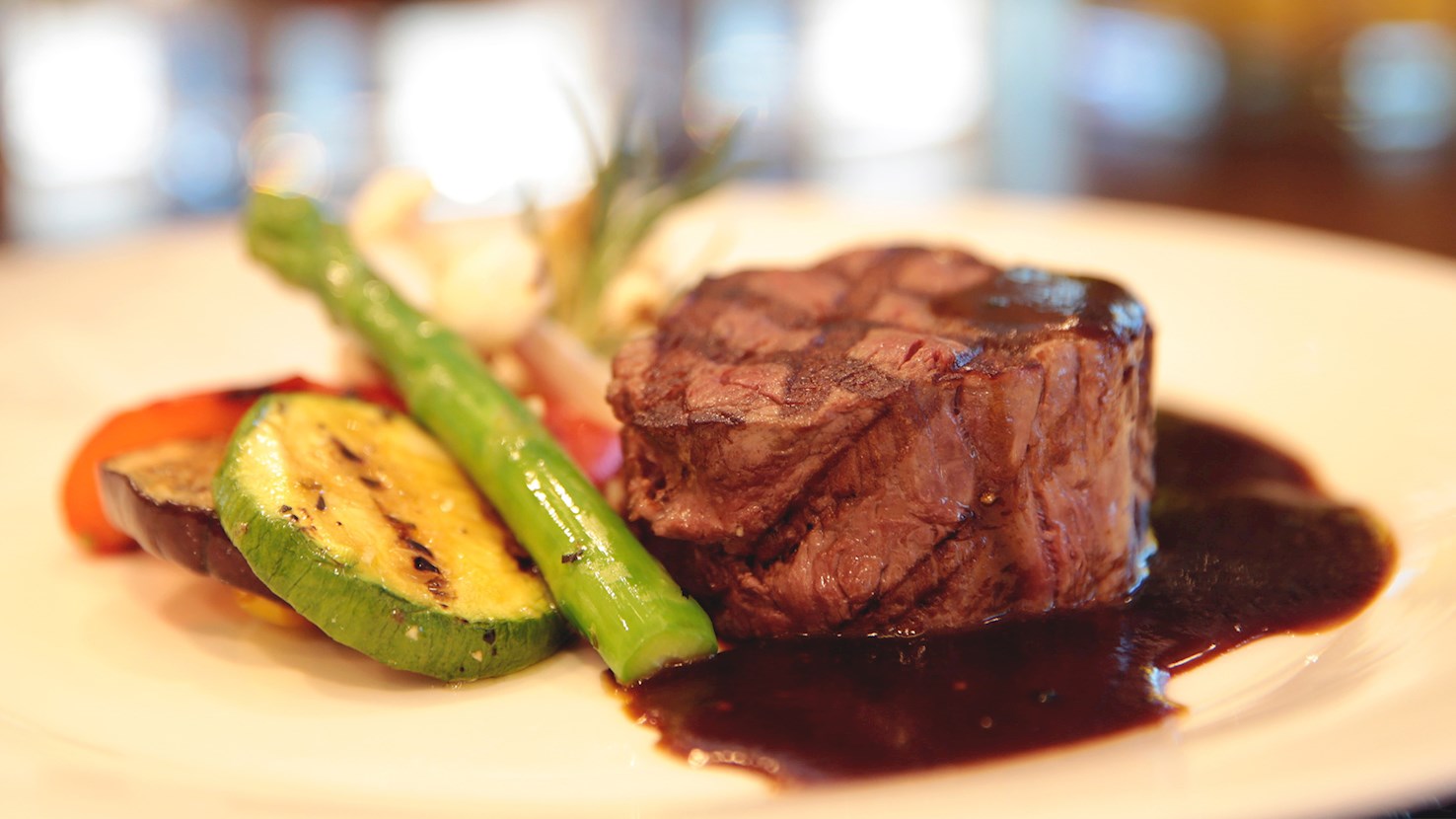
Filet mignon is a premium steak cut from the tenderloin of a cow, a muscle that runs along the spine. The name "filet mignon" is French, meaning "dainty fillet" or "delicate steak," which reflects its reputation as one of the most tender and luxurious cuts of beef. Known for its exceptional tenderness, filet mignon has a smooth, fine-grained texture and almost buttery consistency. However, it has a relatively mild flavor compared to other cuts like ribeye or strip steak, which are more marbled with fat. This makes filet mignon an ideal candidate for pairing with rich sauces, marinades, or other flavor-enhancing techniques. Typically cut into small, round portions weighing between 4 to 8 ounces each, filet mignon steaks are often thick-cut to help maintain their juiciness when cooked. They are usually prepared using high-heat methods such as grilling, broiling, or pan-searing and are best served medium-rare to medium to preserve their tenderness. Because filet mignon is so lean, it can dry out if overcooked, requiring careful attention during preparation. A favorite in fine dining, filet mignon is often the centerpiece of gourmet dishes, sometimes wrapped in bacon to add flavor and moisture. It is also commonly served with rich sauces like Béarnaise, peppercorn, or red wine reductions. Due to its tenderness and the skill required to prepare it properly, filet mignon is one of the more expensive cuts of beef, often reserved for special occasions and fine dining experiences.
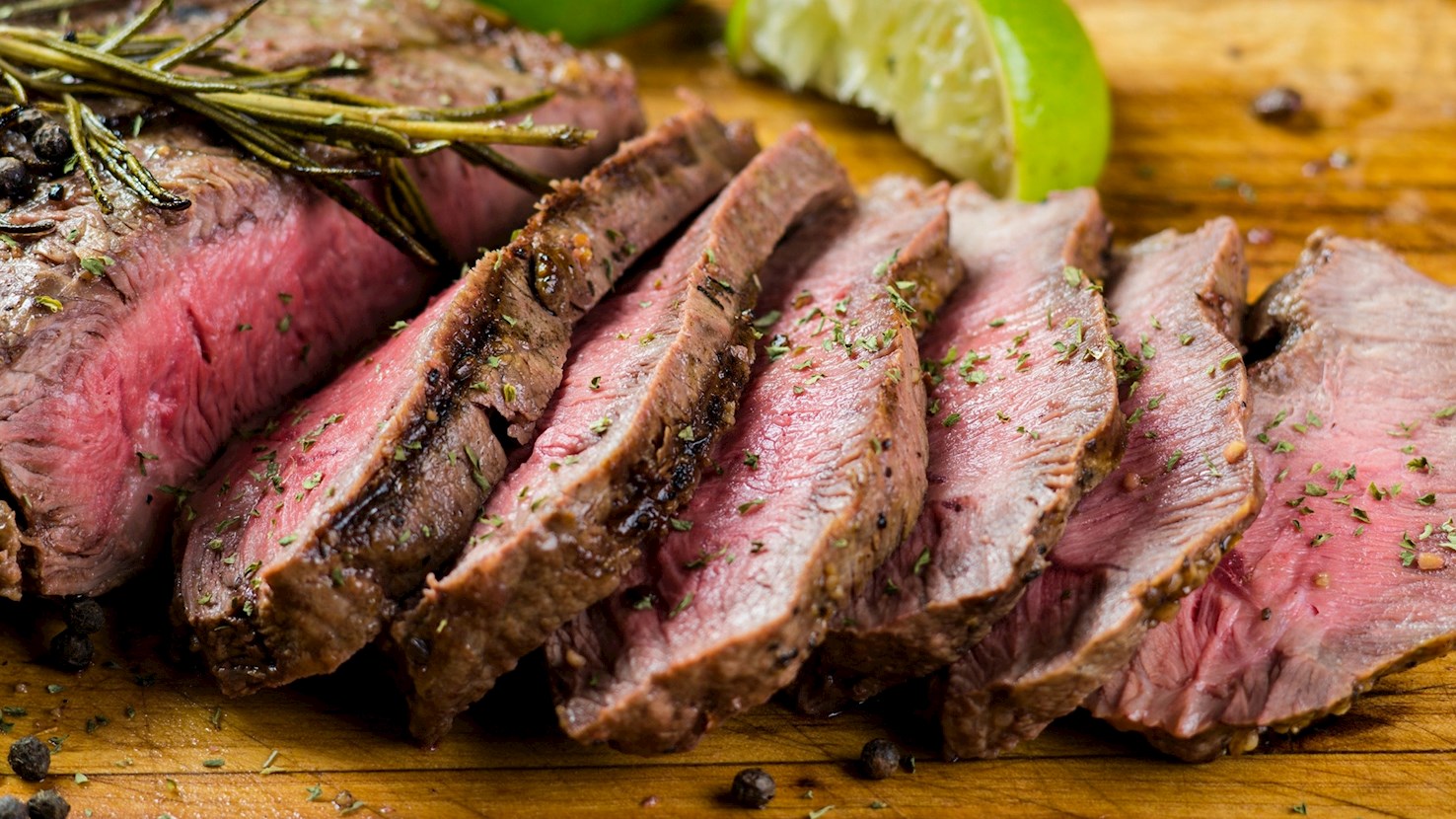
Flat iron steak is a cut of beef that comes from the shoulder (or chuck) of the cow, specifically the top blade. The name "flat iron" is believed to come from the steak's shape, which somewhat resembles an old-fashioned flat iron. It's known for its rich flavor and tenderness, making it a popular choice for grilling and other cooking methods. The flat iron steak is usually well-marbled, which contributes to its flavor and tenderness. However, it has a line of tough connective tissue running through the middle, which is typically removed by butchers to make the steak more palatable. This cut is praised for being relatively affordable compared to other premium cuts like ribeye or filet mignon. It’s often used in recipes where a rich, beefy flavor is desired, and it's versatile enough to be cooked in various ways, including grilling, broiling, or pan-searing.
TasteAtlas food rankings are based on the ratings of the TasteAtlas audience, with a series of mechanisms that recognize real users and that ignore bot,
nationalist or local patriotic ratings, and give additional value to the ratings of users that the system recognizes as knowledgeable.
For the “Top 3 British American Beef Cuts” list until June 15, 2026, 326 ratings were recorded, of which 300 were recognized by the system as legitimate.
TasteAtlas Rankings should not be seen as the final global conclusion about food. Their purpose is to promote excellent local foods,
instill pride in traditional dishes, and arouse curiosity about dishes you haven’t tried.