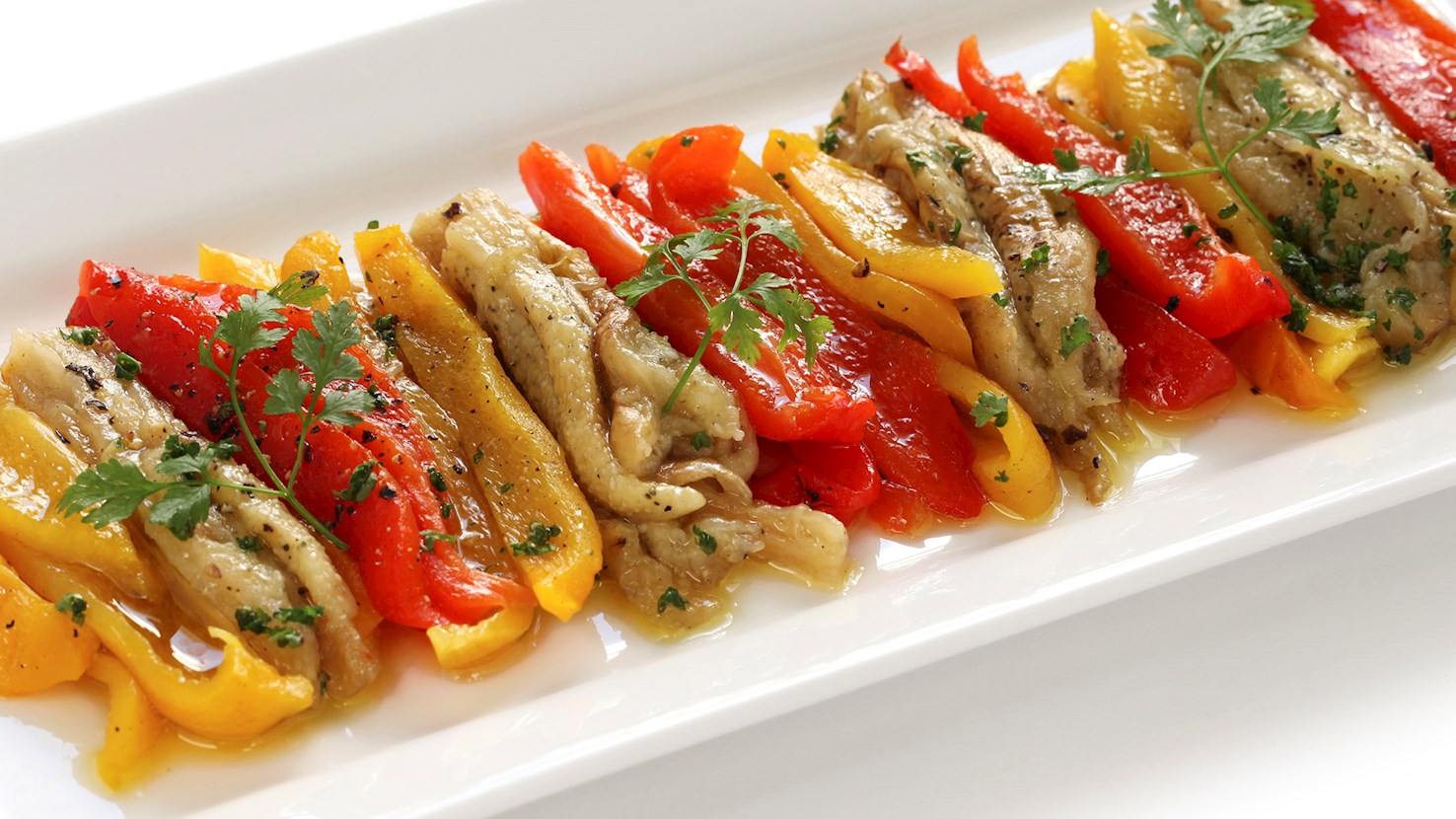
Escalivada is one of the most famous dishes from the Catalonia region of Spain, but it is also one of the simplest. The main ingredients include eggplants, bell peppers, and sometimes onions and tomatoes, typically grilled whole over hot embers. The vegetables are then peeled, seeded, seasoned, and served as appetizers or side dishes, accompanying numerous roasted or grilled meat dishes and complementing each other. The name of the dish is derived from the word escalivar, meaning to roast over embers, to grill, or to roast in ashes. It is believed that the first escalivada was prepared by farmers from the Pyrenees mountains, who would prepare the meal while the cattle was out on the pastures. Although escalivada is nowadays served mostly as a side dish, it can also be served as tapas, a warm salad, or as an accompaniment to fish dishes.
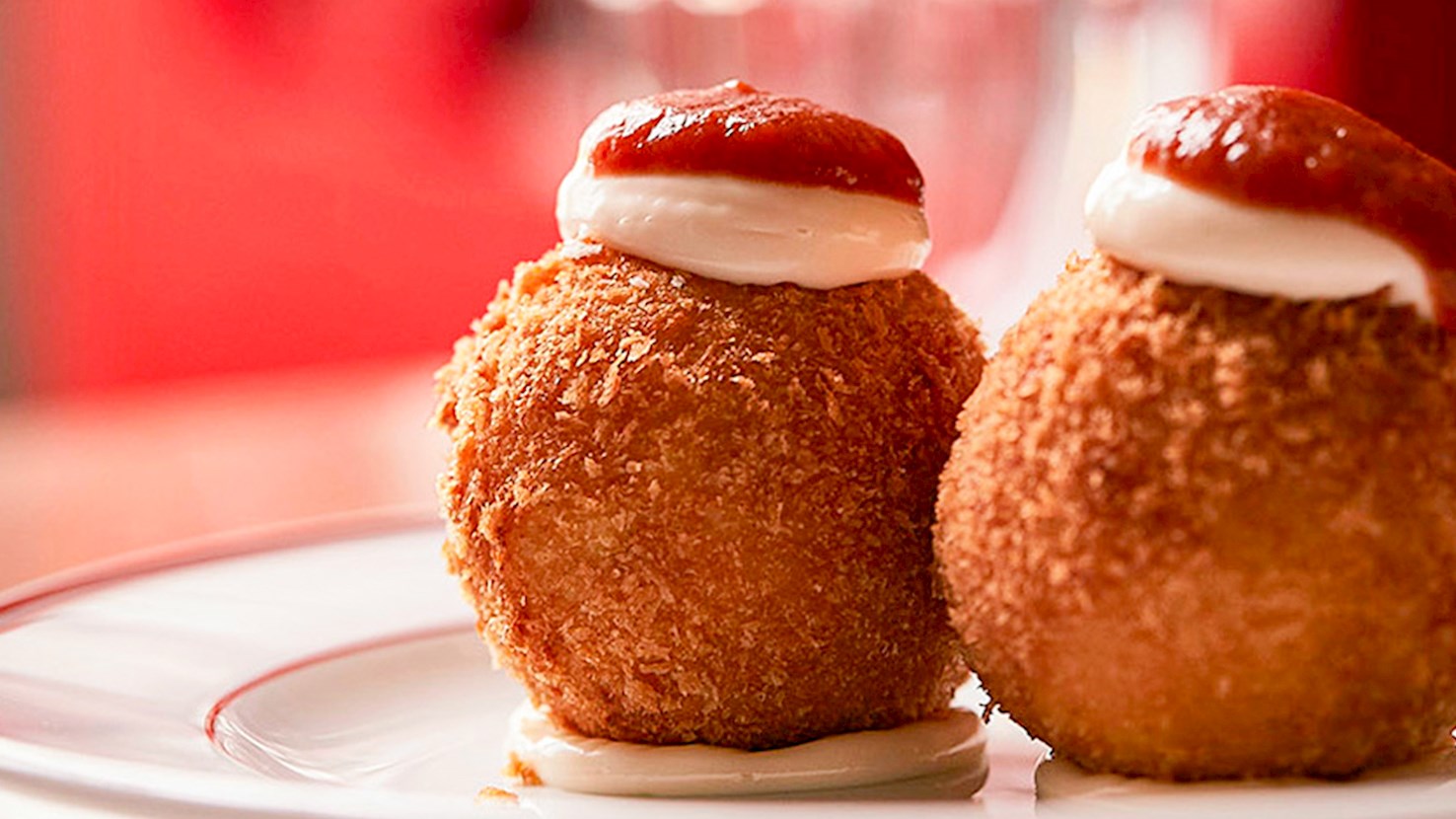
La bomba is a popular tapa originating from Barcelona, particularly from the neighborhood of Barceloneta. This delicious and hearty dish consists of a large, round potato croquette stuffed with seasoned ground meat. The croquette is deep-fried until golden and crispy, and it is typically served with two distinctive sauces: a spicy red sauce, often a brava sauce, and a garlicky white aioli. The preparation of la bomba begins with boiling and mashing potatoes to form a smooth mixture. The filling usually consists of ground meat, such as beef or pork, seasoned with spices, onions, garlic, and sometimes peppers. The seasoned meat is cooked and then formed into small balls. The mashed potatoes are shaped around the meat filling to form a ball, resembling a small bomb. Each ball is then breaded by dipping it in flour, beaten egg, and breadcrumbs before being deep-fried until crispy and golden brown. La bomba is traditionally served hot, topped with the spicy red sauce and aioli, creating a delightful contrast of flavors and textures. This tapa is a favorite in many tapas bars across Barcelona and has gained popularity throughout Spain.
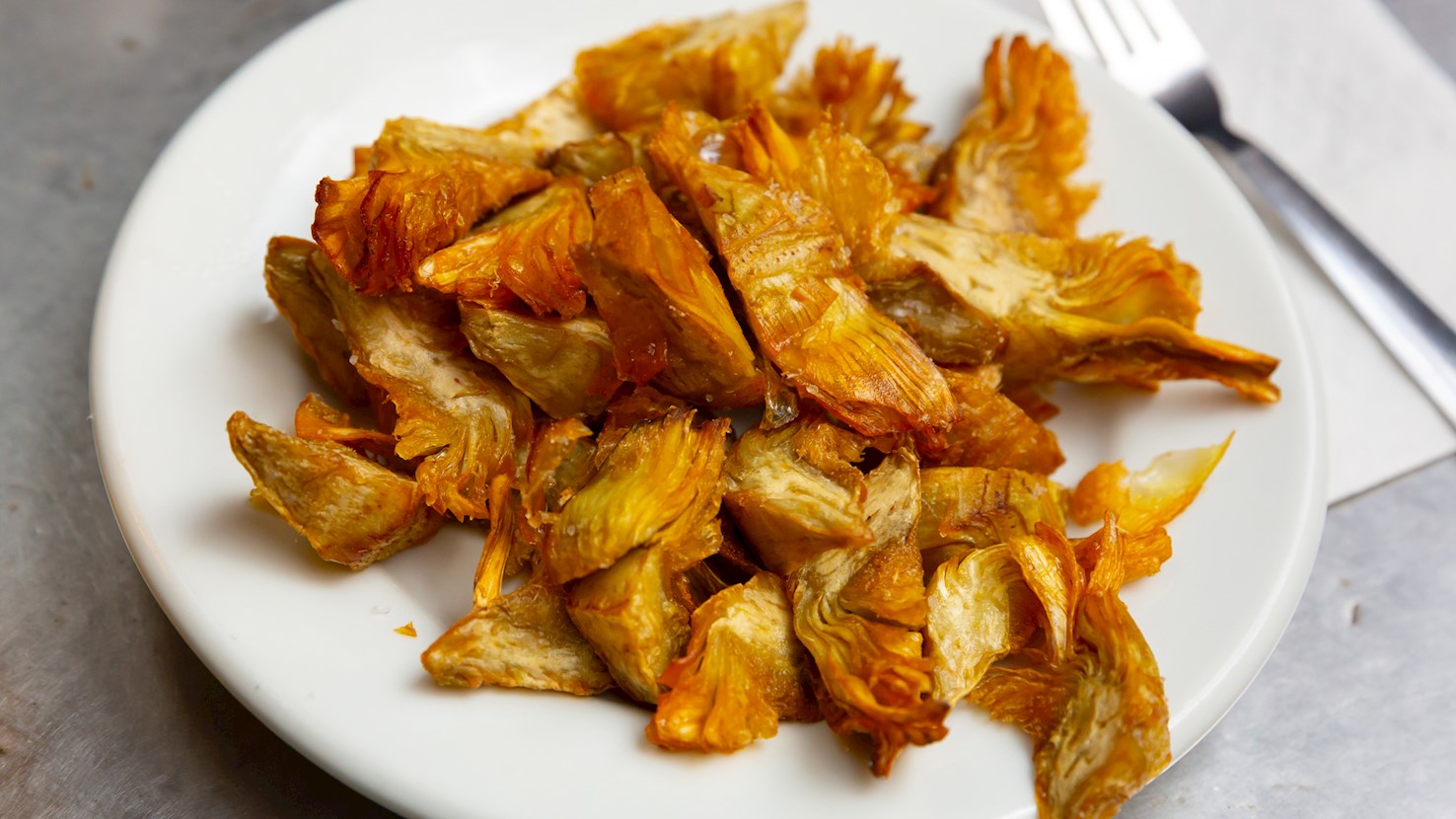
Chips de alcachofa is a traditional appetizer or snack that's typically served as a tapa. It's made with small Spanish artichokes and olive or sunflower oil for frying. The artichoke hearts are cut into slices and deep-fried until golden brown. The slices are drained, seasoned with salt, and served hot. In Spain, fresh artichokes are available as early as December if it's a good year with mild winters.
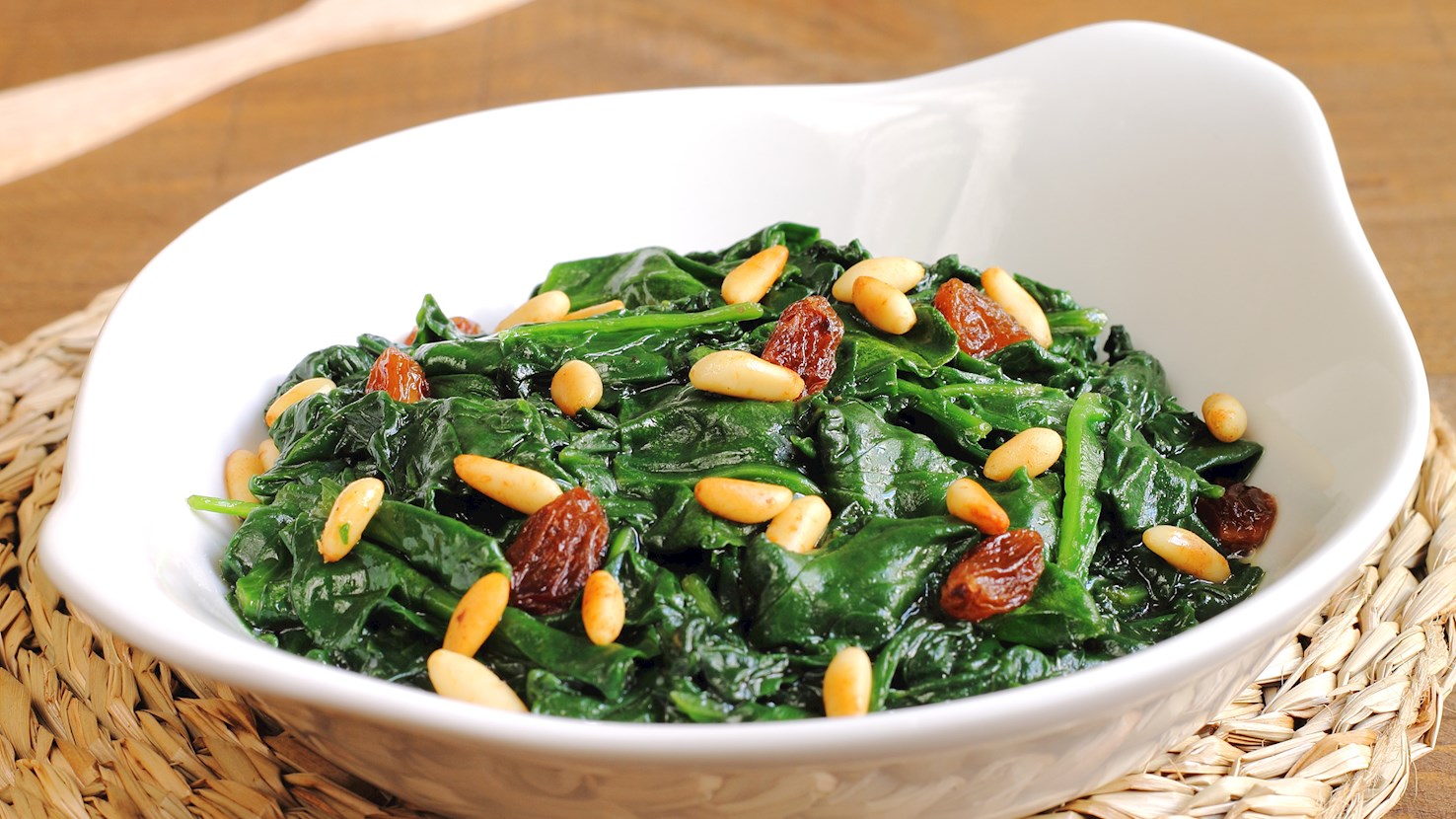
Espinacas a la catalana is a traditional dish originating from Catalonia. It's usually made with a combination of spinach, raisins, olive oil, salt, pepper, garlic, and pine nuts. The spinach is blanched, drained, and chopped. The garlic and pine nuts are sautéed in olive oil and the garlic is then removed. The raisins and spinach are added to the pan, seasoned with salt and pepper, and then fried for a few more minutes. The dish is served on small plates, and it's often accompanied by bread and ham on the side.
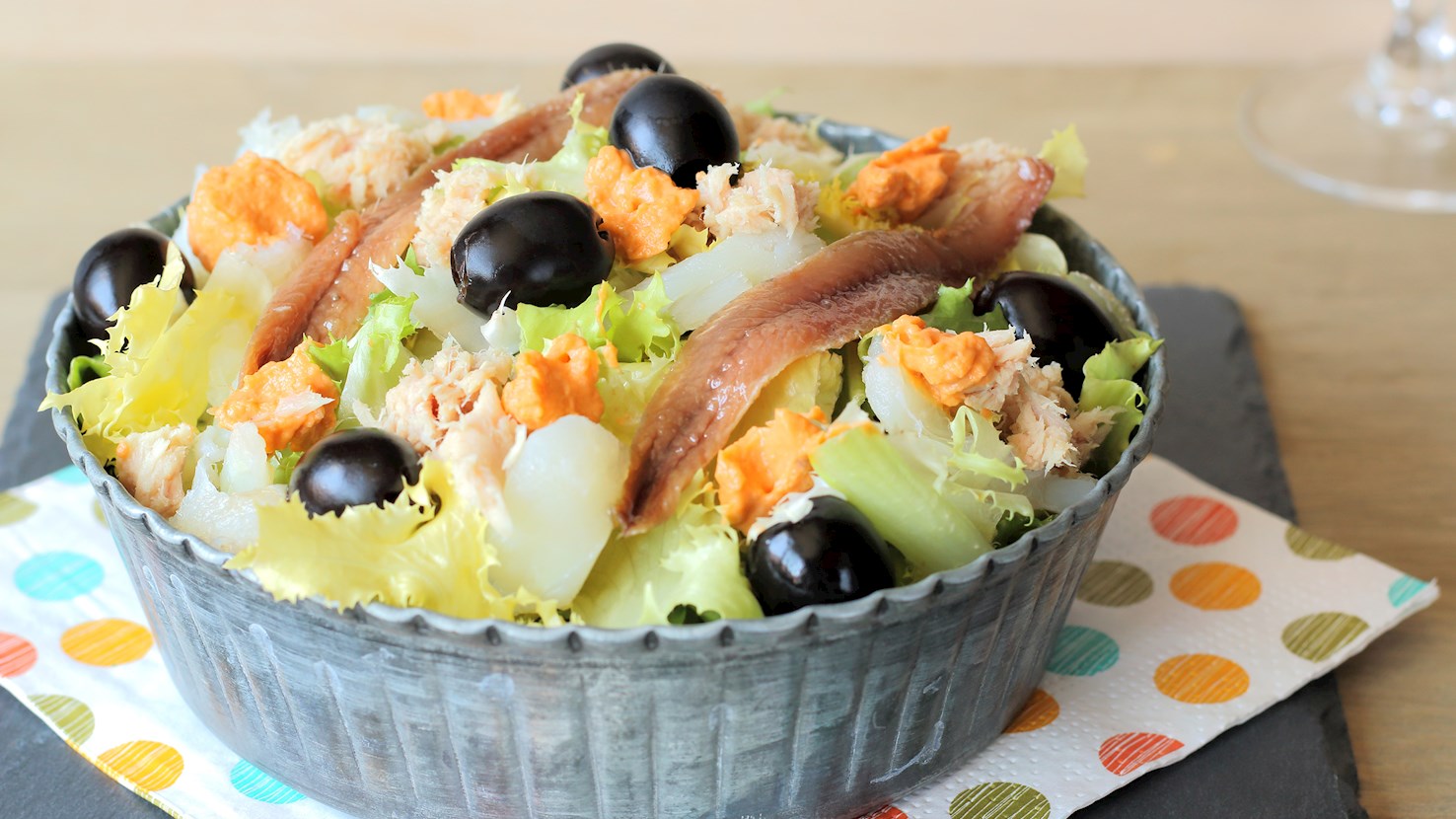
Xato is a traditional salad originating from Catalonia. It's made with a combination of endive leaves, anchovies, Arbequina olives, salt cod, and tuna. This traditional salad is dressed with the eponymous sauce consisting of breadcrumbs, garlic, hazelnuts, almonds, vinegar, olive oil, salt, and dried nyora peppers. The dressing is typically ground with a pestle in a mortar. This salad is often served as an appetizer before grilled meat dishes or botifarra sausage.
Espuma de erizos de mar or sea urchin foam is a traditional tapa that's believed to be the most exquisite of them all. It's made with a combination of sea urchins, egg yolks, pink cava or sparkling rose, cream, and salt. The egg yolks and cava are whisked until the mixture becomes foamy and thickens. The sea urchin roe (uni) and cream are beaten until foamy, and it's then mixed with the egg yolk and cava mixture. The warm mixture is spooned into cleaned sea urchin shells and served on a bed of salt. This tapa is eaten with a teaspoon.
Bacalao con alioli de miel is a cod dish from Catalonia that combines salted or fresh cod with a honey-infused garlic emulsion. It originated in coastal kitchens where salted cod was a preserved staple, and cooks sought to balance its salinity with smoother, sweeter flavors. Over time, the pairing of fish, garlic, olive oil, and honey became established both in restaurants and home cooking, particularly in Catalonia, where alioli is a defining sauce. Preparation begins with desalting the cod in cold water for several hours or overnight with periodic changes of water. The fish is then dried, lightly floured, and gently fried or confited in olive oil with garlic until it develops a delicate golden crust. Separately, the alioli is prepared by crushing garlic and blending it with egg yolk, olive oil, and a touch of lemon juice or vinegar to create a thick emulsion. Honey is then folded in to add a subtle sweetness and smooth texture. The cooked cod is placed in a shallow dish, covered with a layer of the honey alioli, and baked or broiled for a few minutes until the surface becomes lightly gratinated and glossy. The resulting dish presents a contrast between the savory fish and the sweet, aromatic sauce. Common variations include replacing salted cod with fresh fillets, incorporating pine nuts or raisins into the alioli for texture, or layering the fish over roasted vegetables, tomatoes, or spinach before topping it with the sauce. Some chefs serve the alioli separately as a dipping accompaniment rather than baking it on the fish. What distinguishes this preparation is the use of honey within the alioli, which softens the sharpness of the garlic and creates a balanced glaze rarely found in other cod recipes. Bacalao con alioli de miel is served hot as a main course, often shared at lunch or dinner. It pairs well with a dry, aromatic white wine such as a Penedès or Empordà variety, or a fresh rosé that offsets the richness of the sauce. Steamed vegetables or roasted potatoes are common accompaniments, as they absorb the remaining honey-garlic emulsion and complete the dish’s smooth, savory balance.
TasteAtlas food rankings are based on the ratings of the TasteAtlas audience, with a series of mechanisms that recognize real users and that ignore bot,
nationalist or local patriotic ratings, and give additional value to the ratings of users that the system recognizes as knowledgeable.
TasteAtlas Rankings should not be seen as the final global conclusion about food. Their purpose is to promote excellent local foods,
instill pride in traditional dishes, and arouse curiosity about dishes you haven’t tried.






What People Say