





Top 6 Istrian Appetizers

Last updated on May 15, 2026
01

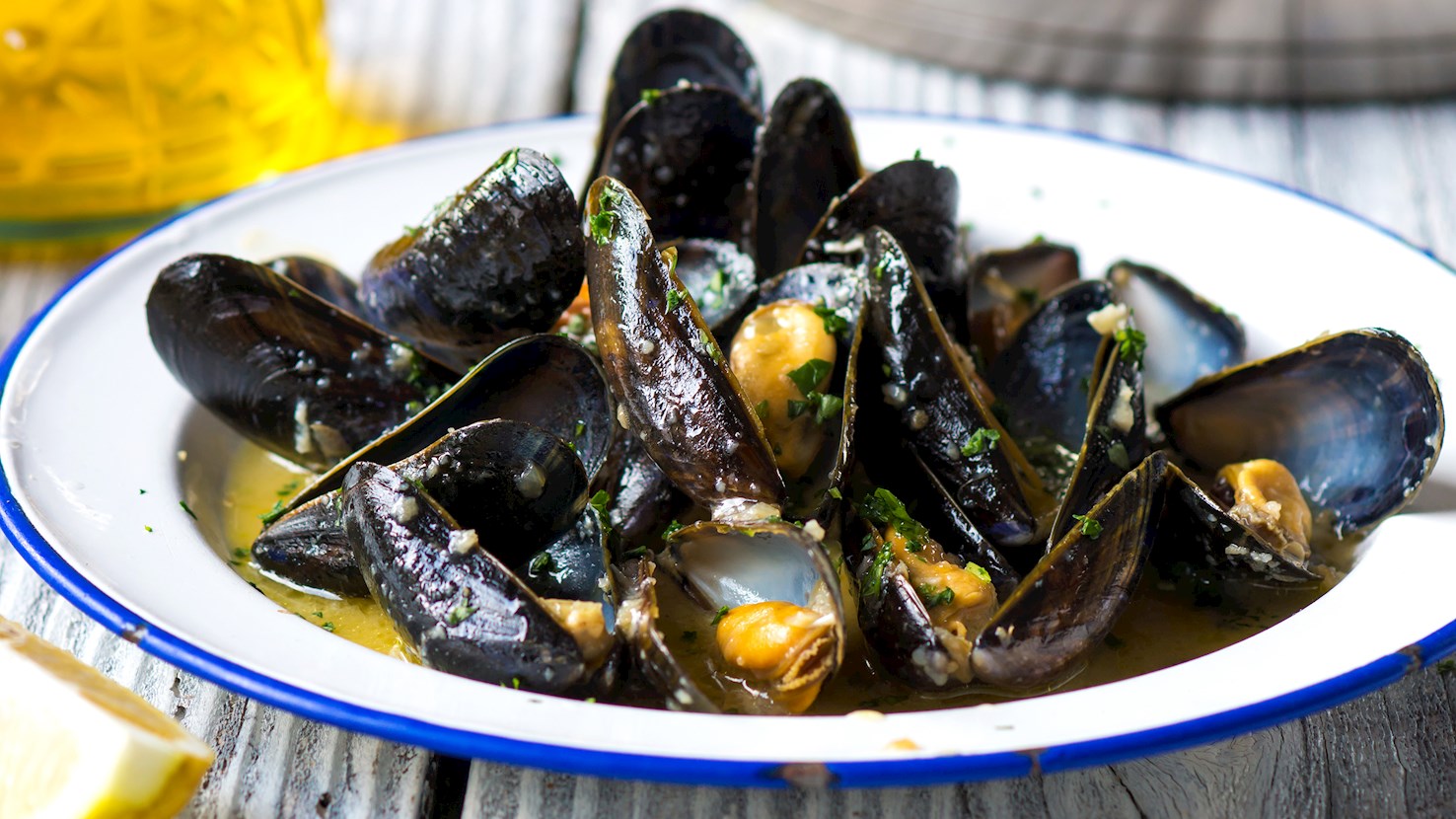
Dagnje na buzaru

4.2 ·

Dagnje na buzaru is a traditional dish of the Croatian coast prepared with mussels as the main ingredient. The shells are scrubbed, placed into a pot with lukewarm water, covered, and lightly heated until all of them crack open. Olive oil, garlic, parsley, and a bit of pepper are sautéed, then mixed with the mussels and maybe a few slices of lemon. White wine is added for the final touch, and the dish is then shortly simmered. Before serving, dagnje na buzaru are often sprinkled with breadcrumbs for thickening, and the dish is then served with lots of bread on the side for mopping up the leftover juices. Dagnje na buzaru is a 'white' version of the dish, but there is also a 'red' version called dagnje na crvenu buzaru or dagnje na crveno, prepared mostly in the same way, but with the addition of tomato sauce and without breadcrumbs.

02

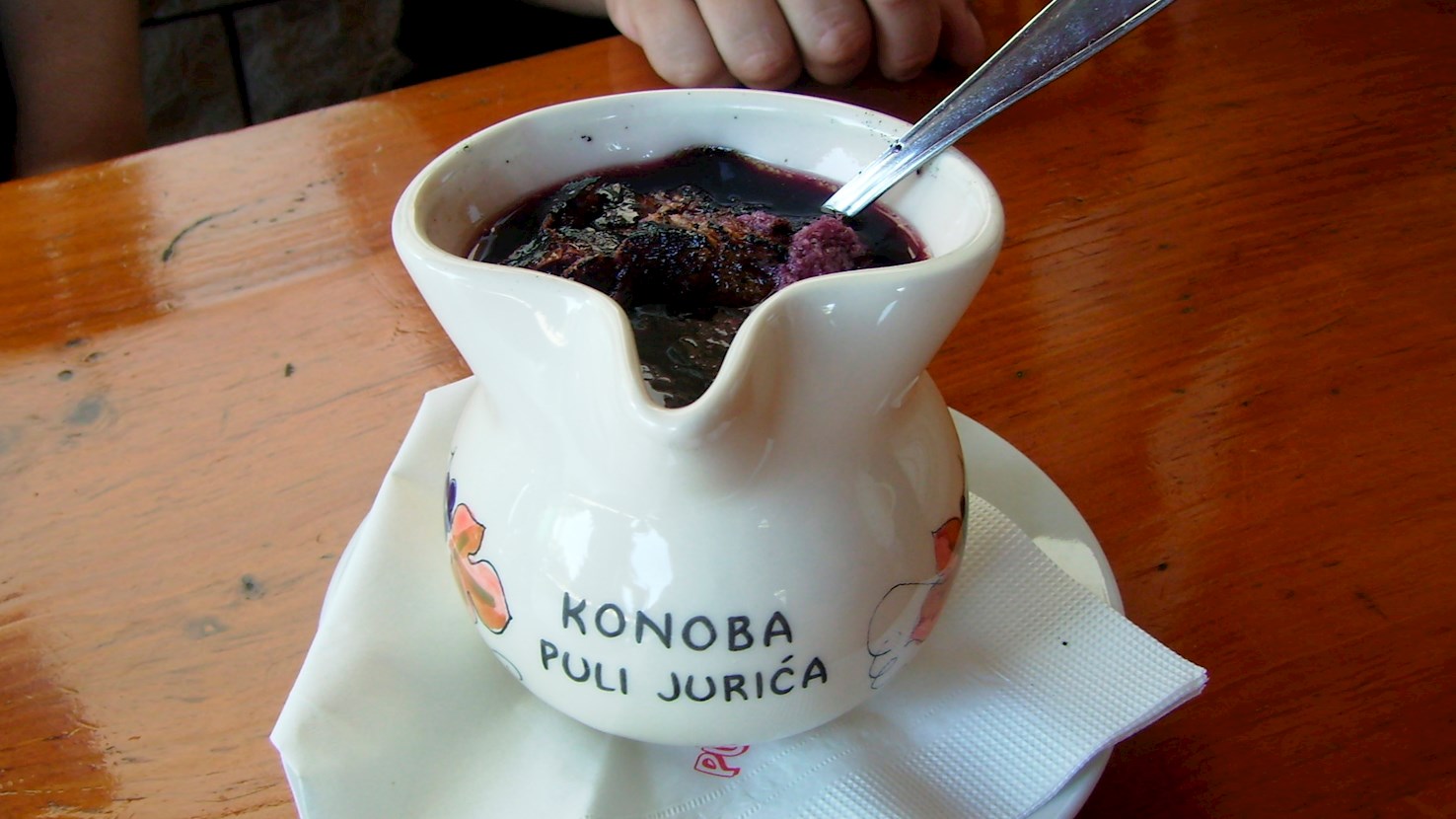
Istarska supa

2.8 ·

Though it is incorrectly translated as Istrian soup, this unusual combination of ingredients does not have much in common with the traditional concept of what constitutes a classic soup. The dish is prepared in a clay jug called bukaleta and combines spices, olive oil, and warmed red wine, preferably the local teran variety. Supa is completed with the addition of grilled slices of bread that are left to soak in the flavorful base. When served, the wine is slowly sipped, while the bread is usually eaten with a spoon. Once a popular dish that was mainly used as a way to warm up during winter, istarska supa is nowadays considered one of the authentic delicacies of the area. The word supa in the name stems from the verb supati, referring to the practice of dunking the bread in the jug.

03

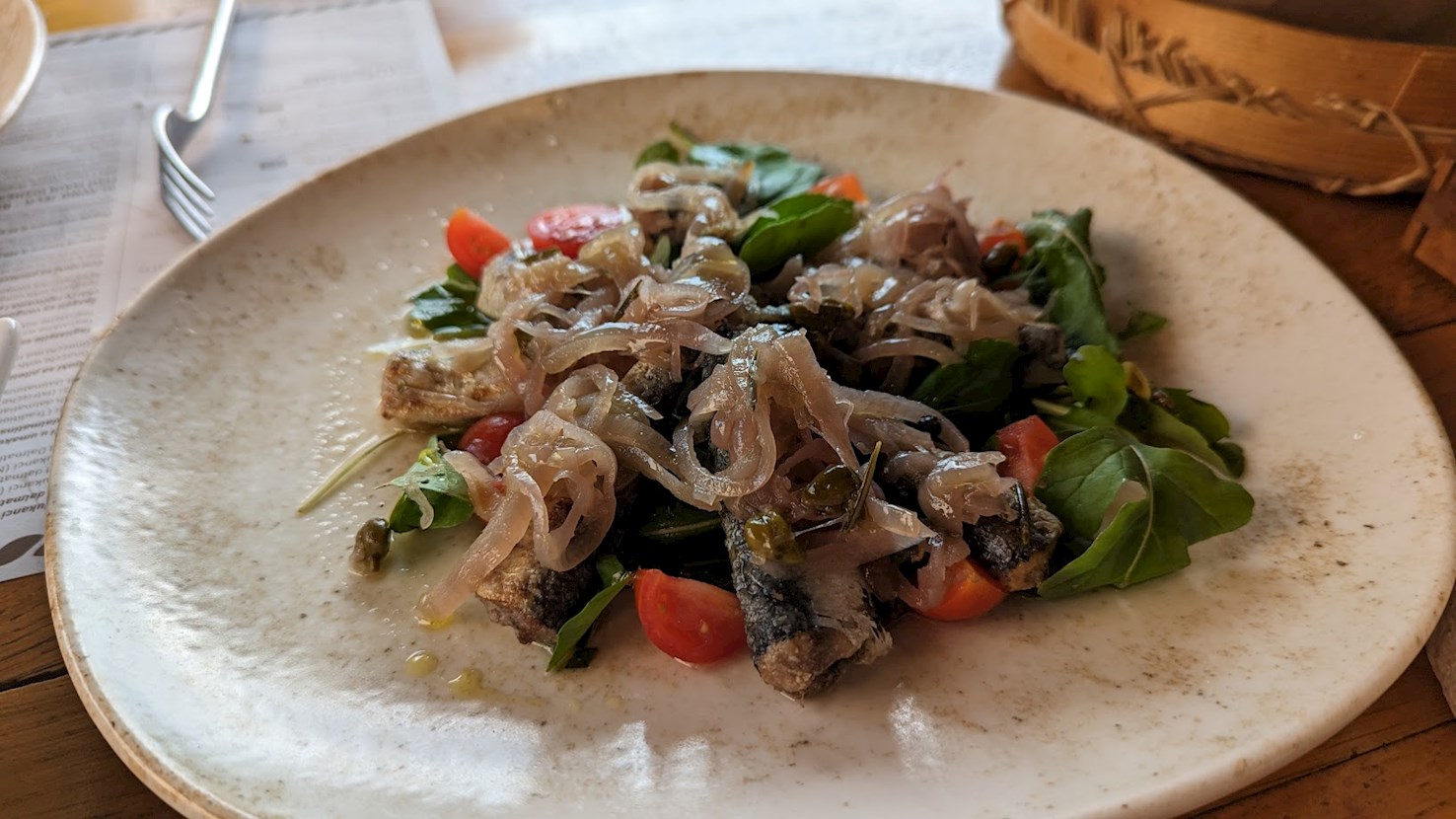
Srdele na savor

n/a ·

Srdele na savor is a traditional Istrian variation on the classic Venetian dish called sarde in saor. The dish consists of fried and marinated sardines. Although each cook prepares the dish with different ingredients, it's usually made with a combination of sardines, garlic, onions, salt, pepper, aromatic herbs (fennel, basil, rosemary, sage, bay leaves), olive oil, carrots, vinegar, and flour. Some people also like to add white or red wine to the mix. The sardines are first rolled in flour and fried in olive oil. The vegetables and herbs are sautéed in the remaining oil, and the combination is then cooked with the vinegar. As soon as the alcohol evaporates, the mixture is poured over the sardines, and the dish is left to chill in the fridge. It is believed that srdele na savor taste the best after a prolonged time in the marinade.

04

Fuži na pastirski način

n/a ·

Fuži na pastirski način is a traditional dish originating from Istria. The dish is usually made with a combination of fuži pasta, asparagus, prosciutto, onions, button mushrooms, garlic, parsley, white wine, meat stock, salt, pepper, and olive oil. The onions are sautéed in olive oil and translucent, and then mixed with the rest of the ingredients except the pasta. Once the sauce thickens, it is mixed with the fuži pasta, well-stirred, and the dish is typically served in small portions as a warm appetizer.

05

Fritule od tikvica

n/a ·

Fritule od tikvica are traditional Croatian fritters originating from Istria. They're made with a combination of flour, grated zucchini, eggs, white wine, salt, oil, and grated cheese. The flour, egg yolks, wine, cheese, salt, and grated zucchini are stirred together, then mixed with the egg whites. The mixture is shaped into small balls with a spoon, and the balls are then fried in hot oil. During the frying process, they should be turned over regularly so that they fry evenly. Once done, fritule od tikvica are sprinkled with grated cheese and enjoyed while still warm.

06

Maneštra od koromača i svinjskog jezika

n/a ·

Maneštra od koromača i svinjskog jezika is a traditional dish originating from Istria. This type of Istrian maneštra (soup-like stew) is made with a combination of beans, potatoes, fennel, pork tongue, bacon, garlic, parsley, salt, and pepper. The beans are cooked, covered with water, and mixed with pork tongue, salt, pepper, bacon, and garlic. The mixture is simmered until the tongue and beans are slightly tender. The potatoes are peeled, cut into cubes, then added to the pot with the fennel. Once the beans and potatoes become fully cooked and the maneštra develops a thick consistency, the tongue is taken out of the pot, cleaned, and cut into slices. The slices are then arranged on a plate that's filled with maneštra, and the dish is enjoyed while still hot.

Read more
View all
View map
About this ranking

TasteAtlas food rankings are based on the ratings of the TasteAtlas audience, with a series of mechanisms that recognize real users and that ignore bot, nationalist or local patriotic ratings, and give additional value to the ratings of users that the system recognizes as knowledgeable. For the “Top 6 Istrian Appetizers” list until May 15, 2026, 75 ratings were recorded, of which 47 were recognized by the system as legitimate. TasteAtlas Rankings should not be seen as the final global conclusion about food. Their purpose is to promote excellent local foods, instill pride in traditional dishes, and arouse curiosity about dishes you haven’t tried.

Similar lists