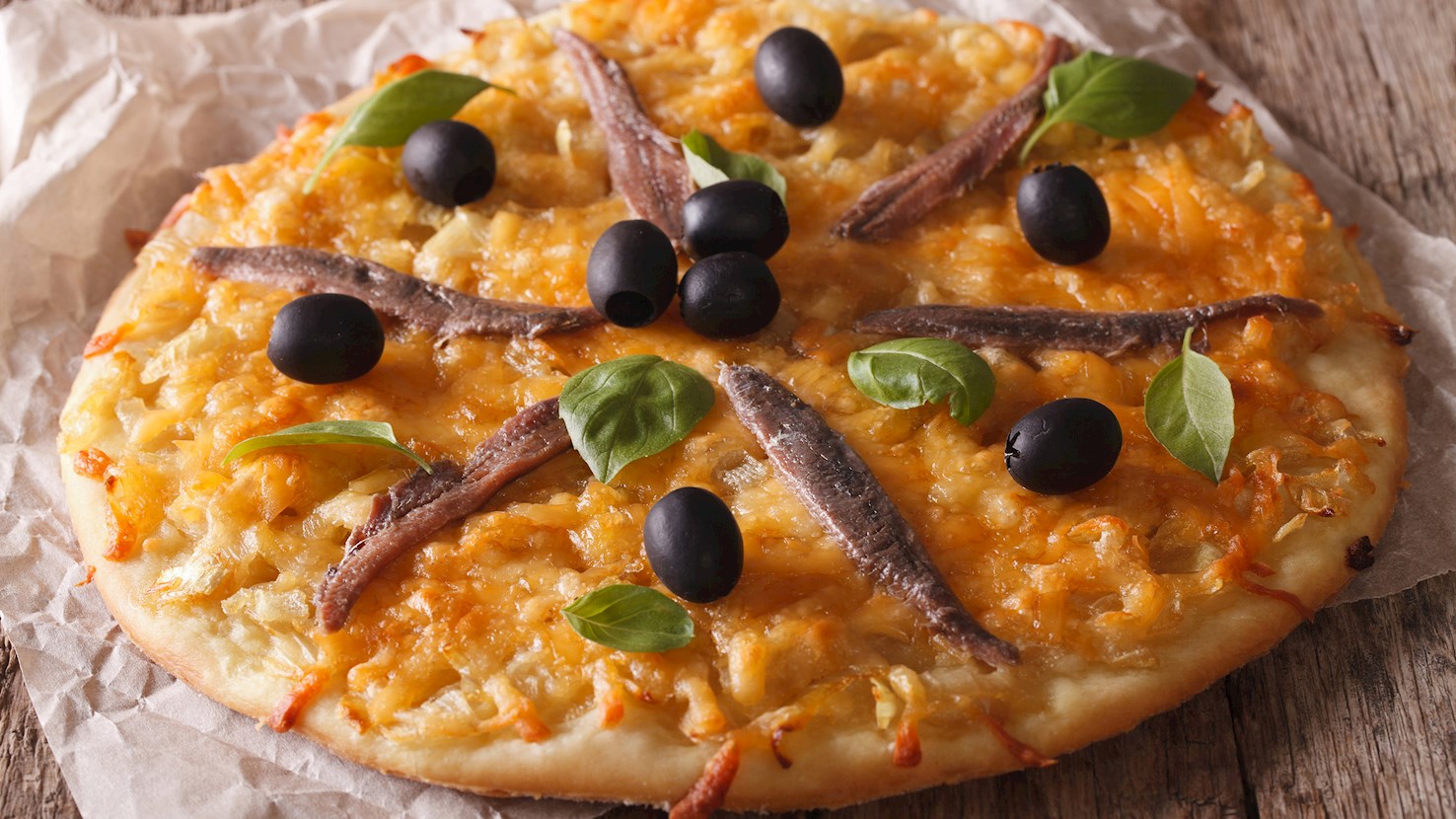
Originating from the French city of Nice, pissaladière is a baked tart that is similar to a pizza, but thicker. In the past, it was usually baked and sold each morning, but today it is traditionally served as an appetizer or a snack, consisting of a doughy base that is topped with anchovies, olives, caramelized onions, and fresh herbs. The name of the dish comes from the French phrase pèi salat, which translates to salted fish, one of the key ingredients used in the preparation of pissaladière. It is believed that the dish was invented between 1305 and 1377, during the Avignon Papacy. Pissaladière is best paired with a glass of chilled white wine.
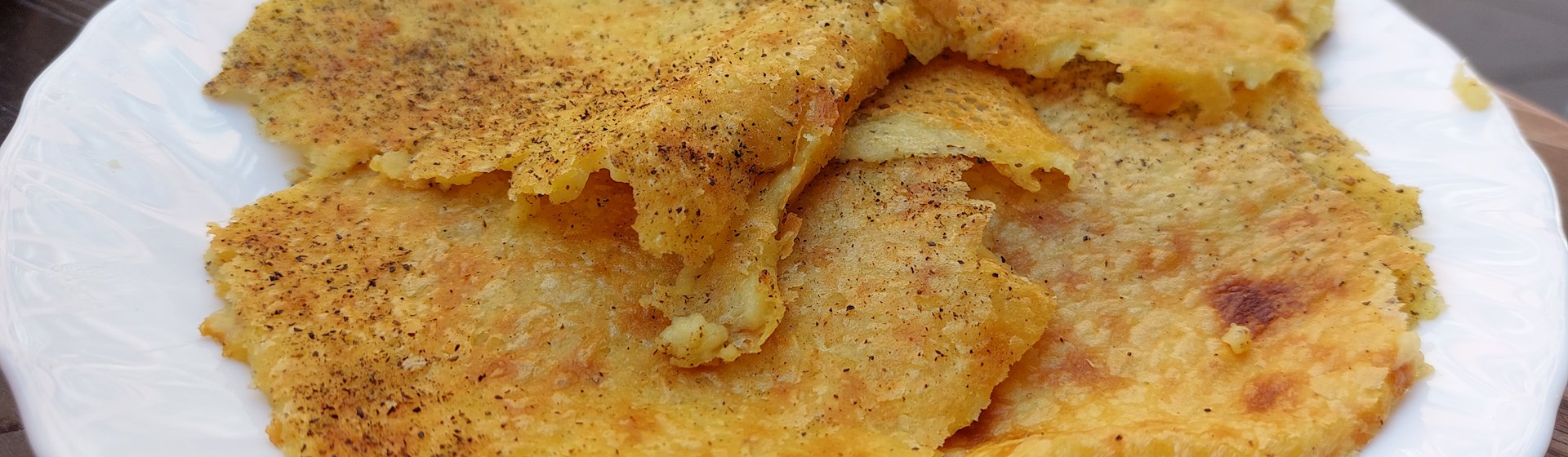
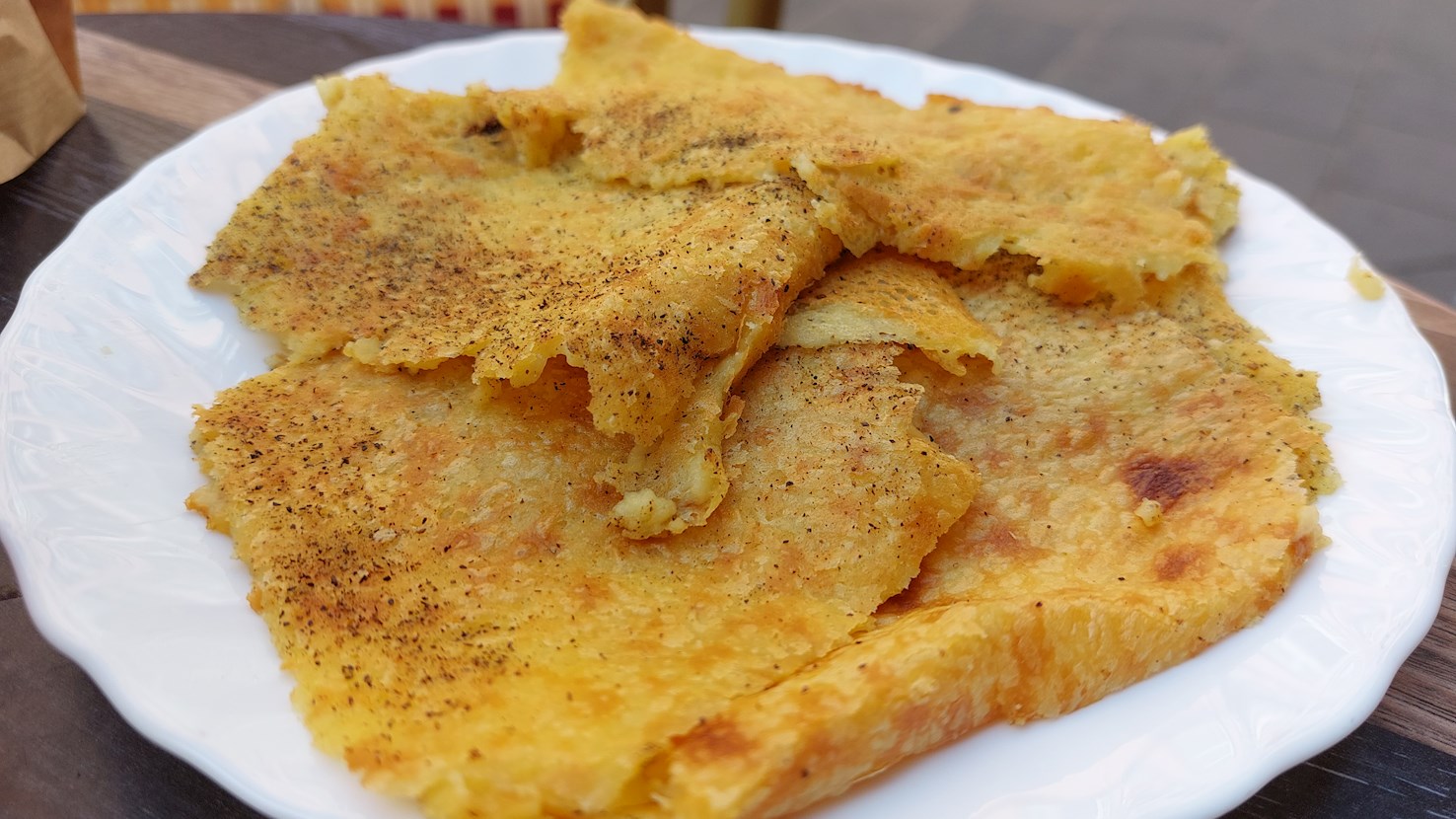
Originally derived from the Genovese farinata, socca eventually became the specialty of Nice, France, where it is a street food staple. This traditional flatbread is made with chickpea flour, olive oil, salt, and pepper. Once the batter is prepared, it is transferred to a wide pan or a skillet, which is placed in the oven at very high temperature. The batter is then baked until the socca hardens and begins to slightly burn on the edges. Once baked, socca is sliced into pieces and seasoned with salt, pepper, and a drizzle of olive oil. It can be served as an appetizer with cheese, olives, and a glass of rosé on the side.
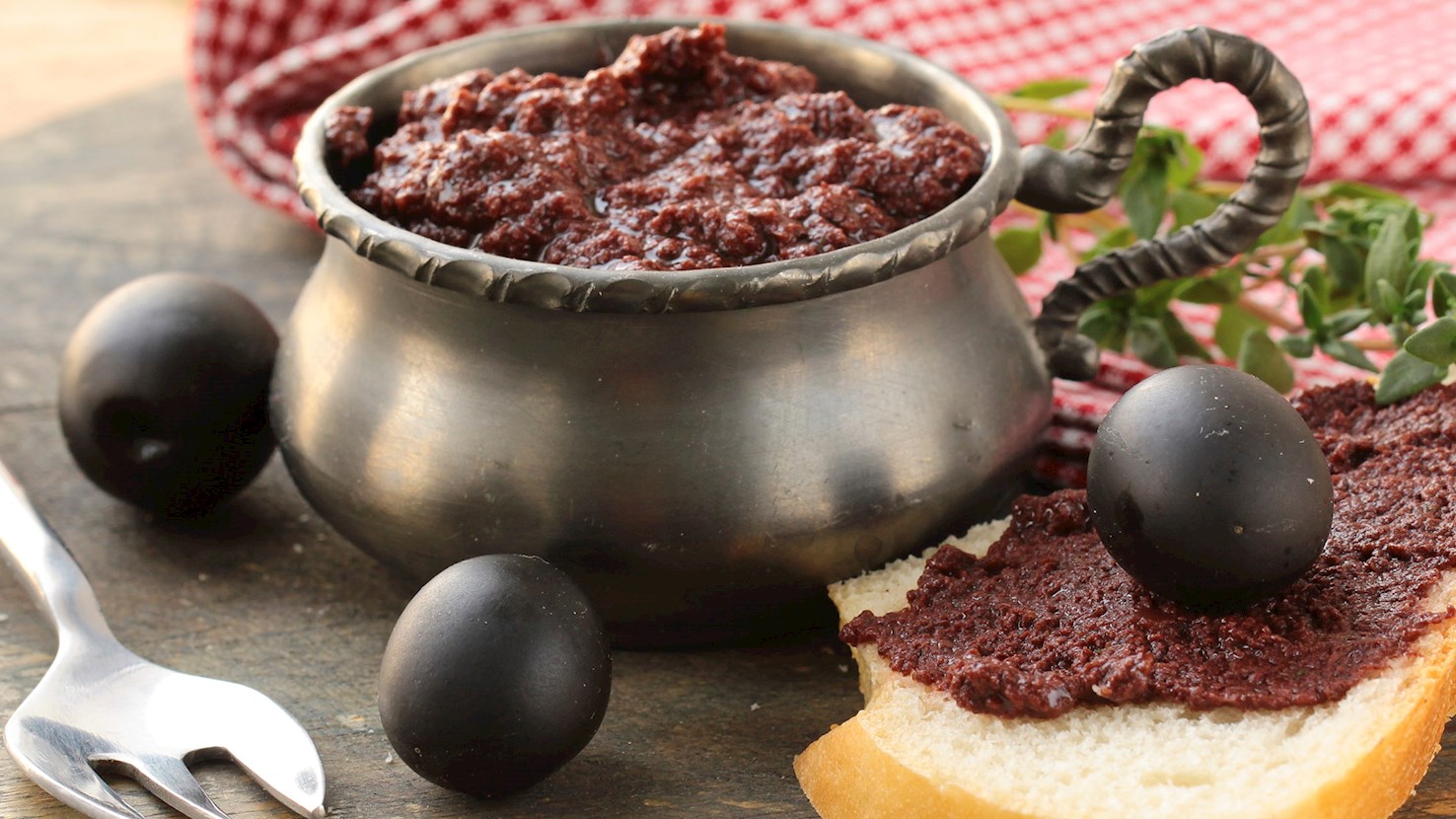
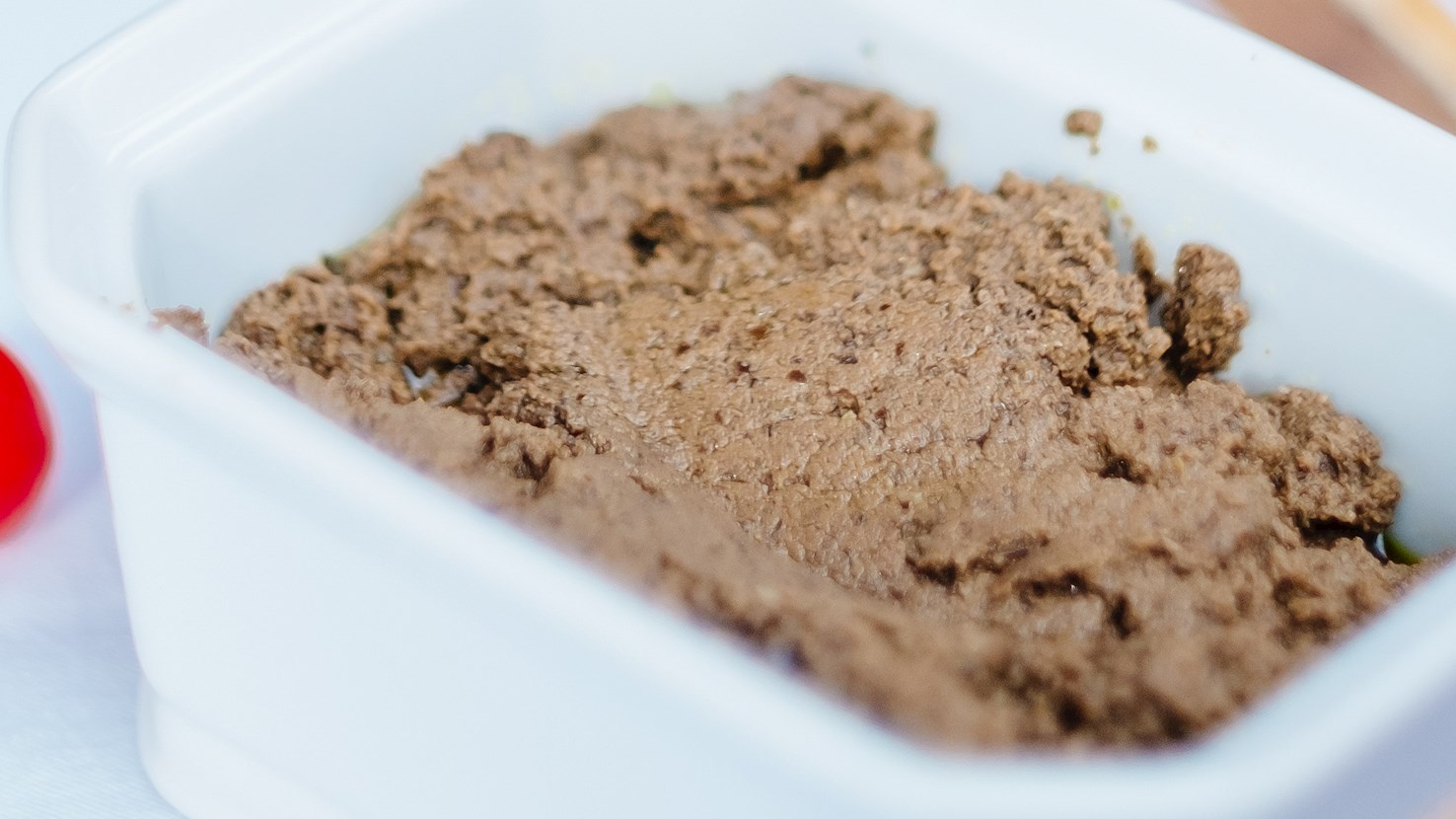
This aromatic, decadent spread is made with black or green olives. The original recipe includes four essential Mediterranean ingredients – chopped olives, anchovies, capers, and olive oil – combined with additional ingredients and spices to form a thick, fragrant spread. Even though it is often described as a Provençal recipe, it was originally invented in 1880 by a chef Meynier at a Marseilles restaurant called La Maison Dorée, while the first recipe dates back to 1897, when it was published in Jean-Baptiste Reboul's La Cuisinière Provençale. In the past, tapenade was made using a mortar and pestle, but today it can be easily prepared in a food processor. Even though it uses simple ingredients and is a quick dish to prepare at home, ready-made tapenades can be found in supermarkets all over the world. French restaurants usually serve it as an appetizer with a warm, crunchy baguette on the side. Sometimes, it is also used as a dipping sauce for crackers, assorted vegetables, or breadsticks.
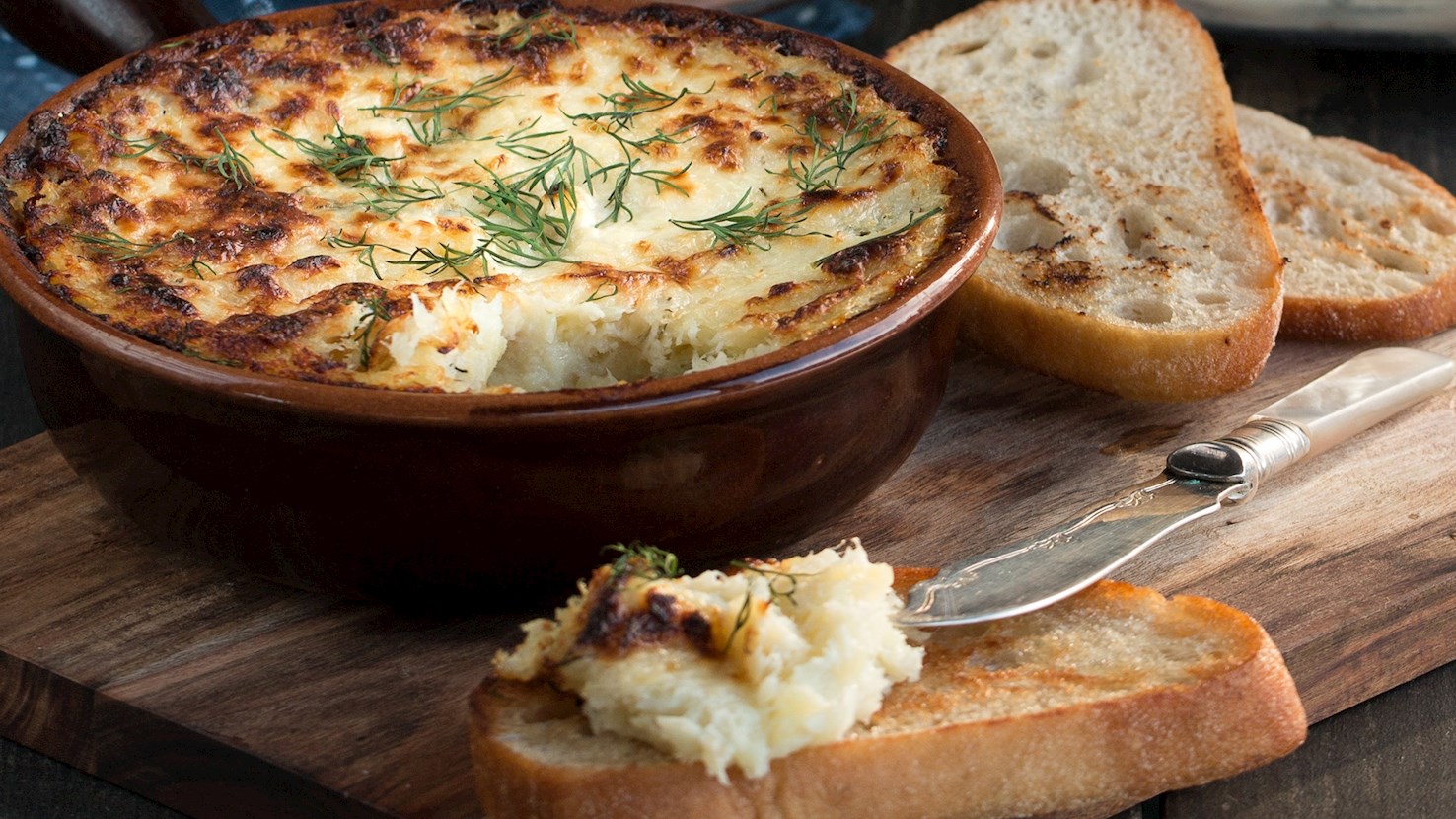
Brandade de morue is a velvety, whipped spread or paste of rehydrated Atlantic salt cod, warm olive oil, milk, and occasionally potatoes, originating in the city of Nîmes and present in the Roussillon, Languedoc, and Provence regions. The creation of this seafood spread stems directly from the region's historic geographic position within Mediterranean trade networks, where massive cargoes of heavily salted cod from the Grand Banks of Newfoundland were exchanged for the prized, high-quality sea salt extracted from the nearby coastal marshes of Aigues-Mortes. The first recipe dates from 1786, when imported salted cod flesh was first mashed with garlic, local olive oil, and a touch of milk to create the original regional preparation. The name derives directly from the Occitan verb brandar, signifying the vigorous shaking and continuous stirring required to mechanically bind the ingredients together. The Occitan specialty achieved massive success from 1830 onwards after being introduced and popularized within Parisian aristocratic circles by the celebrated chef Charles Durand, cementing the preparation into the broader canon of classical French gastronomy. Variations incorporating boiled and mashed potatoes emerged concurrently during this period as a widespread Parmentier modification designed to increase the yield and mellow the intense maritime salinity. Furthermore, this exact method of preparing emulsified cod is formally classified as Margot de morue within Alcide Bontou's seminal text, Traité de cuisine bourgeoise bordelaise. The recipe begins by submerging the rigid salt cod in cold water for twenty-four to forty-eight hours. Frequent water replacements are executed to aggressively extract the harsh curing minerals from the flesh. The rehydrated fish is gently poached in a bath of water or milk until perfectly tender, and all extraneous skin, cartilage, and pin bones are meticulously discarded. The hot, purified cod is transferred into a heavy stone mortar and pounded aggressively into a coarse paste with a wooden pestle. While maintaining a steady, vigorous agitation, warm extra-virgin olive oil and heated whole milk are introduced in alternating, slow streams. This continuous mechanical force causes the animal proteins, fats, and liquids to emulsify thoroughly, yielding a dense, airy paste structurally identical to a stiff mayonnaise. Flavoring components are strictly limited to the pounded garlic, freshly grated nutmeg, ground white pepper, and an occasional splash of citrus juice. The hot, savory mixture is served predominantly as a rich appetizer, spread generously over garlic-rubbed croutons, scooped with fried bread, or piped elegantly into baked puff pastry vol-au-vent shells. For opulent banquets and extravagant holiday feasts, fresh black truffle shavings are folded directly into the warm emulsion to elevate the aromatic profile. The heavy, calorie-dense paste is consumed in large quantities throughout the cold winter months. Due to strict Catholic dietary mandates that forbid meat on specific holy days, the seafood emulsion serves as an indispensable nutritional pillar during the somber fasting period of Lent and as a mandatory meatless centerpiece for the traditional Provençal Christmas Eve supper.
Anchoïade is a traditional dip originating from Provence. It consists of anchovies which have been packed in oil, red wine vinegar, minced garlic, and olive oil. The anchovies and garlic are ground into a paste, and it's then combined with vinegar and olive oil, which should be whisked in bit by bit until the desired consistency has been reached. Anchoïade is often slathered on grilled bread as a spread, used as a dip with crudités, or as a dressing for salads. However, it's most commonly used with crudités, so make sure you have an assortment of vegetables prepared for dipping, such as celery stalks, thinly sliced black radishes, or florets of broccoli romanesco.
Croustade avignonnaise à la viande is a French meat pie that encases a richly seasoned, wine-soaked filling within a delicate, golden shell of puff pastry. With roots in Avignon and the broader Vaucluse department, this elegant dish bridges the gap between rustic countryside nourishment and refined culinary artistry. Historical recipe records indicate that earlier iterations of this baked delicacy often featured extravagant ingredients such as wild game birds, premium ham, and aromatic truffles. Today, the filling typically features a hearty blend of ground lamb or tender veal thoroughly mixed with savory sausage meat and finely diced shallots. A generous splash of robust red wine bathes the proteins, allowing the mixture to marinate and absorb the deep flavors. Once the meat has sufficiently rested, it is spread evenly across a large, thinly rolled rectangle of flaky puff pastry. The dough is then carefully folded or rolled over the savory center to form a sealed parcel, brushed with a beaten egg wash, and baked in a hot oven. As the pastry puffs and crisps into a beautifully golden crust, the savory juices from the enclosed meats seep into the dough's inner layers. Recipes frequently alter the meat ratios, sometimes relying entirely on veal or purely on sausage, while other versions incorporate chopped earthy mushrooms or savory diced ham for textural contrast. Sautéing the shallots in rich olive oil rather than traditional butter is another common regional adjustment. Traditionally presented warm as a hearty starter during festive autumn and spring gatherings, this pastry demands a powerful beverage companion. Pouring a glass of a full-bodied Rhône Valley red wine, such as a spicy Côte-Rôtie, a complex Saint-Joseph, or a bold Châteauneuf-du-Pape, provides the perfect structural backbone to cut through the buttery pastry and complement the intensely savory meat center.
Ravioles du Champsaur is a dense, dumpling-like potato pasta deeply rooted in the high-altitude valleys of the French Hautes-Alpes. Farming communities residing in the freezing Champsaur and Valgaudemar regions historically relied on their cellar staples—sturdy root vegetables, wheat flour, and local tomme cheese—to prepare nourishing meals for brutal winters. Making these morsels requires boiling the potatoes until completely tender, then thoroughly mashing them and allowing the puree to chill. Once cold, the fluffy starch is vigorously kneaded together with flour, finely shredded mountain cheese, eggs, salt, and black pepper to form a stiff, pliable dough. Certain alpine households even fold in vibrant chopped chard or minced parsley for an earthy pop of color. Instead of stuffing thin sheets of wheat dough with a separate filling—as standard Italian ravioli dictates—the maker rolls this solid mixture into thick, inch-wide cylinders and slices them into bite-sized segments. Two distinct culinary approaches determine how this heavy dish reaches the dining table. One approach involves pan-frying the freshly cut pasta morsels in shimmering oil or clarified butter until they develop a deeply golden, crispy exterior, plating them immediately with an extra pat of rich butter. Alternatively, the pieces are dropped into boiling salted water just until they bob to the surface. These boiled dumplings are then arranged in a greased casserole dish, smothered in fresh heavy cream and extra grated cheese, and baked in a hot oven until the topping bubbles into a beautiful brown crust. Regional tweaks frequently alter the dough's exact composition; adding extra flour creates a much firmer bite ideal for the frying pan, while increasing the dairy ratio, shaving in sharp onions, or dusting the batter with warm nutmeg adds incredible depth to the baked gratin version. Enjoying this rich, hot mountain specialty typically involves pairing it with a crisp green salad or earthy, sautéed wild mushrooms to balance the heavy starches. A bright, high-altitude white wine or a light-bodied Alpine red blend provides the perfect beverage match, as the wine's natural acidity beautifully slices through the rich cream and melted cheese.
Berlinguettes d’Avignon are baked stuffed eggs from France, originating in Avignon, made with hard-boiled eggs filled with a mixture of anchovies, herbs, breadcrumbs, and olive oil, then gratinéed until golden. The eggs are first boiled in salted water until firm. Once cooled and peeled, they are cut lengthwise, and the yolks are removed. The filling is made by mixing crumbled bread soaked in milk and lemon juice with the cooked egg yolks, finely chopped anchovy fillets, minced garlic, and herbs such as parsley and basil. A raw egg yolk is added to bind the mixture, and it is seasoned with salt and freshly ground pepper. The texture should be moist but compact enough to hold its shape. Each egg white half is generously filled with the mixture and arranged closely together in a lightly oiled gratin dish. The surface is sprinkled with breadcrumbs and drizzled with a few drops of olive oil, then baked in a moderate oven until the tops are crisp and golden. When done properly, the whites remain tender, the filling creamy and fragrant with anchovy, herbs, and garlic, and the crumbs form a delicate crust. There are small variations from cook to cook. Some add chopped chervil or shallot to the filling, while others replace lemon juice with white wine vinegar for acidity. The proportions of anchovies can vary, depending on how salty the preserved fish is, and some versions enrich the mixture with a touch of olive paste or a pinch of Espelette pepper. Berlinguettes d’Avignon are served hot, usually arranged on a bed of crisp green salad lightly dressed with olive oil and lemon. The freshness of the greens contrasts with the warmth and saltiness of the eggs. They can be served as a starter, a light main course, or part of a buffet. A dry white wine or pale rosé from the Rhône Valley pairs naturally, cutting through the richness of the eggs and complementing the anchovy and herbs.
Papeton d'aubergine is an eggplant flan from Avignon in southern France, made from roasted or stewed eggplant blended with eggs, garlic, olive oil, and often a hint of thyme or other Provençal herbs. The mixture is poured into a mold and gently baked in a bain-marie (water bath) until set, resulting in a soft, almost mousse-like texture. The dish is typically served cold or at room temperature, sliced into neat portions, and accompanied by a fresh tomato coulis (a light tomato sauce), making it perfect for warm weather. While it resembles a terrine or vegetable custard, its lightness and herbal flavor make it a quintessential part of Provençal summer cuisine.
TasteAtlas food rankings are based on the ratings of the TasteAtlas audience, with a series of mechanisms that recognize real users and that ignore bot,
nationalist or local patriotic ratings, and give additional value to the ratings of users that the system recognizes as knowledgeable.
TasteAtlas Rankings should not be seen as the final global conclusion about food. Their purpose is to promote excellent local foods,
instill pride in traditional dishes, and arouse curiosity about dishes you haven’t tried.






What People Say