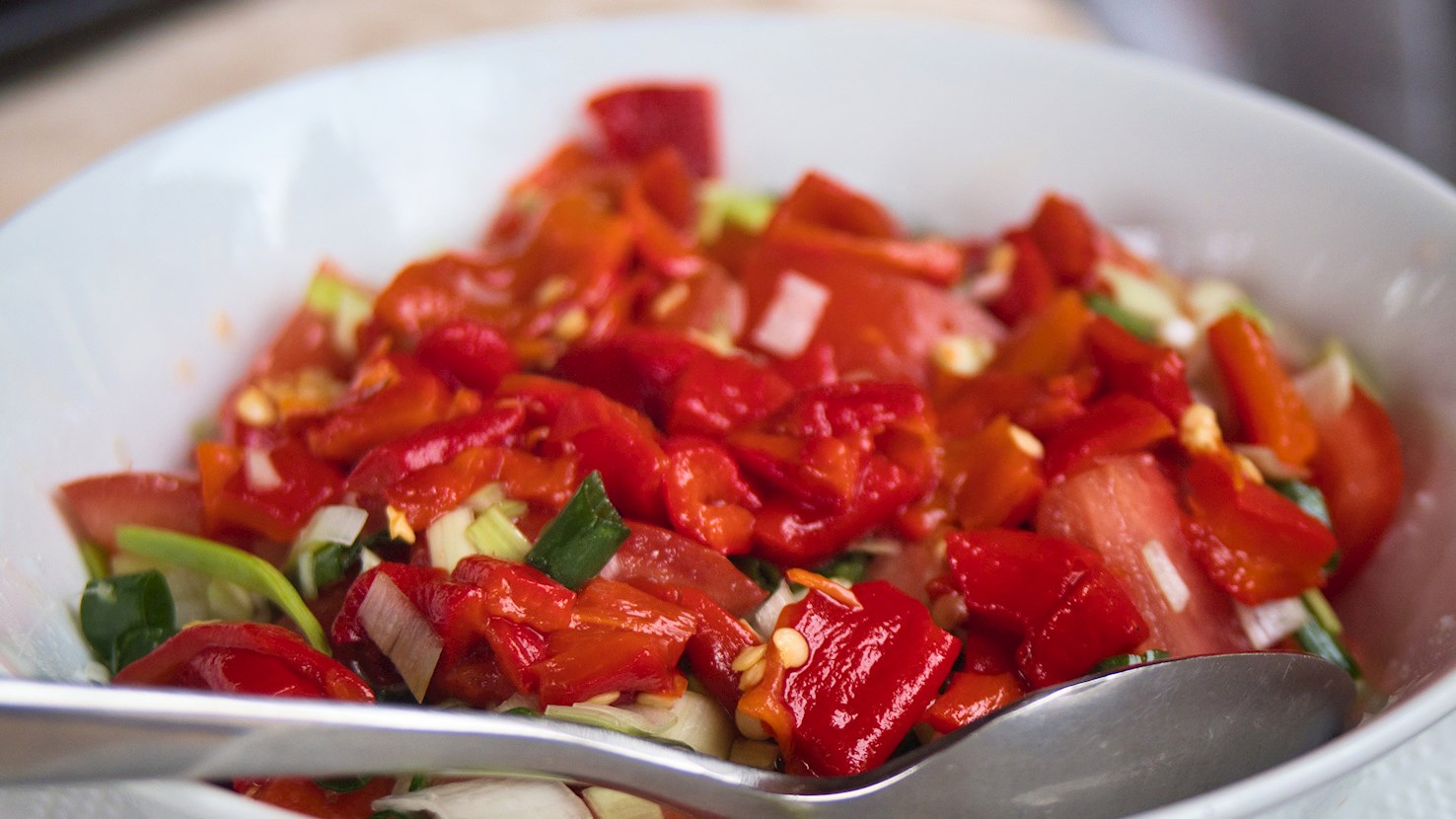
Moravska salata is a Serbian salad originating from Niš and Leskovac. The salad is made with a combination of leeks, tomatoes, roasted peppers, hot peppers, garlic, salt, and oil. The vegetables are chopped, seasoned with salt, and drizzled with oil. The combination is then mixed well and refrigerated before serving. Moravska salata is especially popular during the hot summer months. It can be served as an appetizer, a side dish accompanying grilled meat, and sometimes even as a main dish served with a piece of hard cheese and bread (for dipping) on the side.
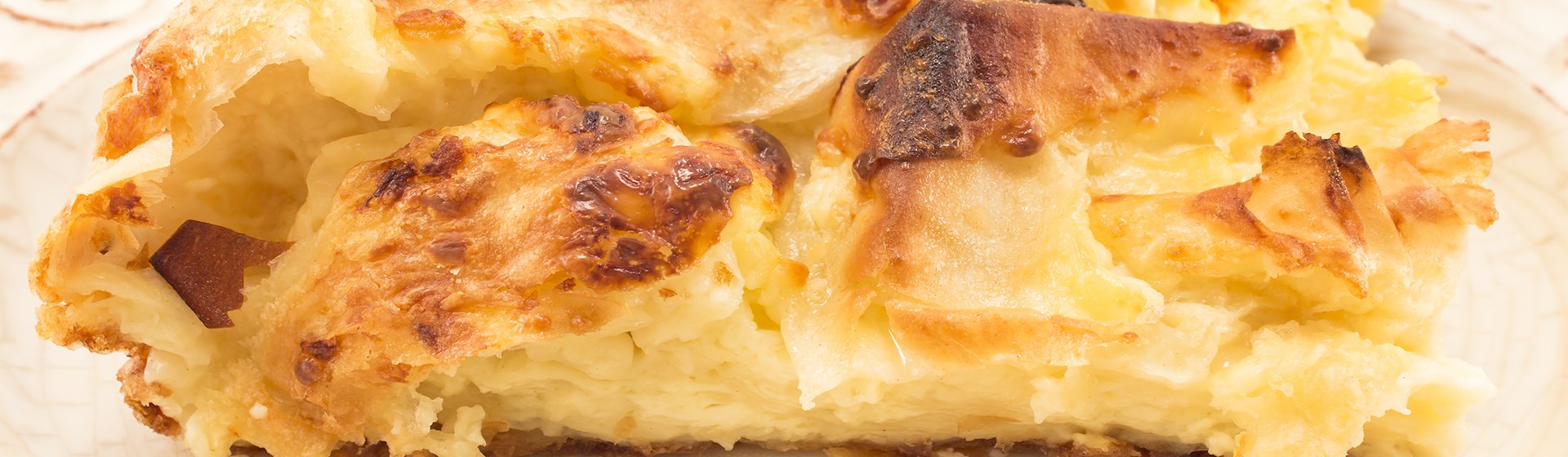
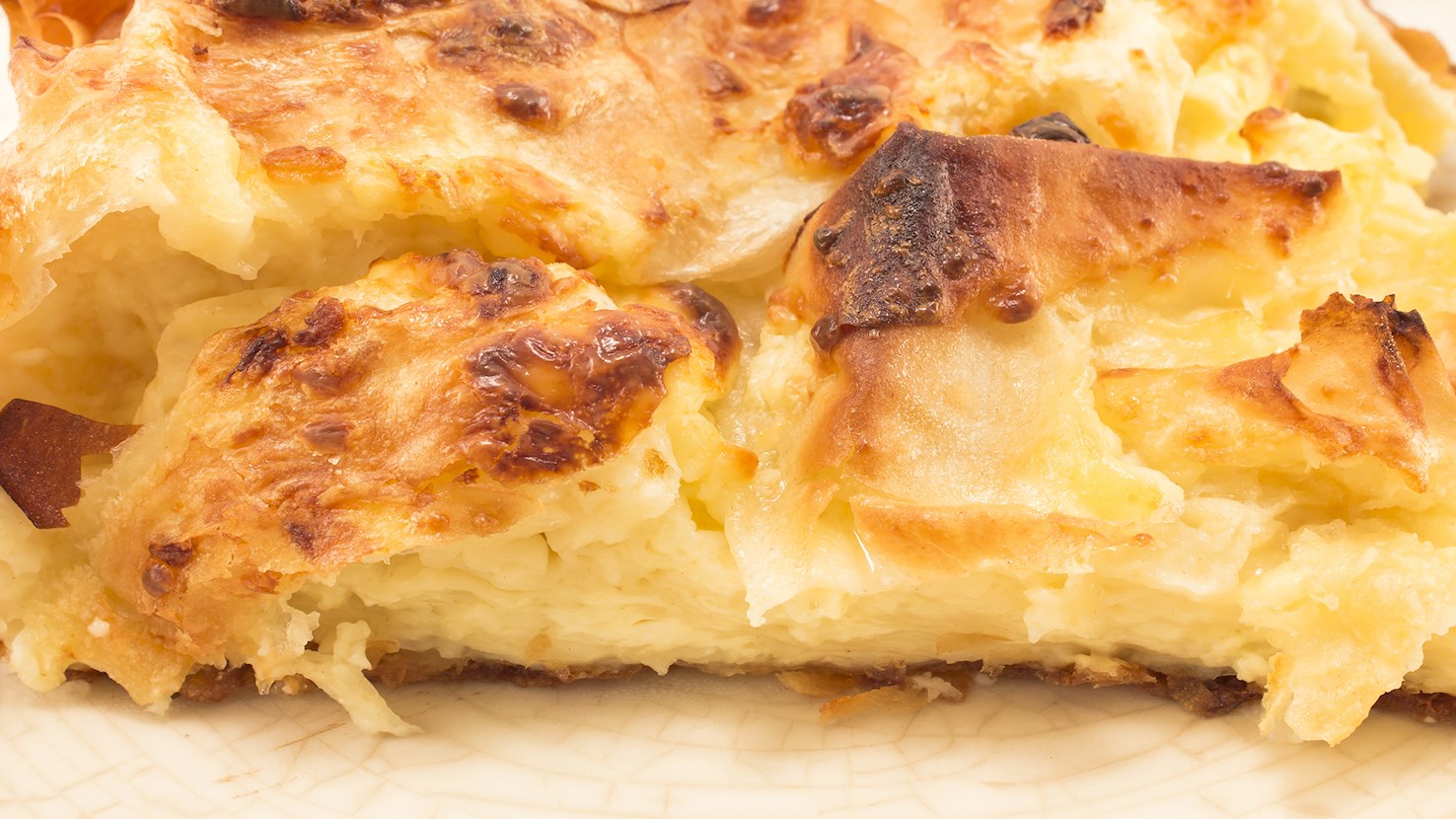
Although it is a common sight in countries such as Croatia, Slovenia, and Macedonia, gibanica is mainly associated with Serbia. It is a traditional pie-like dish that combines phyllo dough (occasionally replaced with yeast dough) with a creamy combination of cheese and eggs. The most popular version of this versatile pie is popularly known as gužvara, meaning crumpled, in which the sheets of phyllo dough are soaked in a creamy mixture of fresh cow’s cheese and eggs. The sheets are then layered and baked in the form of a casserole. This pie-like dish can be prepared in both sweet and savory versions, depending on the region and personal preferences. In Serbia, gibanica is usually paired with yogurt and makes a perfect breakfast staple or a filling snack. Served sliced, it is also a mainstay on every festive occasion, when it is traditionally enjoyed as a cold appetizer.
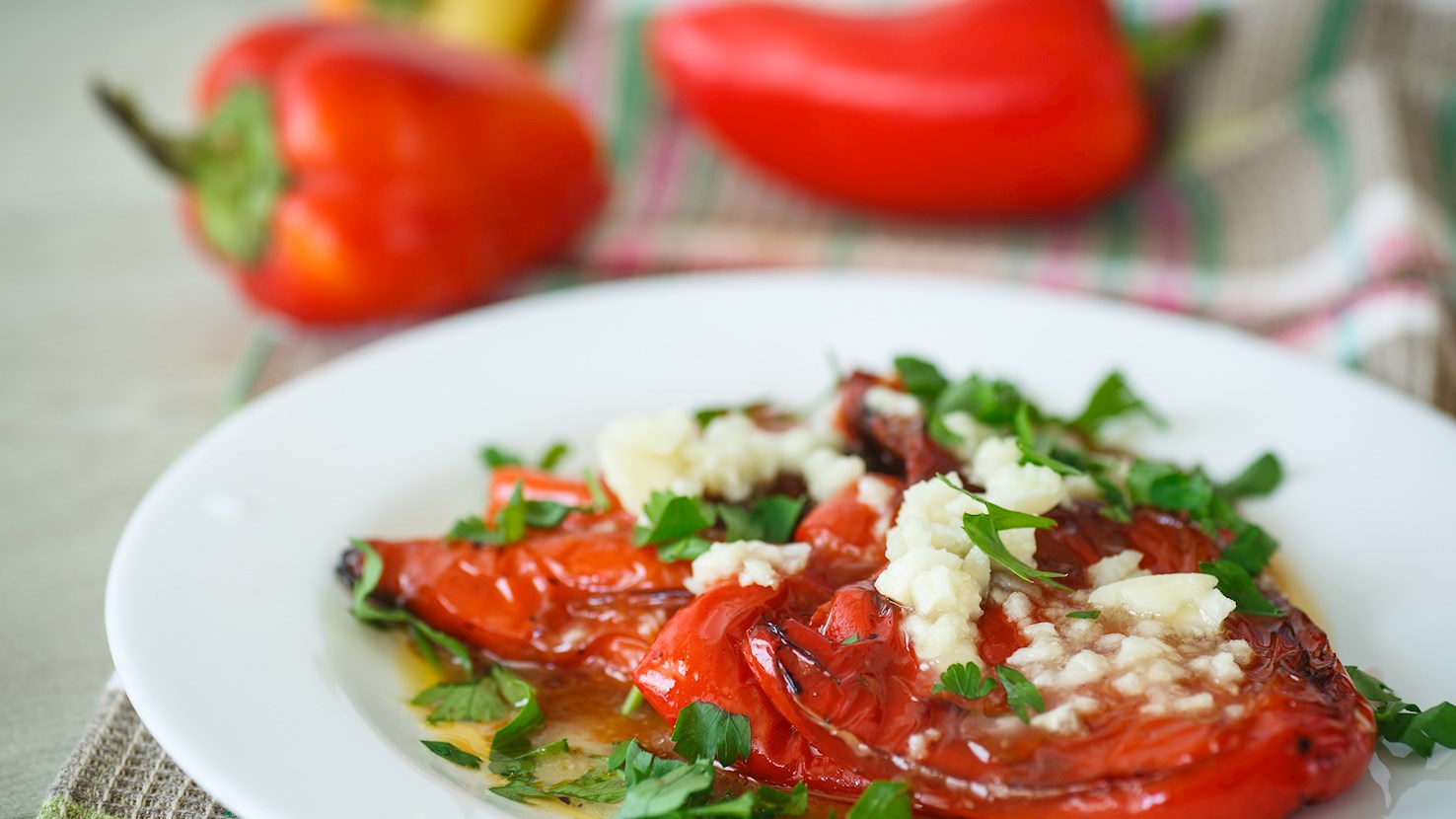
Belolučene paprike is a healthy Serbian salad made with a combination of roasted bell peppers, garlic, vinegar, salt, oil, and parsley. The ingredients are simply mixed together, and the combination is well-chilled before consumption. In summer, the salad is prepared with freshly roasted bell peppers, and in winter, it is usually prepared with preserved and canned bell peppers. Belolučene paprike can sometimes be enriched with roasted aubergines. The salad is served as an appetizer or a side dish. It can also be consumed as a main dish when served with white cheese and a few slices of bread that are typically dipped in the salad juices.
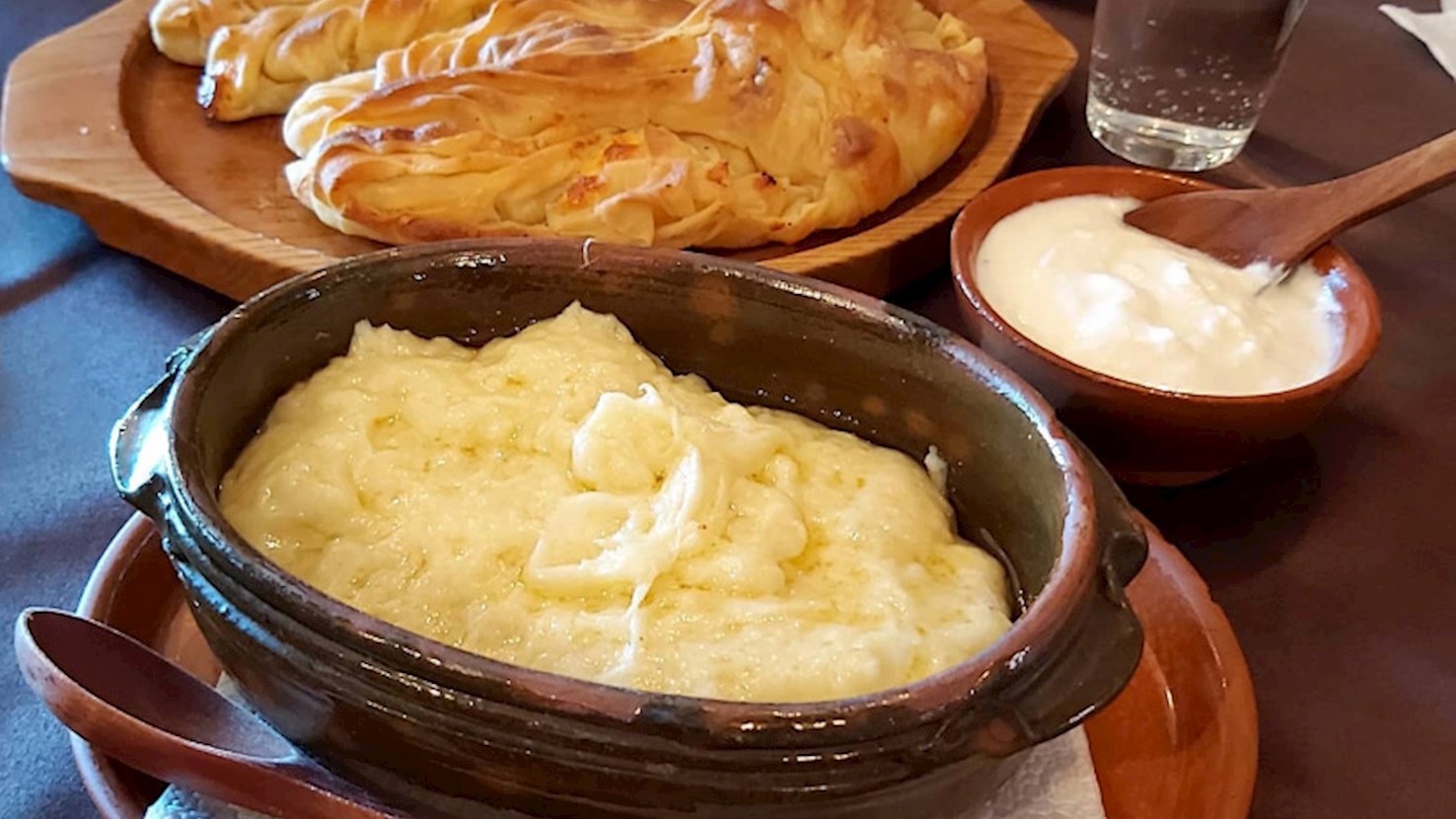
Belmuž is a traditional shepherd's dish originating from eastern Serbia. This simple dish consists of only three ingredients – cheese, flour, and a bit of salt. The key ingredient is cheese, that should be fresh and full-fat cow's or preferably sheep's cheese. Once cut into pieces, the cheese is placed in a big pot over low heat. As it melts, salt and flour are added until a homogenous mass is formed. The mixture is continuously stirred with a big wooden spoon until the fat separates and starts to float on the surface. Belmuž is then ready to be served, usually as an appetizer with sour milk and various sliced vegetables. Interestingly, if the cheese used for the dish is already salt, there is no need to add extra salt to the dish. Belmuž is traditionally prepared by men due to the fact that it needs to be continuously stirred as it cooks, which takes a lot of effort.
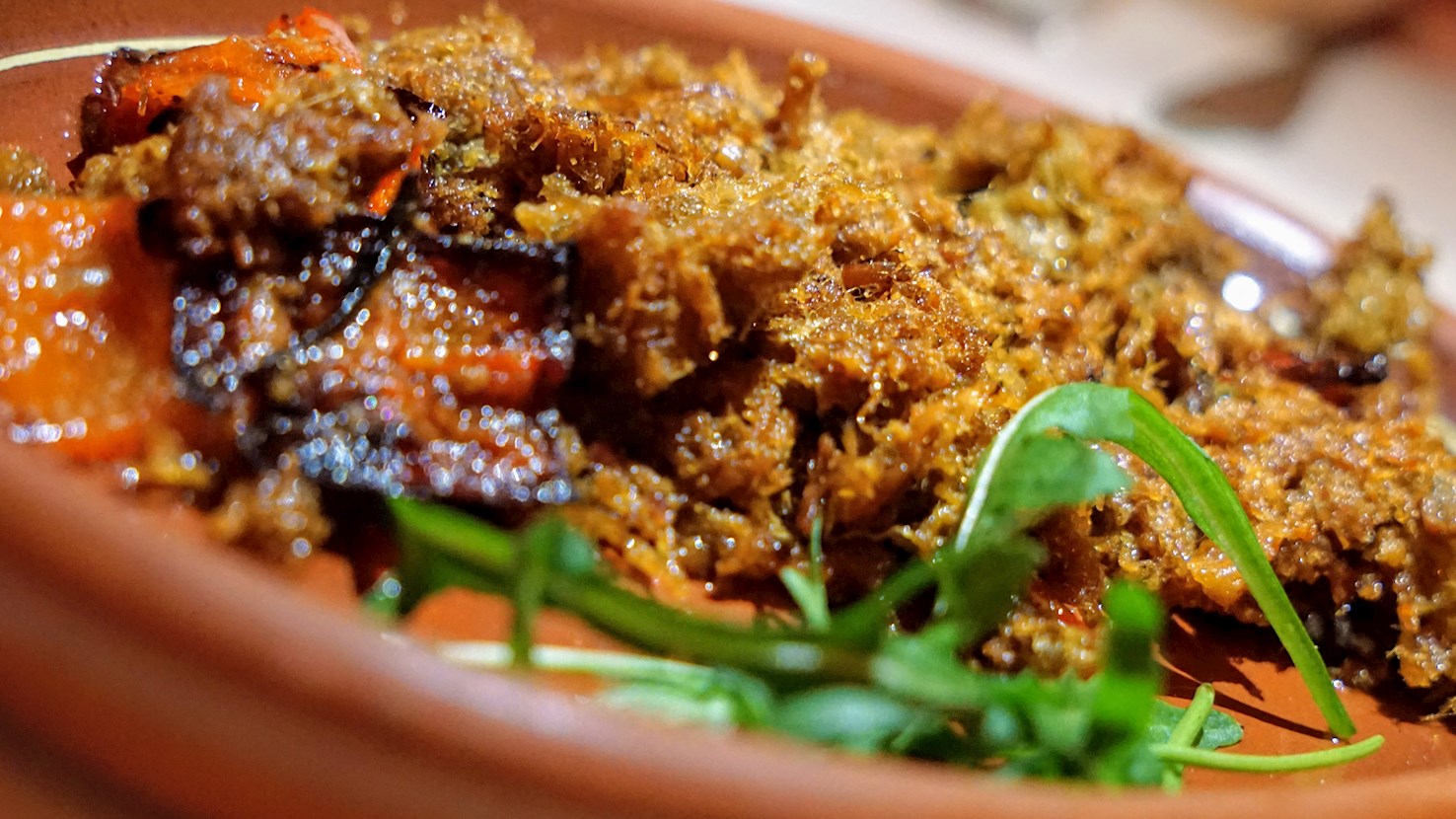
This Serbian delicacy is prepared in a time-consuming process that includes slowly frying pork rinds until the fat is completely extracted. Common additions include pork offal such as lungs, liver, intestines, and parts of the head that are cooked, finely chopped, and added to the frying mixture. When the fat completely melts and the ingredients are combined, the mixture is drained and stored. Traditionally prepared during colder seasons, kavurma or sprža is usually associated with the southern parts of Serbia, namely the city of Leskovac. The dish is typically served as a cold appetizer, accompanied by bread and various pickled vegetables.
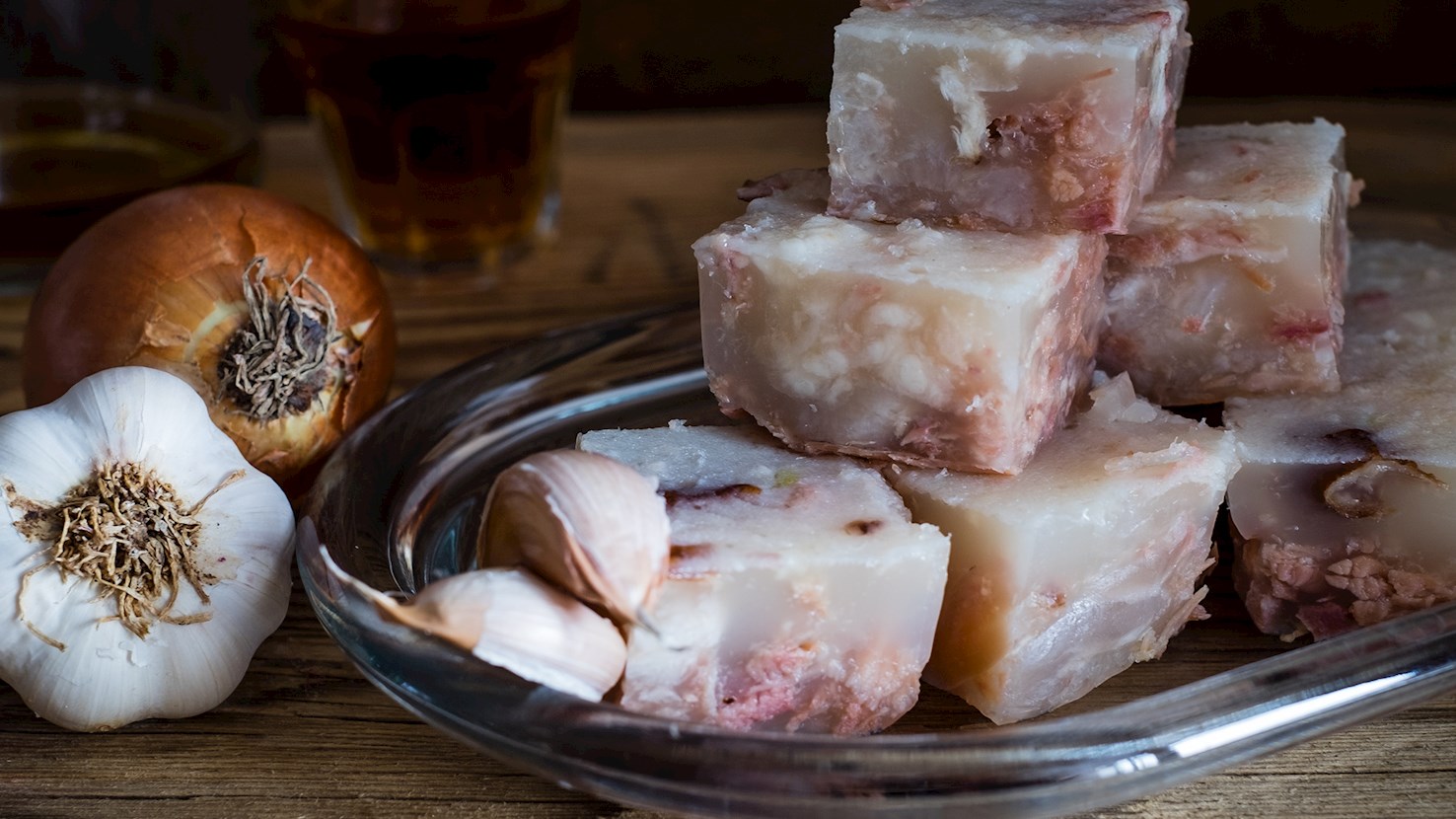
Pihtije is a cold, savory meat jelly made by slowly simmering collagen-rich cuts until the cooking liquid sets naturally when chilled. Pork trotters, hocks, ears, tail, snout, head meat, and skin are commonly used because their connective tissue releases enough gelatin to create a firm structure without commercial gelatin. The finished pihtije has tender pieces of meat suspended in a clear or lightly cloudy jelly, usually seasoned strongly with garlic and served in thick slices or squares. The meat is first cleaned thoroughly. Some methods briefly blanch the pork, discard the first water, and rinse the cuts before beginning the longer simmer. This removes foam and impurities and can produce a clearer finished jelly. The cleaned meat is then placed in a large pot and covered with fresh cold water. Pork trotters and hocks form the most reliable gelatin-rich base, while ears, snout, tail, skin, and sections of the head add further collagen and meat. Leaner pork may be included to create a better balance between jelly and solid pieces. Some versions combine fresh and smoked pork, although smoked meat produces a darker broth and a stronger flavor. Black peppercorns, bay leaves, salt, onion, carrot, celery root, and garlic may be added to the pot. Whole garlic bulbs or cloves can simmer with the meat, but finely chopped or crushed raw garlic is often added after the broth has been strained, giving the finished jelly a much sharper aroma. The contents are brought slowly to a gentle simmer rather than a vigorous boil. Foam and excess fat are removed from the surface as they appear. Strong boiling can make the broth cloudy and break the meat into small particles, while slow heating extracts gelatin more evenly. Depending on the size and type of the cuts, simmering may last from four to eight hours. The meat is ready when it separates easily from the bones and the liquid feels sticky between the fingers. The broth gradually reduces and becomes concentrated, but it does not always need to lose exactly half its original volume. Too much reduction can make the jelly excessively firm and salty. The cooked cuts are removed and allowed to cool enough to handle. All bones, hard cartilage, and unwanted pieces of skin are separated carefully from the edible meat. The meat is then shredded or cut into small pieces and distributed evenly among wide, shallow bowls, enamel pans, or individual molds. The broth is passed through a fine sieve or several layers of cheesecloth to remove peppercorns, bone fragments, cooked aromatics, and small particles. Excess surface fat may be skimmed away for a clearer, lighter result, although a thin layer of fat is sometimes left for flavor. Crushed or finely minced garlic can be stirred into the strained broth or scattered over the meat in each vessel. The hot broth is then poured over the shredded pork until the meat is completely covered. Thin slices of cooked carrot, fresh pepper, parsley leaves, or other decorative ingredients may be arranged in the molds before the broth is added. The filled vessels are cooled briefly and then refrigerated overnight. Pihtije should be chilled rather than frozen. Temperatures below freezing can damage the gel structure and cause the jelly to release water after thawing. When enough natural gelatin has been extracted, the liquid sets into a firm block that can be cut cleanly, sometimes described as being firm enough to “cut like glass.” The technique belongs to the wider family of meat aspics found across Central, Eastern, and Southeastern Europe. Its exact place and date of origin are unknown, so it cannot be assigned solely to the centuries of Ottoman rule in the Balkan Peninsula. Long-simmered meat jellies developed in several regions where collagen-rich slaughter cuts needed to be used efficiently. The word pihtija entered South Slavic languages through the Turkish pıhtı, referring to something coagulated, clotted, or thickened. The Turkish term is itself connected to a Persian word derived from a root meaning cooked. The etymology confirms linguistic influence, but it does not prove that the entire method was introduced from one source during a particular century. Pihtije became closely tied to winter pig slaughter because trotters, head meat, ears, tail, and skin were available at the same time. Cold weather also allowed large bowls of broth to set in unheated storage rooms, cellars, enclosed balconies, or other sheltered outdoor spaces before household refrigeration became common. The purpose was not to preserve the meat for an entire winter, but to use perishable slaughter cuts efficiently and keep the finished jelly cold for a limited period. A well-known seasonal custom in parts of Serbia links pihtije with Krstovdan and Bogojavljenje. The meat jelly may be cooked on January 18, left to set, and eaten on January 19 for Epiphany. Since January 18 is observed as a fasting day, the pork jelly is held until the following feast day. This is a regional holiday custom rather than a universally mandated date, and there is no reliable evidence that nineteenth-century monastery records established January 19 as the original or compulsory day for making pihtije. Pihtije is also associated with winter celebrations, family patron-saint feasts, Christmas gatherings, and other large meals. Its reliance on inexpensive collagen-rich cuts made it practical, while the firm, sliced appearance allowed it to be served as a substantial cold appetizer. Pork is the most characteristic meat, but other versions exist. An older rooster or mature chicken can produce a lighter jelly with a clearer broth and a milder flavor. The bird must contain enough skin, joints, feet, wings, neck, and bones to release sufficient gelatin. Poultry usually needs less time than pork trotters, although an older bird may still require several hours of gentle simmering. Beef shank, joints, tendons, tail, and other connective-tissue-rich cuts can produce a darker and more intensely savory version. Beef broth may have a deeper roasted or mineral character, but it does not necessarily have a pronounced iron flavor. Lamb is also used in some regional forms. Combining several types of meat is possible as long as enough collagen-rich material is included for the broth to set. Bobove pihtije is a separate meat-free version made from dried fava beans. The beans are soaked, boiled until completely tender, and mashed or puréed with garlic, salt, and sometimes pepper. The thick bean mixture is spread in a shallow vessel and left to cool until its starch gives it a firm, sliceable texture. Unlike meat pihtije, the fava-bean version is opaque and creamy rather than translucent and gelatinous. It is often finished with ground paprika bloomed in hot oil and may include additional garlic. Bobove pihtije is especially associated with meat-free patron-saint feasts and Orthodox fasting periods, when meat, dairy products, and eggs are excluded. Once fully set, meat pihtije is never reheated before serving because warmth causes the natural gelatin to soften and eventually return to liquid. A sharp knife is used to cut the jelly directly inside its pan, usually into thick squares, rectangles, or wedges. Individual molds may instead be inverted onto plates. Ground sweet or hot paprika is commonly scattered over the surface, adding color and mild pepper flavor. Finely minced raw garlic may also be added, although pihtije is often already strongly seasoned with garlic inside the jelly. Black pepper, chopped parsley, or hot ground pepper are other possible finishes. The cold meat jelly is commonly accompanied by sharp, acidic foods that balance its richness. Sauerkraut, fermented cabbage leaves, pickled green tomatoes, sour cucumbers, peppers, cauliflower, carrots, onions, and other forms of turšija all work well. Horseradish, mustard, vinegar, or raw onion may provide an additional pungent contrast. A small glass of rakija, especially plum brandy, is a frequent accompaniment at winter tables and celebrations. Its strength and fruit aroma contrast with the cold pork, garlic, and gelatin, although it is an optional pairing rather than a required part of serving pihtije.
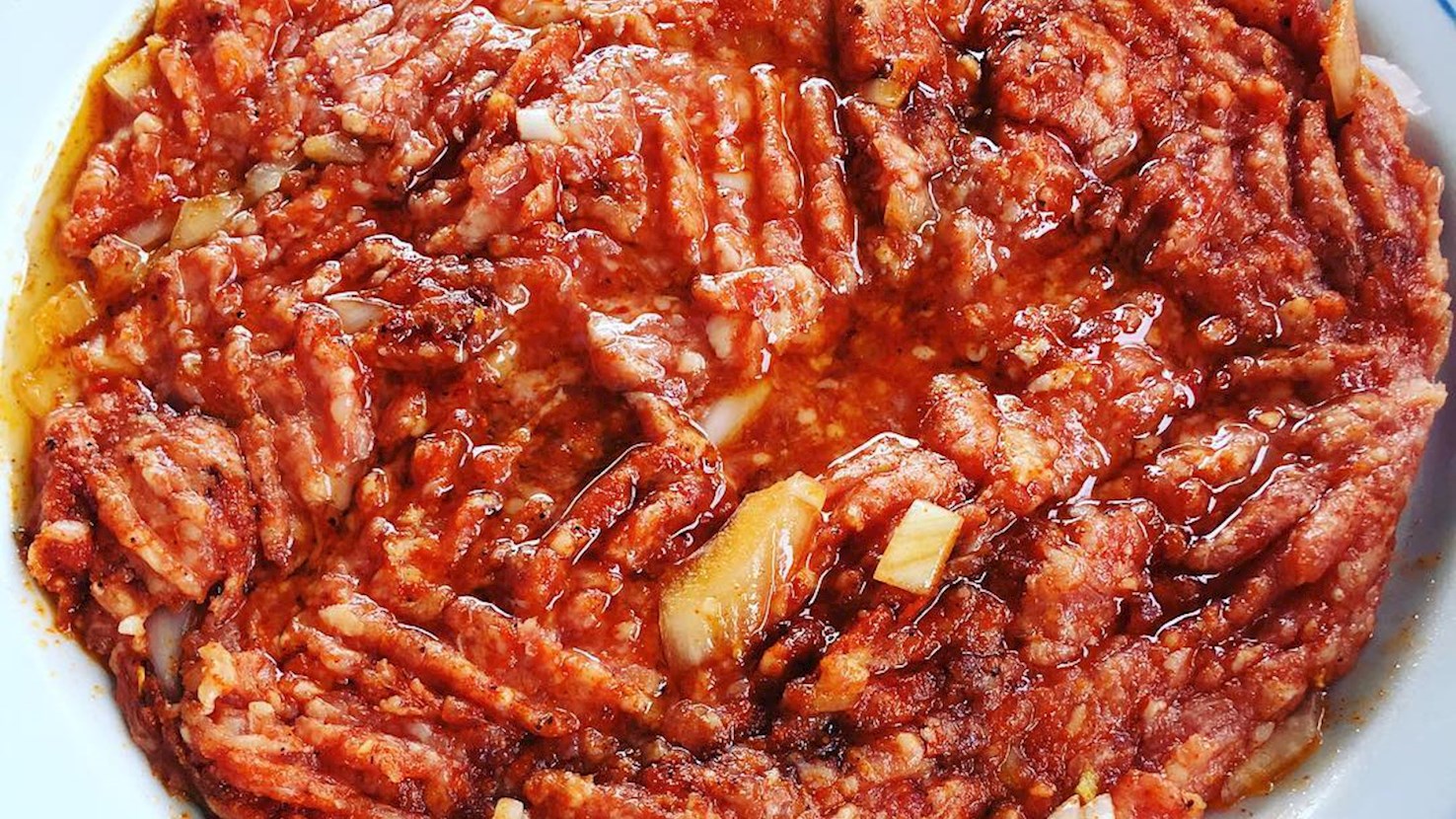
Živa pljeskavica is an appetizer made with ground veal, salt, pepper, smoked paprika, paprika flakes, Vegeta, oil, and chopped onion. The meat and spices are placed on a large plate and mixed with a fork until they form a homogenous mass that is then shaped into a patty. The dish was created at the restaurant Kod Bore in Sedlari near Valjevo in Serbia, and it's a take on a dish eaten by hospitality workers in state-owned restaurants in the former Yugoslavia. Because they were pressed for time, they would typically eat a raw meat patty tucked into a warm lepinja flatbread for lunch. Živa pljeskavica is served with grilled bread or lepinja flatbread and salt and paprika for seasoning and is usually consumed while waiting for one's order of grilled and barbecued meats to arrive.
Pašteta od fazana is a Croatian dish that is especially popular in the region of Slavonija and Baranja. This pâté is made with pheasant as the key ingredient, and due to the fact that every household has their own recipe, other ingredients may vary, but may include celery, carrots, parsley, onions, bay leaves, pepper, garlic, eggs, butter, mayonnaise, mustard, and horseradish. The pheasant is cooked with the vegetables, and it is then ground and combined with other ingredients. The pâté is then refrigerated until it sets, and it is recommended to serve it with crusty bread.
Čalabrca is a simple Serbian dish made with phyllo pastry, oil, milk, and kajmak (clotted cream). A spoonful of lard or oil is dropped into boiling water. Dried phyllo pastry is torn into pieces, and the pot of boiling water with oil is poured over them, ideally in an earthenware pot. The concoction is shortly cooked, taken off the flames, then combined with milk and kajmak. The dish is typically served as an appetizer, and the name is derived from the colloquial word čalabrcnuti, meaning to nibble.
Pohovani mozak is a breaded offal dish from Serbia that consists of cleaned animal brain, most commonly calf or pork, cut into portions, lightly seasoned, coated in flour, egg, and breadcrumbs, and fried until crisp and golden. The dish became established through whole-animal cooking practices that valued careful handling of perishable organs and later gained a firm place in urban food culture as frying techniques spread and taverns adopted such dishes for their richness and appeal. The first step in making the dish is soaking the brain in cold water to remove blood, then removing membranes, briefly blanching it in lightly salted or acidulated water to firm the flesh. The brain is then cooled fully, sliced into even pieces, which are breaded and fried in hot oil until evenly browned without drying the interior. Calf brain is sometimes used instead for a finer texture. Pohovani mozak is served hot in traditional taverns as a starter or main dish, most often accompanied by lemon wedges, tartar sauce, simple salads, boiled potatoes, or bread, and paired with beer or light white wine in a setting focused on shared plates and robust, straightforward food.
TasteAtlas food rankings are based on the ratings of the TasteAtlas audience, with a series of mechanisms that recognize real users and that ignore bot,
nationalist or local patriotic ratings, and give additional value to the ratings of users that the system recognizes as knowledgeable.
TasteAtlas Rankings should not be seen as the final global conclusion about food. Their purpose is to promote excellent local foods,
instill pride in traditional dishes, and arouse curiosity about dishes you haven’t tried.




What People Say