

shutterstock

Top 24 European Apple Varieties

Last updated on May 30, 2026
01

Mila Zagoras Piliou

4.4 ·

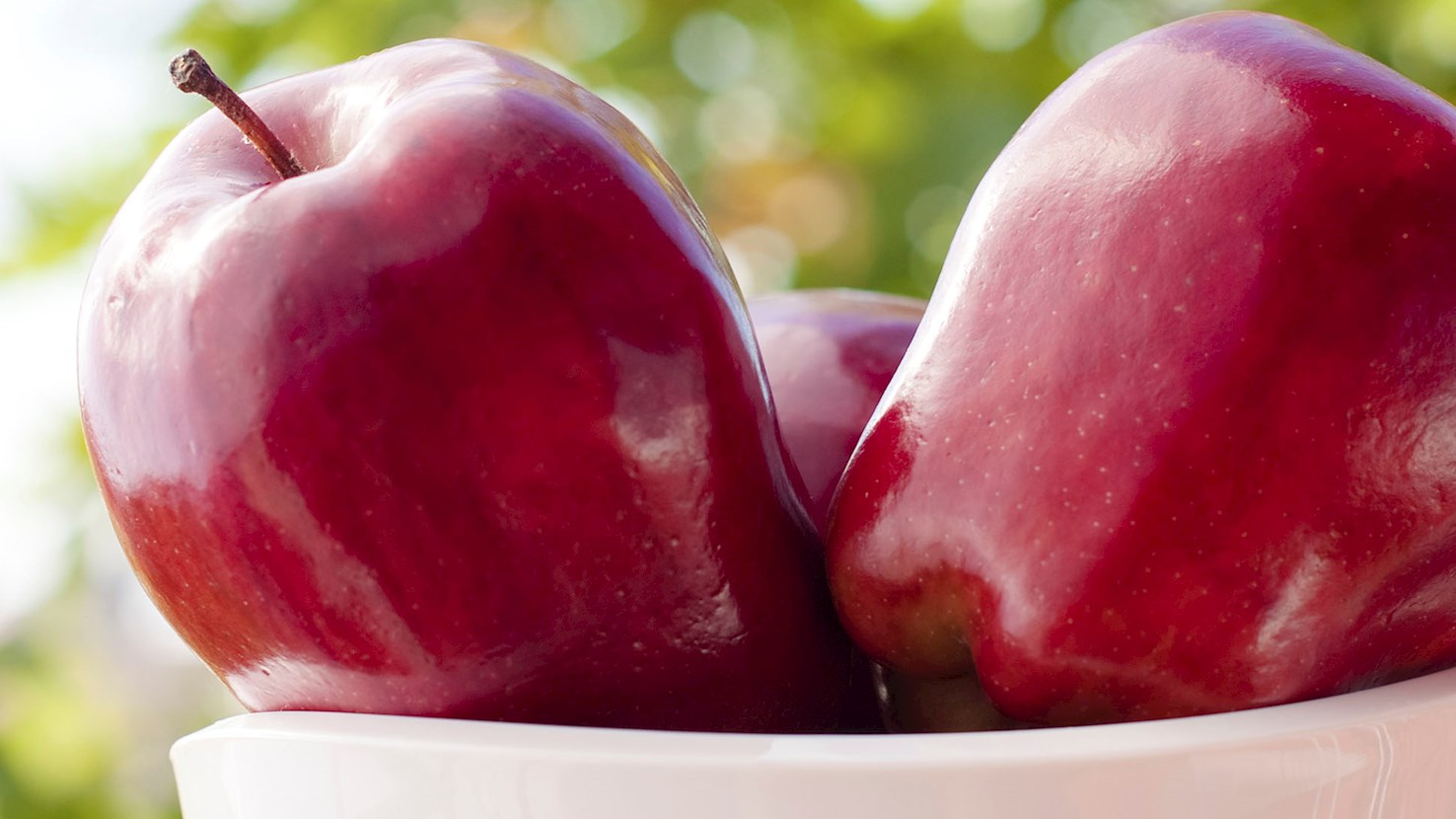
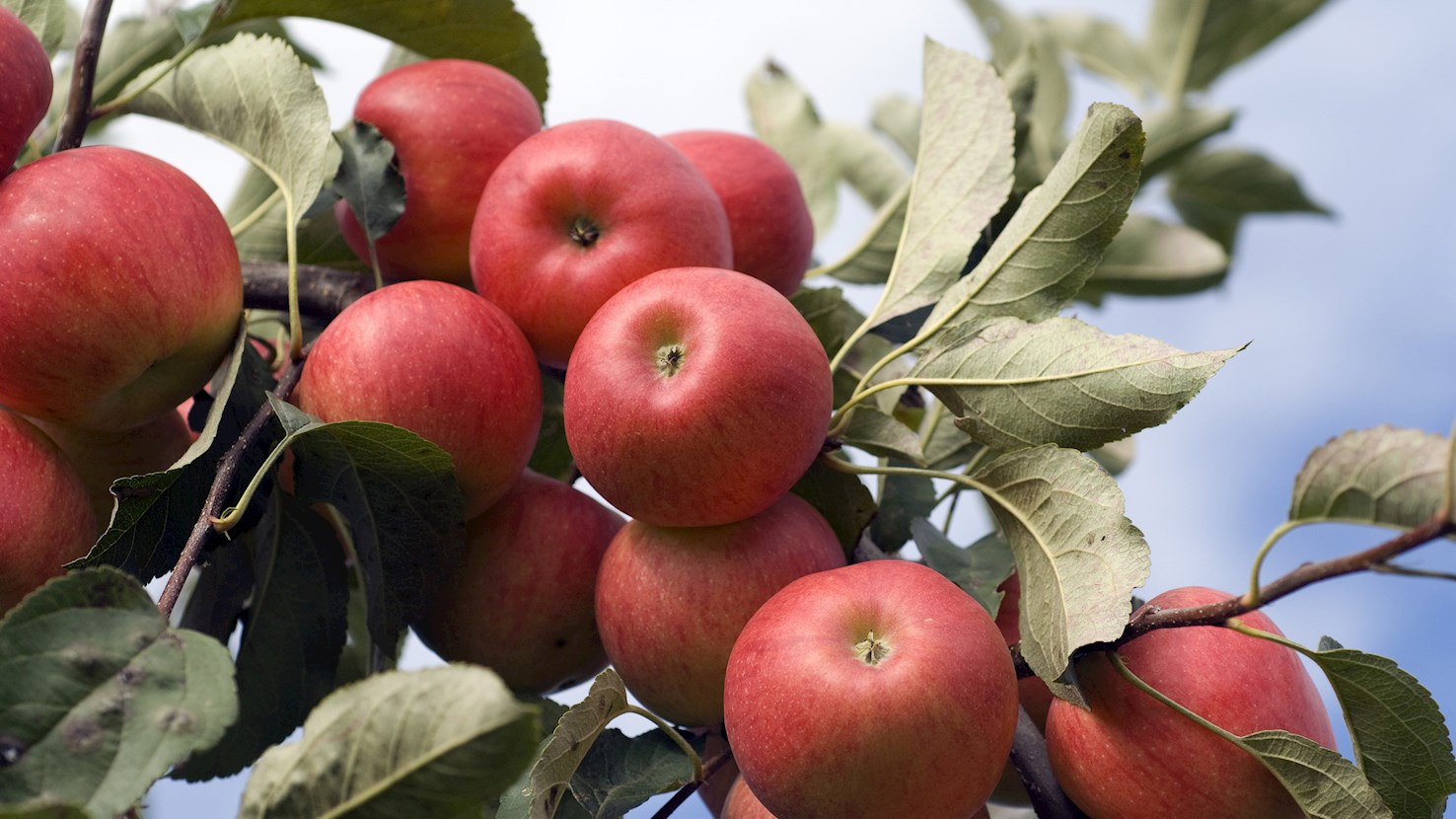
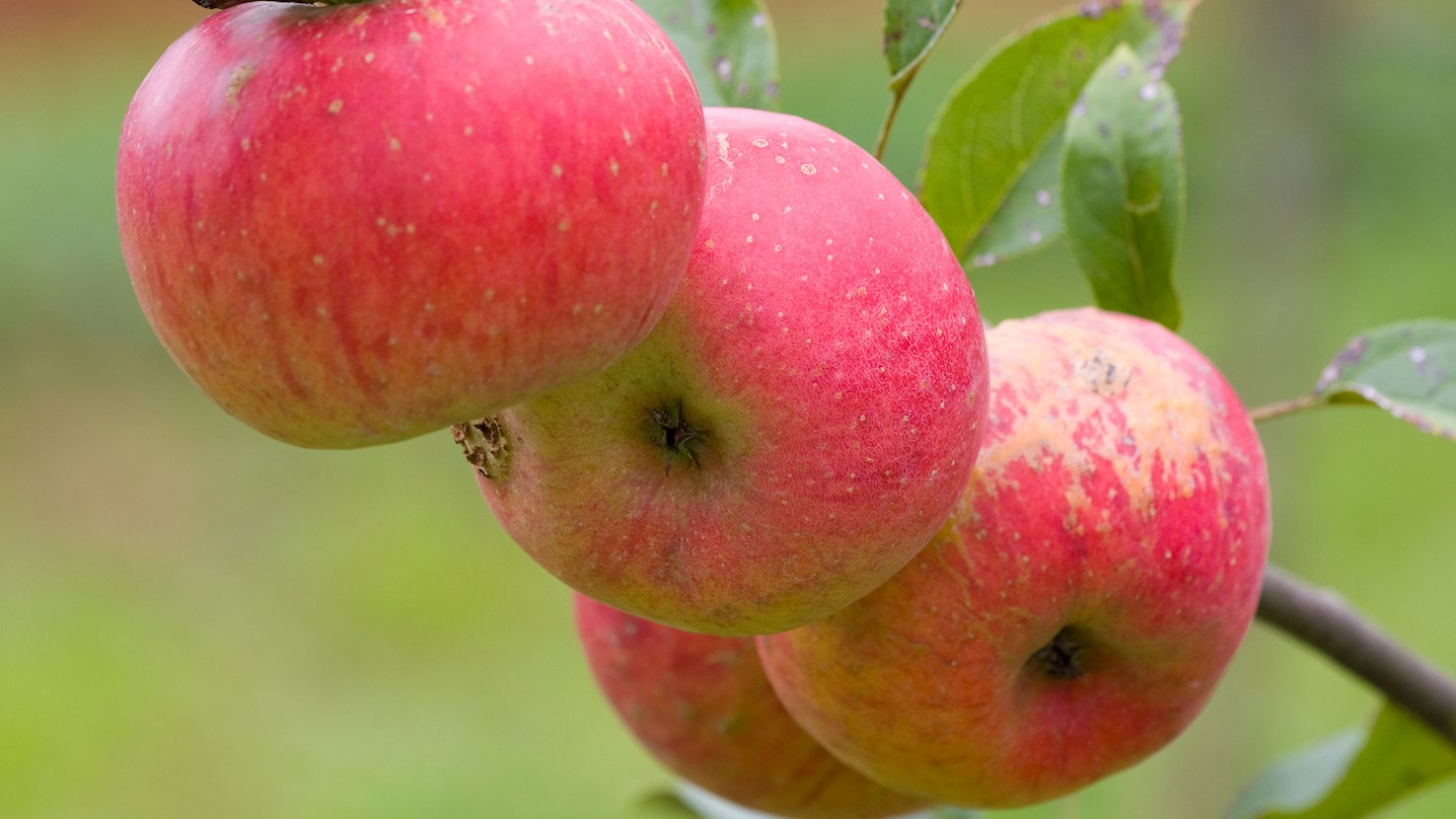
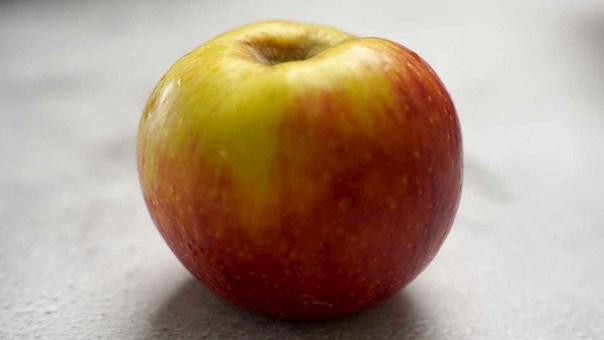
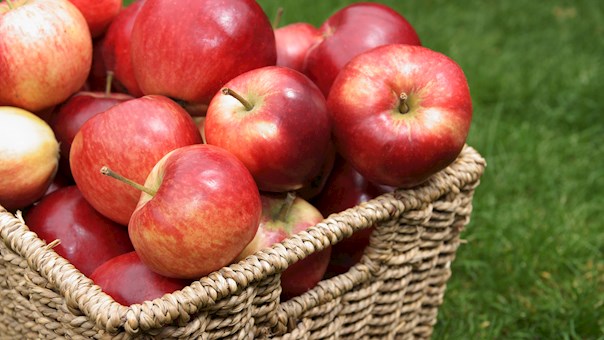
Mila Zagoras Piliou are apples obtained from the Starking Delicious variety in Zagora, Makrirahi and Pouriou on the eastern side of Pilios. The systematic cultivation of these apples started in the 1960s under the supervision of the Zagora Agricultural Cooperative. They owe their distinctive characteristics to high altitudes where they are grown, special weather conditions and the use of traditional cultivation techniques. Mila Zagoras Piliou are harvested by hand after their ripeness is checked. Following the quality assessment, they are packed and stored in the cooperative's modern installations. They can be recognized by their vivid red color and a smooth, waxy skin. Their flesh is white to yellow, very juicy and full of flavor.

02

Maçã Bravo de Esmolfe

4 ·

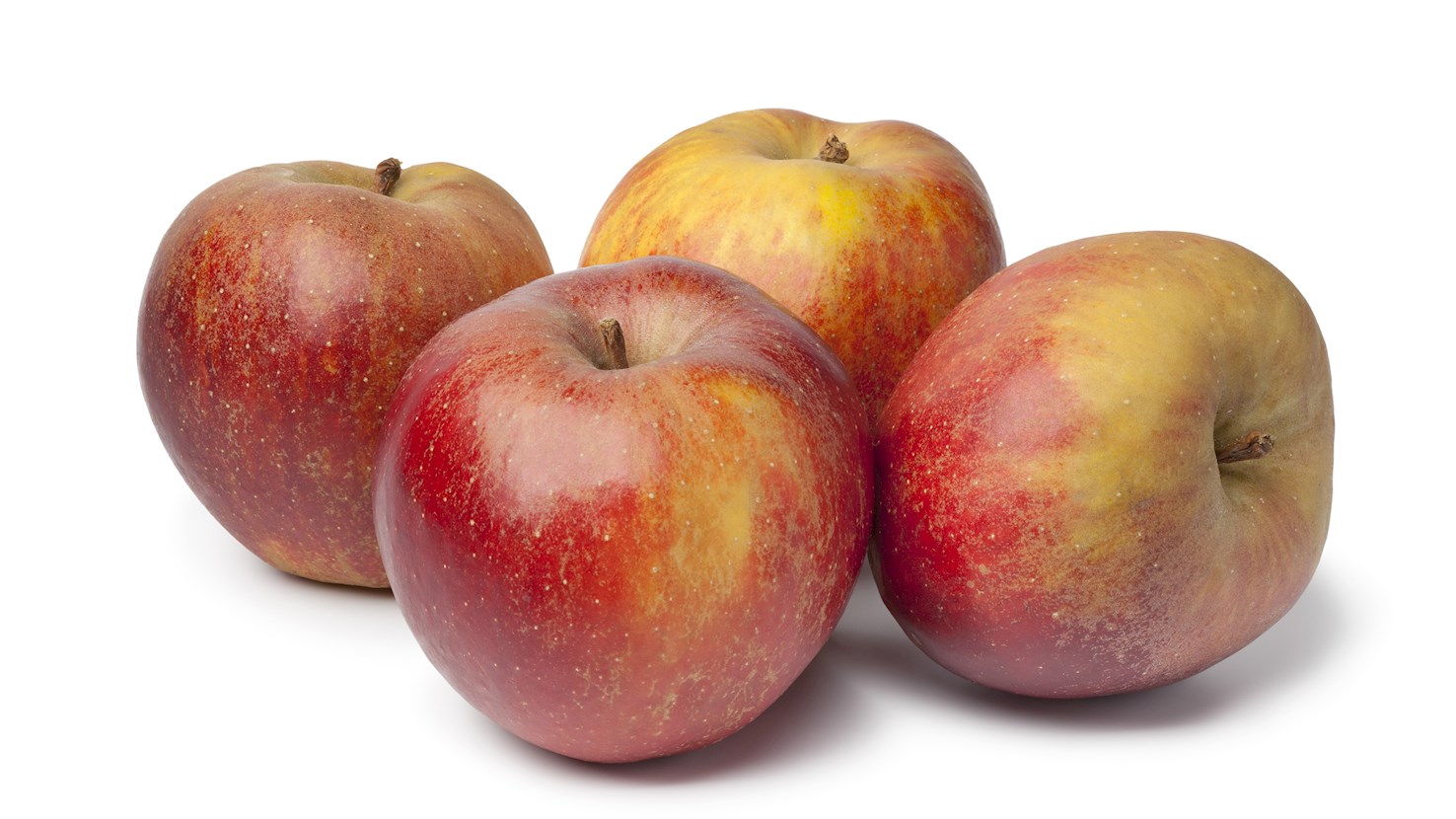
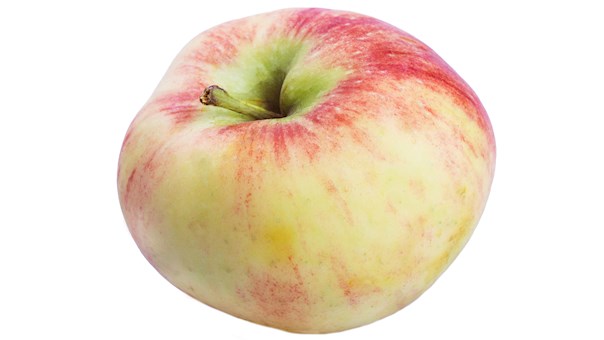
This variety of apples is characterized by its long shelf life and intense, unique fragrance. They are grown and harvested in the districts of Coimbra, Viseu, Guarda, and Castelo Branco in Portugal. The trees of this varietal bear fruit only when they are three or four years old, but the unique qualities of the fruit make it worth the wait. They have a white peel with some reddish spots dispersed throughout, and a soft, sweet, juicy flesh. These apples are usually eaten raw after a meal, but their intense fragrance can also be put to excellent use when dried to perfume small spaces, such as drawers or cabinets.

03

Firiki Piliou

3.9 ·

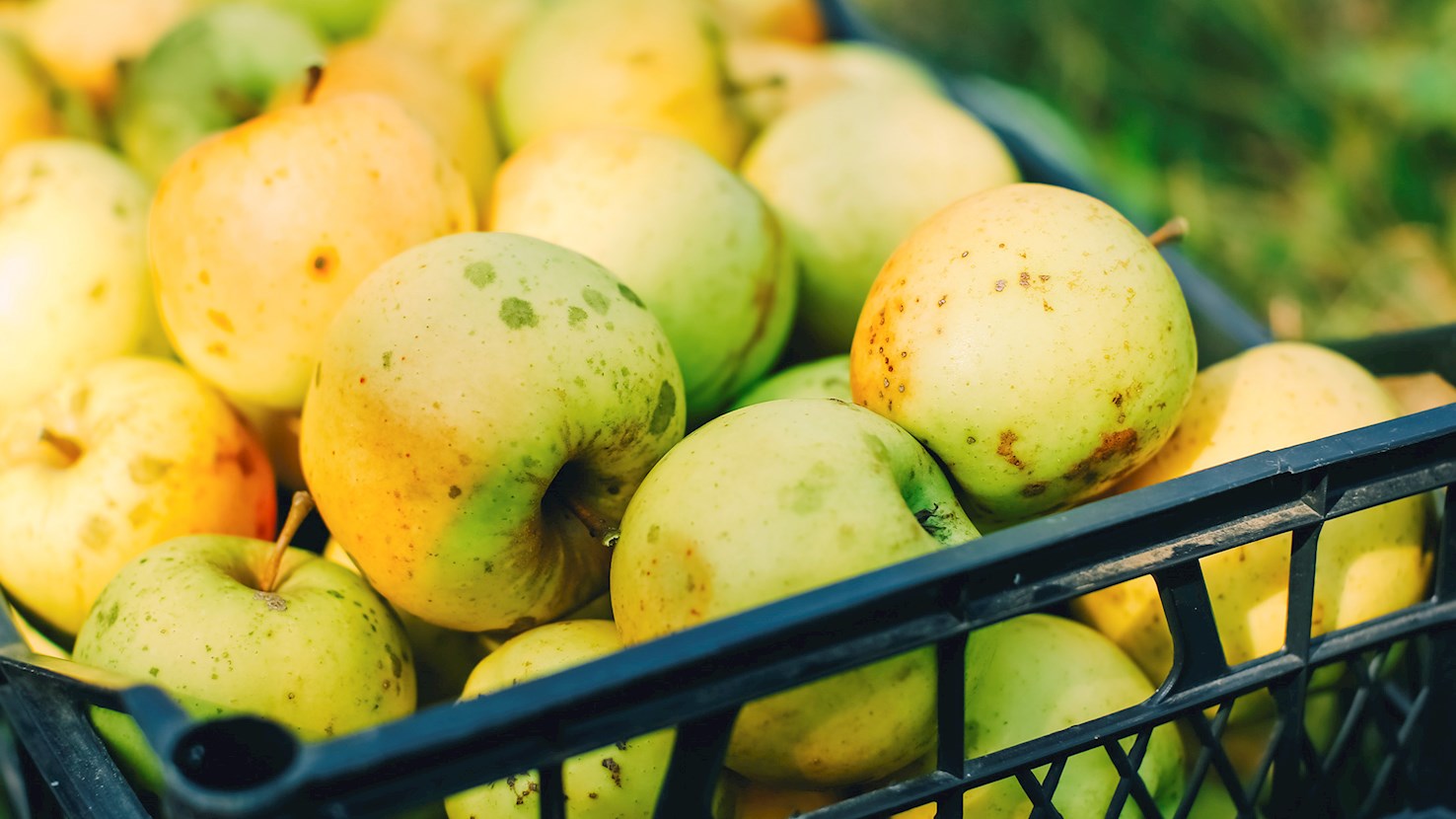
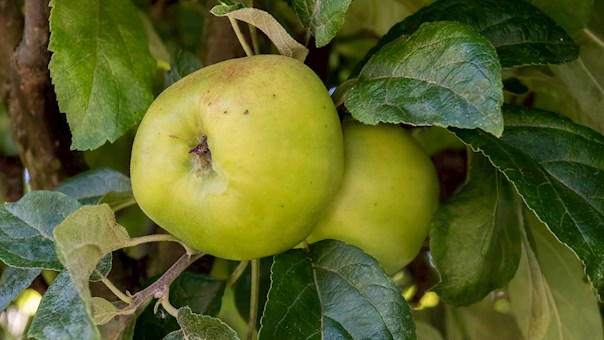
These apples come from trees of the Malus domestica Borkh species that grow within the borders of Portaria, Makrinitsa, Zagora, Agria, Artemida, Mouresi, Milies, and Afetes. It is a famous small- to medium-sized apple with an elongated shape. Due to its small size, Firiki is not easily damaged by the sun. It can be recognized by its yellowish-green color, with some reddish patches which are visible on the apple’s sun-exposed side. These fragrant apples originated from the Black Sea area and were brought to the region in the 19th century. They are gently harvested by hand to ensure they do not get bruised or lose their stalks. These firm-fleshed, intensely fragrant, crisp apples can be stored for a long time with no need for refrigeration, as they will keep their organoleptic properties. Interestingly, a famous local dessert called Glyko Koutaliou me Mila Firikio is made from these apples.

04

Mila Delicious Pilafa Tripoleos

3.9 ·

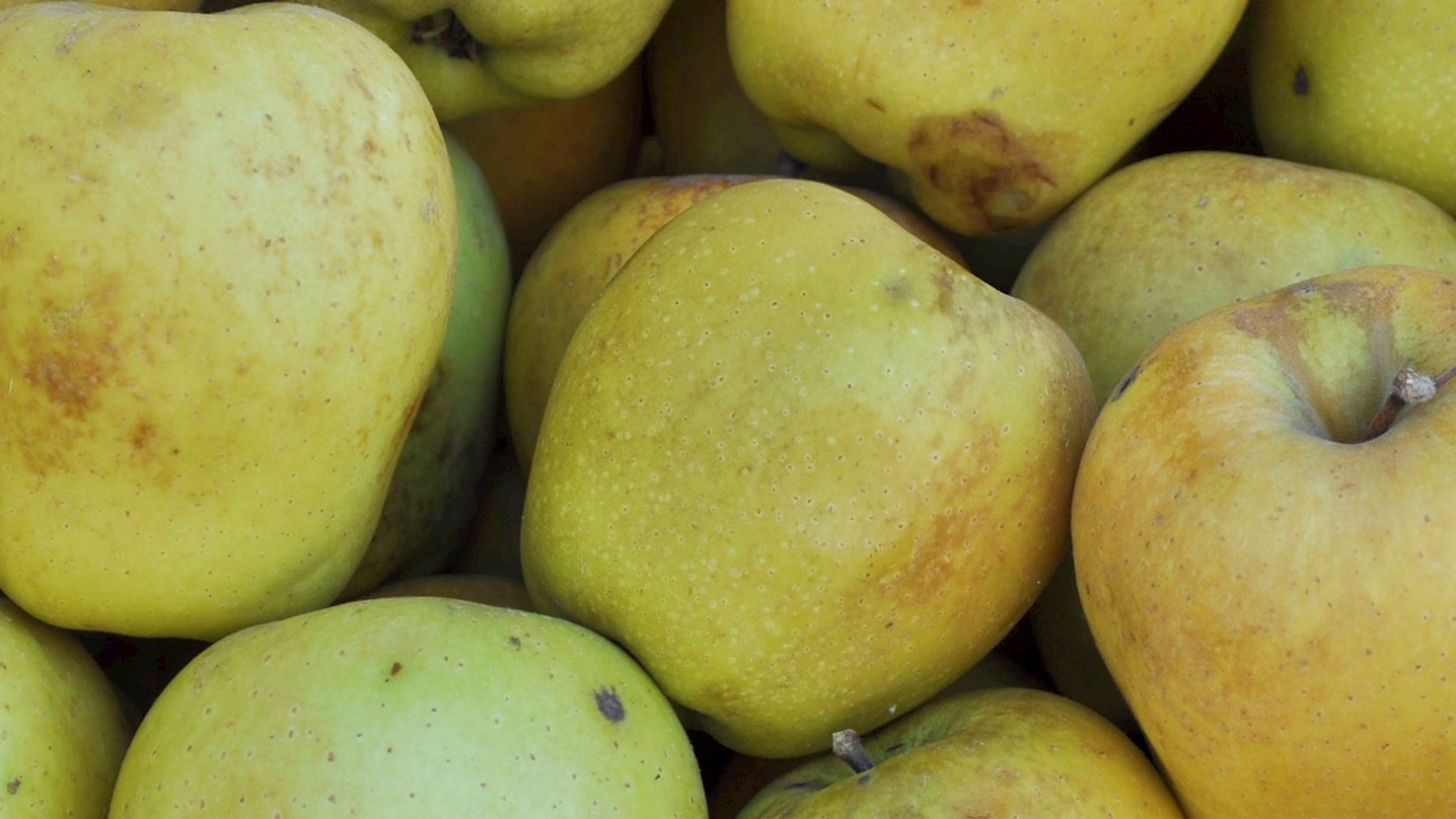
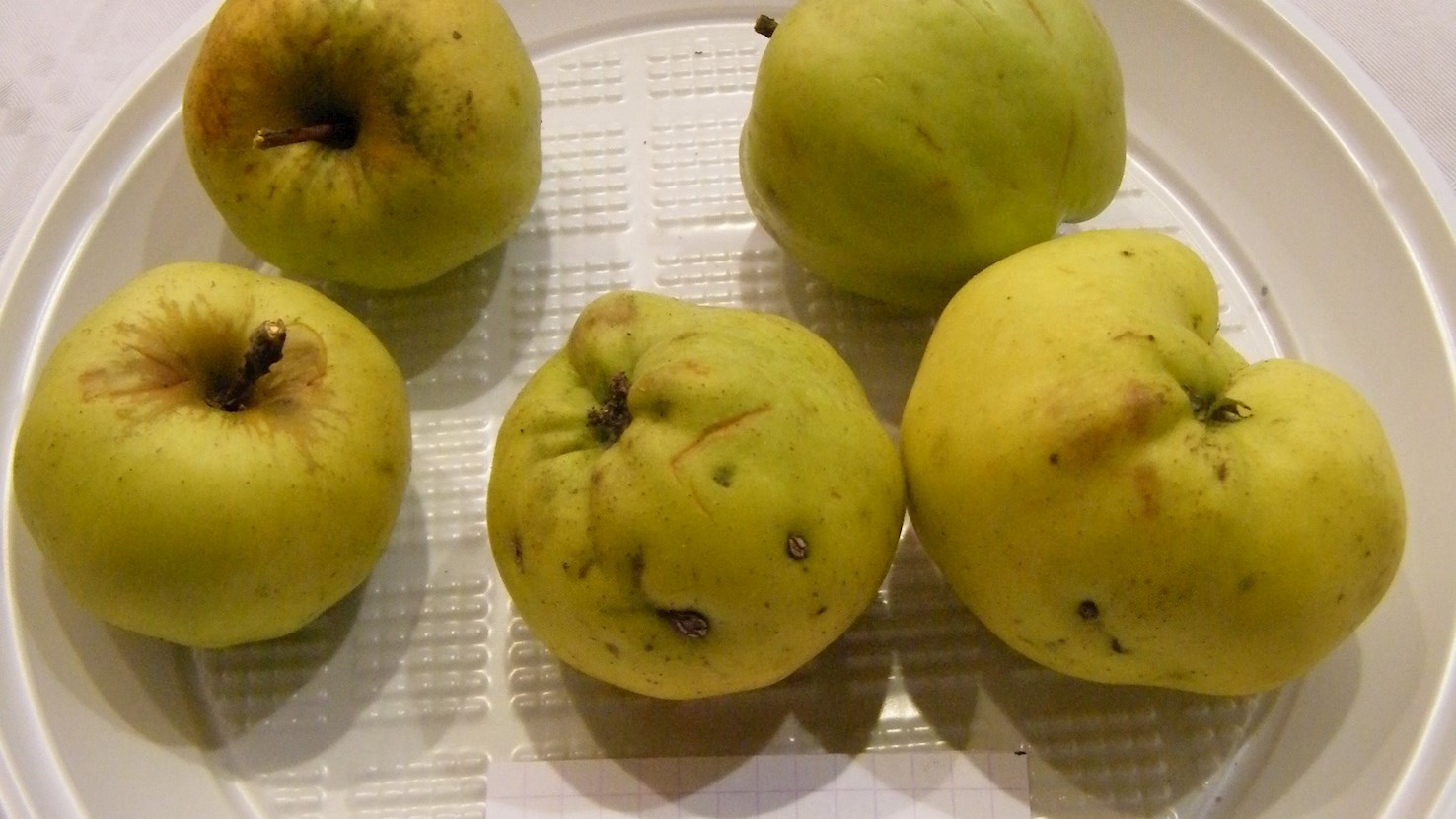
Tripoli Delicious Pilafa Apples are apples of the variety Delicious Pilafa cultivated in areas of the prefecture of Arcadia since the 1920s. The first known grower of these apples was Ilias Andreou Pilafas who brought the seed with him from America and planted it in the garden of his house. As their name says, these apples are delicious. Their flesh is juicy, white, and has a firm texture. The taste is just slightly acidic and their fragrance is very unusual, similar to that of bananas. Their skin is green-yellow with dark brown spots. They are harvested gradually by hand after a ripeness check. Tripoli Delicious Pilafa Apples are characterized by their resistance and long shelf life because they preserve their organoleptic characteristics for a longer period than any other similar variety. These apples are full of vitamins and, therefore, it is advisable to eat them as a healthy snack during the day.

05

Calville Blanc apples

3.6 ·

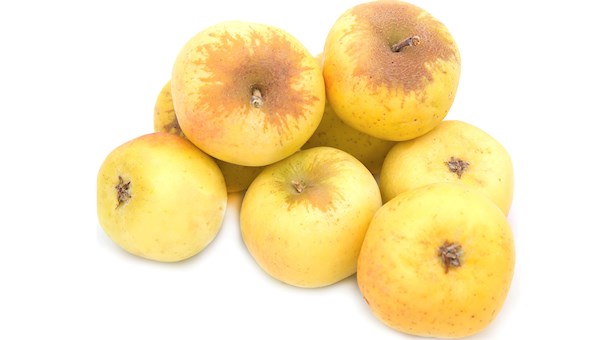
Calville Blanc is the best-known dessert apple of France - with a name that sounds like a wine, the aromas of banana, and containing more vitamin C than an orange, how couldn’t it be? Beneath the skin, the flesh is pale yellow and tender in texture. The flavors are very tart, but not unpleasantly. Due to the flavor character, these apples are often used in sauces, cider, pies, and cider vinegar. They’re harvested from late October to December, and the color and flavor of the apples get warmer and improved once they’ve been stored.

06

Elstar apples

3.5 ·

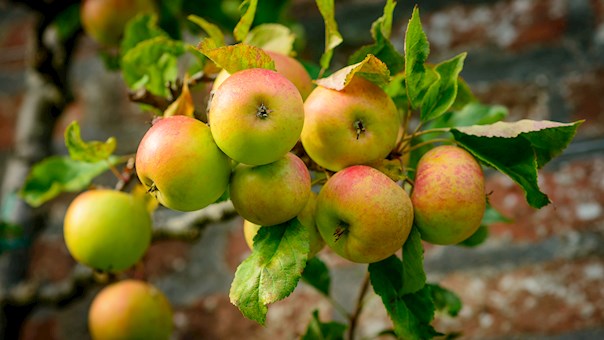
Elstar is an apple variety that was developed in the Netherlands in the 1950s. Available from late fall to mid-winter, these apples are a cross between Golden Delicious and Ingrid Marie breeds. They are medium-sized, with a red skin that has yellow blushes. The texture of the white flesh is crisp and soft, while the flavors are sweet and slightly acidic with notes of honey, but some of the tartness is lost with age. It's recommended to use Elstar apples in cooking, especially for the preparation of apple sauce and various desserts.

07

Opal apples

3.4 ·

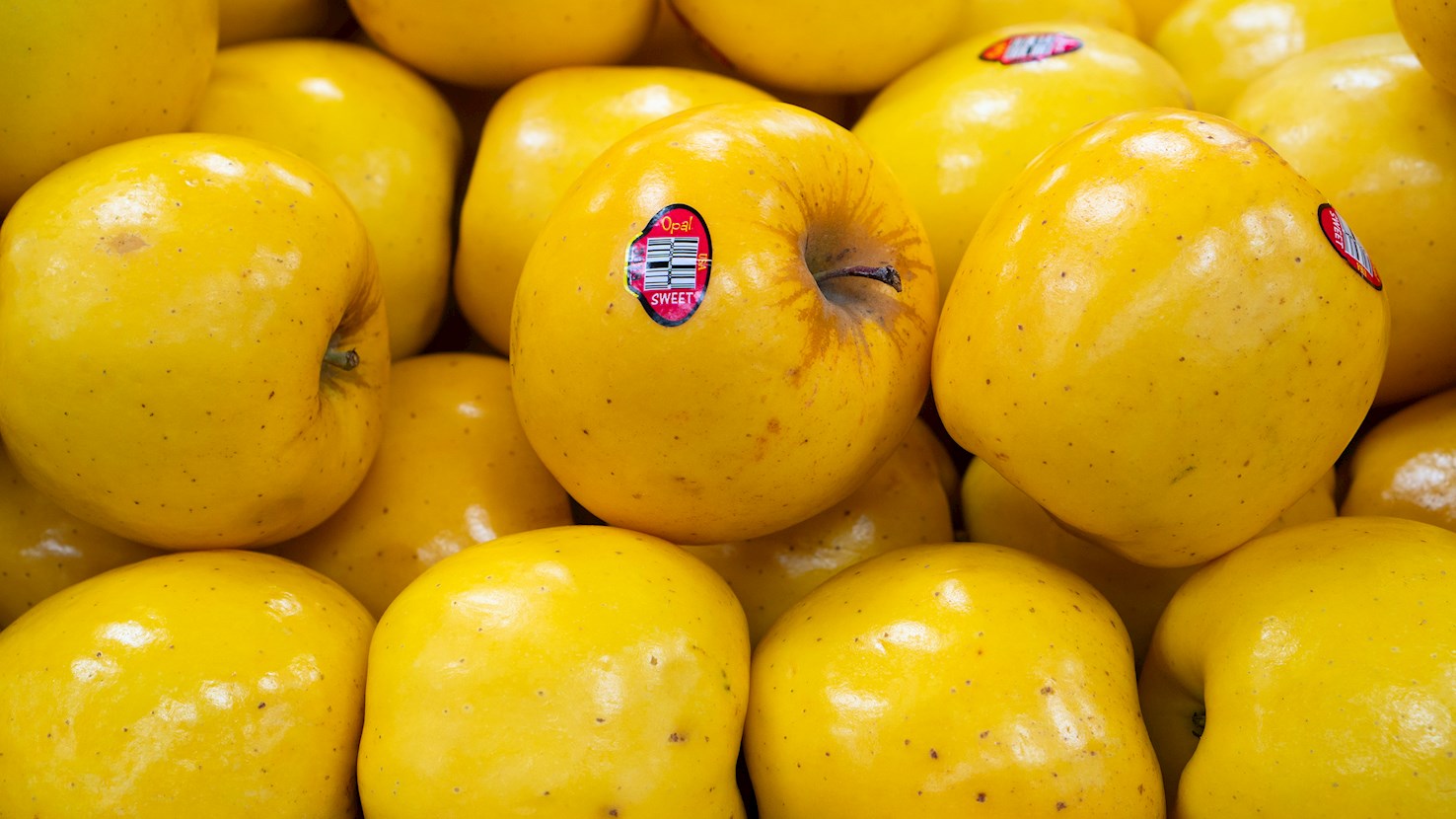
Opal is an apple variety that was developed in Prague in 1999. The apples are a cross between Golden Delicious and Topaz. They are medium to large in size and round. The skin is lemon yellow, while the texture of the flesh is soft and crisp. The flavors are sweet and slightly tart with hints of banana, pear, and coconut. Available from late winter to spring, Opal apples don't brown when exposed to the air, so they're often used in salads, pies, and tarts, but they're usually eaten fresh as a snack. The apples are grown exclusively by Broetje Orchards in Washington State and in some orchards in Europe.

08

Topaz apples

3.4 ·

Topaz is an apple variety that hails from the Czech Republic. It was cultivated as a cross between Rubín and Vanda by the Institute of Experimental Botany. The apples are available from mid-fall throughout winter. The flesh is creamy white in color, while the texture is firm and crisp. The flavor is first sweet and tart, but it becomes more mellow once the apples are in storage. It's recommended to eat Topaz apples fresh or use them raw in salads or as a pairing to cheese and cream based dips. They can also be boiled, roasted, or baked. Pair them with shallots, bitter greens, sausages, honey, vanilla, walnuts, or pears.

09

Belle de Boskoop apples

3.3 ·

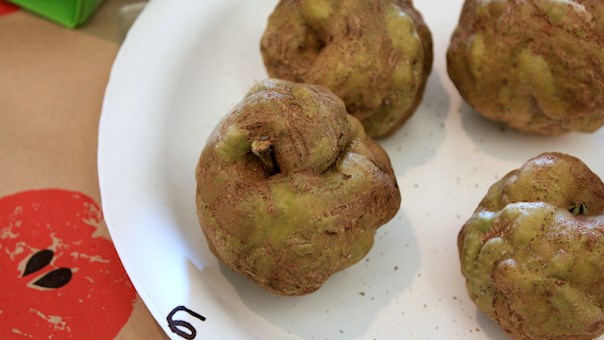
Belle de Boskoop is an apple variety with extensive russeting that was found in the 1850s near Boskoop, between Amsterdam and Rotterdam. These apples are sometimes described as “Granny Smiths with attitude” - they have a pale yellow-green color of the flesh, and the texture is firm, crisp, and slightly dry. The flavors are intense and tart, but after some time, Boskoop Belles will continue to sweeten and mellow after the harvest (in late-season). It’s recommended to use these apples for making pies or apple butter.

10

Pomme du Limousin

3.2 ·

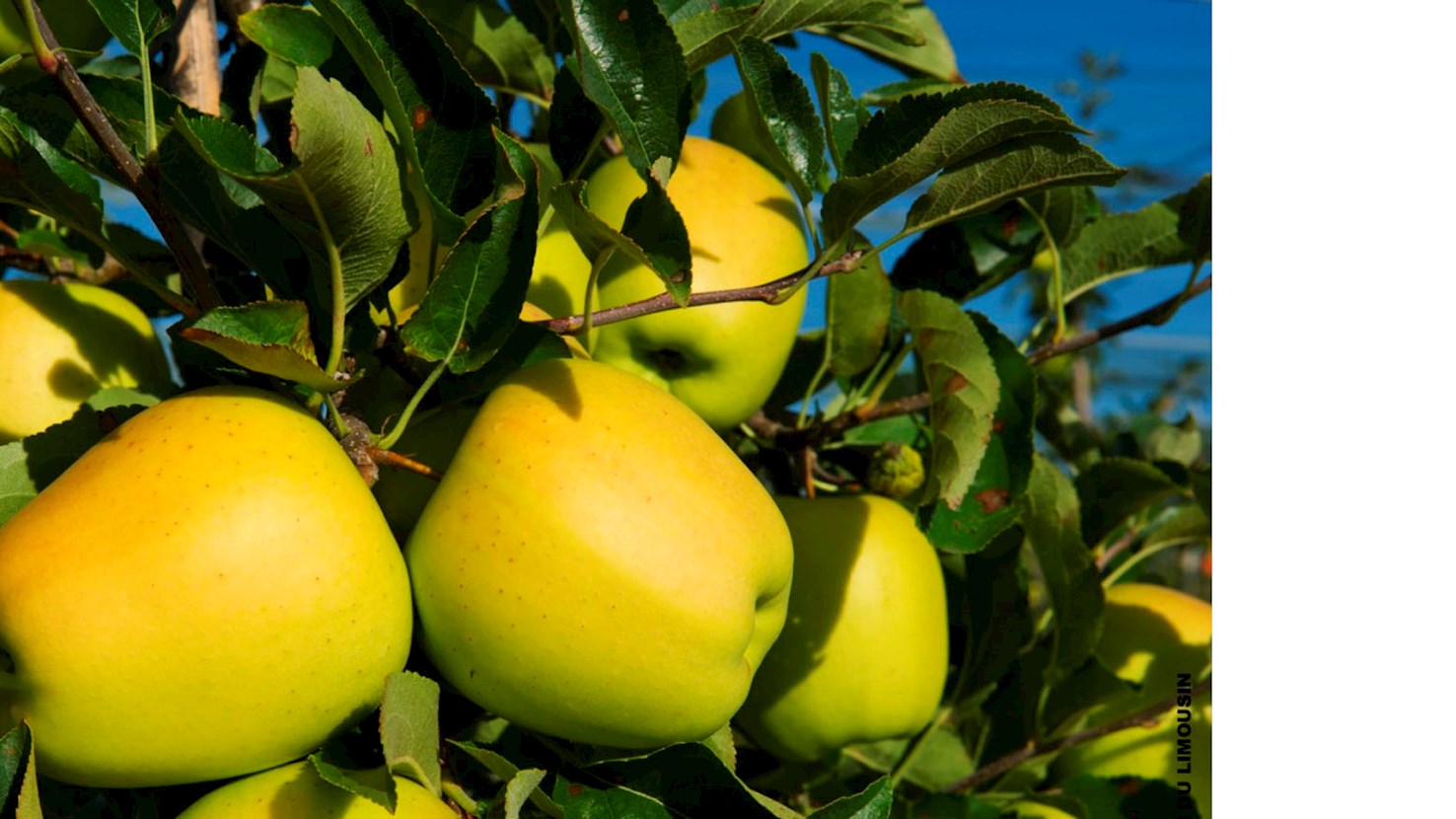
Pomme du Limousin is a fresh apple from the Golden delicious variety with a well-balanced flavor of acidity and sweetness, grown in the Limousin region in France. The apples are pale green to yellow in color and have a firm, crispy, juicy, non-floury, white colored flesh. All of the apples are harvested by hand and have exceptionally long shelf life. They are also praised for the high-standard transportation methods - the apples are transported in water in order to avoid any bruising of the fruit. These golden apples are best with foie gras, blood sausage and game meat or in desserts such as pies and crépes.

Read more
View all
View map
About this ranking

TasteAtlas food rankings are based on the ratings of the TasteAtlas audience, with a series of mechanisms that recognize real users and that ignore bot, nationalist or local patriotic ratings, and give additional value to the ratings of users that the system recognizes as knowledgeable. For the “Top 24 European Apple Varieties” list until May 30, 2026, 343 ratings were recorded, of which 203 were recognized by the system as legitimate. TasteAtlas Rankings should not be seen as the final global conclusion about food. Their purpose is to promote excellent local foods, instill pride in traditional dishes, and arouse curiosity about dishes you haven’t tried.

Similar lists