

shutterstock

Top 6 Japanese Apple Varieties

Last updated on June 24, 2026
01

Fuji apples

3.9 ·

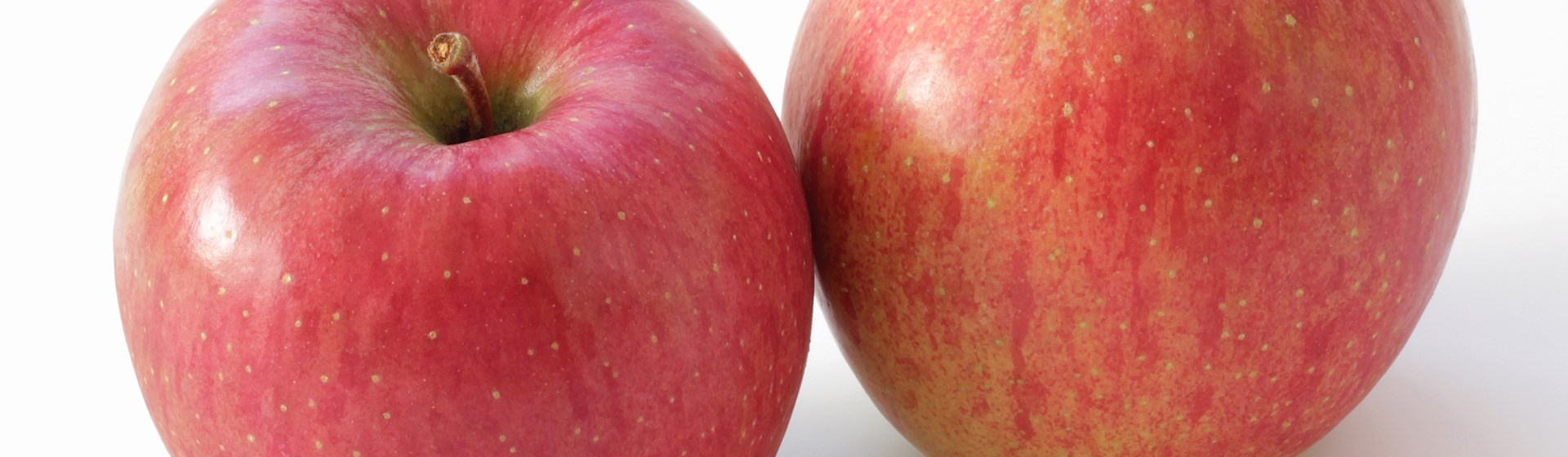
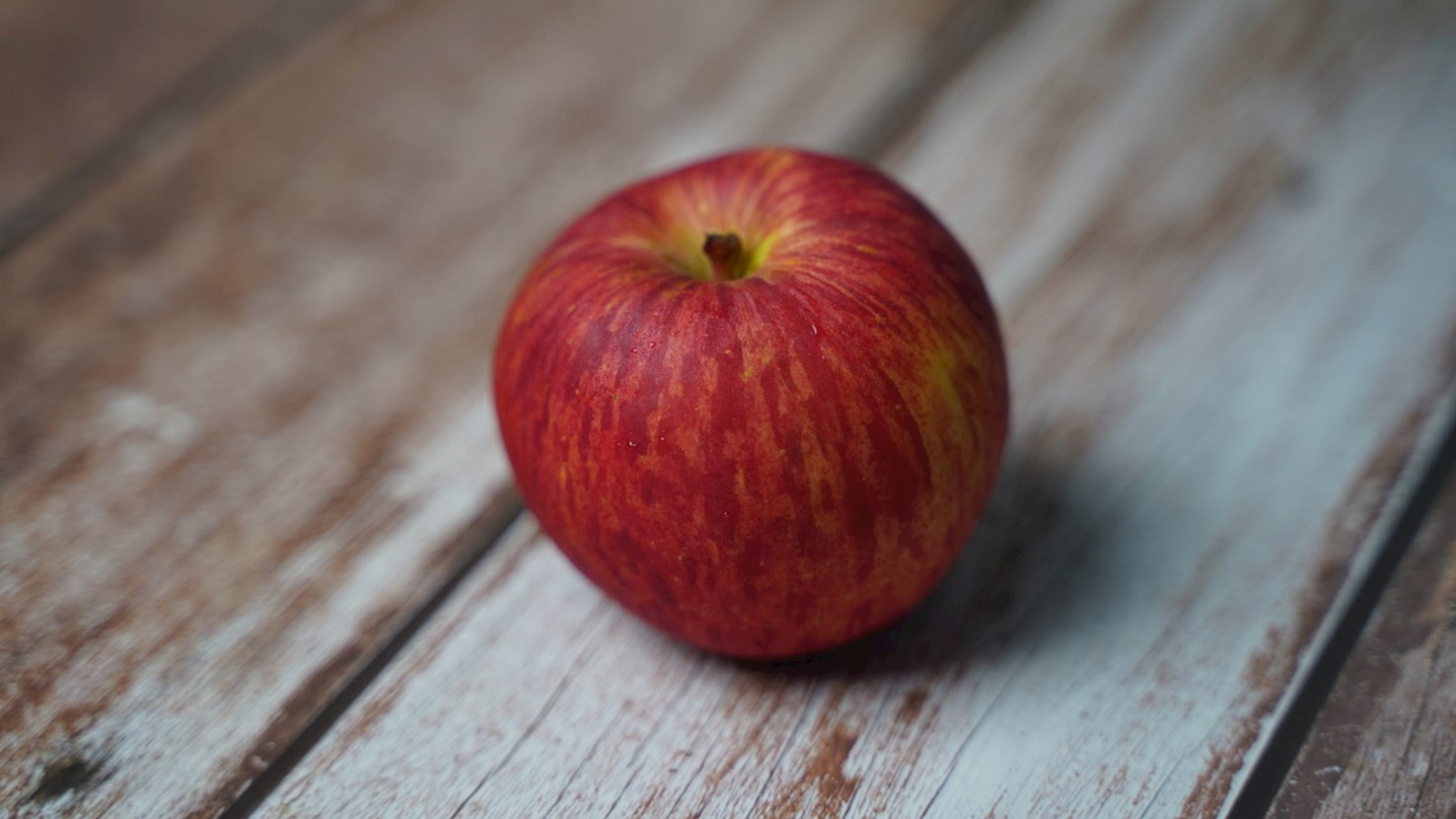
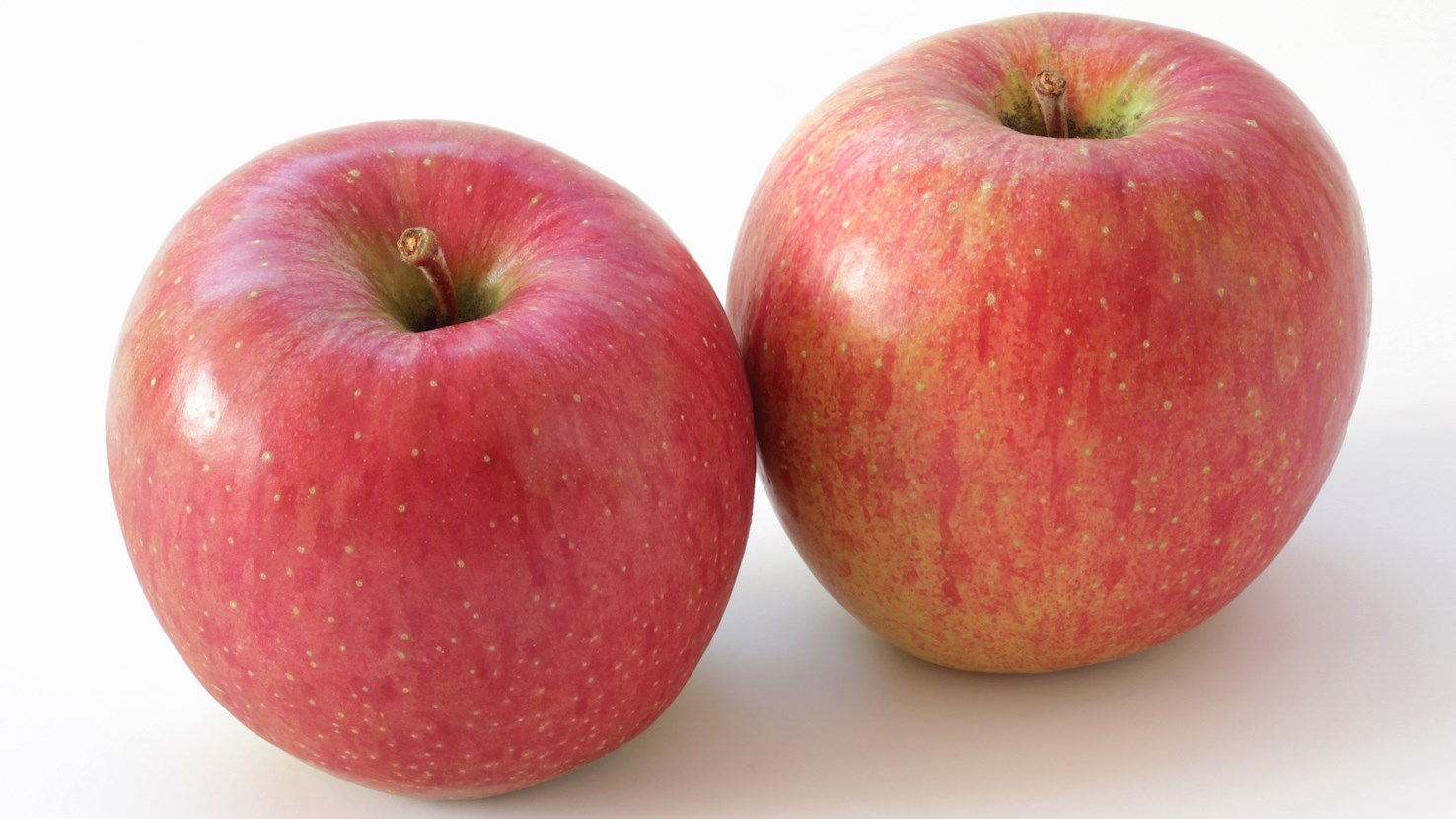
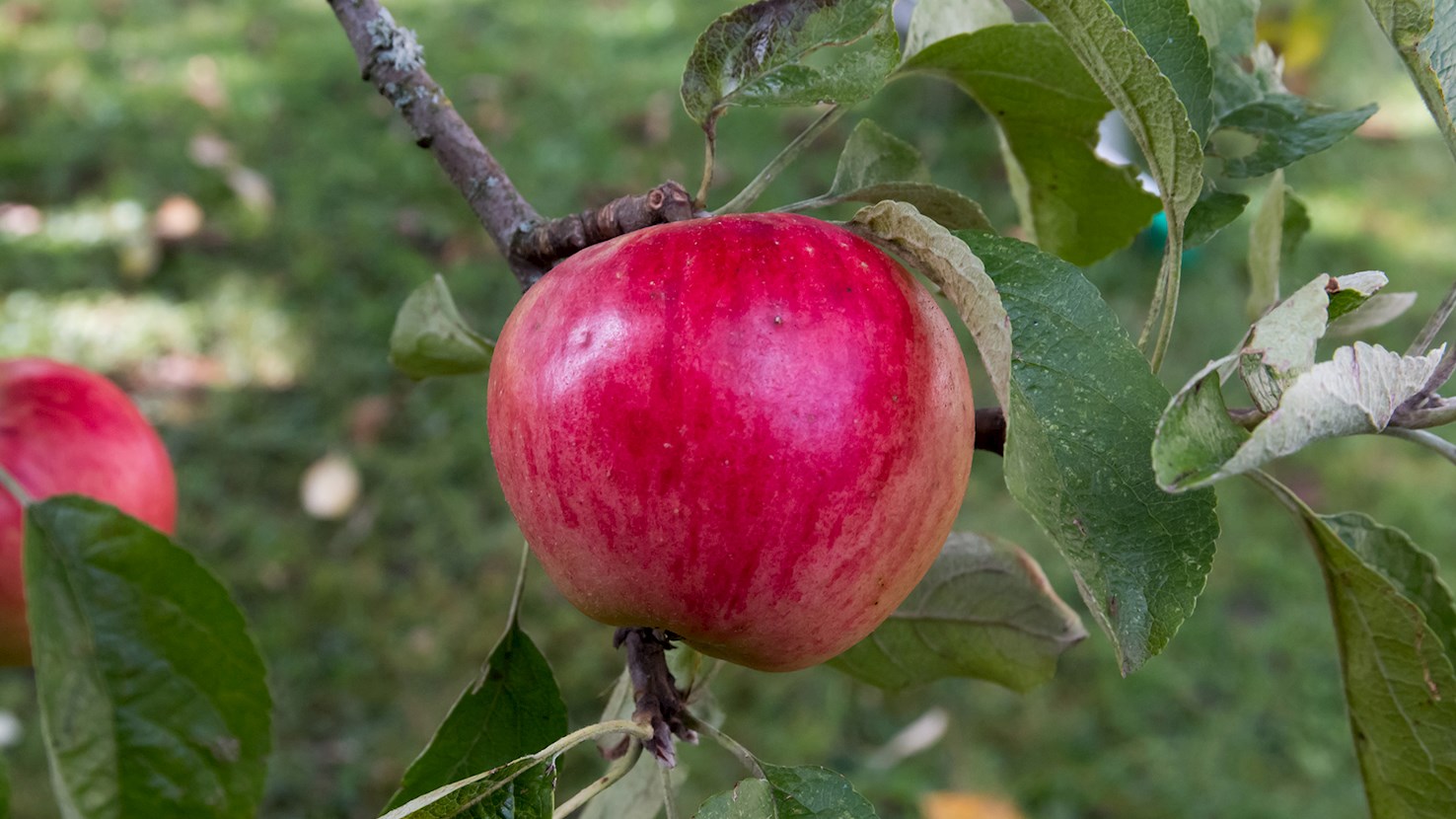
Fuji is a Japanese variety of apple that was produced by cross-pollination of the Red Delicious and Virginia Ralls Janet varieties back in the late 1930s. This apple is distinguished by a red-yellow skin that surrounds its creamy white flesh that's renowned for its exceptional sweetness, low acidity, juiciness, firmness, and crispiness. Owing to their excellent characteristics and their long shelf-life, these refreshing and fragrant apples are nowadays among the most commonly grown apple varieties around the world. They're expensive because the climate in Japan is not suitable for growing apples, so each one needs to be wrapped in cellophane while it's still growing on trees. The apples’ name is believed to have been derived from the town of Fujisaki, which is the home of the Tohoku Research Station where Fuji apples were first cultivated. Apart from consuming them raw as a sweet, juicy snack, the apples can also be enjoyed with sharp cheeses, and they are suitable for cooking in various ways including baking, roasting, or boiling. Fuji apples are incredibly versatile and can be used in both sweet and savory dishes such as pies, strudels, pizza toppings, quiches, sauces, soups, salads, or curries, but they can also be made into a variety of apple products such as candied apples, apple wine or juice, and delicious apple jams.

02

Hokuto apples

n/a ·

Hokuto is an apple variety that was commercially introduced in 1983 after being bred as a cross between Fuji and Mutsu apples in Aomori, Japan. The apples are large, round, and red in color – in 2005, a Hokuto apple was registered with the Guinness World Records as the heaviest apple in the world. The flesh is pale yellow and crisp, while the flavors are very sweet due to their high sugar content. These apples are usually available in late October, and they're typically used for fresh eating as a snack.

03

Orin apples

n/a ·

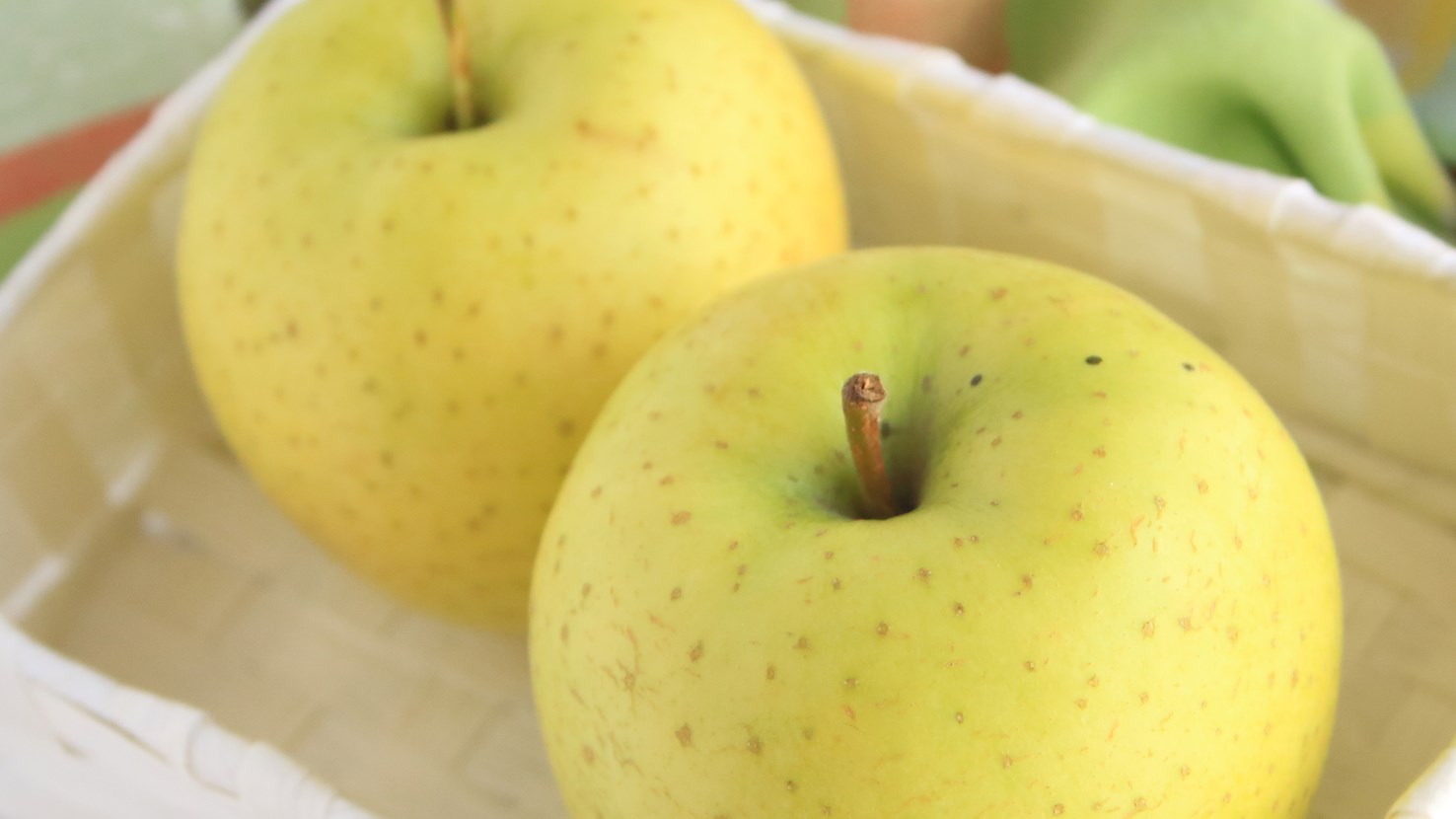
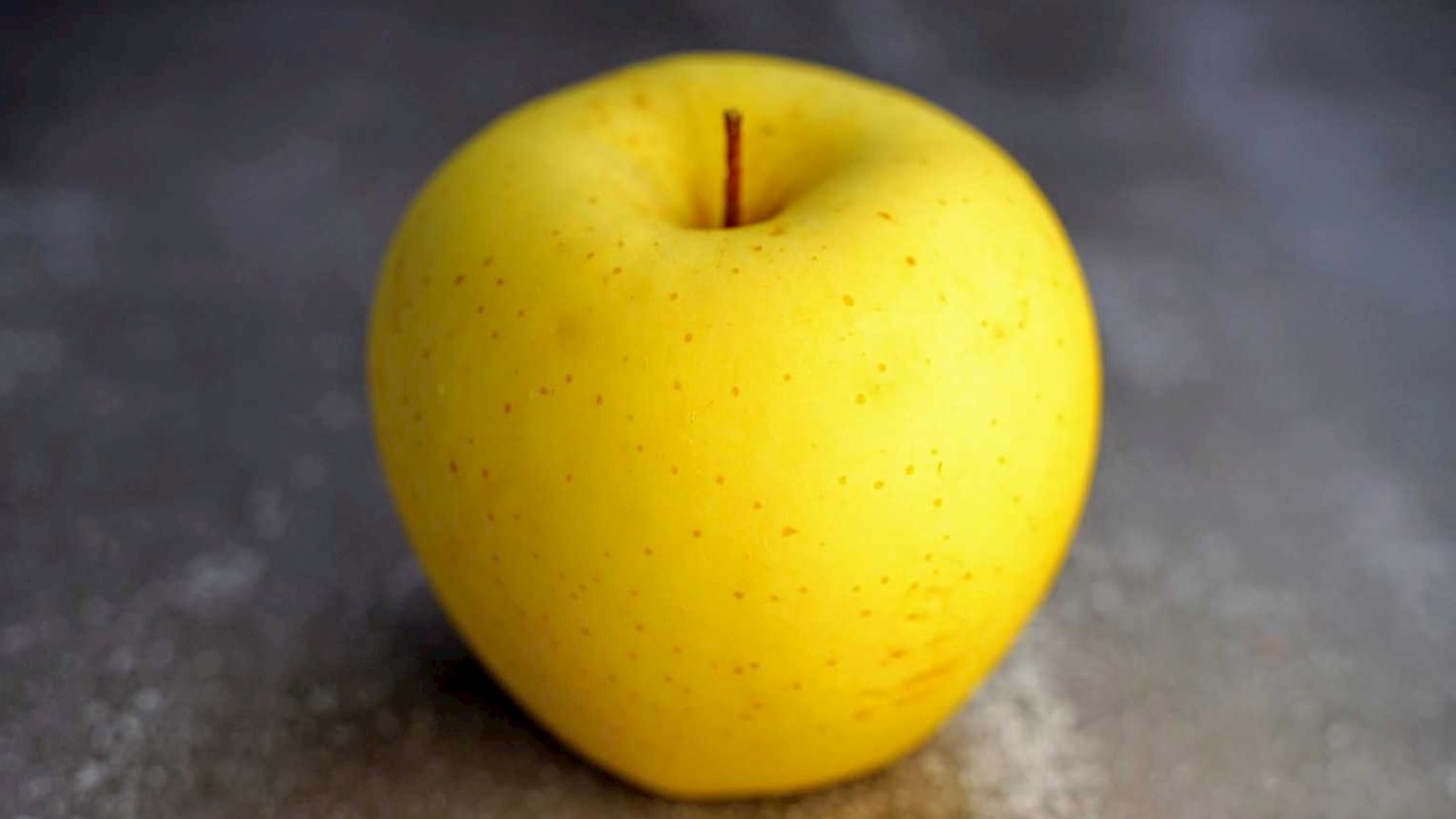
Orin is an apple variety that dates back to 1952, when it was bred in Aomori, Japan. The apples are large, oblong, and yellow in color. The flesh is pale yellow and aromatic, while the flavors are sweet with a hint of pear and pineapple. The texture of the flesh is juicy. Orin apples are usually available in mid-October, and it's recommended to eat them fresh as a snack, or baked due to their natural sweetness. Pair the apples with strong cheeses, chicken, and pork, or use them in sandwiches, pies, and muffins.

04

Kinsei apples

n/a ·

Kinsei is a Japanese apple variety originating from Aomori Prefecture. It was developed from 1954 to the early 1970s as a cross between Ralls Janet and Golden Delicious. The name of this apple variety means Venus, and it’s a pale-golden fruit that’s firm to the bite. The size is small to medium, while the color of the skin develops a pink blush while it’s still on the tree when the nights are cool. The texture of Kinsei apples is buttery and rich, the aromas are intense, while the flavors are sweet, but complex, with some people describing it as tropical. Although the apples are often eaten fresh, they can also be used in baking.

05

Akane apples

n/a ·

Akane is an apple variety originating from Japan, where it was introduced in 1970 as a cross between Jonathan and the obscure variety Worcester Pearmain. This dessert apple has a tart and invigorating flavor and an intense aroma. Beneath the thin skin, the texture of the flesh is crisp and juicy. These apples are harvested from August through mid-September, but they don’t keep for long in storage. It’s recommended to use Akane apples in pies, and if the peels are left on, the apples make for great applesauce.

06

Sekai Ichi

n/a ·

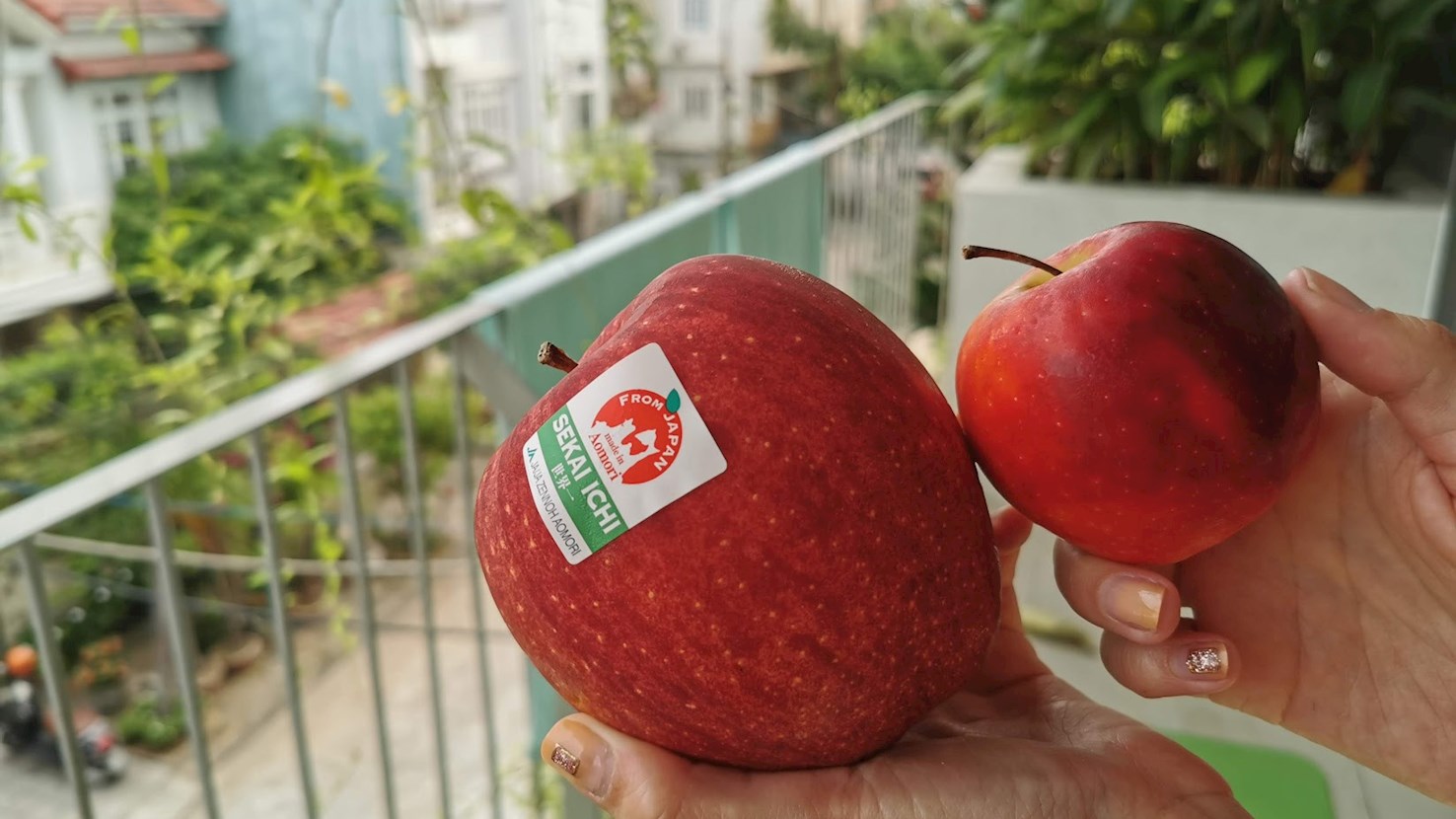
Sekai Ichi are the most expensive apples in the world, hailing from Japan and selling for more than $20 each in stores. The variety came from a cross between Golden Delicious and Red Delicious. They were first bred in Morioka, but nowadays the apples are mainly grown in Aomori prefecture. These extremely large apples have a sweet and mild flavor, while the texture is crisp, firm, and juicy. Available from fall through early winter, the Sekai Ichi are so expensive because the growers wash them in honey and brand them by hand, ensuring that they're blemish free. While growing, the apples are hand-pollinated with a small wand. Sekai Ichi are usually not cooked or baked, but eaten fresh. It's recommended to pair them with other fruits such as pears, blackberries, or citrus.

Read more
View all
View map
About this ranking

TasteAtlas food rankings are based on the ratings of the TasteAtlas audience, with a series of mechanisms that recognize real users and that ignore bot, nationalist or local patriotic ratings, and give additional value to the ratings of users that the system recognizes as knowledgeable. For the “Top 6 Japanese Apple Varieties” list until June 24, 2026, 157 ratings were recorded, of which 129 were recognized by the system as legitimate. TasteAtlas Rankings should not be seen as the final global conclusion about food. Their purpose is to promote excellent local foods, instill pride in traditional dishes, and arouse curiosity about dishes you haven’t tried.

Similar lists