

shutterstock

Top 7 English Apples

Last updated on June 24, 2026
01

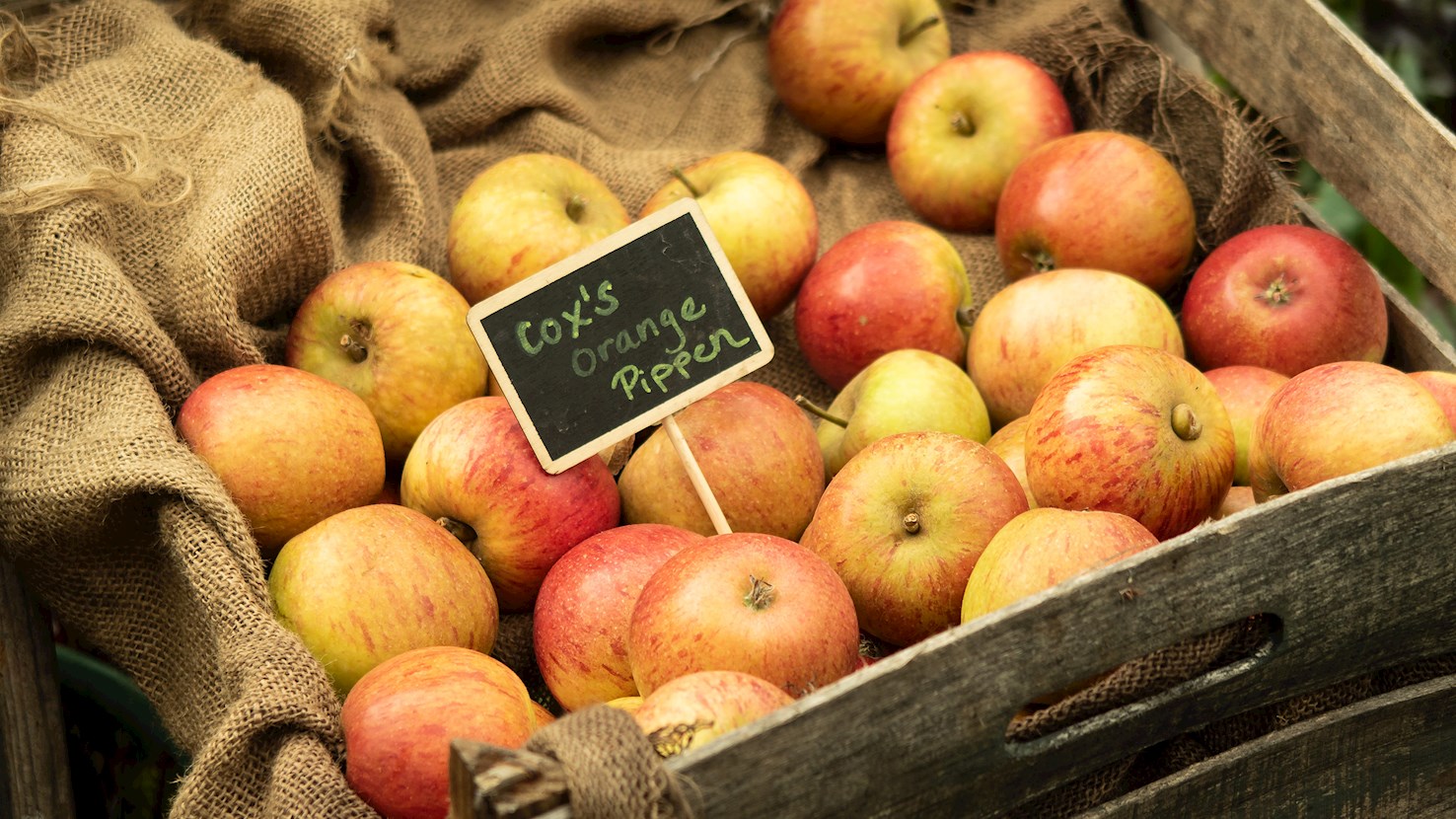
Cox's Orange Pippin apples

3.1 ·

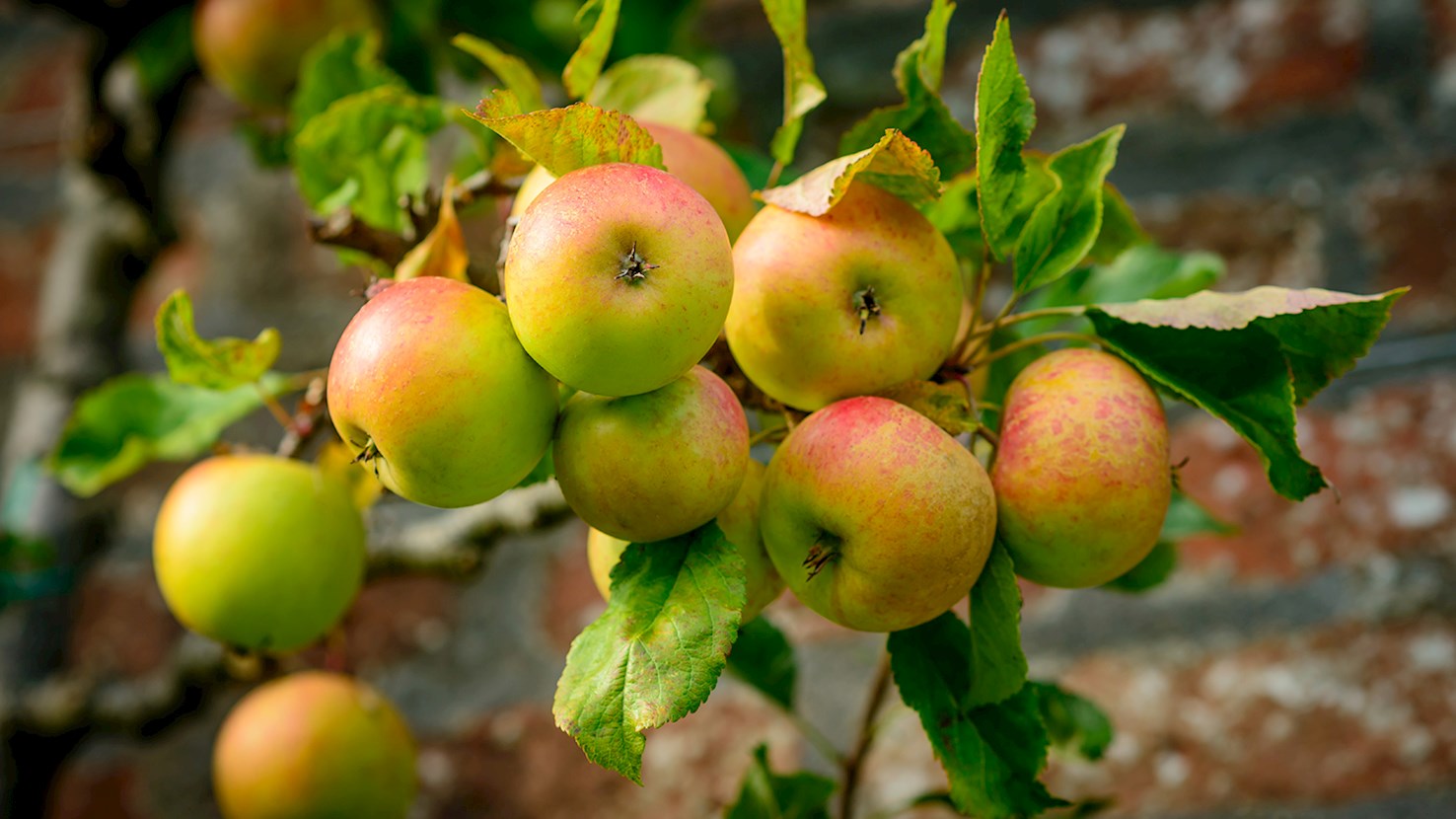
Cox's Orange Pippin is a traditional apple variety that was first grown in 1830 at Colnbrook by horticulturist Richard Cox, hence the name. The highly perfumed skin is red with orange overtones. The texture is crisp, juicy, and meaty, while the flavors are subtly sweet and slightly astringent with notes of caramelized baked apples. These apples taste the best from November to April, although they keep well through late spring. Cox's Orange Pippin is considered one of the finest dessert apples in the world, but it's notoriously hard to grow as it needs a cool maritime climate and it's prone to diseases.

02

Discovery apples

n/a ·

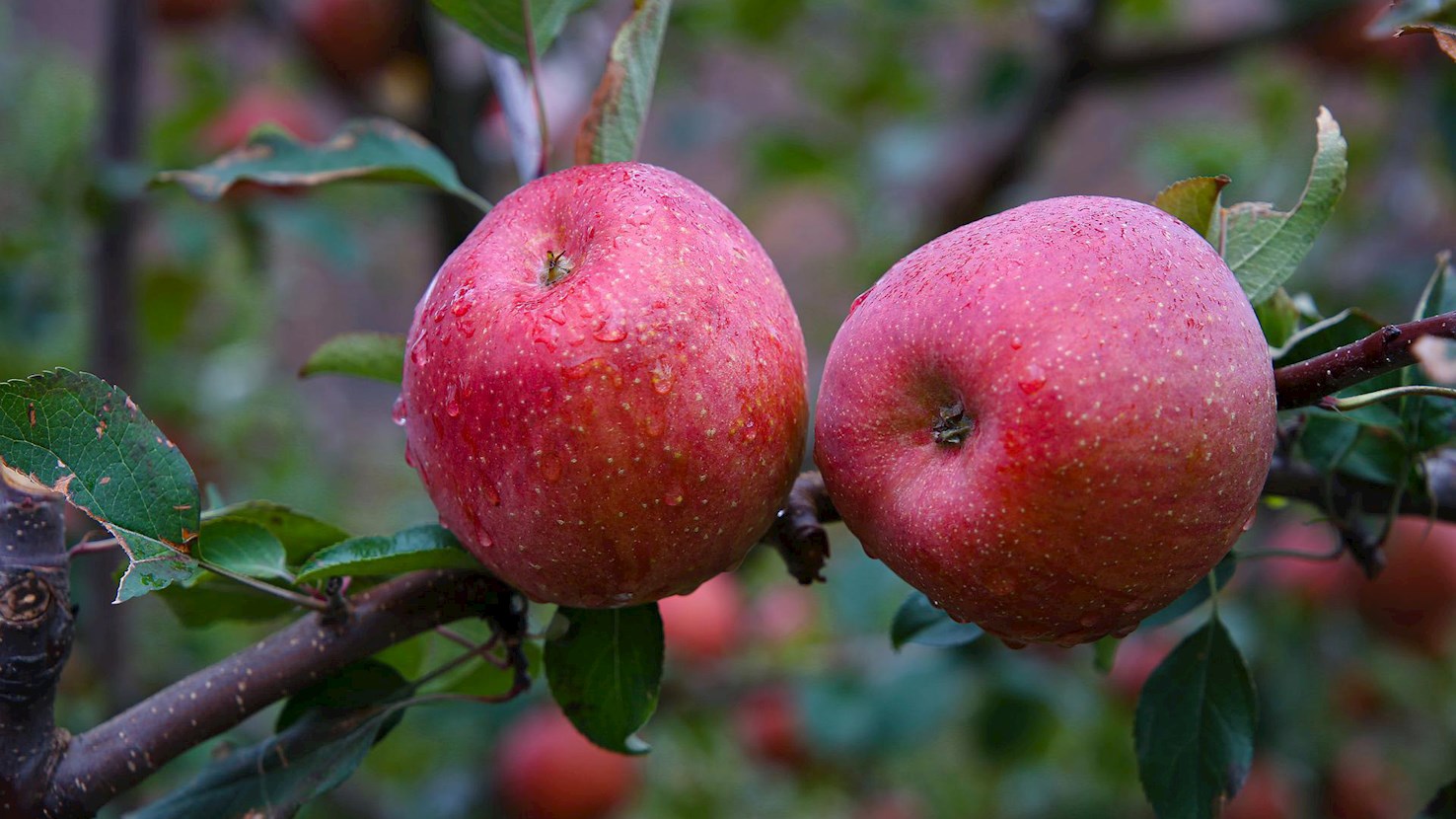
Discovery is an English apple variety that's believed to be a cross of Worcester Pearmain and Beauty of Bath. The apples are pink-red with a pale green-yellow background. The flesh is white in color, while the flavors are sweet, tangy, and slightly tart with hints of strawberry. The texture of the flesh is crisp and refreshing. These apples are harvested from mid-August through September and they're best used as dessert apples, eaten fresh or used raw in salads because they don't give much flavor when cooked.

03

Grenadier apples

n/a ·

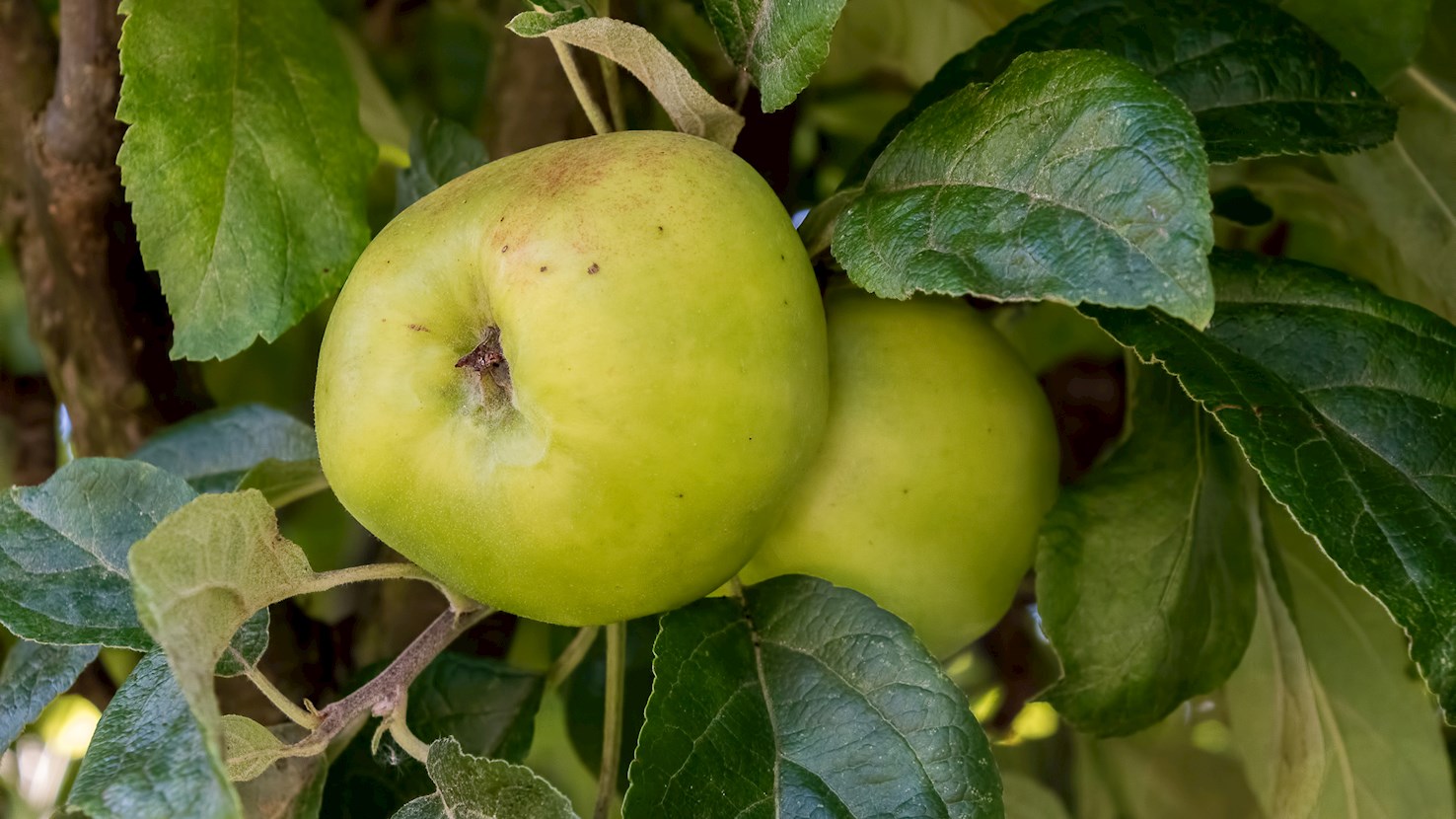
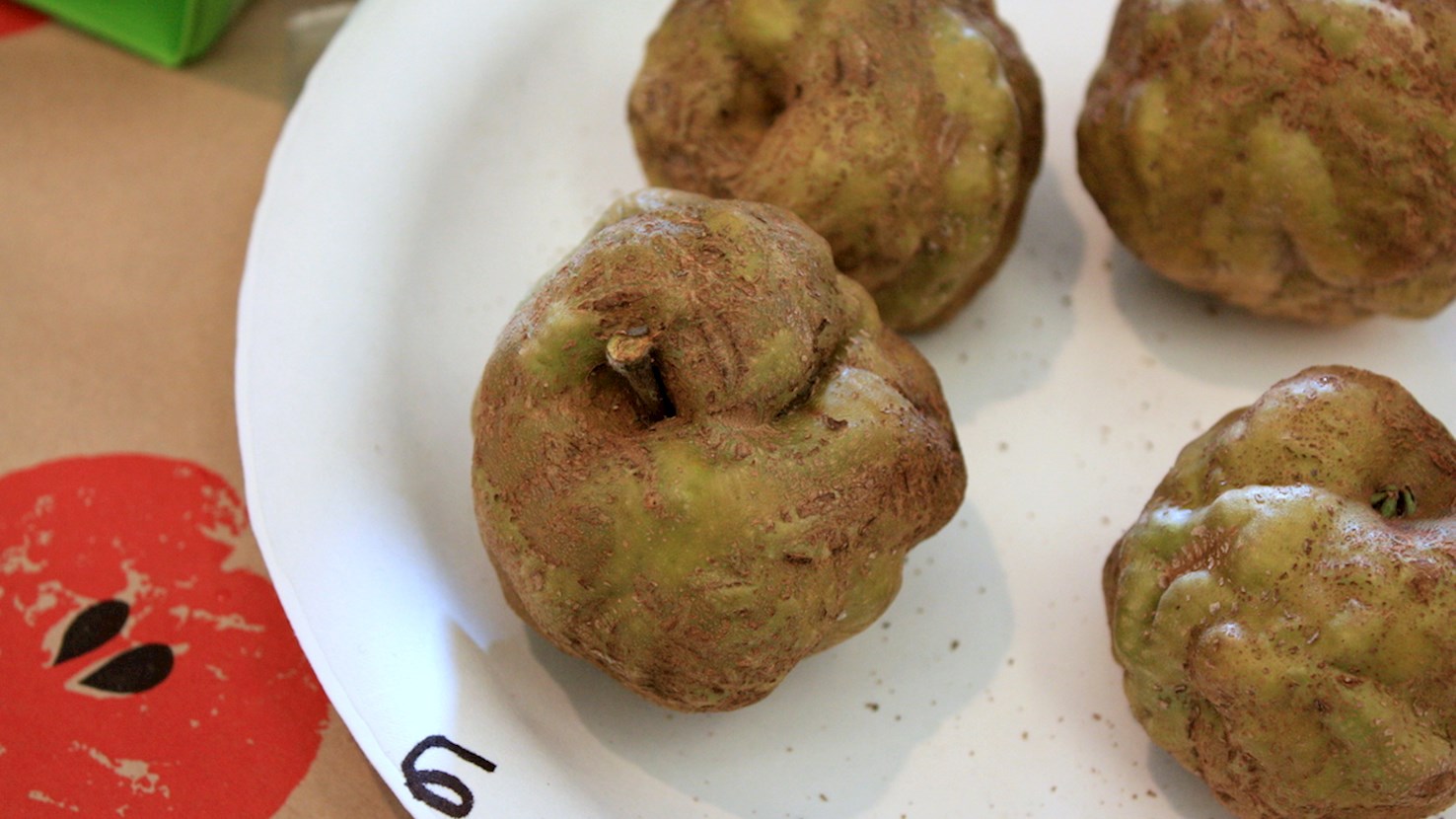
Grenadier is an English domesticated apple variety that originated in Buckinghamshire in the 19th century. The apples have a smooth pale green skin that changes to yellow-green when ready to be harvested in mid-August. Visually, Grenadiers are not that attractive – lumpy, and often with a pronounced ribbed effect, like they have taken a beating. However, once cooked down to apple sauce, apple jam, or a purée, the flavors are superb. Due to the fact that these apples are very resistant to diseases and easy to grow, most people grow them in their orchards, but they're rarely sold commercially.

04

Blenheim Orange apples

n/a ·

Blenheim Orange is an English apple variety dating back to the mid-18th century and originating from Blenheim Park in Oxfordshire. These apples are medium to large in size, flat to round, with rounded ribs and a little russet. The color is orange-red with a few red stripes over gold or greenish yellow. The texture of the flesh is slightly crumbly, while the flavor is sweet and slightly nutty. Blenheim Orange apples are suitable for desserts and cooking as they keep their shape well. They are also often paired with cheese.

05

Knobby Russet apples

n/a ·

Knobby Russet is an English apple variety that's also known as the ugliest apple in the world due to its distinct appearance – irregular shape, lots of bumps and knobs, asymmetry, and a visual appearance that's reminiscent of potatoes. The skin is yellow-green with rough spots. The texture of the flesh is fine and dense, but not juicy. The flavors are sweet and rich with hints of citrus and spice. Available from mid-fall through late winter, Knobby Russet apples are traditionally used for the production of apple cider. They can also be paired with strong cheeses and fresh herbs such as rosemary or tarragon.

06

Kingston Black apples

n/a ·

Kingston Black is an apple variety that is traditionally used in cider production. It is mainly cultivated in West Country, England. Although it is not pleasant to eat, it produces fantastic bittersweet juice and is exclusively used in the production of English cider. The juice is sharp, bitter, and sweet, and because it is full-bodied, it is suitable for single-varietal ciders. The apple is small and has pale yellow flesh. The variety is somewhat finicky to grow and is prone to diseases.

07

Dabinett apples

n/a ·

Dabinett is an apple variety from Somerset that is traditionally used in cider-making. It is a type of bittersweet apple with medium-sized yellow-green fruit that is flecked with red blush. The flesh is white, with a light green hue. Dabinett is strongly flavored, and it has enough character and sugar to be used in single-variety ciders. It produces bittersweet juice with low acidity, full-body, and good tannins. The apple is not suitable for cooking or eating. Dabinett was discovered in Somerset. It is assumed that it originated sometime in the early 20th century, and it is most likely a seedling of Chisel Jersey.

Read more
View all
View map
About this ranking

TasteAtlas food rankings are based on the ratings of the TasteAtlas audience, with a series of mechanisms that recognize real users and that ignore bot, nationalist or local patriotic ratings, and give additional value to the ratings of users that the system recognizes as knowledgeable. For the “Top 7 English Apples” list until June 24, 2026, 25 ratings were recorded, of which 14 were recognized by the system as legitimate. TasteAtlas Rankings should not be seen as the final global conclusion about food. Their purpose is to promote excellent local foods, instill pride in traditional dishes, and arouse curiosity about dishes you haven’t tried.

Similar lists