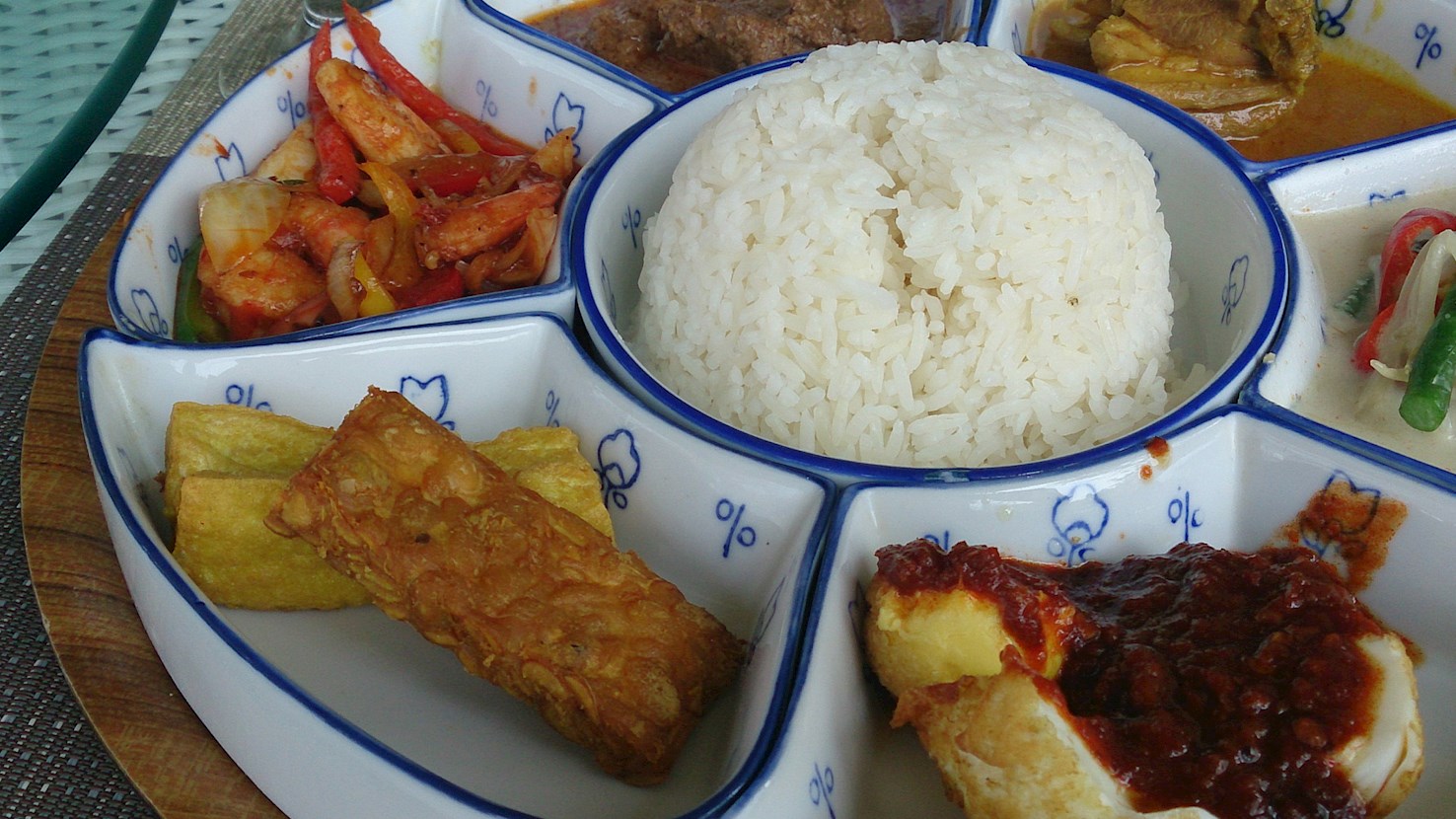
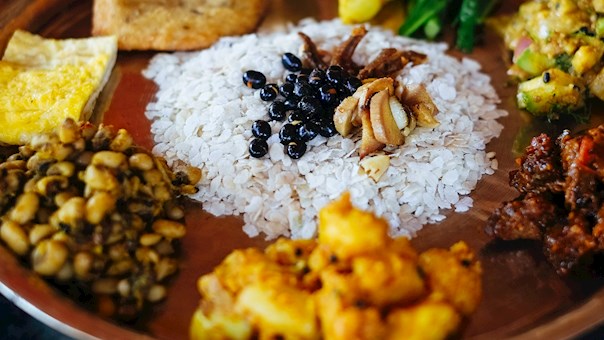
Named after its place of origin, nasi Pandang is an Indonesian combination of rice (nasi) and an assortment of traditional Pandang dishes. Considered more of a meal or a style of eating than a dish, nasi Padang can be served as hidangor — when the server typically brings rice and dozens of dishes — or as pesan, where customers are served rice on a plate and then choose which dishes they want to put directly on top. While the first option is usually found at sit-down restaurants, the latter is typical for various street stalls. The extensive list of dishes that accompany rice in nasi Padang includes gulai curries, beef rendang, and a variety of boiled, fried, or grilled dishes, as well as snacks that may employ vegetables, seafood, or meat, and are usually characterized by the generous use of spices and herbs, especially fresh chilis. Nowadays, nasi Padang has become a popular option throughout the country. Interestingly, it is believed that nasi padang inspired the Indonesian-Dutch dish rijsttafel, developed during the Dutch colonial era.
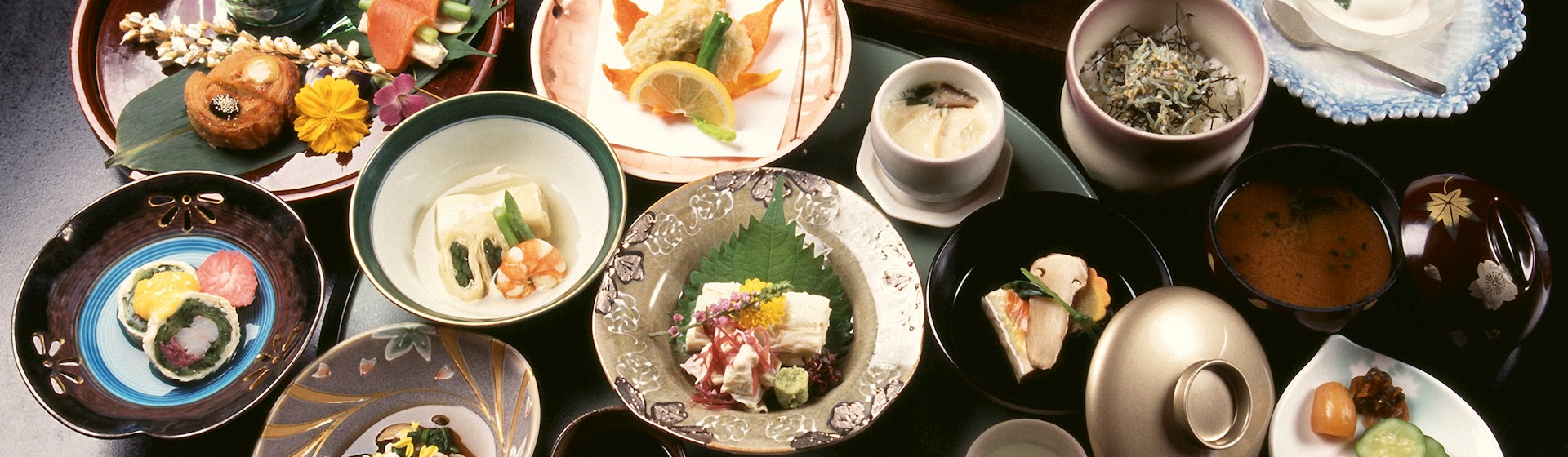
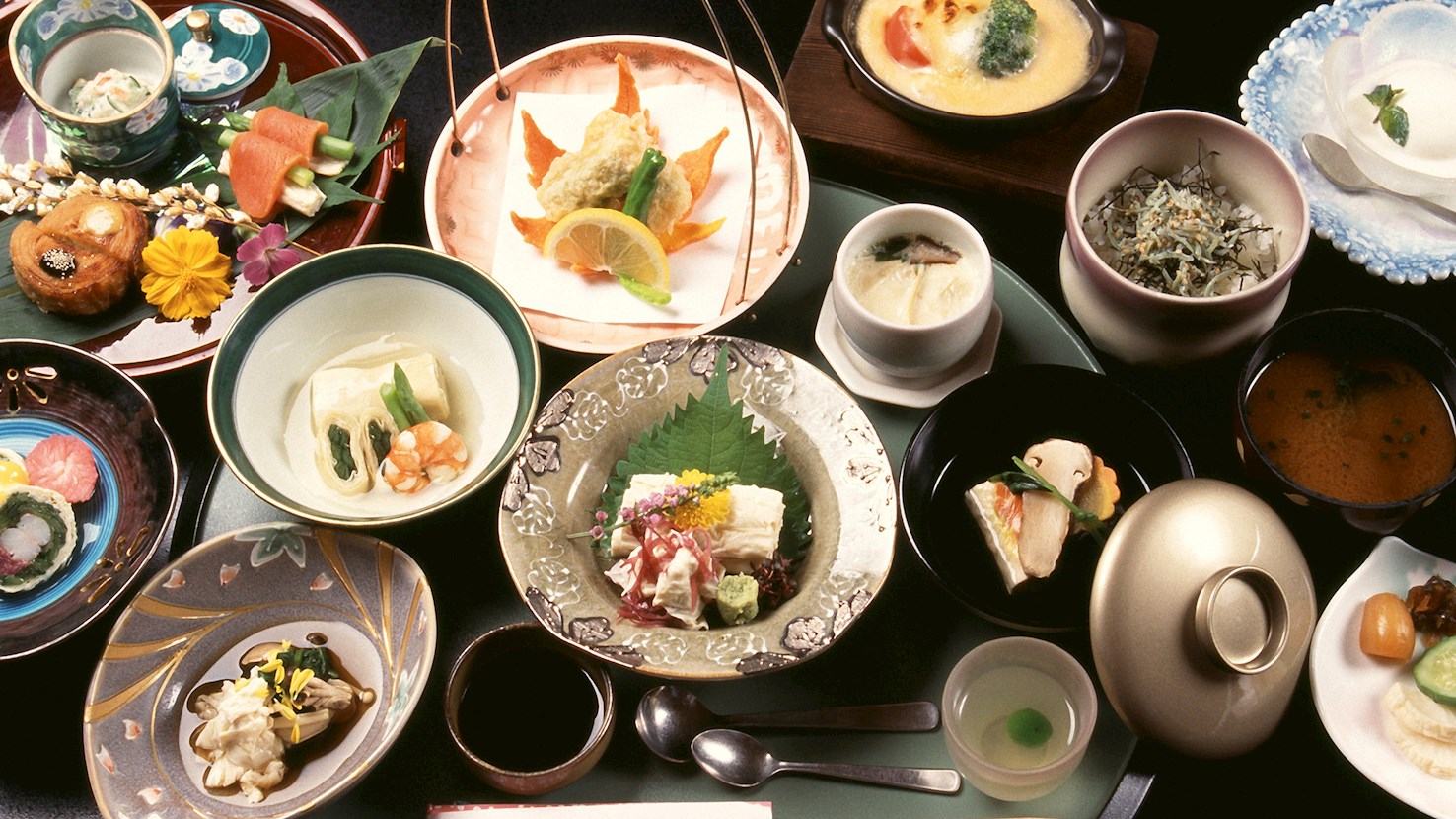
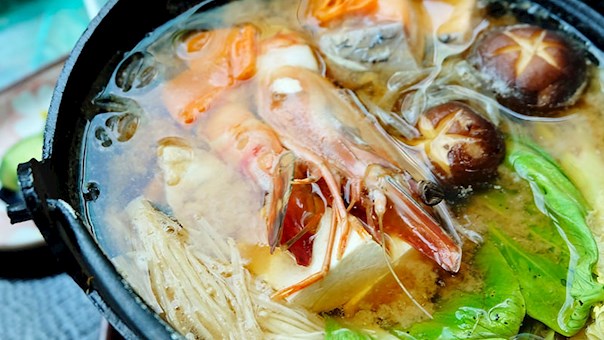
Kaiseki is a traditional multi-course dinner that can consist from 6 to 15 different types of food, such as mukouzuke (sashimi), suimono (soup), kuchitori (a small side dish), shiizakana (appetizers and sake), yakimono (grilled fish), and kounomono (pickles), among others. Kaiseki restaurants commonly offer a private room, which often comes with a beautiful view of Japanese gardens. The dishes are usually small and characterized by their presentation on a plate, making kaiseki similar to the Western haute cuisine. The word kaiseki means hot stone in a kimono fold, referring to a popular belief that Zen priests would place hot stones wrapped in towels close to their stomach in order to cure the hunger pains during their daily prayers. In the beginning, kaiseki was a vegetarian dish served during tea ceremonies, since it was believed that the tea would taste better if the guests were not hungry. Today, kaiseki is not only vegetarian, as it might include meat and fish dishes as well, with special emphasis placed on the freshness of the ingredients. With a huge variety of flavorful, artistically arranged dishes, it is no wonder that a kaiseki dinner may cost up to $500, excluding drinks.
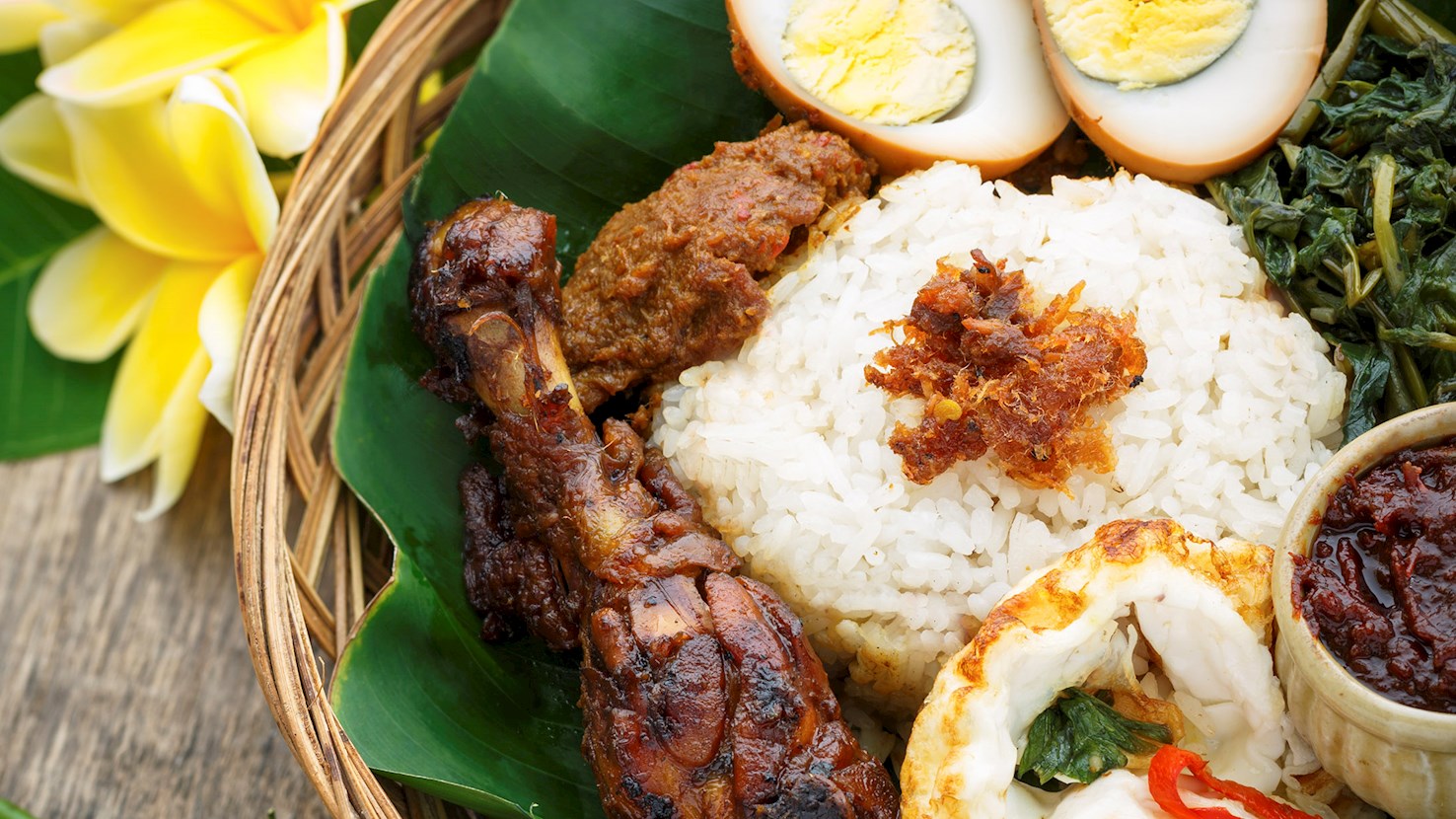
Nasi campur, which translates to mixed rice, is one of the most popular Indonesian dishes. It consists of a heap of rice and a variety of side dishes, ingredients, and condiments. Most commonly, it is served in a buffet setup, where the customers can freely choose from a range of options. It is hard to state which dishes are served in nasi campur, since they change on a daily basis and differ from one place to another. However, they commonly include Indonesian curry dishes, fried or stewed meat dishes, fried fish or shrimps, an assortment of vegetable fritters, eggs, and soy products. Some Indonesian regions have created their local varieties, the most famous being the Javanese nasi rames, and Balinese nasi campur Bali. Nasi campur is equally popular in Malaysia, where it is also served buffet-style. In Indonesia, it can be found across the country, usually served in non-formal environments where it is traditionally enjoyed as the main course.
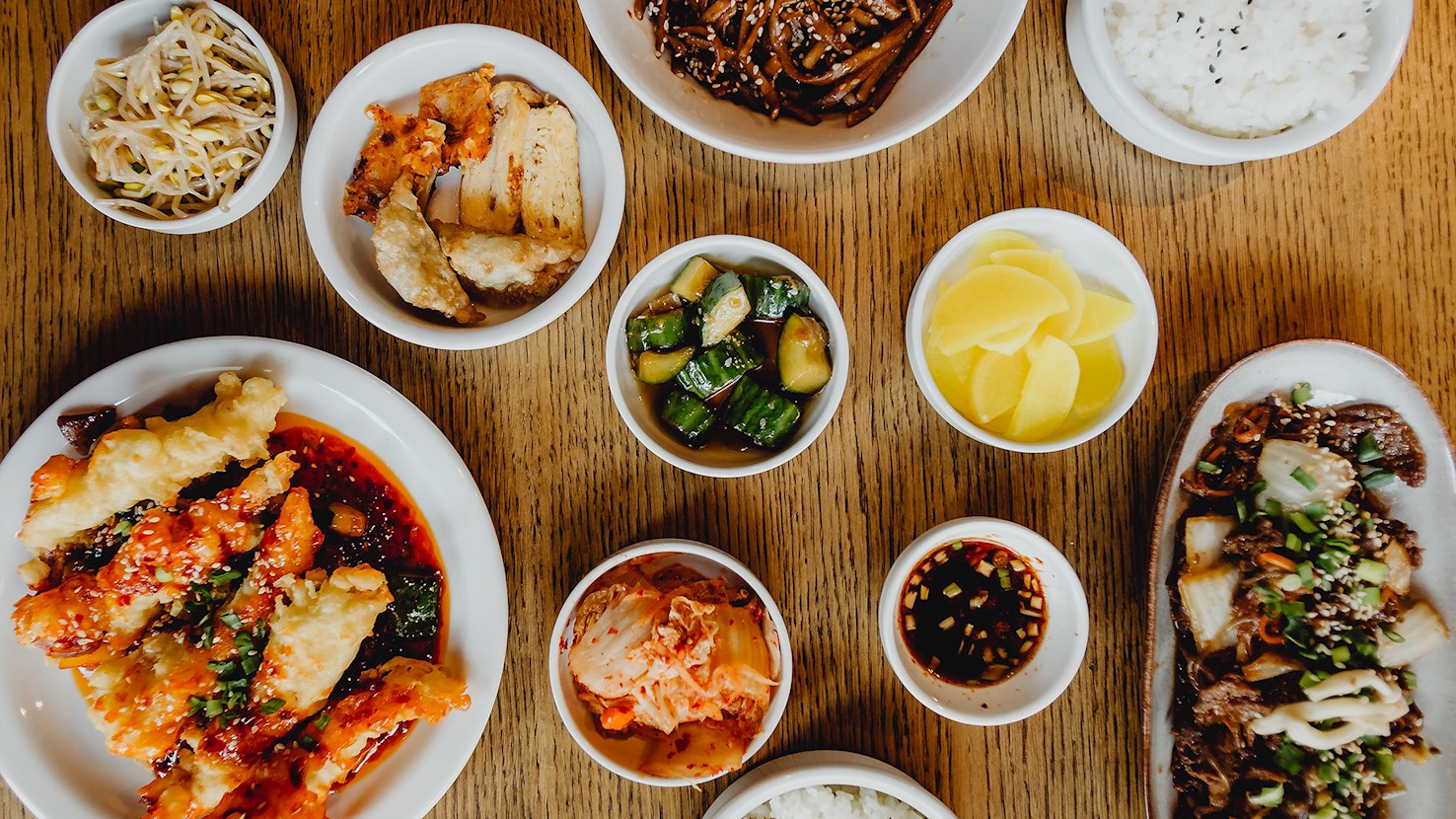
The term banchan encompasses a wide variety of Korean dishes that are traditionally served on small plates. Although the name banchan translates to side dishes, in traditional Korean cuisine, they are considered as the essential part of every meal. The list of banchan dishes is extensive, but the most common options include different kimchi varieties, pickled and fresh vegetables, stir-fry dishes, pancakes, or various combinations with noodles, as well as braised meat or seafood dishes. All the plates are usually placed in the middle of the table and are meant to be shared, while other additions to the traditional table setup include individual bowls of rice, grilled meat, and a communal stew (jjigae). Interestingly, banchan dishes are always served in odd numbers, since even number is considered bad luck.
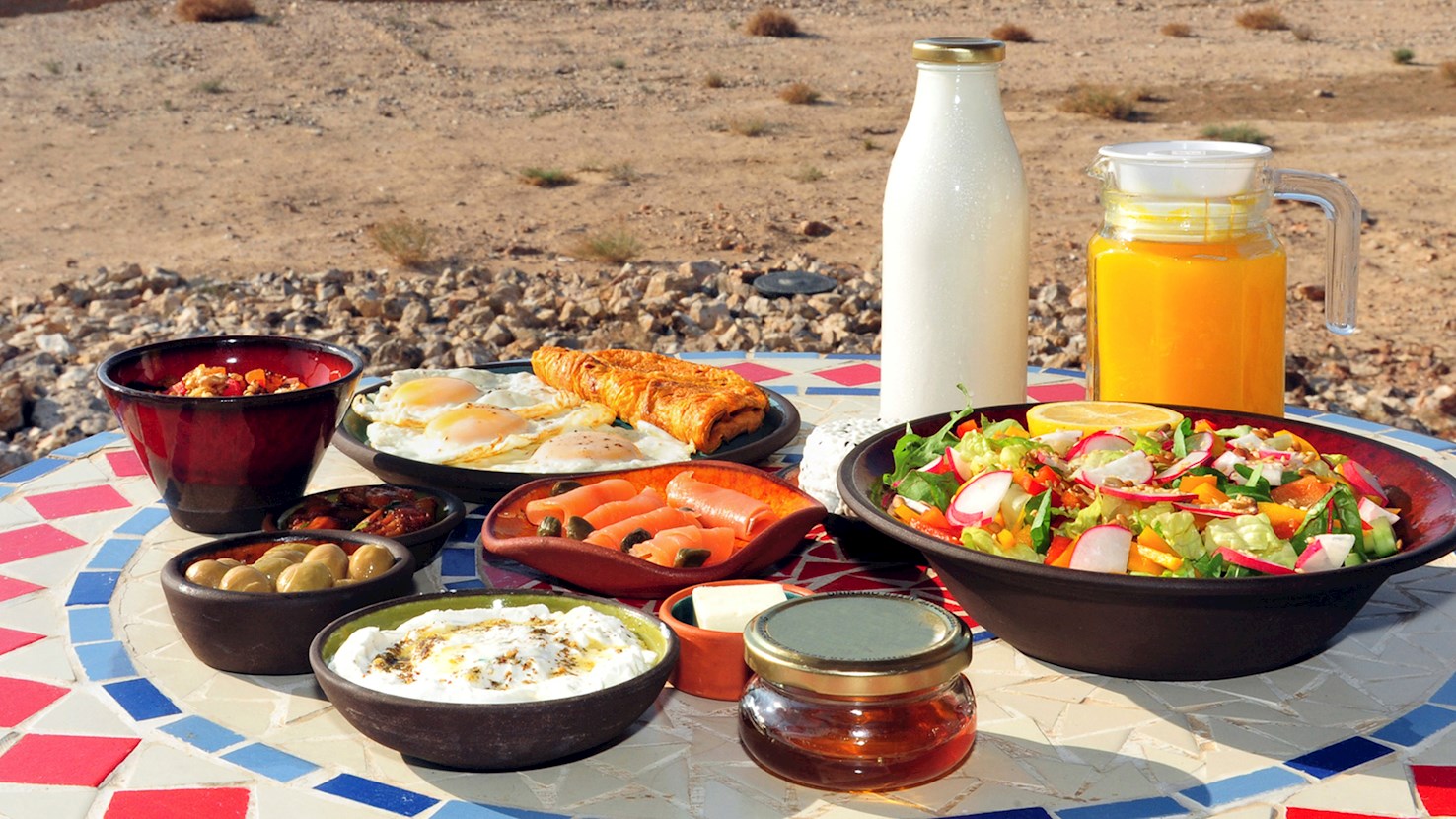
Israeli breakfast is a meal composed of a variety of fresh, light, and savory dishes, commonly served in homes, cafés, and hotels across Israel. It typically includes eggs, fresh vegetables, cheeses, breads, olives, spreads, and dairy products such as yogurt or labneh. The meal reflects the agricultural and Mediterranean character of Israeli cuisine, emphasizing freshness, balance, and variety. It is not a single dish but rather a collection of foods arranged to be eaten together, often presented in small portions that combine local produce with Middle Eastern and European influences. The roots of the Israeli breakfast lie in the kibbutz dining culture of the early 20th century. Agricultural workers would begin their day before sunrise and take their main meal after morning labor, creating a need for a substantial yet fresh and easily prepared spread. Kibbutz breakfasts typically featured ingredients produced on-site: eggs from the chicken coops, fresh milk and cheese from the dairy, vegetables from the fields, and bread baked in communal ovens. As Israeli society evolved, this practical meal developed into a culinary identity, eventually adapted by urban cafés and hotels. By the 1950s, the “Israeli breakfast” had become a recognized format, embodying both local agriculture and hospitality culture. Preparation involves assembling an assortment of fresh and cooked items rather than cooking a single dish. Eggs are most often served as omelets, fried, or scrambled, sometimes alongside shakshuka (eggs poached in tomato and pepper sauce). Vegetables such as cucumbers, tomatoes, peppers, and radishes are sliced and arranged with herbs and olive oil, forming the base of an Israeli salad. Dairy products play a key role, including feta-like white cheeses, soft goat cheese, labneh, and cottage cheese. Accompaniments include hummus, tahini, avocado, jams, and honey. Freshly baked breads, particularly pita, challah, and whole-grain loaves, complete the meal, often served with butter or olive oil. Israeli breakfast is served at the table or buffet-style, allowing diners to combine flavors and textures freely. While the core components remain consistent, the meal varies slightly across regions: coastal cafés may include smoked fish or tuna salad, while rural settings feature more dairy-based dishes. Many restaurants modernize the format with additions such as quinoa salads, roasted vegetables, or specialty breads, maintaining the same principle of variety and freshness. It is eaten daily in hotels and widely on weekends at home or in cafés, often as a leisurely brunch. The meal is accompanied by fresh juice, mint tea, or strong black coffee, and sometimes sparkling water or local wine during extended brunches. The Israeli breakfast has become a symbol of the country’s food culture, combining simplicity and abundance in a format that highlights local ingredients and the influence of multiple culinary traditions.
Anju is the Korean name for a vast group of appetizers, snacks, or side dishes that are commonly enjoyed while drinking alcohol. Koreans regard anju as a crucial cultural concept and rarely drink alcoholic beverages without some sort of snack served on the side. The number and type of dishes which are regarded as part of anju are huge - they encompass simple salty snacks, stew-like dishes, and even fast food items. The most suitable accompaniments are usually chosen when paired with a drink. When drinking beer, Koreans prefer to eat fried and heavy dishes such as fried chicken, sausages, french fries, or grilled meat and vegetables. A strong rice liquor known as soju is usually paired with robust and hearty dishes such as jjigae stews, spicy tofu, kimchi, Korean pancakes, stir-fried seafood dishes, or grilled pork belly. Other typical food items used as anju include nuts, dried fruits, and even whole plates of fresh fruit. Convenient options also include chips, dried fish, crackers, and occasionally even some sweet treats. Depending on the occasion, environment, and type of company, anju dishes can be served as a set of different dishes (usually in smaller portions), or as one large meal that is typically shared among a group of people. General guidelines of serving anju are very flexible, and the list of anju dishes is rather extensive. In traditional Korean bars, karaoke places, and clubs, it is usually a prerequisite to order anju with your drink.
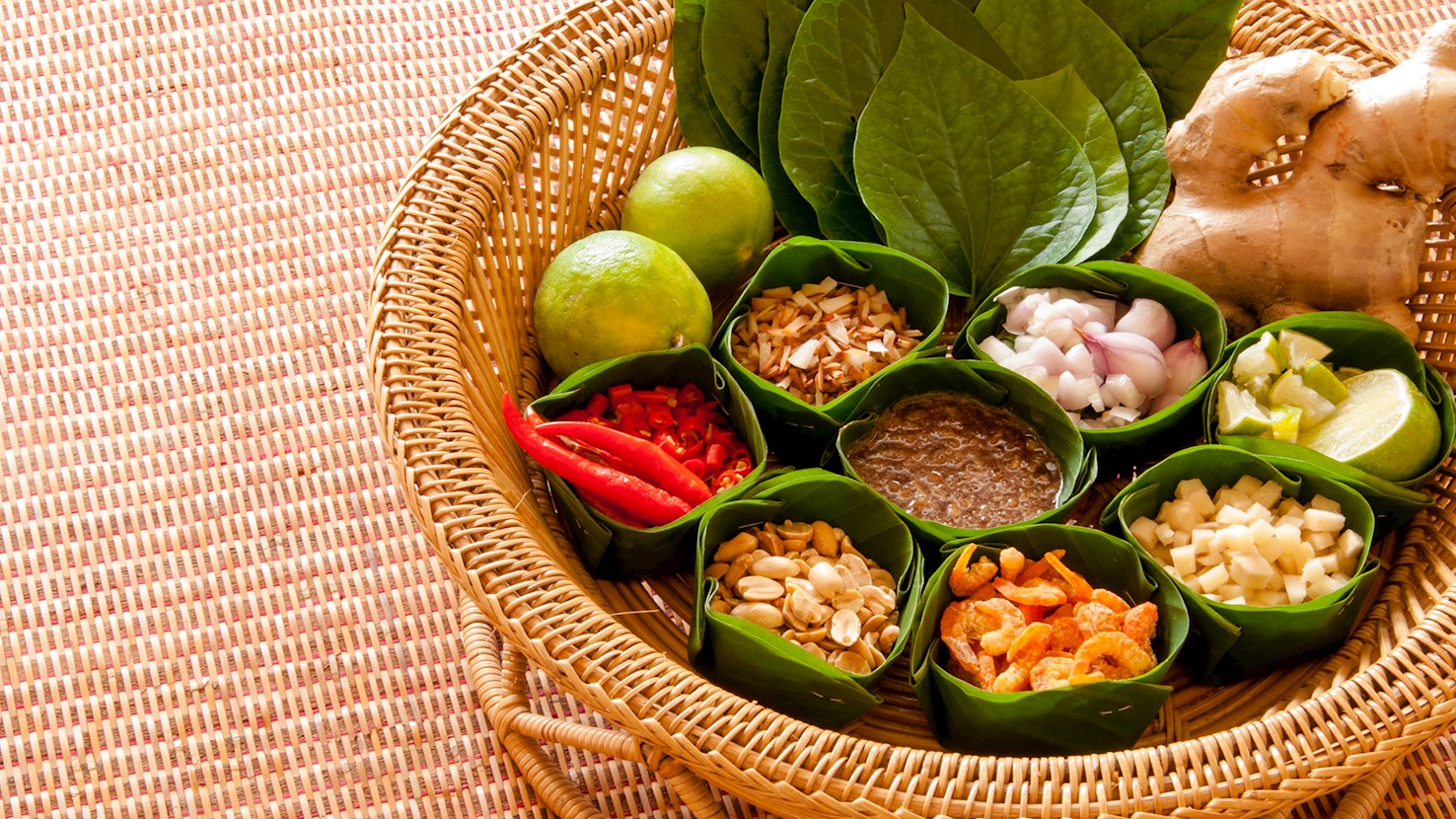
This traditional Thai and Lao appetizer consists of various ingredients that are served separately and are then wrapped in wild piper leaves, which are also known as chaphlu. Standard elements include ginger, bird’s eye chili peppers, limes, roasted peanuts, shallots, toasted coconut, and tiny dried shrimps. They are all finely sliced and served on a large plate, allowing the guests to assemble their leaf-wrapped bites. The dish is traditionally served with a sweet and sour sauce that typically combines shrimp paste, sugar, tamarind, roasted coconuts, and peanuts. In Thailand, the dish is often sold as street food, usually neatly packed in bags.
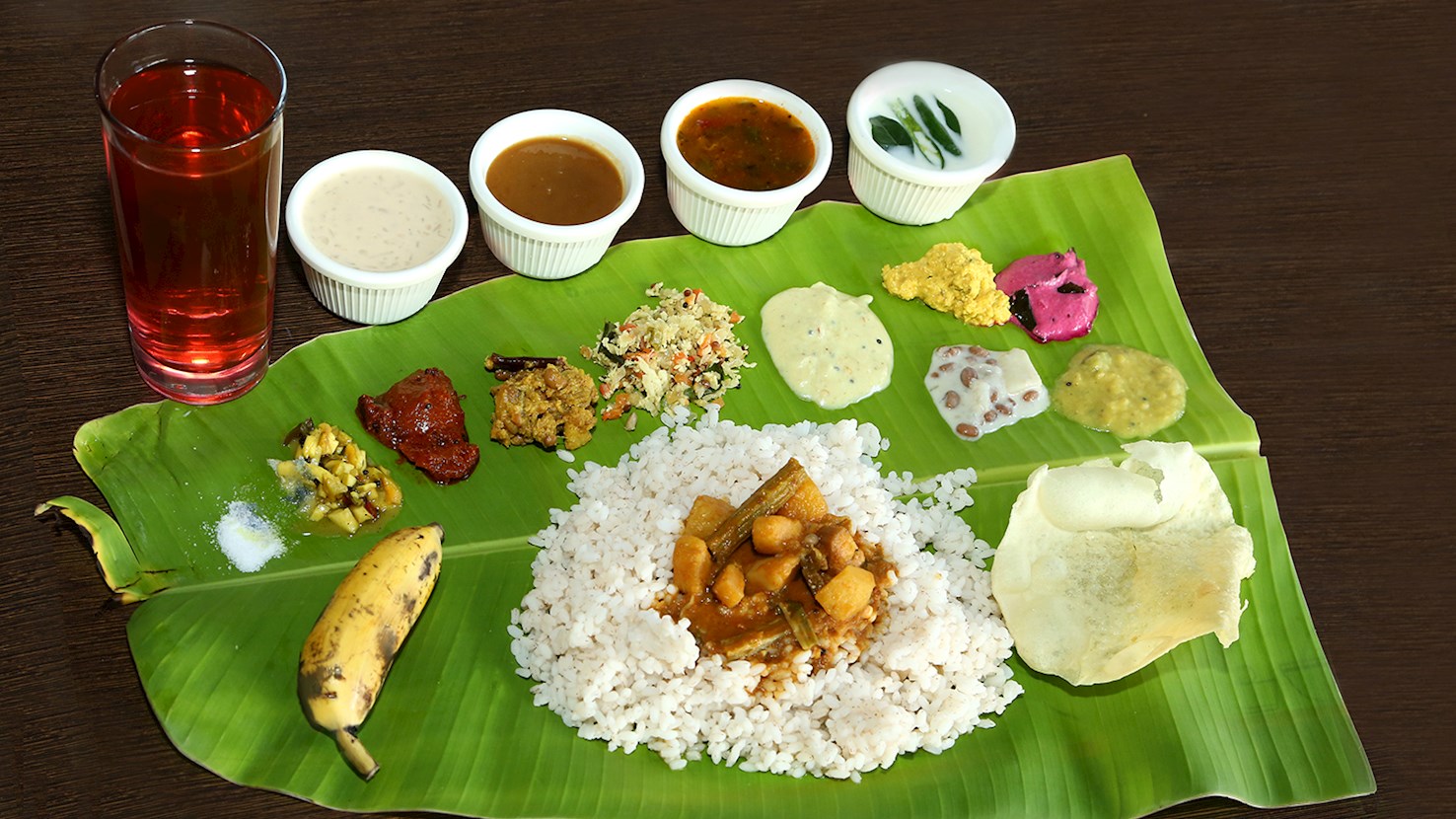
Sadhya is a traditional feast originating from the state of Kerala. All of the small dishes are vegetarian, and one sadhya feast can contain up to 28 dishes at a time, all of them traditionally served on banana leaves and meant to be eaten with hands. This feast is typically served for Onam, the state festival of Kerala. Rice is usually served on the lower side of the leaf as the main dish, and the first dish after the rice is parippu – a curry made from ghee and small gram. It's followed by sambar, a stew of vegetables cooked in gravy of onions, chilis, coriander, lentils, and turmeric. Among a huge variety of dishes, some of them include upperi (banana chips), sharkara varatti (sweet jaggery chunks), naranga curry, elisheri (stewed pumpkin, red beans, and coconut), kaalan (yogurt, coconut, and banana or yam), inji curry, parripu curry, sambhar, pappadam, kichadi, kootu curry, and rasam (tamarind soup), while the last dish is usually payasam, a traditional dessert that's similar to a pudding. This huge feast is usually served for lunch.
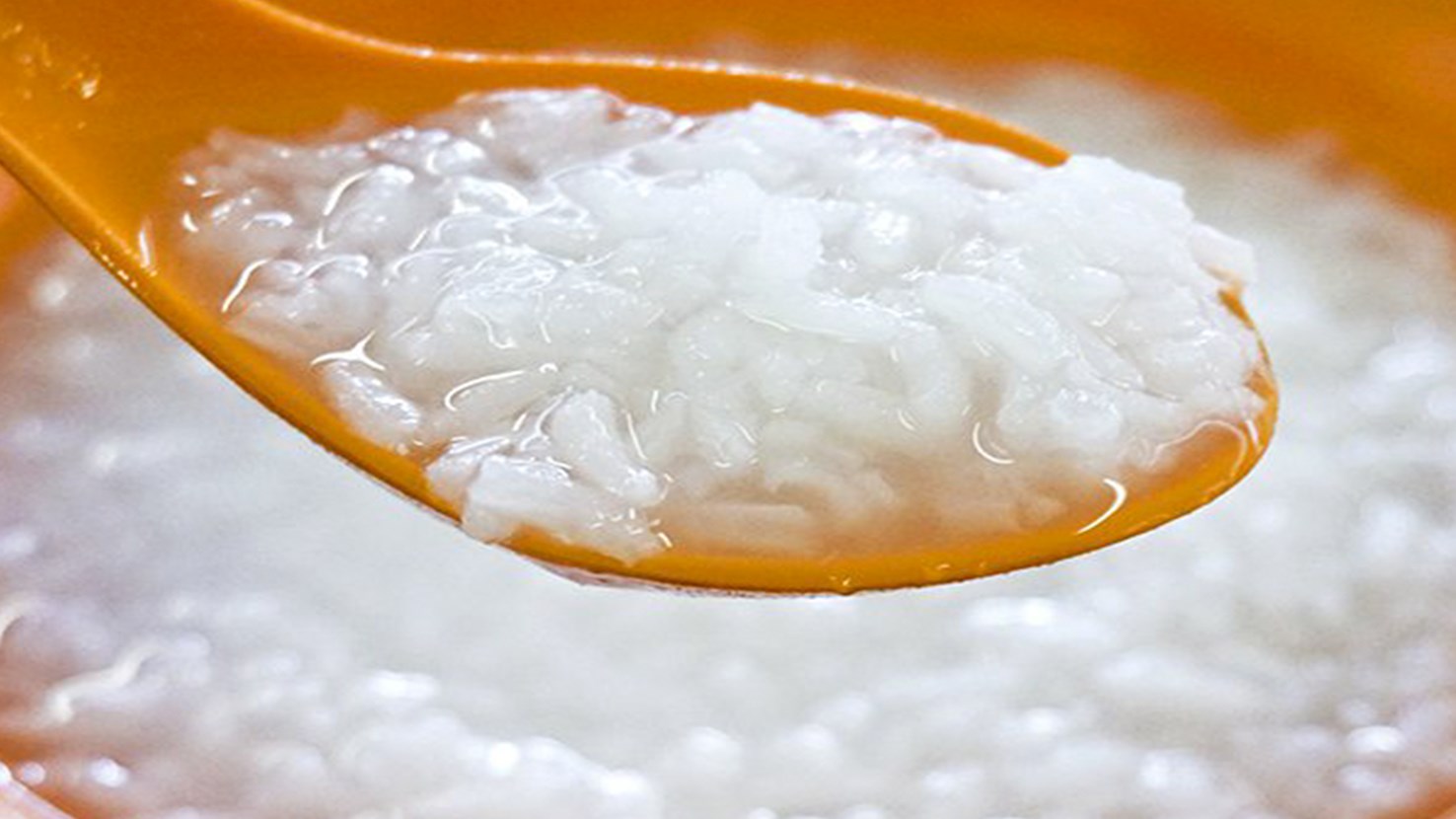
Teochew porridge is a banquet-style meal where bowls of plain white rice porridge are served accompanied by a variety of side dishes – from meats and fish to eggs and vegetables. The porridge is typically prepared with firmer rice grains which are quickly boiled. Due to its bland flavor, the porridge goes well with a variety of salty side dishes – and there is no fixed list of those, so you can find wildly different side dishes from one stall to the next. Teochew porridge is most commonly consumed as comfort food for breakfast or dinner.
Salatim refers to a varied group of small salads and spreads served at the beginning of meals in Israel and in many Middle Eastern Jewish households and restaurants. The term comes from the Hebrew plural of “salad,” and it is used to describe an assortment rather than a single recipe, usually arranged together on the table before the main dishes arrive. The practice developed from a combination of regional influences brought by Jewish communities from North Africa, the Levant, and parts of the Mediterranean, each contributing salads made from vegetables, legumes, herbs, or cooked ingredients. As these communities settled in Israel during the twentieth century, their culinary habits merged, and the serving of numerous small plates became a characteristic opening course in home meals, market eateries, and grill restaurants. Preparation depends entirely on the type of salad being made. Common components include eggplant cooked in various methods, chopped vegetable salads with tomato and cucumber, tahini-based spreads, carrot salads seasoned with cumin, beet purées, spicy pepper mixes such as matboucha, and chickpea or bean salads. Many salatim rely on simple techniques such as roasting, boiling, chopping, or marinating, and they are seasoned with lemon juice, vinegar, olive oil, garlic, herbs, and mild or hot spices depending on regional style. The variety is central to the concept, and the selection often changes according to season, availability of produce, and the preferences of the cook. A noteworthy point is that salatim are served simultaneously, allowing diners to mix flavors freely, and the assortment often includes both cooked and raw items, as well as spicy and mild plates arranged together. Salatim are eaten throughout Israel in home kitchens, hummus shops, grill restaurants, and cafés, and they appear at festive meals as well as everyday lunches. They are typically eaten with pita, laffa, or other flatbreads used to scoop the salads, and they accompany grilled meats, fish, falafel, schnitzel, or vegetarian dishes. Beverages that pair well with salatim include lemonade, soda water, arak-based drinks, dry white wine, and light beers, all of which complement the varied flavors without overwhelming them.
TasteAtlas food rankings are based on the ratings of the TasteAtlas audience, with a series of mechanisms that recognize real users and that ignore bot,
nationalist or local patriotic ratings, and give additional value to the ratings of users that the system recognizes as knowledgeable.
For the “Top 12 Asian Assorted Small Dishes or Rituals” list until May 15, 2026, 1,211 ratings were recorded, of which 842 were recognized by the system as legitimate.
TasteAtlas Rankings should not be seen as the final global conclusion about food. Their purpose is to promote excellent local foods,
instill pride in traditional dishes, and arouse curiosity about dishes you haven’t tried.