

Top 3 Scandinavian Assorted Small Dishes or Rituals

Last updated on July 15, 2026
01

Smörgåsbord

4.1 ·

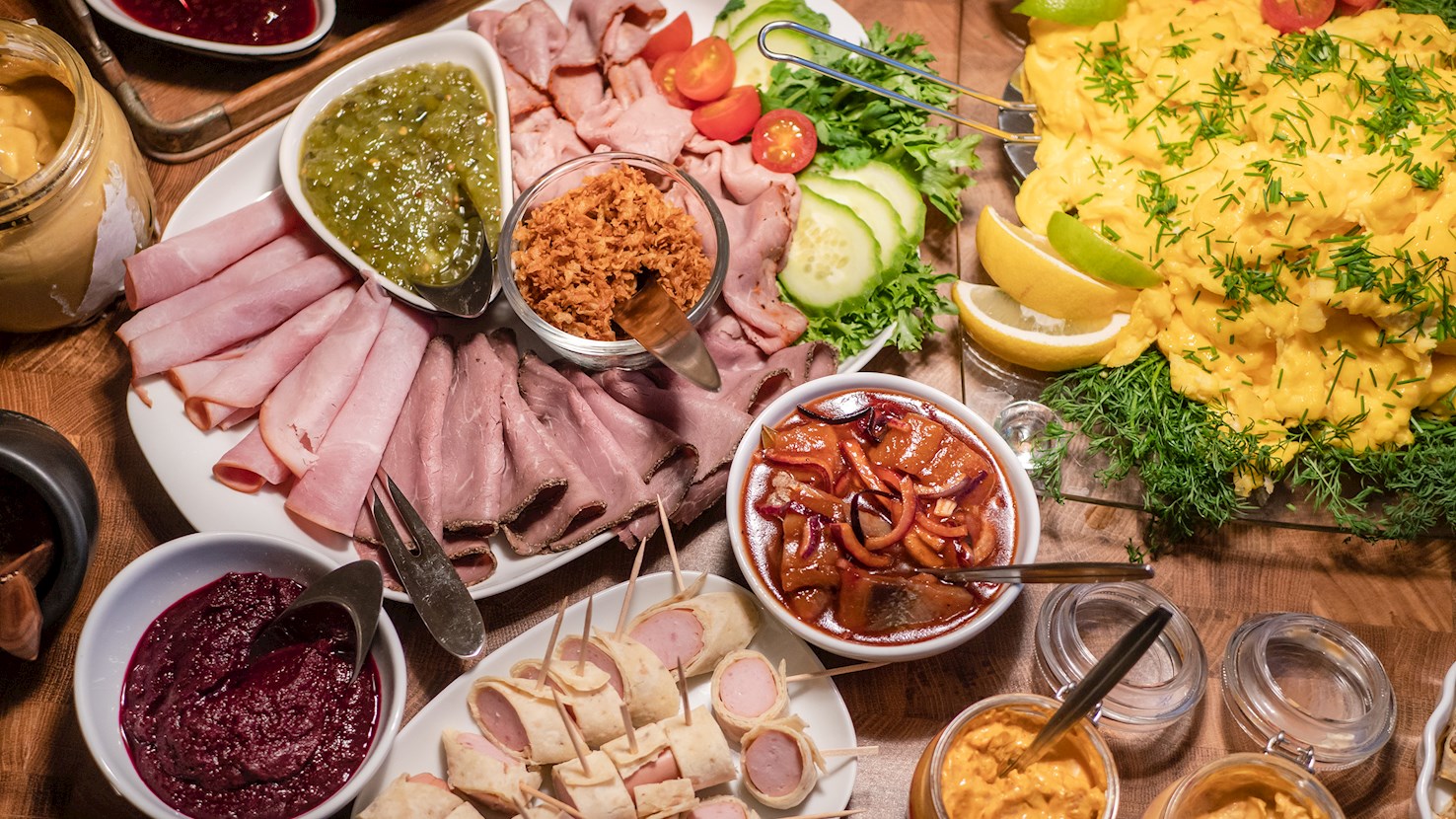
An epic and abundant Swedish buffet, smörgåsbord is a combination of two words: smörgås, an open sandwich, and bord, a table. The term refers to any all-you-can-eat buffet with self-service and a variety of pan-global food. Popular in Sweden since the 18th century, smörgåsbord hosts a display of colorful, complex, and lavish foods and dishes such as herring, salmon, sliced cold cuts of meat, vegetables, breads, cheeses, wild berries, pastries, and jams. The dishes can be hot or cold and may range from appetizers to desserts. Smörgåsbord is a very popular way of serving a large number of guests, either at home or, more often, in upscale hotels, at formal parties, or weddings. The rules of etiquette suggest that a person must make at least four visits to the table, first choosing dishes such as herring, salmon, or shellfish, then cold meats such as pork sausages or liver pâtés. The third visit is saved for hot dishes such as meatballs or baked beans, while the final round is reserved for cheeses and salads.

02

Koldt bord (Danish buffet)

3.7 ·

Although it is translated as cold buffet, Danish koldt bord is a traditional meal in which a variety of cold and warm dishes are served buffet-style. Danish tradition suggests that every buffet should have a serving of meat, cold cuts, seafood, cheese, bread, sandwiches, pickles, and desserts, but there are no strict rules concerning the choice of food. Many luncheon restaurants include koldt bord as part of their regular service, and traditional Christmas or Easter lunch in Denmark is often served in a similar manner.

03

Sju sorters kakor

3.3 ·

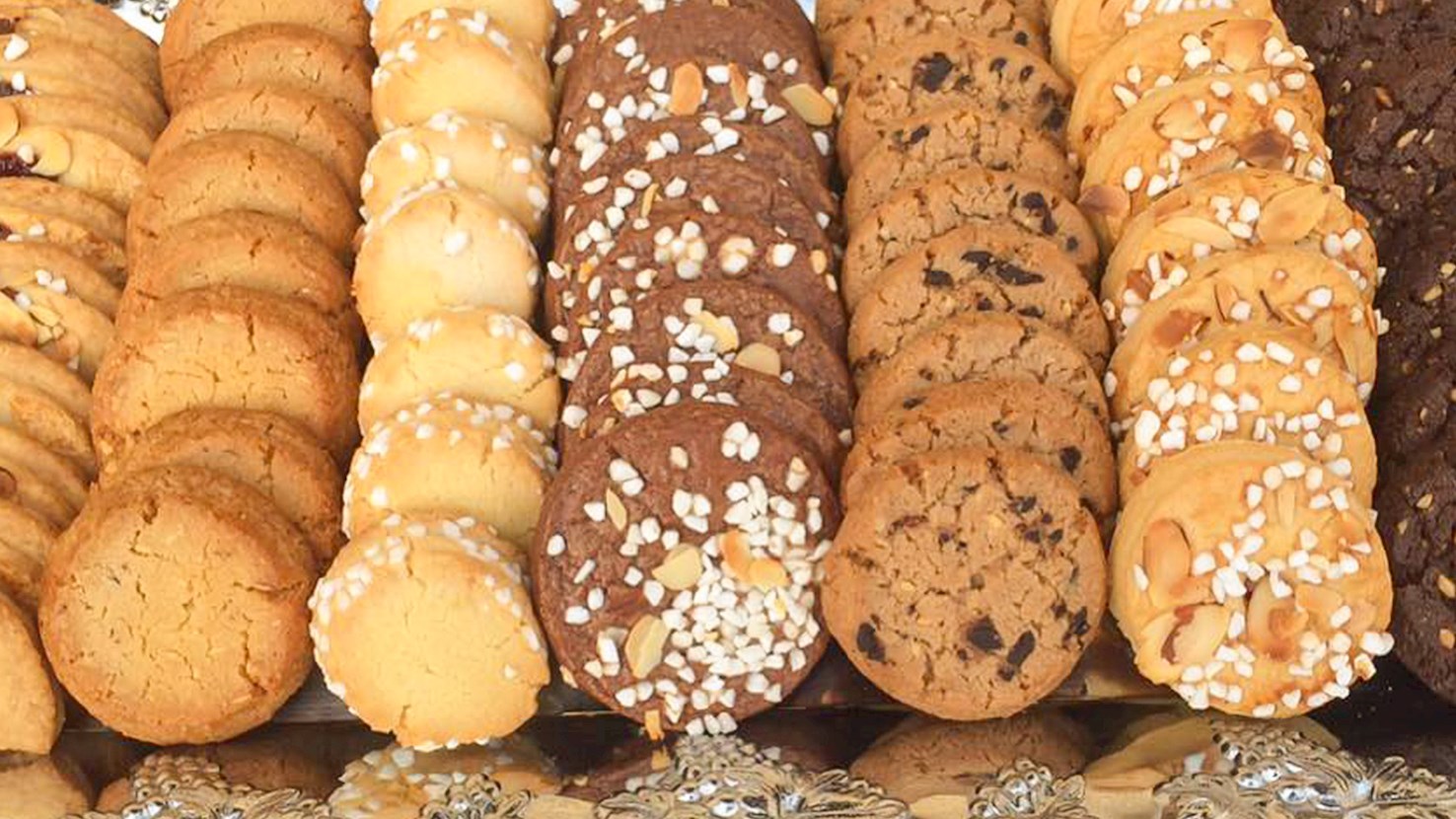
Sju sorters kakor is a Swedish phrase that translates to seven kinds of cookies. It's a tradition deeply rooted in Swedish culture, particularly when it comes to coffee gatherings known as fika. The tradition goes back several generations when it was believed to be courteous and almost expected to offer at least seven types of cookies (among them drömmar, hallongrotta, brysselkex, etc.) when you had guests over for coffee. Offering fewer might be perceived as impolite or an indication of not being well-prepared for guests. Today, while many might not strictly adhere to the rule of seven, the phrase remains a popular representation of Swedish hospitality. Over the years, the concept has expanded from cookies to cakes and pastries. The phrase also became the title of a popular Swedish baking book first published in the 1940s. "Sju sorters kakor" was a compilation of recipes gathered from a nationwide contest, and the book has been reprinted numerous times since, becoming something of a staple in Swedish kitchens.

Read more
View all
View map
About this ranking

TasteAtlas food rankings are based on the ratings of the TasteAtlas audience, with a series of mechanisms that recognize real users and that ignore bot, nationalist or local patriotic ratings, and give additional value to the ratings of users that the system recognizes as knowledgeable. For the “Top 3 Scandinavian Assorted Small Dishes or Rituals” list until July 15, 2026, 129 ratings were recorded, of which 117 were recognized by the system as legitimate. TasteAtlas Rankings should not be seen as the final global conclusion about food. Their purpose is to promote excellent local foods, instill pride in traditional dishes, and arouse curiosity about dishes you haven’t tried.

Similar lists