

shutterstock

9 Baozi Varieties
Ranked From the Best To the Worst

Last updated on June 17, 2026
01

Tangbao (Soup buns)

4.5 ·

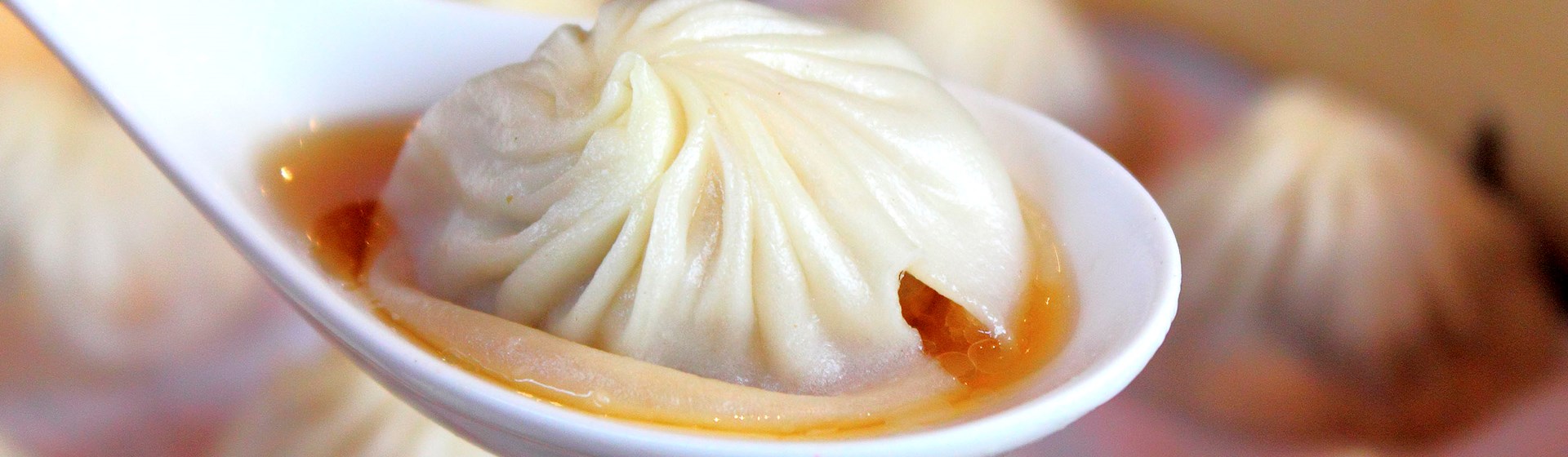
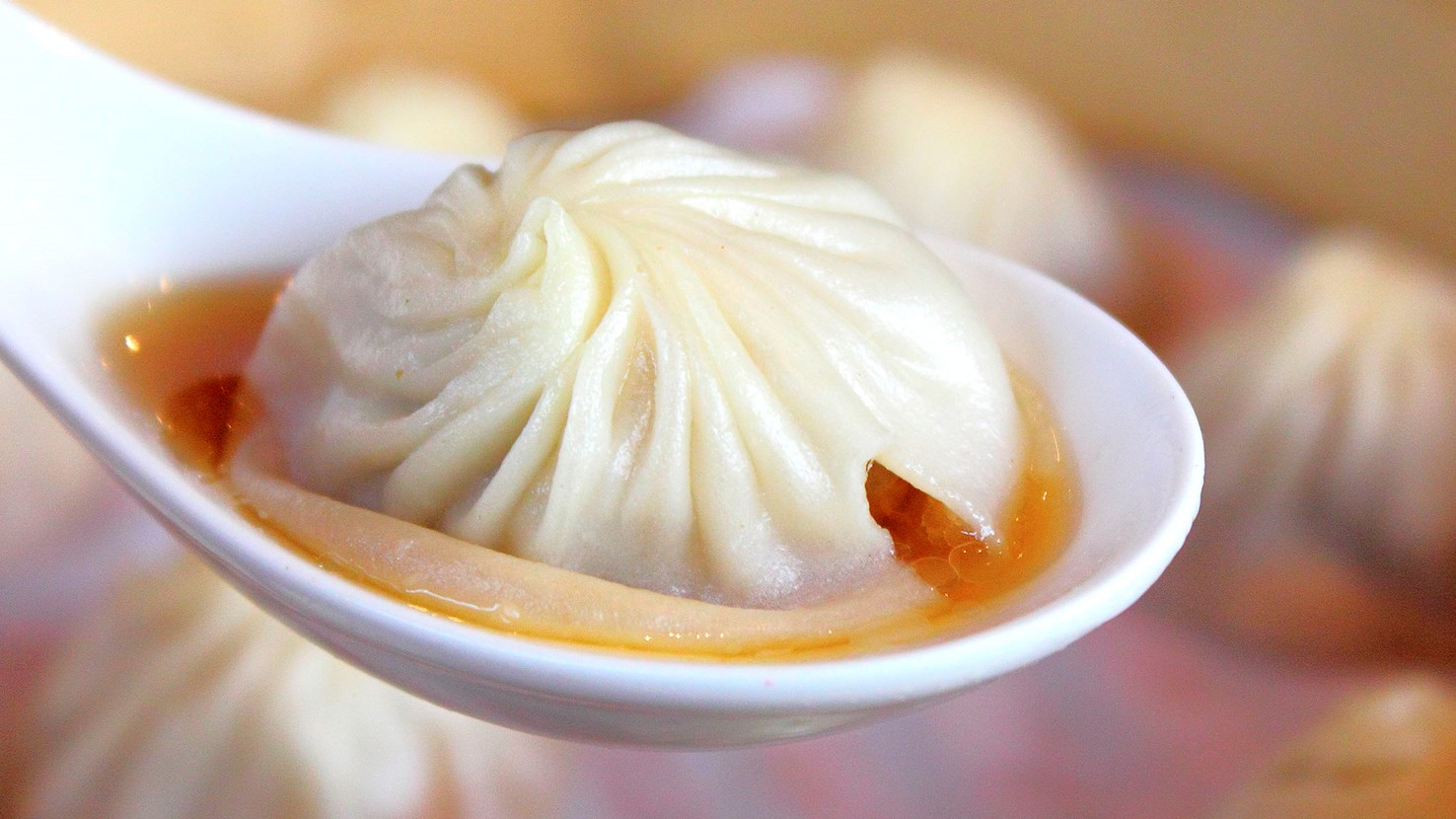
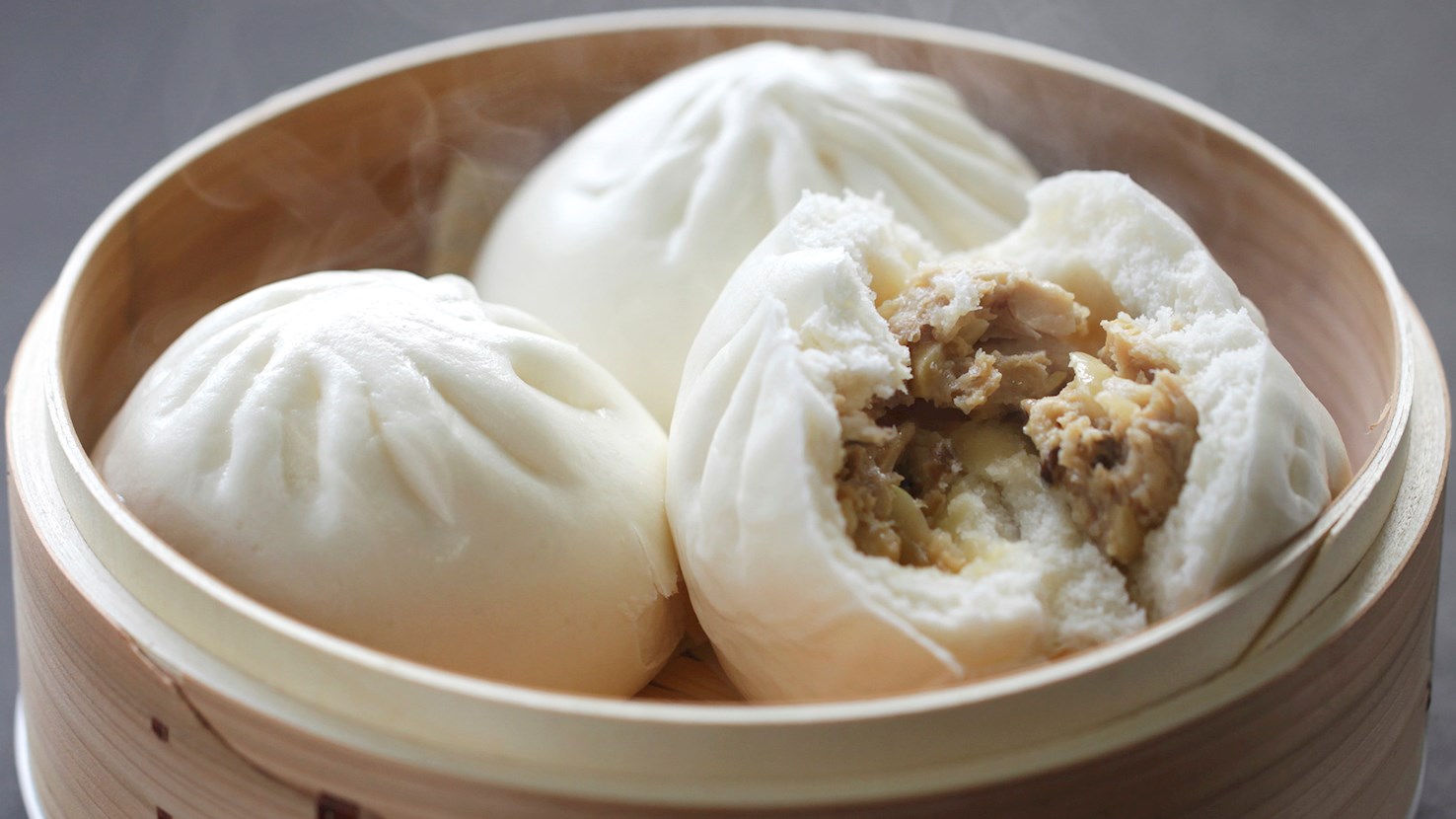
The name tangbao or tangbaozi refers to a broad group of steamed Chinese soup-filled dumplings. Depending on the origin, dumplings can be made with leavened or plain dumpling dough which is usually wrapped around a gelatinous filling, twisted and sealed at the top, and then steamed. While they steam, the firm filling (usually made with minced pork or crab meat) transforms into a flavorful soup, which stays safely secured inside the bun. Due to the nature of this Chinese delicacy, they are always served immediately after steaming, so the soup stays liquid and hot. Because of the sizzling filling, tangbao buns should be consumed with precaution and usually employ a unique eating technique. Chopsticks are used to hold the bun at the top, and a small bit is taken from the side, allowing the soup to pour into the wide spoon held underneath. The soup and the dumpling are usually eaten alternatively, but can also be enjoyed one at the time. One of the most common varieties of the dish includes the tangbao dumplings originating from the Jiangsu province, which are usually large in form and often come with a straw tucked inside the bun, which is used to slurp the delicious soup. Xiaolongbao, the authentic Shanghai version, is famous for its small size and slightly thinner dough. All the varieties found in China and in Chinese restaurants around the world are typically served as a snack, as a part of dim sum meals, or as a satisfying appetizer.

02

Xiaolongbao

4.5 ·

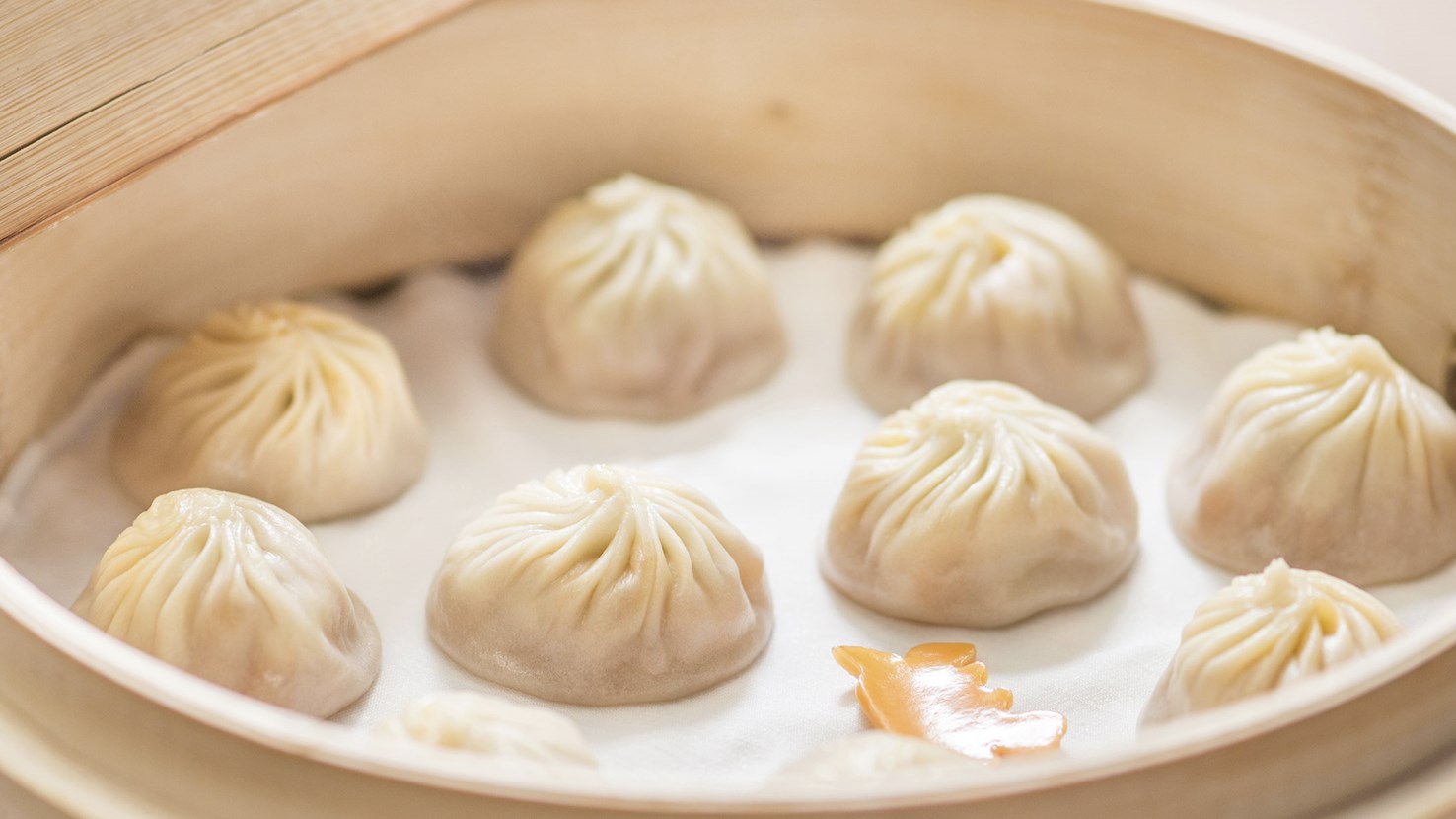
Xiaolongbao are soup-filled dumplings originating from the 19th-century Nan Xiang, what is today Shanghai's Jiading district. It is believed that the first form of xiaolongbao was sold by Huang Mingxian, a shop owner who wanted to evolve the classic dumpling due to the increased competition of neighboring vendors. The dumplings are usually filled with a large volume of soup and minced pork, then steamed in a specially-designed bamboo steamer. Sometimes, xiaolongbao can also be filled with crab or shrimp meat. The dough is quite thin, and it is believed that it should be thicker than tang bao, but not as thick as shen jian bao. It is recommended to serve xiaolongbao dumplings while they are still hot, preferably with a vinegar and ginger dip on the side.

03

Chāshāo bāo Cha siu bao (Cha siu bao)

4.1 ·

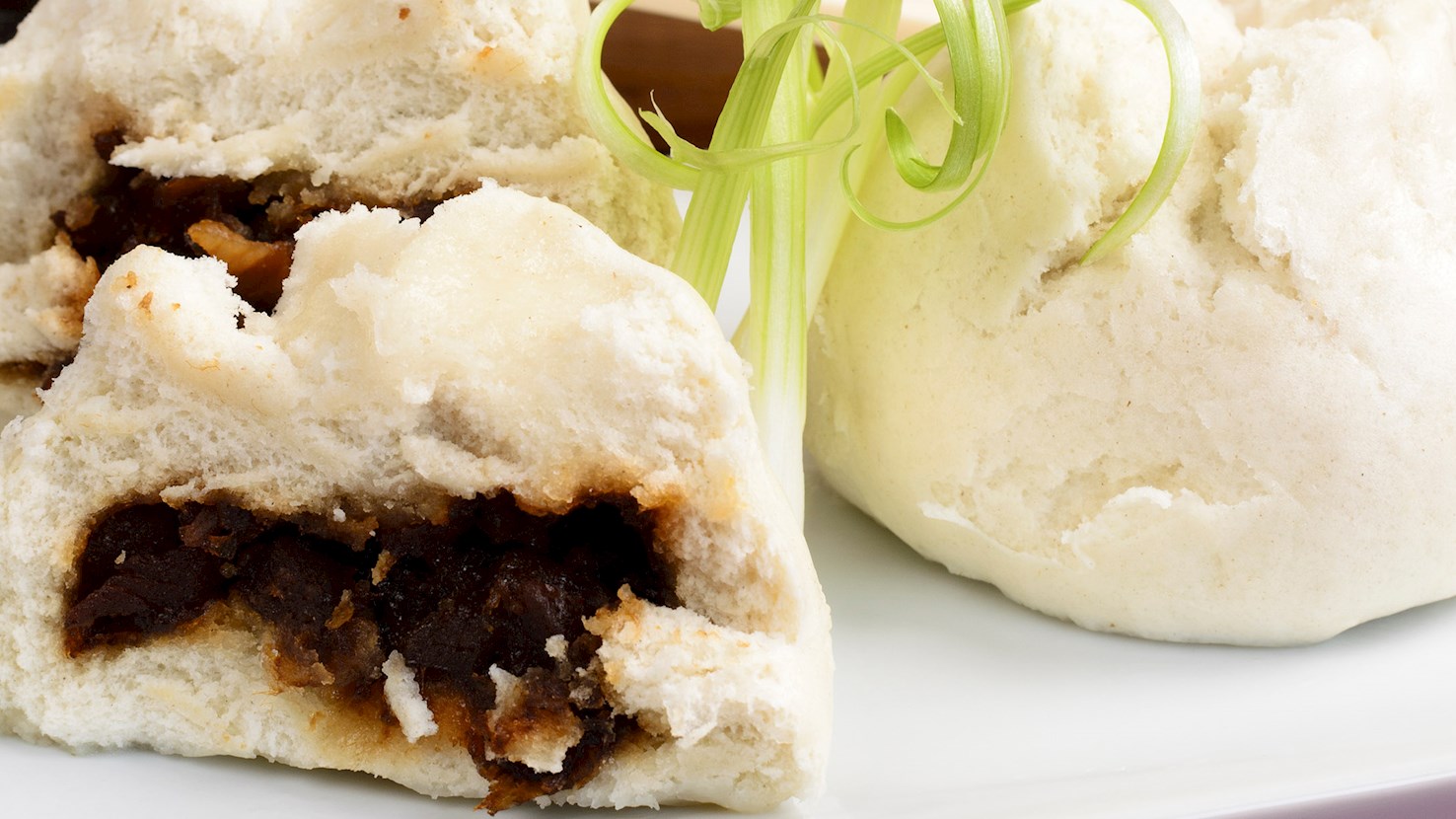
Cha siu bao are popular Chinese pork roast buns. Whether steamed or baked, they are always filled with a sweet and spicy grilled pork filling. Steamed varieties are delicate and soft, with a snowy white color, while baked chao siu bao have a light golden color and are usually covered in a glossy glaze. The delicious filling inside the buns is usually traditional Chinese char siu pork - slowly roasted pieces of pork doused in a juicy barbecue sauce. The buns are an original Chinese invention, an authentic dish of the Cantonese region. Due to immigration and popularity of Chinese restaurants across the globe, pork roast buns have quickly spread to other parts of the world. Today the soft steamed buns can be found as an irreplaceable part of every dim sum meal, while the baked varieties are usually bought in traditional Chinese bakeries.

04

Da bao (Big pao)

4.0 ·

Big pao is a variety of baozi, the famous Chinese steamed buns. Consisting of a soft delicate bun and a delicious savory filling, they are similar to other steamed bun types, but are usually larger in size. The pastry is made with yeasted dough, which develops a tender, springy texture when steamed. The filling is usually a delicious mixture of minced meat, mainly pork or chicken, shiitake mushrooms, and green onions, all doused in a fragrant sauce infused with soy sauce, oyster sauce, and sesame oil. Some versions might include Chinese sausage, while quarters of hard-boiled eggs are a welcome addition, usually positioned inside or on top of the meat filling. Big pao buns are typically served as an afternoon snack or a hearty breakfast. They are mainly prepared at home or eaten as a takeaway meal, and similar varieties can be found in Hong Kong, Singapore, Malaysia, Indonesia, and Taiwan.

05

Goubuli

4.0 ·

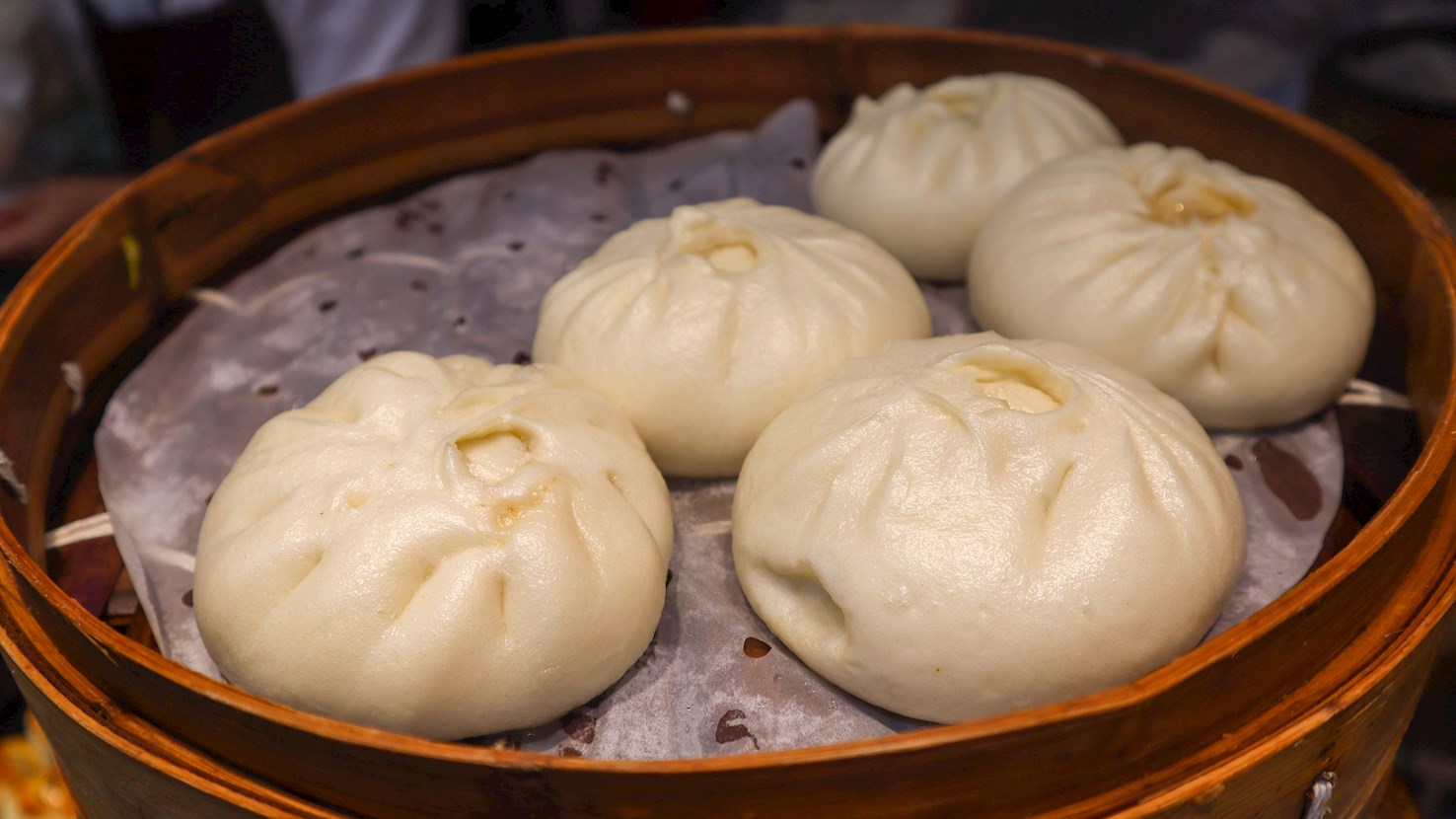
Goubùli bāozi is a traditional steamed bun originating from Tianjin. The dough is usually made with a combination of yeast, sugar, flour, salt, oil, and baking powder. The dough is cut and formed into balls that are filled with a mixture of ground pork, pork fat, soy sauce, sesame oil, scallions, ginger, salt, and cold water. The pork has water slowly added to it so that it plumps up the meat and creates a savory broth as the buns steam. Once steamed and fully cooked, goubùli bāozi are served hot. Traditionally, these buns have eighteen folds on top – and although it's impressive, this step is not absolutely necessary.

06

Nai wong bao (Steamed custard buns)

4.0 ·

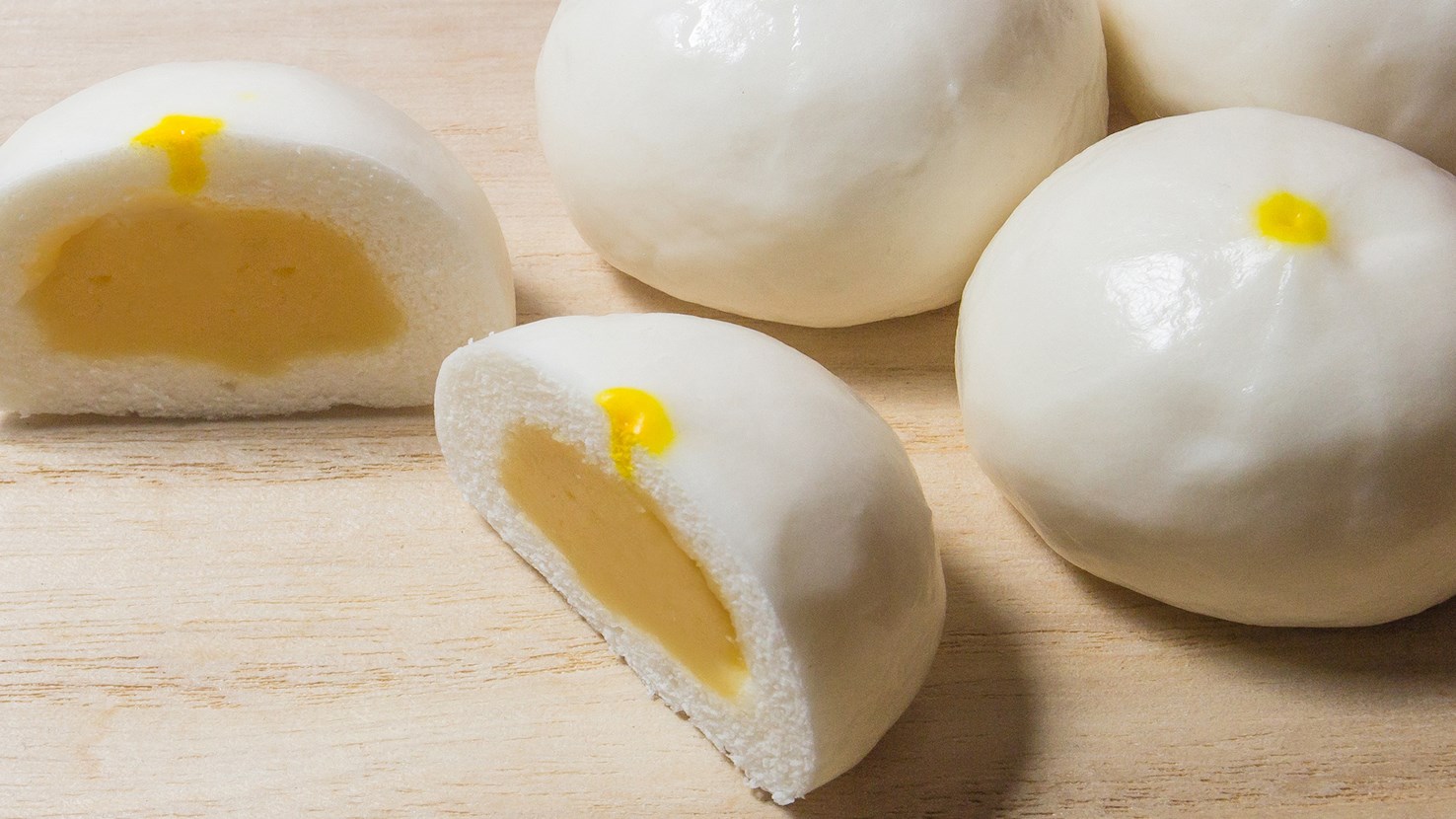
The soft nai wong bao are the traditional Chinese steamed buns which consist of a smooth leavened wheat flour dough filled with a creamy egg custard filling. Even though the fillings might vary in consistency, they are characterized by vibrant yellow colors and the sweet and rich buttery flavors. These round treats are usually enjoyed as a part of dim sum meals complemented with flavorful Chinese tea.

07

Doushabao

3.7 ·

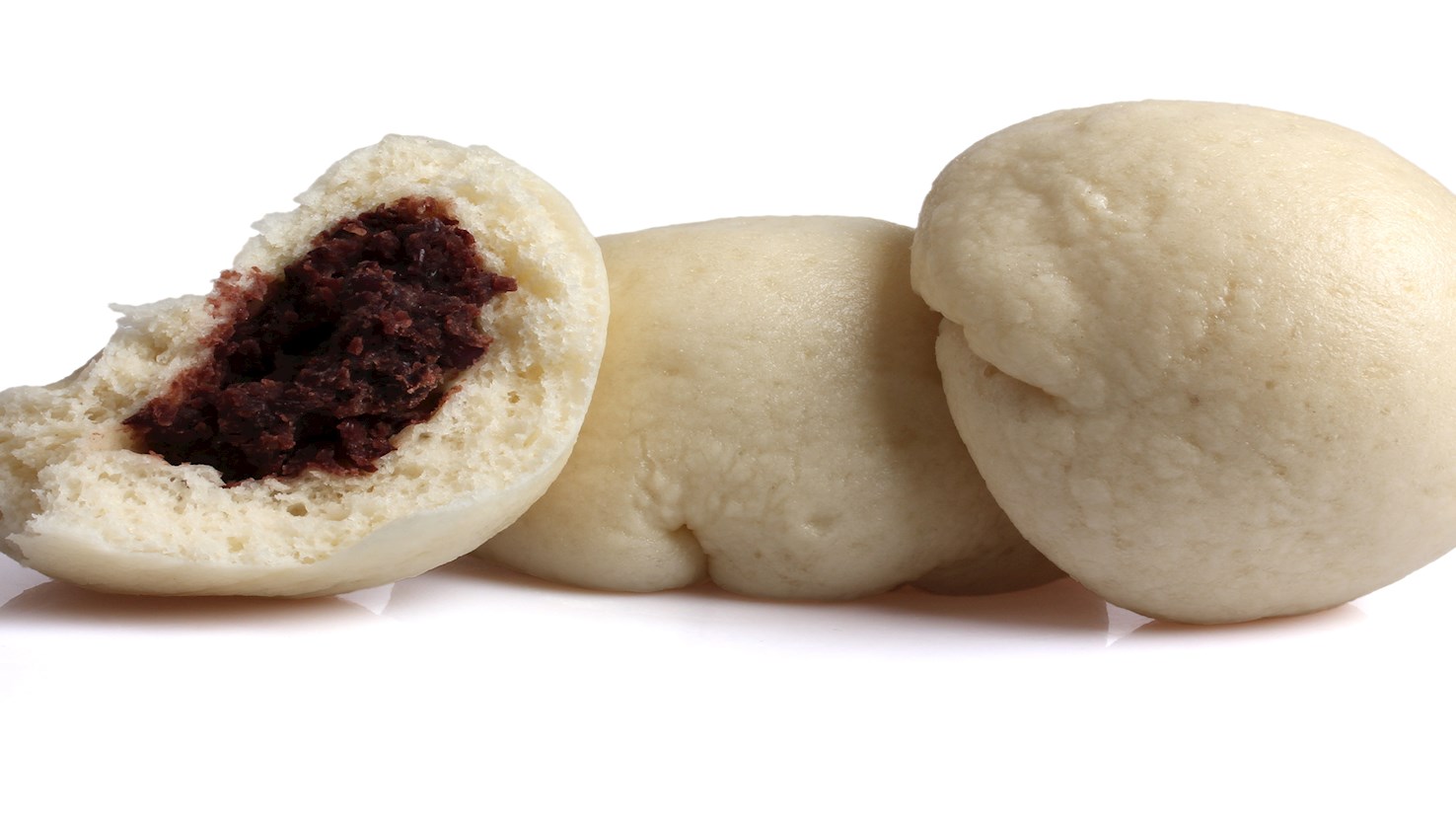
Doushabao is a soft and sweet Chinese steamed bun filled with smooth red bean paste. Falling in the category of baozi, they were created in China but due to the popularity of traditional Chinese cuisine, they can be found in numerous countries around the world nowadays. The flavorful combination of white steamed dough and the sweet red bean filling make doushabao an excellent everyday snack, a nutritious breakfast, or a filling dessert.

Best restaurants
08

Zhi ma bao (Black sesame bun)

3.6 ·

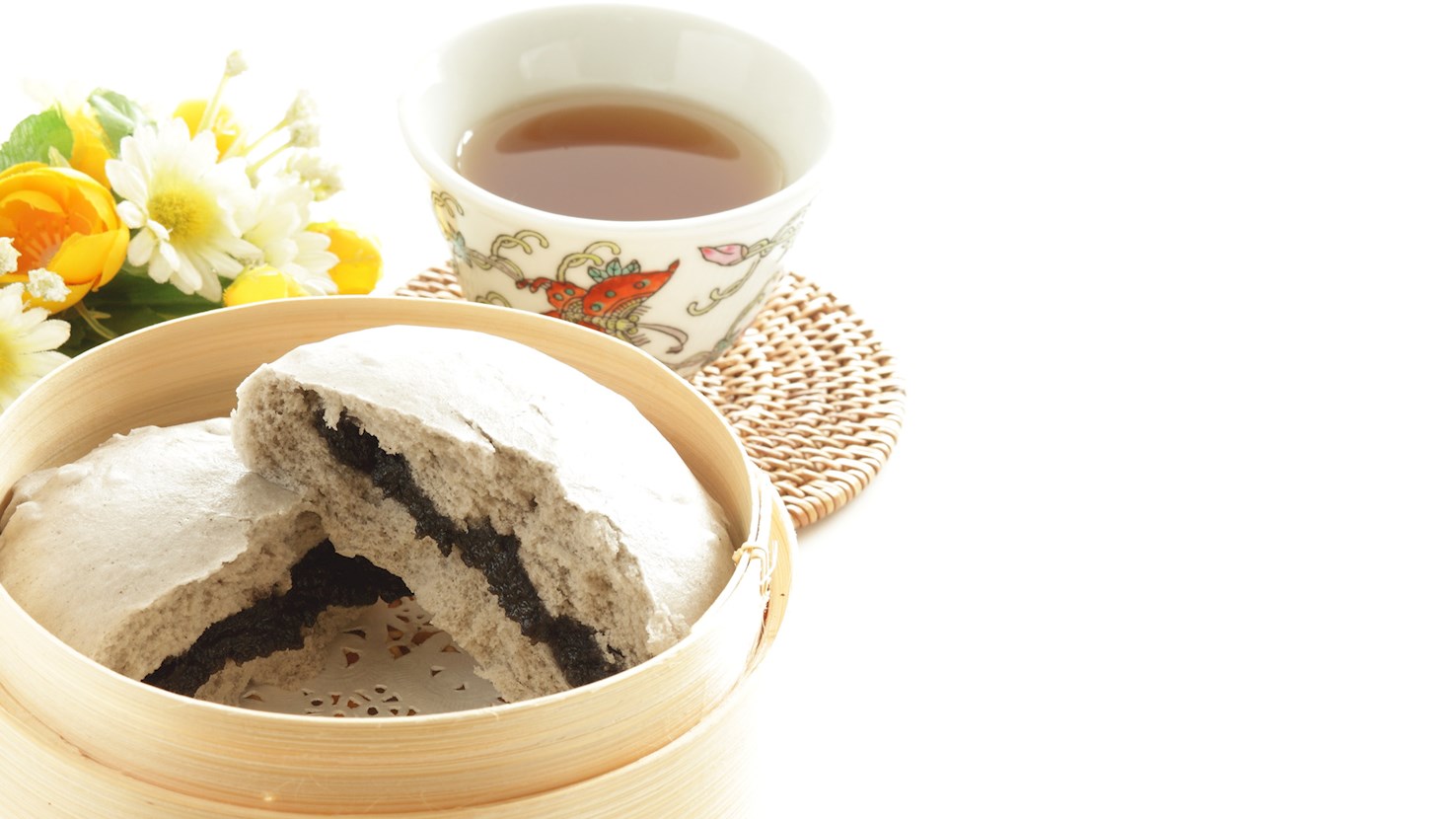
Zhi ma bao is a Chinese steamed bun (baozi) filled with black sesame paste. The buns are made with leavened dough, while the filling typically includes a combination of toasted black sesame, sugar, water, and cornstarch. Optionally, black sesame seeds can be incorporated into the dough, and the buns are sometimes sprinkled with sesame seeds.

09

Yacai bao

n/a ·

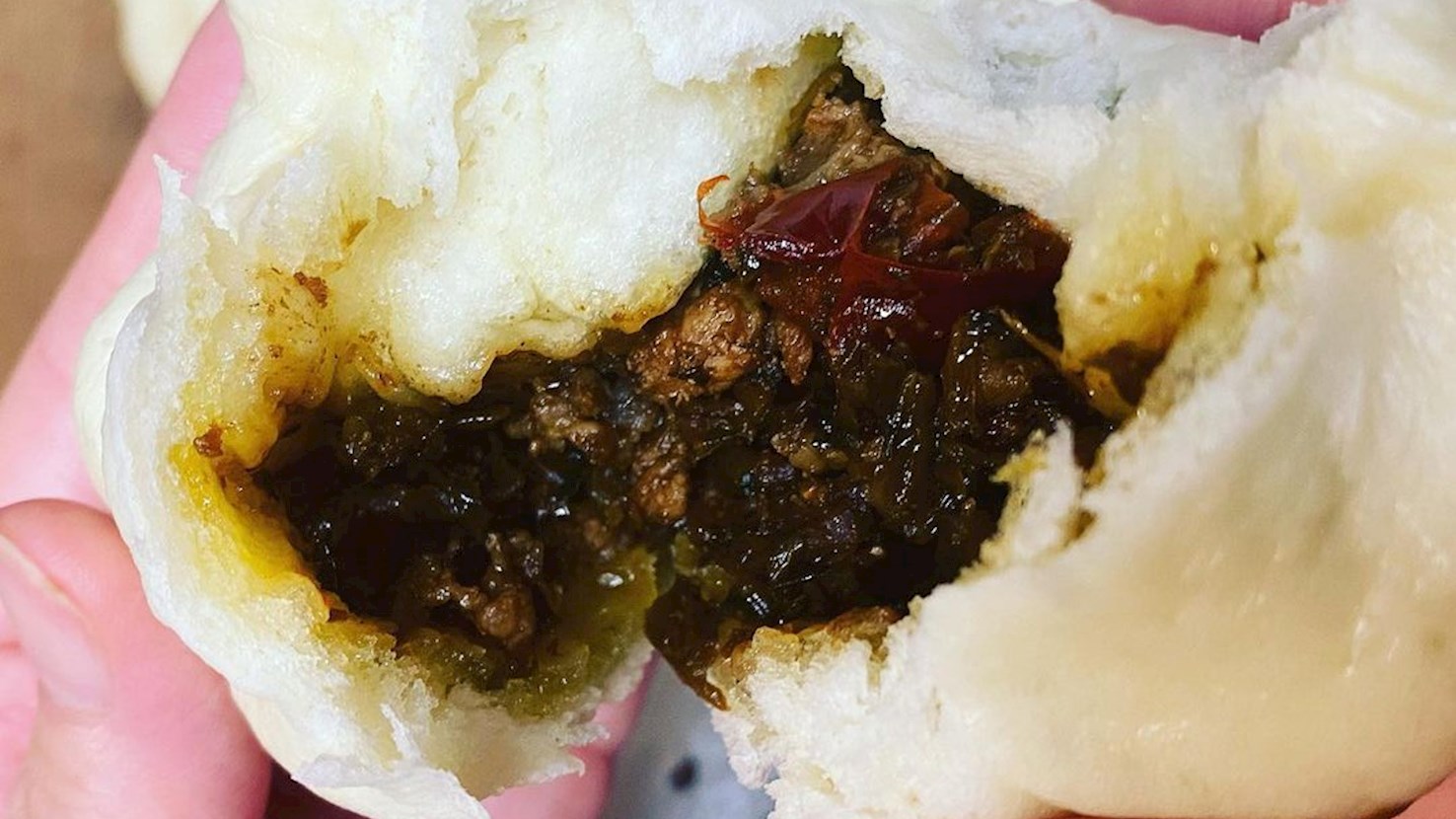
Yacai bao is a type of steamed Chinese bun (baozi) which is traditionally associated with Sichuan. The buns are made with leavened dough, and the filling consists of yacai—preserved vegetables typical for the area. Optionally, the filling can include meat or other vegetables. These buns are most commonly enjoyed for breakfast or lunch.

About this ranking

TasteAtlas food rankings are based on the ratings of the TasteAtlas audience, with a series of mechanisms that recognize real users and that ignore bot, nationalist or local patriotic ratings, and give additional value to the ratings of users that the system recognizes as knowledgeable. For the “9 Baozi Varieties Ranked From the Best To the Worst” list until June 17, 2026, 777,524 ratings were recorded, of which 504,674 were recognized by the system as legitimate. TasteAtlas Rankings should not be seen as the final global conclusion about food. Their purpose is to promote excellent local foods, instill pride in traditional dishes, and arouse curiosity about dishes you haven’t tried.

Similar lists