






shutterstock

Top 16 Central European Bean Dishes

Last updated on June 15, 2026
01

Jókai bableves

4.1 ·

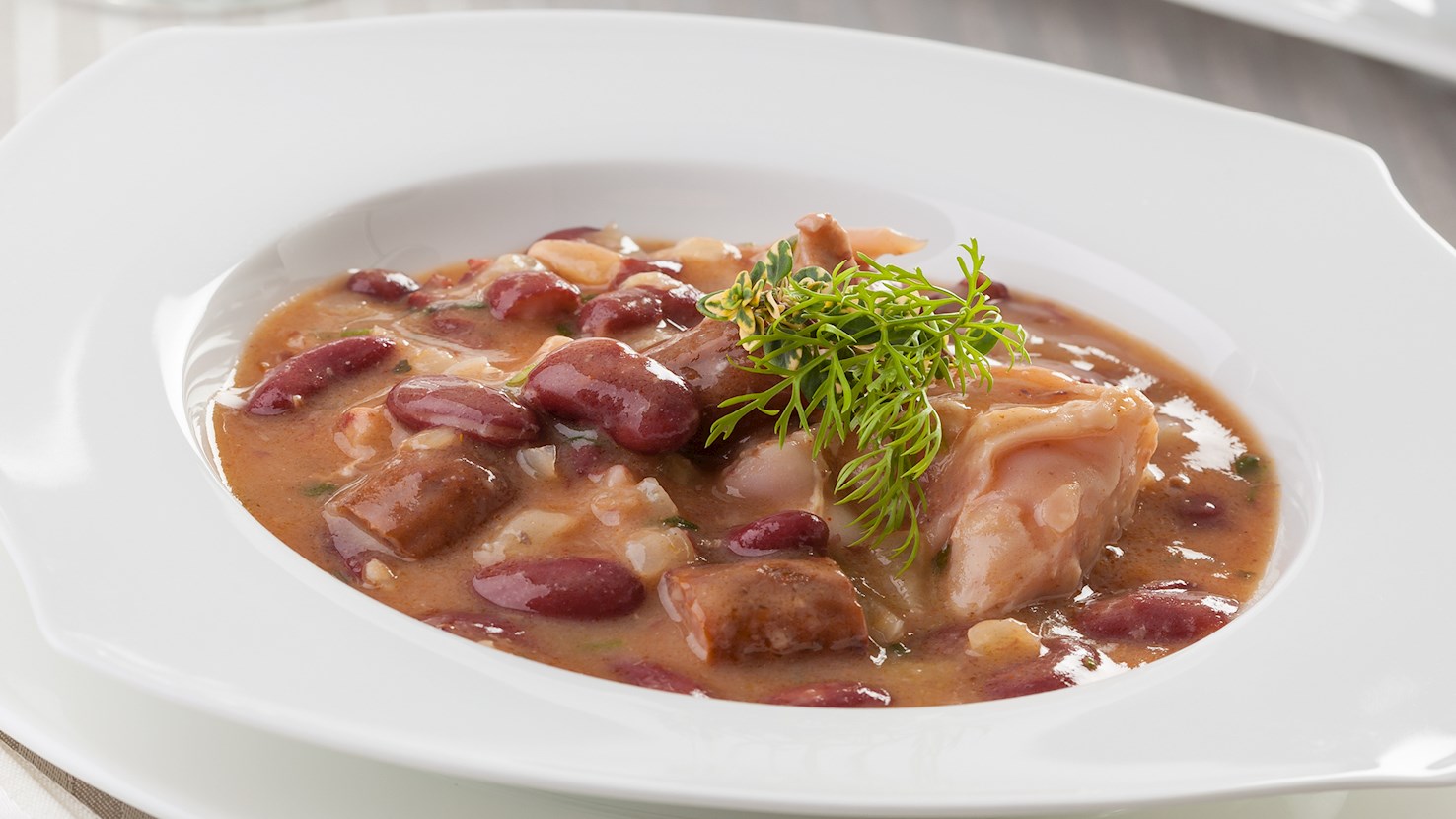
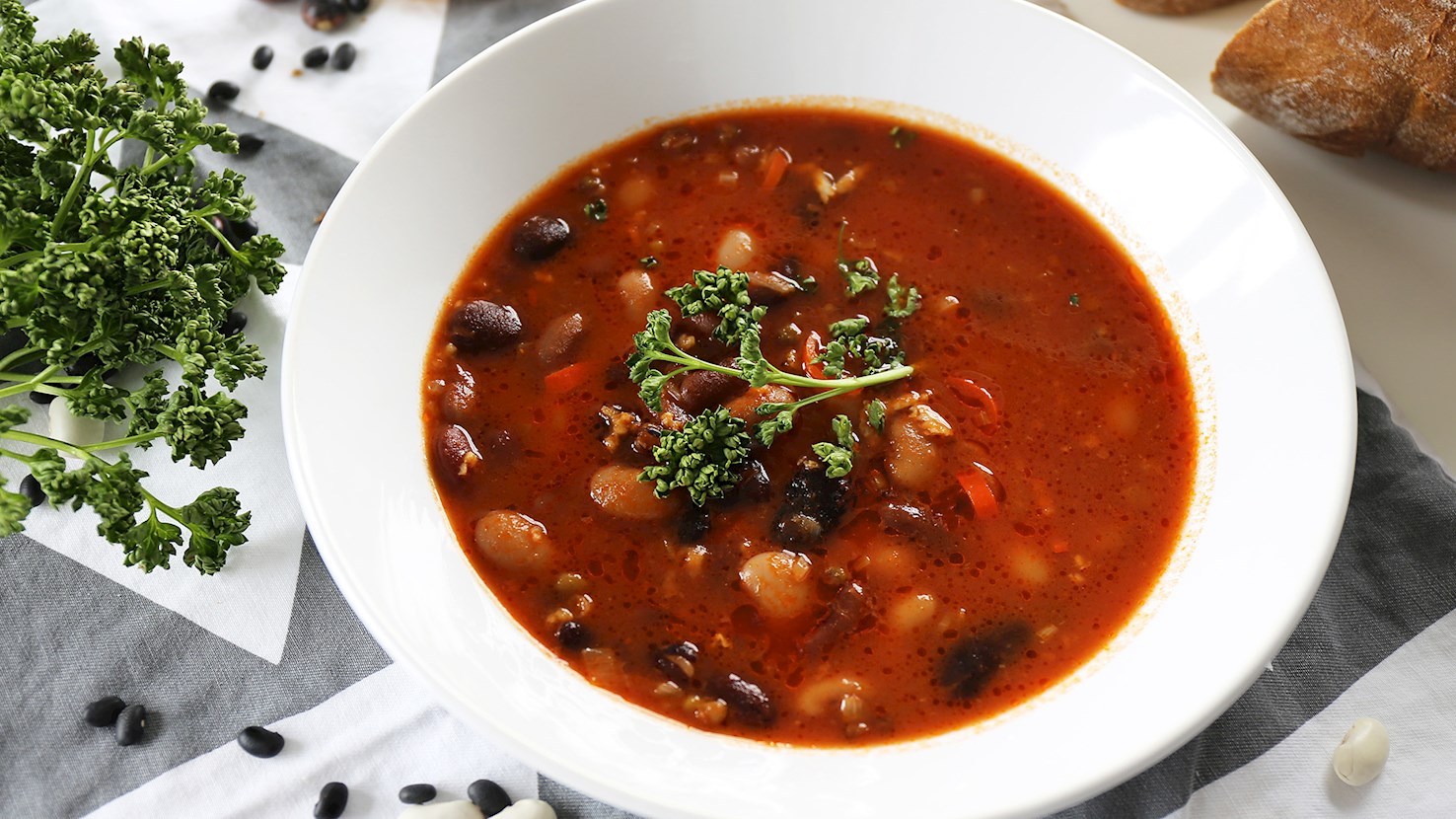
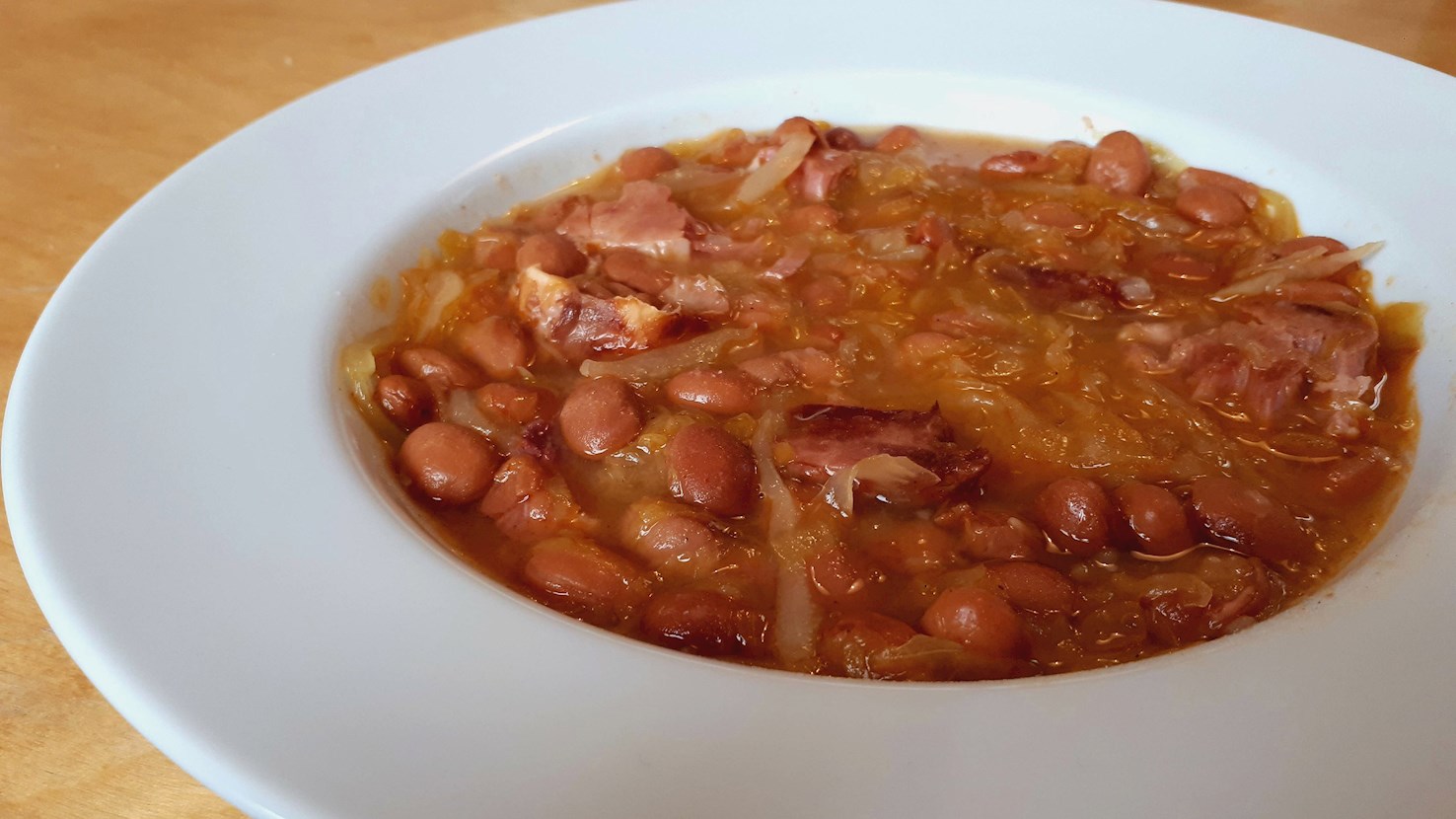
Jókai bableves is a flavorful Hungarian bean soup named after the famous writer Mór Jókai, who was a big fan of the dish. It is made with beans, smoked sausages, smoked meat, and vegetables such as onions, tomatoes, carrots, and celery. The soup is typically flavored with vinegar and sour cream. When the vegetables become tender and the soup develops a thick consistency, it is ready to be consumed. Jókai bableves is especially popular on cold winter days.

02

Fasolka po bretońsku (Baked beans)

3.9 ·

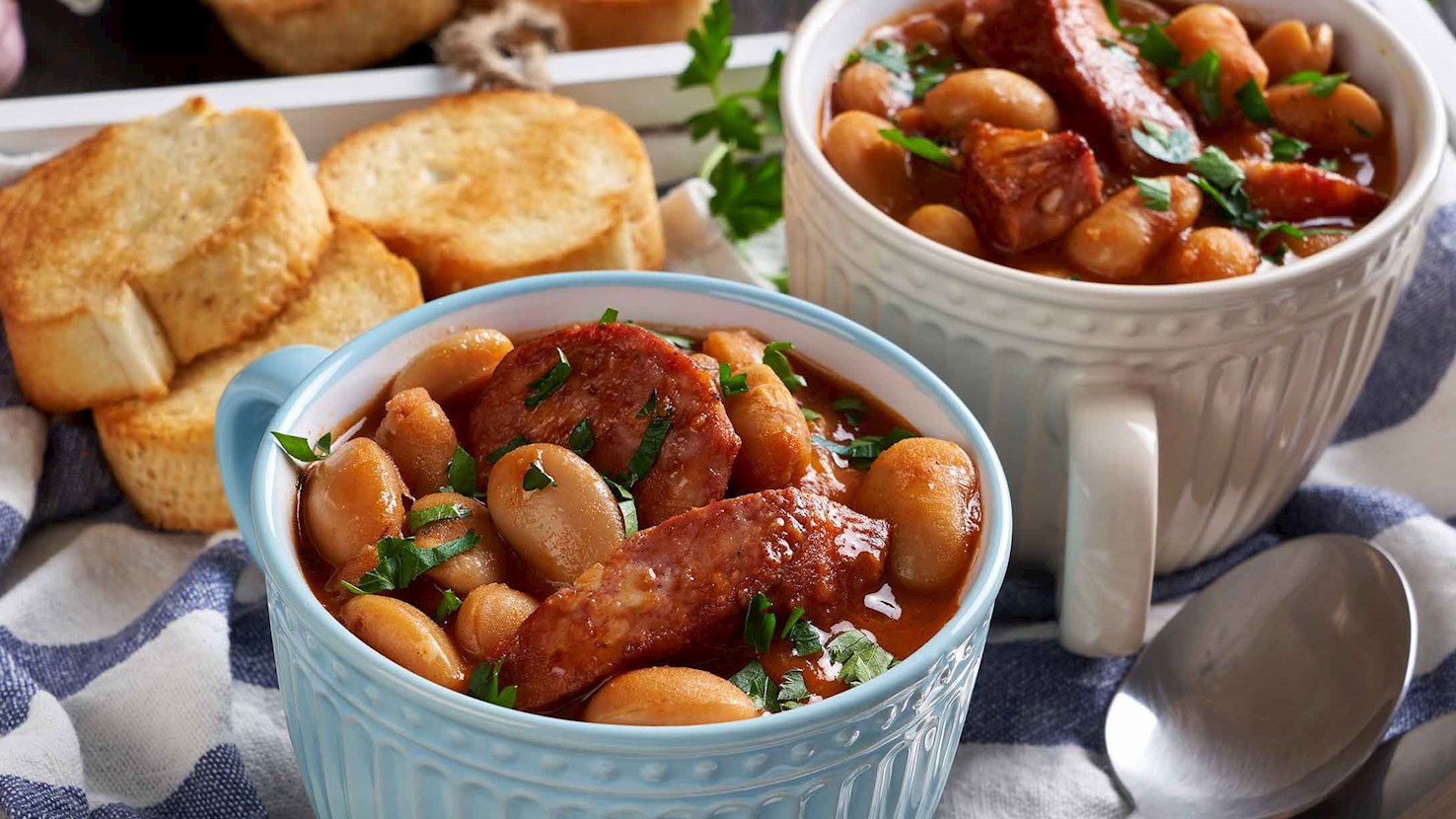
Fasolka po bretońsku is a traditional stew that, despite its name, is not of British origin but rather draws inspiration from the culinary styles found in Brittany, France. Typically robust and hearty, fasolka po bretońsku typically consists of white beans, smoked sausage (often kiełbasa), and pork, all bathed in a rich, tomato-based sauce. The meats are browned, and then a base sauce is prepared with sautéed onions, garlic, and often tomato paste or canned tomatoes. The cooked beans and meat are then incorporated, seasoned with bay leaf, marjoram, paprika, salt, and pepper, and allowed to simmer, permitting the flavors to meld harmoniously. This dish, often associated with warmth and home cooking, is especially popular during the colder months, providing a nourishing and comforting meal.

03

Fižolova mineštra (Bean Stew)

3.8 ·

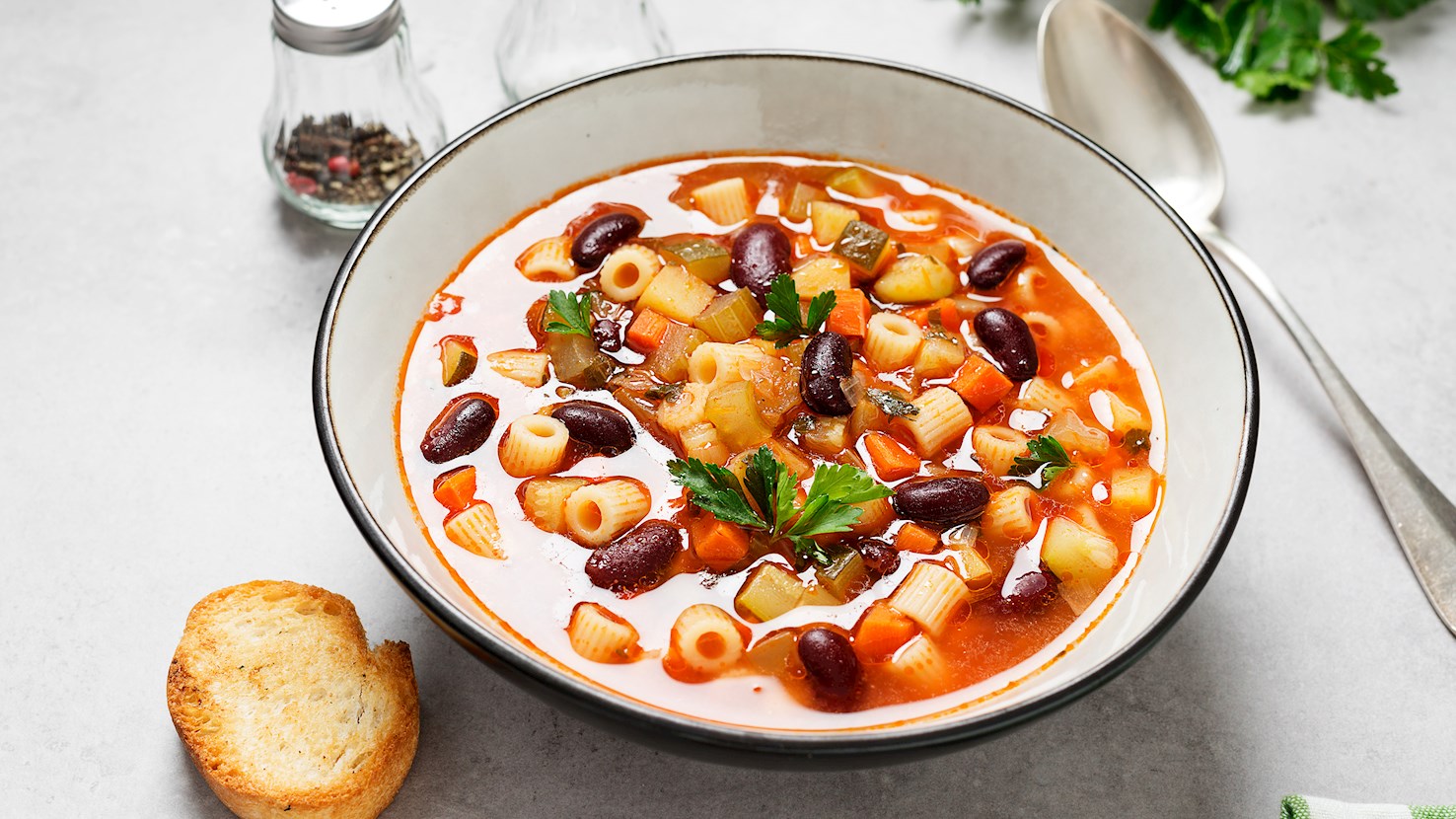
Fižolova mineštra is a traditional dish originating from Vipava. This simple bean stew is made with a combination of beans, pasta, onions, garlic, parsley, celery, bay leaves, paprika powder, olive oil, and tomatoes. One part of beans is blended or puréed, and the other part is cooked as it is with the rest of the ingredients which are simmered until the stew starts boiling. The pasta is added near the end of cooking along with paprika powder and tomato sauce. Once done, fižolova mineštra is served in deep plates with fresh bread on the side.

04

Maneštra od bobići

3.7 ·

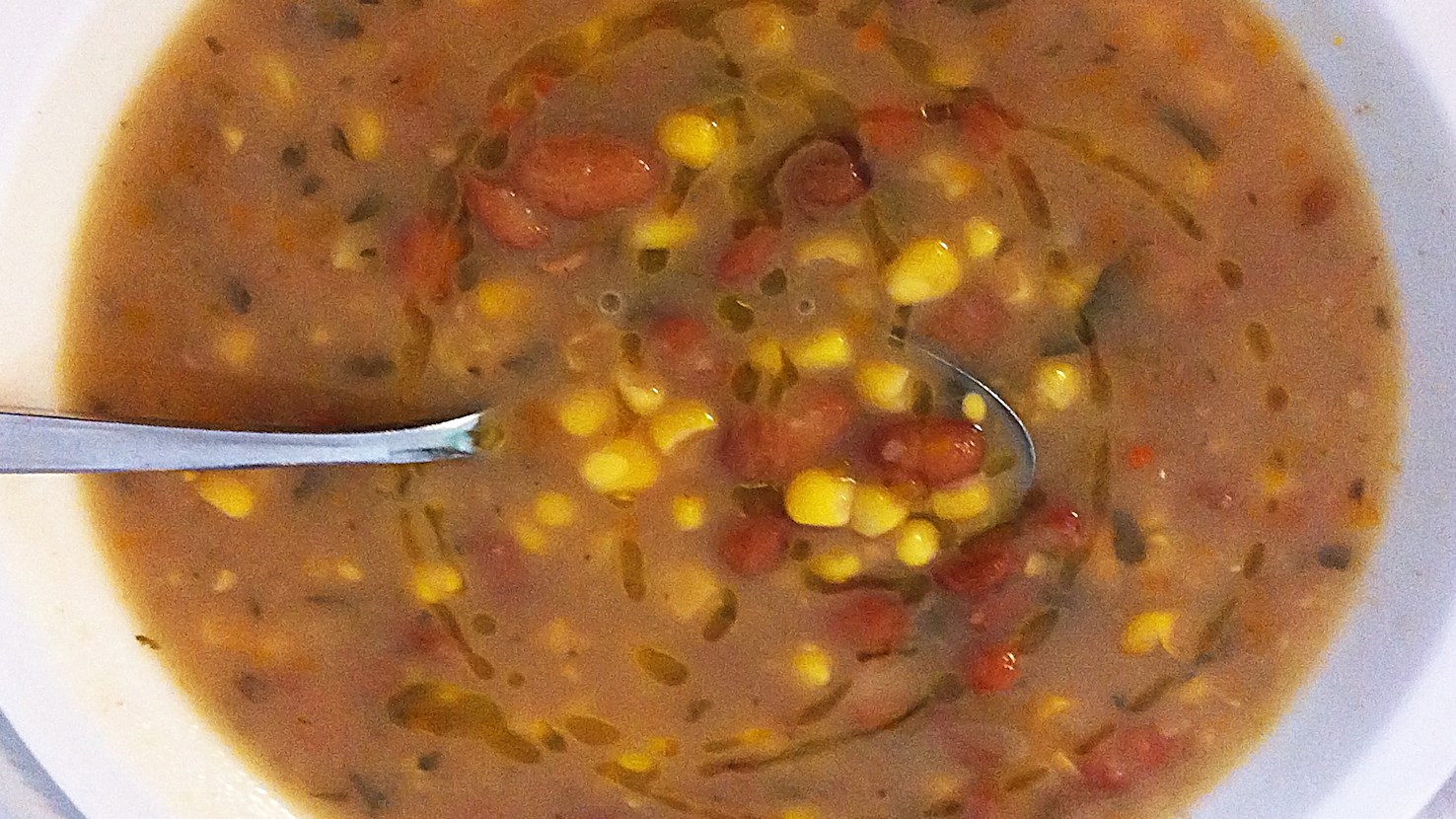
This traditional Istrian stew-like soup is prepared with kidney beans, potatoes, and sweet corn, locally named bobići. Maneštra od bobići is cooked with the addition of dried pork meat, and for extra flavor, when the beans and corn are almost fully cooked, the dish is finished with the so-called pešt, a special kind of mash made with bacon fat, garlic, and parsley. Apart from the amazing flavor and aroma, this finishing touch also adds a nice thickness to the soup, making it a meal in itself, best enjoyed with some sourdough country-style bread.

Best restaurants
05

Sólet

3.7 ·

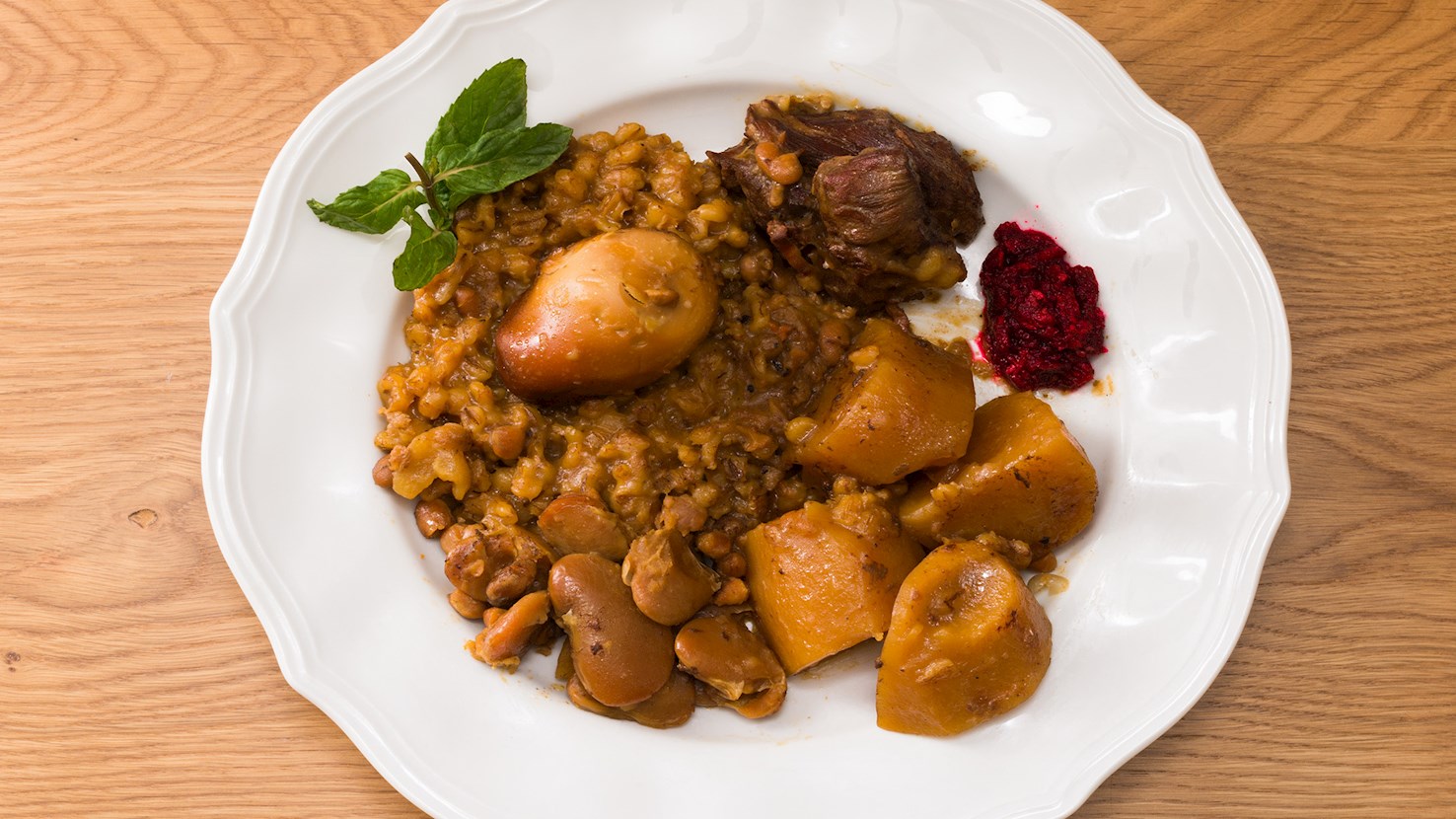
Often considered to be the predecessor to cholent, sólet is a Hungarian-Jewish stew that is traditionally slowly cooked on Friday night before the Sabbath. The stew consists of beans, paprika, onions, potatoes, boiled eggs, and meat such as smoked pork, duck, beef, or goose. The next day, this hearty and nutritious stew is ready to be consumed.

06

Fazolová polévka (Czech bean soup)

3.6 ·

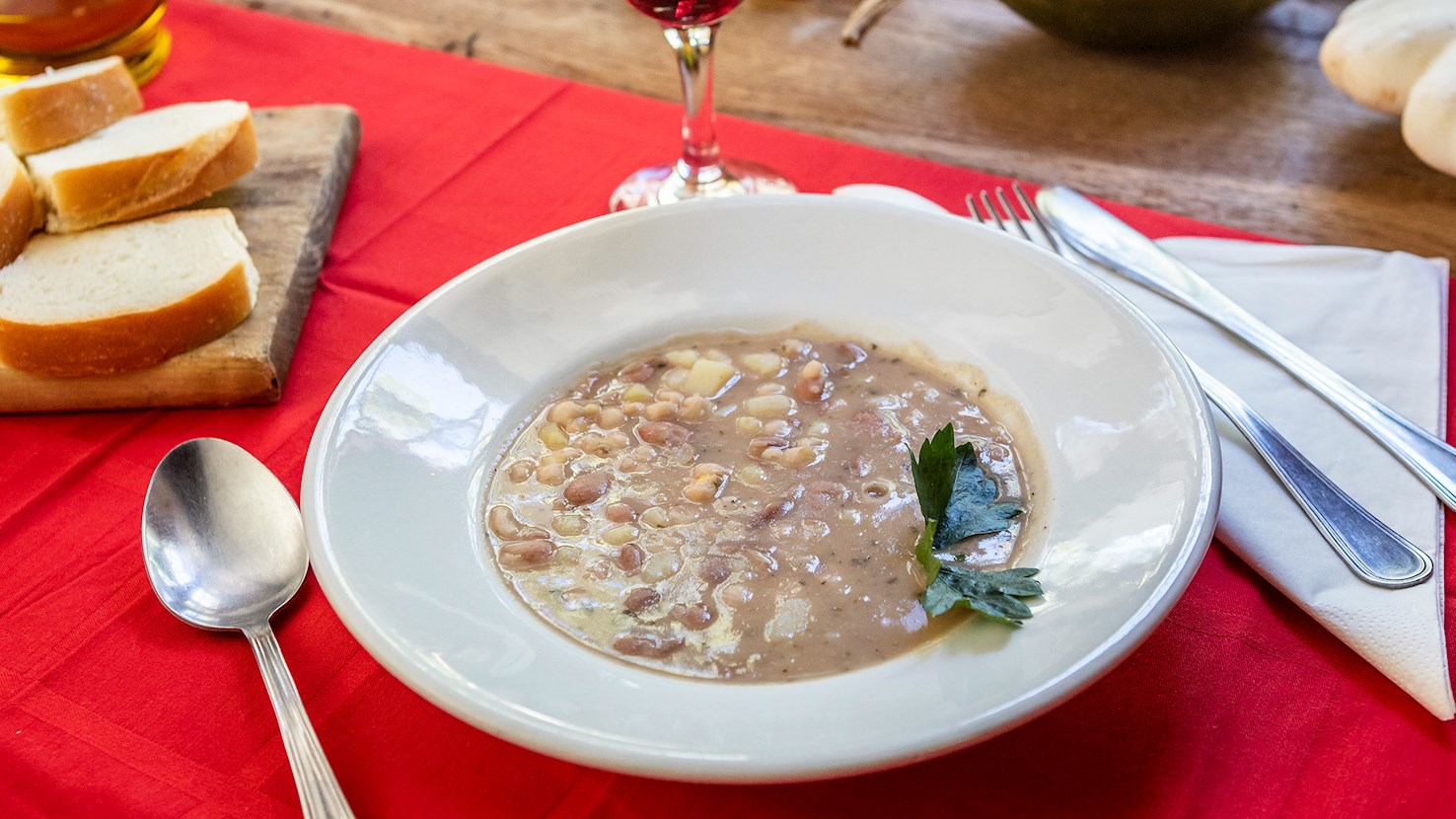
Fazolová is a traditional bean soup. Although it appears in numerous varieties, it usually consists of plump white beans cooked in a flavorful broth, with an option to add potatoes, root vegetables, and smoked meat. It is usually enriched with sour cream or thickened with flour. This rustic dish is one of the most common soup varieties in the country, and can be found on the menus of many traditional restaurants. It is always served hot and is mainly enjoyed as a hearty appetizer.

07

Käferbohnensalat

3.6 ·

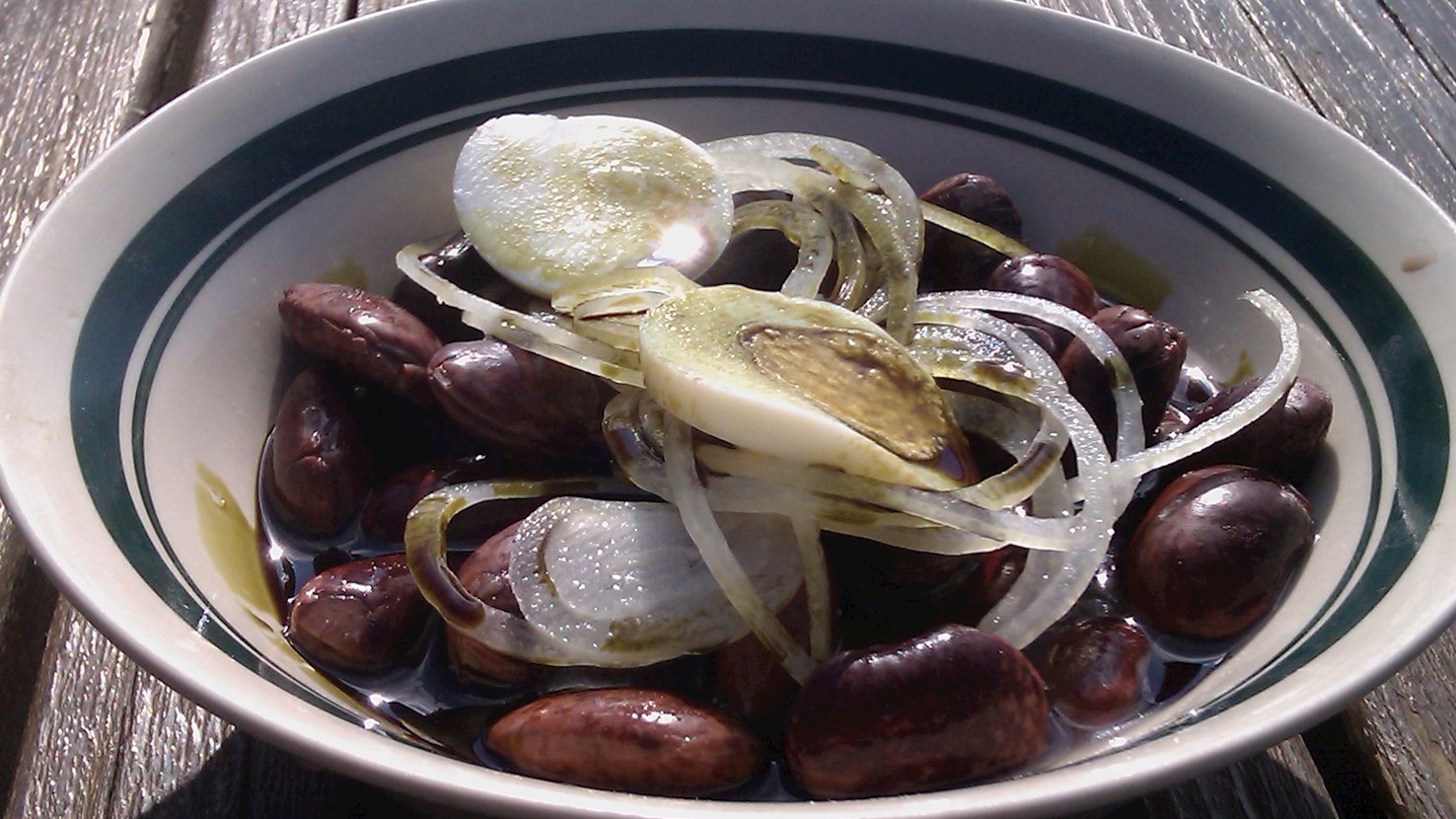
Käferbohnensalat is one of the most traditional dishes from the Austrian state of Styria. Käferbohnen, literally meaning beetle beans, also known as Styrian scarlet runner beans, are a variety of extra large, lilac-violet speckled beans that have been grown in Styria ever since the 16th century. In this simple salad, previously soaked and cooked beans are flavored with vinegar, pumpkin seed oil, onions (grated horseradish can be used instead), salt, pepper, and a pinch of sugar. This basic, traditional recipe is sometimes additionally enriched with hard-boiled eggs, peppers, corn, or tomatoes.

08

Maneštra

3.4 ·

Istrian maneštra is a Croatian take on the popular Italian minestrone soup. This hearty and thick stew-like soup is made with dried meat, beans, and spring corn. There are numerous variations on the dish, so maneštra is typically served as the first course when dried meat is omitted, and if it is prepared with meat, the dish is then usually served as a main course. Carrots, celery, turnips, onions, and tomatoes can all be used in maneštra, which is often flavored with parsley, black pepper, olive oil, and bay leaves. There is also the annual Maneštra Festival in the county of Gračišće. It is recommended to serve this nourishing soup with pieces of crusty bread on the side.

09

Grah s kiselom repom ili kiselim zeljem

3.4 ·

This comforting bean stew made with shredded pickled turnip (kisela repa) or sauerkraut (kiselo zelje) is traditionally prepared in northern parts of Croatia. To prepare it, dried beans are soaked overnight, boiled with smoked pork shin or ribs and bacon until cooked, then combined with pickled vegetables. The final touch lies in the thickening with a mixture of fried crushed garlic and a small amount of flour. Grah s kiselom repom is best enjoyed with slices of crusty homemade bread, and it tastes even better when paired with cooked sausages.

10

Istarska jota

3.4 ·

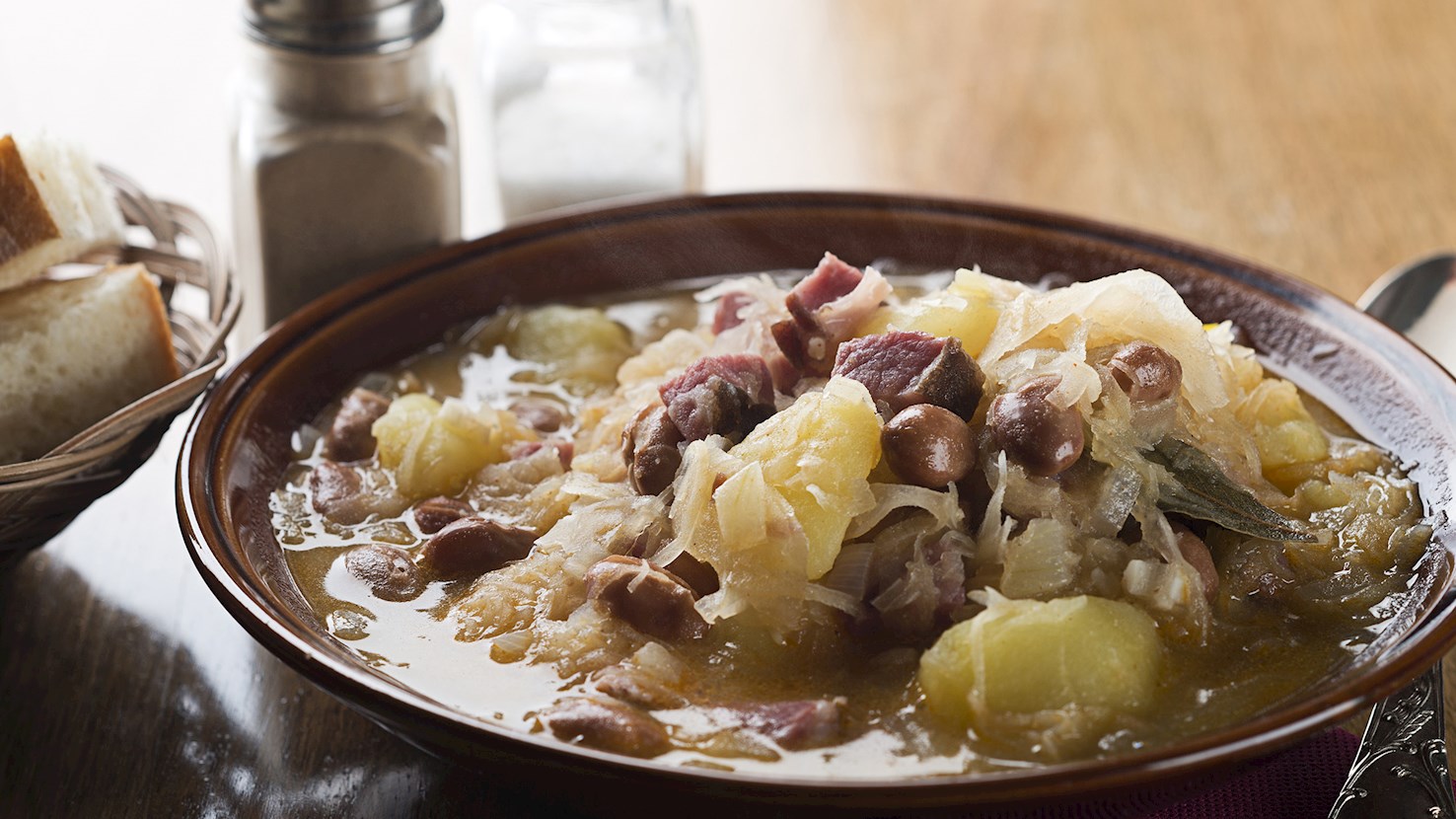
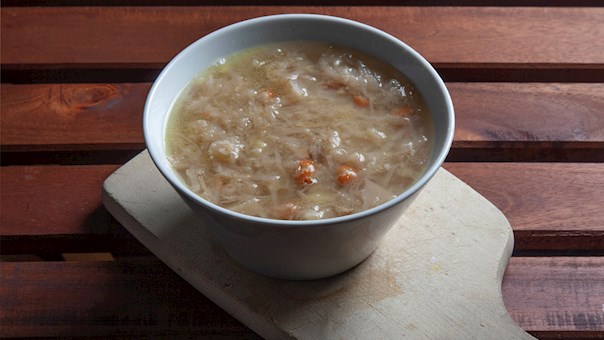
Istarska jota is an old dish that has been considered a poor man’s meal in the past. It is made with simple ingredients such as beans, sauerkraut or sour turnips, potatoes, bacon, spare ribs, onions, and garlic. All of the ingredients are seasoned with a few selected spices. The only constants of the dish are sauerkraut and olive oil, an unusual blend of Mediterranean and Central European influences on the region. This stew or thick soup is extremely popular in Istria and north-western Croatia, but also in parts of Slovenia and north-eastern Italy, specifically the territories that were under the Austro-Hungarian rule.

Read more
View all
View map
About this ranking

TasteAtlas food rankings are based on the ratings of the TasteAtlas audience, with a series of mechanisms that recognize real users and that ignore bot, nationalist or local patriotic ratings, and give additional value to the ratings of users that the system recognizes as knowledgeable. For the “Top 16 Central European Bean Dishes” list until June 15, 2026, 403 ratings were recorded, of which 282 were recognized by the system as legitimate. TasteAtlas Rankings should not be seen as the final global conclusion about food. Their purpose is to promote excellent local foods, instill pride in traditional dishes, and arouse curiosity about dishes you haven’t tried.

Similar lists