



Shutterstock

Top 18 Italian Bean Dishes

Last updated on May 16, 2026
01

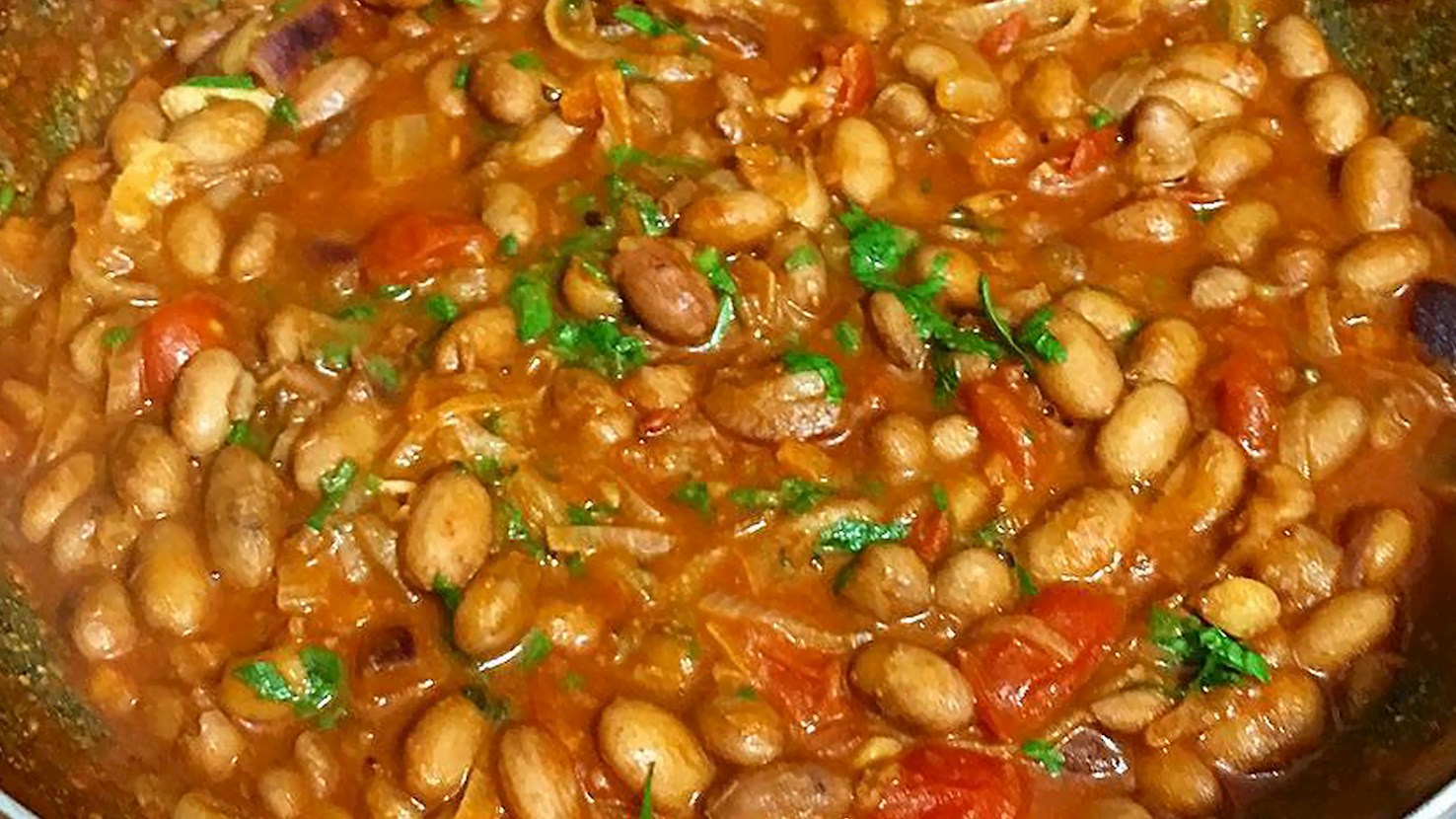
Fagioli all'uccelletto

3.7 ·

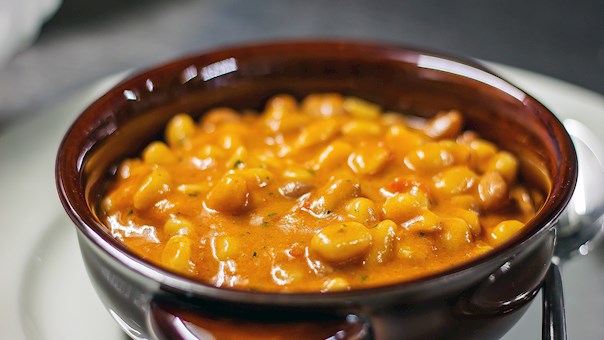
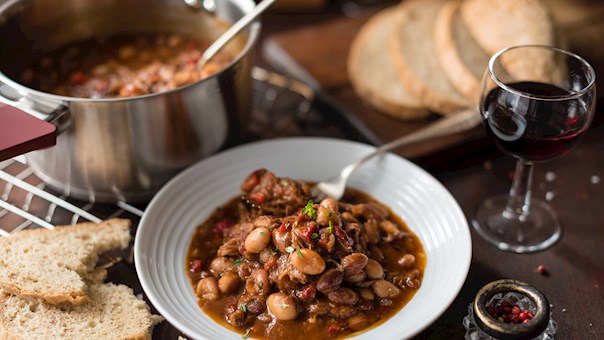
Fagioli all'uccelletto is an italian dish originating from Tuscany. It's made with a combination of cannellini beans, sage leaves, garlic, extra virgin olive oil, tomato paste, and fresh pork sausages. The beans and sausages are simmered over a low flame, then served with bread on the side. The beans should become creamy, while the sausages shoudn't release their fat and flavor. Fagioli all'uccelletto are served in nearly every trattoria in Tuscany, either as a hearty side dish or a main course. The name of the dish refers to sage and garlic, which are typically used for little birds known as uccelletti.

02

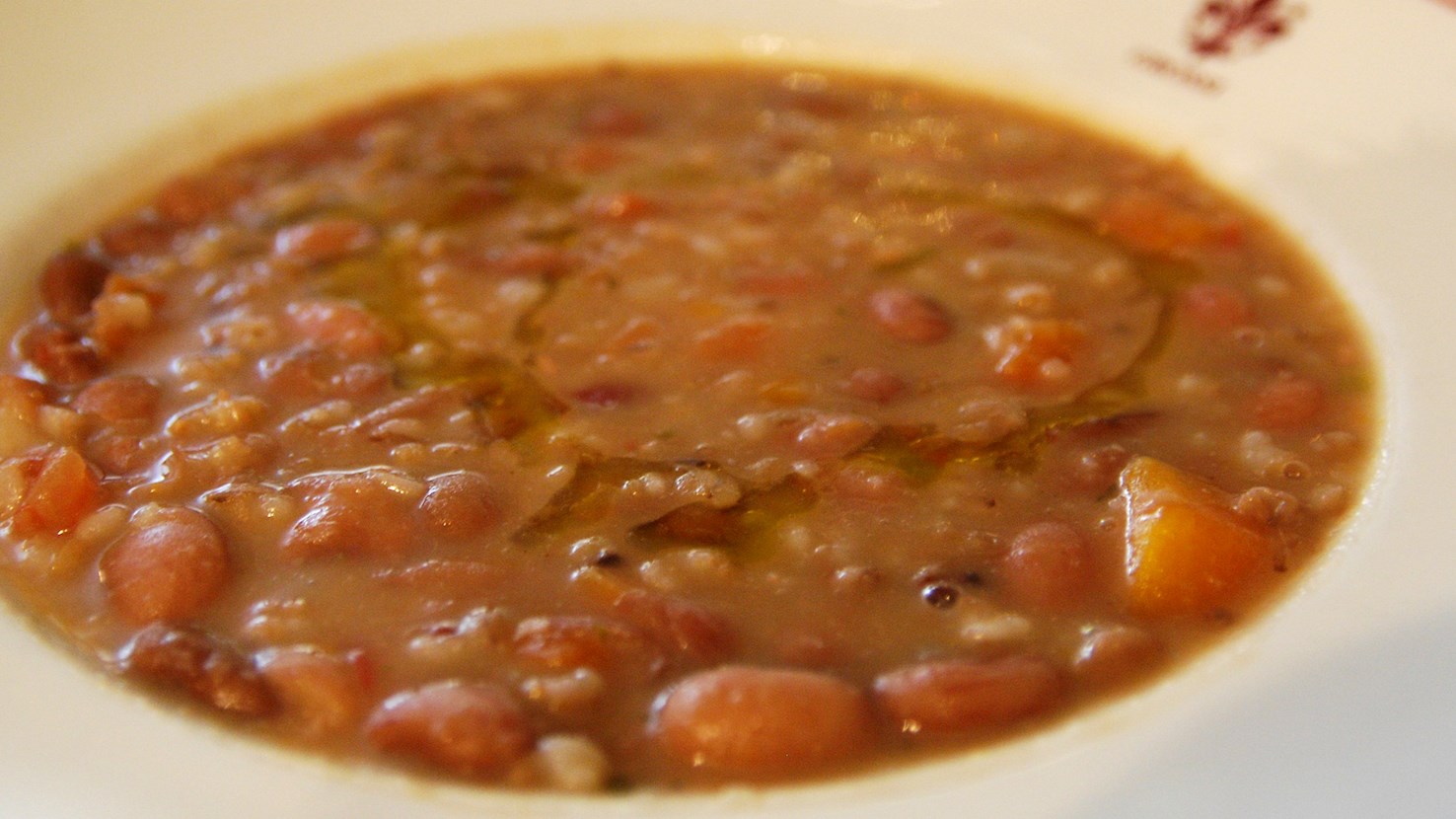
Pasta e fagioli

3.7 ·

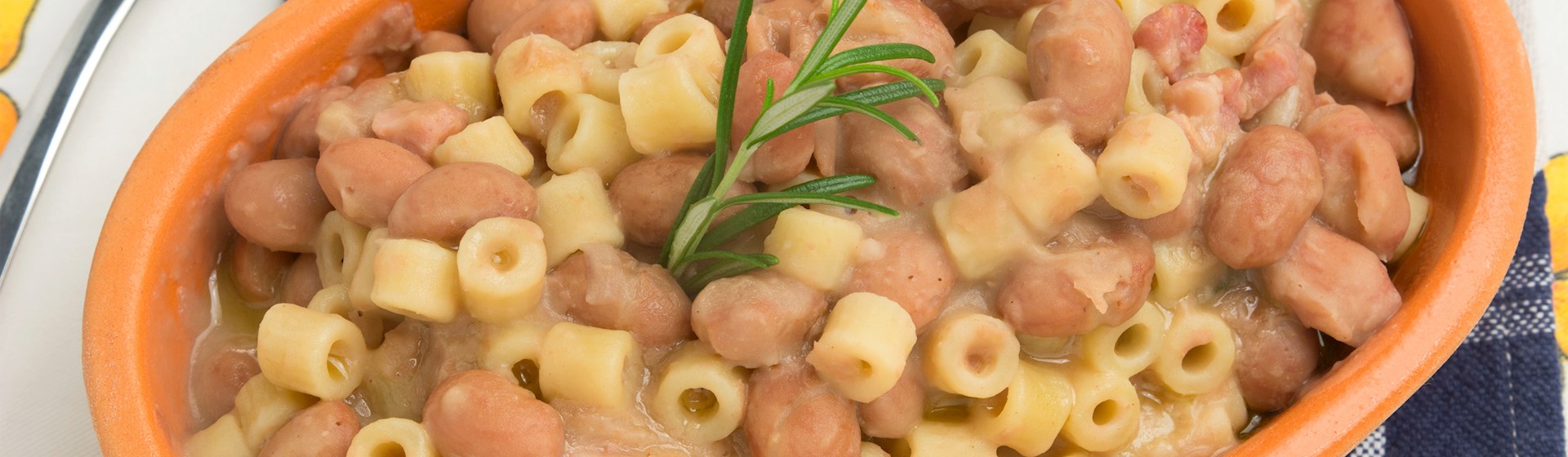
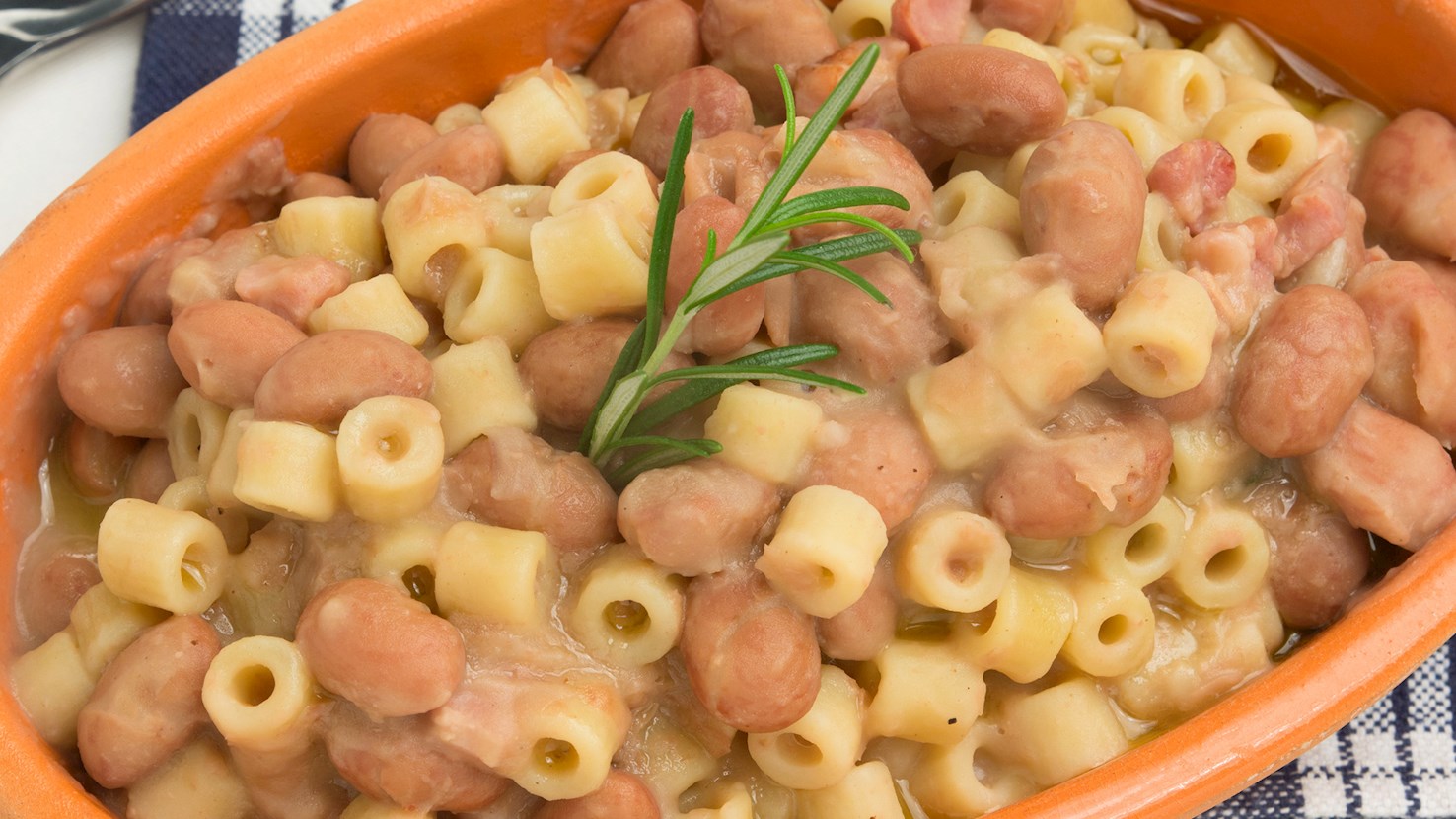
Pasta e fagioli is a traditional dish for which there are recipes throughout all Italian regions, and although there is no official recipe, there are numerous regional variations of the dish. Most often, the dish is made with beans and small varieties of pasta, cooked in a base of olive oil, onions, celery, carrots, garlic, and stewed tomatoes, or a broth which can be vegetarian or meat-based. Pasta e fagioli can have a soupy texture, but sometimes it is much thicker, depending on the regional variations. The dish started as a meal of the poor people and as a replacement for the expensive meat. In the past, it was mostly consumed as a winter soup because it is healthy, inexpensive, and filling. Today, it is consumed throughout the country, and in Veneto, pasta e fagioli is often enriched with pork and potatoes, while in Naples, it is very popular to eat it reheated the next day, because it is believed to taste even better.

03

Pasta e fagioli con cozze

3.4 ·

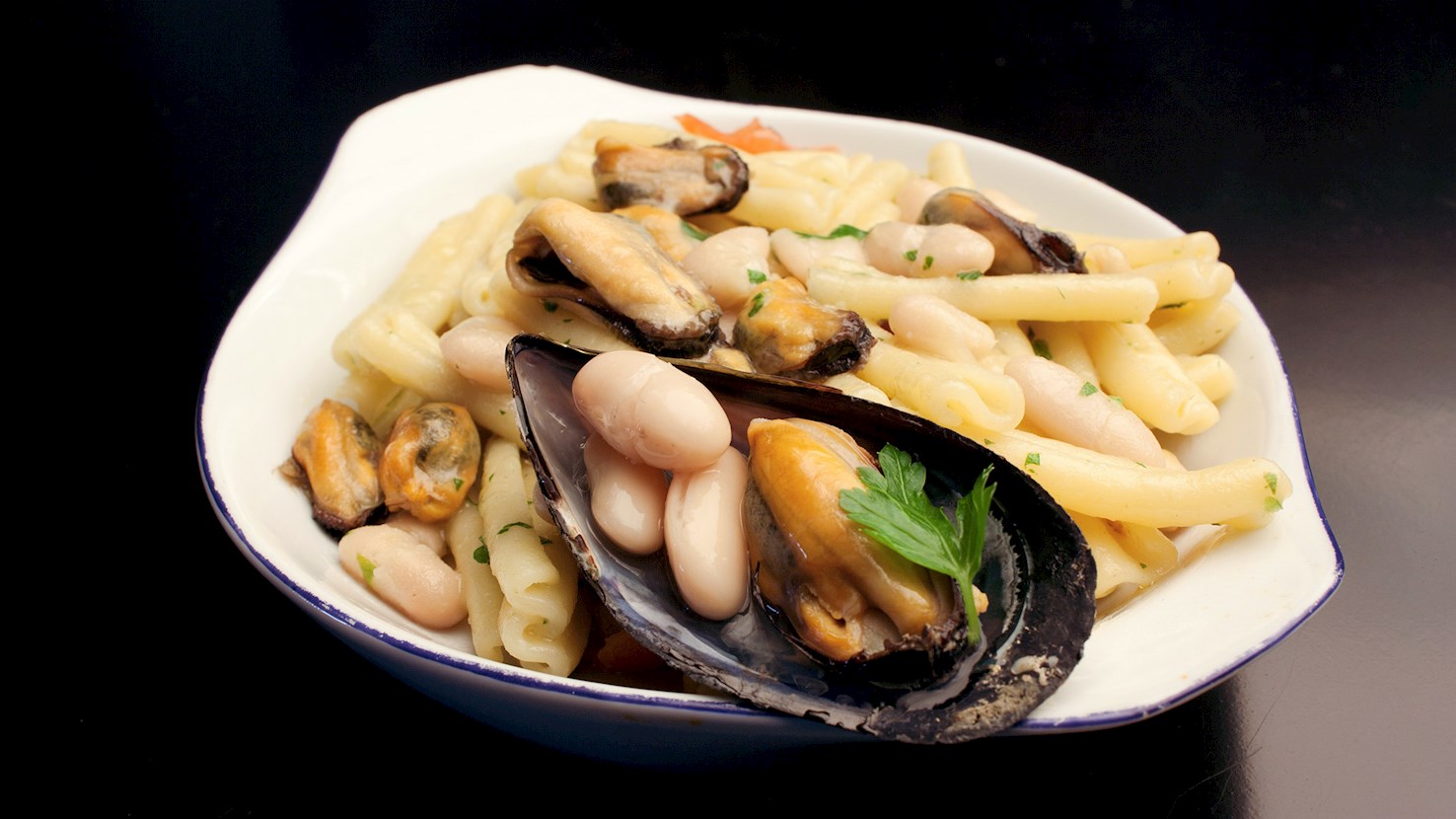
This Italian specialty is the Neapolitan version of the classic peasant dish called pasta e fagioli or pasta with beans. It is the addition of mussels (cozze in Italian), the liquid in which they’ve been cooking, and the simple combination of pasta and beans that sets this variation apart from a plethora of regional variations on the dish. Pasta e fagioli con cozze typically consists of mixed pasta or ditalini pasta, white cannellini beans (also borlotti or cranberry beans), mussels and their cooking liquid, garlic, white wine, olive oil, peperoncino or chili flakes, tomatoes, herbs, and seasonings. Traditionally, the dish is characterized by a thick and creamy consistency, although it may sometimes be a bit more on the soupy side. Often flavored with diced pancetta, this specialty is typically associated with the cuisine of the villages of the Sorrento peninsula. The pasta is usually enjoyed as a primo piatto (first course) and it's typically garnished with freshly chopped parsley, mussel shells, and a drizzle of extra virgin olive oil.

04

Fagiolata

3.1 ·

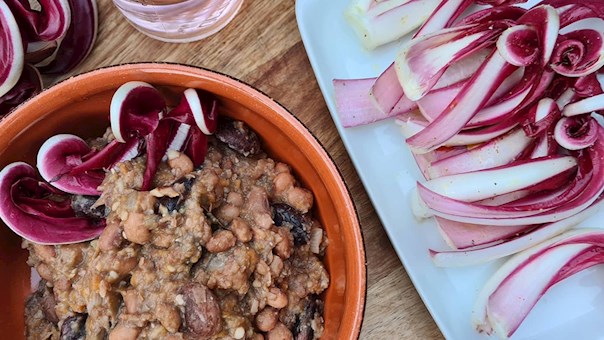
Fagiolata is a true feast for bean lovers: a thick soup made with many different types of beans, each contributing to the final flavor and texture of the dish. Red beans, black beans, borlotti, cannellini, or any other varieties are slowly simmered and flavored with salt, pepper, and olive oil. Nowadays, fagiolata is served with toasted bread, but originally it was a great way to use the old, hardened bread which was placed on the plate before pouring the hot soup in it. The soup would soak the bread, thus making it delicious and soft once again. A drizzle of extra-virgin olive oil before serving additionally enhances the flavors of this hearty dish.

05

Minestra di farro

3.1 ·

Minestra di farro (also known as zuppa di farro) is an ancient cucina povera winter soup prepared throughout Italy, particularly in the regions of Tuscany, Umbria, and Lazio, where farro has been grown for centuries. Farro's nutty flavor and a pleasantly chewy bite make it a perfect addition to soups. In its basic version, minestra di farro consists of pancetta, onions, carrots, celery, meat stock, tomatoes, and farro. The usual seasonings and flavorings include salt, pepper, garlic, and aromatic herbs, while some recipes suggest the addition of dried borlotti beans, soaked overnight and cooked the next day. Cold winter days are a perfect occasion to simmer up a pot of this bone-warmer: it is best enjoyed hot, finished with a drizzle of extra virgin olive oil and accompanied by a glass of red wine.

06

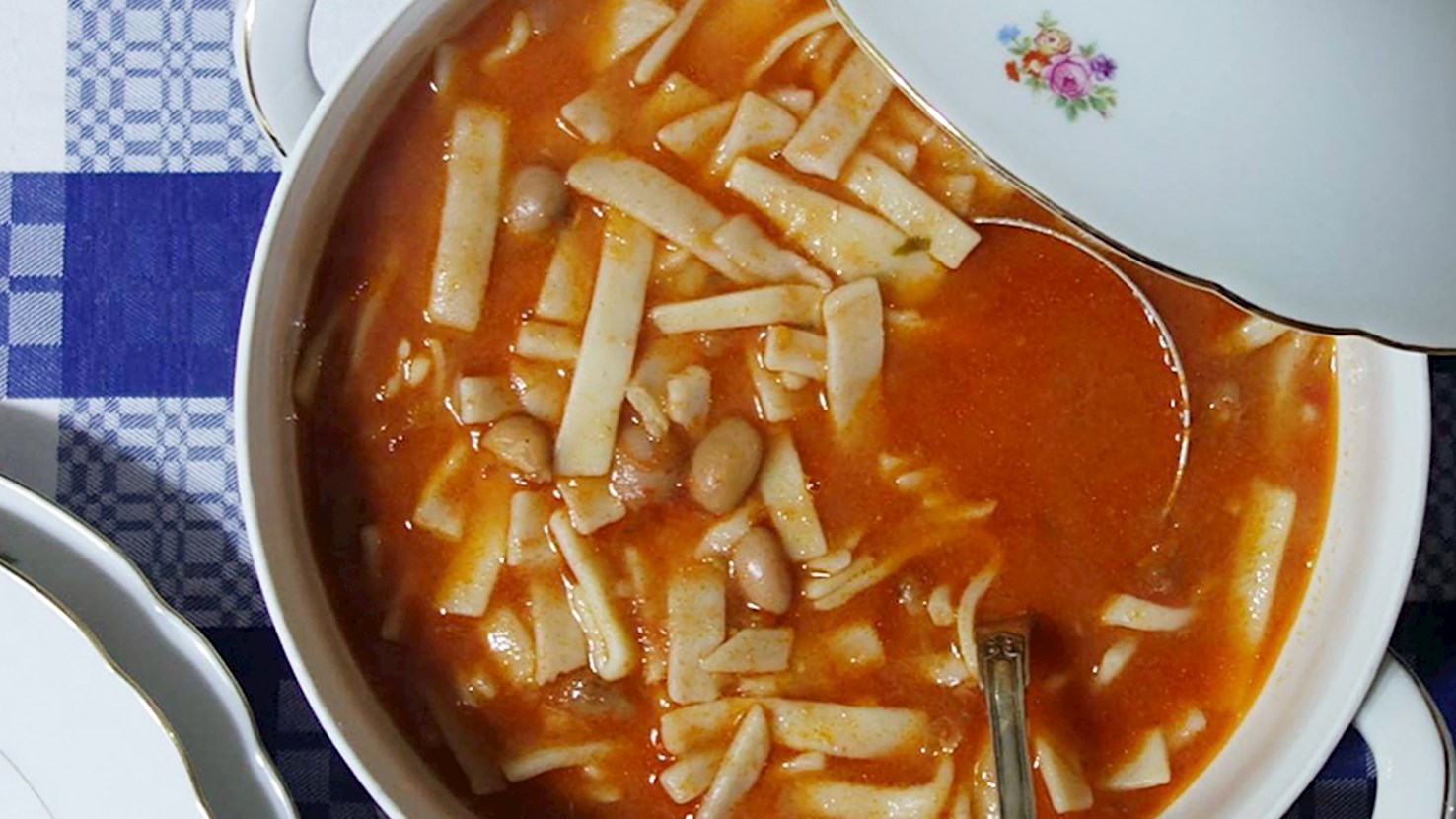
Sagne e fagioli

3.1 ·

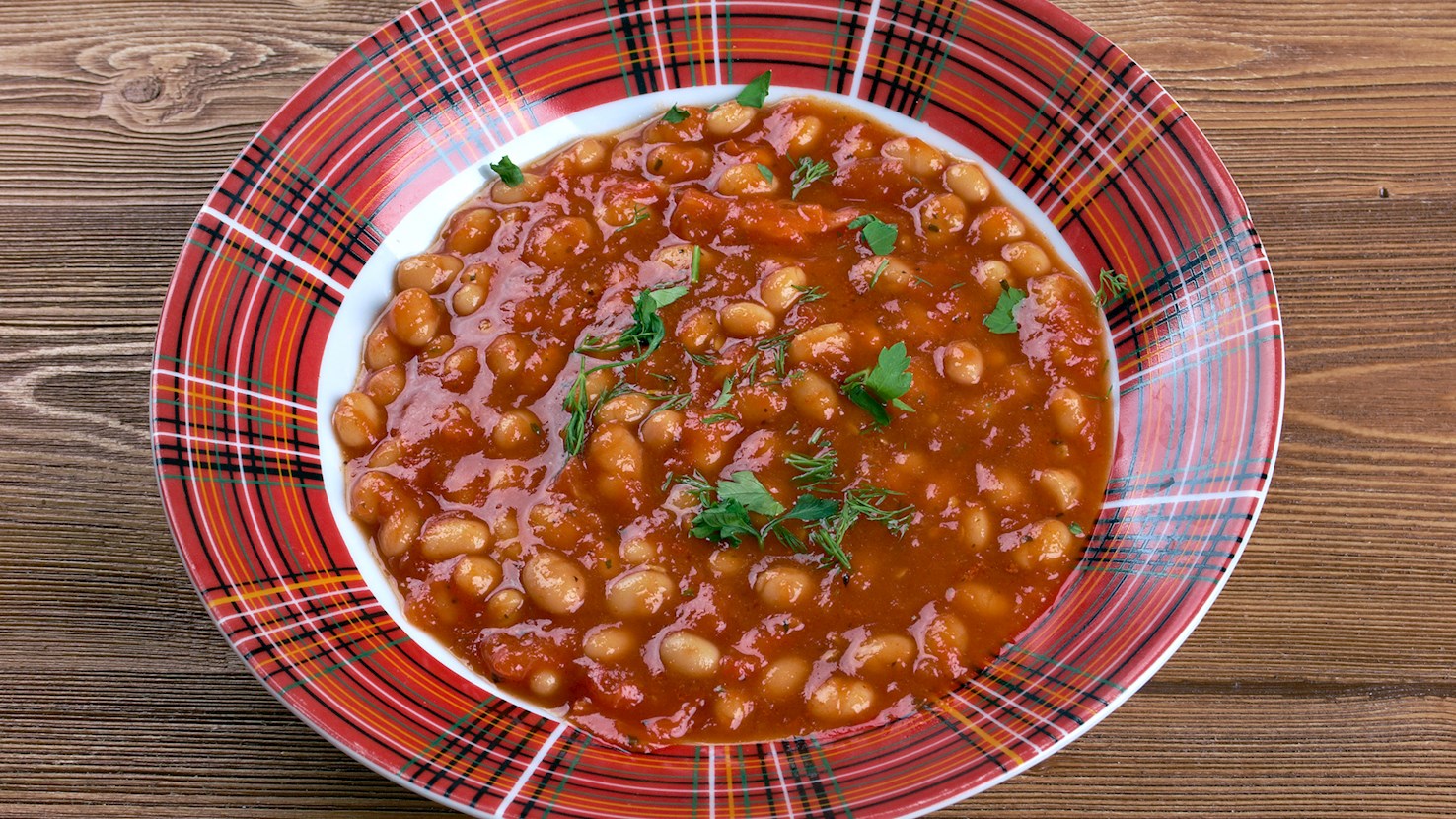
Sagne e fagioli is a rustic Italian dish that's often enjoyed in Abruzzo and Molise. It's made by cooking beans in tomato sauce, while strips of homemade pasta are added to the pot near the end of cooking. The homemade pasta noodles are made with flour and water, while the sauce is usually made with tomatoes, celery, carrots, onions, chili peppers, and olive oil. If desired, the dish can be enriched with pancetta or pork rinds. It's recommended to serve sagne e fagioli with a glass of Montepulciano d'Abruzzo wine.

07

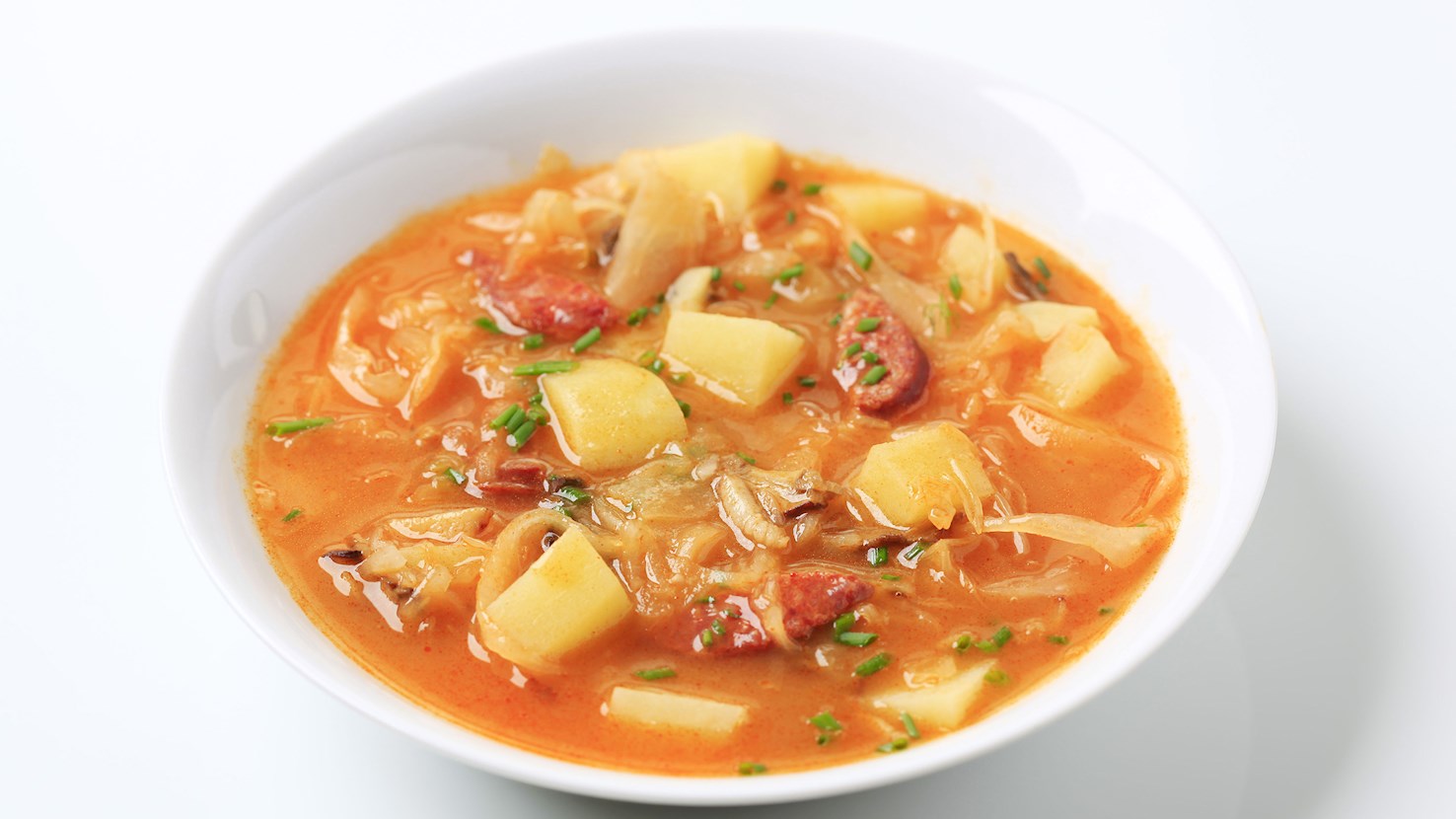
La jota triestina

3 ·

La jota triestina is a traditional soup originating from Trieste. Although there are various versions, the dish is usually made with a combination of beans, olive oil, potatoes, sauerkraut, flour, pancetta, garlic, cumin, bay leaves, salt, and pepper. The garlic, pancetta, and potatoes are fried in olive oil and mixed with the beans. The mixture is covered with water, covered, and simmered until the beans are tender. A mixture of sauerkraut, cumin, and bay leaves is boiled until the liquid has almost evaporated. The flour is cooked in oil until brown, and it's then mixed with the cooked sauerkraut and half of the bean mixture, while the other half is run through a food mill and it's then added to the soup. Once it gets thick enough, la jota is seasoned to taste and it's then served warm as an appetizer or as an accompaniment to meat dishes. It is said that the soup tastes even better once it's reheated.

08

Scafata

n/a ·

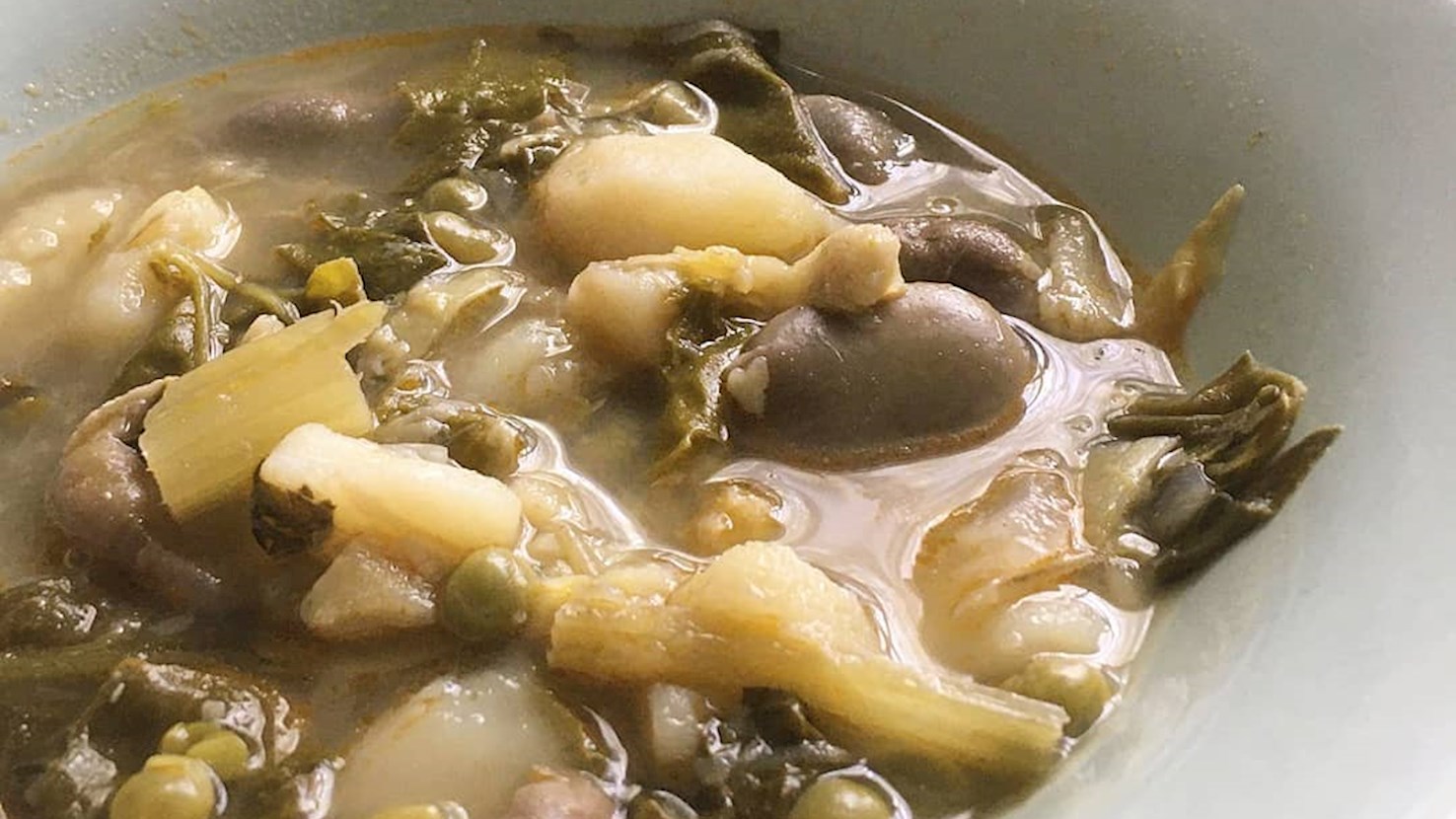
Scafata is a traditional stew originating from the region of Umbria. The dish is made with a combination of broad beans (fava beans), Swiss chard, tomatoes, white wine, olive oil, chili peppers, pancetta, carrots, onions, celery, and rosemary. The pancetta, carrots, onions, celery, rosemary, and chili peppers that have been soaked in water to soften are chopped and sautéed in olive oil in an earthenware dish or a heavy saucepan. The broad beans, white wine, tomato passata, and salt are added to the pan and the stew is simmered for more than an hour. The Swiss chard is added near the end of cooking, and the dish is then ready to be served, usually as an accompaniment to roasted or grilled meat, although it can also be enjoyed on its own.

09

Cavatelli e fagioli (Cavatelli and Beans)

n/a ·

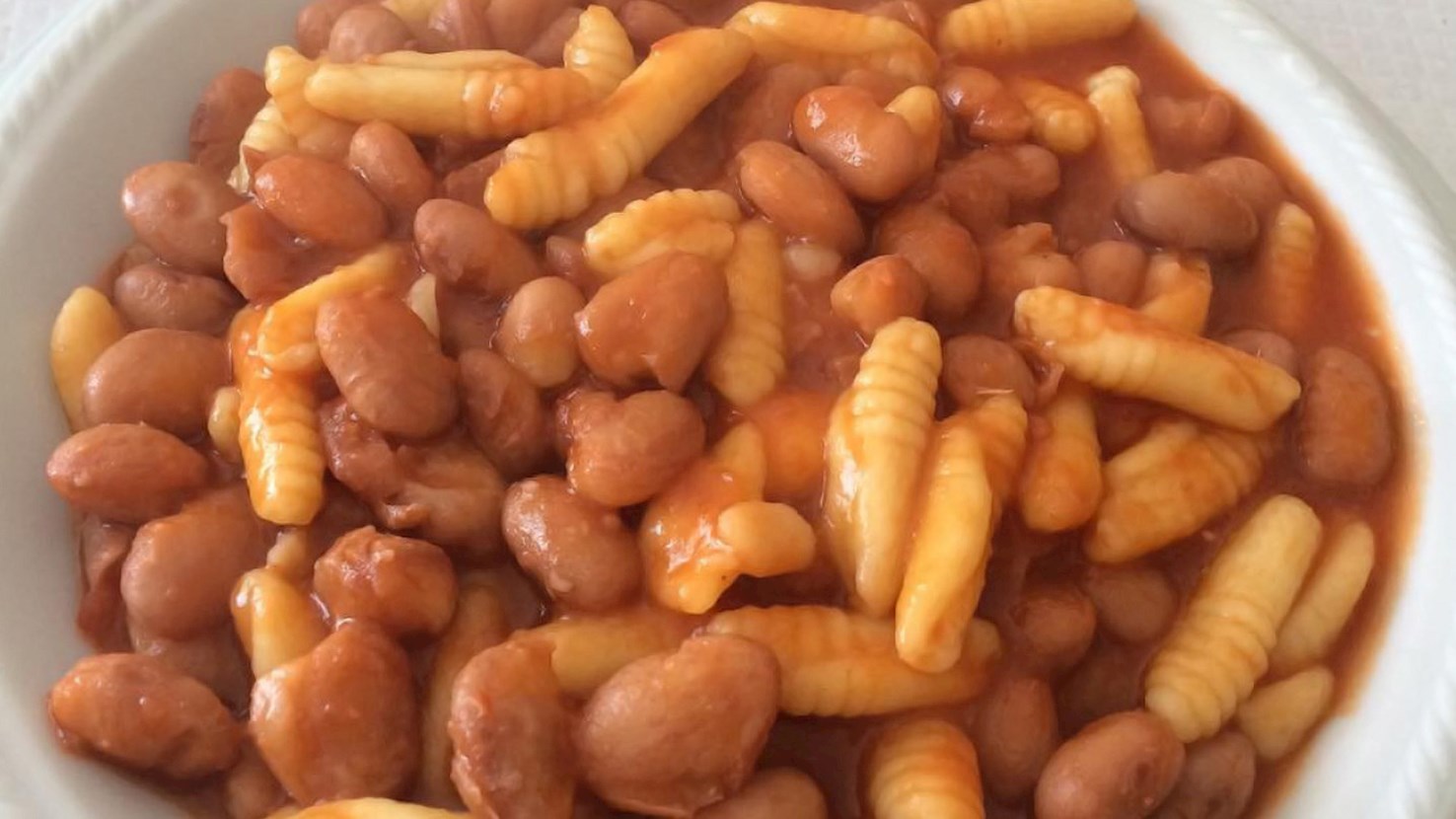
Cavatelli e fagioli is a traditional dish originating from Basilicata. The dish is made with a combination of cavatelli pasta, beans, lard, garlic, hot peppers, and salt. The beans and cavatelli pasta are boiled in salted water, both in separate pots. The garlic and hot peppers are sautéed in lard until aromatic. Beans are added to the pan and heated through. The contents from the pan are mixed with the cavatelli pasta, and the dish is then served hot and ready to be enjoyed.

10

Risotto Pavese

n/a ·

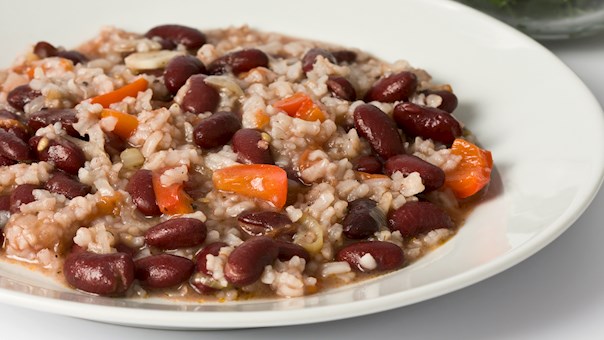
Originating from Pavia, risotto Pavese is a traditional dish made with borlotti beans as the most important ingredient. Apart from the beans, the risotto contains rice, broth, carrot, onions, garlic, olive oil, butter, tomatoes, grated cheese, celery, and white wine. Before serving, butter and grated cheese are stirred into the risotto for even richer flavors.

Best restaurants
Read more
View all
View map
About this ranking

TasteAtlas food rankings are based on the ratings of the TasteAtlas audience, with a series of mechanisms that recognize real users and that ignore bot, nationalist or local patriotic ratings, and give additional value to the ratings of users that the system recognizes as knowledgeable. For the “Top 18 Italian Bean Dishes” list until May 16, 2026, 278 ratings were recorded, of which 192 were recognized by the system as legitimate. TasteAtlas Rankings should not be seen as the final global conclusion about food. Their purpose is to promote excellent local foods, instill pride in traditional dishes, and arouse curiosity about dishes you haven’t tried.

Similar lists