


shutterstock

Top 7 Italian Beans

Last updated on June 24, 2026
01

Fagiolo di Sarconi

n/a ·

Grown at altitudes of 600m, in fertile alluvial soils characterized by good water retention and no limestone, Fagiolo di Sarconi refers to the fresh or dry beans of the Cannellino, Borlotto, Tabacchino, San Michele Rosso and 15 other derived ecotypes cultivated within the province of Potenza. Sarconi beans are harvested either green or when they reach complete maturation, after which they must be dried. These savory flavored beans are quite tender, easily digestible, and prized for their short cooking time, which is why they are most often used in salads, soups and minestrones.

02

Fagiolo di San Quirino

n/a ·

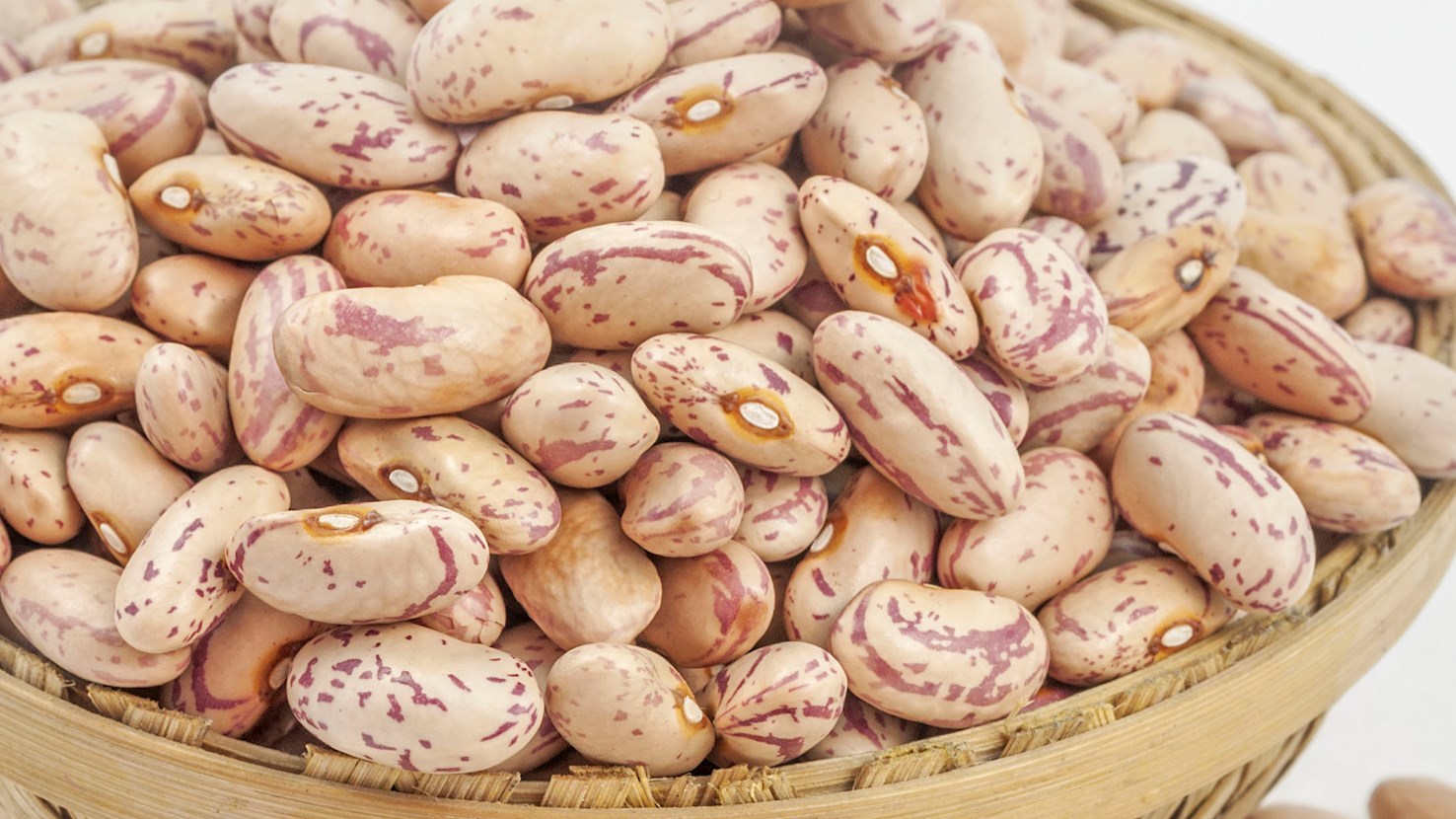
Fagiolo di San Quirino is a traditional bean variety originating from a small town near Pordenone called San Quirino. The beans are pale brown in color with a white eye and a dark brown iris, while the shape is elongated. They're traditionally harvested manually and left to dry in the sun for a few days before they're stored in jute sacks. Once cooked, the skin of fagiolo di San Quirino becomes extremely thin, while the texture of the flesh remains smooth and compact. It's recommended to use these beans in soups such as pasta e fagioli or in dishes such as fasoi e frumenton – a mixture of beans, wheat, parsley, potatoes, oil, lard, and seasonings.

03

Fagiolo di Sorana

n/a ·

Grown along the Pescia River, on about a dozen farms located in the Tuscan province of Pistoia, Fagiolo di Sorana refers to the local legume cultivar of the Phaseolus vulgaris L. botanical species. Because of their slightly flattened shape, Sorana beans are also called Piattellini. They are picked from August to September, and once dried they are available year round. The flavorful Sorana beans are easy to digest and thus featured in various recipes, but the best way to enjoy them is as the Tuscans do it: make a simple cooked bean salad, seasoned to your taste with salt and white pepper, flavored with pomegranate, garlic, and chives, and drizzled with some extra virgin olive oil.

04

Fagiolo di Lamon della Vallata Bellunese

n/a ·

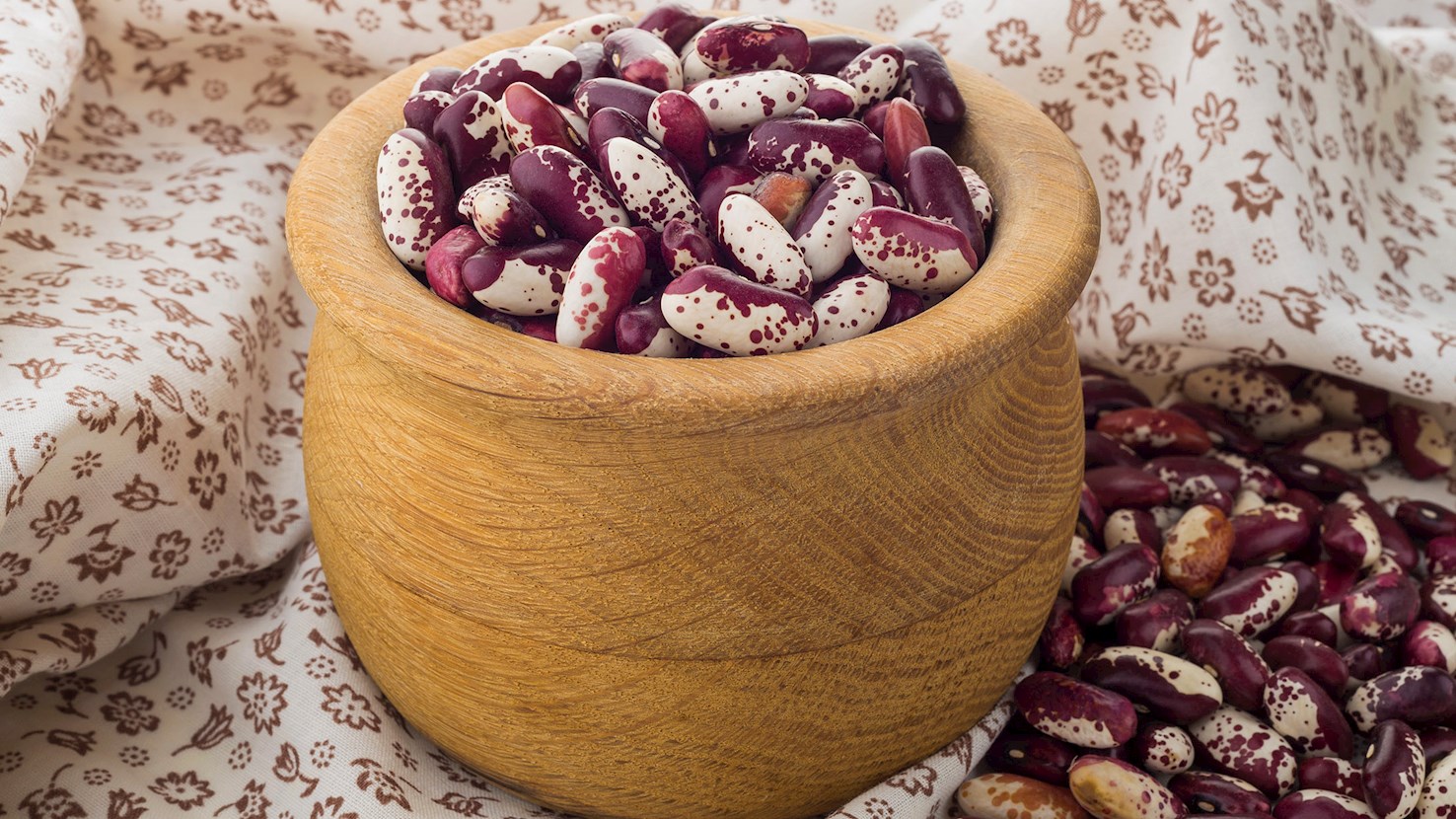
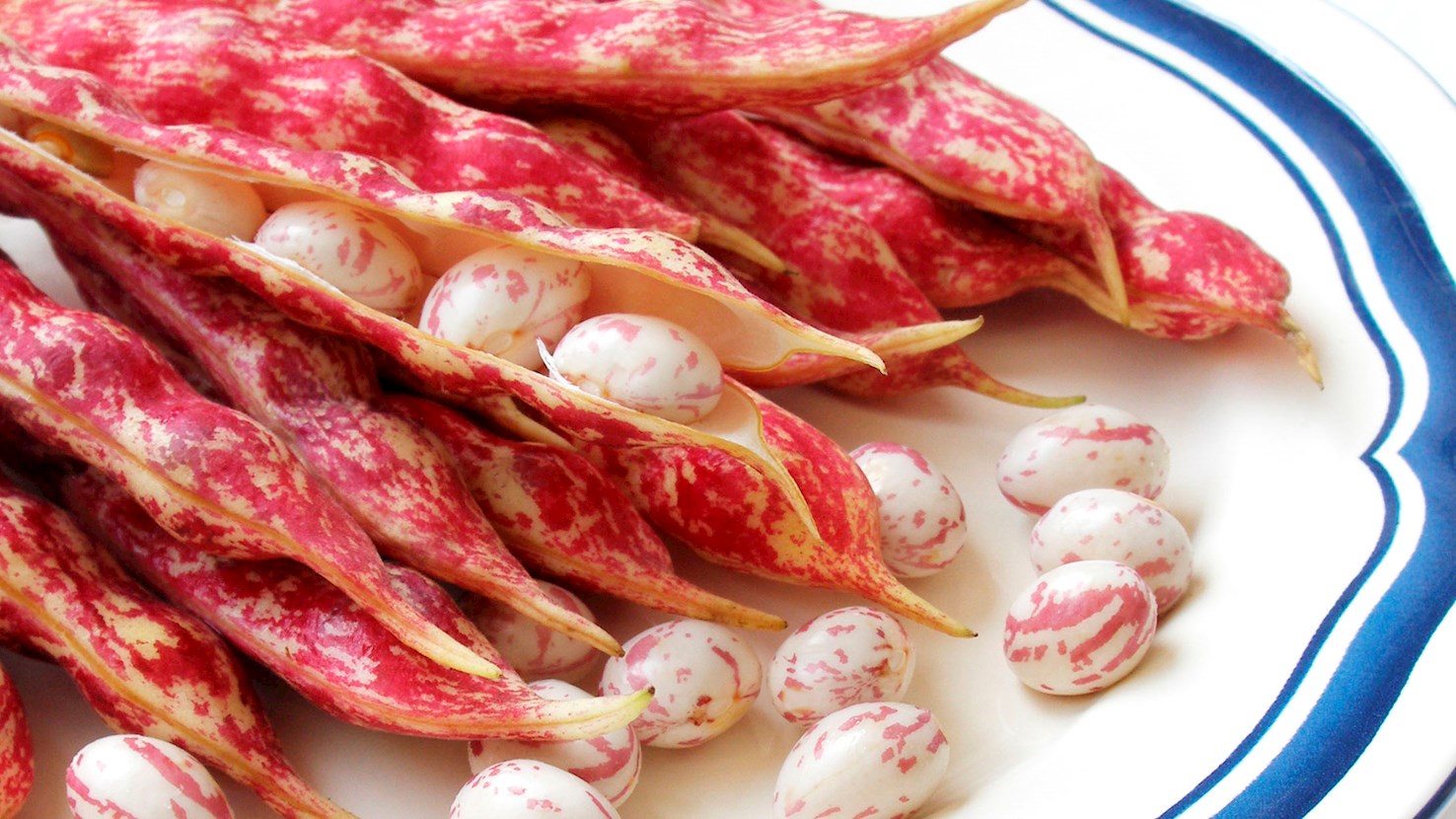
Grown on the fertile Lamon Plateau nestled in the Veneto's province of Belluno, Fagiolo di Lamon della Vallata Bellunese refers to the fresh or dry legumes of the following varieties: Spagnolo, Spagnolit, Calonega and Canalino. The color of these beans ranges from light tan speckled with maroon to dark crimson and they all have moderately thick skin and are easily digested. Lamon beans are harvested either green or fully ripe, after which they need to be dried. Known for centuries as a cheap alternative to meat, Lamon beans are today being rediscovered as an essential ingredient of many various minestrones, soups and salads, as well as an element of a healthy, balanced diet.

05

Fagiolo Cuneo

n/a ·

Named after the province of Cuneo in which they are traditionally grown, Fagiolo Cuneo refers to the red colored shelling-ready pods and dried beans of the Billò, Corona, and Bianco di Bagnasco legume varieties. Particularly rich in iron and protein, Cuneo beans are often used as an alternative to pasta and bread. After being soaked for at least 12 hours before cooking, the dried beans of Cuneo go amazingly well with garlic, lard, leeks, potatoes and chili peppers, and make for an excellent ingredient found in various soups, minestrones and cooked bean salads.

06

Fagiolo Cannellino di Atina

n/a ·

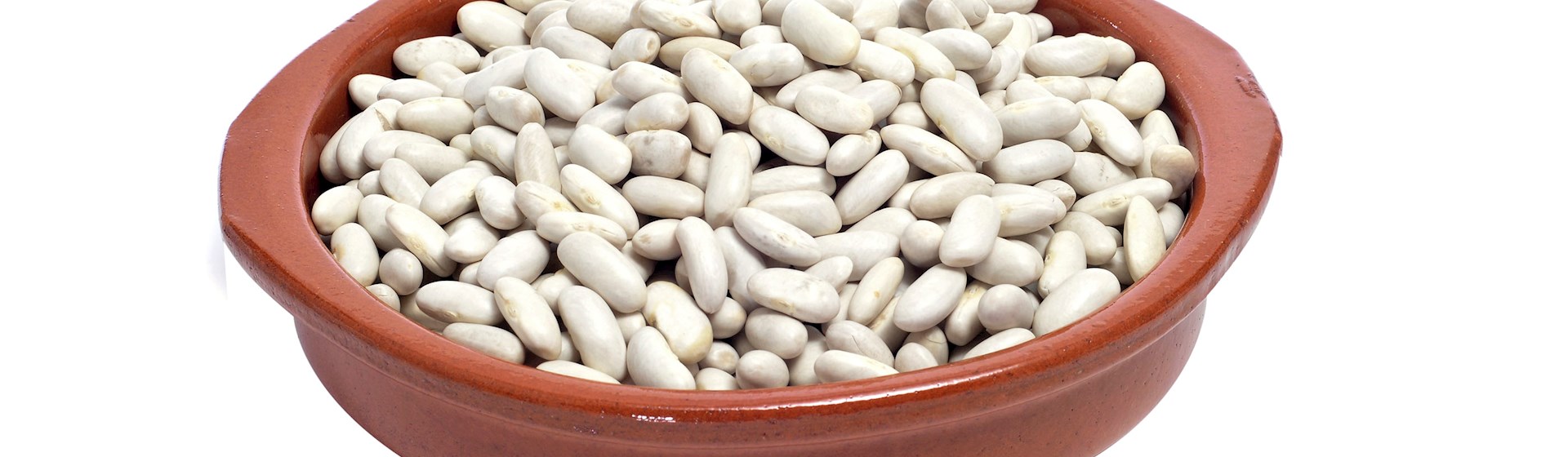
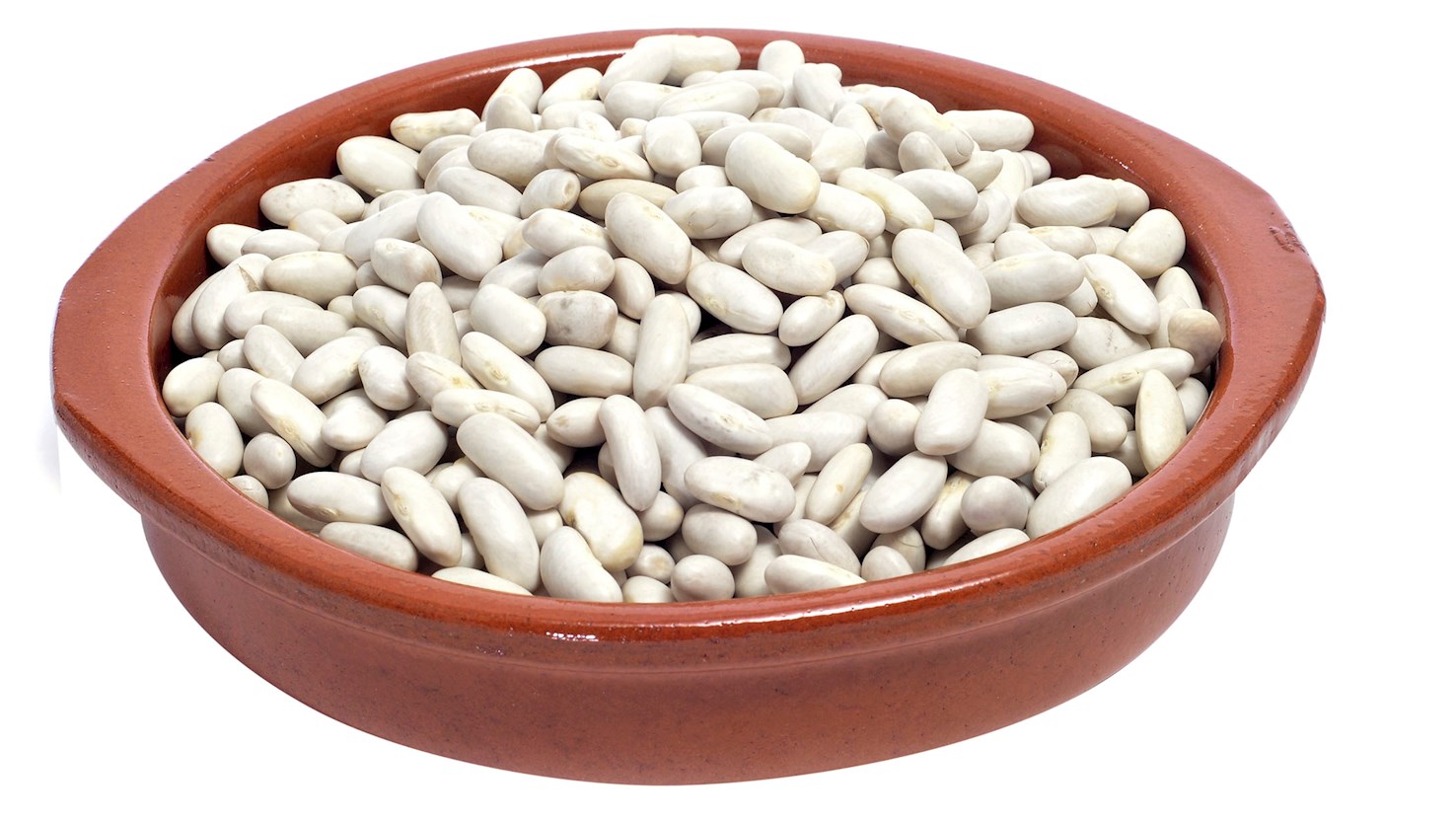
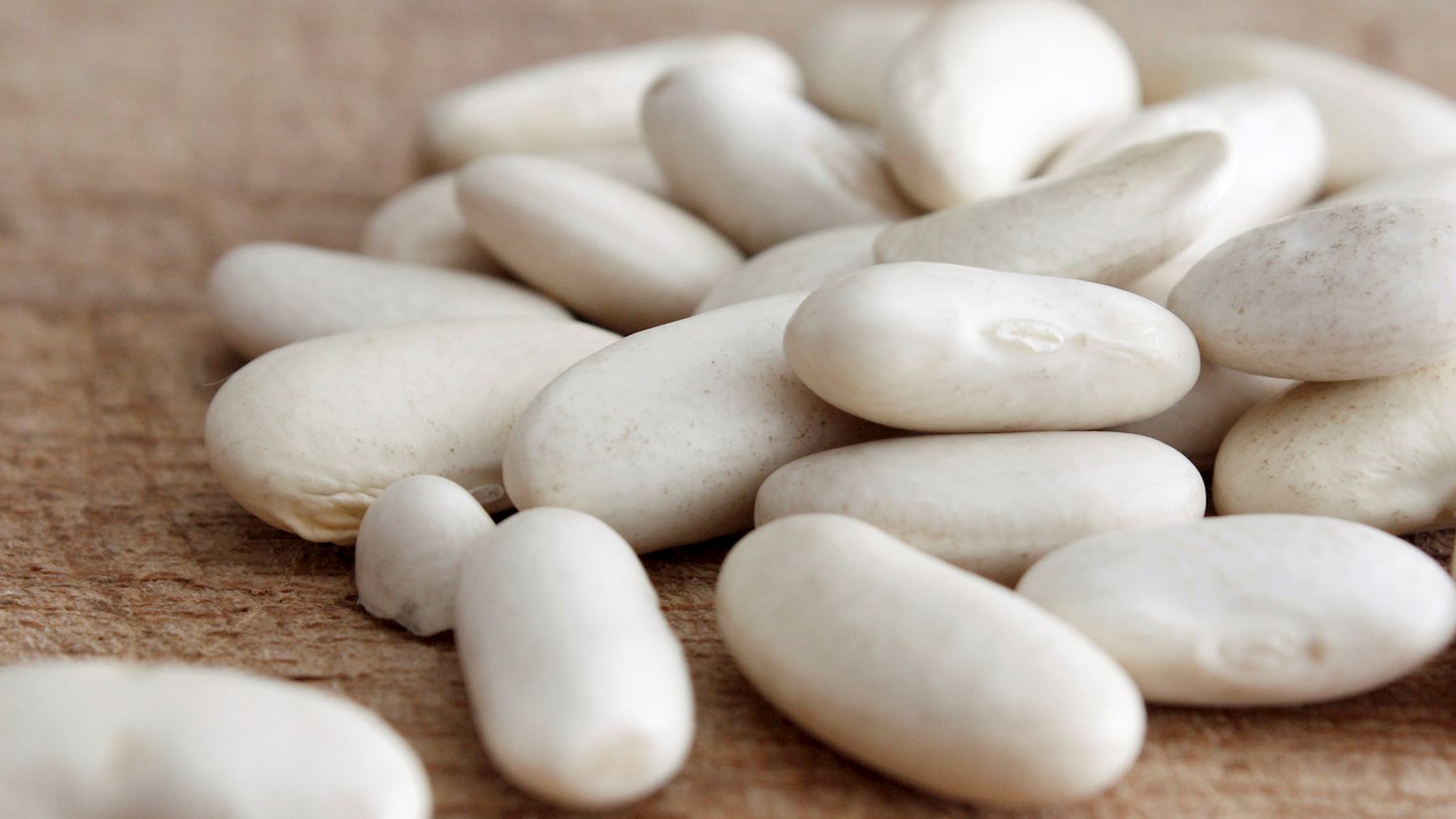
Grown in the province of Frosinone, on the fertile alluvial plains along the banks of river Melfa and the Mollarino stream, Fagiolo di Atina are white beans of the Cannellino variety. These extremely tender beans have a skin so thin they don't need to be soaked before cooking, which makes them one of Italy's favorite. Particularly sweet and creamy when cooked, they are found in every classic minestrone, various vegetable soups and bean salads, typically mixed with tuna, red onions and green beans. Also, Cannellino di Atina is the basic ingredient of many traditional Lazio dishes such as Pappafuocchie, a white bean and pasta chili-flavored stew.

07

Fagioli Bianchi di Rotonda

n/a ·

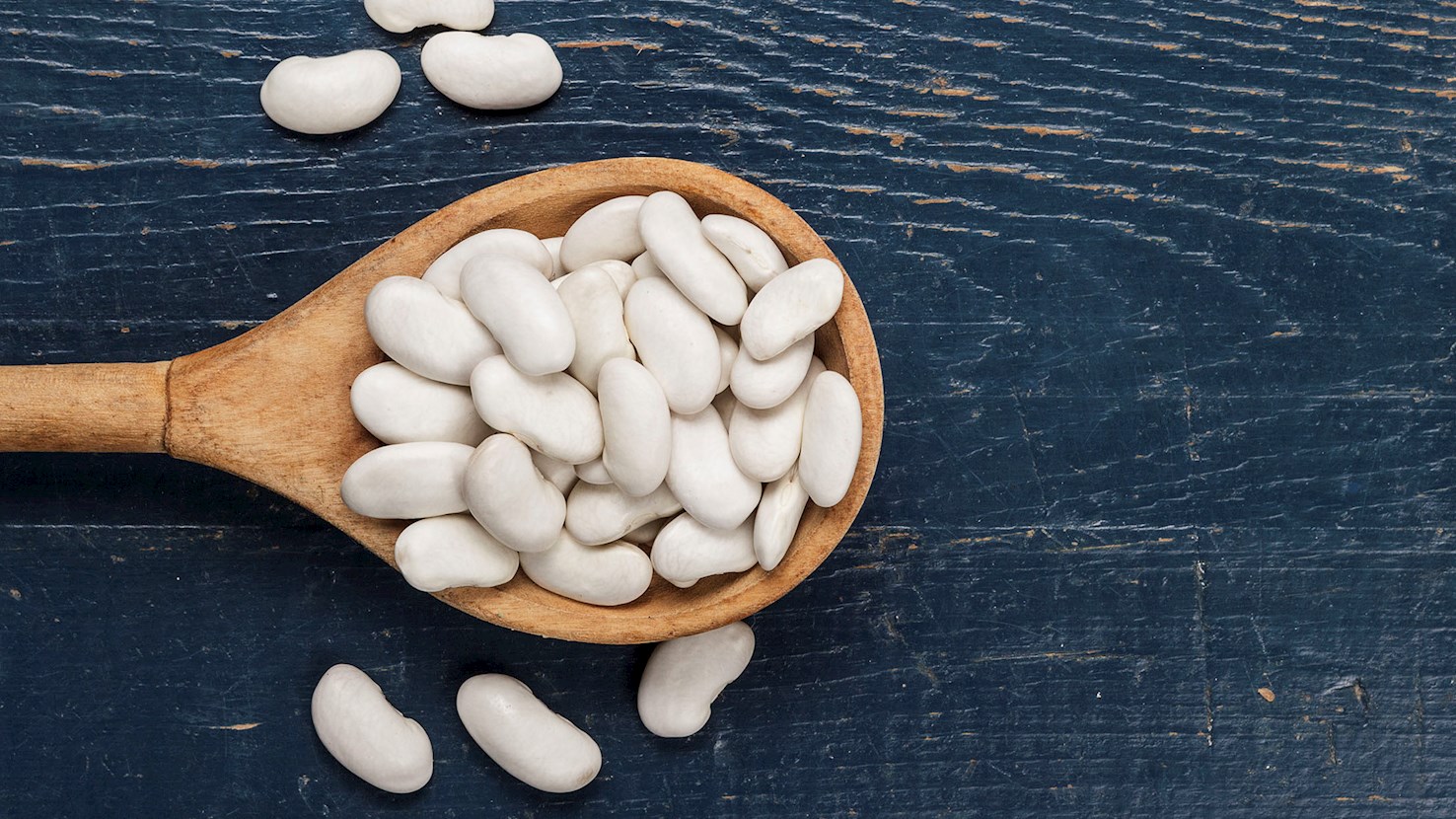
Legumes have always been present in the rural tradition of the Mercure Valley and played a major role in the agricultural history of the Basilicata region. A fundamental ingredient of the local Pollino cuisine, the white Rotonda beans are famous for their high protein content, which is well above the average of many other varieties. Cultivated within the territory of the Pollino National Park, two local ecotypes are marketed under this name: Fagiolo Bianco and Tondino, also known as Poverello Bianco. Rotonda beans are distinguished by a very thin white or ivory pod, and perfectly round to oval shaped white seeds, without any visible spots or streaks. According to popular belief, to provide for a good harvest, they are sown strictly in the first thirteen days of June, just before the Feast of Sant'Antonio. These delicate beans are carefully hand-picked either as green pods called vaiane or fagioli verdi in August and October, or later from September to November when they're harvested for the production of dried beans, which are even tastier and more flavorful.

Read more
View all
View map
About this ranking

TasteAtlas food rankings are based on the ratings of the TasteAtlas audience, with a series of mechanisms that recognize real users and that ignore bot, nationalist or local patriotic ratings, and give additional value to the ratings of users that the system recognizes as knowledgeable. For the “Top 7 Italian Beans” list until June 24, 2026, 14 ratings were recorded, of which 1 were recognized by the system as legitimate. TasteAtlas Rankings should not be seen as the final global conclusion about food. Their purpose is to promote excellent local foods, instill pride in traditional dishes, and arouse curiosity about dishes you haven’t tried.

Similar lists