



shutterstock

Top 29 Beans
in the World

Last updated on June 15, 2026

Best Beans Types in the World

01

Fasolia Plake Megalosperma Prespon Florinas

4 ·

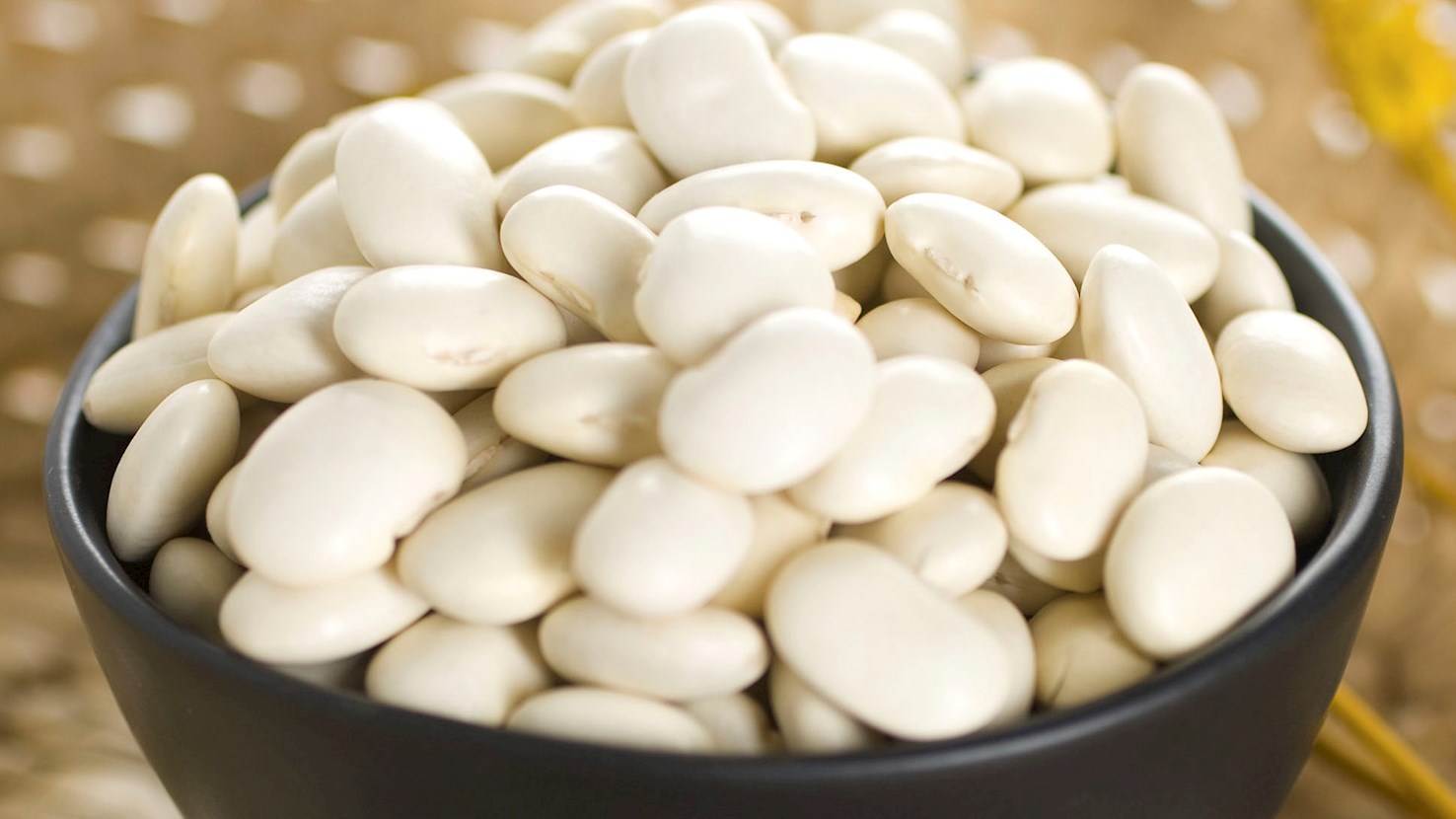
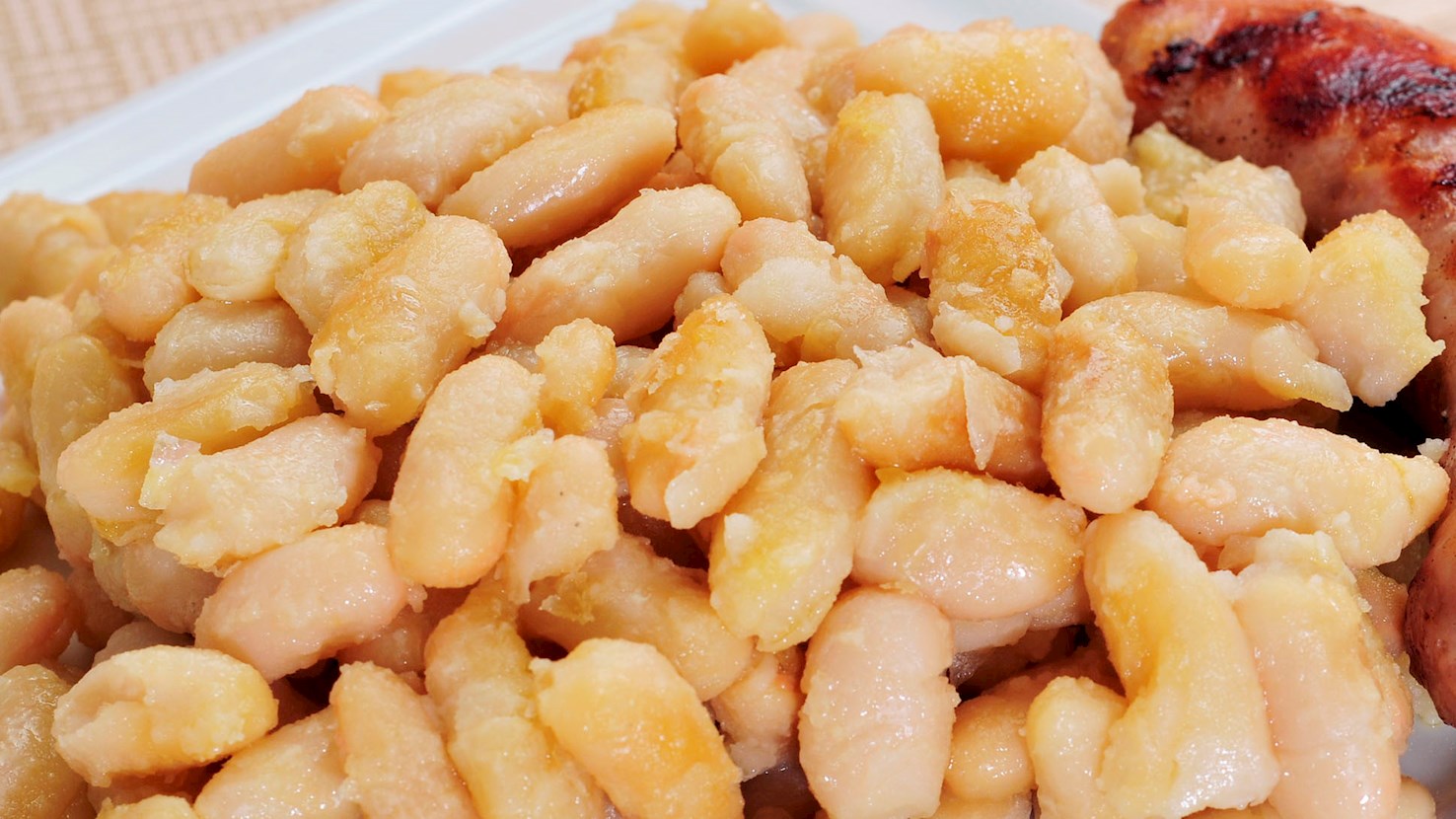
This is a variety of the common bean that is cultivated in the in the rural areas of the Prespon area of Fiorina prefecture. These beans owe their exquisite organoleptic properties to the unique microclimate and warm and fertile soil of the area. They have been cultivated here since the 16th century, and can be easily distinguished by their large size and white color. Fasolia Prespon Florinas are thin-skinned and easily prepared. When cooked, they are very tender and rich in flavor. Due to their creamy texture, they are often used to prepare a traditional Greek bean soup called Fasolatha.

02

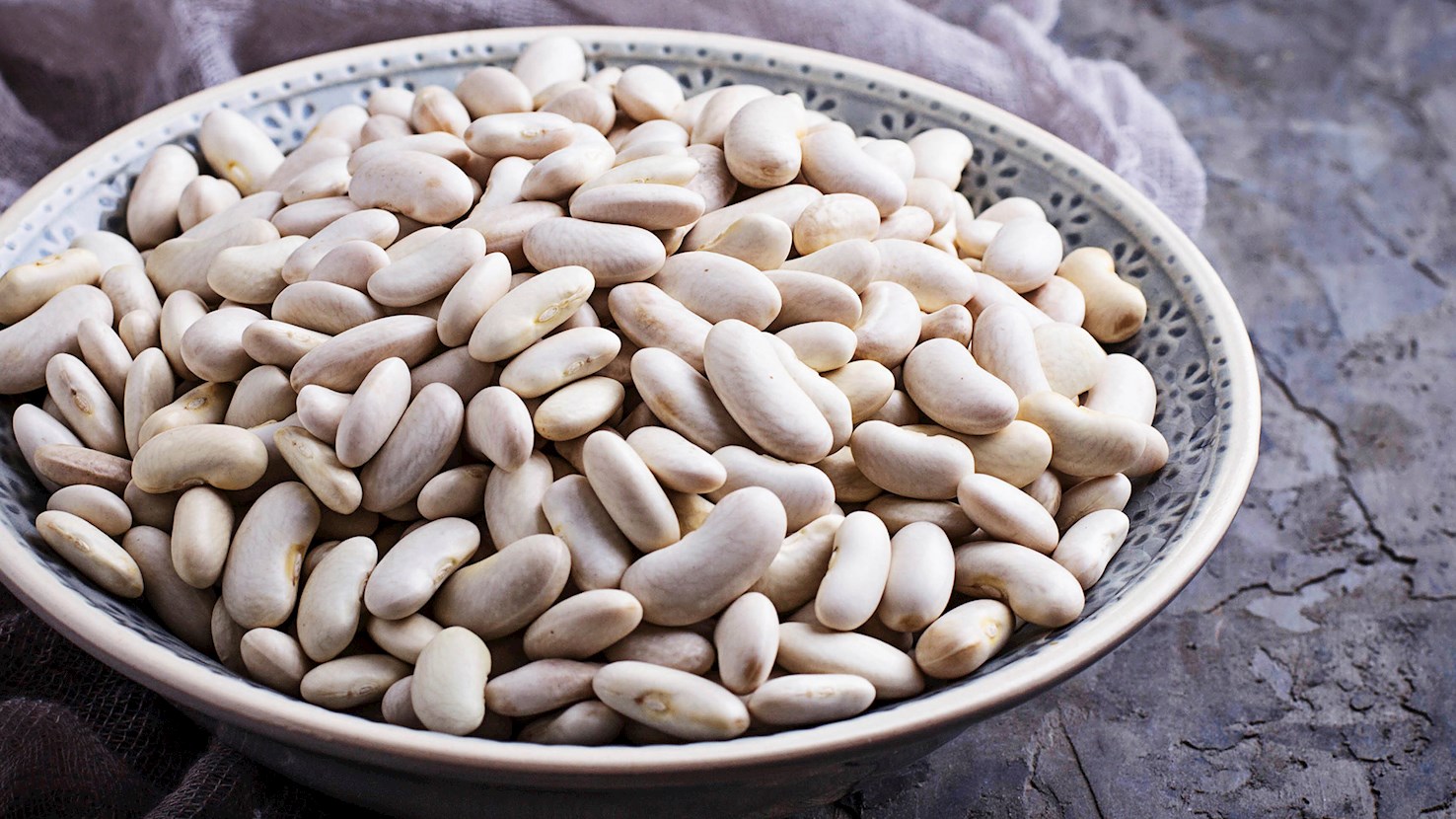
Faba Asturiana

3.7 ·

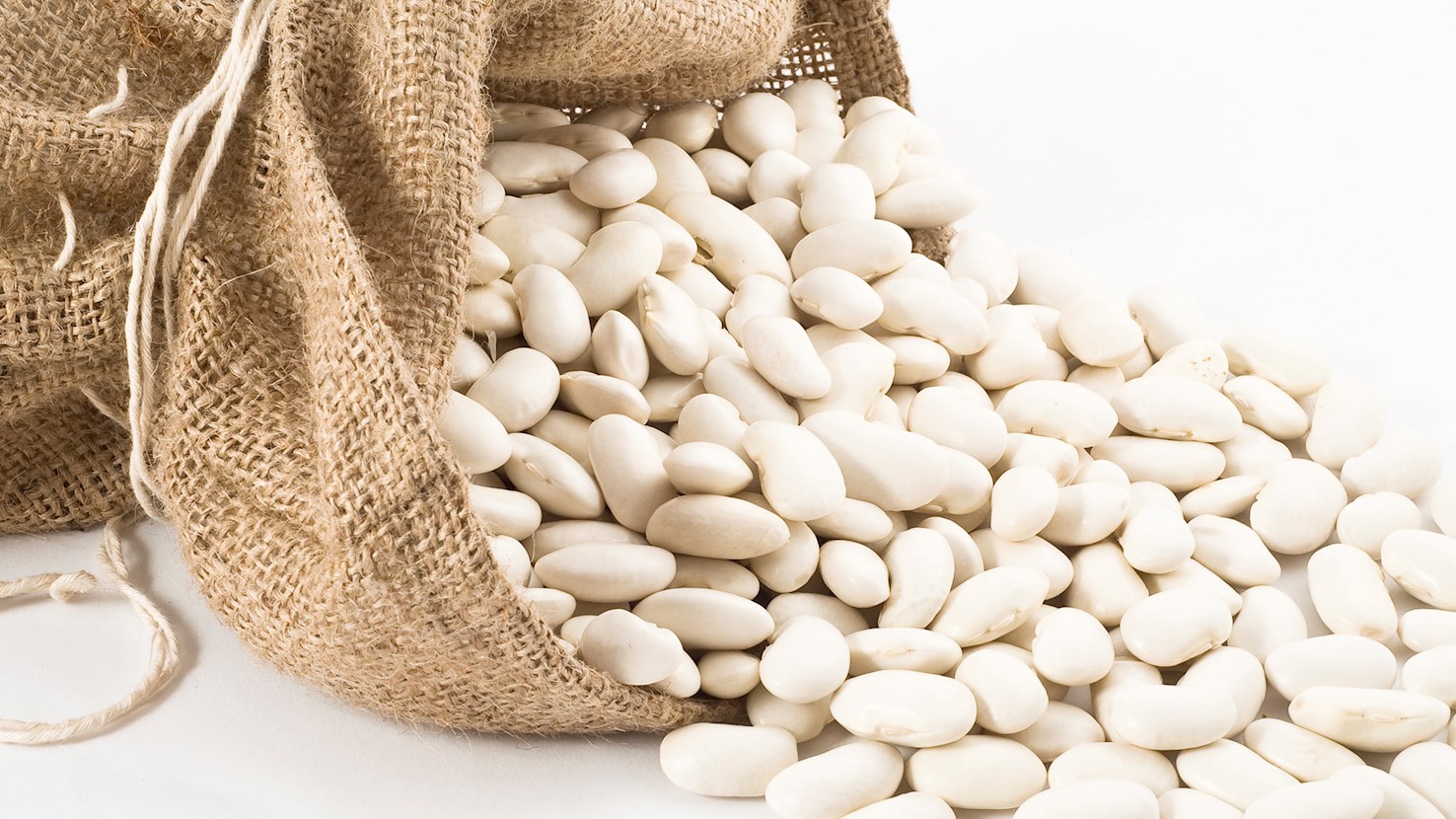
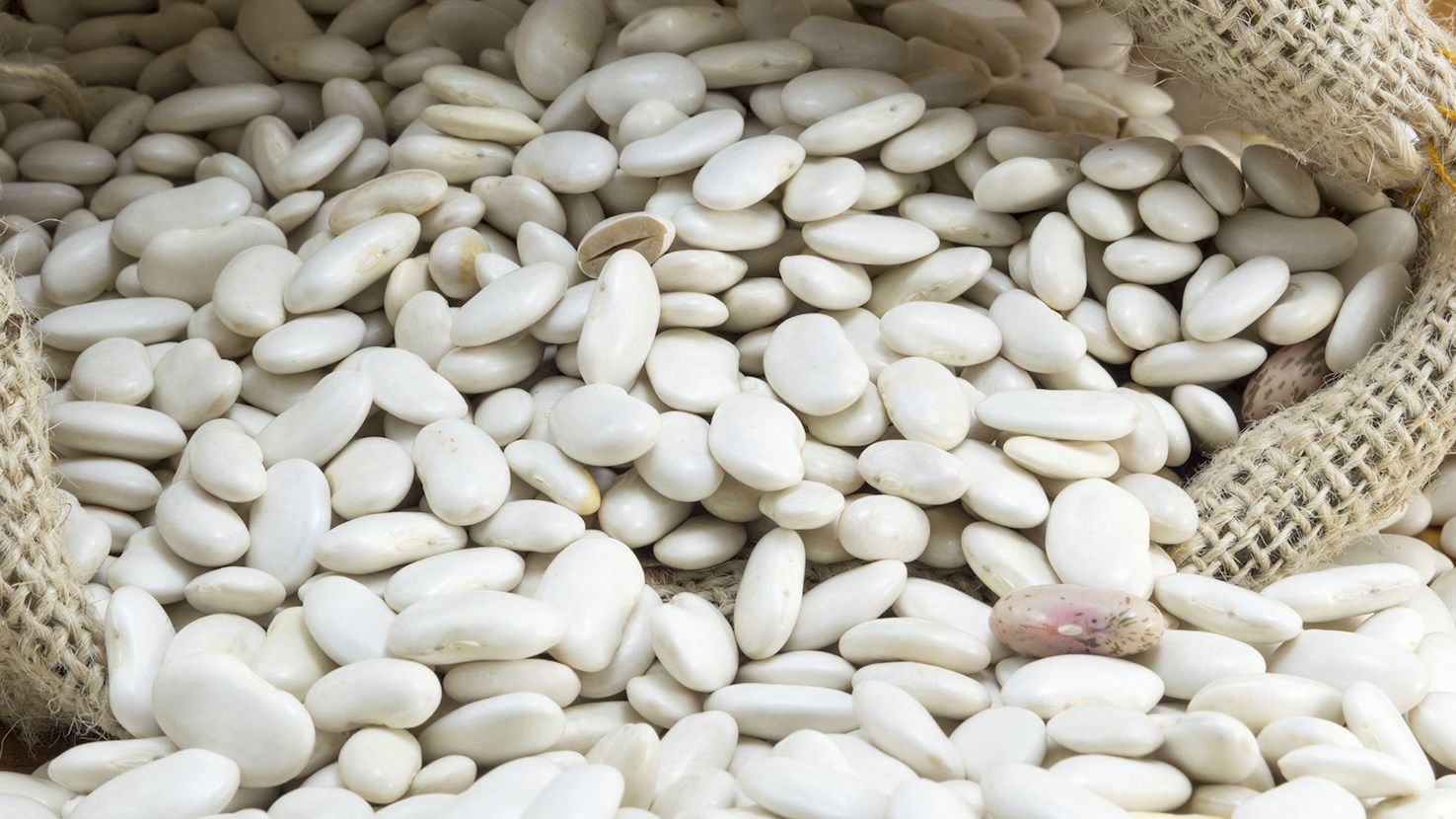
Faba Asturiana are dried white kidney beans of the Phaseolus vulgaris species , removed from the pod, produced in the Autonomous Community of Asturias. These traditional Granja Asturiana beans must be healthy and without any visible blemishes to be marketed as Faba Asturiana. Faba Asturiana is produced on registered plantations using only traditional cultivation techniques ensuring the best quality beans. After harvesting, the beans are removed from the pods, separated and dried, after which they are cleaned by air and vibration. These beans are soft and creamy when cooked, and have a very mellow, buttery flavor without ever being grainy or floury.

03

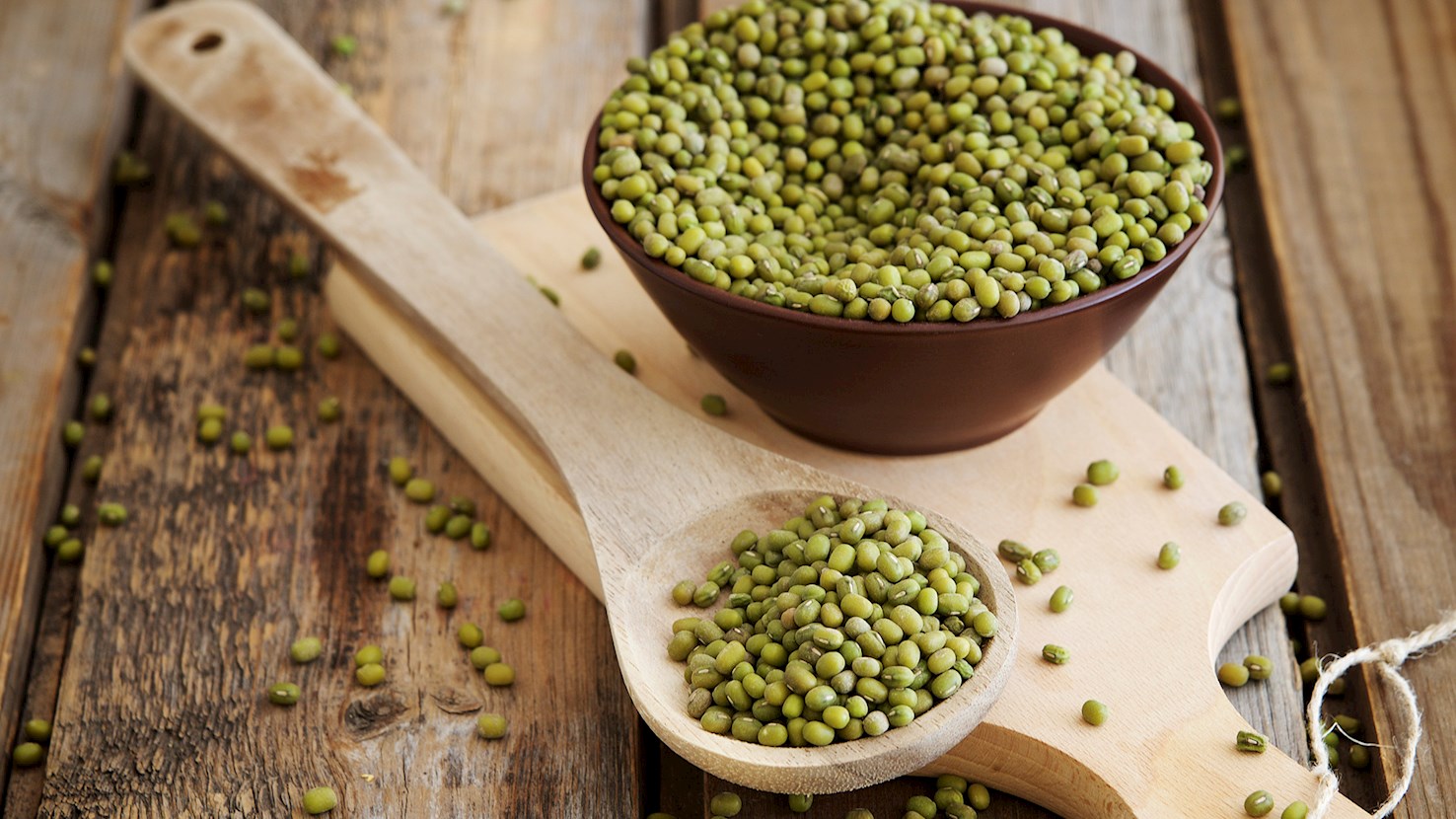
Moong (Mung beans)

3.4 ·

Grown in India since ancient times, and still cultivated throughout Southeast Asia, Africa, Australia, and South America, mung bean is a legume with many forms: whole, split with skins, split and hulled, and sprouted, but it also comes in the form of flour. It is a versatile and highly nutritious legume that is popular in numerous Asian dishes. According to traditional Chinese medicine and Ayurveda, mung beans are considered a cooling (yin) food, with cleansing and nourishing effects on the human body. In Kerala, mung beans are often boiled and made in a dry version that is commonly served with rice gruel. In Tamil Nadu, whole beans are steamed and seasoned to make a dish called sundal. In China, whole mung beans are used to make a warm or chilled dessert called tángshuǐ, while mung bean paste is a popular filling choice in the cuisines of Indonesia and the Philippines.

04

Mongeta del Ganxet

4 ·

Mongeta del Ganxet are the beans of the ganxet variety grown in the districts of Vallès Occidental, Vallès Oriental, El Maresme and La Selva. The tradition of cultivating ad growing beans over generations produced this outstanding variety. These beans are unique because of their very thin skin and exceptionally creamy texture. Mongeta del Ganxet are white beans that have a very low starch content, making them both easy and quick to cook, and light in texture. These beans are low in fat and high in protein. With an addition to its high fiber content, these properties make the Mongeta del Ganxet a staple of a healthy diet.

05

Fasolia Vanilies Feneou

3.9 ·

This is a variety of the common bean produced in the municipality of Feneos in the Peloponnese. They have been grown in the area using traditional methods and experience passed down from one generation to the next since the end of the 19th century, when the waters of Lake Feneos drained away. They are small, white, shiny beans with a thin skin. The name 'Vanilia' emphasises their flat white color and sweet flavour, reminiscent of vanilla. They are highly nutritious, a great source of protein, and have less fat and calories than other beans. They are very popular on the market due to their distinctive sweet taste and the fact that they can be cooked quickly without disintegrating. In Greek mythology, pulses were a reward from the goddess Demeter to the inhabitants of Feneos, who had offered her hospitality when she was searching for her abducted daughter Persephone. Fasolia Vanilies Feneou beans are a pricey product that can cost up to 70% more than other beans. Many famous recipes include this variety of bean, such as traditional Fasoatha bean soup and Boulia (Polisipori) Feneos.

06

Fassolia Kina Messosperma Kato Nevrokopiou

3.9 ·

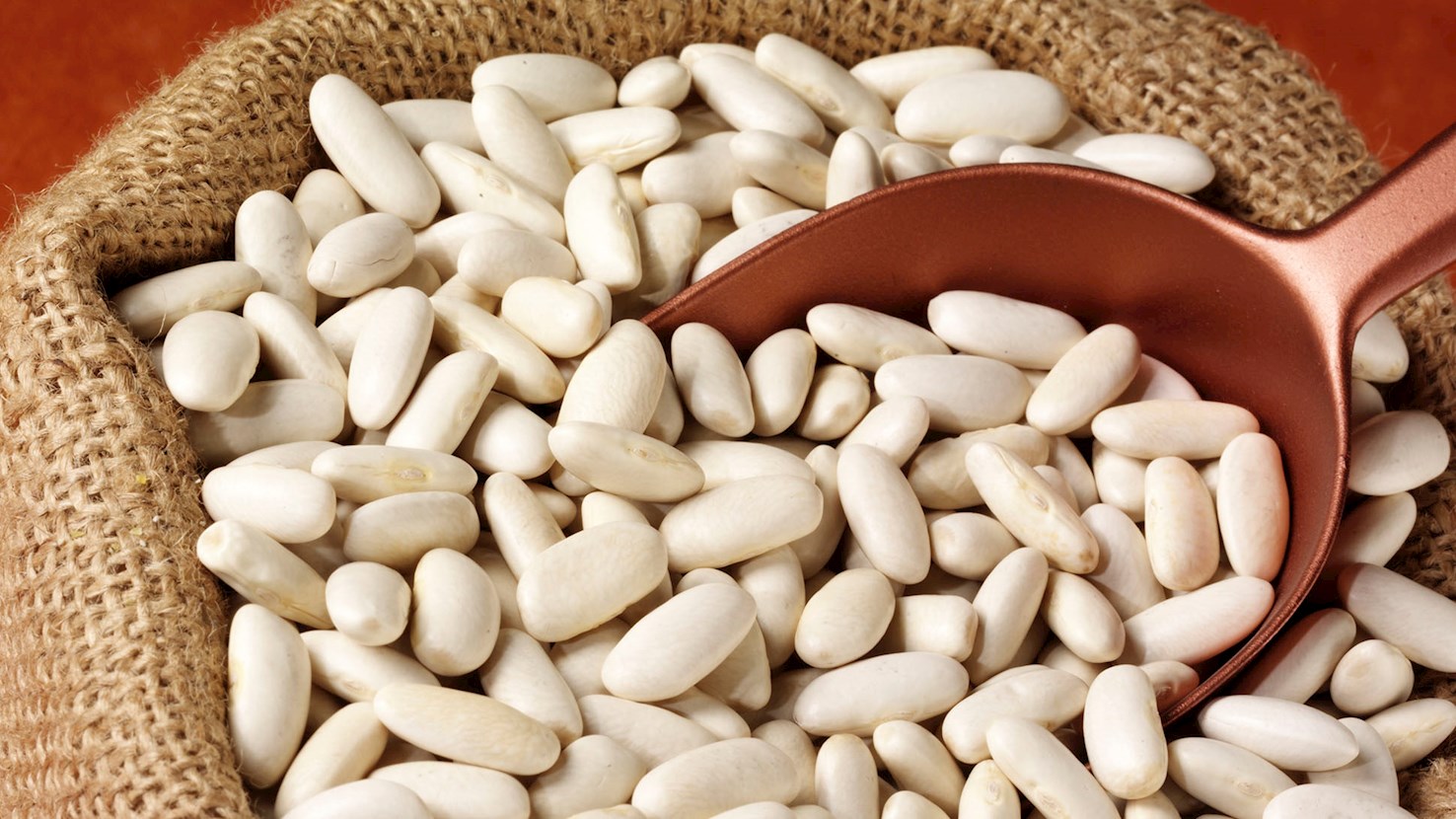
This is a variety of the common bean that is traditionally cultivated in the Kato Nevrokopi basin in Drama prefecture. They are medium-sized beans, and are cylindrical in shape. They are cultivated in open fields in limestone-free soils. They are often cooked together with other vegetables and served with a glass of ouzo or raki. Fassolia kina Messosperma Kato Nevrokopiou are mostly consumed in Greece, but are popular in the European Union as well.

07

Alubia de La Bañeza-León

3.3 ·

Alubia de La Bañeza-León are dried beans of the local Canela, Plancheta, Riñón Menudo and Pinta varieties. They are traditionally grown throughout the provinces of Leon and Zamora. These varieties of beans have soft and buttery texture and maintain their integrity very well when cooked. Nutritionally, due to their high protein and fibre content, Alubia de La Bañeza-León and other beans are considered to have a beneficial effect on blood cholesterol and diabetes.

08

Fesols de Santa Pau

n/a ·

Fesols de Santa Pau are the beans of the species Phaseolus vulgaris, L, grown in the district of Garrotxa, in the Autonomous Community of Catalonia. A short growth time, combined with optimal weather conditions and highly fertile volcanic soil, have made the rapid expansion of the production of this crop possible a few centuries ago. Since then, Fesols de Santa Pau have become a staple for the agriculture of the municipality of Santa Pau. Fesols de Santa Pau has soft and thin skin with a creamy and buttery texture when cooked, and are sweet and mellow in flavor.

09

Fagiolo di Sarconi

n/a ·

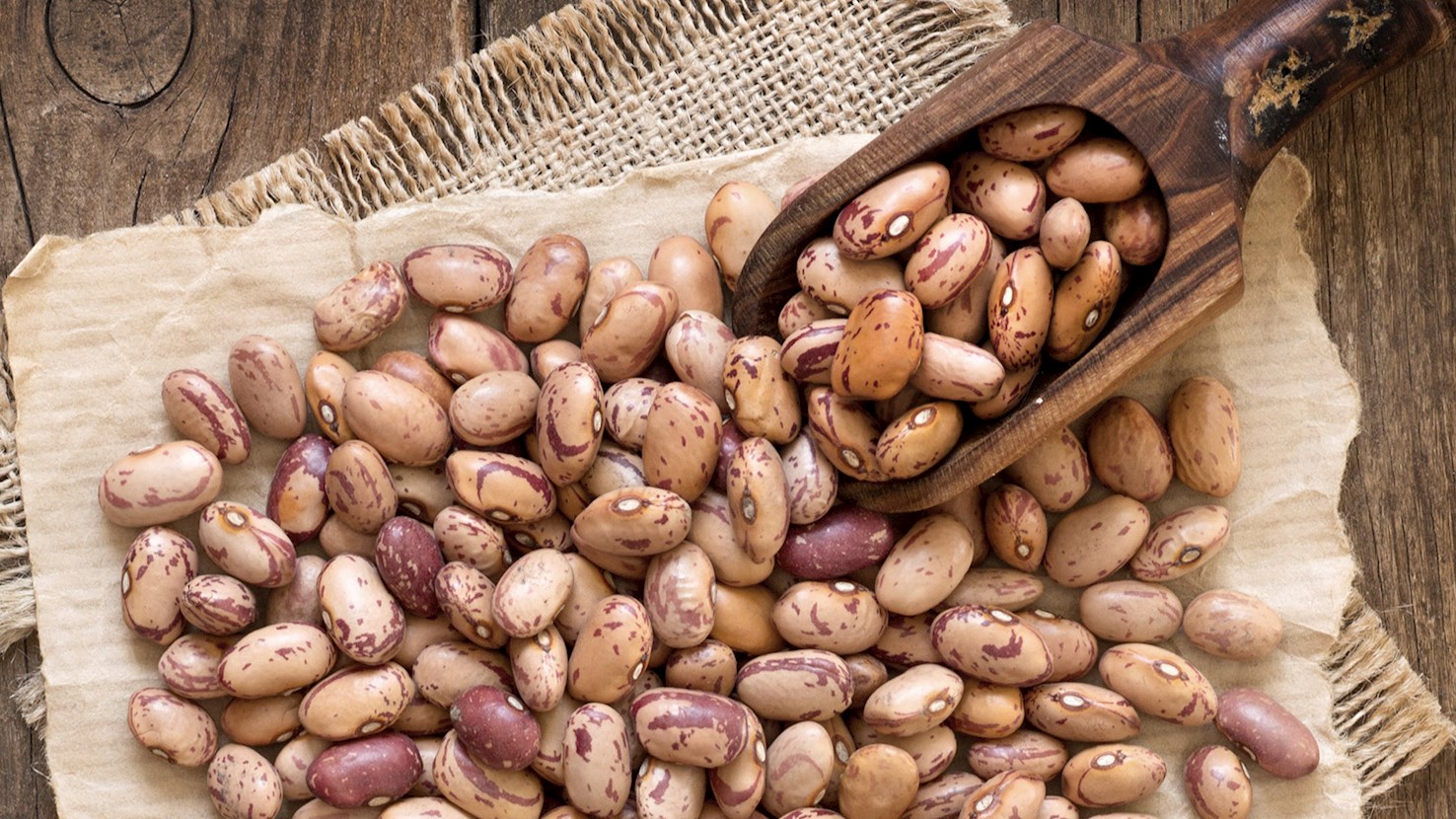
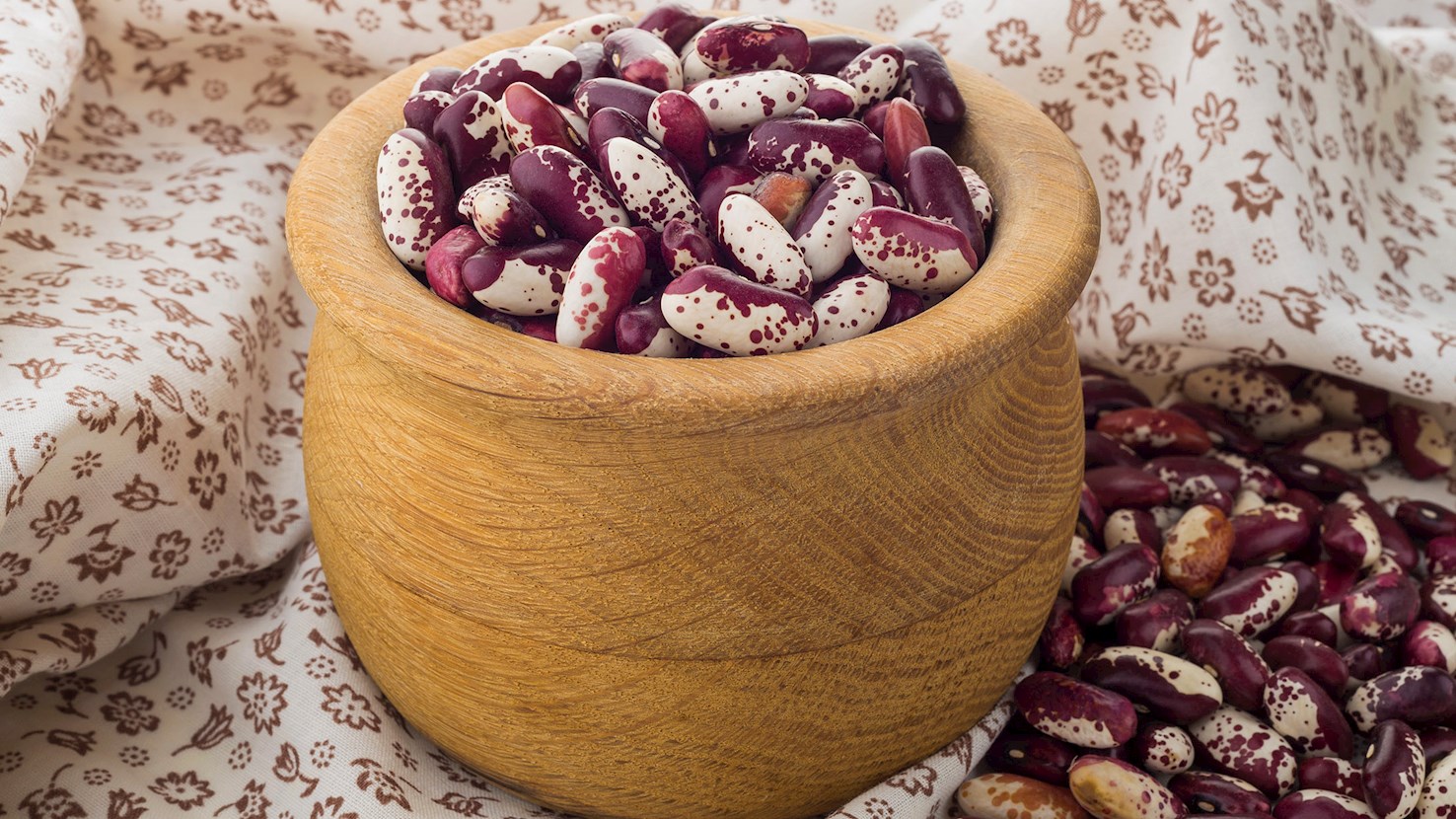
Grown at altitudes of 600m, in fertile alluvial soils characterized by good water retention and no limestone, Fagiolo di Sarconi refers to the fresh or dry beans of the Cannellino, Borlotto, Tabacchino, San Michele Rosso and 15 other derived ecotypes cultivated within the province of Potenza. Sarconi beans are harvested either green or when they reach complete maturation, after which they must be dried. These savory flavored beans are quite tender, easily digestible, and prized for their short cooking time, which is why they are most often used in salads, soups and minestrones.

10

Faba de Lourenzá

n/a ·

Faba de Lourenzá are beans of the traditional Faba Galaica variety of Phaseolus vulgaris, L, produced on the coast of the province of Lugo. These kidney beans have become highly popular due to their exceptional culinary qualities. The Faba de Lourenzá bean does not disintegrate while cooking in spite of having very soft and gentle skin. It has a creamy buttery texture and sweet and mellow flavor. These beans have been produced in the region of Lourenzá for centuries by families who have perfected the production process making it optimal for the production of this exceptional crop. After being harvested, the beans are removed from the pods, separated and dried, and finally cleaned by air and vibration.

Best Beans in the World
01

Fabas La Estela

4.5 ·
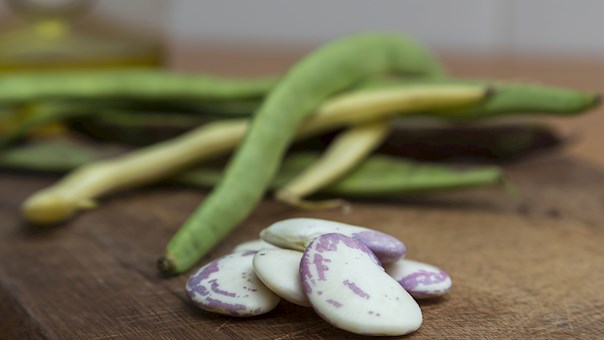
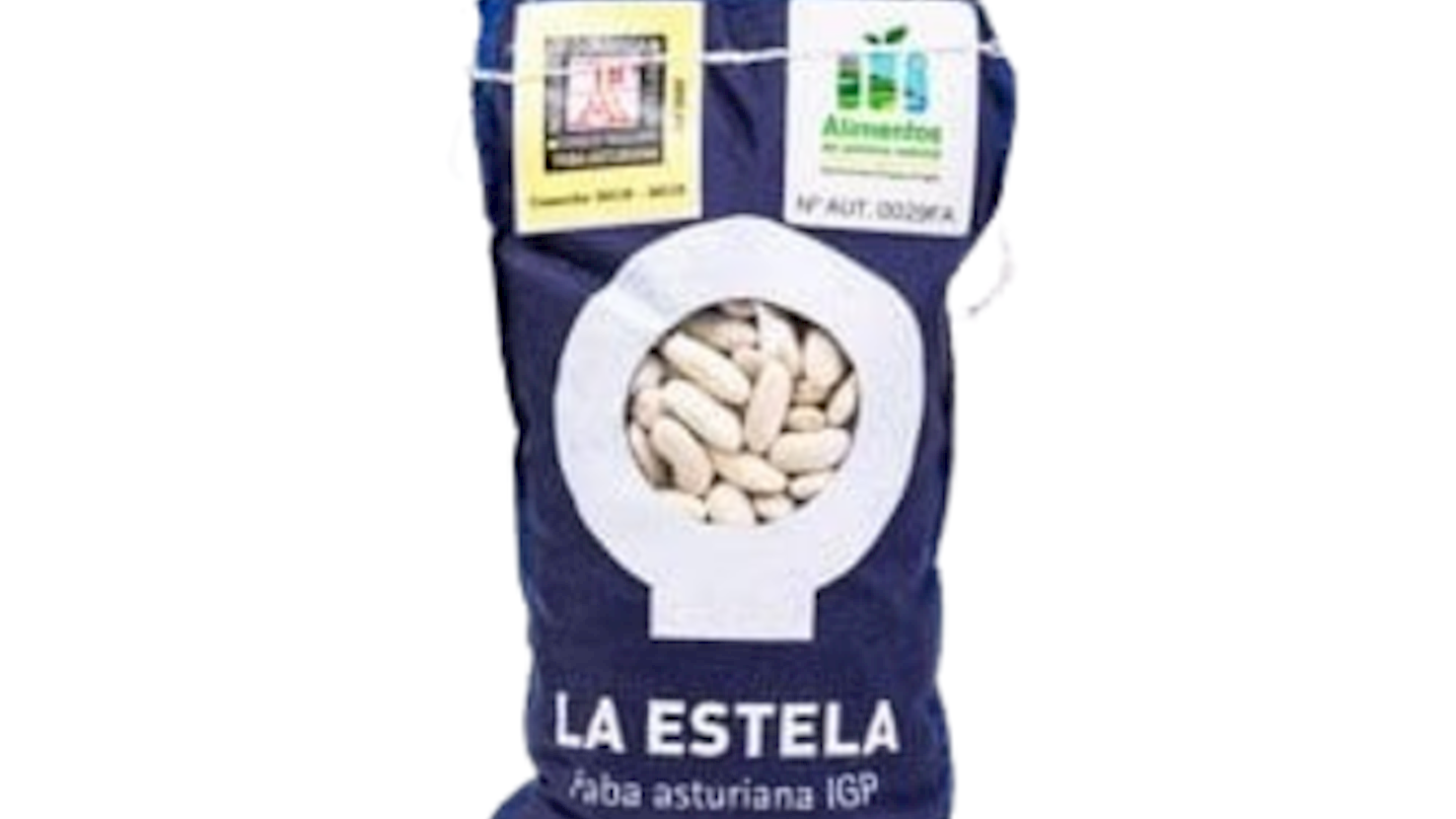
Fabas La Estela is a family-run producer based in Asturias, Spain, specializing in the cultivation and selection of high-quality traditional beans, particularly “Faba Asturiana IGP” and “Verdina de Asturias”. Their production is closely tied to the local rural landscape, with beans grown on their own fields, allowing full control over quality from cultivation to final selection. The company builds on a long-standing agricultural tradition, further developed since 2004 through a focus on product consistency and careful processing. Their flagship product, Faba Asturiana IGP, is a large white bean known for its thin skin and exceptionally creamy texture, making it essential for preparing the iconic Asturian dish Fabada. Alongside it, they produce verdinas, a smaller green bean variety with a delicate structure, often paired with seafood in regional cuisine. The production process emphasizes manual harvesting and selection, especially for fresh beans, ensuring uniformity and preserving their texture. Their products carry a Protected Geographical Indication, confirming their origin and connection to the Asturian terroir. In addition to raw beans, they offer curated sets with traditional ingredients for preparing Fabada, reflecting a broader gastronomic approach. Overall, Fabas La Estela positions itself as a producer that combines traditional farming practices with a modern quality-driven outlook, rooted in authenticity and regional identity.
02

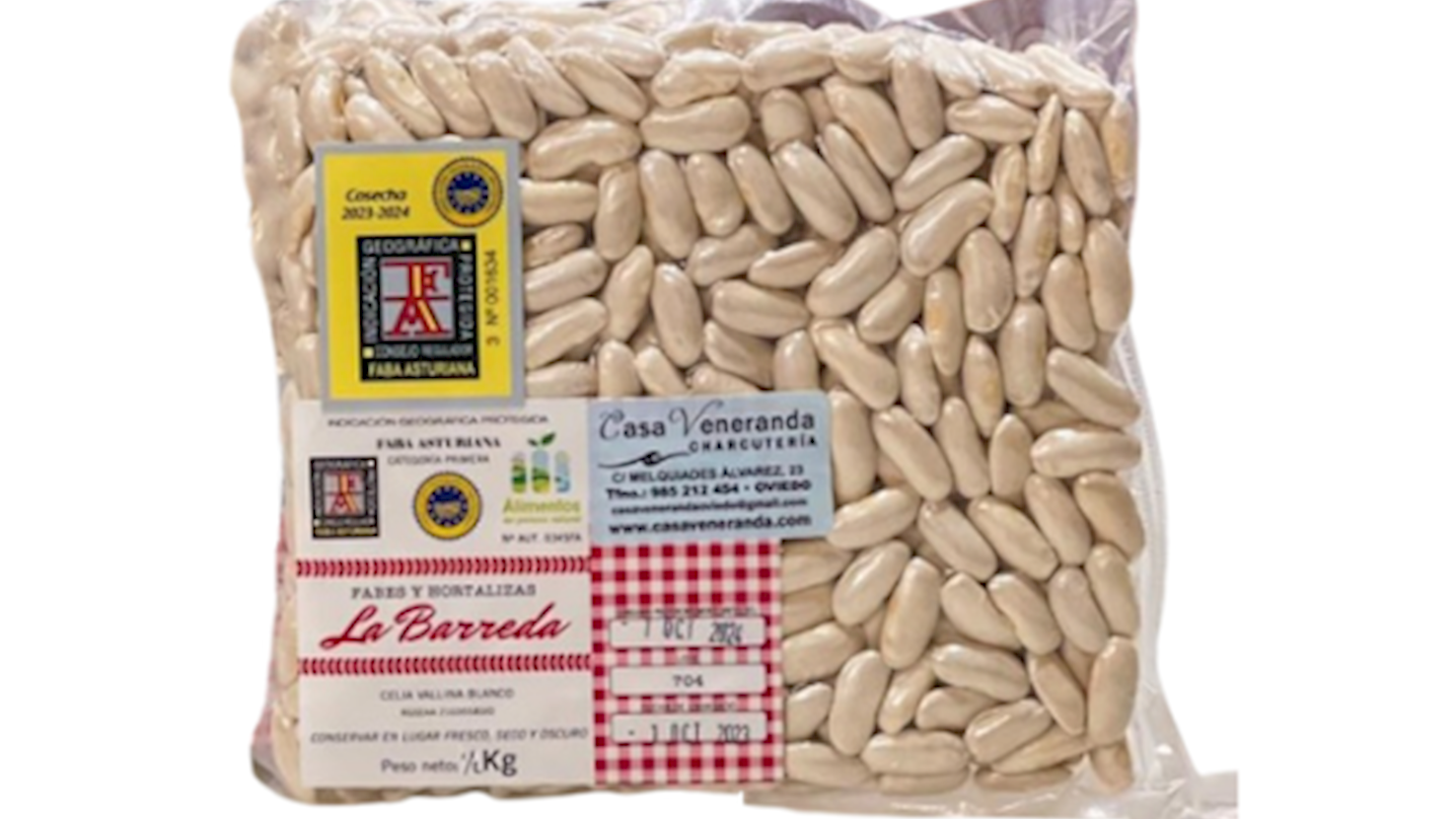
La Barreda

4.3 ·
La Barreda is a family-run farm based in Asturias, focused on the cultivation of traditional beans and vegetables, with a particular emphasis on fabes, a key ingredient in regional cuisine. The production takes place in San Miguel de la Barreda, in the municipality of Siero, where farming is carried out on a small scale with direct control over each stage of the process. The brand is built on generational knowledge, combining inherited practices with the specific soil and climate conditions of the area. Its main product is Faba Asturiana IGP, which guarantees that cultivation, harvesting, and packaging are carried out within the defined region under regulated standards. These beans belong to the “Granja Asturiana” variety, known for their large size, thin skin, and ability to maintain structure after cooking, making them particularly suitable for traditional dishes such as fabada. In addition to fabes, La Barreda also grows other local varieties such as verdina, expanding its offer within the scope of Asturian agriculture. Production remains limited and closely tied to seasonal cycles, avoiding industrial scaling and focusing instead on consistency and product integrity. La Barreda positions itself as a representative small-scale producer that preserves local varieties and contributes to maintaining the culinary identity of the region through controlled and origin-based production.
About this ranking

TasteAtlas food rankings are based on the ratings of the TasteAtlas audience, with a series of mechanisms that recognize real users and that ignore bot, nationalist or local patriotic ratings, and give additional value to the ratings of users that the system recognizes as knowledgeable. For the “Top 29 Beans in the World” list until June 15, 2026, 184 ratings were recorded, of which 103 were recognized by the system as legitimate. TasteAtlas Rankings should not be seen as the final global conclusion about food. Their purpose is to promote excellent local foods, instill pride in traditional dishes, and arouse curiosity about dishes you haven’t tried.

The initial list of top producers was compiled based on available reviews, awards, local recommendations, media and blog coverage, and consumer reviews. The list will be updated with ratings from TasteAtlas local ambassadors and TasteAtlas users.

Similar lists