shutterstock

Top 9 Portuguese Bee Products

Last updated on June 06, 2026

Best Portuguese Bee Products
01

Lousamel

4.7 ·
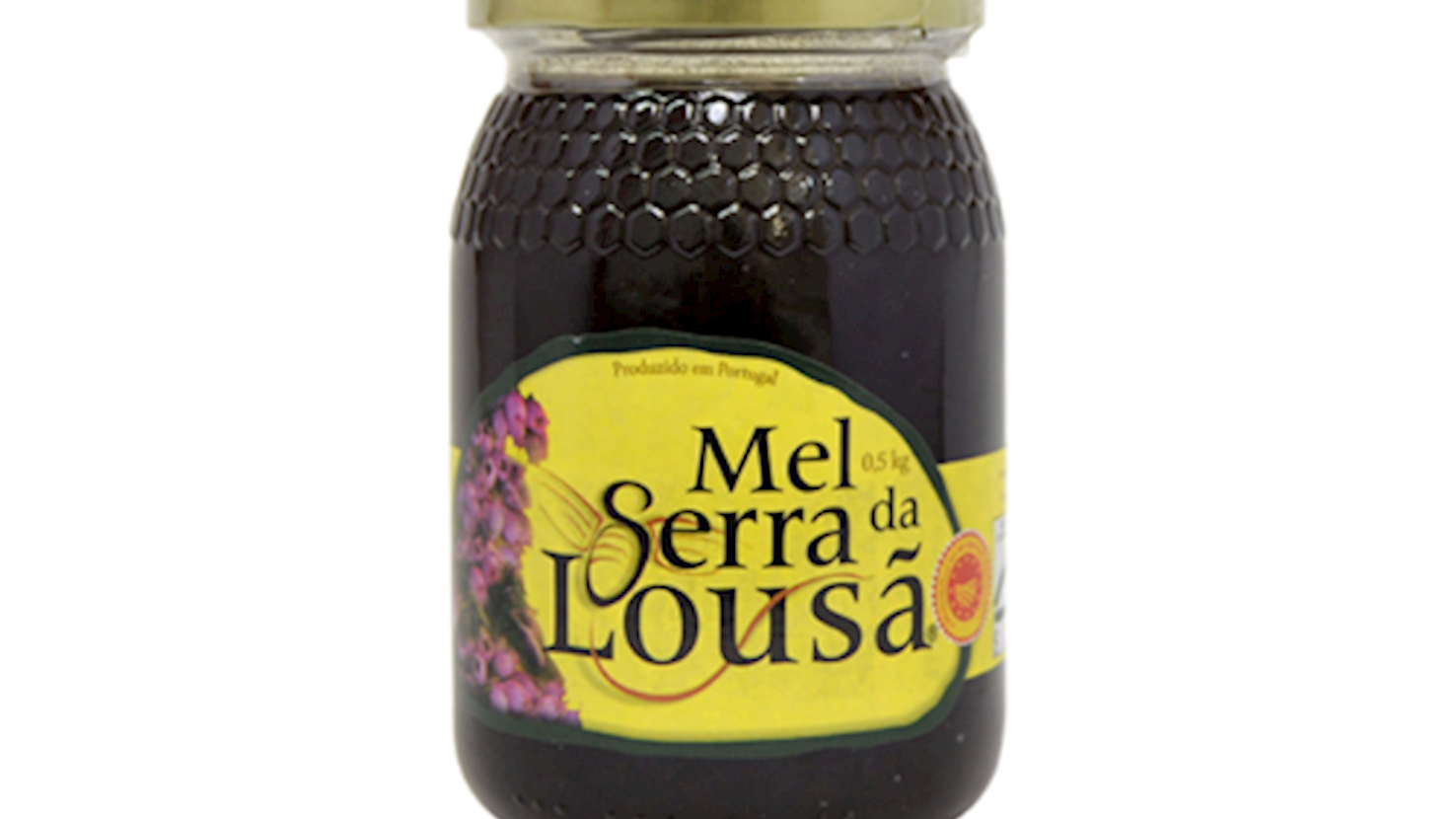
Lousamel is a Portuguese beekeeping cooperative founded in 1988 in the town of Lousã, in central Portugal, with the objective of organizing and providing professional support to local beekeepers. It plays a key role in the development and promotion of honey from the mountainous Serra da Lousã area and is particularly significant as the managing body for the PDO designation Mel da Serra da Lousã, ensuring controlled origin and certified quality. The cooperative brings together producers from the wider region and offers technical assistance, training, and logistical support to its members. Its focus lies in preserving traditional apicultural practices while complying with modern standards of food safety and traceability. In addition to PDO-certified honey, Lousamel markets other hive products such as pollen, propolis, and beeswax. Its activities also include collaboration with educational institutions, technical bodies, and beekeeping associations to improve bee genetics and promote sustainable apiary management. Special emphasis is placed on biodiversity protection and the conservation of native plant species that shape the distinctive aromatic profile of honey from this territory. Lousamel represents a combination of regional tradition, cooperative business structure, and controlled quality, anchored in a clearly defined geographical identity.
Awards
Concurso Nacional - Mel Urzes Ouro (2024)
02

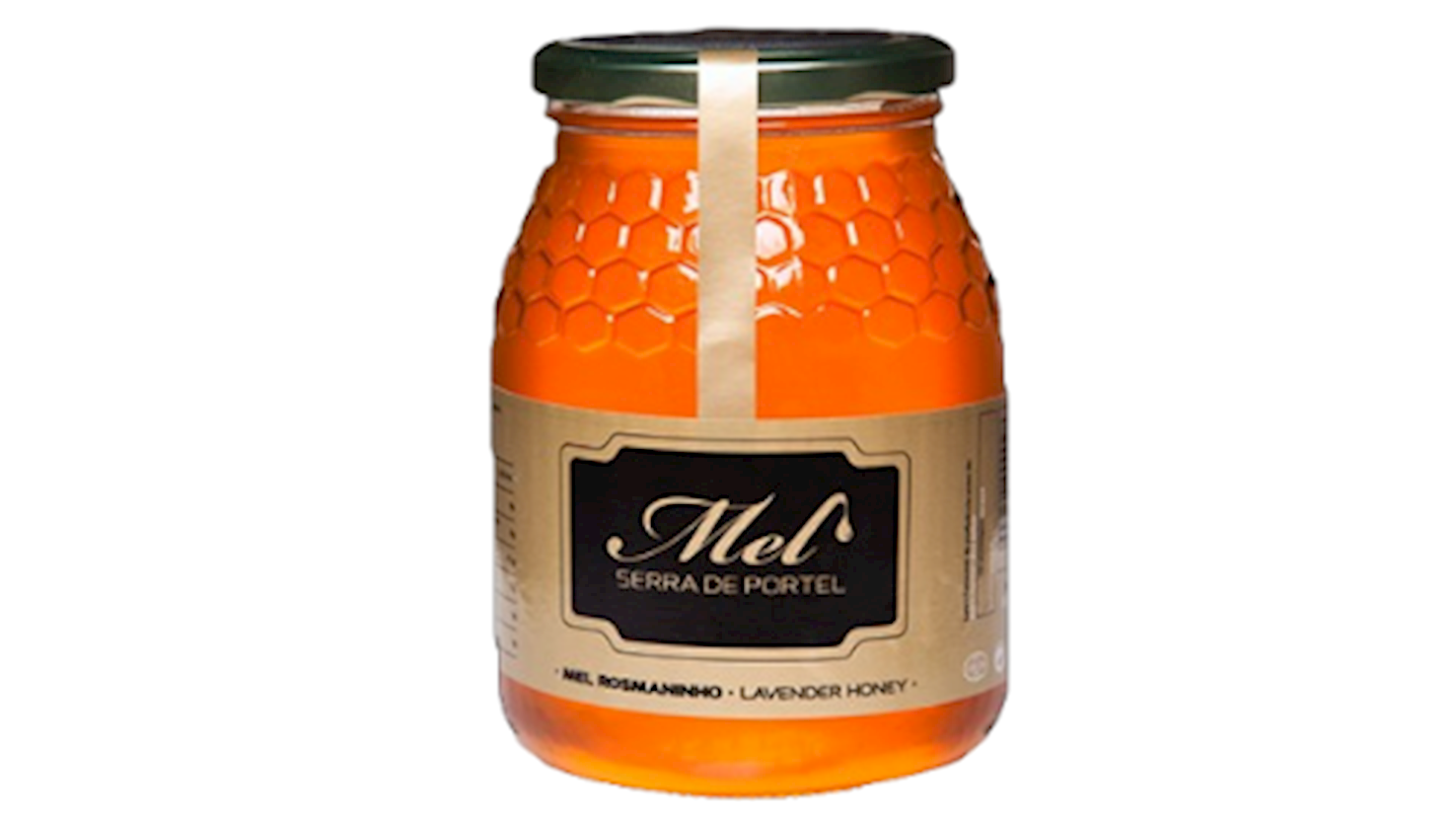
Mel Serra de Portel

4.5 ·
Mel Serra de Portel is a Portuguese honey producer based in the Serra de Portel area of the Alentejo region, an area known for its preserved natural landscapes and rich Mediterranean vegetation. The honey is produced in an environment dominated by the montado ecosystem, where cork oak and holm oak forests coexist with a wide variety of wild aromatic plants. Bees collect nectar from species such as heather, rosemary, thyme, and other native flora, which contribute to the honey’s distinctive aroma and flavor. Depending on the dominant flowering plants of the season, the honey can develop different aromatic profiles, often showing floral, herbal, and slightly woody notes. The company produces several types of honey, including multifloral honey and other natural bee products, maintaining traditional beekeeping practices in a relatively unspoiled environment. Thanks to the biodiversity of the Serra de Portel landscape, the honey reflects the natural character of the region and its long-standing beekeeping traditions.

Best Portuguese Bee Product Types
01

Mel da Serra da Lousã

4.3 ·

This Portuguese variety of honey has great nutritional value, and it is made by the Apis mellifera bee species from the Iberian Peninsula. These bees are kept in the municipality of Lousã, near the city of Coimbra, and they feed on the nectar of local flowers and chestnut trees. The honey is thick, syrupy, and dark amber in color, while its flavor is intense with notes of wood and heather. It can crystallize at low temperatures, at which point the intensity of its color. It can be eaten as raw, used as a sweetener and a sugar substitute, or can be incorporated into various traditional cakes and desserts.

Best producers
02

Mel dos Açores

3.9 ·

This honey is made according to the tradition of beekeeping in the Azores, which dates back to the sixteenth century. The most important aspects of beekeeping in the region are linked to its ecological function, as honey bees pollinate most of the crops on the islands, and its economic value, as its high quality makes it an important source of income for the islanders.
Azores wildflower honey is made from the nectar of various types of flower, including traditional species such as plum, chestnut, citrus, eucalyptus, and rosemary, as well as subtropical species such as banana, passion fruit, pineapple, avocado, and guava. One of the most famous varieties, known as incense honey, is derived from the nectar of the sweet pittosporum tree, a tree native to Australia that now grows all over the Azores. The floral variety has a dark-brown color, a pleasant taste, and a smooth consistency, while the incense honey is a pale yellow. Its flavor is very sweet and unique, reminiscent of the aroma of essential oils. In addition to being used as a sweetener or spread on bread, various confectionery products and regional dishes are made with it, such as pato com mel.

03

Mel da Serra de Monchique

3.8 ·

This wildflower honey is gathered by the Apis mellifera bee species native to the Iberian Peninsula and the district of Faro in Portugal. The honey is made from several local floral varieties, such as lavender, heather, eucalyptus, citrus, and plum. It is characterized by its typical bittersweet aftertaste. The honey is gathered from May to July and is dark yellow in color. The flavor is delicately sweet, and it can be eaten as is or used in the preparatin of cakes, cookies, and traditional spirits.

04

Mel do Alentejo

3.7 ·

Harvested from apiaries in the districts of Évora, Beja, and Portalegre, Alentejo honey is made using nectar collected from lavender, rosemary, eucalyptus, and orange blossoms. The complex flavor of this luxurious honey are the result of the amazingly diverse plant life of Alentejo, a region located in southeastern Portugal just above the Tagus River. Depending on the predominant pollen, the color of Alentejo honey ranges from yellow to amber, while its flavor ranges from the mild and delicate rosemary, lavender, and orange blossom honey to rich and strong eucalyptus honey. Mel do Alentejo producers have received numerous awards at international competitions, and their honey is widely used both in Portugal and abroad. Around Christmas time, Alentejo honey can be enjoyed in Bolo de Azeite e Mel, the traditional Alentejo honey cake and one of the best-known Portuguese desserts.

05

Mel do Ribatejo Norte

3.5 ·

This honey is made by Apis mellifera bees from Iberian wildflower nectar collected from the Mediterranean plant life of the Ribatejo region in central Portugal. It comes in four types, depending on the different percentages of pollen they contain: Serra d'Aire (rosemary, lavender, and mint), Albufeira de Castelo de Bode (heather, myrtle, and chestnut), Bairro (thistle), and Alto Nabão (eucalyptus pollen). The honey is characterized by its intense aroma, floral flavor, and light yellow color. Apart from being consumed in its natural state, this product is used heavily in the production of local bread and pastries. One famous example of this is Broas, a sweet bread made with flour, honey, cinnamon, and nutmeg. Testimonies of beekeeping practices in the area date back to the twelfth century. Many local toponyms bear names related to honey production, yet another fact highlighting the cultural importance of the beekeeping in Ribatejo Norte.

06

Mel do Parque de Montezinho

n/a ·

Harvested from apiaries within Montezinho Natural Park in the northeastern part of the Trás-os-Montes region, this top-quality honey is made using nectar collected mainly from heather, chestnut, and rosemary flowers. Mel do Parque de Montezinho is produced by the native Iberian black bee, and the introduction of foreign species to the region is strictly prohibited, as is the use of any kind of pesticide or repellent. A rich amber in color, Montezinho honey is quite viscous and has a powerful scent. It is traditionally enjoyed spread across a slice of fresh bread, but it also serves as an ingredient in the local cuisine for desserts such as nógados (nougats with honey and brandy), honey flavored spirits, and even chouriços doces (sweet blood sausages).

07

Mel de Barroso

n/a ·

Harvested from apiaries in the northwestern Portuguese district of Vila Real, Barroso heather honey is produced by the Spanish bee, a Western honey bee subspecies native to the Iberian Peninsula that forages for nectar in the extraordinarily abundant Barroso highlands. Mel de Barroso is thick and dark amber in color, and it has a pronounced floral aroma and a rich, toffee flavor. The sharp aftertaste of this honey gets stronger the longer it is stored. Prized since ancient times for its medicinal properties, Barroso honey is also an essential ingredient in regional cuisine.

08

Mel das Terras Altas do Minho

n/a ·

This high-quality honey is produced in the mountainous areas of Viana do Castelo, Porto, and Aveiro in northwestern Portugal, where heavy rainfall and the absence of urban centres and local industry, and thus the lack of airborne pollutants, make for the best honey possible. This wildflower honey has a liquidy texture, a dark brown color, and a strong scent of heather. This honey can be consumed as is, spread on a slice of bread, or used to make desserts and traditional pastries. In the past, this honey was used instead of money to execute business transactions and pay the taxes – further proof of just how good it is.

09

Mel da Terra Quente

n/a ·

This honey is the result of centuries of tradition, and is considered to be one of the best in Portugal. It is produced by bees native to the Iberian Peninsula that inhabit the area of Terra Quente in the north-east of Portugal. It consists of floral varieties such as heather, eucalyptus, lavender, and especially rosemary. It is light amber in color and has a unique, rosemary-tinged flavor. Usually eaten as is, it also serves as an ingredient in the preparation of traditional Portuguese pastries.

Read more
View all
View map
About this ranking

TasteAtlas food rankings are based on the ratings of the TasteAtlas audience, with a series of mechanisms that recognize real users and that ignore bot, nationalist or local patriotic ratings, and give additional value to the ratings of users that the system recognizes as knowledgeable. For the “Top 9 Portuguese Bee Products” list until June 06, 2026, 141 ratings were recorded, of which 72 were recognized by the system as legitimate. TasteAtlas Rankings should not be seen as the final global conclusion about food. Their purpose is to promote excellent local foods, instill pride in traditional dishes, and arouse curiosity about dishes you haven’t tried.

The initial list of top producers was compiled based on available reviews, awards, local recommendations, media and blog coverage, and consumer reviews. The list will be updated with ratings from TasteAtlas local ambassadors and TasteAtlas users.

Similar lists