

Top 14 French Beef Cattle Breeds

Last updated on July 29, 2026
01

Boeuf de Vendée

n/a ·

Boeuf de Vendée is fresh beef meat from heifers, young cows or castrated males born, reared and slaughtered in the French region of Vendée. The slaughter takes place when the animals are between 30 and 96 months old. The meat is sold as whole carcasses, fine cuts or quarters that are very juicy and flavorful, with a pure red color and a delicately tender and soft, supple texture. The carcasses are unique because they have an average weight of 120 kilograms, more than all other beef produced in the country. The heavy carcasses produce tender and thick cuts that are highly sought after by beef connoisseurs and traditional butchers. Prepare it as a steak paired with pepper jam, and risotto with Vendée ham for a gourmet dish.

02

Fin Gras

n/a ·

Fin Gras is fresh beef meat from slowly fattened heifers that are at least 24 months old and castrated males at least 30 months old. The beef is grown and reared in the French regions of Ardeche, Haute-Loire and Lozére where the cattle feed mostly on pasture grass and hay mixed with Alpine fennel. The meat is lightly marbled with creamy white fat and is bright red to purple. The texture is delicate and tender, smooth and juicy with an intense, strong taste that lingers on the palate, varying depending on the way it is served - either raw, grilled or stewed. As the meat is available only between February and June, making it a seasonal meat, it is highly sought after and prized by gourmets. It is best to try the unique flavors without heavy sauces or grill flavors, so try it in carpaccio or steak tartare with a glass of bold red wine.

03

Boeuf Charolais du Bourbonnais

n/a ·

Boeuf Charolais du Bourbonnais is the meat of adult bovines that come from the Charolais breed, reared in the department of Allier in France. The minimum time that the animals (heifers, bulls and cows) must be reared before being sold as fresh meat is 30 months. During that time, the animals feed on cereals, grass, cake, roots, tubers and dried and concentrated feeds. The heifers must weigh at least 290 kilograms, the bulls 340 kilograms and the cows at least 330 kilograms. The meat has a strong flavor and tender consistency and has a much-valued marbled taste because the cattle are allowed to grow at their natural pace and the calves must always be raised by their mothers. Prepare the beef with mushrooms, wine sauces, rosemary, mint or wild fennel, or make a Carpaccio or Steak Tartare dish.

04

Taureau de Camargue

n/a ·

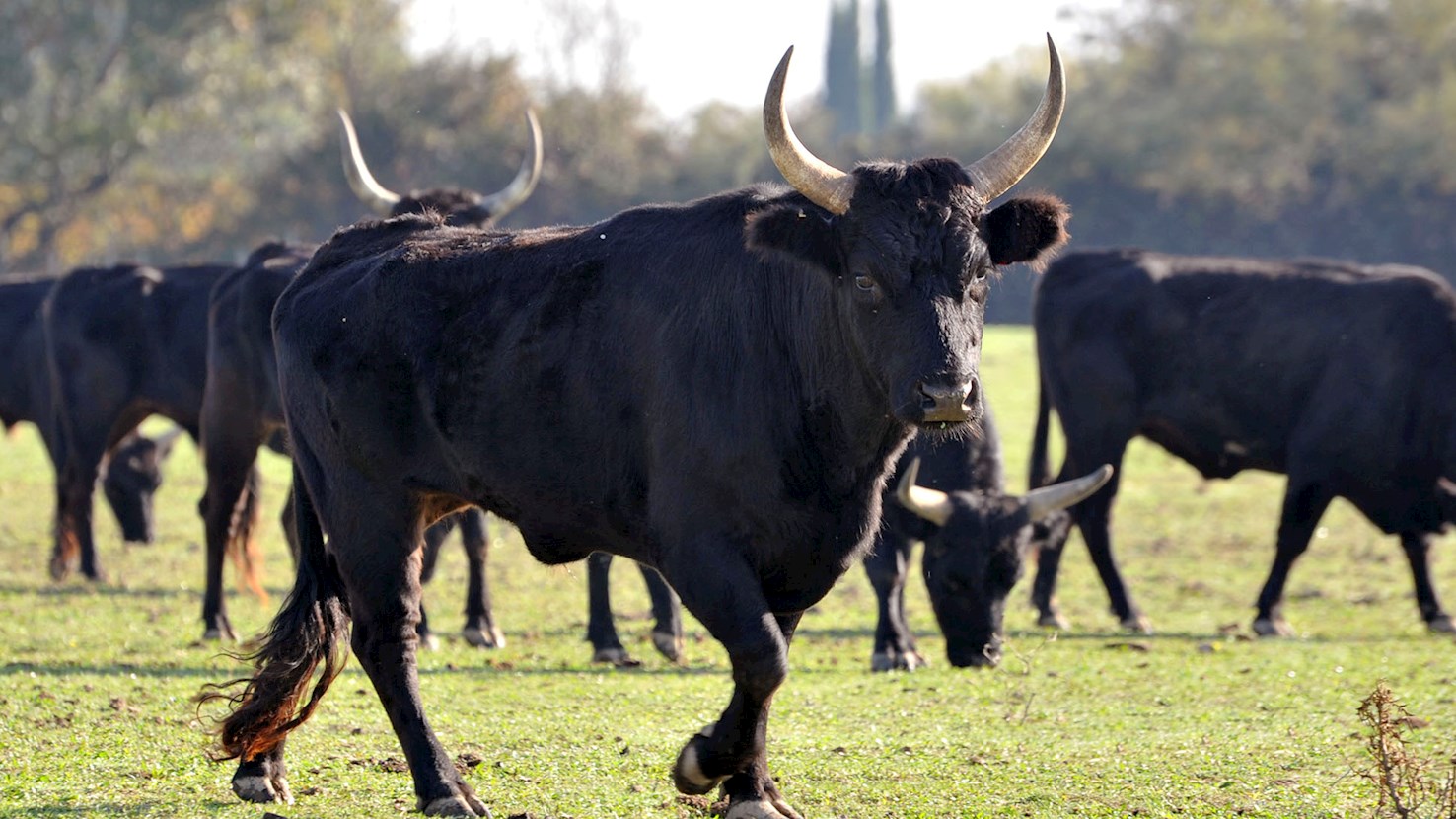
Taureau de Camargue is fresh bull's meat with a deep red color. The meat is lean and tender. The small, black and muscular animals must be born, reared and slaughtered in the Camargue region in France, with its vast wetland areas where the animals must stay for at least six months to make sure that they remain wild and feed on the pastures, giving the meat its unique properties. The taste of the meat is stronger than your usual beef, and since there is no excess fat on the lean meat, it is recommended to serve it rare, not well done, in order to remain tender. Alternatively, serve it with salads, beans, eggplant and figs or potatoes and thyme.

05

Charolais de Bourgogne

n/a ·

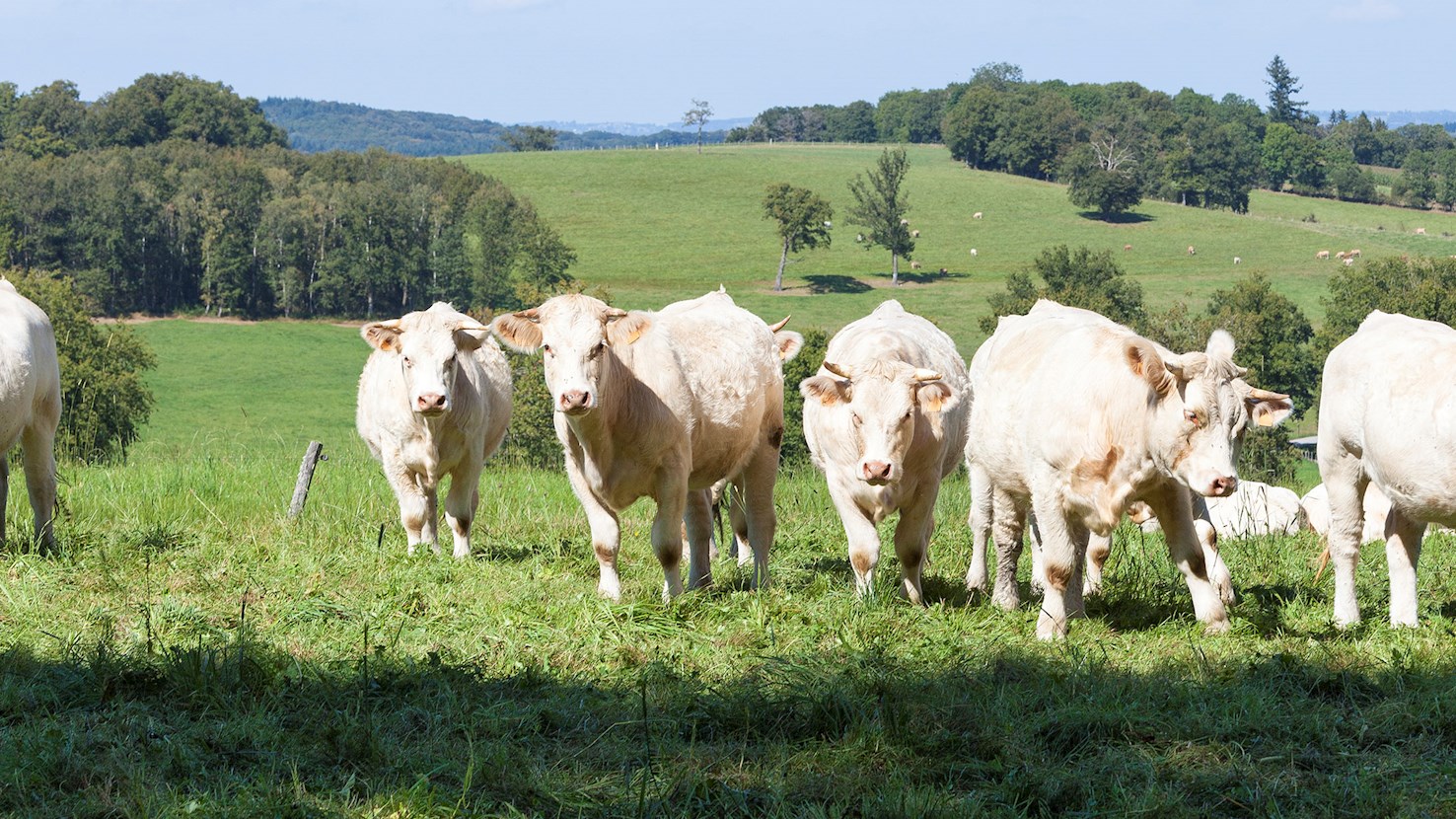
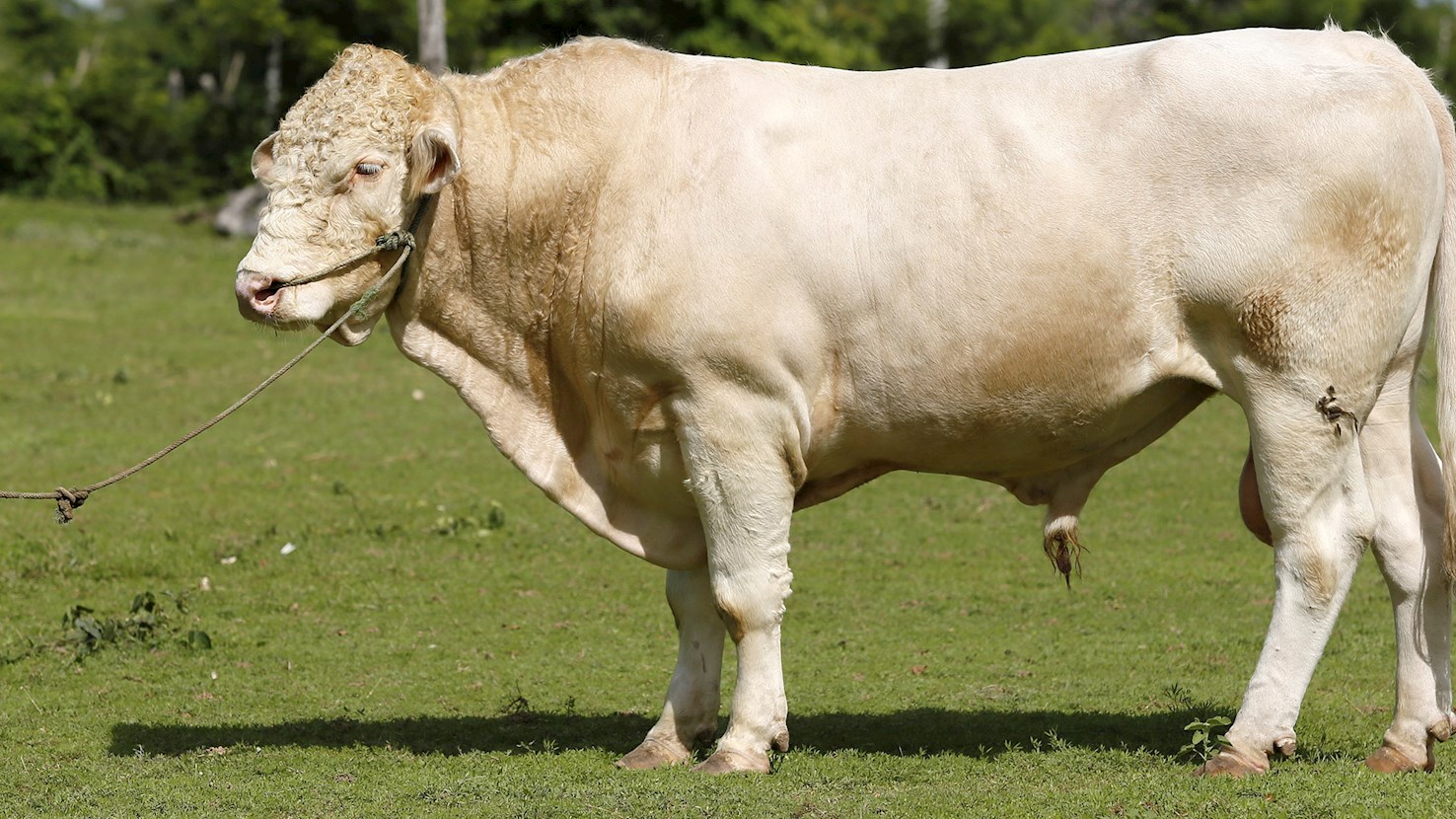
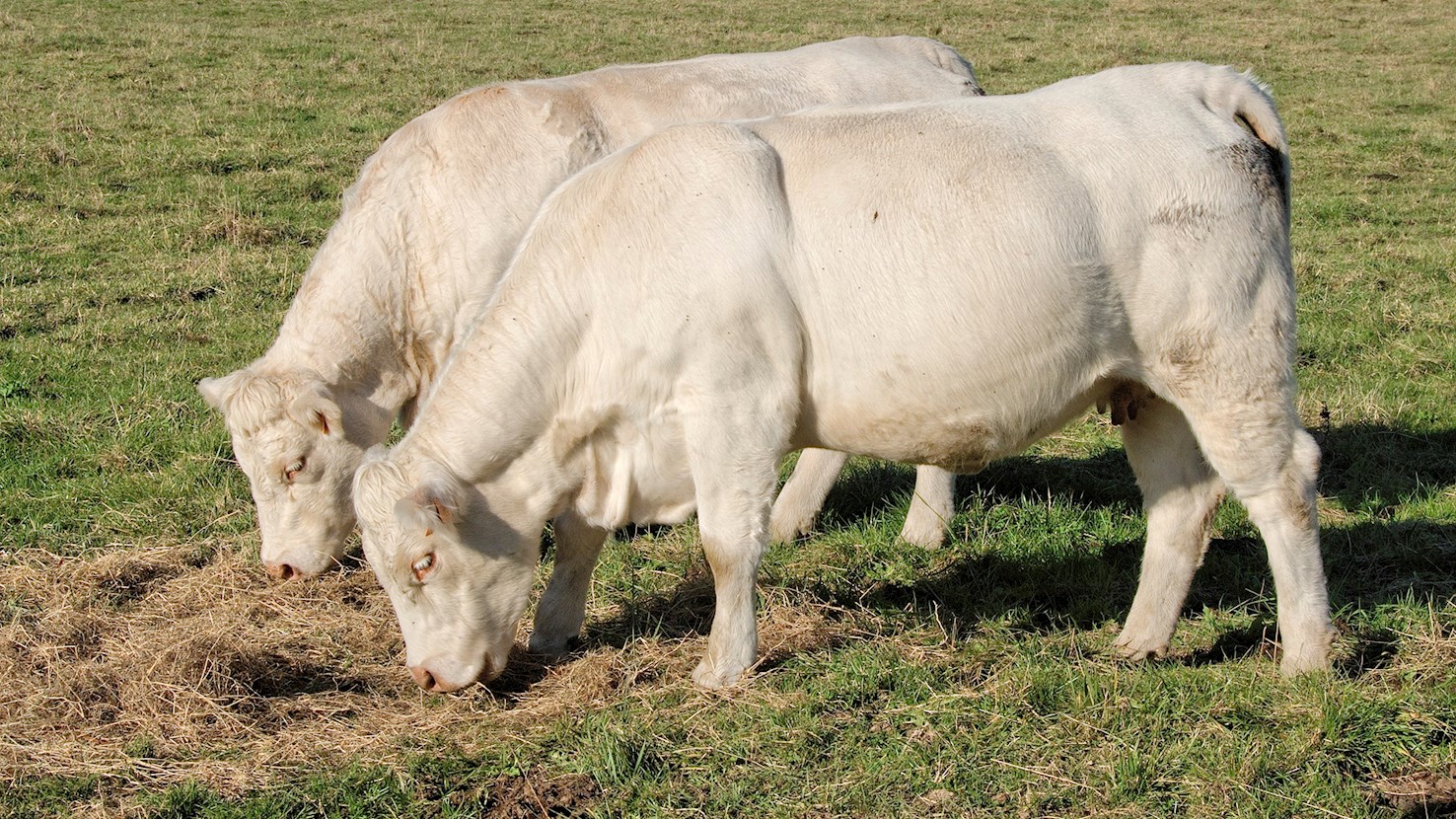
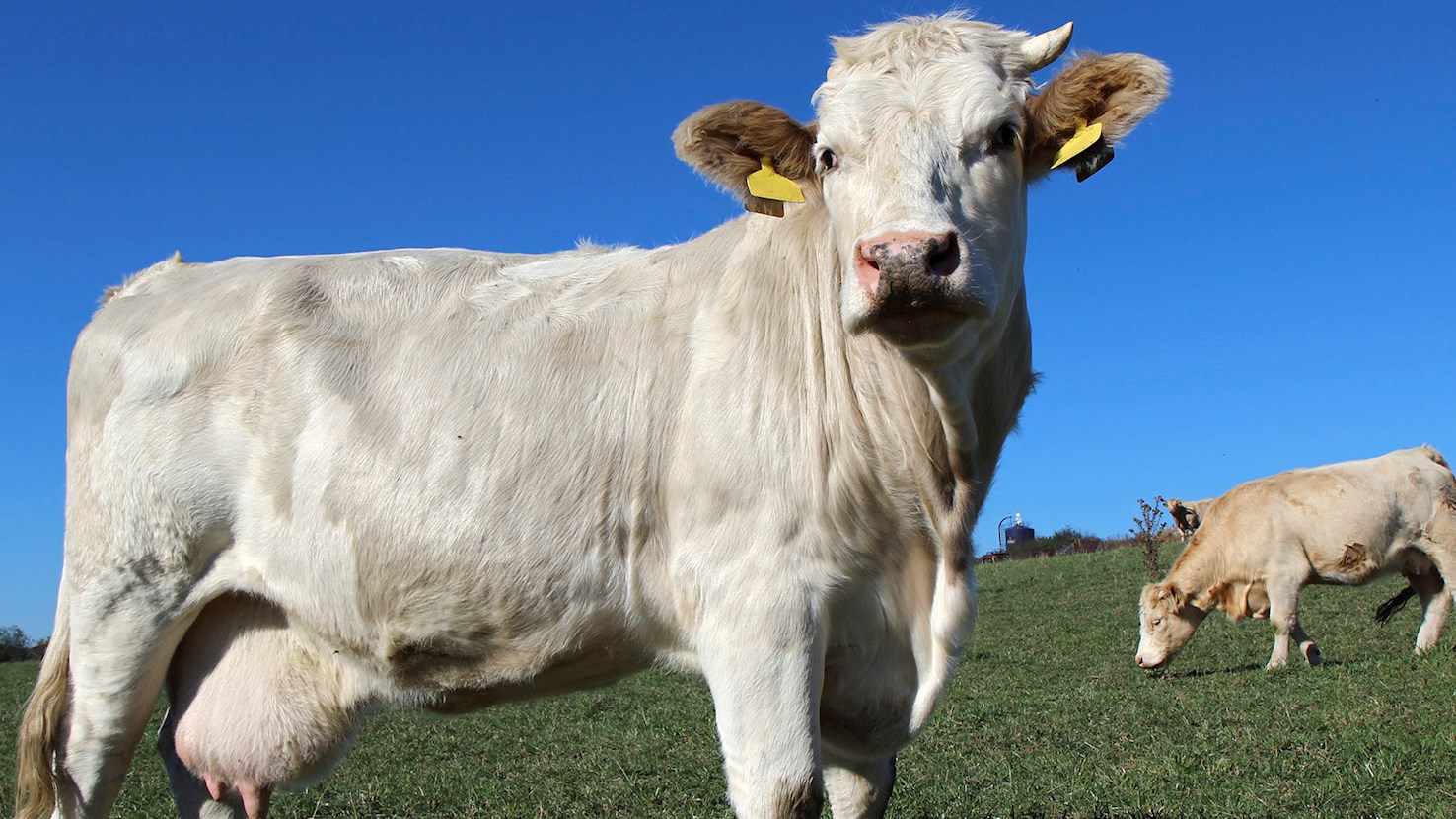
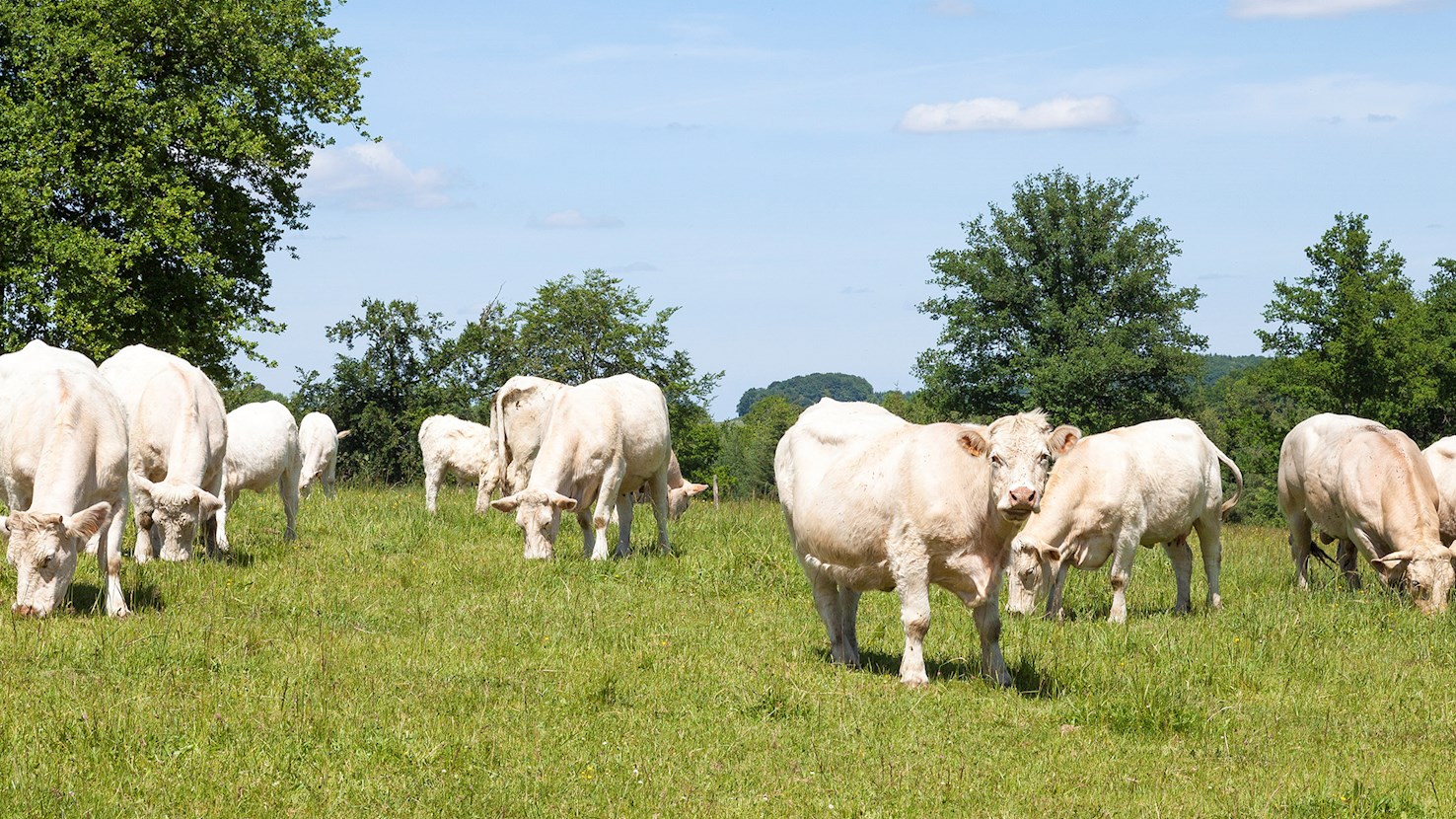
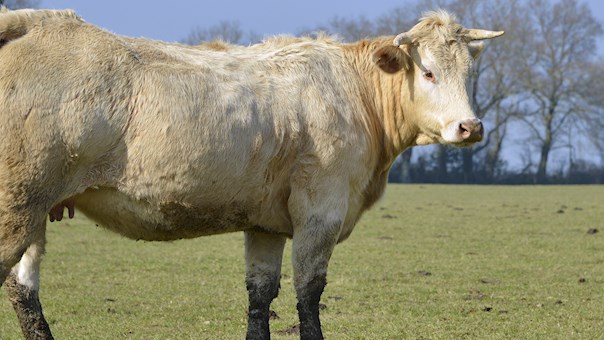
One of the oldest French taurine breeds, Charolais de Bourgogne beef cattle is indigenous to the wider Charolles area which is nestled between the rivers of Saône and Loire in Burgundy. The animals of this breed are large and heavy, white to cream-colored and either horned or polled. The Charolais breed is well known for rapid growth and good muscling, as well as high meat yield and offers the industry with top quality beef that is rich in iron and low in fat. In modern day beef production, Charolais beef is butchered into more than 30 cuts, and it is an essential ingredient of Boeuf Bourguignon, a classic French beef and red wine stew.

06

Veau du Limousin

n/a ·

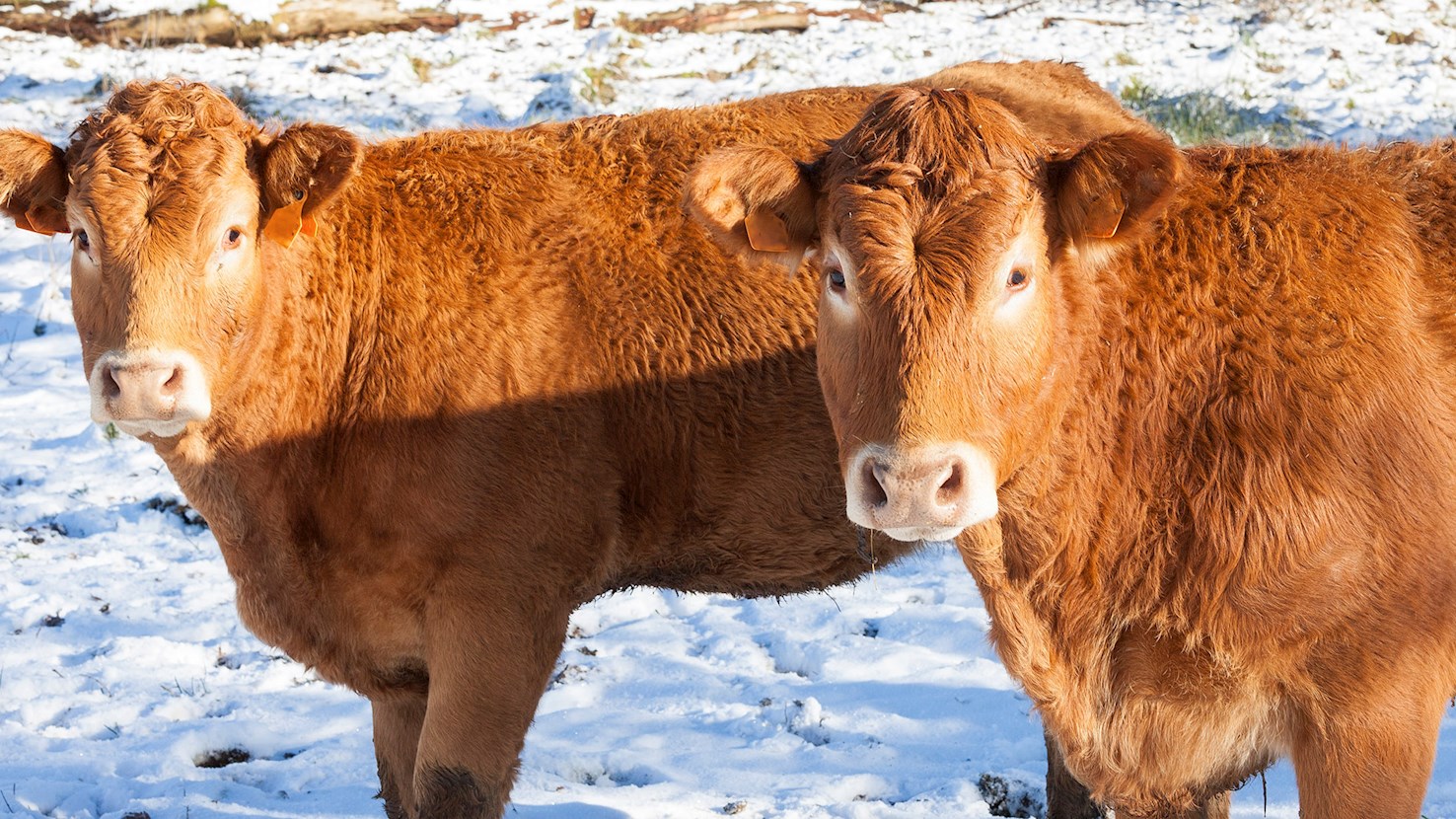
Veau du Limousin are suckling calves of the pure Limousine or Charollais breed that are slaughtered at an age of 3 to 5 months, and the carcasses weigh between 85 and 150 kilograms. Calves feed almost exclusively on milk. The soil on which the calves are reared is deficient in iron, so the meat itself is uniquely white-pink in colour. The meat is finely textured and well marbled, with great muscular development and a creamy white fat. It is very tender, revealing its characteristic flavors and melting properties when cooked. Ribs with cream or grill-roasted cutlets will surely satisfy every gourmet's taste.

07

Génisse Fleur d'Aubrac

n/a ·

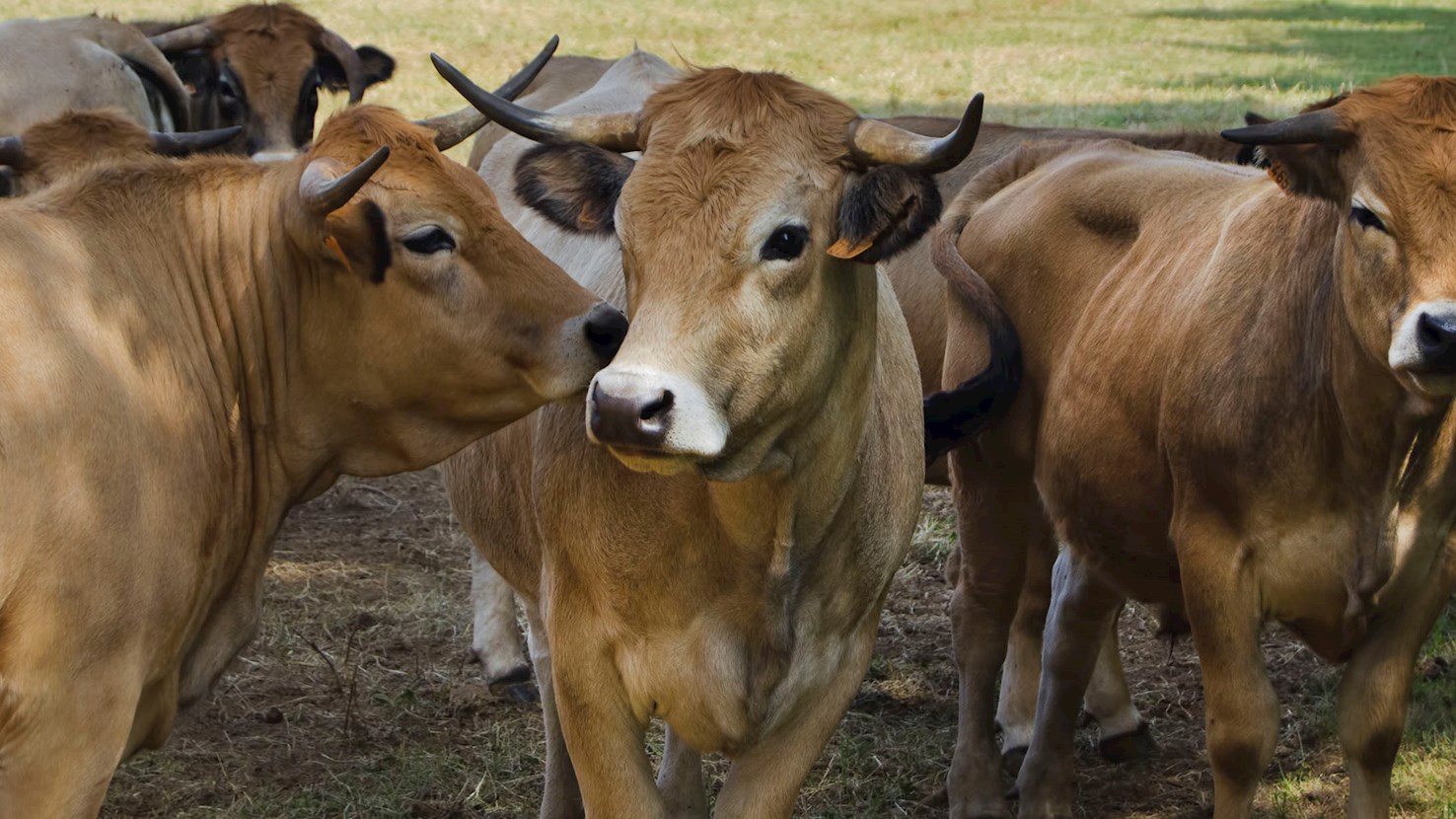
Génisse Fleur d'Aubrac is fresh meat from the animals that are a cross breed from the Charolais and Aubrac breeds of beef. The animals mostly have a light white color, but retain some of the black colors of the Aubrac breed. They benefit from both the rusticity of the Aubrac breed and a fine muscle development from the Charolais breed. The Fleur d'Aubrac heifer is slaughtered at an age between 24 and 42 months and is fed on its mother's milk until weaning when it feeds on the grassy pastures. The meat is tender, juicy and hearty due to the careful raising of the animals. Try a roasted entrecôte with butter, garlic and thyme.

08

Boeuf du Maine

n/a ·

Boeuf du Maine is bovine meat that is exclusively sold fresh and produced in the regions of Sarthe and Mayenne in France. The animals are reared in the traditional way, and they have access to natural feed and grassland that is favorable for the animals' growth. The meat is tender, flavorful, juicy and full of Omega 3 unsaturated fatty acids because the cows spend most of their life walking in the open air and are reared in a sustainable way. When slaughtered, the cows must weigh at least 350 kilograms if they are female and at least 380 kilograms if they are male. One can prepare the beef meat traditionally, as a roast or grilled beef, as well as making stews, braised beef and fricassee. Boeuf du Maine is excellent when paired with a full-bodied red wine.

09

Boeuf de Charolles

n/a ·

Boeuf de Charolles is fresh meat from the Charolais breed of white heifers, cows and bullocks reared in the Loire, Niévre and Rhône regions in France, all characterized by a dense hydric network and regular rainfall which promotes the grass growth on the pastures on which the cattle graze. The texture of the Charolles beef meat is tender, while the color is bright red and well marbled with fine veins of fat. There is a lingering juiciness to it, and it produces a slightly acidic taste on the palate. The aromas and smells are rich and intense, reminiscent of cereals, plants and animal fat. It is recommended to try it as a juicy steak with pepper sauce, roasted or grilled with shallots, potatoes or other vegetables, altogether seasoned with French thyme.

10

Rosée des Pyrénées Catalanes

n/a ·

Rosée des Pyrénées Catalanes is white veal meat obtained from the Pyrenean Brown, Aubrac or Gascon hardy breeds or from the cross-breeding of the mothers of these breeds with males of the Charolais, Limousin or Blonde d'Aquitaine breeds. The production area is located in the Catalan Pyrenees, which is a culturally and geographically homogenous area, despite belonging to two different states – France and Spain. The free-range calves remain with their mothers throughout their whole life and they feed exclusively on maternal milk and mountain pasture grass. They are processed unweaned when they are between five and eight months old and the minimum weight of marketed calves is 110 kg. The prized meat is tender and its color ranges from pink to light red and it is very rich in iron and low in fat thanks to the outdoor natural life of these calves.

Read more
View all
View map
About this ranking

TasteAtlas food rankings are based on the ratings of the TasteAtlas audience, with a series of mechanisms that recognize real users and that ignore bot, nationalist or local patriotic ratings, and give additional value to the ratings of users that the system recognizes as knowledgeable. For the “Top 14 French Beef Cattle Breeds” list until July 29, 2026, 30 ratings were recorded, of which 25 were recognized by the system as legitimate. TasteAtlas Rankings should not be seen as the final global conclusion about food. Their purpose is to promote excellent local foods, instill pride in traditional dishes, and arouse curiosity about dishes you haven’t tried.

Similar lists