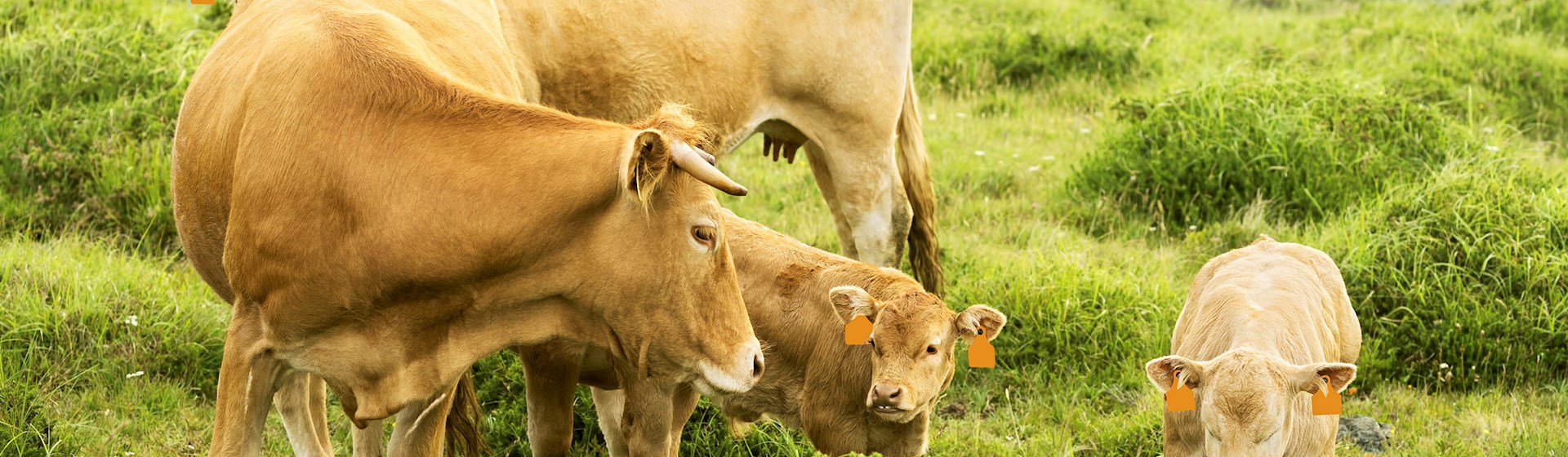
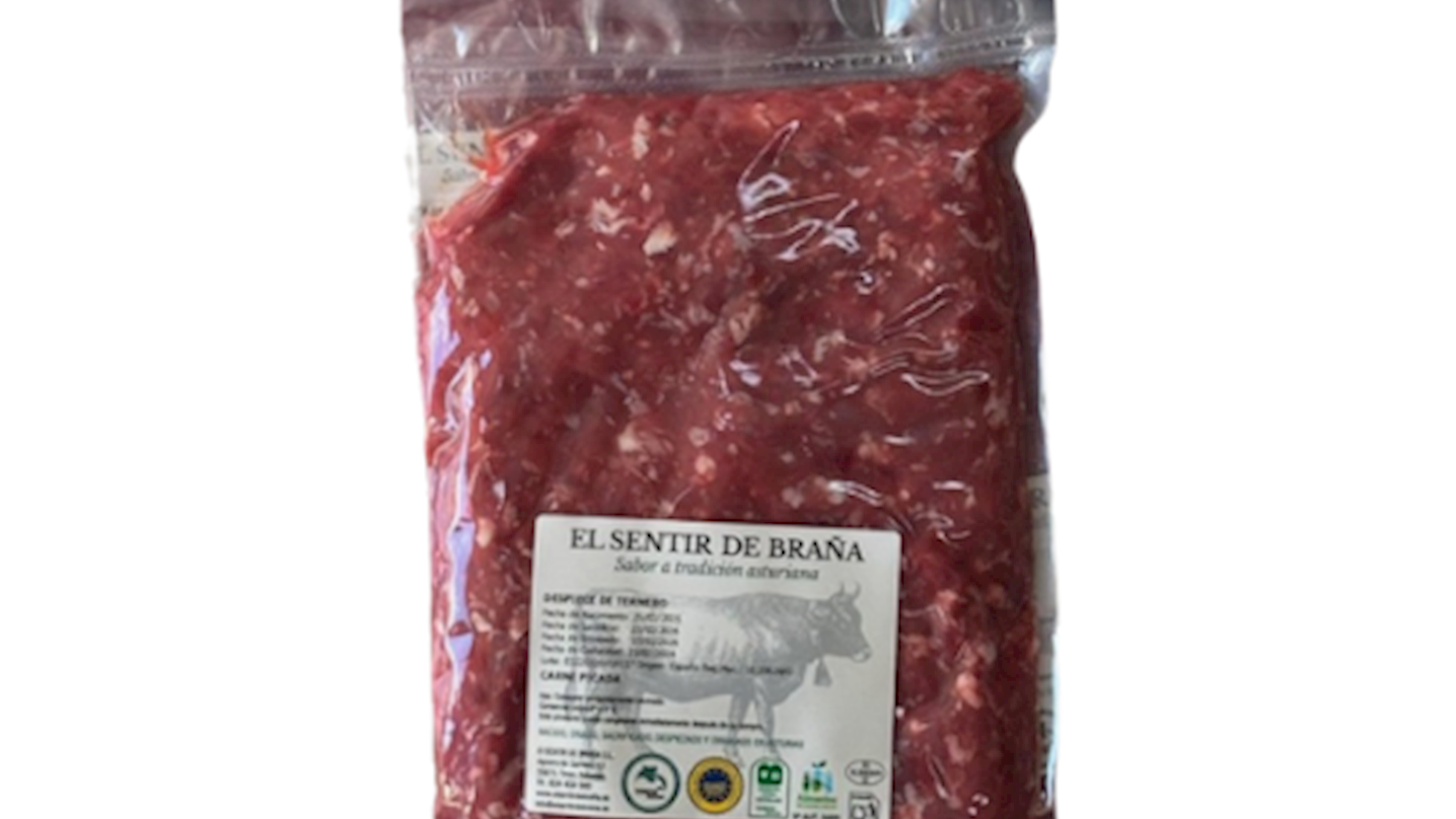
El Sentir de Braña is a contemporary beef producer from Asturias built on the traditional livestock system of the braña, high-altitude mountain pastures typical of northern Spain. Their model is based on extensive farming, where cattle graze freely and feed on natural pastures, spending most of the year outdoors, which directly influences the quality and flavor of the meat.
The project has a strong family foundation and is linked to long-standing cattle-raising traditions, with the aim of preserving a rural way of life that is gradually declining. Production focuses on native breeds, particularly Asturiana de los Valles, known for its balance between lean structure and marbling.
Rather than industrial scale, the emphasis is on limited production and direct-to-consumer sales, allowing greater control over quality and traceability. The brand is part of the “Alimentos del Paraíso Natural” initiative, reinforcing its connection to regional standards and the promotion of Asturian products.
Their philosophy centers on sustainability, animal welfare, and transparency throughout the production process. This approach positions the producer not only as a supplier of meat but as a representation of origin and production context.
El Sentir de Braña reflects a model that combines traditional mountain farming, controlled production, and a clear focus on authenticity and regional identity.
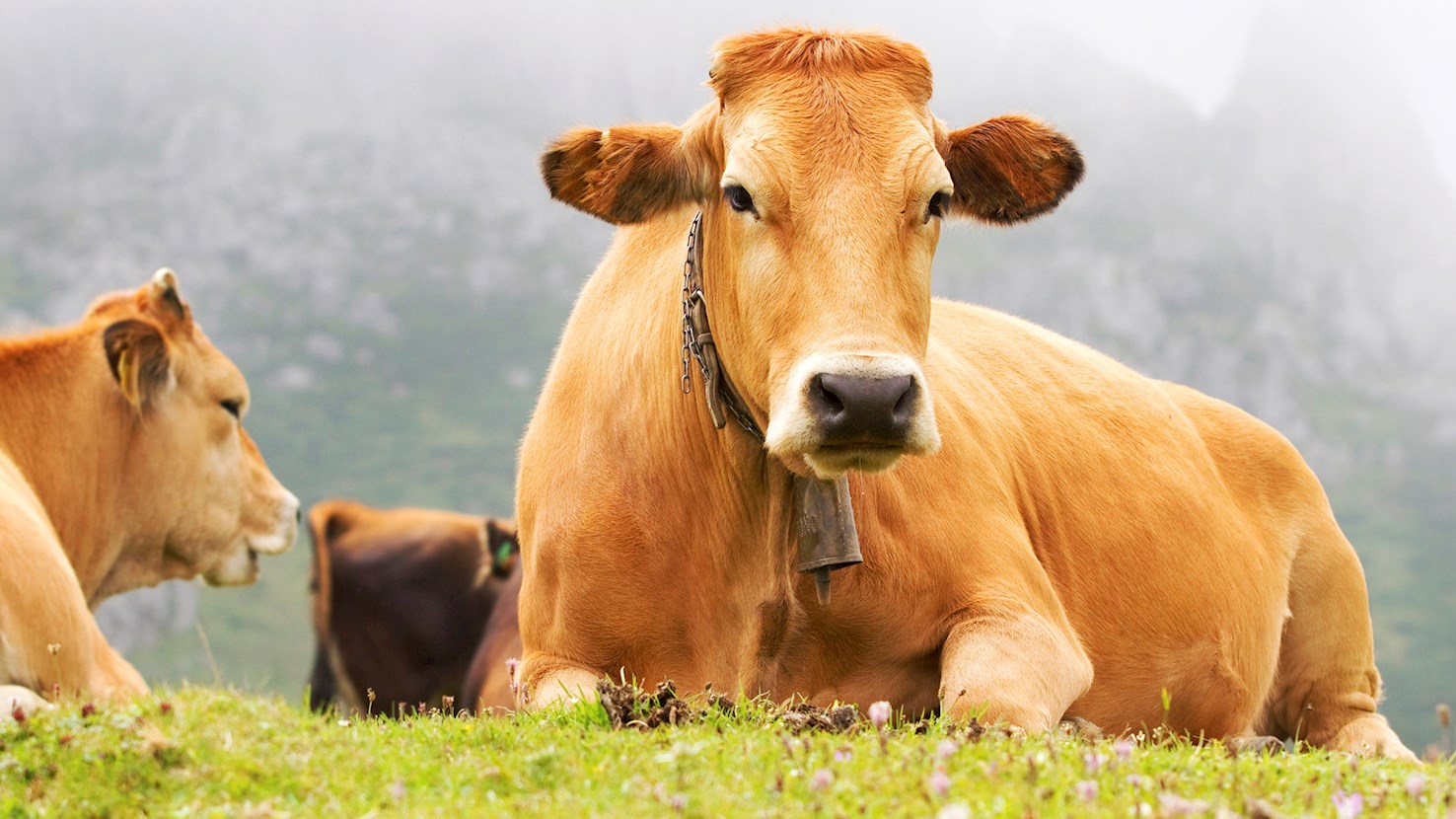
Ternera Asturiana is fresh beef from the Asturiana de Los Valles and Asturiana de la Montaña cows that are born, reared and fattened in the Principality of Asturias. Depending on the age of the animal at slaughter, two categories of this meat can be found on the market. One category is Ternera meat from cattle slaughtered at a maximum of 12 months old and Añojo, from cattle slaughtered at between 12 and 18 months of age. Ternera Asturiana meat is valued for its superior flavor and tenderness.
Ternera Gallega is veal of the indigenous Rubia Gallega and Morena Gallega breeds that are born, raised and slaughtered in Galicia. The meat that is sold under the yellow-labeled Ternera category comes from calves bred in small family farms fed on fodder of vegetable origin and cereals. The meat sold under the pink certification label of the Suprema category comes from calves bred in traditional farming that are fed exclusively with their mother's milk until they are seven months old. Characterized by its light pink to pale red color and creamy light yellow fat that has, the meat of Ternera Gallega is exquisitely soft, succulent and flavorful.
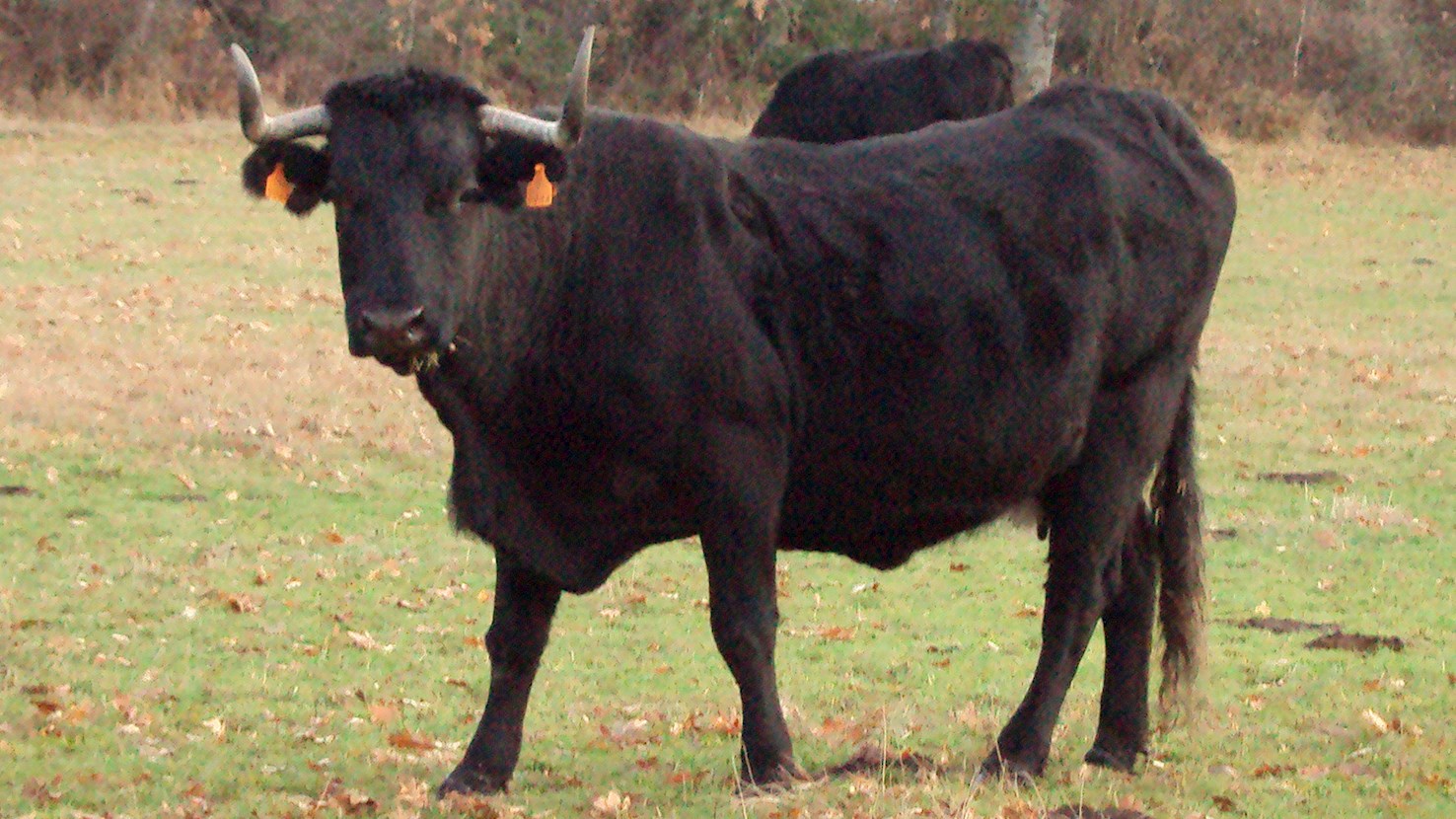
Carne de Ávila beef comes from the Iberian Black Avileña breed or a cross breed between cows of the Avileña-Negra Ibérica breed and breeding bulls of the integrated Charolais and Limousin breeds. The animals fall in one of three categories depending on their age; calf, yearling or young bull. This beef is highly valued due to its bright red color and intense flavor. Meat fibres are intertwined with white fat that gives this meat very juicy flesh with a firm consistency.
Ternera de Navarra is fresh beef from the Pirenaica, Pardo alpina, Blonde d'Aquitaine and Charolais cow breeds, reared and slaughtered in the Navarra area. The first four to six months of their lives they suckle their mother’s milk and later roam freely on the pastures. Their feed mostly consists of cereals, soy beans and legumes as defined by the Regulating Authority. The animals are slaughtered in a controlled environment, and their meat is immediately labeled and refrigerated. In order to make the meat more tender and succulent, it is matured for seven days before being put on the market. At the moment, there are five accredited slaughterhouses and five packing-houses in the area. Tenera de Navarra is rich in high-quality proteins and minerals such as iron, zinc and phosphorus. The best way to prepare this delicious meat is to follow the local recipe for the Navarrian veal stew and combine Ternera de Navarra with onions, tomato sauce and carrots.
Carne de Salamanca is beef from the Morucha breed traditionally pastured in the province of Salamanca. The herbs and plants found in the mountains and in the meadows where animals graze freely give this beef its characteristic taste and texture. This highly valued meat is bright pink to red in color and has very fine muscle fibres with evenly distributed fat. All this contributes to this meat being juicy and tender with a distinctive taste and flavor. There are three categories of Carne de Salamanca depending on the time of the slaughter; Ternera, Añojo and Cebón.
Carne de Cantabria is beef that comes from the Tudanca, Monchina, Asturian, Highland Brown and Limousin breeds grown in the Autonomous Community of Cantabria. There are four categories of this beef depending on the age when slaughtered; Ternera, Añojo, Novilla and Buey. Whenever possible, the animals graze on the meadows and mountain pastures. The grasses, pulses, and other plants found there, give this meat its intense and characteristic flavor. This beef is highly valued because of its bright red color and intense flavor, and the balance between lean meat and fat provides this meat with a certain juiciness and firmness.
Ternera de Extremadura is the fresh veal produced exclusively from meat of the indigenous Retinta, Avileña-BlackIberian, Morucha, Berrendas and White Caceres breeds, raised in the autonomous community of Extremadura. There are three variants of this veal depending on the age of the animals: heifer (Ternera)- animals between seven and 12 months, whose meat is bright red, firm and slightly moist; yearlings (Añojo) – animals between 12 and 16 months whose meat is light red to purple and has a fine texture; and bullocks (Novillo) – animals between 16 and 36 months whose meat is cherry red, moist and has a medium amount of intramuscular fat. The quality and origin of the Ternera de Extremadura is regularly checked by the Regulatory Council and labeled prior to putting on the market. Currently, there are around 12 slaughterhouses and four packaging plants in the area, and just 2% of the production is exported.
Carne de la Sierra de Guadarrama is beef or veal from the Avileña-Negra Ibérica, Limousin, and Charolais breeds produced in the Autonomous Community of Madrid. The animals are left to graze freely on the mountains and in the meadows, consequently making the meat more flavorful and tender. Carne de la Sierra de Guadarrama is highly valued because of its bright red color and intense flavor, and the balance between lean meat and fat provides this meat with a certain juiciness and firmness. The cattle for this beef falls into one of these three categories, depending on the time of the slaughter; Ternera, Añojo and Cebón, slaughtered before their 14th, 16th and 18th month of life, respectively.
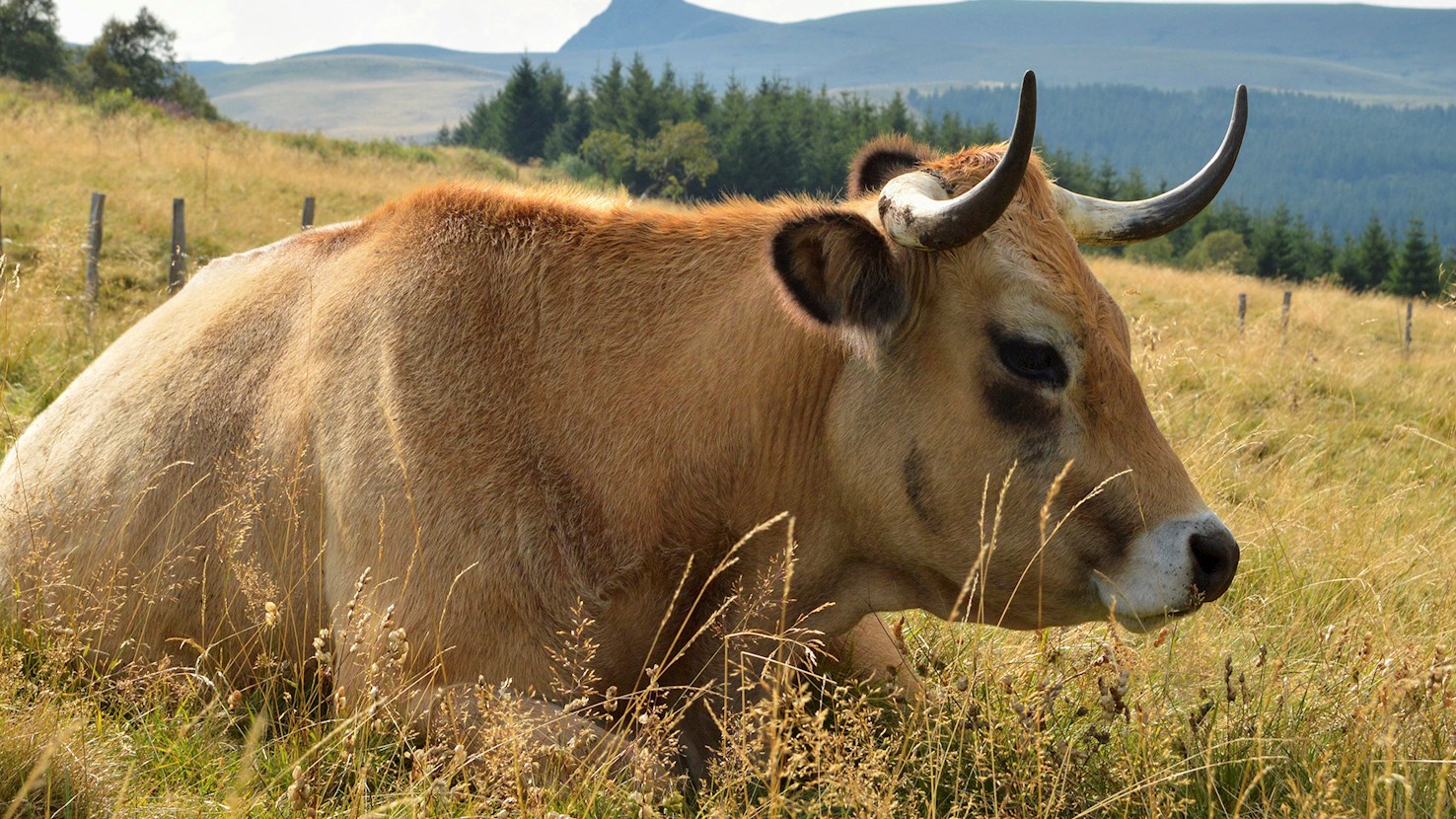
Ternera de Los Pirineos Catalanes is veal obtained from the Pyrenean Brown, Aubrac, and Gascon breeds that adapted to the climate conditions of the region and were reared in the open air. The area of production includes both the Spanish and the French part of the Catalan Pyrenees that is a culturally and geographically homogeneous area. The animals graze freely in the mountains and are fed on a mixture of cereals and ground leguminous grains. No chemicals or by-products can be added to the feed. The animals are slaughtered in a controlled environment using traditional methods to ensure the superior quality. The females are slaughtered when they are between 9 and 12 months old, and the males between 10 and 15 months. Their meat is pink to bright red, and the fat is white to light beige. The meat is aged for at least six days before being put on the market, in order to become juicier and more tender. Ternera de Los Pirineos Catalanes can be found on the menus of many restaurants, in butcher shops and charcuterías.
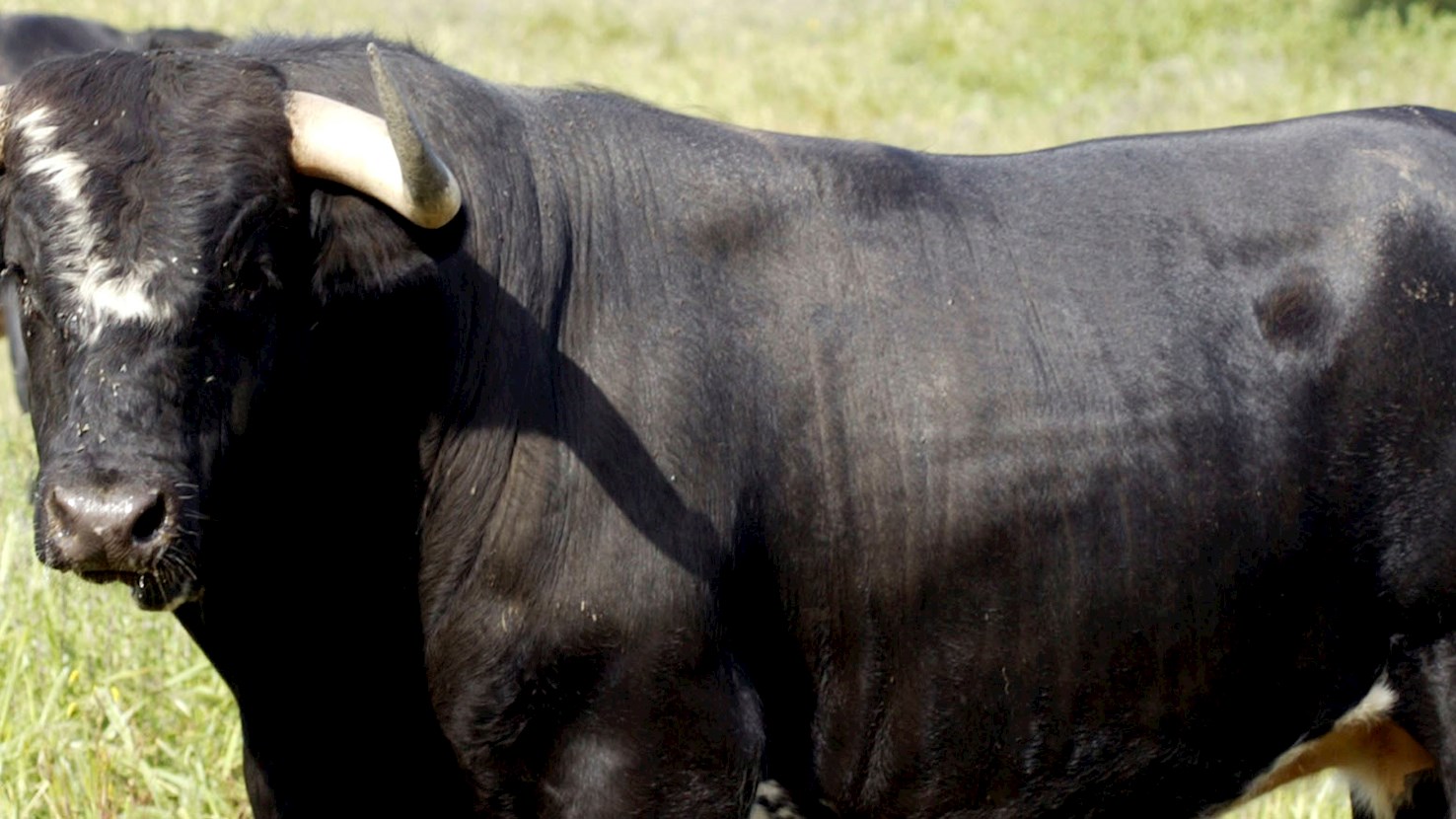
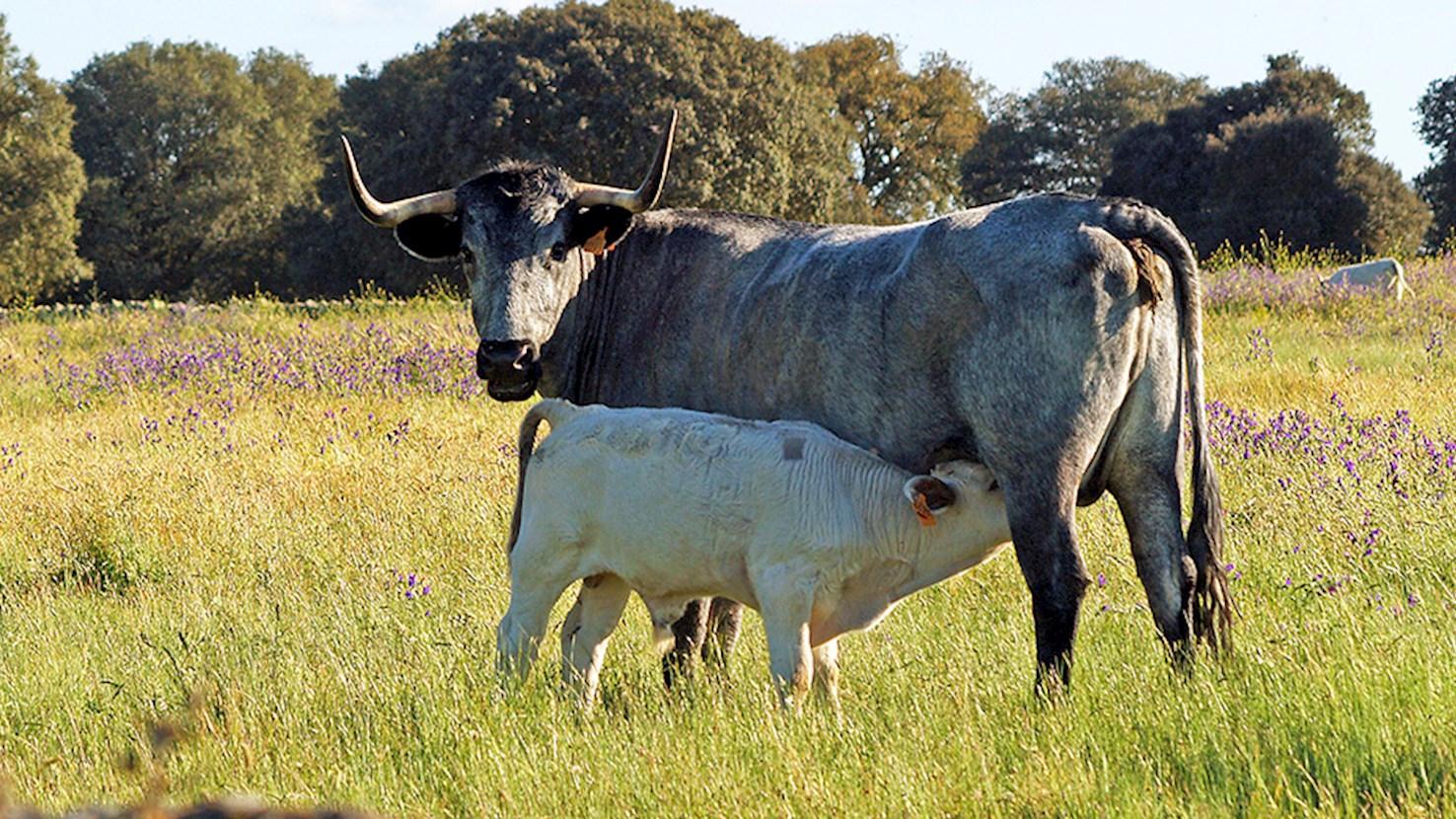
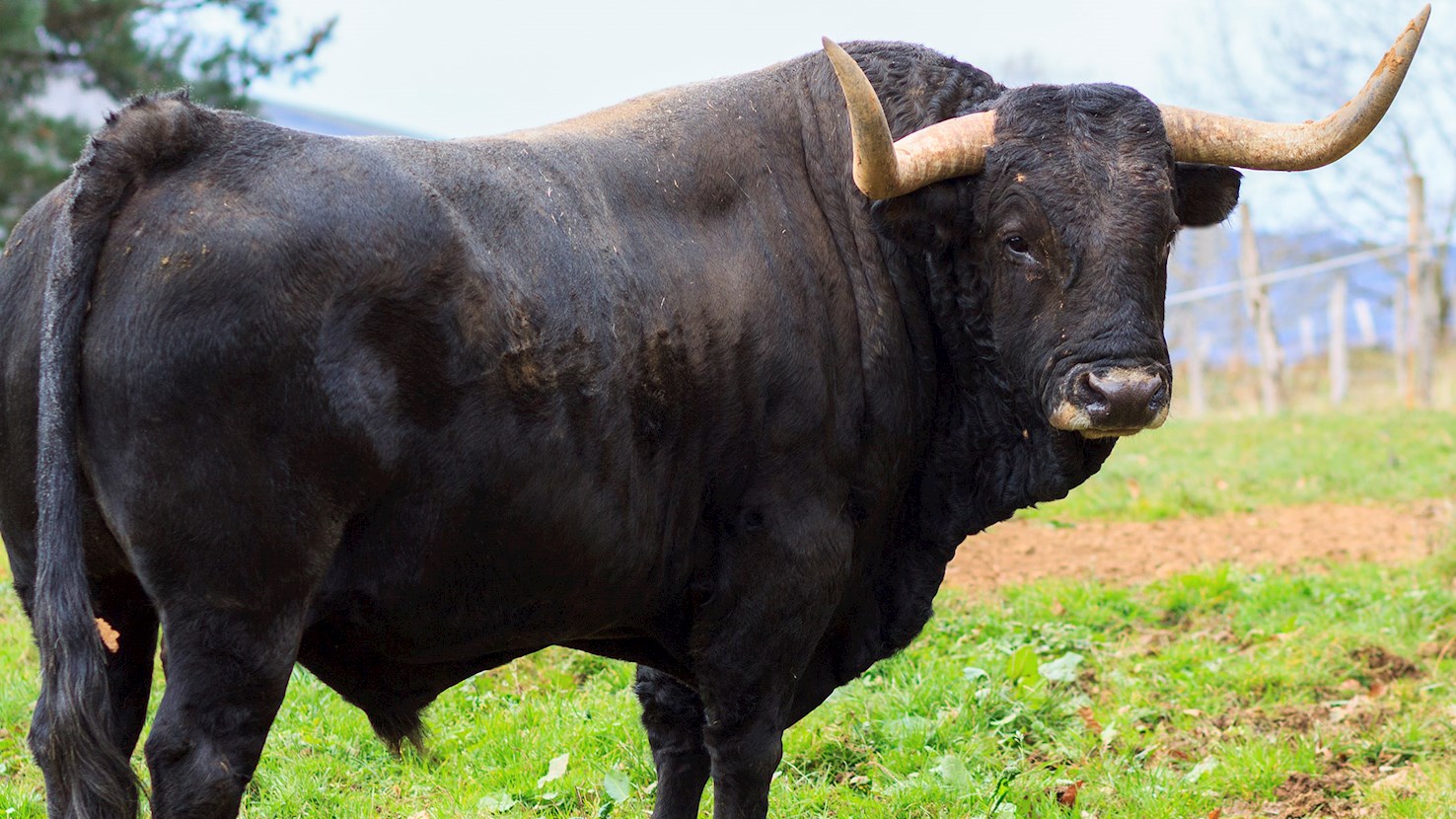
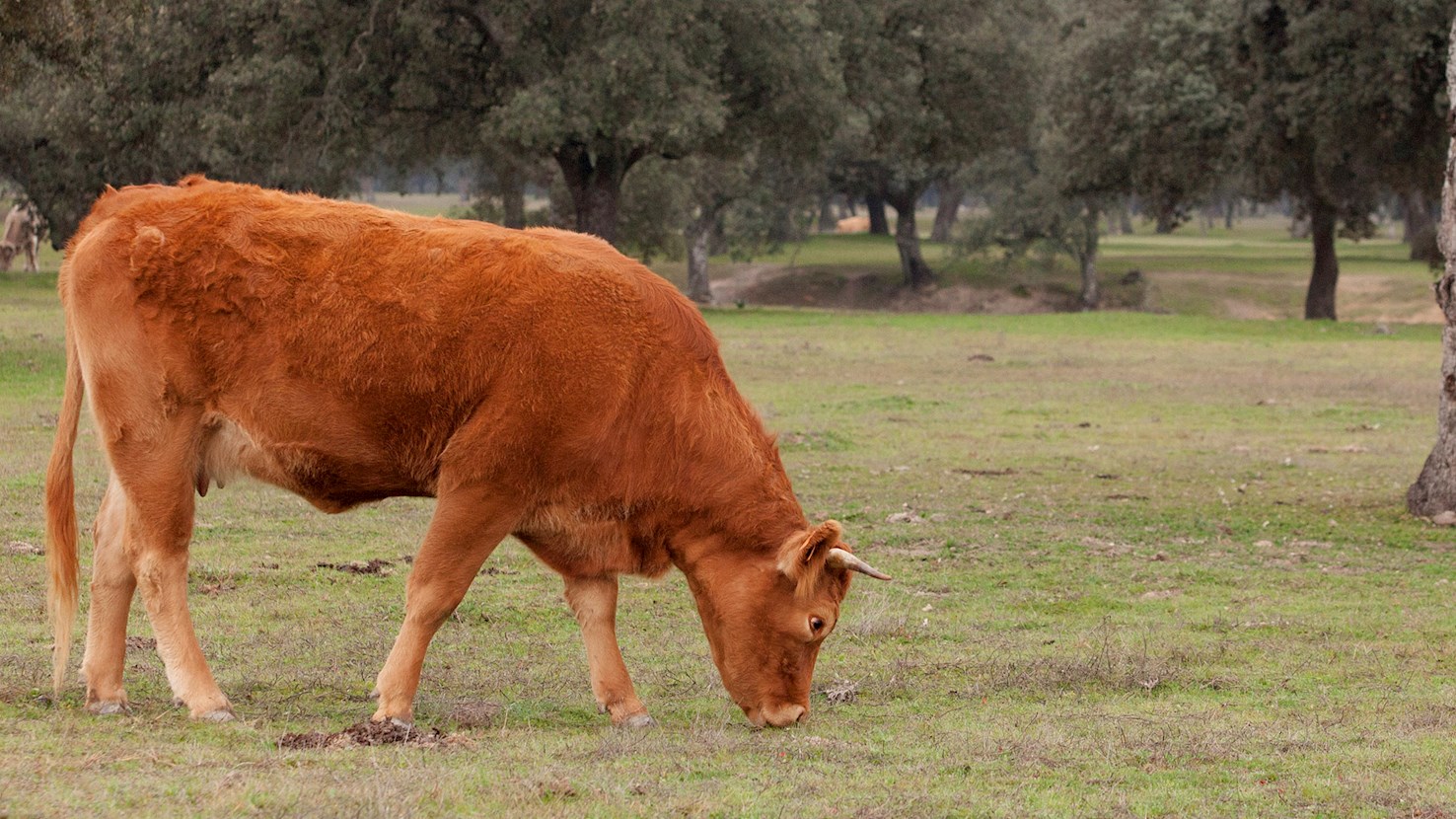
Tudanca is a native cattle breed from Cantabria, especially linked with the mountain valleys of the region’s western half, including Tudanca, Saja-Nansa, Cabuérniga, Liébana, Polaciones, Rionansa, and Lamasón. The breed takes its name from the village and valley of Tudanca in the Cantabrian Mountains, and it is one of the most recognizable animals of the region, with large horns, a strong frame, dark or grey-brown coat colors, and a pale area around the muzzle. It developed in a difficult mountain setting, where cattle had to cope with steep pastures, rain, cold, long walks, and limited grazing. For many years, Tudanca cattle were used for farm work, transport, milk, and meat, but their role changed when machines replaced draught animals and more specialized beef and dairy breeds became common. Numbers declined during the 20th century, and later breeders, local institutions, restaurants, and small farms worked to secure the breed's economic future, primarily through meat production and local food identity. Spain’s Ministry of Agriculture classifies Tudanca as a native Cantabrian breed from mountain areas, and Carne de Cantabria PGI includes Tudanca among the breeds accepted under the protected beef indication. The animal is valued not only for meat but also for its association with mountain grazing and the upkeep of rural landscapes, since it can use pastures that are not always suitable for more delicate breeds. Tudanca beef is at its best when the cut is treated for what it is: ribs and steaks benefit from fire, salt, and short cooking, while shoulders, shanks, cheeks, and other working cuts need time in a pot. The meat is usually prized not for heavy marbling but for a firm texture and a deeper, more rustic beef flavor that suits Cantabrian mountain cooking. Outside the kitchen, the breed still carries a strong local identity. It appears at cattle fairs, summer pastures, village festivals, and menus that aim to showcase Cantabria through its own animals rather than generic beef. In restaurants and homes, Tudanca may appear as a grilled rib steak, a slow-cooked stew, a burger, braised beef, meatballs, roast meat, or a filling dish served with potatoes, beans, peppers, mushrooms, onions, or bread. It is most closely connected with inland Cantabria and mountain areas, but it is also found in Santander, Torrelavega, Cabezón de la Sal, Potes, San Vicente de la Barquera, and other towns where local beef is part of the food offer. Richer cuts work well with Rioja, Ribera del Duero, Bierzo, Toro, Navarra, or Cantabrian red wine, while simpler dishes such as burgers, stews, or lean grilled cuts can also be served with cider and beer.
TasteAtlas food rankings are based on the ratings of the TasteAtlas audience, with a series of mechanisms that recognize real users and that ignore bot,
nationalist or local patriotic ratings, and give additional value to the ratings of users that the system recognizes as knowledgeable.
TasteAtlas Rankings should not be seen as the final global conclusion about food. Their purpose is to promote excellent local foods,
instill pride in traditional dishes, and arouse curiosity about dishes you haven’t tried.
The initial list of top producers was compiled based on available reviews, awards, local recommendations, media and blog coverage, and consumer reviews.
The list will be updated with ratings from TasteAtlas local ambassadors and TasteAtlas users.





What People Say