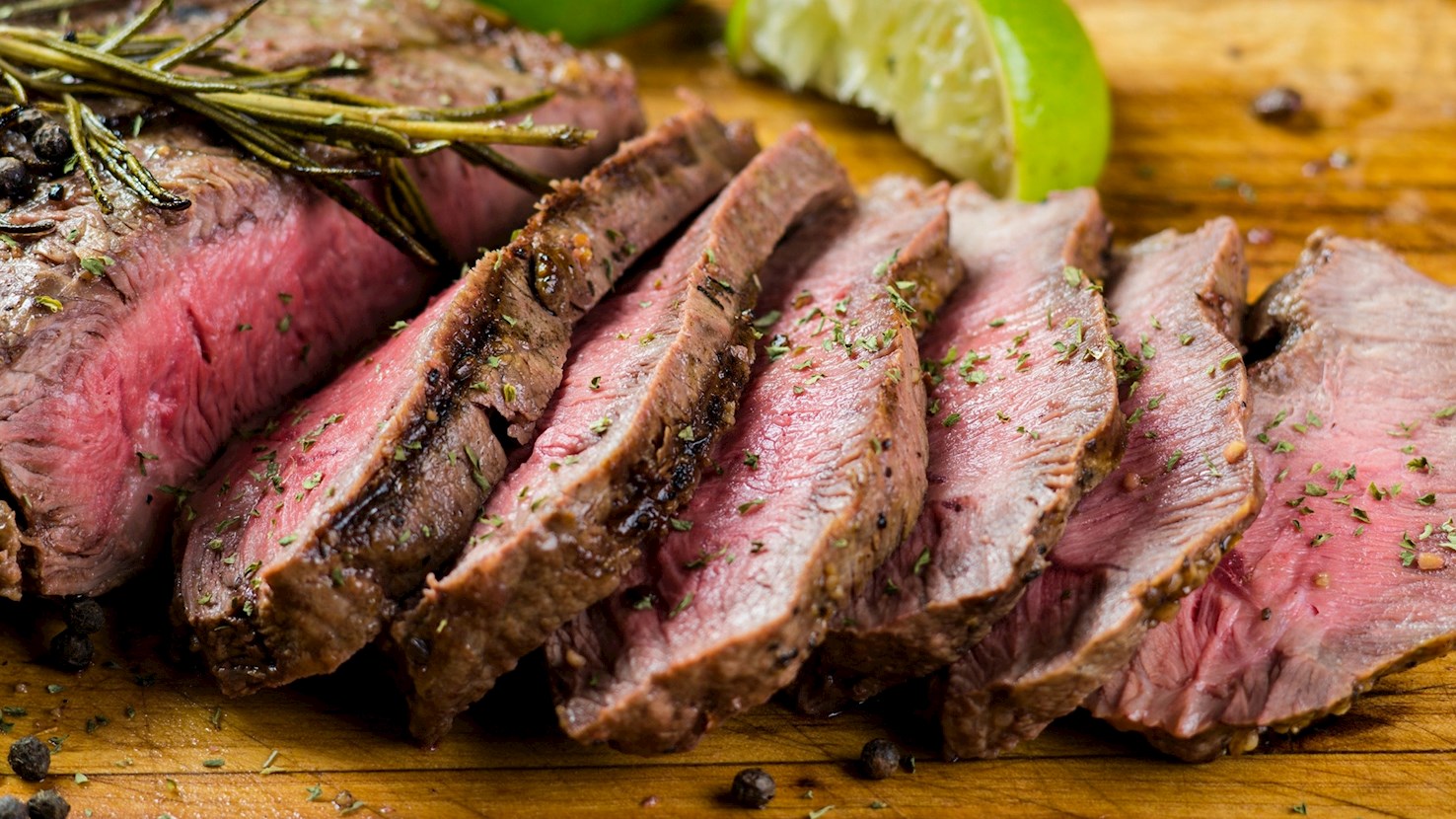
Flat iron steak is a cut of beef that comes from the shoulder (or chuck) of the cow, specifically the top blade. The name "flat iron" is believed to come from the steak's shape, which somewhat resembles an old-fashioned flat iron. It's known for its rich flavor and tenderness, making it a popular choice for grilling and other cooking methods. The flat iron steak is usually well-marbled, which contributes to its flavor and tenderness. However, it has a line of tough connective tissue running through the middle, which is typically removed by butchers to make the steak more palatable. This cut is praised for being relatively affordable compared to other premium cuts like ribeye or filet mignon. It’s often used in recipes where a rich, beefy flavor is desired, and it's versatile enough to be cooked in various ways, including grilling, broiling, or pan-searing.
Kapisi pulu is a popular Tongan food that is commonly consumed on special occasions and festivities. The dish consists of canned corned beef, tomatoes, onions, and coconut cream. All of the ingredients are combined, then placed in banana leaves and baked. When kapisi pulu is done, the banana leaves are unwrapped, and the contents on the inside are consumed while still hot.
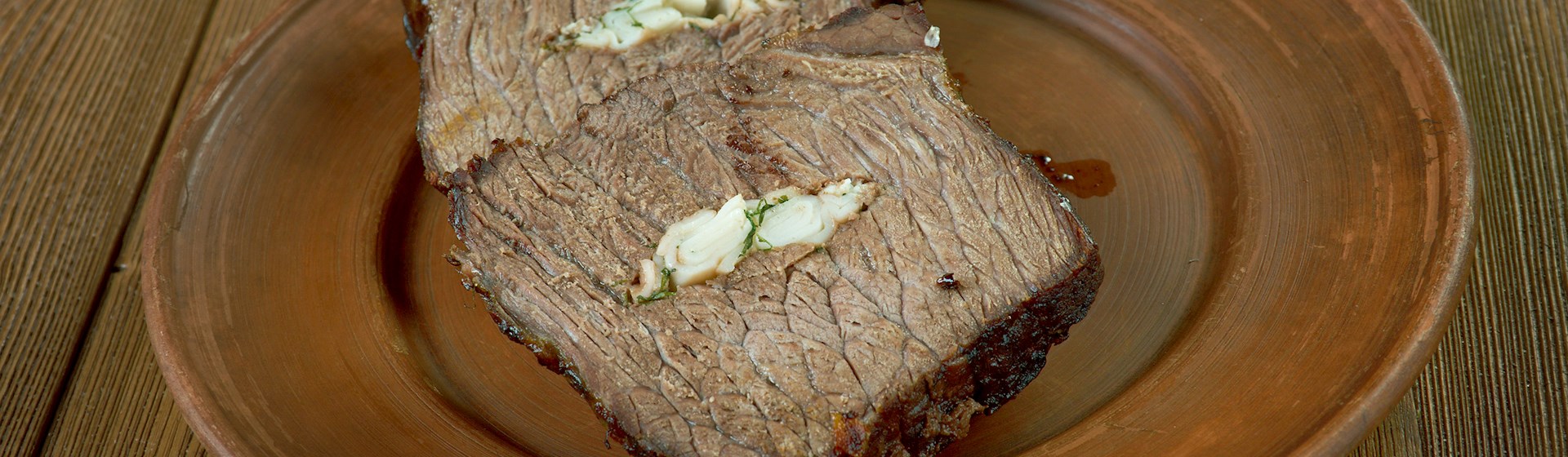
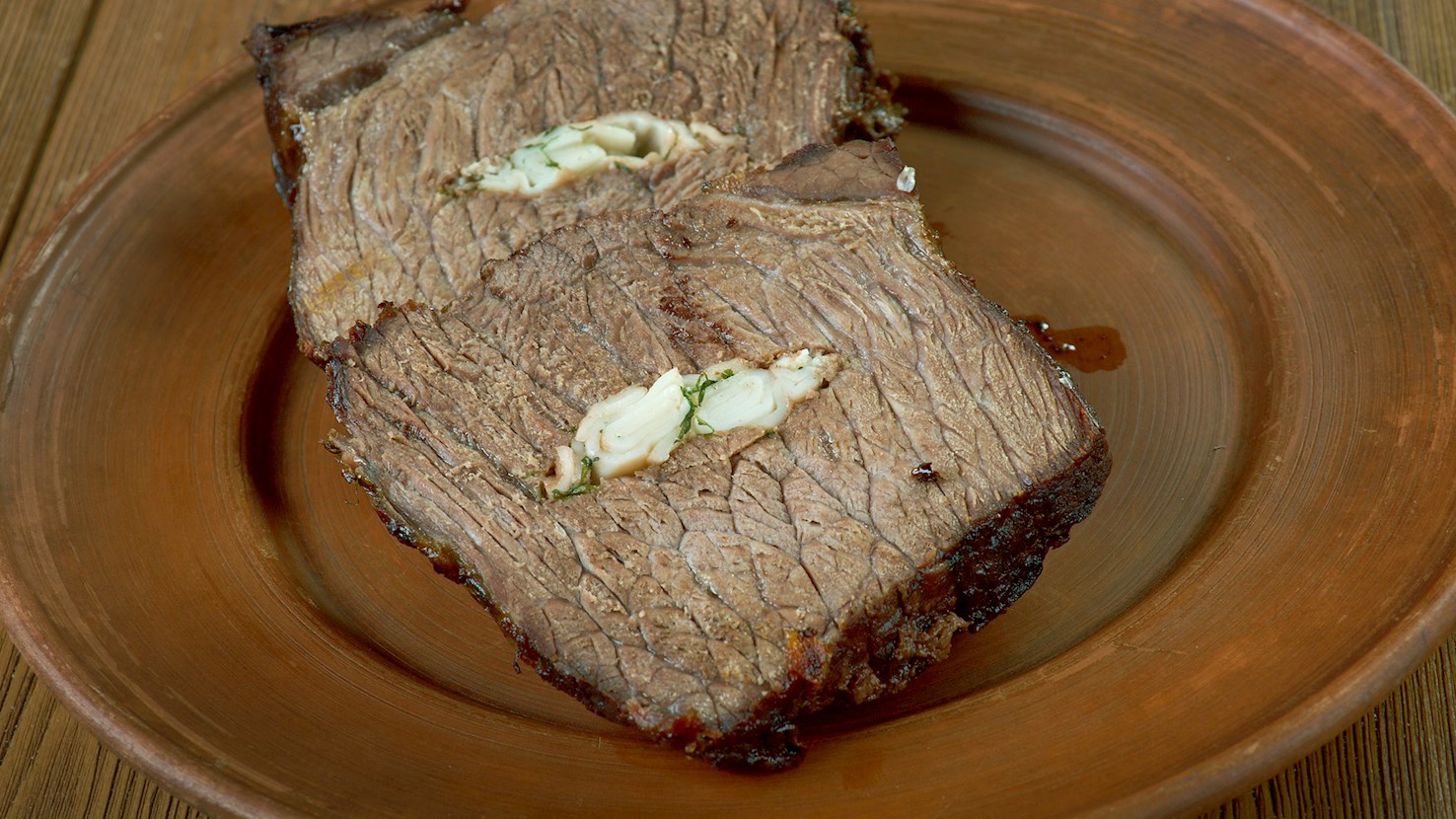
Carpetbag steak is a meat specialty that couples the decadent flavors of boneless beef steak and fresh raw oysters. Rather than going on top of the meat, as is usually the case with other similar combinations, the oysters are meant to be tucked snugly into a pocket created in a thick end cut of a rib-eye steak (called scotch fillet steak in Australia). Once stuffed, the pouch is either sealed with skewers or sewn up with twine, and the steak is then ready to be pan-seared, grilled, or broiled, usually until the meat is still rare. Despite its strong connection to Australia, a common assumption is that America has been the original birthplace of this delicacy, but still, the exact origins of the dish remain unclear. Carpetbag steak gained an iconic status around 1950, in Sydney, Australia, which is probably how the link between it and Australian cuisine came about. There’s evidence, however, that the dish was a common menu item in US restaurants such as the Los Angeles-based Chasen’s - earlier than the 1950s, which sets back the Australian claim on it. According to one theory, Luis Diat is credited as the inventor of the dish since his book Cooking a la Ritz, published in 1941, contains what is generally accepted as the first printed recipe of this specialty. Although the dispute over the origin of carpetbag steak may continue, the combination of beef and oysters is known to precede this invention. Historically, people often smothered steaks with oysters or threw them into a pot with meat, and they also made savory pies with a filling of beef and oysters. Unfortunately, this once highly-prized meat delicacy has gradually fallen into oblivion, and nowadays there’s rarely a restaurant that offers it on their menu.
Lu pulu is a traditional dish utilizing taro leaves, coconut milk, onions, tomatoes, and canned corned beef, which is usually imported from New Zealand. The ingredients are wrapped in taro leaves, and the whole concoction is then wrapped in aluminum foil or banana leaves and baked in an oven for about 2 hours. The dish should be served hot and paired with anything from rice to yams.
Uniquely flavored with annatto extract and tangy from added vinegar, bistek is a popular Chamorro dish consisting of thinly sliced beef, onions, garlic, black pepper, vinegar, and annatto-flavored water. This flavorful beef stew is sometimes enriched by the addition of peas or green beans. When done, the dish is often served topped with a steaming pile of fluffy white rice and enjoyed as a filling main course.
Pua toro is a dish that is essentially canned corned beef. A tin of pua toro can almost always be found at numerous picnics in Tahiti. This dish is prepared by sautéeing corned beef in a skillet together with chopped red onions, cabbage, tomato sauce, garlic, oil, salt, and pepper. It is recommended to serve it with spaghetti, rice, or roasted breadfruit.
TasteAtlas food rankings are based on the ratings of the TasteAtlas audience, with a series of mechanisms that recognize real users and that ignore bot,
nationalist or local patriotic ratings, and give additional value to the ratings of users that the system recognizes as knowledgeable.
TasteAtlas Rankings should not be seen as the final global conclusion about food. Their purpose is to promote excellent local foods,
instill pride in traditional dishes, and arouse curiosity about dishes you haven’t tried.






What People Say