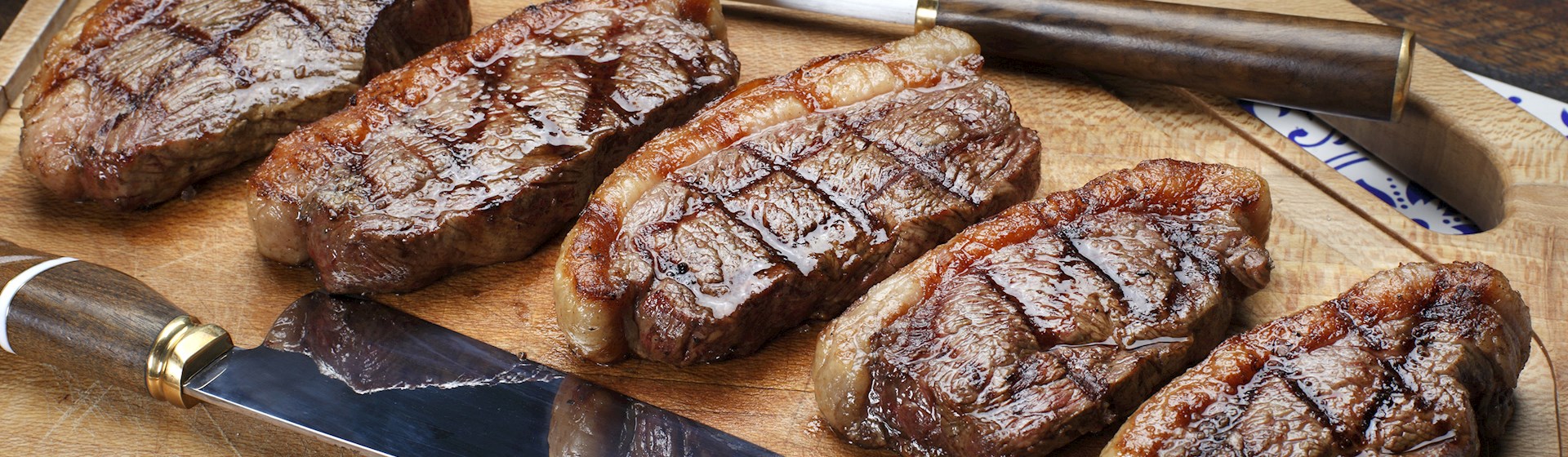
Fraldinha is one of the most important and respected cuts in Brazilian churrasco culture. Affordable, flavorful, and deeply traditional, it is prized not because it is easy, but because it rewards proper technique. Often compared to flank steak, fraldinha in Brazil is recognized by its long muscle fibers, uneven thickness, and a clear fat cap on one side. A whole piece usually weighs between 800 g and 1.2 kg (1.75 and 2.65 lbs), with one end thin and lean and the other thicker and protected by fat. This natural imbalance defines how fraldinha must be cooked. The fat cap is essential. When handled correctly, it renders slowly, bastes the meat, and protects the lean portion from drying out. For this reason, fraldinha is rarely trimmed aggressively for churrasco. Removing the fat is considered a variation rather than the standard approach. Traditional seasoning is deliberately minimal. The classic preparation uses only salt, allowing the beef's flavor to remain the focus. In professional churrascarias, salt is often dissolved in water, and the meat is briefly dipped rather than hand-salted. This technique ensures even seasoning across the entire surface, eliminates visible salt grains, and removes the risk of over-salting. At home, some cooks add black pepper or apply a thin layer of yellow mustard, especially in more rustic styles. When mustard is used, it is applied lightly and expected to darken during cooking; the darker color is characteristic, not a sign of burning. Heavy marinades, garlic pastes, or sweet sauces are traditionally avoided. Fraldinha is cooked over live charcoal, with strong, active embers and occasional flames. Rather than weakening the fire, heat is controlled by distance. The meat is positioned high above the coals, usually about 40 cm (16 inches) above the coals of medium to medium-high heat. This setup allows the fat to render properly without scorching and prevents flare-ups from ruining the meat. Heat is judged by feel and appearance rather than strict timing. In churrascarias, the accordion (sanfona) skewer method is the primary and preferred technique for cooking fraldinha. The meat is pierced in a zigzag pattern along its length, aligning the fibers and compensating for uneven thickness. As the skewer is rotated over the fire, each side cooks evenly, the fat renders gradually, and the meat stays juicy. This method also makes intuitive, correct slicing against the grain, which is critical for tenderness. Because of its consistency and efficiency, this is the method most commonly used in rodízio service. Other grilling methods exist as well. The folded method starts with the fat side down to render and brown; once the fat side is cooked, the meat is flipped, and the thin end is folded or rolled over the fat end so the underside of the fatty portion can cook without overcooking the thin section, then opened and finished evenly. The rolled, medallion-style method wraps the fraldinha with the fat on the outside before skewering, creating uniform thickness and even doneness, though with a slightly different texture. A leaner variation, sometimes called “fraldinha red,” removes the fat cap entirely and grills the meat hotter and faster, with salt added only at the table. Doneness is critical with fraldinha. Because it has long muscle fibers, it should be cooked only rare or, at most, medium-rare. Cooking it beyond that causes the fibers to tighten, making the meat stiff, dry, and overcooked. This is why churrascarias never serve fraldinha well done. It is also common for a single piece to offer slight variation in doneness, with the thicker section closer to medium-rare and the thinner section closer to rare, accommodating different preferences without sacrificing tenderness. Slicing is non-negotiable. Fraldinha must always be cut thinly and against the grain. Cutting with the grain will make even a perfectly cooked piece seem tough, while correct slicing transforms it into a tender, juicy bite. This discipline is one of the main reasons fraldinha served in churrascarias is consistently tender. Fraldinha is traditionally served immediately after slicing, often carved directly from the skewer and presented simply, without heavy sauces. Typical accompaniments include farofa, vinagrete, rice, beans, and pão de alho.
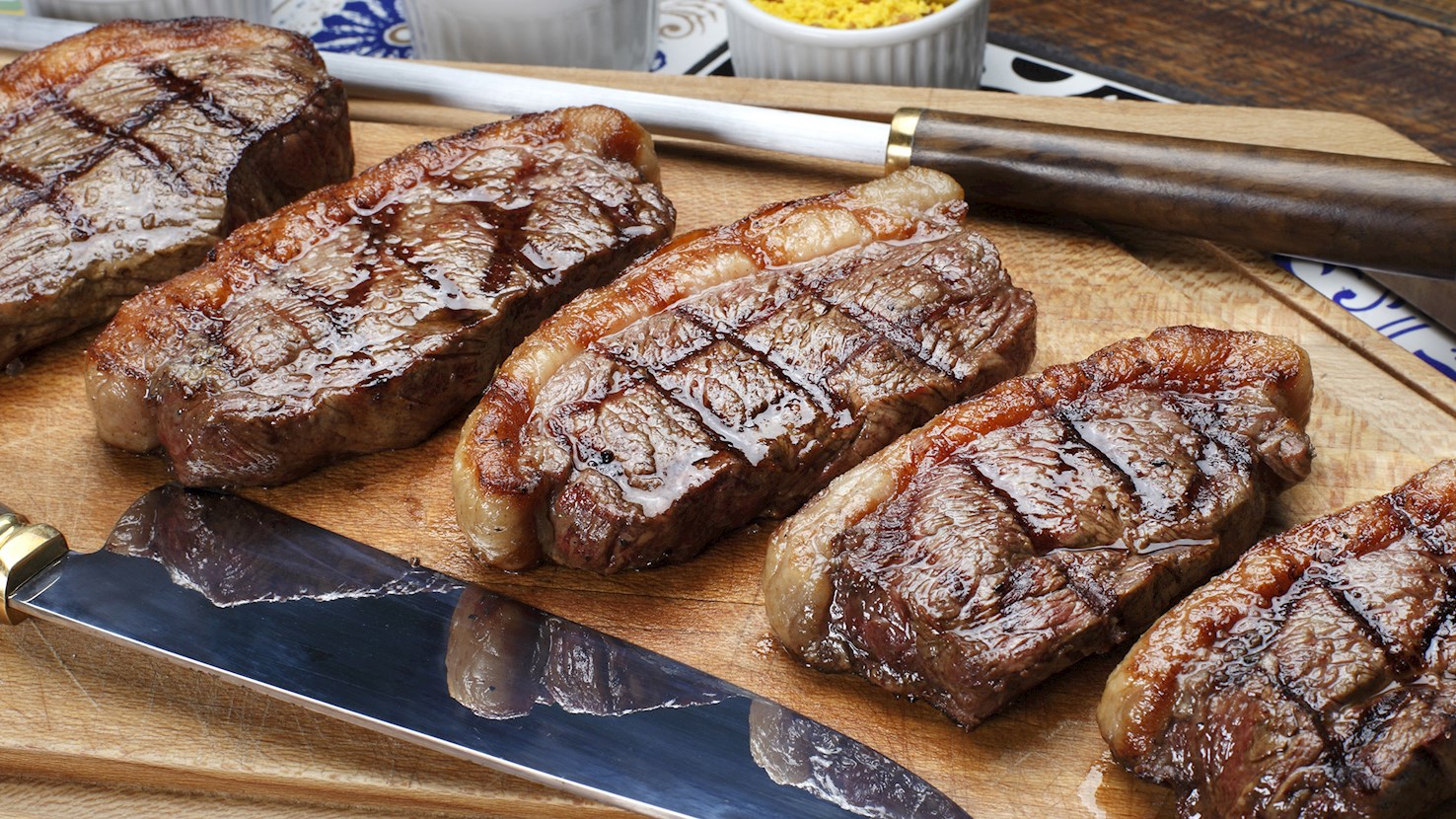
One of Brazil’s most loved grilled meats, the picanha is both the name of the dish and the name of the cut used to make the dish. The cut comes from the top back side of the animal and is located above the butt. The meat is cut into slices which are generously sprinkled, then skewered and cooked over embers. When done, the meat is carved, and the outside slices are served. The remaining picanha meat is salted again, then placed over the embers so the outsides can caramelize and be sliced again for another portion. It is a mainstay at Brazilian churrasqueiras (barbecue restaurants) where it’s served sided with dishes like farofa, rice and beans, and vinaigrette.
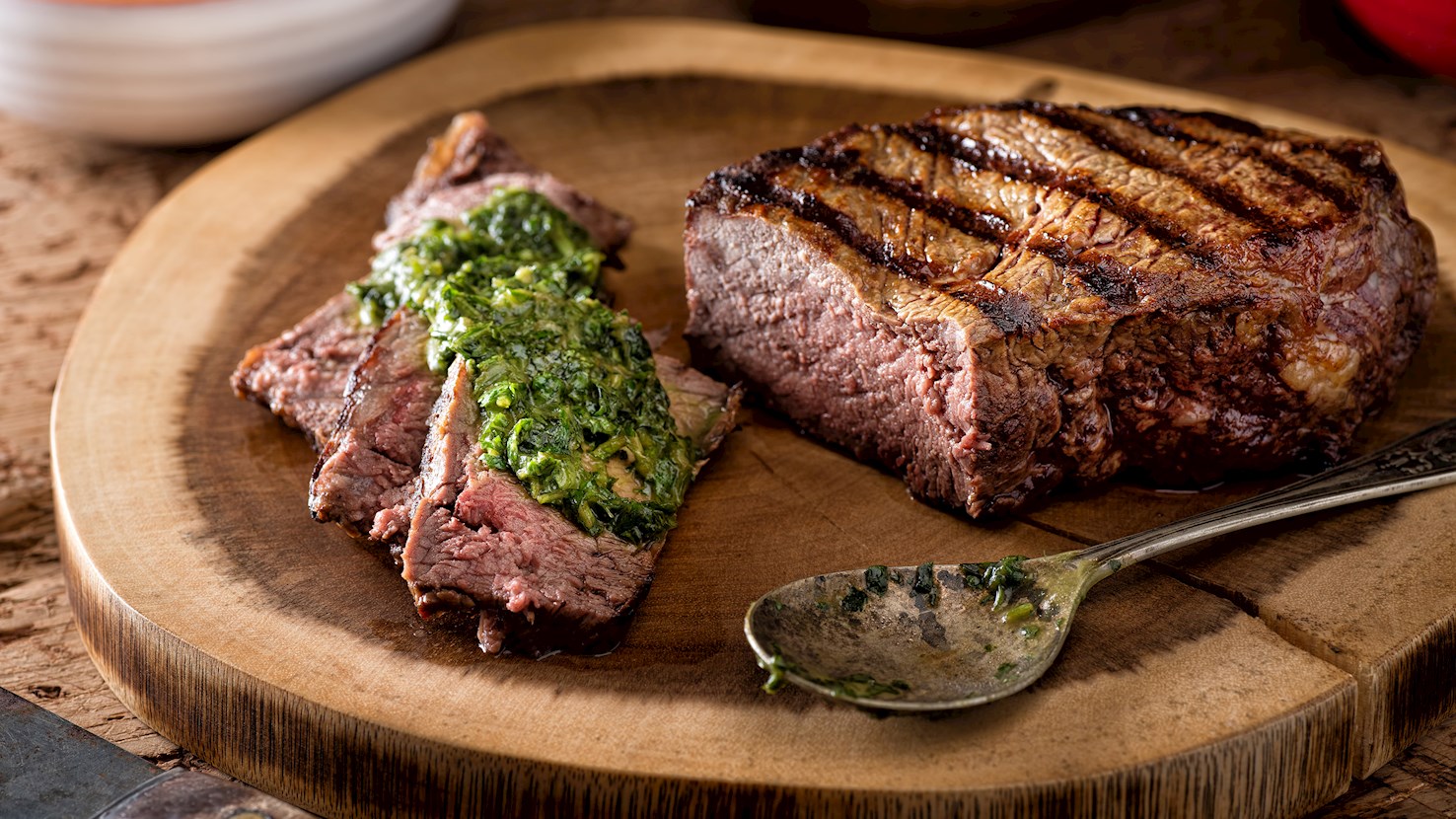
Bistecca alla Fiorentina is a renowned Italian steak traditionally sourced from the Chianina cattle breed, celebrated for its high quality. Originating from the Tuscany region, this dish is a culinary symbol of Florence. The steak is a thick-cut T-bone, usually weighing between 800 grams to 1.2 kilograms (2-3 lbs), and includes both the tenderloin and sirloin. It is grilled over a wood or charcoal fire, which imbues the meat with a distinctive smoky flavor. The cooking process is brief, typically only a few minutes per side, ensuring the steak is seared on the outside while remaining rare inside, often referred to as "al sangue" (bloody). True aficionados of the Fiorentina might even prefer it "blue" or extra rare. Seasoning is minimal, usually just a sprinkle of salt and sometimes black pepper, emphasizing the natural flavors of the high-quality beef. Bistecca alla Fiorentina is a simple yet luxurious dish that celebrates the art of grilling.
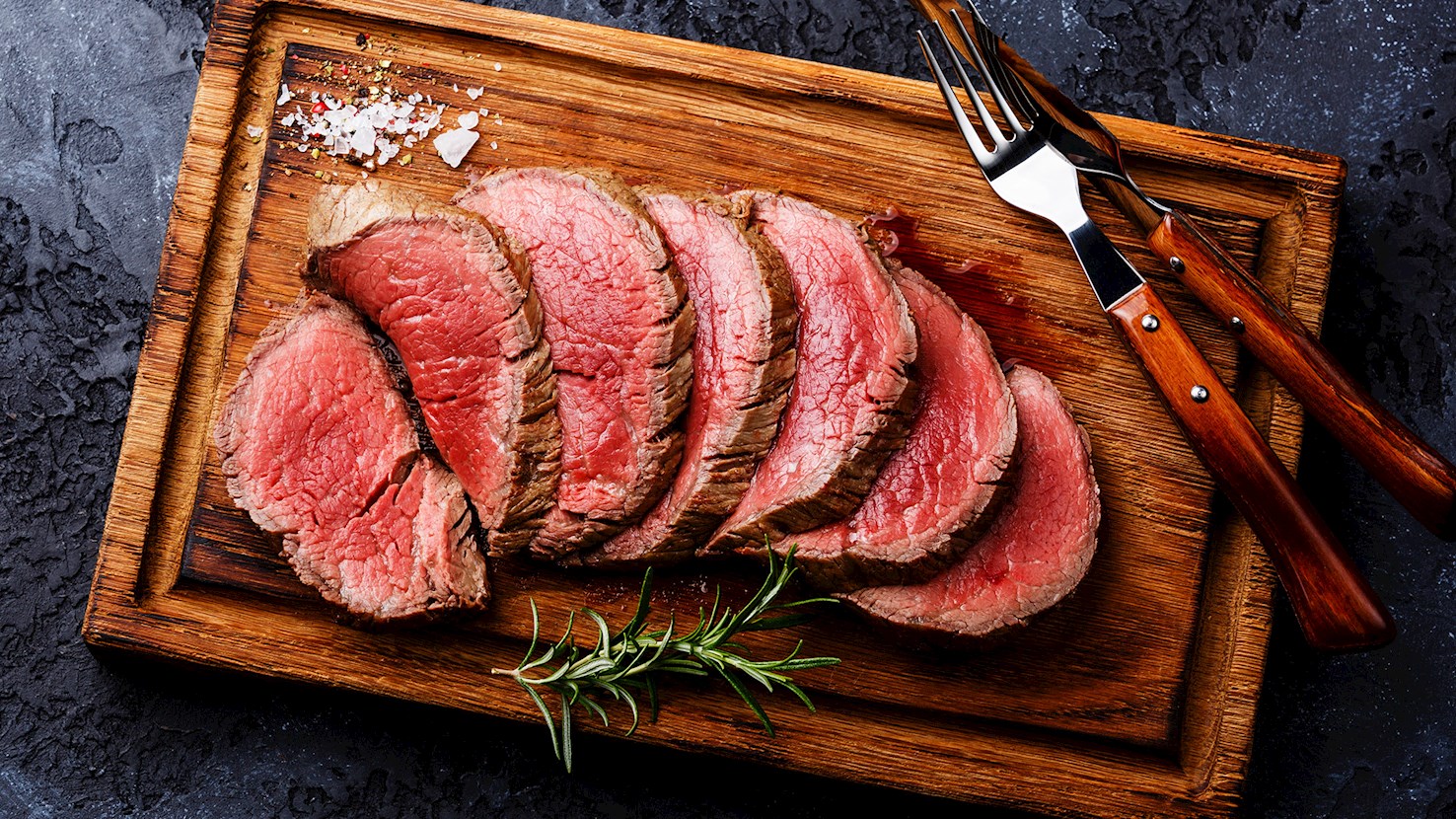
Made from the softest piece of beef tenderloin, châteaubriand (alternative spelling: chateaubriand) is a true aristocrat of French cuisine. Carefully seasoned and grilled meat is cut into slices and served with either chateaubriand or béarnaise sauce and potatoes, but the name chateaubriand may also refer to the above-mentioned piece of meat. Beef tenderloin is trimmed on both sides so only the central, juiciest part remains. This part usually weighs between 350 and 500 grams, so the recipe generally serves two. The meat is seasoned with olive oil, ground pepper and salt and grilled briefly on high, and then on medium temperature so it preserves its juices and remains pink on the inside. In order to prevent the meat from drying or overcooking, some of the older recipes even suggested enveloping it with two thin slices of beef which are disposed of afterwards.
TasteAtlas food rankings are based on the ratings of the TasteAtlas audience, with a series of mechanisms that recognize real users and that ignore bot,
nationalist or local patriotic ratings, and give additional value to the ratings of users that the system recognizes as knowledgeable.
For the “Top 4 Beef Cut Recipes” list until May 22, 2026, 4,083 ratings were recorded, of which 3,294 were recognized by the system as legitimate.
TasteAtlas Rankings should not be seen as the final global conclusion about food. Their purpose is to promote excellent local foods,
instill pride in traditional dishes, and arouse curiosity about dishes you haven’t tried.