


shutterstock

Top 57 Asian Beef Dishes

Last updated on June 15, 2026
01

Beyti kebab

4.4 ·

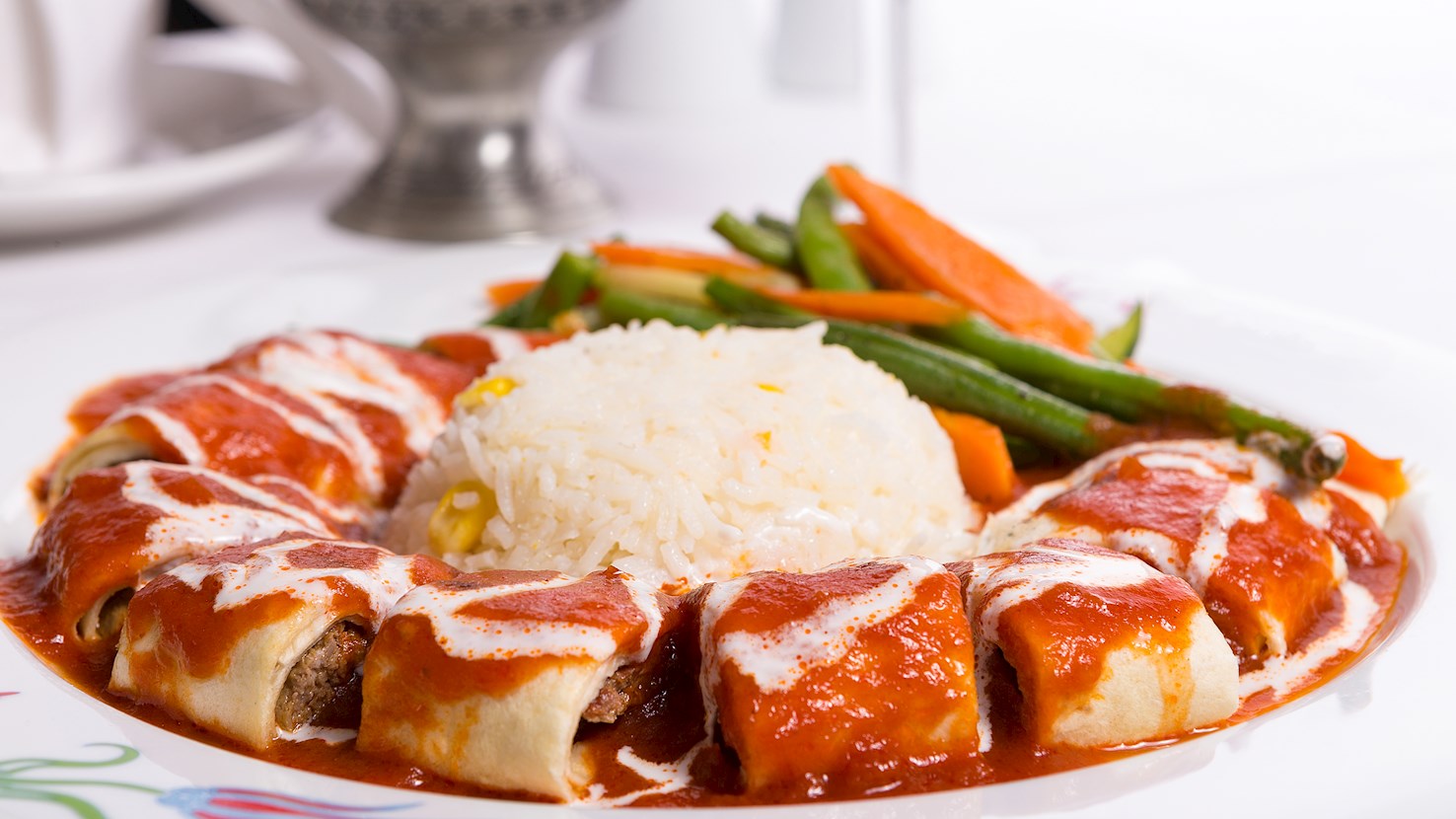
Beyti is a traditional kebab variety originating from Istanbul. It consists of ground lamb or beef that's seasoned with spices, grilled on a skewer, then served wrapped in lavash, cut into pieces, and topped with tomato sauce and yogurt. The ground meat is typically mixed with onions, eggs, garlic, cumin, coriander, salt, breadcrumbs, paprika, and black pepper. Lavash or phyllo pastry is brushed with butter, then wrapped around the grilled kebabs into a roll. The rolls are cut diagonally, then topped with a sauce consisting of tomatoes and butter, while the yogurt is usually served in the center of the rolls or on the side. Some people serve the dish with bulgur or steamed rice, while garnishes might include ghee and pistachios. This kebab variety was named after Beyti Güler, a restaurant owner from Istanbul who invented the dish in 1961.

02

Sate Padang

4.4 ·

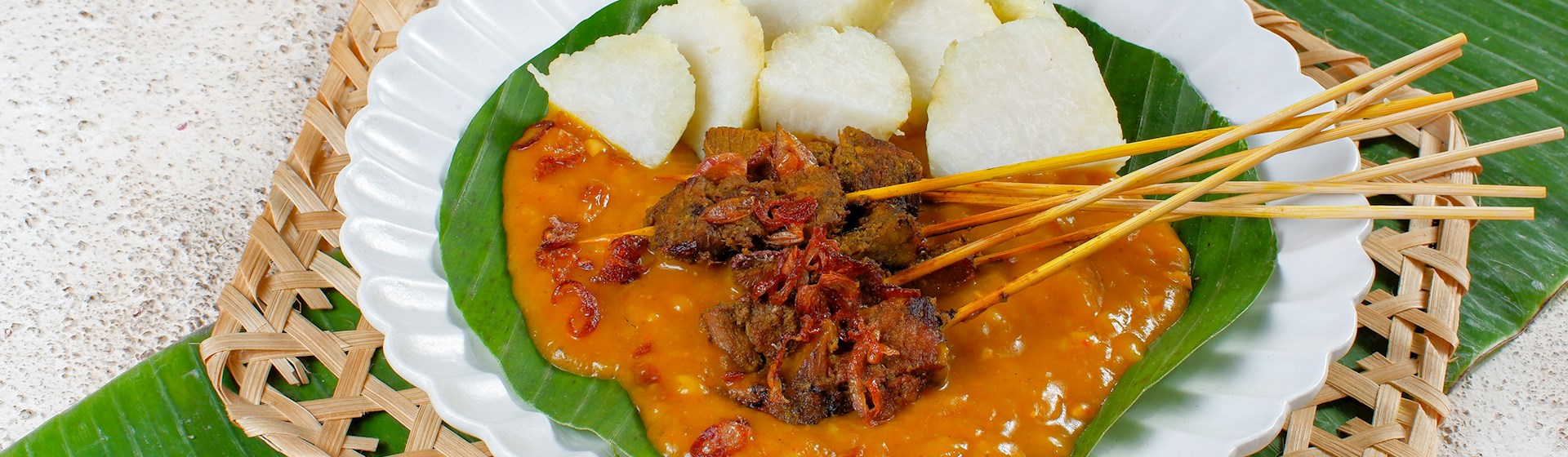
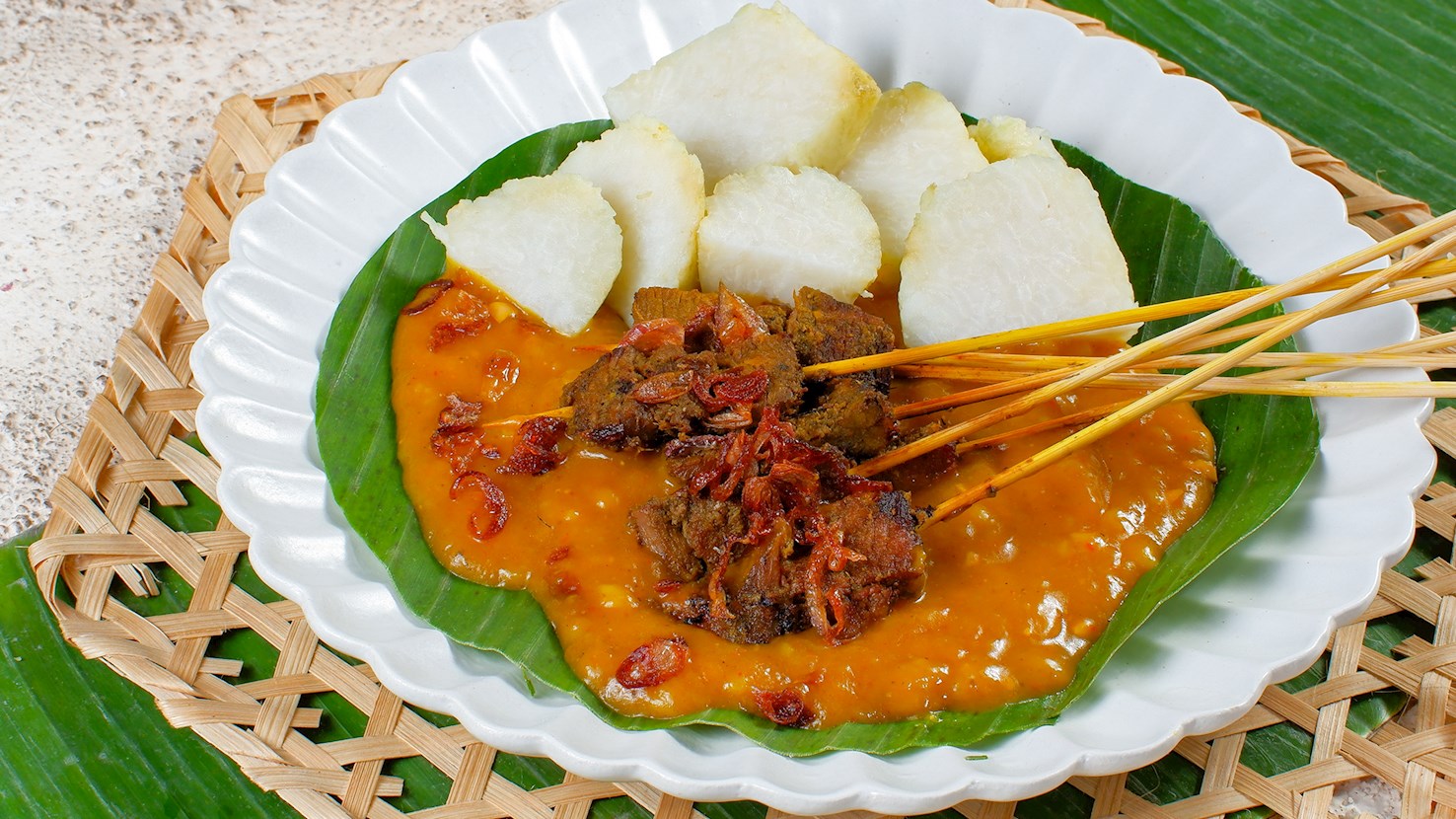
Padang satay is a spicy, rich, and aromatic Indonesian satay originating from Padang, West Sumatra, known for its thick, flavorful curry-based sauce. Unlike other Indonesian satay varieties that use peanut sauce or sweet soy sauce, Padang satay is distinct for its bold, turmeric-infused, and mildly spicy gravy, made from beef broth, rice flour, and a blend of local spices. The skewered meat—usually beef, beef tongue, or offal like intestines and heart—is first boiled in spiced broth until tender, then grilled over charcoal to achieve a smoky, caramelized crust. The signature thick, golden-brown sauce is made by reducing the broth used to cook the meat, thickened with rice flour, and enhanced with galangal, turmeric, coriander, cumin, lemongrass, and chilies, giving it a savory, slightly spicy, and deeply aromatic flavor. Padang satay is typically served on banana leaves, accompanied by steamed rice cakes (ketupat or lontong) and topped with crispy fried shallots, adding a final layer of crunch and fragrance.

03

Galbi

4.4 ·

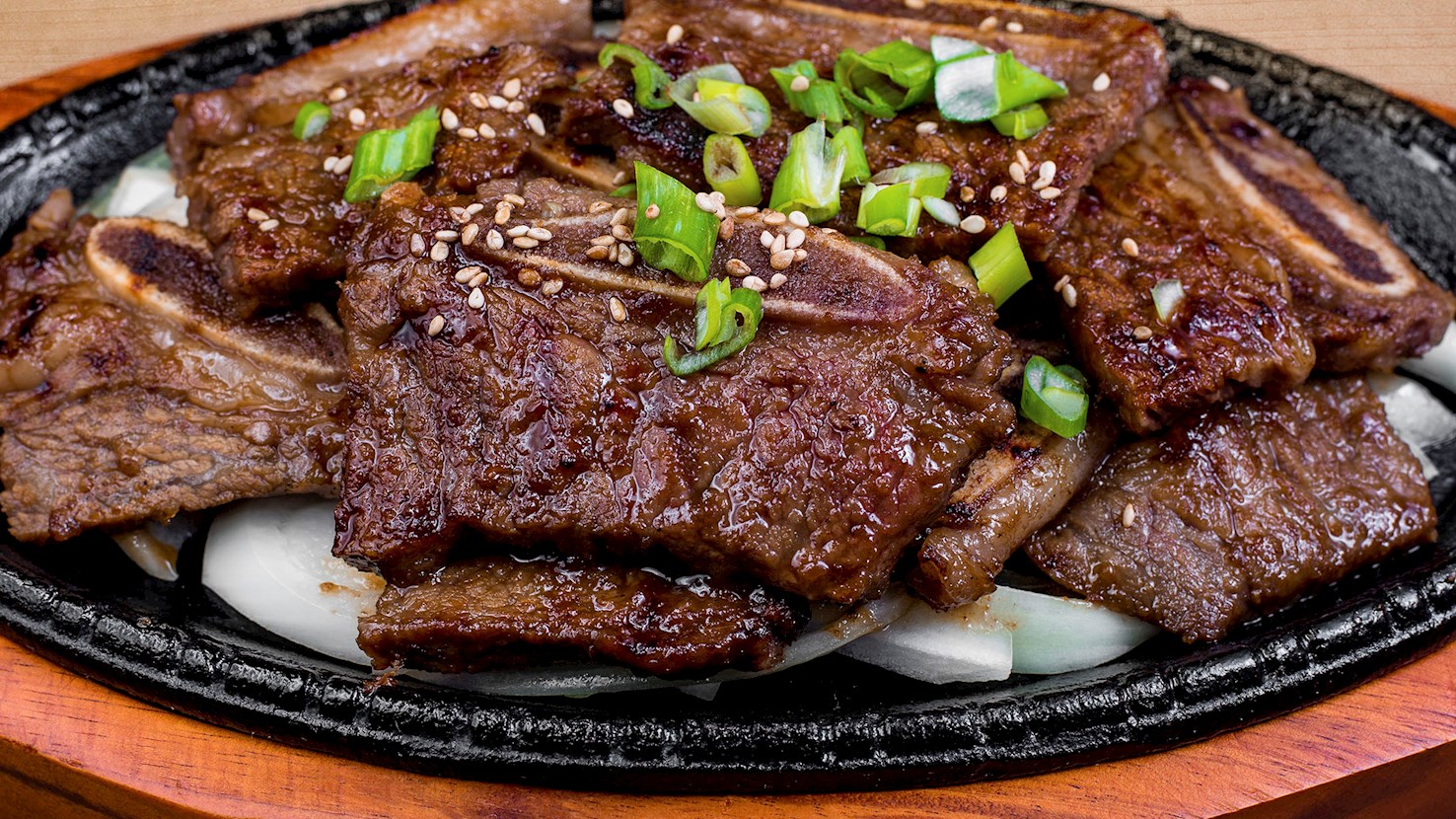
Galbi or kalbi refers to a variety of grilled beef short ribs dishes popular in South Korea. The ribs are marinated in a sweet sauce consisting of soy sauce, sugar, rice wine, sesame oil, and garlic. Although the name of the dish translates to ribs, chicken or pork meat can also be used. The dish originates from 18th-century Korea, when killing cows was strictly forbidden. As workers were building the Hwa Castle, they needed to be well-fed, so King Jeongjo allowed the opening of only one slaughterhouse in the whole country to process beef and feed the hungry workers. Of course, it didn't stop at just one slaughterhouse, and that is the best recommendation for trying the dish for yourself. Galbi is typically accompanied by kimchi, red bean paste or rice, but it can also be wrapped up in lettuce leaves with a variety of other vegetables. Due to galbi's great balance of sweet and savory flavors and rising popularity, the dish even has its own annual festival since 1995, called the Suwon Galbi Festival, offering the visitors a chance to indulge in this celebrated delicacy.

04

Kabab torsh

4.4 ·

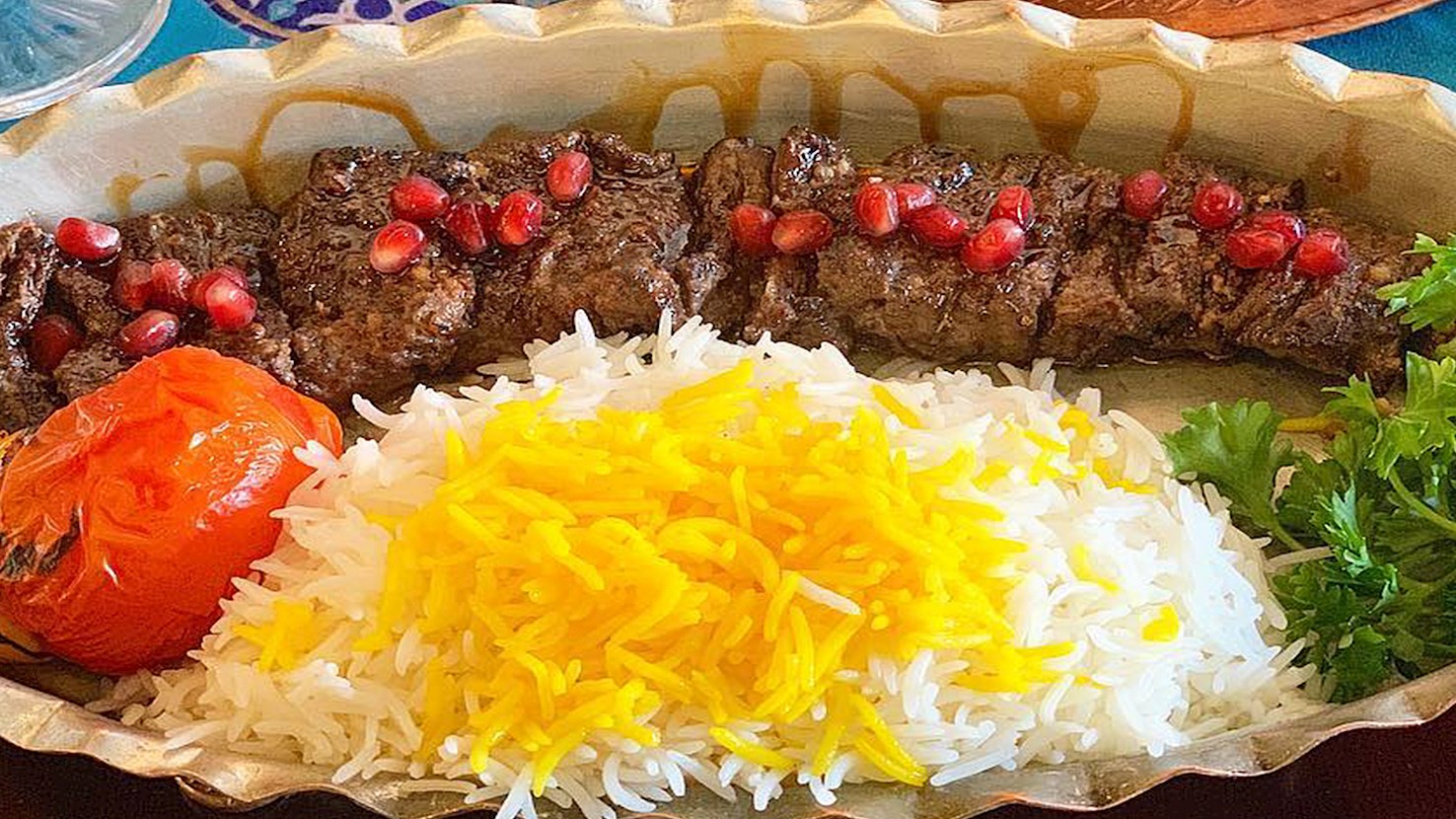
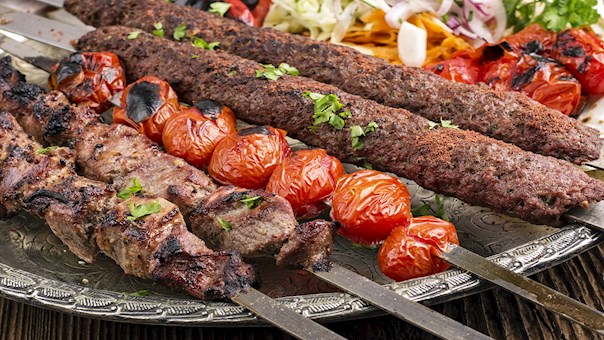
Kabab torsh is a sour marinated kebab originating in Iran’s northern Caspian provinces, especially Gilan and Mazandaran. This dish is made from chunks of beef or lamb that are soaked in a rich marinade featuring crushed walnuts, pomegranate molasses, garlic, and herbs, resulting in a distinctly tangy and earthy flavor profile. The history of kabab torsh reflects the agricultural abundance of northern Iran. Walnuts and pomegranates have been cultivated in the area for centuries, and local cooking frequently uses them to balance richness with acidity. While skewered meat dishes have existed across Persian cuisines for a long time, the specific combination of ground walnut, pomegranate syrup, and fresh herbs became a hallmark of Gilan’s kebabs. Generations of cooks in cities like Rasht and Lahijan adapted this preparation to use regional products, and kabab torsh gradually gained popularity beyond its original home, appearing in restaurants and on family tables throughout Iran. Preparation begins by cutting beef or lamb into medium-sized pieces. The marinade is made by pounding or blending walnuts until coarse, then combining them with pomegranate molasses, chopped garlic, finely chopped parsley, and chopped fresh cilantro or savory. Salt and sometimes a little black pepper are added to enhance the flavors. The meat is thoroughly coated in this thick mixture and left to rest for several hours, or overnight, allowing the marinade to penetrate. To cook, the marinated meat is threaded onto wide metal skewers and grilled over hot coals, turned regularly to ensure even cooking and to lightly char the surface. The grilling process both caramelizes the pomegranate and softens the walnuts, creating a glaze that clings to the kebab. Some cooks baste the meat with more marinade or melted butter during grilling to keep it moist. In Gilan, it is common to accompany the kebab with fresh herbs, raw onions, pickled vegetables, and sometimes grilled tomatoes.

05

Chelo kabab

4.3 ·

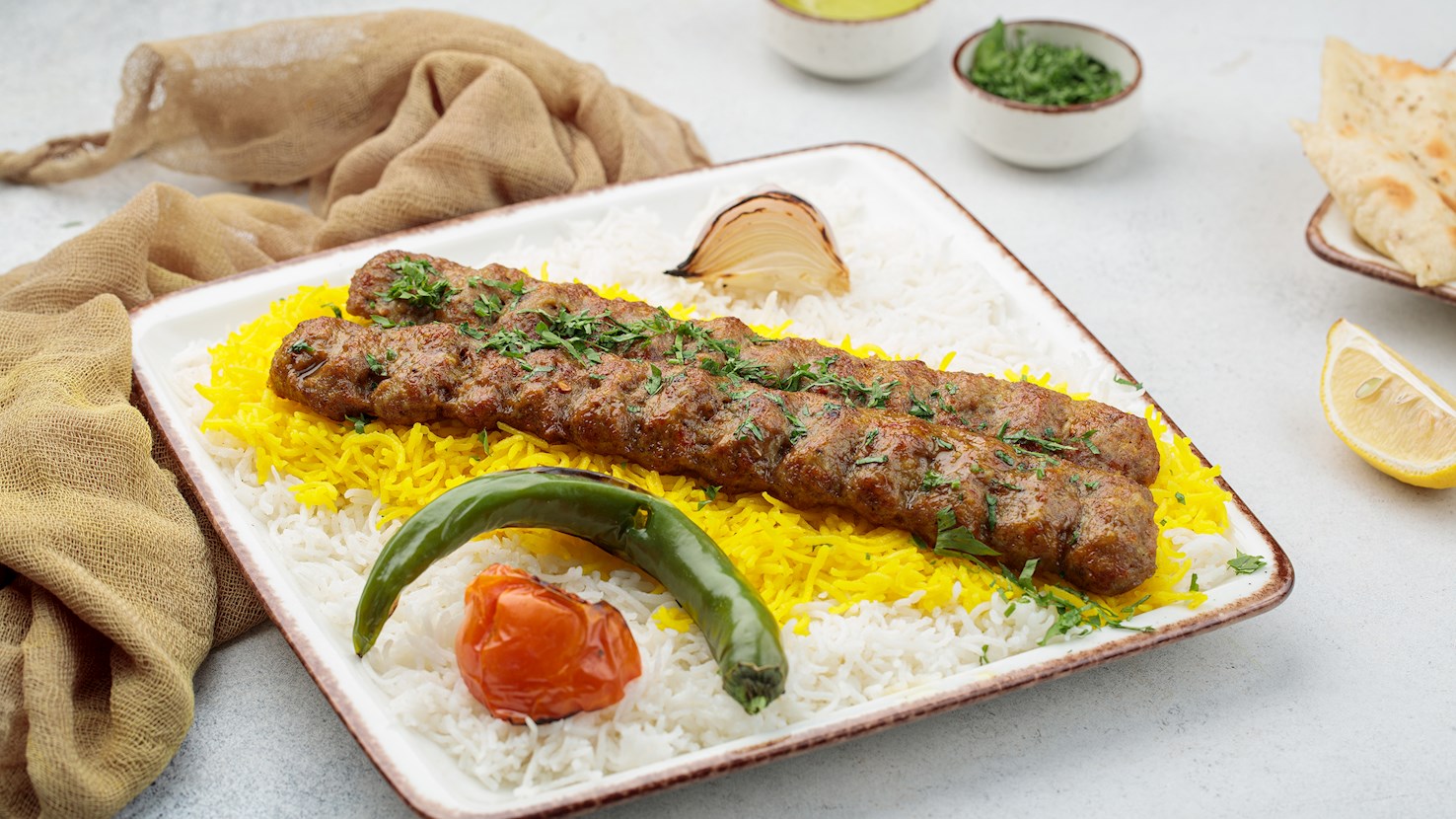
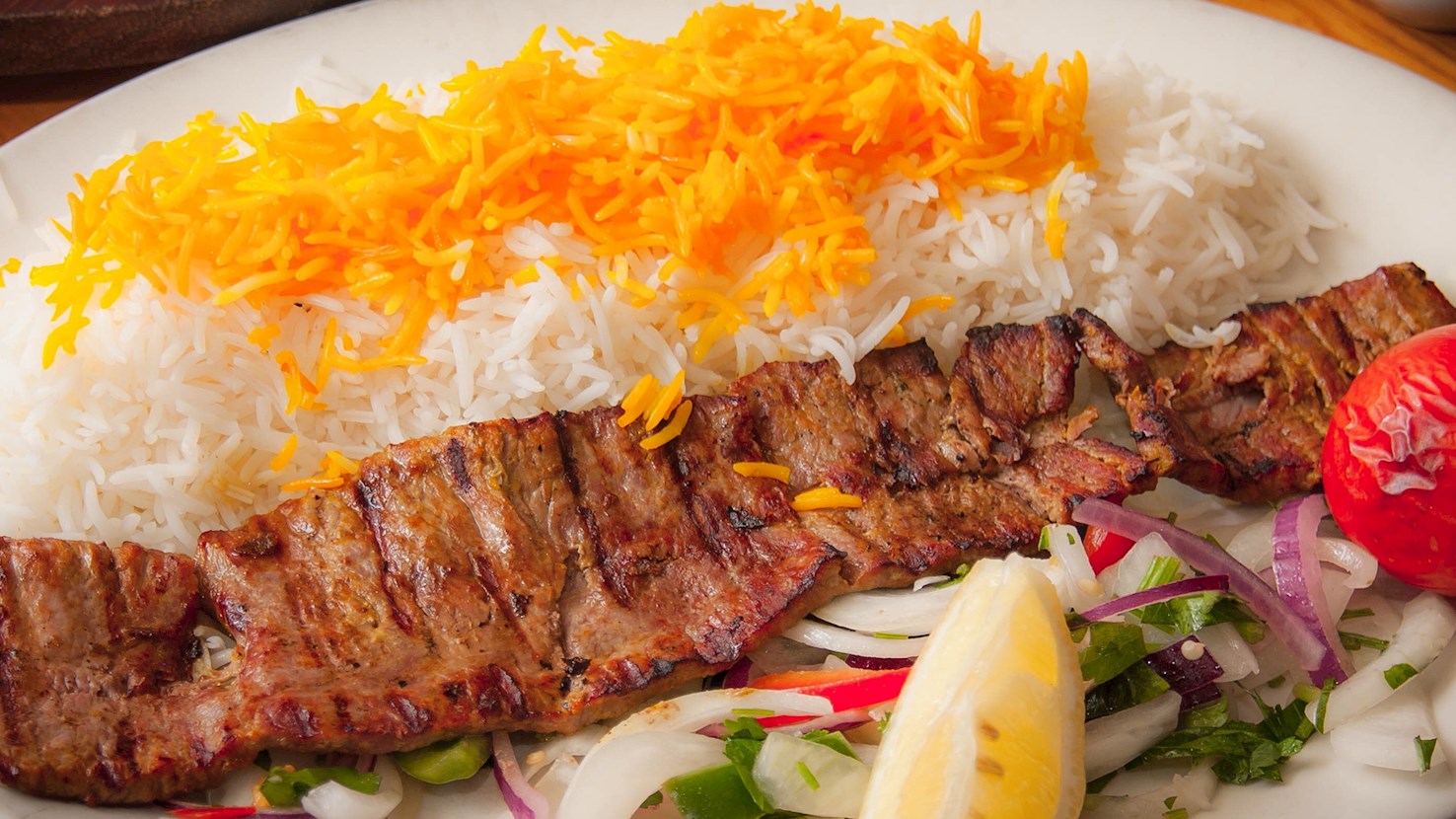
Chelo kebab is a dish of steamed saffron rice with skewered, grilled meat, most often ground lamb or beef, served alongside accompaniments such as grilled tomatoes, butter, and raw onion. The name “chelo” refers to the delicate white rice, which is prepared separately from the kebab and finished with a drizzle of melted butter and a sprinkling of saffron-infused water. This pairing of rice and kebab has become a defining feature of Persian cuisine, regarded as a benchmark of culinary skill and a popular choice for both everyday meals and special gatherings across Iran. The preparation begins with soaking long-grain rice, typically high-quality Iranian varieties, to remove excess starch. The rice is then parboiled, drained, and steamed until each grain is separate and tender. Meanwhile, the meat for the kebab is seasoned simply with salt, pepper, and sometimes grated onion for moisture and flavor. It is shaped onto wide, flat metal skewers and grilled over hot charcoal until charred on the outside and juicy inside. The most popular form is koobideh, made with ground meat, but other cuts like barg, prepared with marinated strips of tenderloin, are also common. Chelo kebab is served by placing the meat skewers next to the mound of rice, often with a raw egg yolk on top and a slab of cold butter that melts into the grains. Grilled tomatoes and fresh herbs are included on the side, and sumac powder is offered for sprinkling over the kebab. This combination balances the richness of the grilled meat with the delicacy of the steamed rice and the acidity of the tomato. Beyond Iran, chelo kebab has become a symbol of Persian hospitality, featured in Iranian restaurants worldwide and recognized as one of the country’s most famous dishes. In Tehran and other cities, dedicated kebab houses specialize in preparing it to order, often with open charcoal grills visible to customers. Chelo kebab is also a frequent feature of celebratory meals, where it is presented in generous portions and shared among family and friends.

06

Niúròu miàn (Beef noodle soup)

4.3 ·

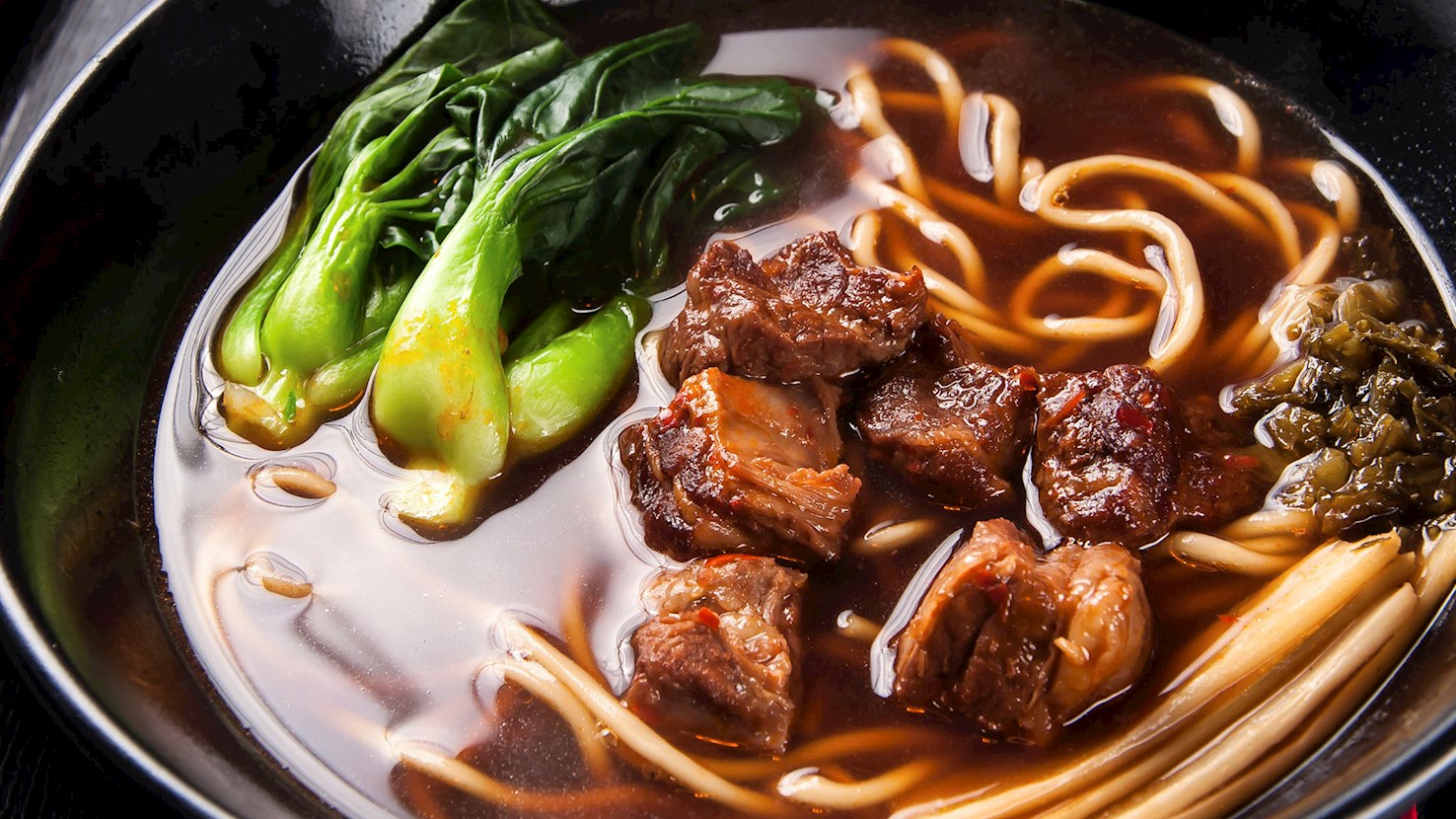
The savory, spicy beef noodle soup is the national dish of Taiwan and the source of immense pride for the locals. The dish is an ideal winter comfort food, typically consisting of beef, broth, vegetables, noodles, and spices. Beef noodle soup has a great Sichuan influence dating back to the 1940s, when China was in civil war and many Chinese people moved to Taiwan, creating this cross-provincial dish and incorporating chili bean sauce and Sichuan peppercorns into it along the way. Variations are endless when making this long-simmering stew, and in Taiwan, there are numerous side dishes to accompany it, such as seaweed and braised dried tofu. Today, there is even an annual Beef Noodle Festival held in Taipei, where various restaurants and cooks compete for the prestigious title of Best Beef Noodle.

07

Bò nhúng dấm (Beef in Vinegar Hot Pot)

4.2 ·

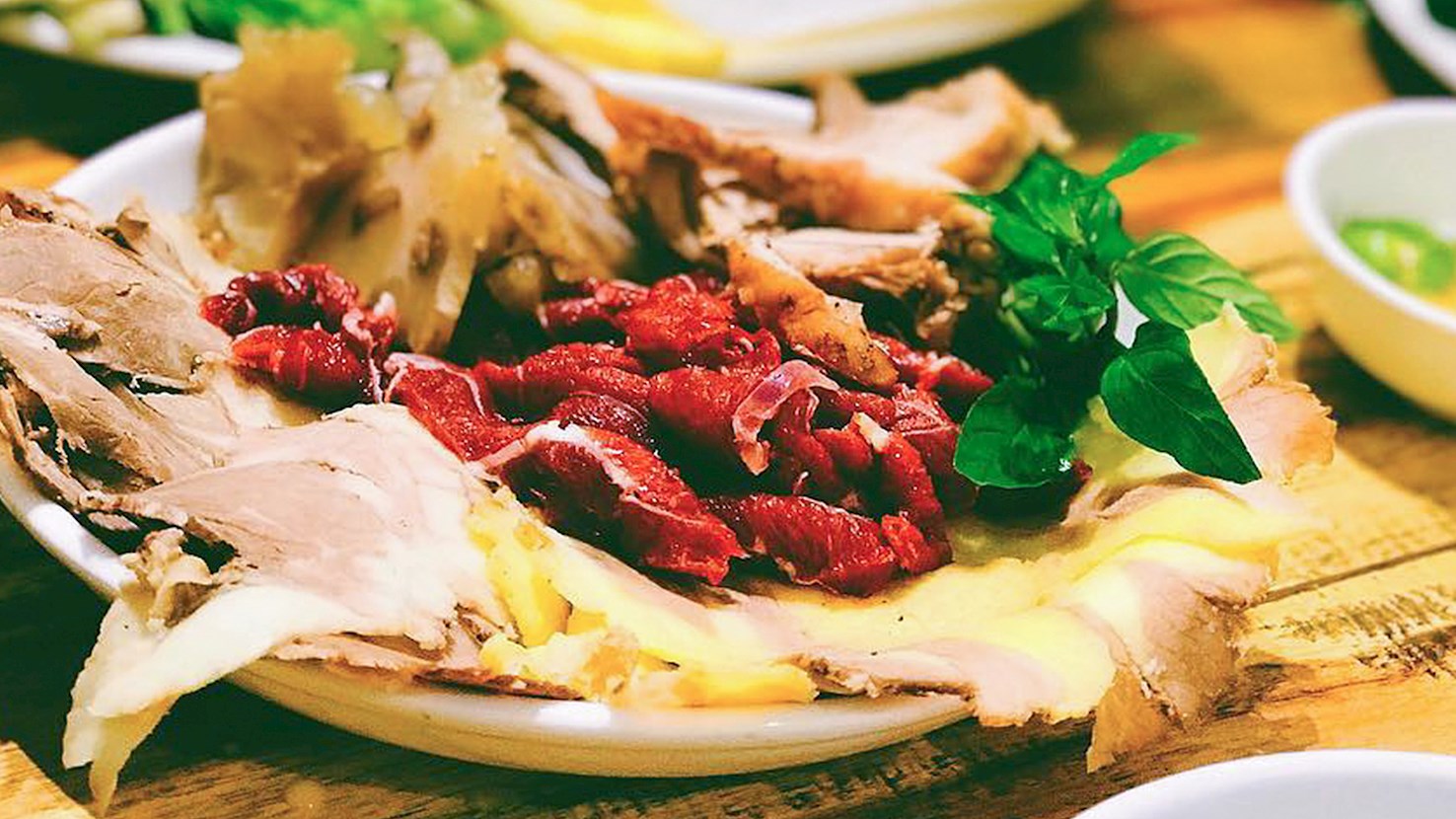
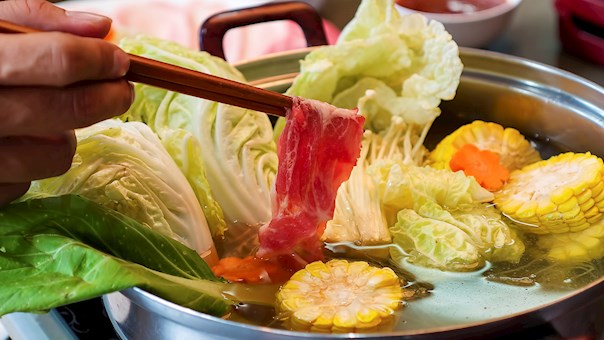
Bò nhúng dấm is a Vietnamese version of a hot pot that is traditionally served communal style. In its basic form, the dish consists of a vinegar-flavored broth that may also include coconut milk or coconut water, lemongrass, onions, or other additions, while typical accompaniments include thinly sliced raw beef and an assortment of fresh vegetables and herbs such as bean sprouts, daikon, lettuce, cucumbers, mint, basil, and perilla leaves. Although the name (bò) suggests the dish is exclusively made with beef, it can also include other types of protein such as squids or shrimps. Additional elements include rice paper sheets, which are used as wrappers, and typically nước chấm and mắm nem dipping sauces.

08

Gānchǎo niúhé (Beef chow fun)

4.2 ·

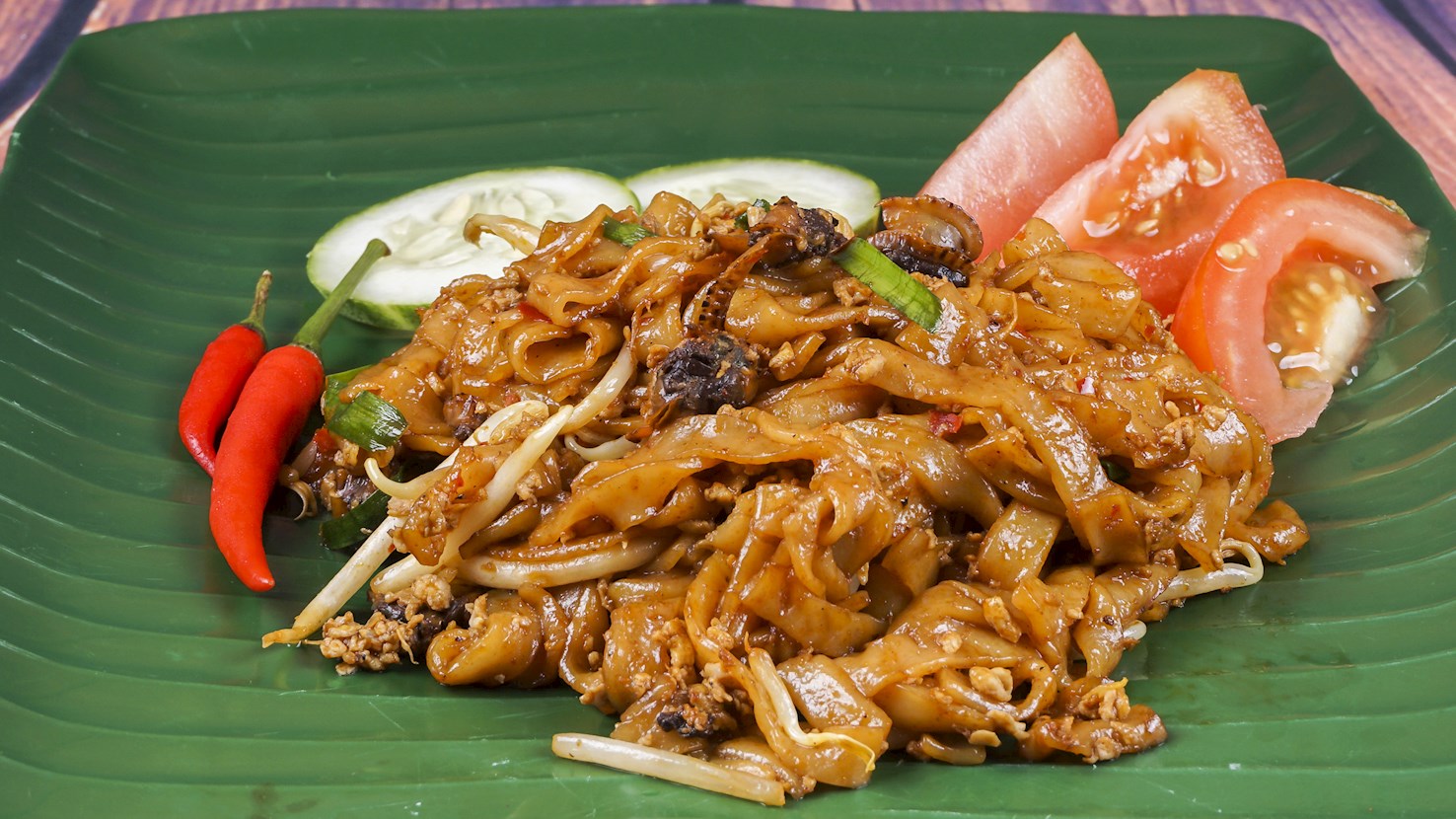
Beef chow fun is a Cantonese dish prepared by stir-frying previously marinated beef slices together with flat, wide rice noodles (hor fun), and bean sprouts. Because of the preparation method, beef chow fun is a true measure of any accomplished Cantonese chef. Specifically, it is necessary to get two things right: wok hei — the cooking technique of stir-frying the ingredients at high heat which imparts them with a special umami flavor; and pow wok — a way of quickly tossing the ingredients without the use of a spatula, which prevents sticking and does not break the delicate rice noodles. The origins of the dish are still unclear, but according to a folk tale, it was invented during World War II in Guangzhou. Today, this Cantonese stir-fry is typically served in yum cha restaurants and cha chaan teng - tea restaurants known for serving diverse and affordable meals.

09

Kabab barg

4.2 ·

Kabab barg is an Iranian dish consisting of thin slices of marinated lamb or beef, carefully skewered and grilled over hot coals to achieve a tender, juicy texture with a lightly charred exterior. Its name means “leaf kebab” in Persian, a reference to the flat, leaf-like cuts of meat. Kabab barg is most closely associated with Tehran and the broader culinary culture of Iran, where kebabs occupy a central place in everyday meals and festive gatherings alike. The dish has its origins in Persian grilling practices that stretch back centuries. Historical records and Persian cookbooks describe skewered meats prepared in royal courts and caravanserais, reflecting influences from nomadic cooking and regional tastes. Over time, kabab barg developed into a distinct preparation emphasizing finesse in both butchering and marination. Unlike minced kebabs such as koobideh, kabab barg relies on whole muscle cuts that are pounded thin to create an even, delicate bite. The meat is soaked in a mixture of grated onion, lemon juice, salt, pepper, and sometimes saffron, which both flavors and tenderizes the slices. Some recipes incorporate a little yogurt or olive oil to further enhance the texture. Before grilling, each piece is carefully threaded onto wide flat skewers to prevent curling or tearing over the fire. The grilling process requires skill and attention. The skewers are placed over a bed of glowing charcoal and turned frequently to cook the meat evenly without drying it out. As it grills, the kebab develops a light crust while remaining juicy inside. When fully cooked, it is brushed with melted butter or a saffron-infused baste to deepen the aroma and give a glossy finish. Kabab barg is traditionally served alongside steamed saffron rice, known as chelo, with a pat of butter on top. Grilled tomatoes, raw onions, and fresh herbs such as basil and tarragon are standard accompaniments, creating a balanced plate of rich protein, aromatic rice, and bright garnishes. In restaurants and at home, diners often sprinkle sumac over the meat to add a tart counterpoint.

10

Bò kho (Vietnamese Beef Stew)

4.2 ·

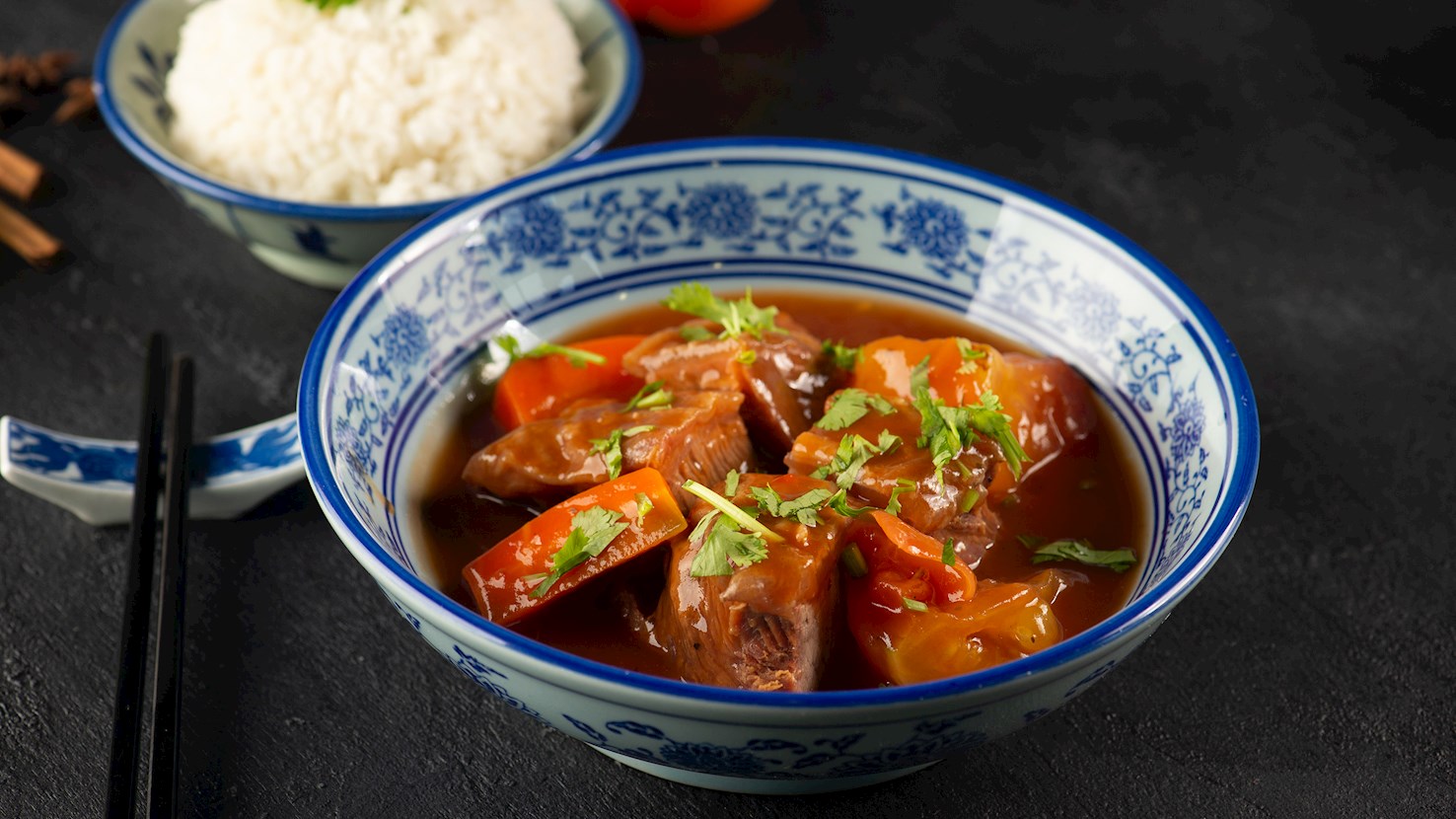
Bò kho is a popular Vietnamese beef stew that can be consumed on its own or accompanied by a baguette on the side. It can also be served over noodles, and it is customary to serve a variety fresh herbs on the side. The dish includes ingredients such as diced beef, carrots, lemongrass, cinnamon, chili, pepper, garlic, and shallots, all of them simmered in a spicy and aromatic broth. The origins of bò kho are still a mystery, although it is believed that the dish has many influences, from both the East and the West. In rural areas of Vietnam, the stew is usually much spicier than in urban areas. It is traditionally consumed for breakfast, garnished with chopped green onions, coriander, and onions.

11

Kabab koobideh

4.2 ·
14

Lağman

4.2 ·
15

Ghormeh sabzi

4.2 ·
16

Sukiyaki

4.1 ·
17

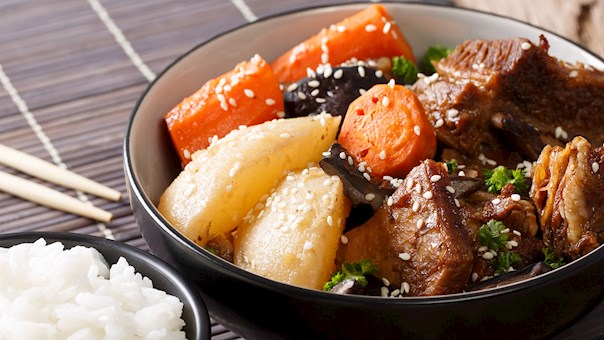
Galbijjim

4 ·
19

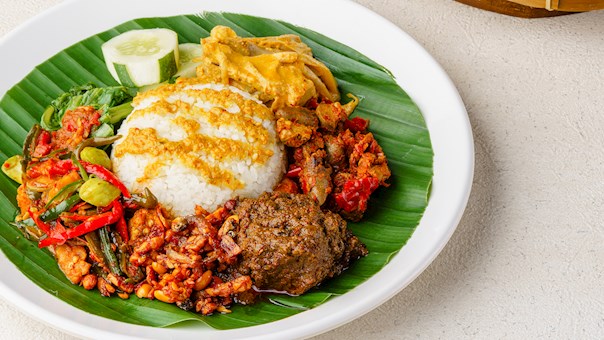
Nasi rendang

4 ·
20

Kabab digi

3.9 ·
Read more
View all
View map
About this ranking

TasteAtlas food rankings are based on the ratings of the TasteAtlas audience, with a series of mechanisms that recognize real users and that ignore bot, nationalist or local patriotic ratings, and give additional value to the ratings of users that the system recognizes as knowledgeable. For the “Top 57 Asian Beef Dishes” list until June 15, 2026, 3,229 ratings were recorded, of which 2,225 were recognized by the system as legitimate. TasteAtlas Rankings should not be seen as the final global conclusion about food. Their purpose is to promote excellent local foods, instill pride in traditional dishes, and arouse curiosity about dishes you haven’t tried.

Similar lists