

shutterstock

Top 13 Brazilian Beef Dishes

Last updated on June 15, 2026
01

Fraldinha

4.5 ·

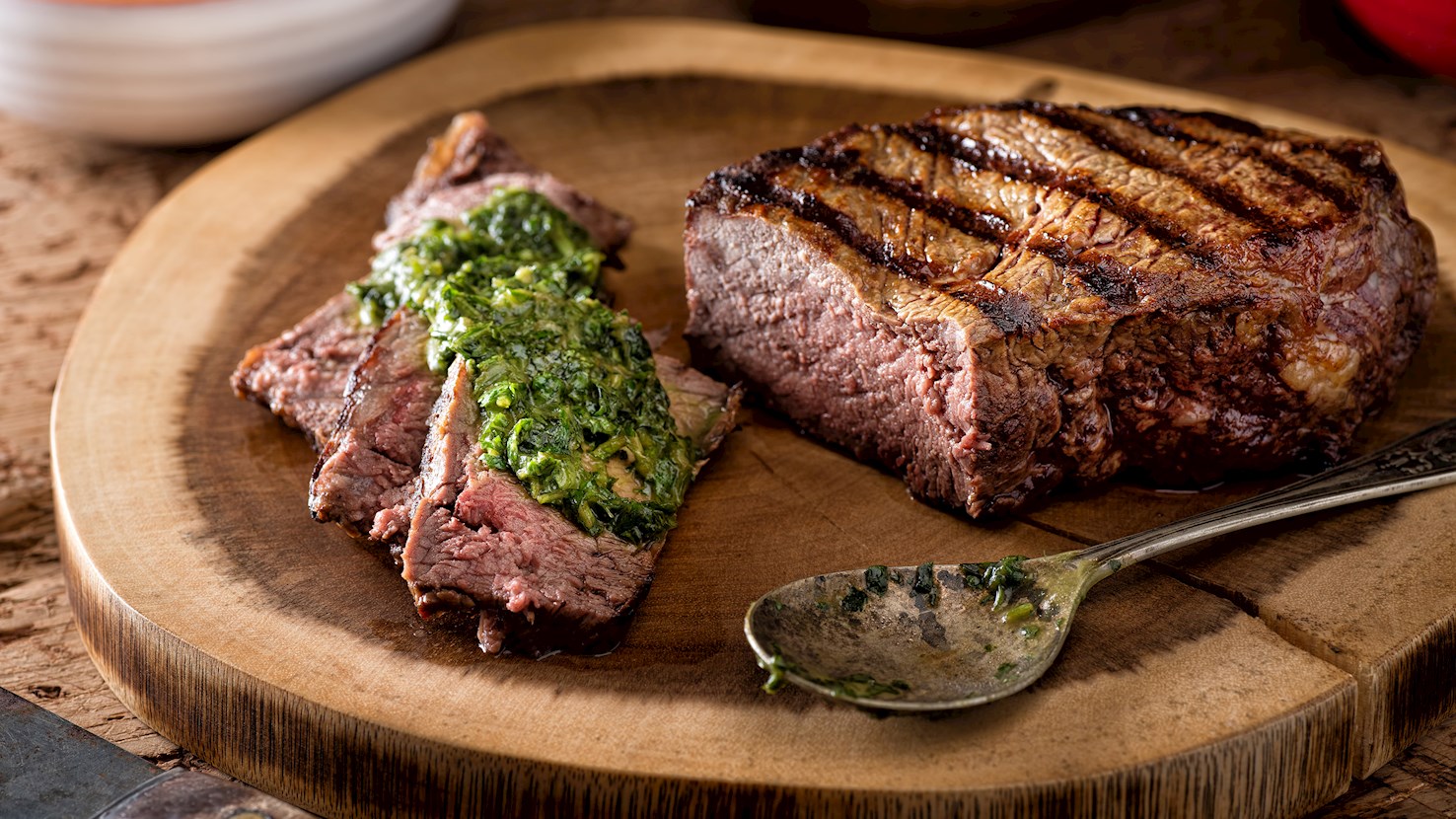
Fraldinha is a meat cut that's traditionally used for churrasco and is made up of part flank, part short loin, and part bottom sirloin. This beef cut is long and thin, full of connective tissue. This strong marbling is the reason why the meat is traditionally cut against the grain before it's grilled. The name fraldinha is a diminutive for fralda, meaning flap or diaper in Portuguese. When prepared for churrasco, it usually has a browned crust at the edges, while the middle remains pink. It's recommended to top this meat cut with a sharp and vinegary salsa.

02

Alcatra

4.5 ·

Alcatra is a special cut of top sirloin. Large, long, and lean, this steak is prized for its succulence and a hearty beef flavor. The cut is often used for churrasco, the traditional Brazilian barbecue method. Alcatra is one of the largest cuts that's served as a part of churrasco. It should be perfectly seasoned with salt, then grilled with a layer of fat until most of it melts away, and the remaining fat becomes crispy. Before serving, it's usually expertly carved in respectable churrascarias.

03

Picanha

4.5 ·

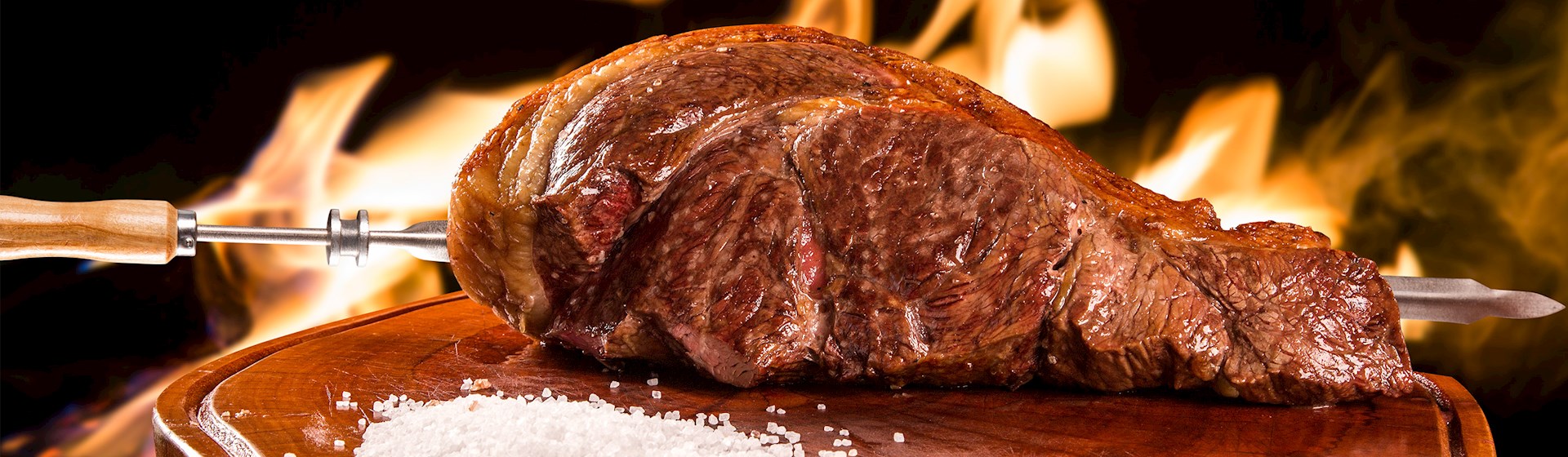
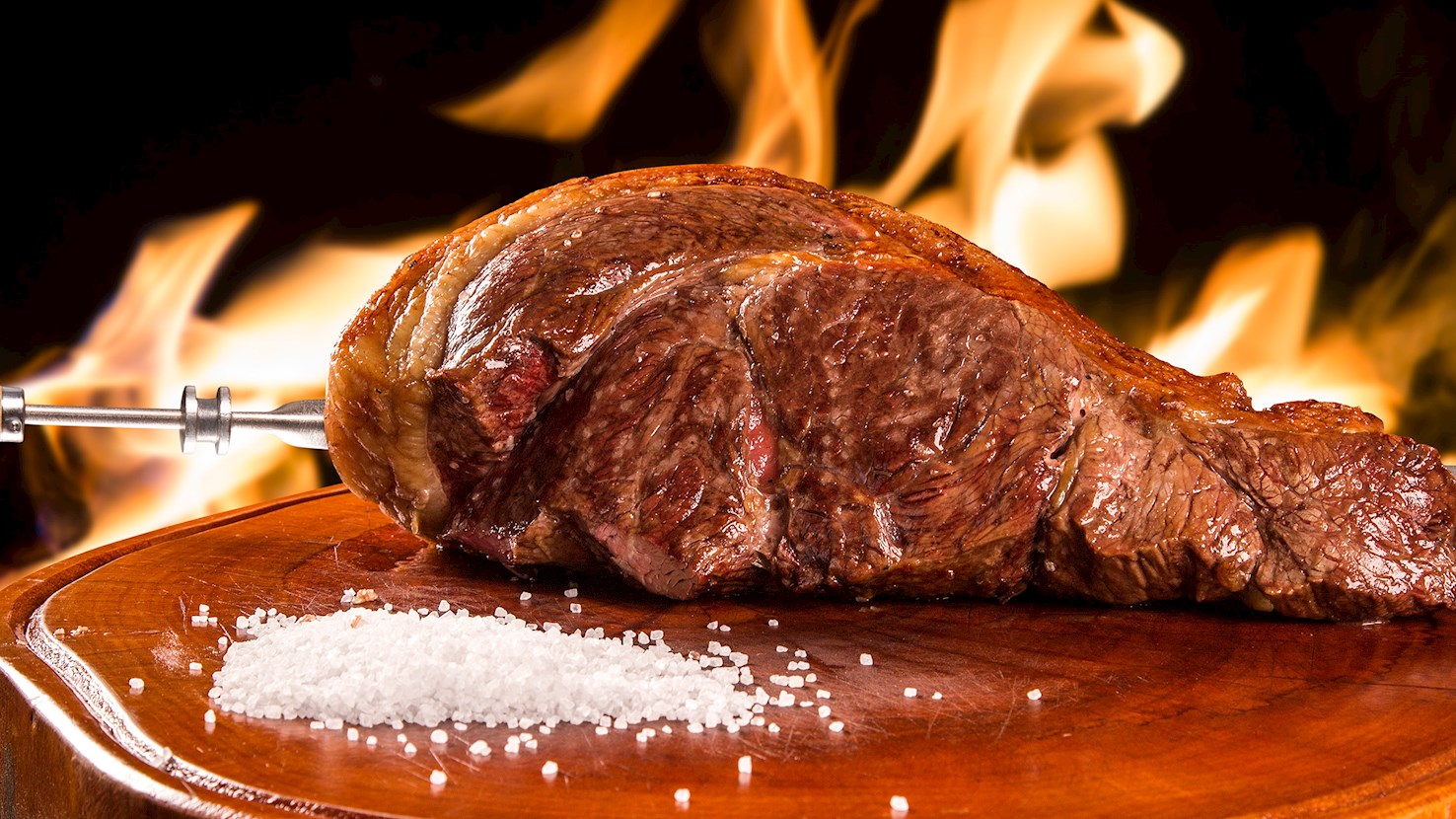
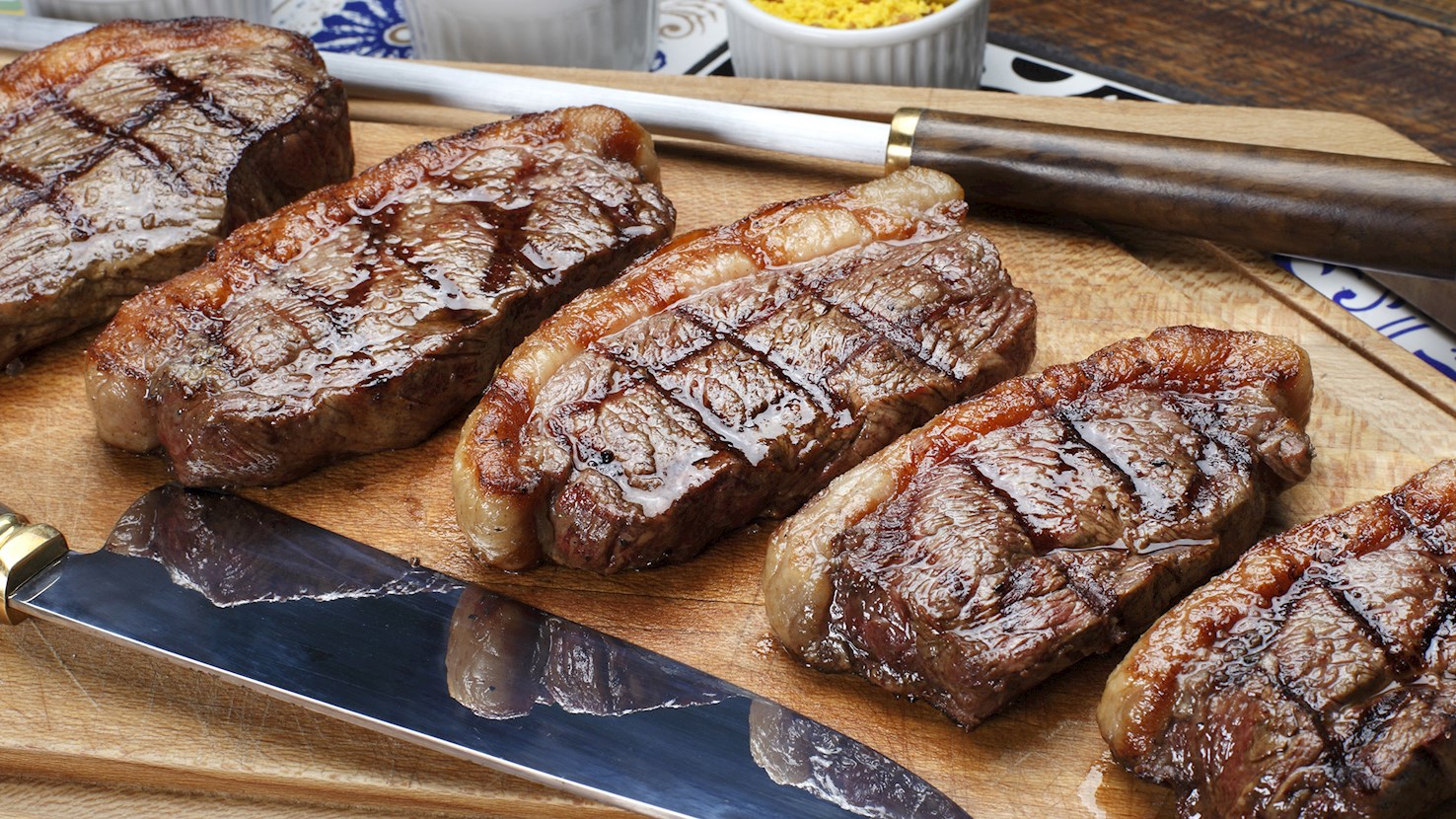
Picanha is a fresh cut of beef that's especially popular and highly prized in Brazil. In the US, it's called sirloin cap, and in the UK, it's known as the rump cap. Picanha is situated on the back side of the animal, above the butt, where it sits on a fat cap. It's mostly used for churrasco – the meat is first grilled, then sliced off of a skewer. This cut holds very little fat in the meat, so it must be cooked perfectly in order not to make it tough. In Brazil, every churrasco has picanha, and all of the best churrascarias feature picanha on their menus. The name picanha is derived from the word picana, referring to the ranchers' pole used for herding cattle in Portugal and Spain. The technique was brought over to Brazil where the word picanha was used to refer to the part of the cow that was poked by ranchers with the pole.

04

Bife a Parmegiana

4.4 ·

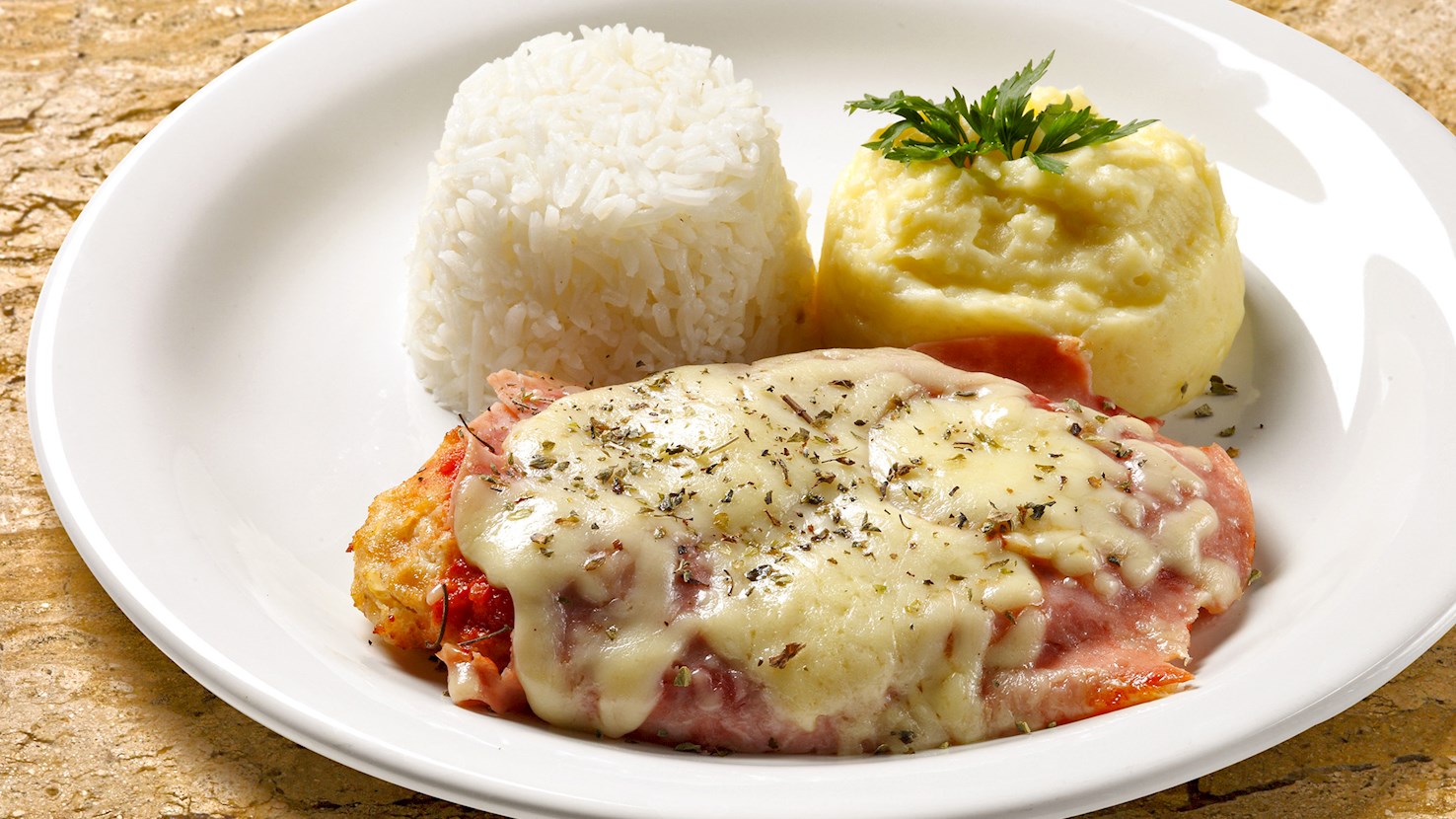
Bife à Parmegiana is a beloved Brazilian dish that draws its roots from Italian cuisine, specifically the Italian classic parmigiana dishes, like chicken parmigiana or veal parmigiana. In this version, the main protein is a tender beef cutlet, typically made from high-quality cuts such as sirloin, filet mignon, or even ribeye. The preparation begins by pounding the beef cutlet to tenderize it, then seasoning it with salt and pepper. The cutlet is coated in flour, dipped in beaten eggs, and finally covered with breadcrumbs before being fried until golden brown and crispy on the outside. Once fried, the beef is topped with a generous amount of tomato sauce (often a rich, homemade marinara sauce) and mozzarella cheese or sometimes Parmesan cheese. The dish is then baked in the oven until the cheese melts and becomes bubbly and golden, creating a flavorful blend of crispy breading, tender beef, savory tomato sauce, and gooey cheese. Bife à Parmegiana is traditionally served with a variety of sides, commonly white rice, French fries, or mashed potatoes, and sometimes accompanied by salad. The dish is hearty, rich, and comforting, making it a favorite in Brazilian homes and restaurants alike.

05

Maminha

4.4 ·

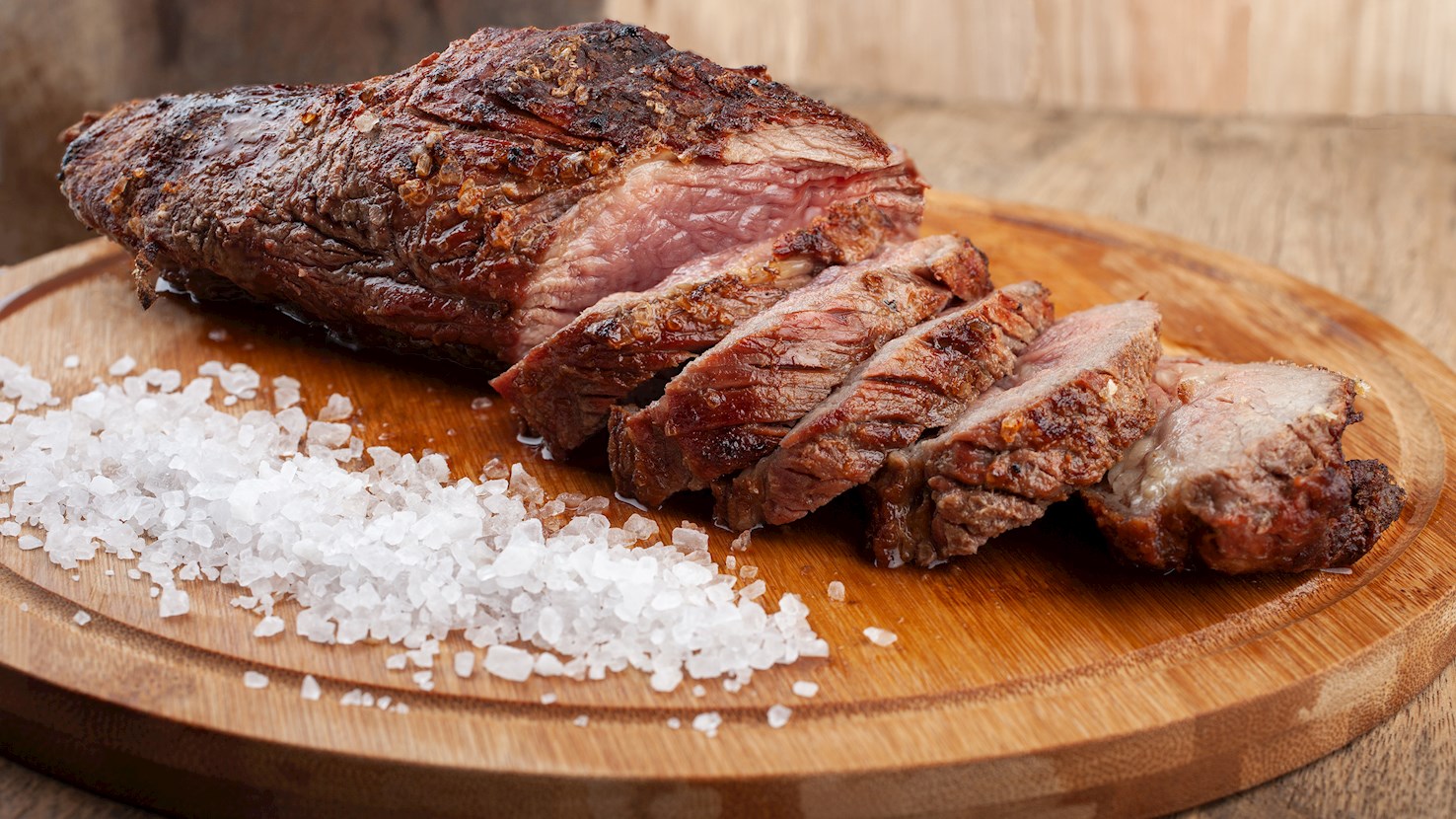
Considered probably the most popular and "noble" Brazilian beef cut, maminha is a beef cut from Brazil that best corresponds to the mix of the US flank and bottom sirloin. However, some sources will also say it corresponds to the US tri-tip cut. In any case, it is a very versatile cut, and in Brazil and South American countries, it is typically barbecued but can also be roasted whole, cubed and stewed, or cut into steaks and pan-fried. Also, besides being versatile, it is one of the leanest beef cuts as well, which is why it got the title "the filé mignon for the grill", meaning it's lean and tender as the filé but suitable for grilling. Maminha should be grilled only until medium done, or it will turn tough. But no matter how it's prepared, maminha should always be cut against the grain so it's more tender and easier to eat. In North America, if maminha is unavailable, bottom round roast and bottom round steak can be used instead. The first is for roasting whole or in stews, while the other is for grilling.

06

Vaca atolada

4.3 ·

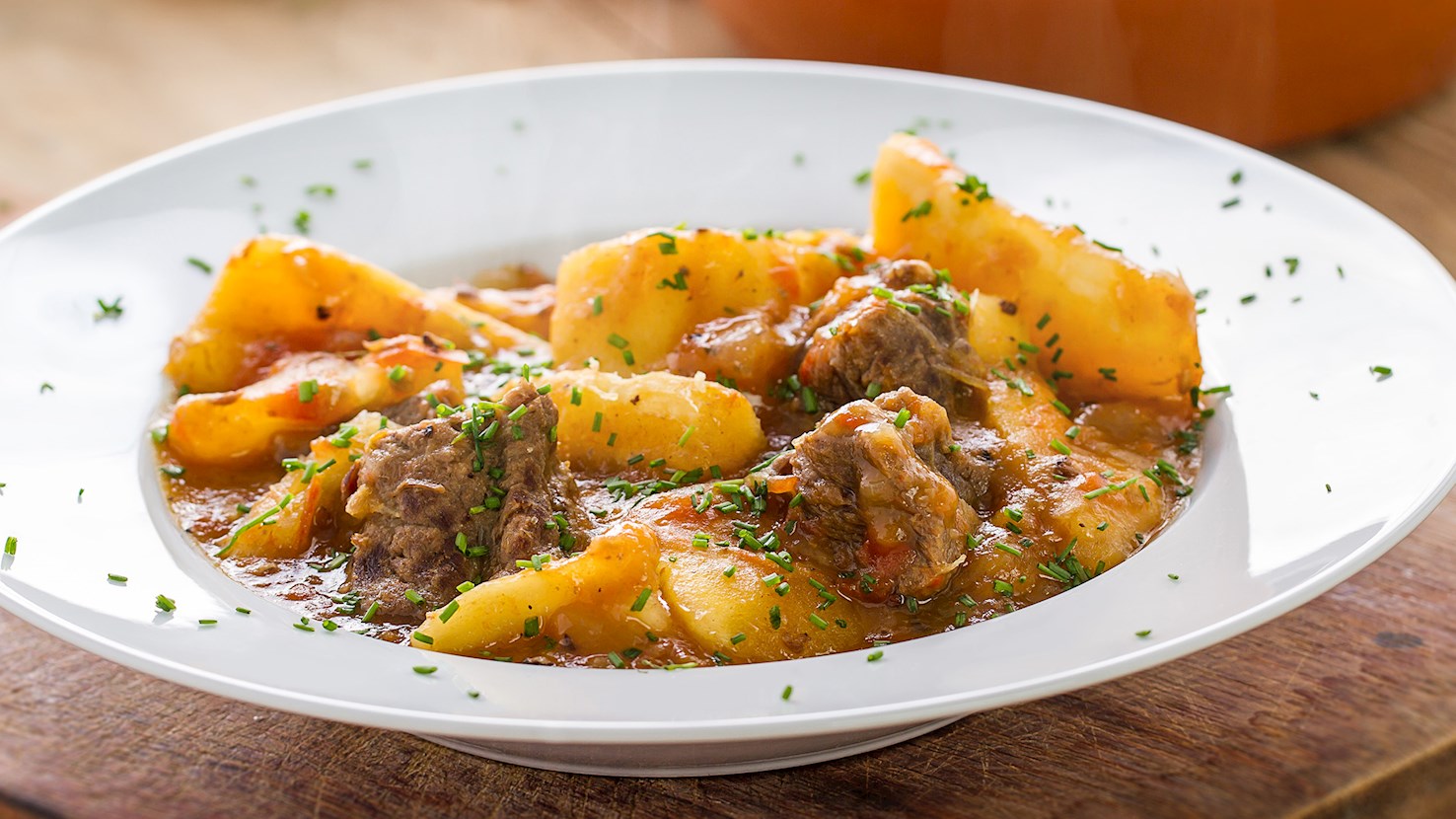
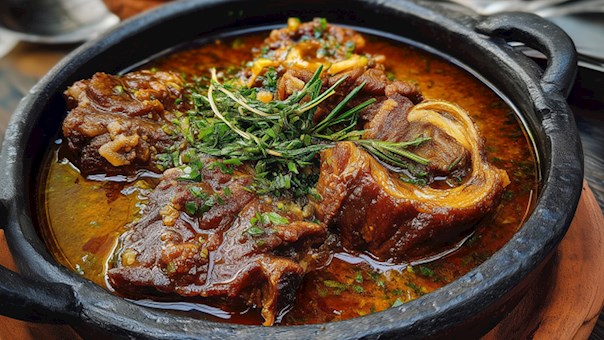
Vaca atolada is a Brazilian meat dish prepared with beef ribs, garlic, onions, tomatoes, parsley, cassava, chili peppers, and (if available) ground colorau (urucum seed). The marinated meat is cooked and drenched in a thick sauce, hence the alternative name for the dish – cow stuck in the mud. This spicy meat dish is traditionally served with white rice, while fresh green salads are often served on the side. Vaca atolada is especially popular in the inner regions of Brazil, particularly the state of Minas Gerais.

07

Cupim

4.1 ·

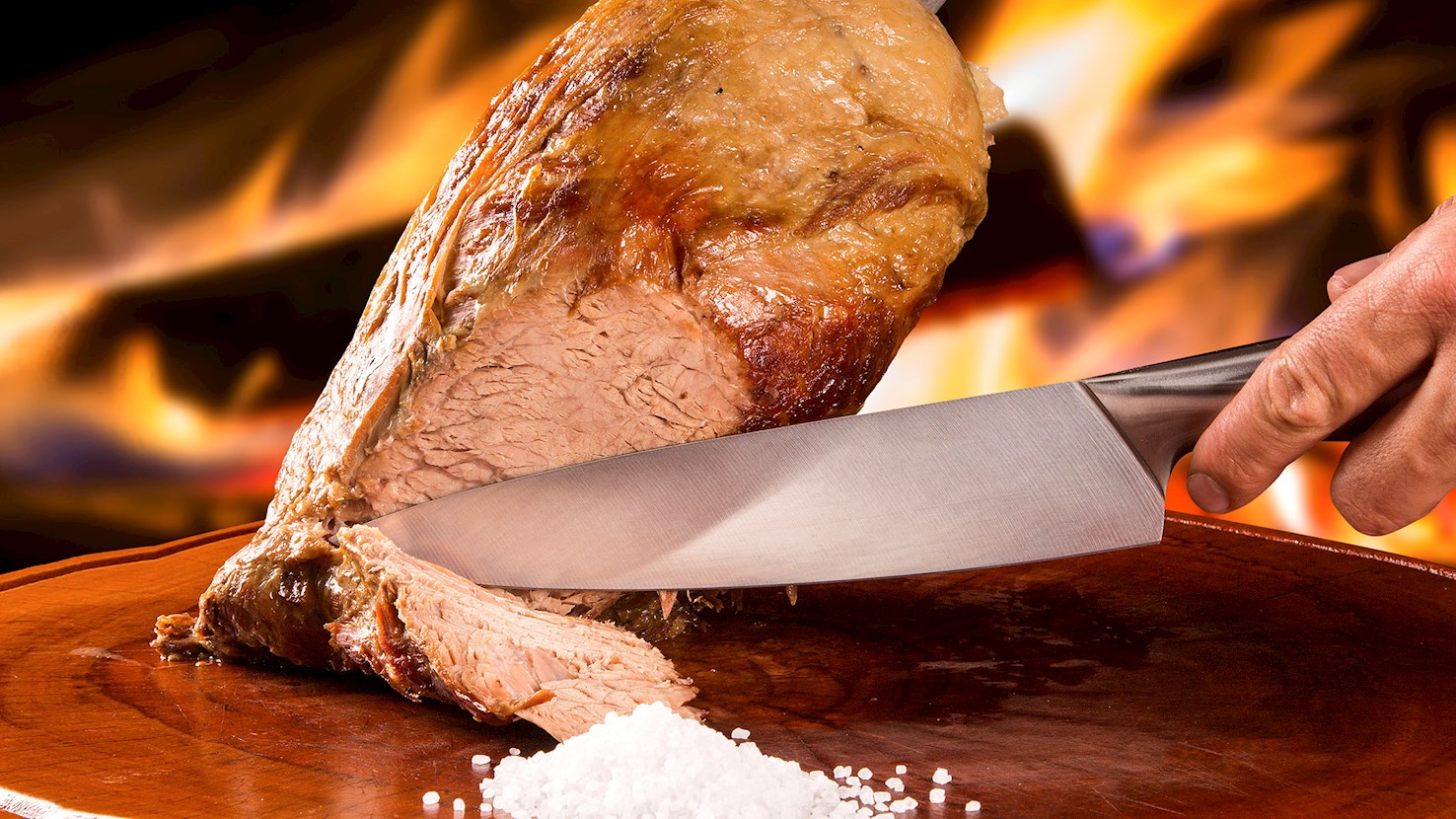
Cupim or beef hump of the Brazilian Zebu cattle is a tender, rich, and marbled cut of meat. This meat cut is found almost exclusively in Brazilian cuisine and has no blood and juice. It's usually stewed or roasted in churrascos. When served in churrascarias, the meat is described as very rich, fatty, and with a tender and stringy texture. It's usually seasoned with rock salt, then grilled low and slow for a few hours. If it's cooked in stews, the fat will disperse, making cupim less greasy.

08

Filé Oswaldo Aranha

4.1 ·

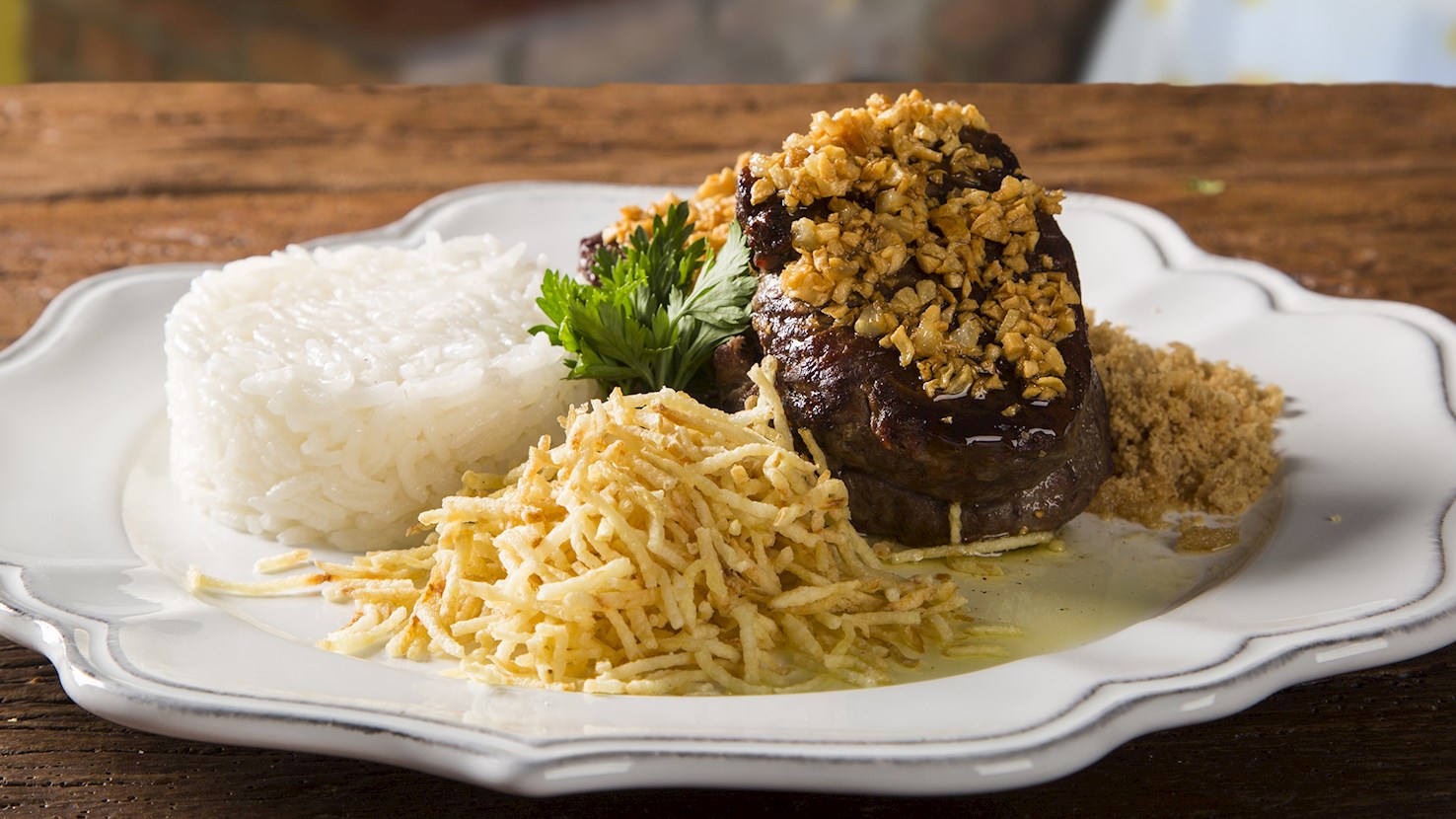
Filé Oswaldo Aranha is a traditional dish consisting of a beefsteak that's topped with large amounts of fried garlic and served with white rice, crunchy potato chips, and farofa on the side. The dish was named after Oswaldo Aranha, a Brazilian politician and diplomat who often asked for his steak to be accompanied by fried garlic and those three side dishes in a Rio De Janeiro restaurant called Cosmopolita. Shortly after that, the waiters started to refer to the plate by Aranha's name, and the dish became so popular that it was added to the menu in his honor. And although Aranha preferred to combine all the side dishes together, nowadays the side dishes are served unmixed in most restaurants.

09

Estrogonofe

4 ·

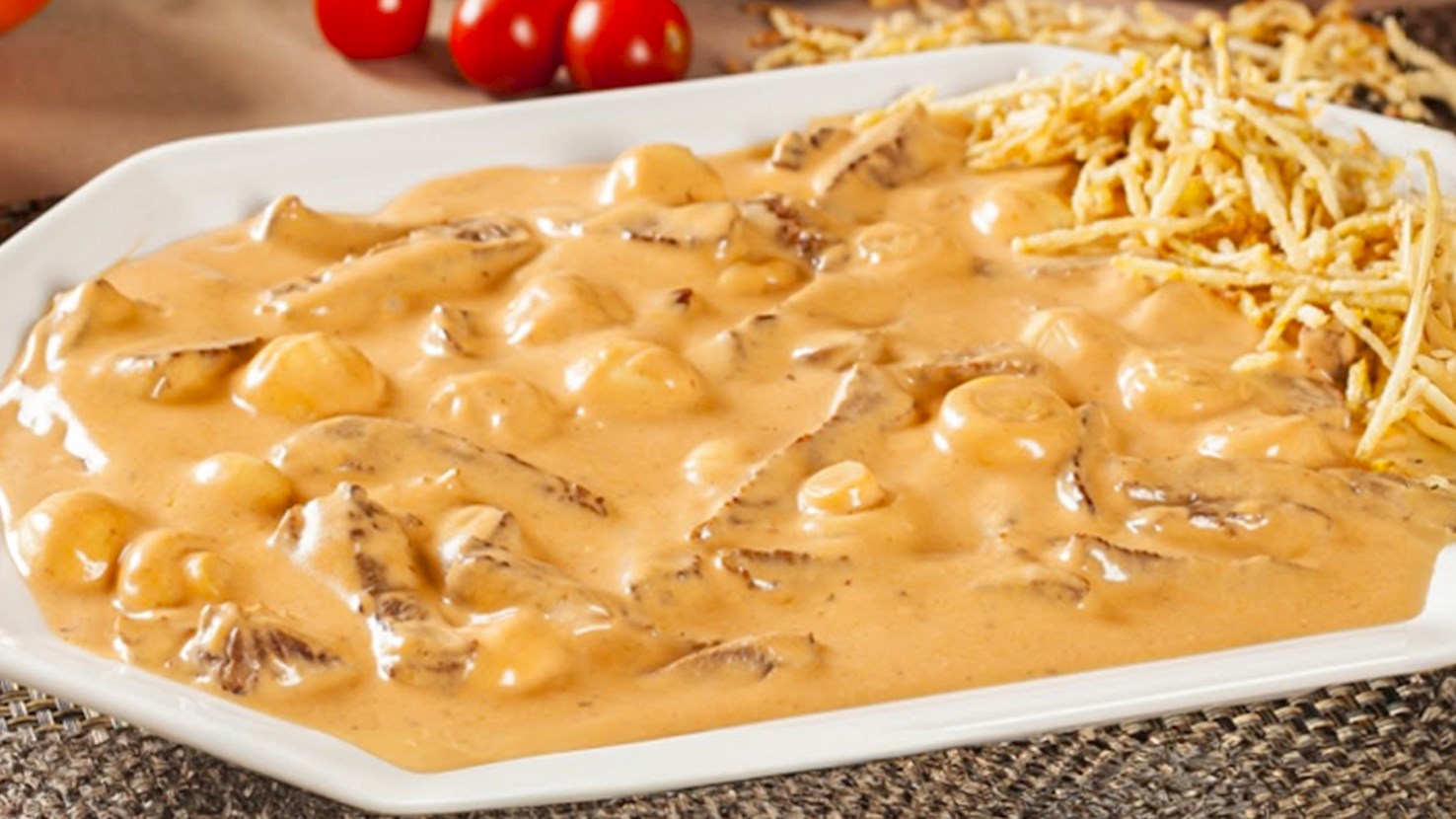
Brazilian estrogonofe is a rich, creamy one-pot dish made with beef cooked in a flavorful sauce of heavy cream, ketchup, mustard, and tomato paste. This Brazilian adaptation of Russian beef Stroganoff is known for its tangy, sweet, and savory flavor profile that sets it apart from the original. The protein is first seared with sautéed onions, garlic, and mushrooms before being simmered in the creamy sauce until tender. Unlike the Russian version, it is traditionally served with white rice and topped with crispy batata palha (shoestring potato sticks) for added crunch. The sauce, thickened with creme de leite (Brazilian heavy cream), is rich, velvety, and perfectly coats the meat. Variations include beef (estrogonofe de carne), chicken (estrogonofe de frango), and shrimp (estrogonofe de camarão), each offering its own delicious twist. The addition of ingredients like Worcestershire sauce, paprika, and black pepper gives it more depth and complexity. Batata palha is one of the dish’s most beloved elements, creating a satisfying textural contrast against the creamy stew. This dish is a common feature at family meals, birthday parties, and casual gatherings, as it is easy to prepare and pleases a wide range of palates.

10

Carne de sol

4 ·

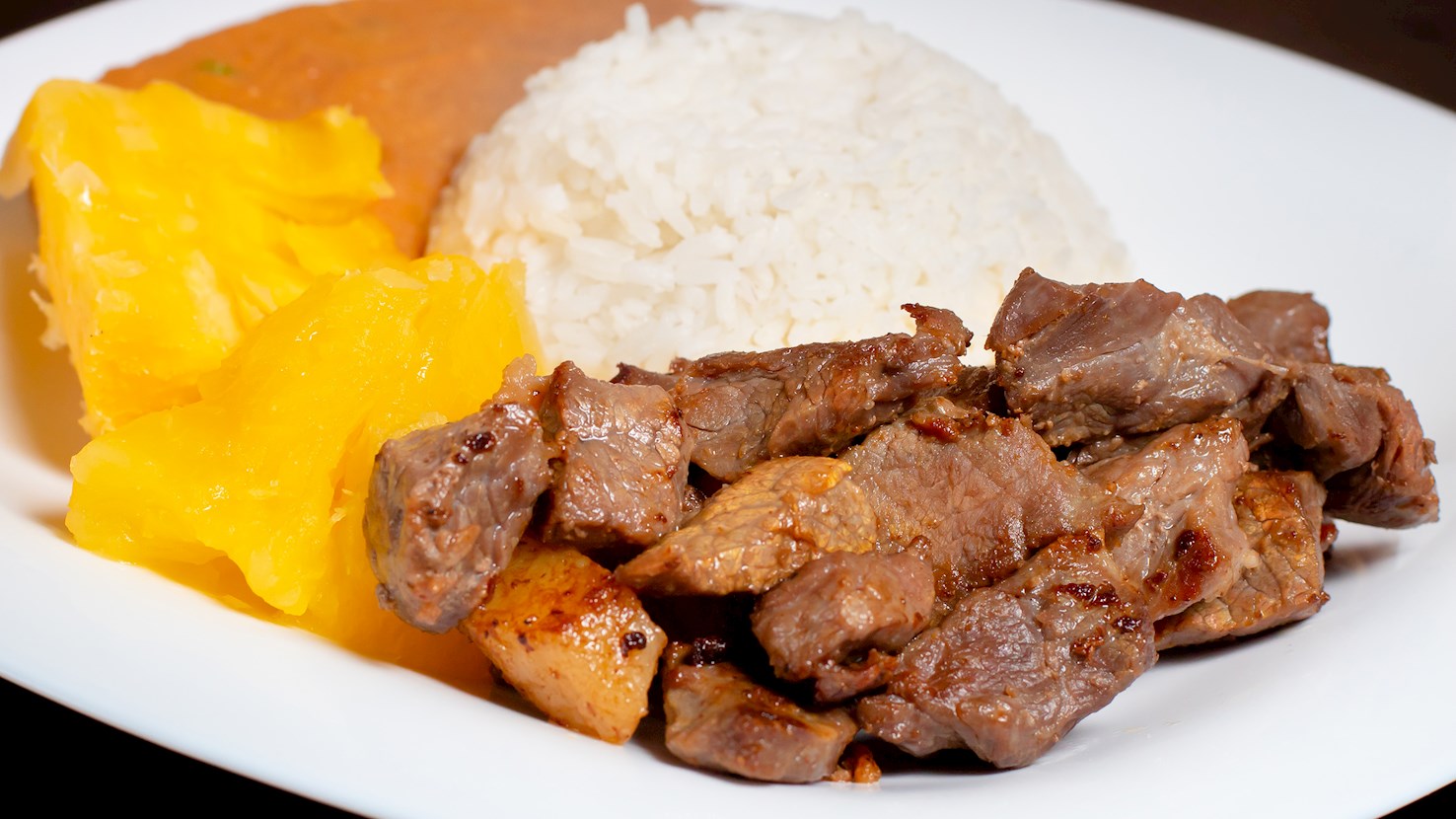
A staple of Northeastern Brazil, carne de sol (lit. meat of the sun) - sometimes also called carne de sereno or simply jabá - refers to heavily salted, sun-dried meat. Carne de sol is traditionally prepared with either beef or goat meat, and the origins of this centuries-old meat preservation method are attributed to the so-called sertanejos, cattle ranchers living in the vast, semi-arid Brazilian hinterlands. Today, carne de sol is a delicacy found all across the country and, if not grilled or cubed and used in various stews, it is typically served with coalho cheese and accompanied by a thick manioc gruel called pirão or boiled cassava.

Read more
View all
View map
About this ranking

TasteAtlas food rankings are based on the ratings of the TasteAtlas audience, with a series of mechanisms that recognize real users and that ignore bot, nationalist or local patriotic ratings, and give additional value to the ratings of users that the system recognizes as knowledgeable. For the “Top 13 Brazilian Beef Dishes” list until June 15, 2026, 1,920 ratings were recorded, of which 1,356 were recognized by the system as legitimate. TasteAtlas Rankings should not be seen as the final global conclusion about food. Their purpose is to promote excellent local foods, instill pride in traditional dishes, and arouse curiosity about dishes you haven’t tried.

Similar lists