



shutterstock

Top 24 Italian Beef Dishes

Last updated on May 16, 2026
01

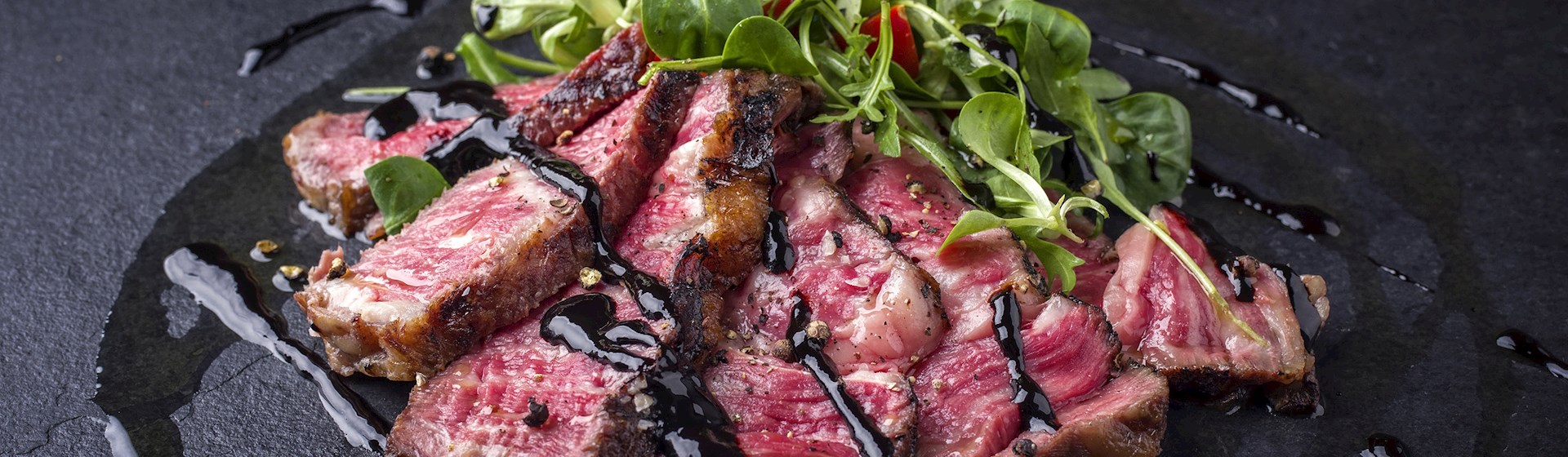
Bistecca alla Fiorentina

4.4 ·

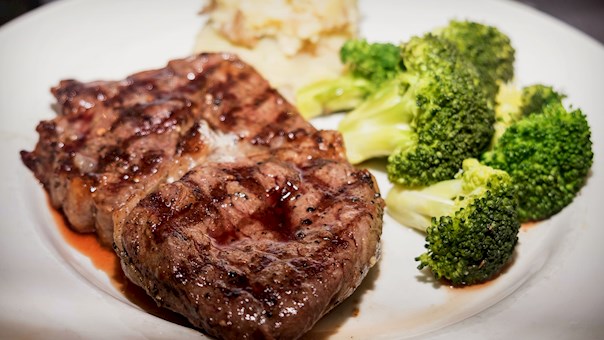
Known as the holiest of holies of Italian cuisine, the Florentine-style beef steak is prepared exclusively with dry-aged beef from the Chianina cattle, which is particularly prized for its tenderness. Even though bistecca alla Fiorentina is often described as a T-bone steak, it is much closer to a porterhouse - since it's cut closer to the center, the tenderloin is much larger than the one on a regular T-bone. Also, bistecca alla Fiorentina must be thick; the cut needs to be at least three fingers wide so that when the meat is grilled over a very hot flame, a nice, slightly charred crust forms on the outside of the steak while the inside remains succulent. In fact, bistecca alla Fiorentina is never, ever served medium or well-done, as any true Tuscan will insist that this dream of a steak should only be eaten sanguinoso, meaning rare. To enjoy your Florentine-style steak the Italian way, simplicity is the way to go - highlight the rich flavor of grilled beef with nothing more than a drizzle of extra virgin olive oil, rosemary, and salt.

02

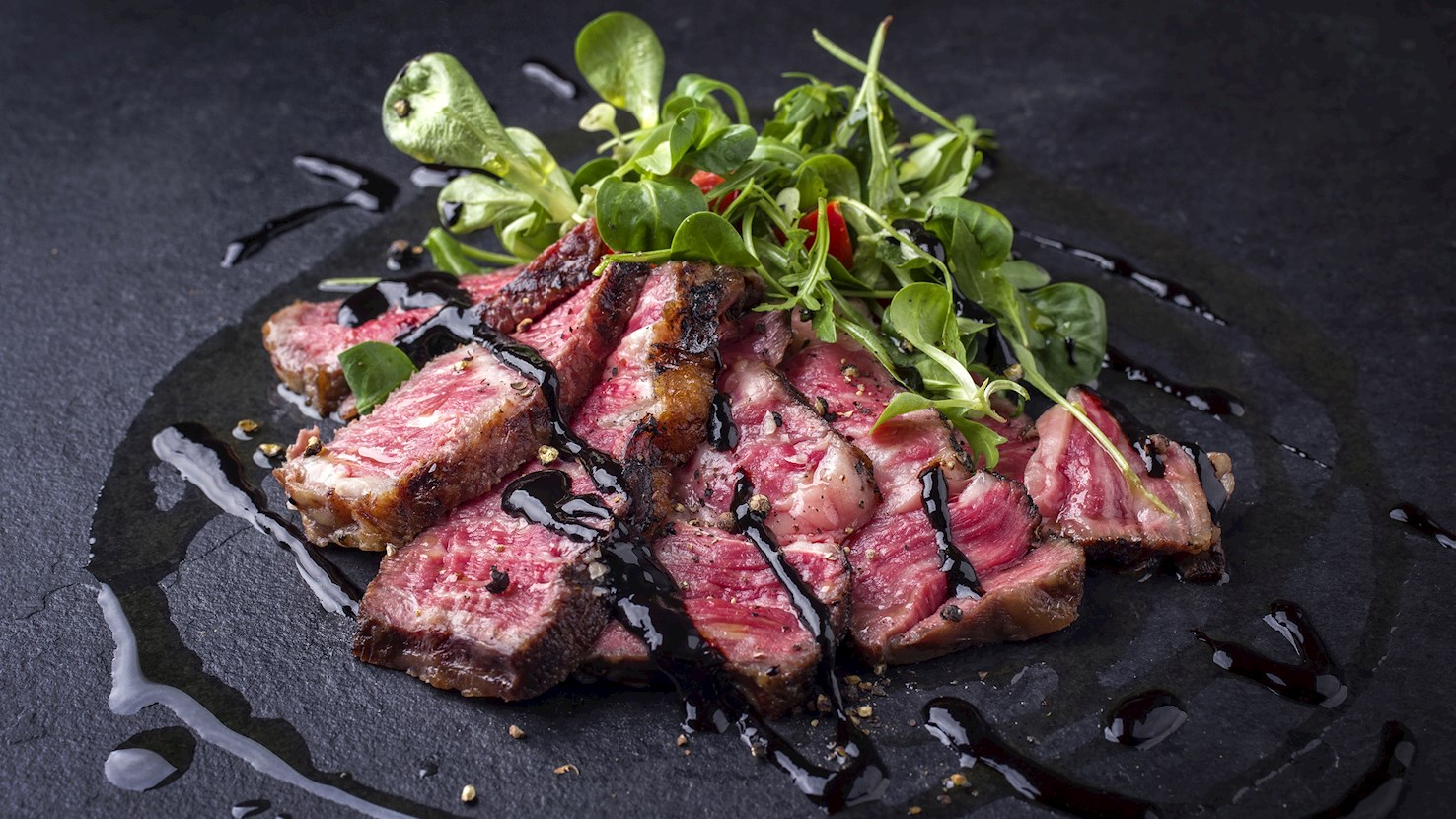
Tagliata di manzo

4.4 ·

Tagliata is a traditional meat dish that's most commonly made with beef. The dish is usually made with a combination of sirloin steak, rocket (arugula), extra-virgin olive oil, salt, black pepper, and cherry tomatoes, if desired. The meat should be about 1'' (2.5cm) thick and seared on both sides on a hot griddle pan or on a barbecue. The inside of the meat is usually medium-rare and juicy, while the outside is nicely seared. Once done, it's sprinkled with salt and pepper and cut into thin slices. The slices are most commonly served over a mound of rocket, and each serving is drizzled with olive oil. If desired, add some cherry tomatoes, a drizzle of balsamic vinegar, or Parmigiano-Reggiano shavings as well. Tagliata di manzo is served immediately.

03

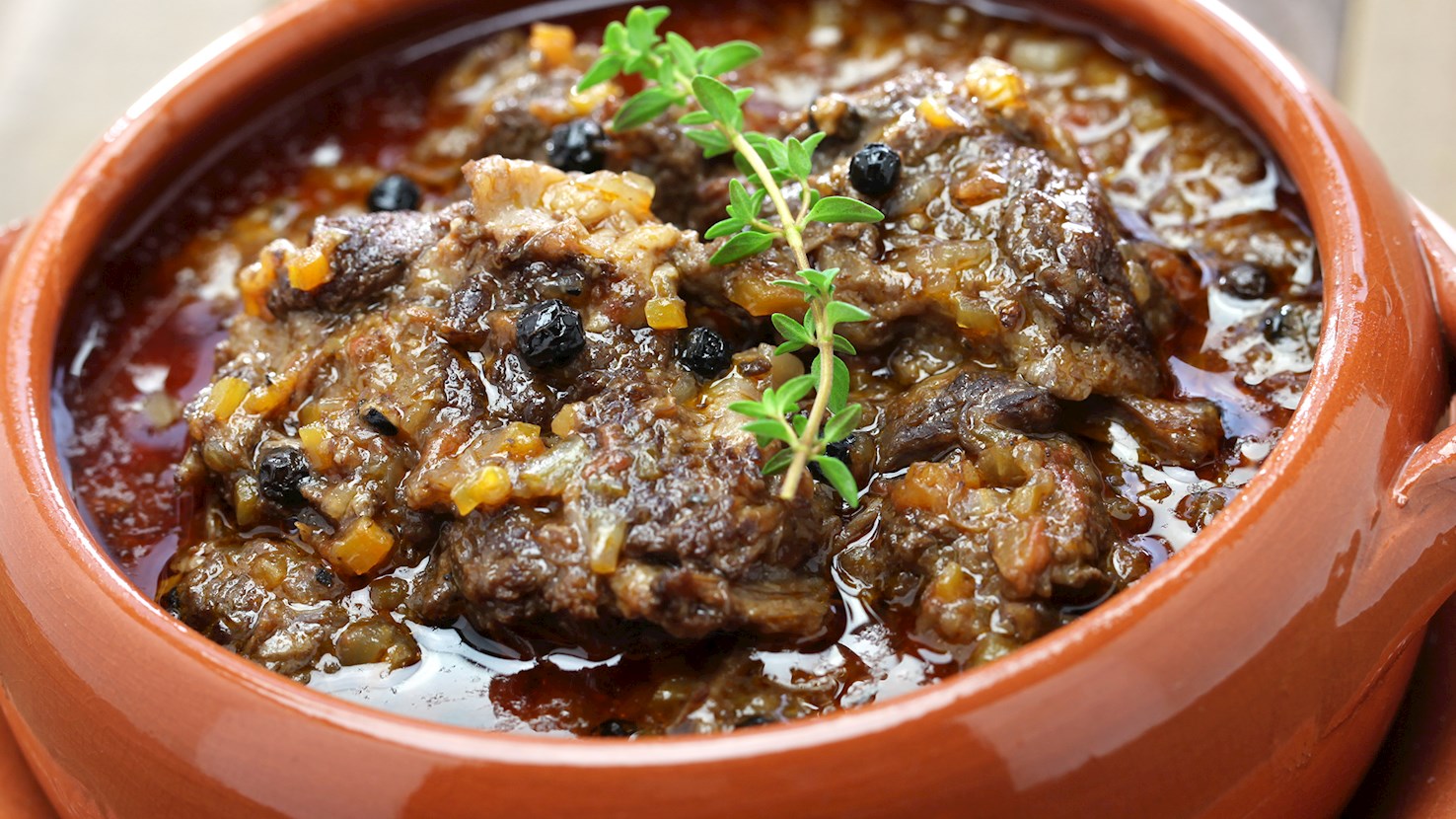
Peposo

4 ·

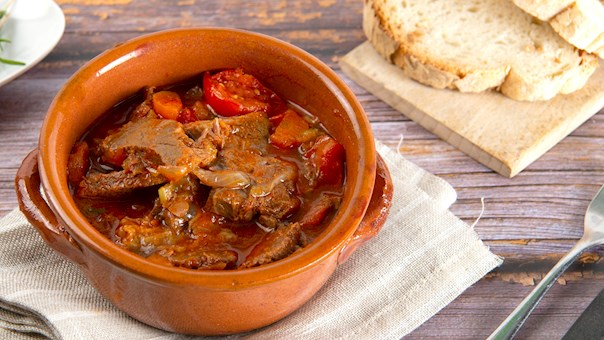
This humble Tuscan stew is made with cheaper cuts of beef, red wine (traditionally Chianti), crushed black peppercorns, lots of garlic, onions, celery, carrots, fresh herbs, and, sometimes, tomatoes, although they are not a part of the original recipe. Some recipes include pig's trotter or calf's foot in order to bring extra flavor. The dish is slowly cooked in earthenware pots. In the past, peposo used to be left in a cooling bread oven or in kilns where ceramics and terracotta tiles were made. The stew is sometimes served on slices of toasted local bread which mops up the flavorful juices.

04

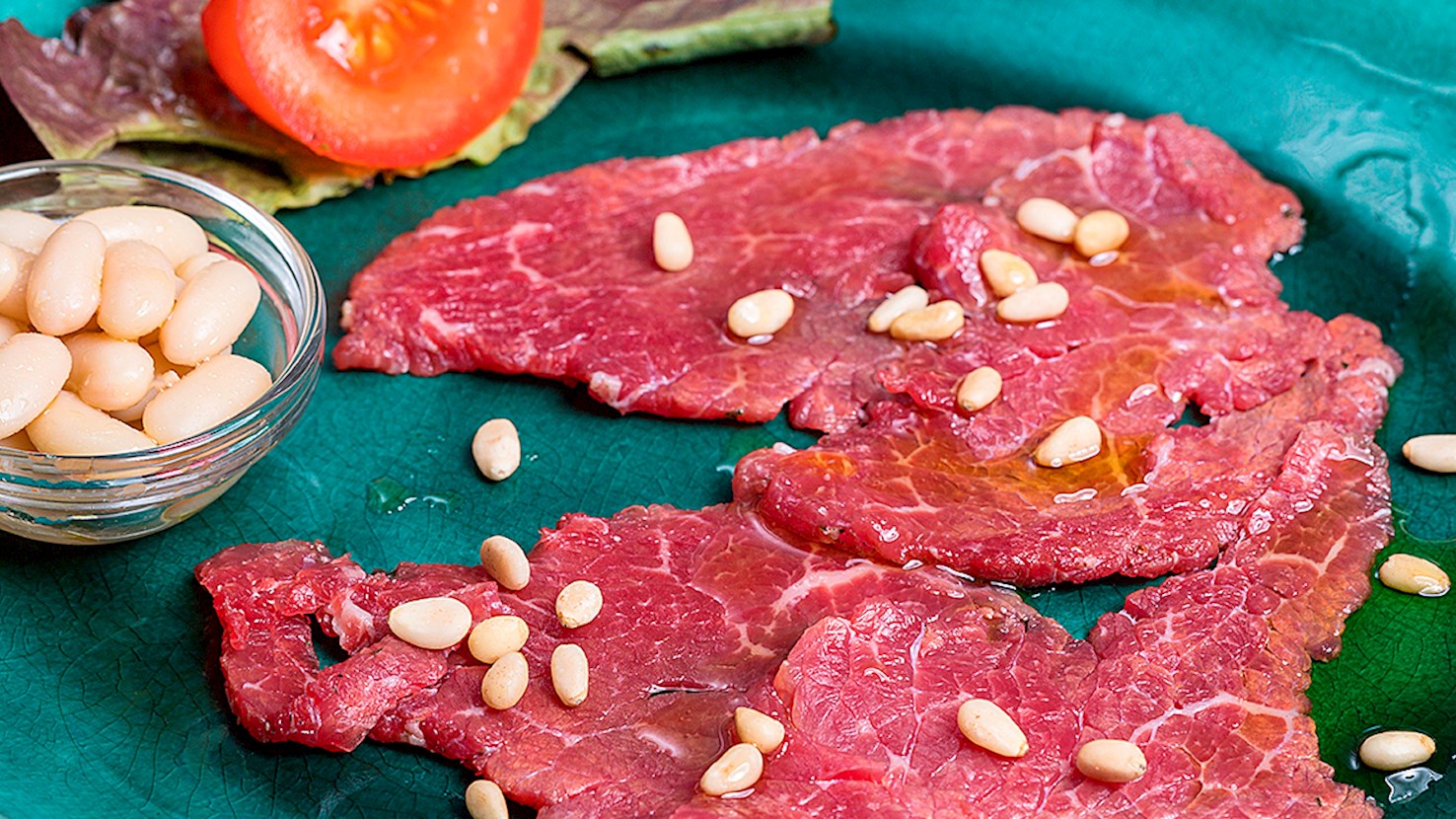
Carne salada

4 ·

Carne salada is a typical Trentino meat product that can be traced back to the 16th century. It is made by flavoring beef rump with salt, pepper, juniper berries, rosemary, crushed garlic, and bay leaves. After at least two weeks of turning and kneading the meat, which traditionally rests in steel tubs, it is ready to be consumed, either raw or cooked. If served raw, carne salada is cut in thin slices, drizzled with extra virgin olive oil, and paired with lemon slices, chopped capers, or rocket and parmesan cheese. If cooked, the slices should be cut a bit thicker, then fried for a minute and served with boiled beans. Carne salada is delicious either way, and it is traditionally served as an appetizer.

05

Brasato al Barolo

3.7 ·

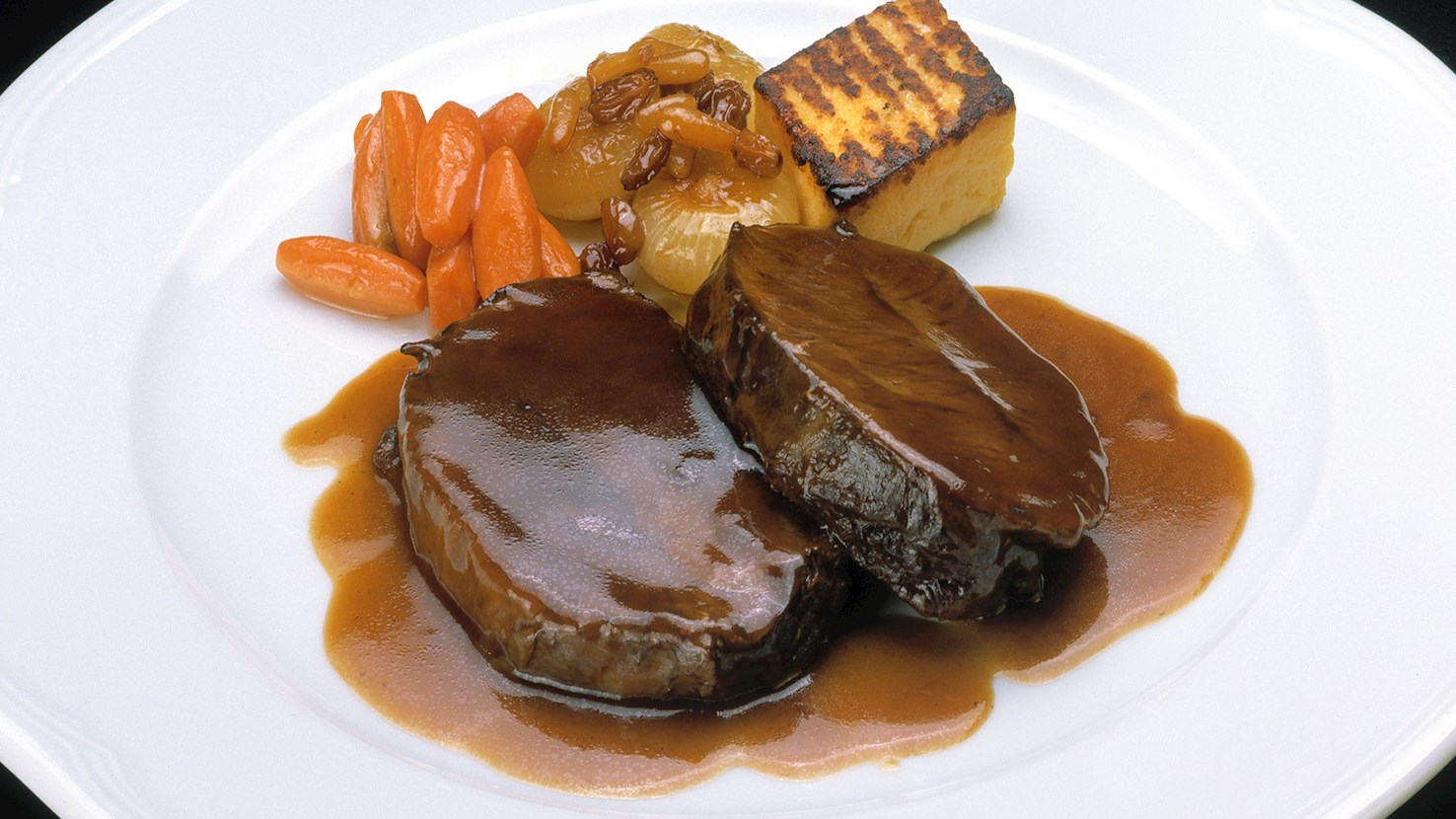
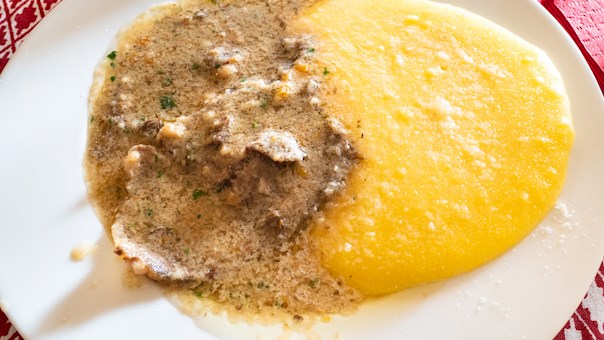
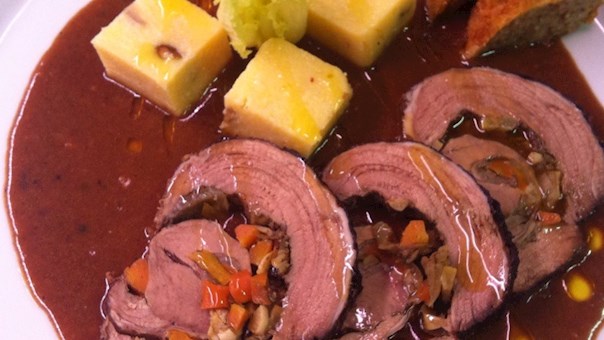
This classic dish hails from Piedmont, home of the renowned Barolo wine. Brasato is prepared with beef that is marinated together with Barolo wine and vegetables such as carrots, celery, and onions, as well as herbs and spices that typically include bay leaves, cinnamon, or cloves. The beef is then browned and slowly braised in the marinade before it is rested and sliced, while the braising sauce is puréed and is then doused over the meat. The dish is usually served with mashed potatoes or polenta on the side.

06

Carbonade Valdostana

3.1 ·

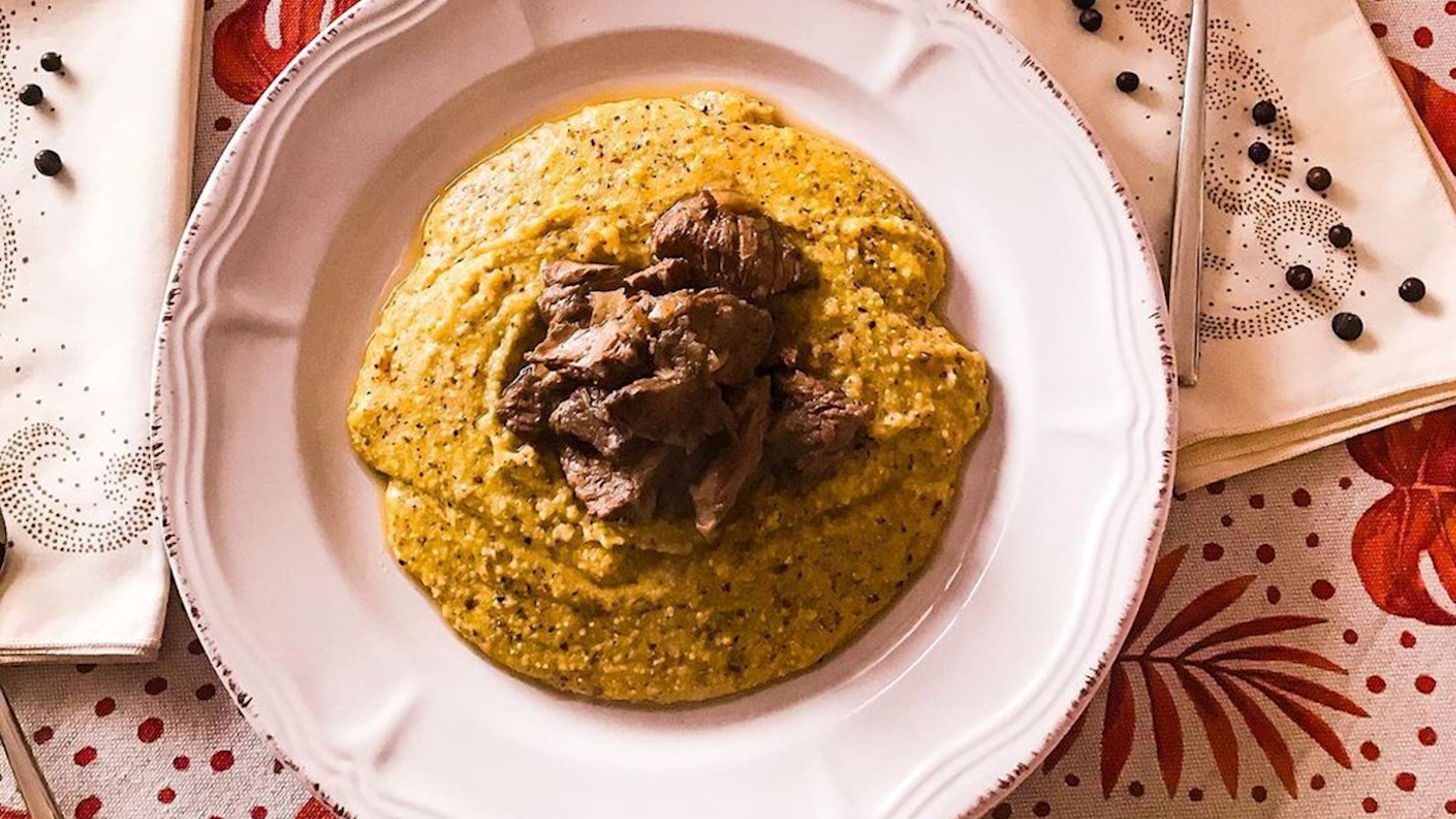
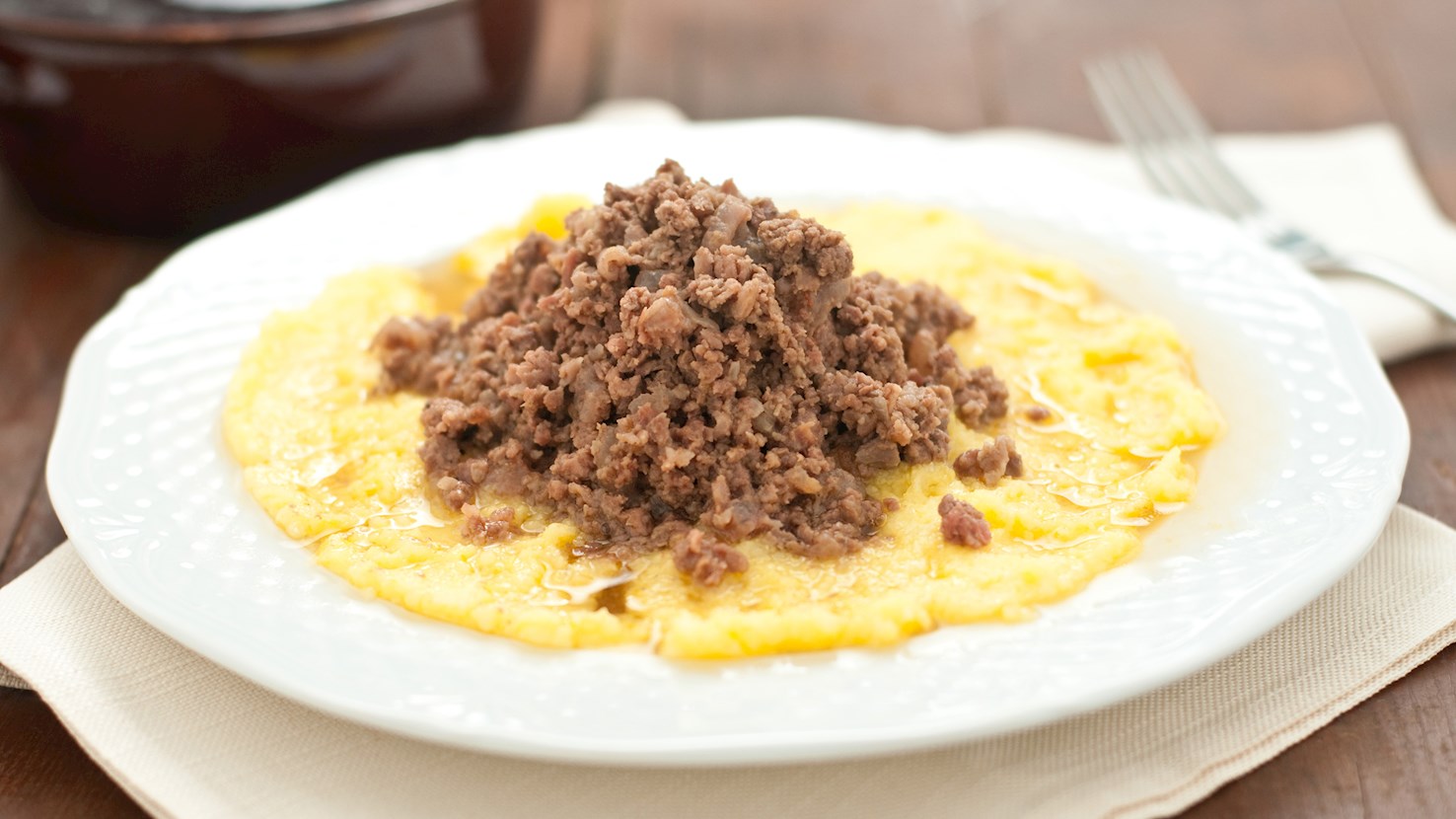
Carbonade valdostana is a rich Italian beef stew originating from the Aosta valley. It is prepared with a combination of beef (cut into cubes or strips), onions, flour, butter, red wine, and herbs and spices such as cloves, cinnamon, nutmeg, orange peel, and bay leaves. Once the stew has been prepared, it is traditionally served piping hot over polenta, but it can also be served with garlic mashed potatoes or pappardelle pasta. Originally, the dish was prepared with beef that was preserved in salt, but nowadays regular beef is more often used in the preparation of carbonade. It is recommended to serve this stew with full-bodied red wines such as Barbaresco, Brunello di Montalcino, or Barolo.

07

Straccetti

3 ·

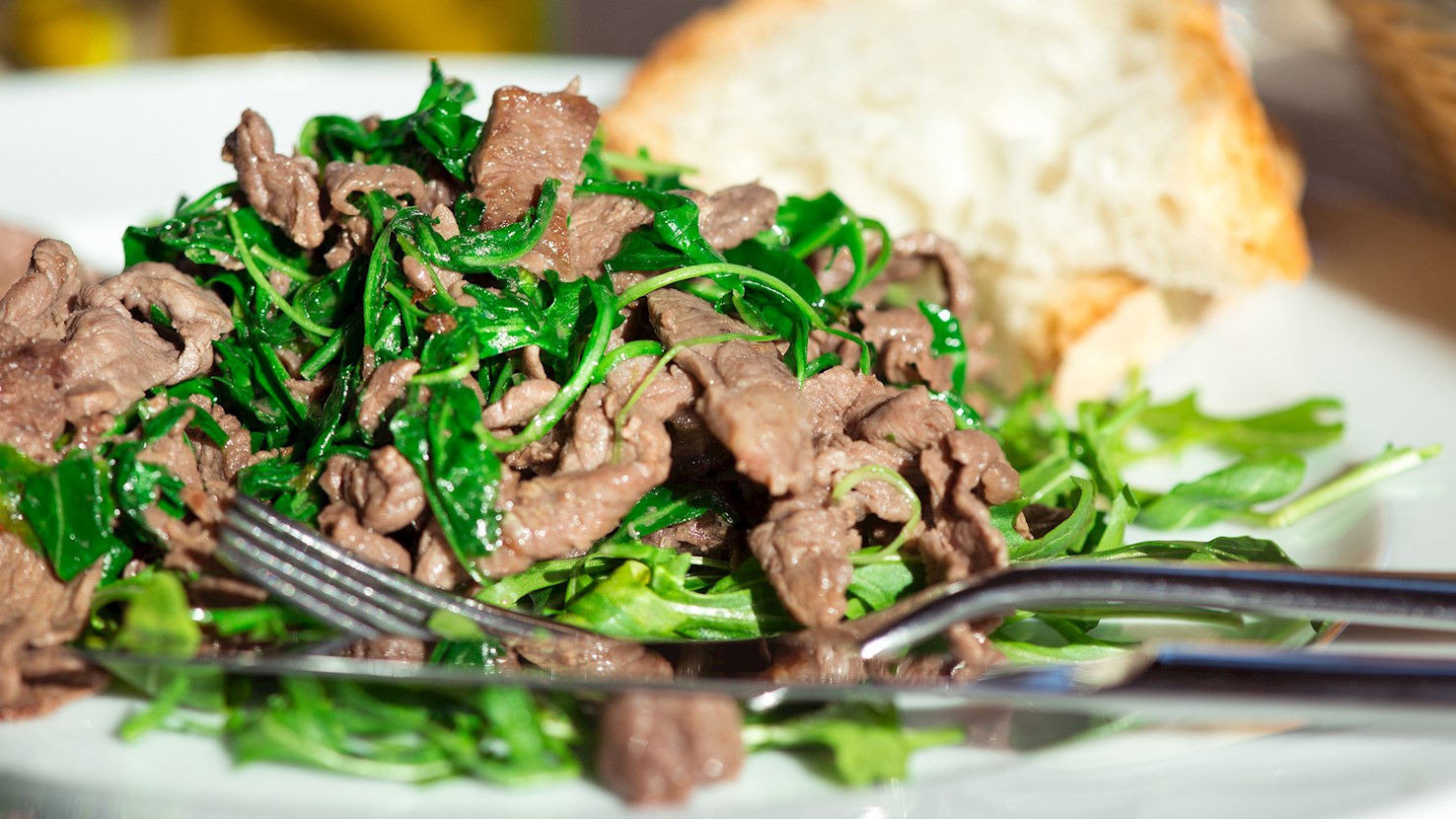
Straccetti is a traditional dish hailing from Rome and the Lazio area. The dish is made with a combination of beef (skirt or flank steak), olive oil, garlic, arugula (rocket) or radicchio, rosemary, salt, pepper, and Parmigiano-Reggiano. The garlic is sautéed in olive oil until fragrant and removed from the pan. Thinly sliced radicchio or arugula is added to the pan with minced rosemary, salt, and pepper. It is cooked until wilted and tender and transferred to a plate. The beef is cut into paper-thin slices, seasoned with salt and pepper, and cooked in olive oil. The radicchio or arugula is placed back into the pan, and the dish is then topped with grated cheese before it's served. It's important not to overcook the meat in the process. The name straccetti means little rags, referring to the thin slices of beef.

08

Involtini di manzo

2.8 ·

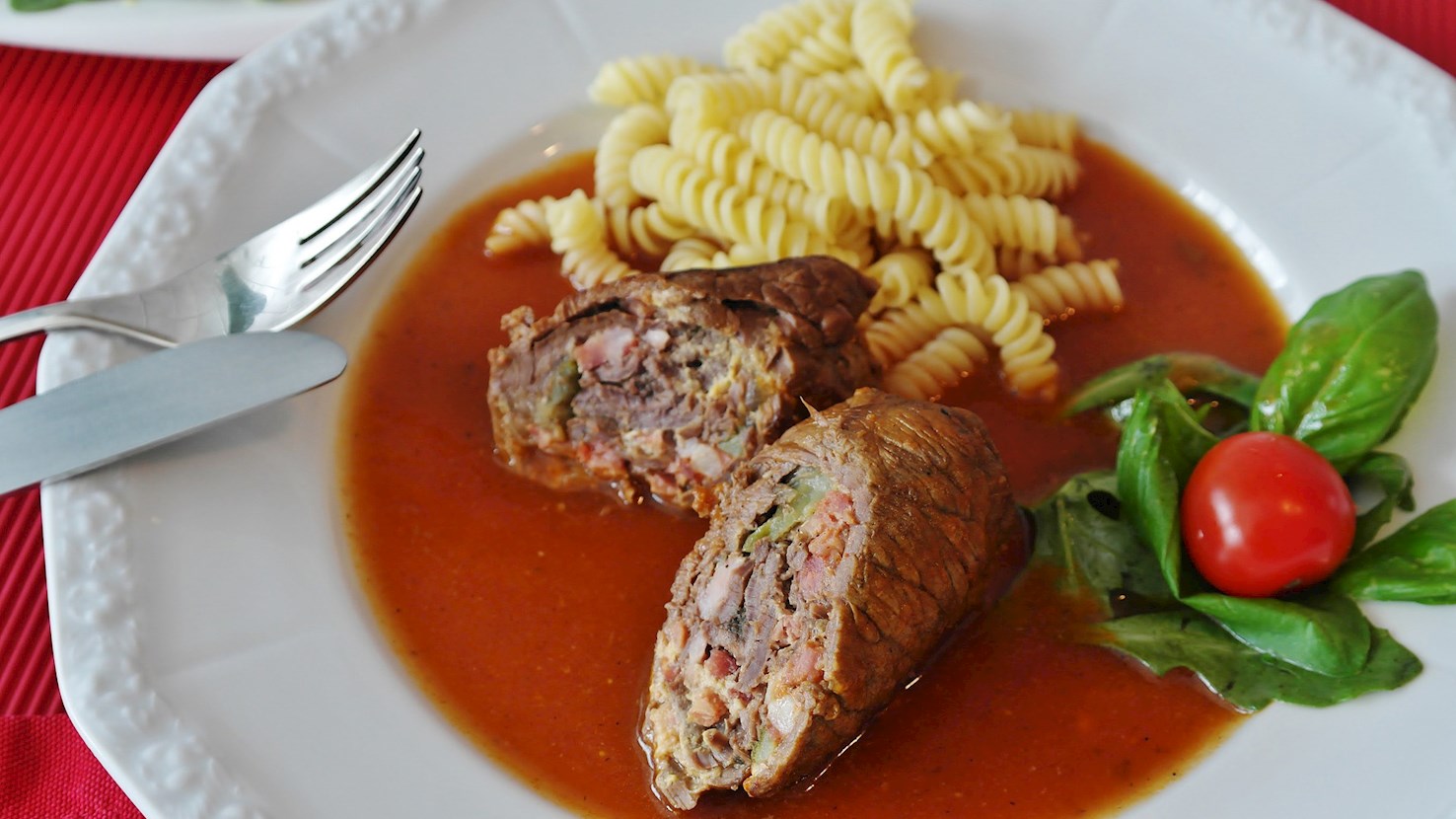
Involtini di manzo is a traditional meat dish originating from Rome. These beef rolls are usually made with a combination of beef slices, prosciutto, carrots, garlic, celery, tomatoes, white wine, olive oil, salt, and pepper. The beef slices are seasoned with salt and topped with a slice of prosciutto, carrot sticks, and celery sticks. The meat is rolled up and secured with toothpicks before the rolls are browned in olive oil and removed from the pan. The garlic is cooked in the same pan with the tomatoes and wine. Once the alcohol evaporates and the sauce begins to simmer, the rolls are placed back into the pan and cooked for more than an hour. Once everything is cooked, the beef rolls and sauce are served warm, often with pasta such as spaghetti. It's believed that the dish tastes even better when reheated the next day.

09

Carne cruda all'Albese

n/a ·

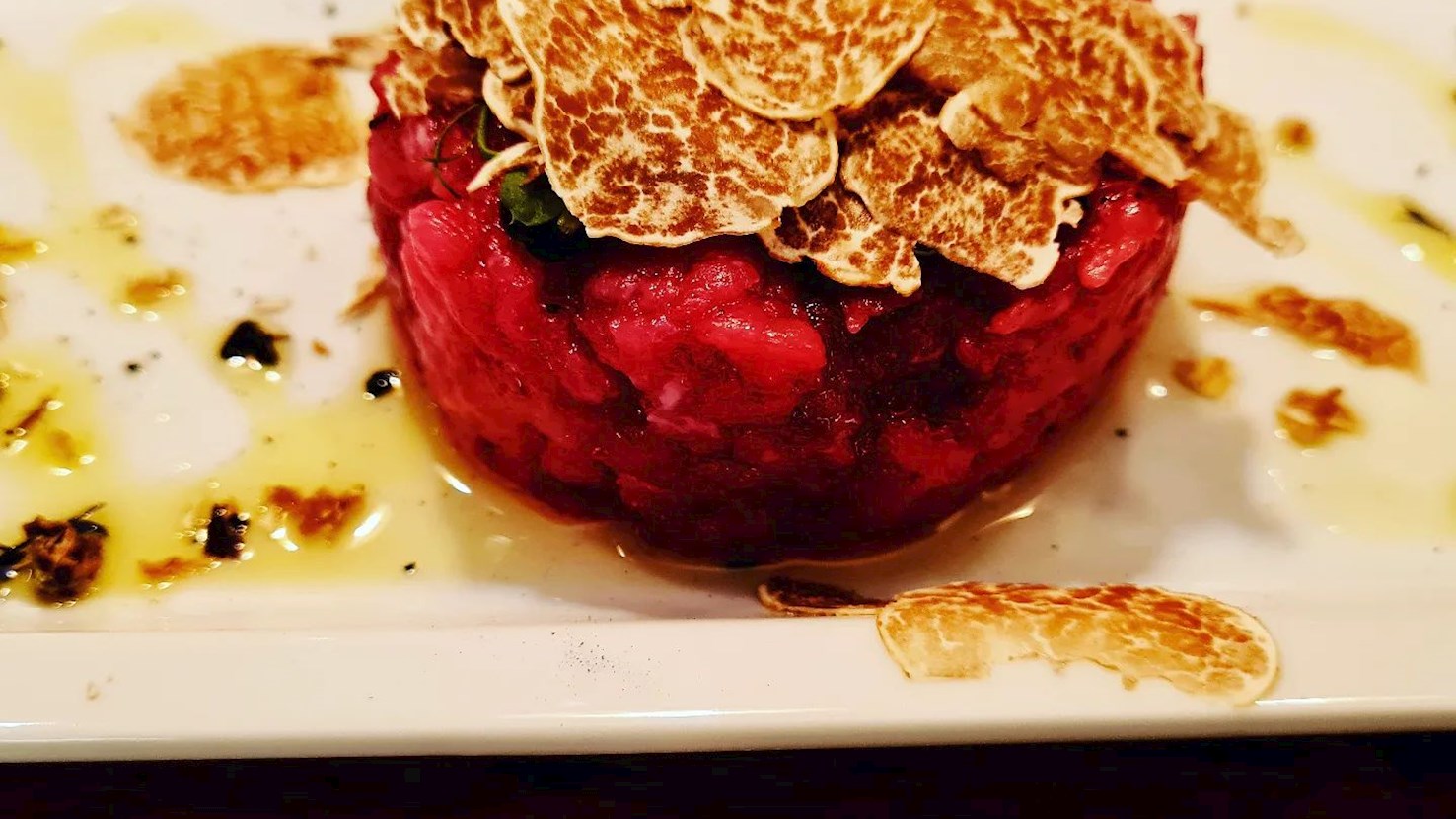
Carne cruda all'albese is an Italian spin on steak tartare, prepared mainly around Alba, a town in the Piedmont region renowned for its precious white truffles. In this version, raw finely chopped beef is flavored with salt, pepper, lemon juice, and garlic. The dish is often served with thin shavings of Parmigiano-Reggiano cheese, and it is often topped with chopped and roasted Piemontese hazelnuts or the prized white Alba truffle. Due to the fact that truffles are very expensive, fresh wild mushrooms are sometimes used instead. Carne cruda all'albese should be enjoyed shortly after the preparation before the lemon juice cooks the meat. The dish is best paired with warm toasted bread, crispy arugula, and fruity red wines.

10

Tzigoiner

n/a ·

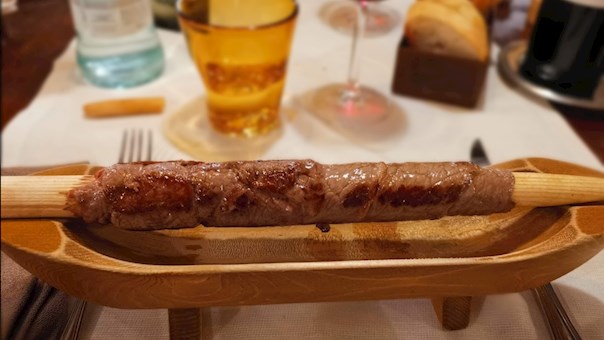
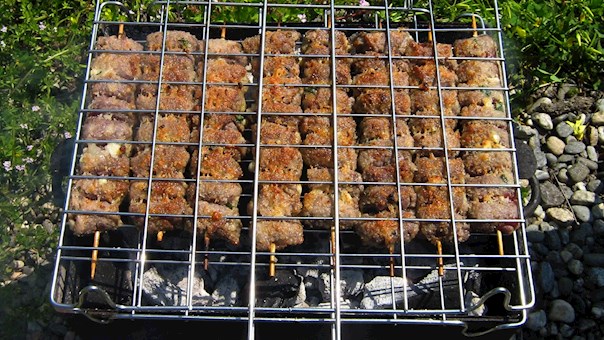
Tzigoiner is a traditional meat dish originating from Valtellina. The dish consists of thinly sliced beef that's wrapped around a wooden skewer and grilled to perfection. The beef is typically marinated in wine, oil, and spices. The meat is usually seasoned with salt and pepper before it's placed over a hot grill. Tzigoiner is often accompanied by french fries and dollops of mustard and grated horseradish on the side. If properly prepared, the beef should be very succulent and it should slide right off the skewer. Additional ingredients such as pancetta can also be wrapped around the skewer.

Best restaurants
Read more
View all
View map
About this ranking

TasteAtlas food rankings are based on the ratings of the TasteAtlas audience, with a series of mechanisms that recognize real users and that ignore bot, nationalist or local patriotic ratings, and give additional value to the ratings of users that the system recognizes as knowledgeable. For the “Top 24 Italian Beef Dishes” list until May 16, 2026, 657 ratings were recorded, of which 499 were recognized by the system as legitimate. TasteAtlas Rankings should not be seen as the final global conclusion about food. Their purpose is to promote excellent local foods, instill pride in traditional dishes, and arouse curiosity about dishes you haven’t tried.

Similar lists