

shutterstock

Top 8 Korean Beef Dishes

Last updated on July 15, 2026
01

Galbi

4.4 ·

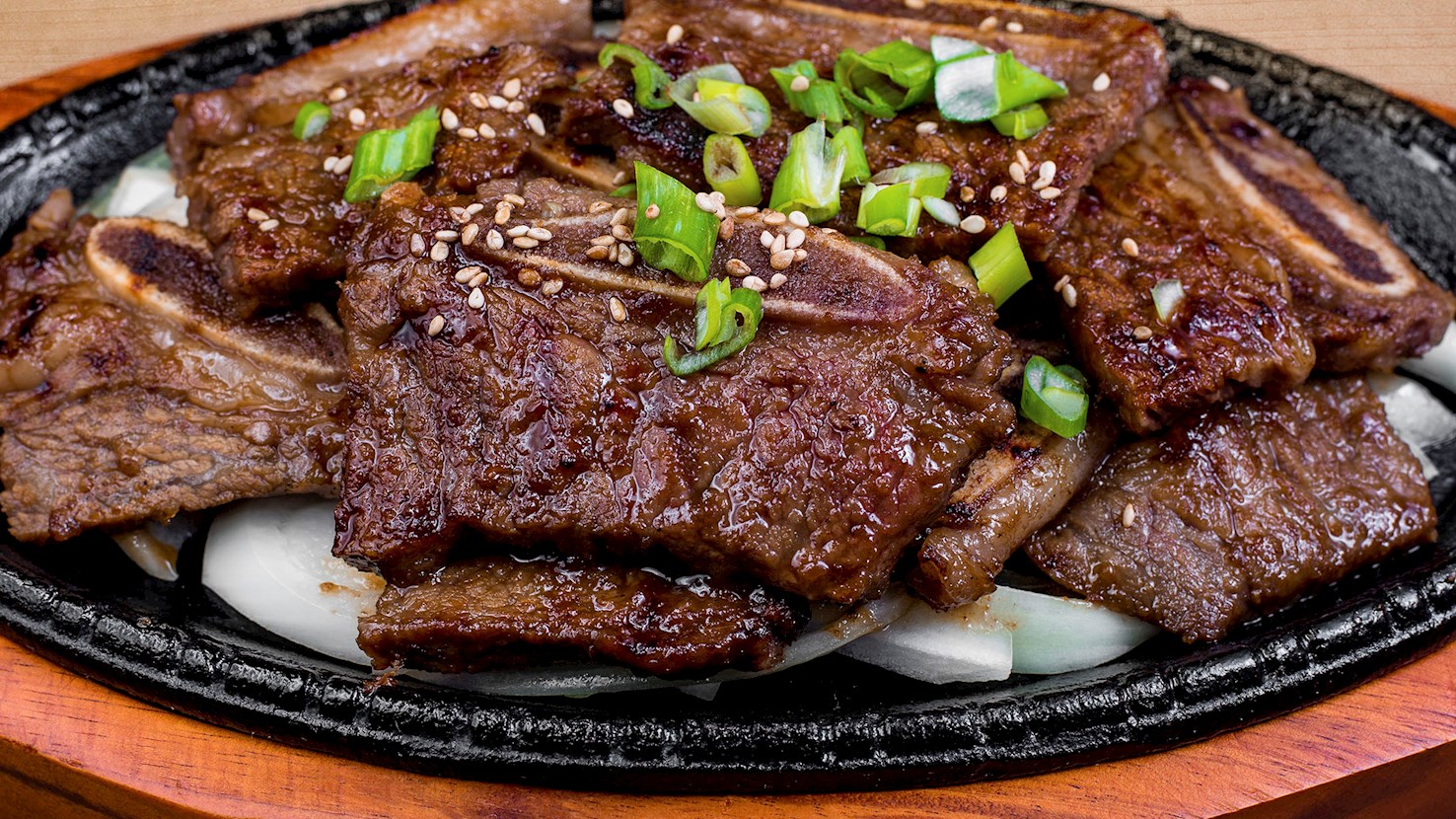
Galbi or kalbi refers to a variety of grilled beef short ribs dishes popular in South Korea. The ribs are marinated in a sweet sauce consisting of soy sauce, sugar, rice wine, sesame oil, and garlic. Although the name of the dish translates to ribs, chicken or pork meat can also be used. The dish originates from 18th-century Korea, when killing cows was strictly forbidden. As workers were building the Hwa Castle, they needed to be well-fed, so King Jeongjo allowed the opening of only one slaughterhouse in the whole country to process beef and feed the hungry workers. Of course, it didn't stop at just one slaughterhouse, and that is the best recommendation for trying the dish for yourself. Galbi is typically accompanied by kimchi, red bean paste or rice, but it can also be wrapped up in lettuce leaves with a variety of other vegetables. Due to galbi's great balance of sweet and savory flavors and rising popularity, the dish even has its own annual festival since 1995, called the Suwon Galbi Festival, offering the visitors a chance to indulge in this celebrated delicacy.

02

Galbijjim

4.0 ·

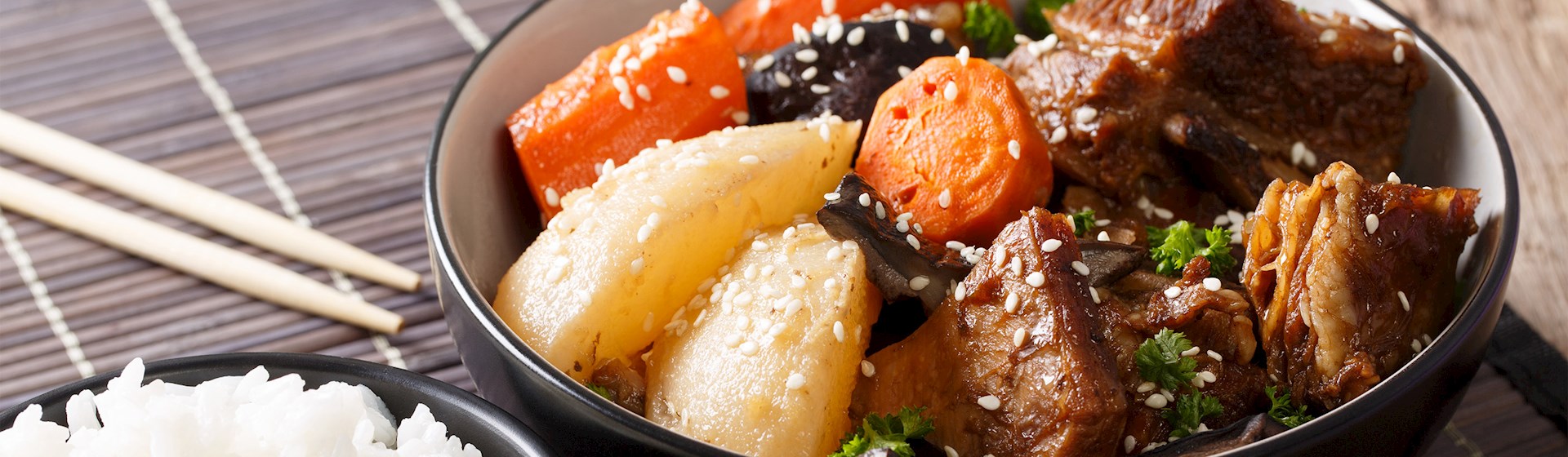
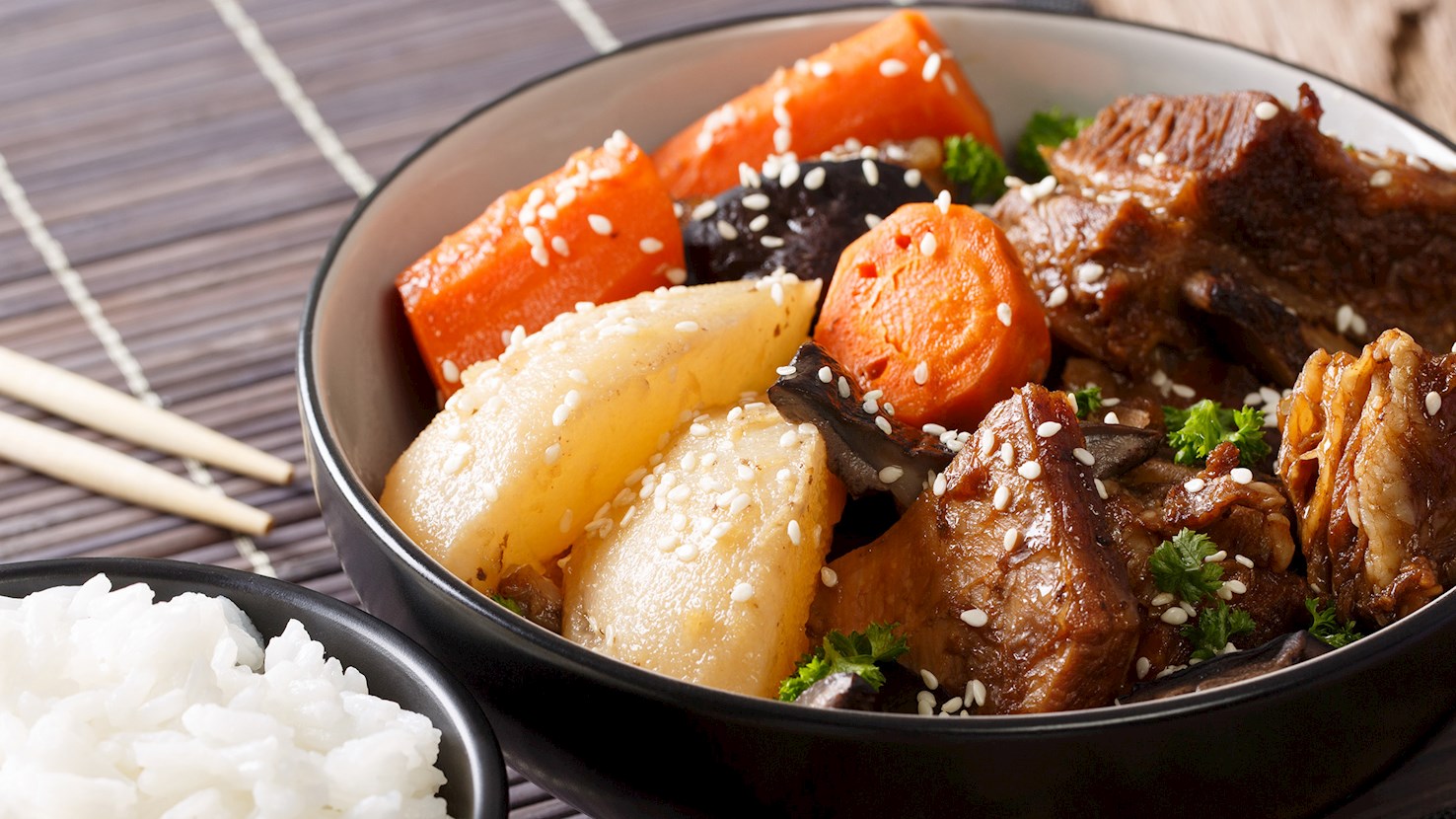
Galbijjim is a traditional South Korean dish that is prepared by braising beef short ribs in a flavorful sauce consisting of honey, mirin, soy sauce, onions, garlic, ginger, and grated apples or pears. Other ingredients include various vegetables such as radishes, shiitake mushrooms, or carrots, as well as chestnuts, pine nuts, jujube, and gingko nuts. It is believed that galbijjim originated sometime in the 1700s, and it was initially reserved only for special occasions. Nowadays it is still a staple on various festivities and holidays but is also a comforting home-cooked meal and a standard restaurant dish. It is best served with rice and kimchi on the side.

03

Tteokgalbi

3.8 ·

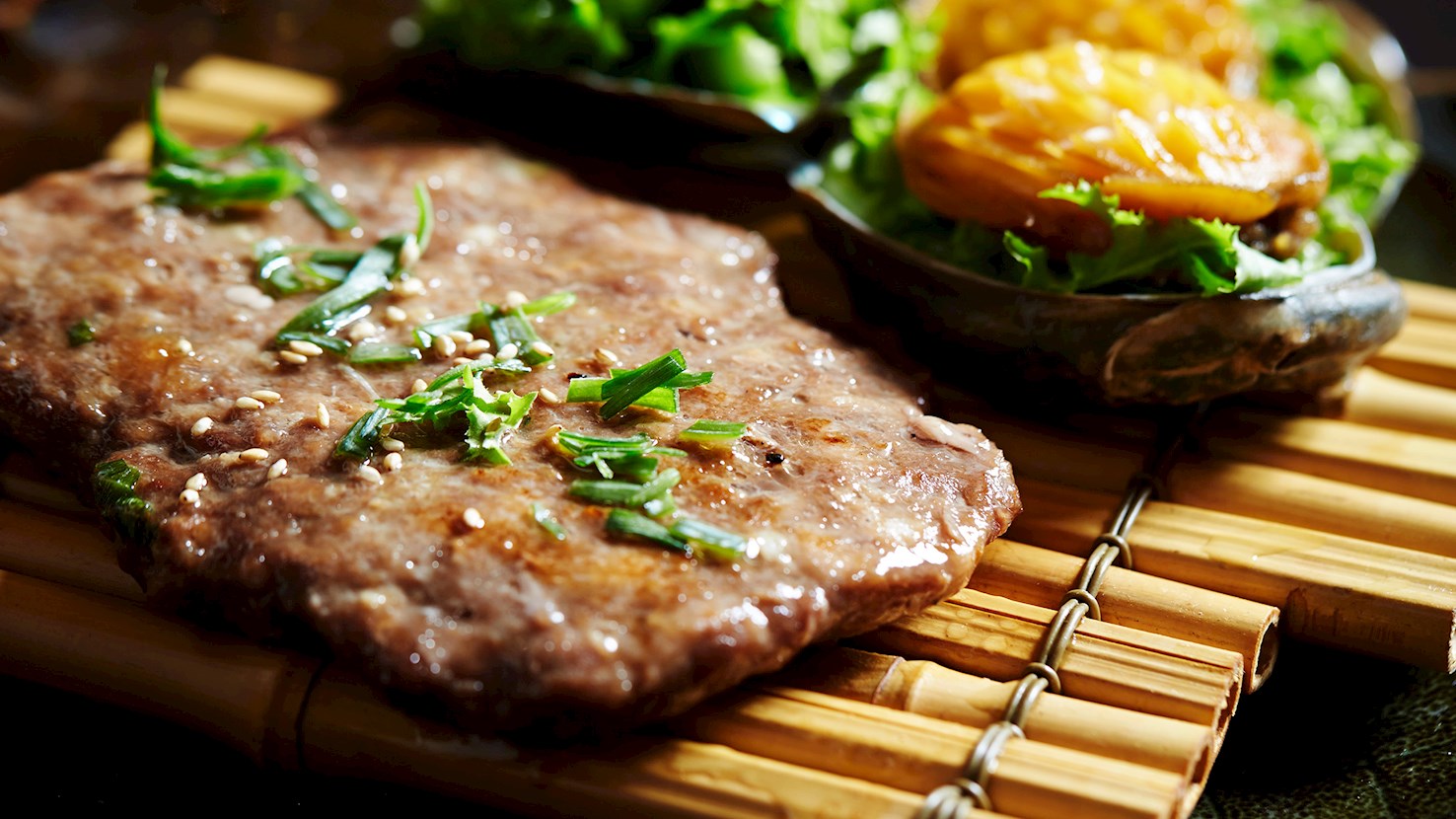
Tteokgalbi is a South Korean dish made with ground beef short ribs. The meat is marinated and made into patties that are then grilled. Occasionally, the meat is formed around the bones, and the patties are often glazed during grilling. Tteokgalbi translates as cake ribs—which allegedly arose since the texture and preparation resemble those of tteok rice cakes. It is believed that this traditional dish originated at the Korean royal court, but nowadays, it is strongly associated with the provinces of South Jeolla and Gyeonggi. Modern varieties are adapted with various ingredients, and the dish is enjoyed throughout the country.

04

Ansim

3.7 ·

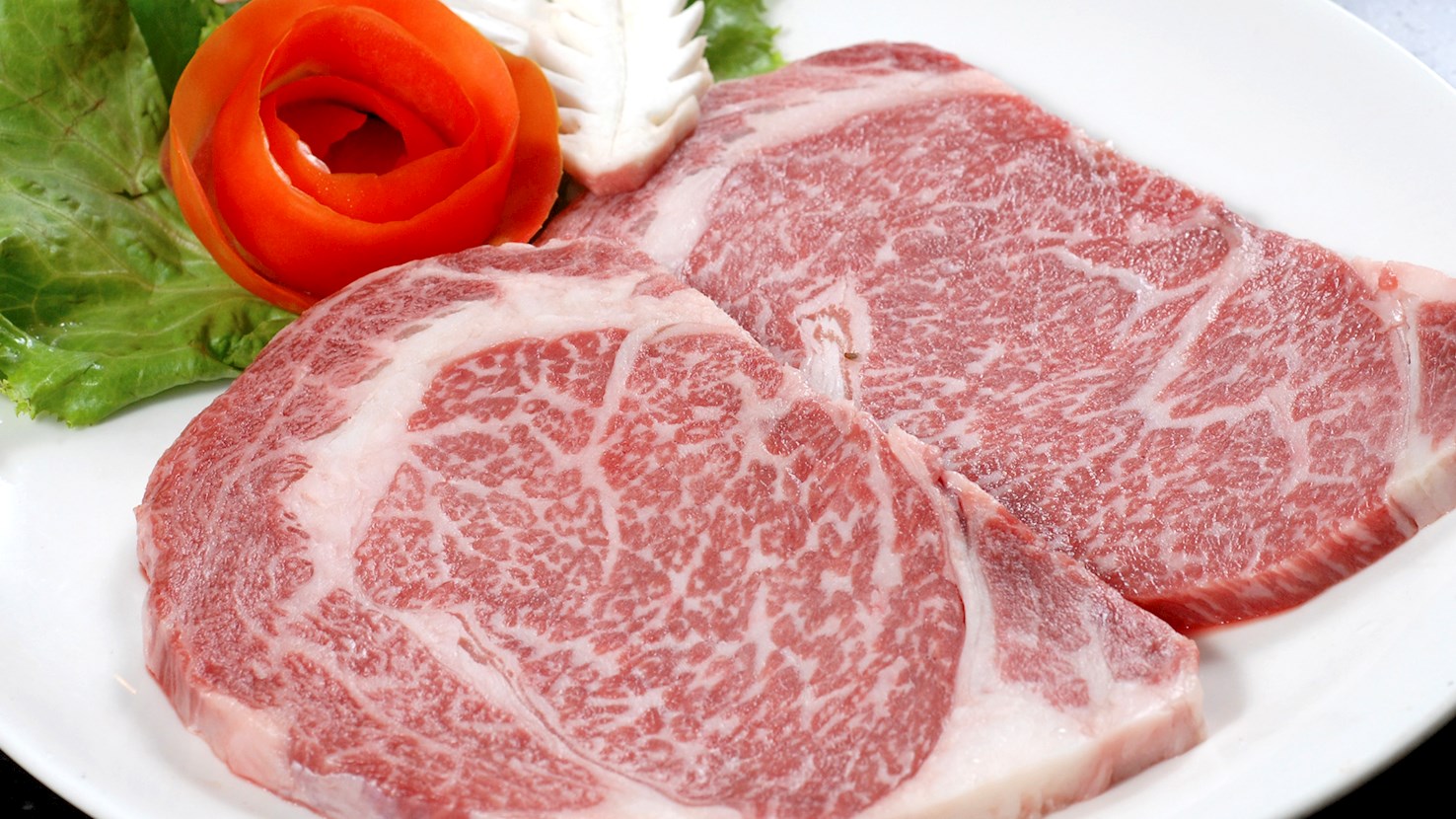
Ansim is the South Korean name for beef tenderloin, the most prestigious cut of meat. Believed to be the most tender cut of the animal, tenderloin is usually very low in fat, yet it remains soft and velvety. It is dark red in color, and the best cuts are usually marbled with thin stripes of fat. Since beef tenderloin is quite long, it is usually sliced into smaller pieces. In South Korea, ansim is typically roasted on a grill. Gogigui is the name of a traditional South Korean barbecue on which the meat is often grilled in front of the customers in a restaurant. Numerous beef cuts are employed in gogigui, but grilled tenderloin stakes are especially favored. The meat is occasionally marinated, usually in Korean soy sauce or sesame oil, but since it is juicy and tender on its own, it is often grilled as it is.

05

Jangjorim (Soy-Braised Beef)

3.6 ·

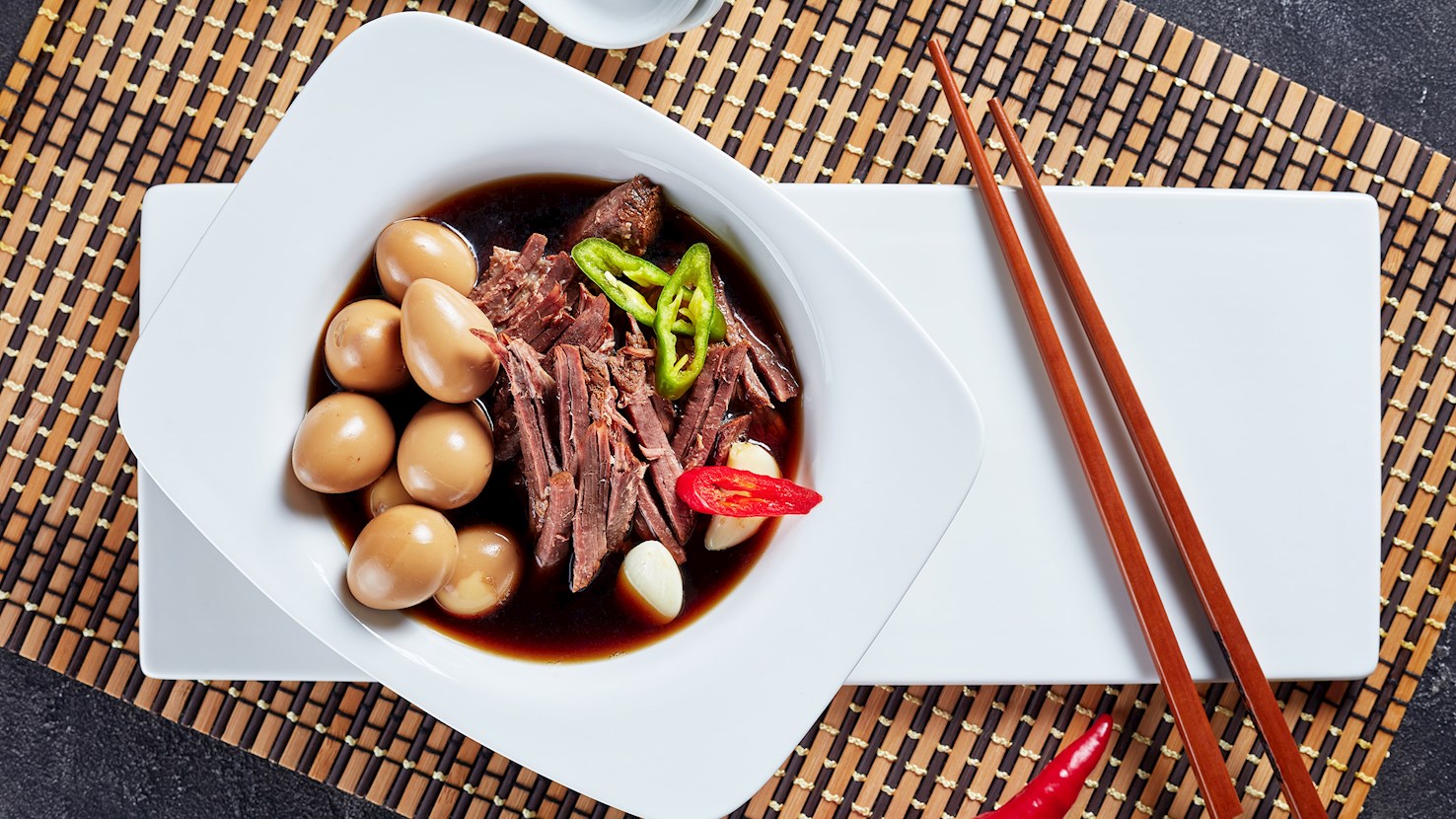
Jangjorim is a traditional South Korean dish consisting of soy-braised beef. The dish is usually made with a combination of beef that's cut into chunks, hot peppers, garlic, hard-boiled eggs, sugar, and soy sauce. The meat is mixed with water, soy sauce, garlic, hot peppers, and sugar. The mixture is boiled over low heat for one to two hours until the meat is soft. A few hard-boiled eggs are added to the pot near the end of cooking and the pot is taken off the heat. The meat is sliced or shredded into smaller strips before it's returned to the pot and the dish is then served while still hot. Due to the fact that jangjorim is salty, it's often enjoyed in small amounts with rice on the side.

06

Jumulleok

3.5 ·

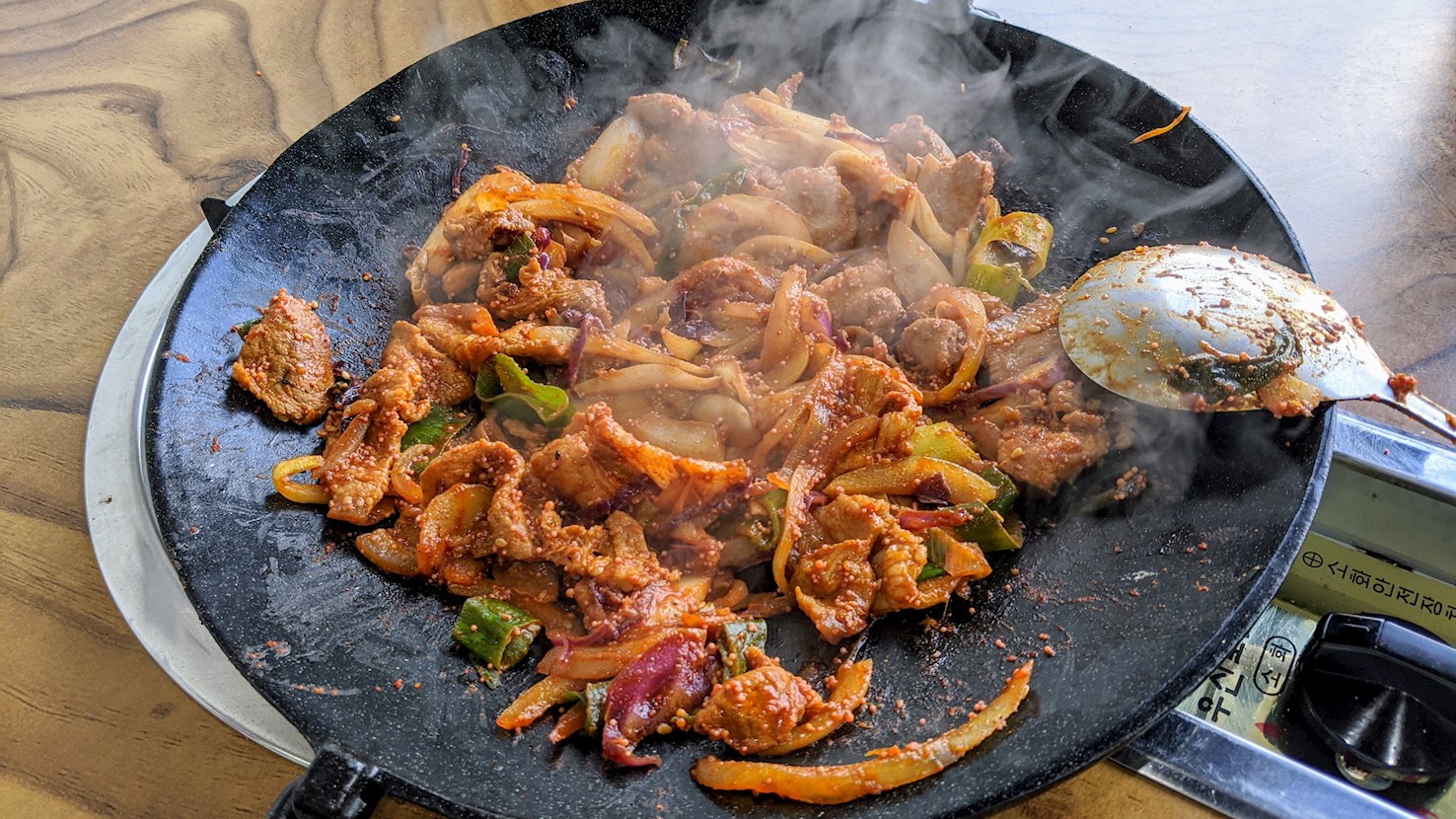
Jumulleok is a traditional meat dish originating from South Korea. The term refers to any cut of beef - most commonly short steak or boneless chuck rib - that's massaged with (and marinated in) sesame oil and garlic, and then lightly seasoned with salt and black pepper. The meat is either grilled or fried. There are also versions with pork (dwaeji jumulleok) and duck (ori-jumulleok).

07

Sanjeok (Beef Skewers)

3.0 ·

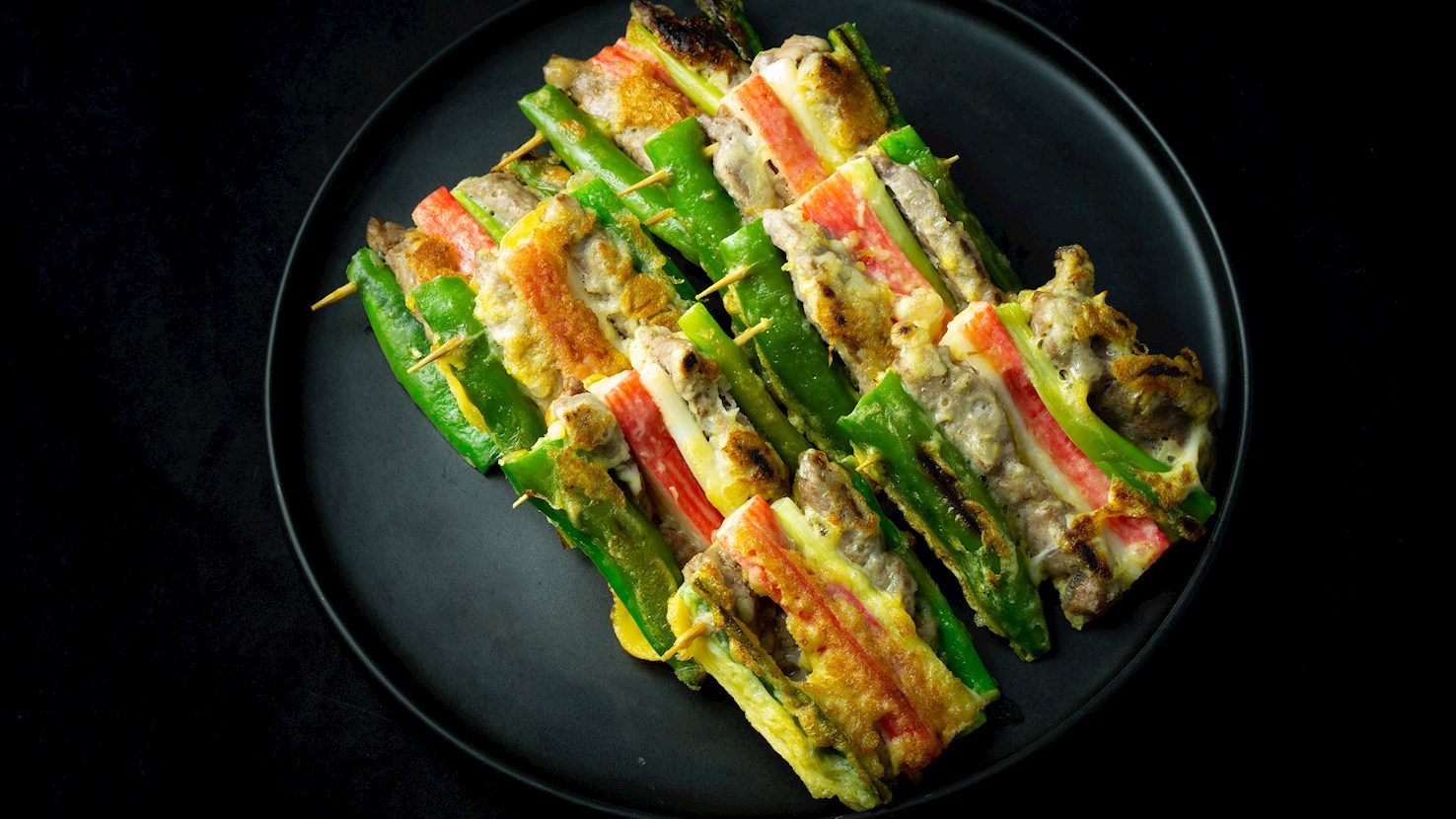
Sanjeok is a traditional beef dish originating from South Korea. This type of jeok (skewered food) is usually made by placing seasoned beef slices on skewers and grilling them over high heat. There are many types of sanjeok with additional ingredients on the skewers, such as fish (eo-sanjeok), mussels (honghap-sanjeok), scallions (pa-sanjeok), rice cakes (tteok-sanjeok), pine mushrooms (songi-sanjeok), and squid (ojingeo-sangjeok). Although sanjeok can be made in a skillet, it's usually grilled for a smokier flavor. In the past, these festive and colorful skewers were reserved for special occasions, but nowadays they're a convenient snack or finger food that's always served hot at any time of the year.

08

Yukjeon

3.0 ·

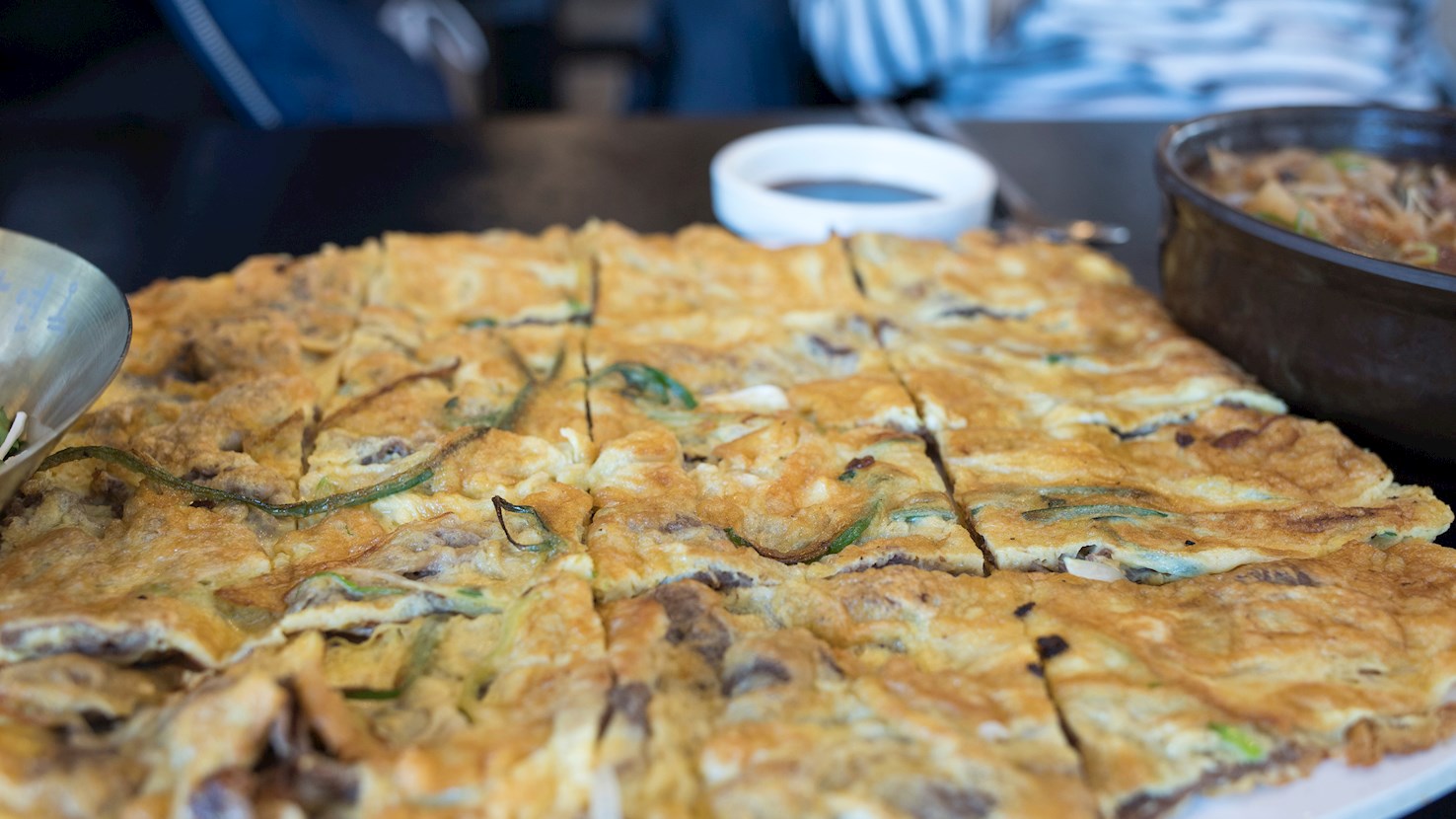
Yukjeon is a traditional dish originating from South Korea. This type of jeon (pan-fried battered food) is usually made with thinly sliced battered beef. The beef is marinated in a soy-based sauce, and it's then coated with rice flour or eggs and flour before it's pan-fried in oil. The marinade often consists of soy sauce, rice wine, sesame oil, sugar, garlic, and pepper. Once fried, yukjeon is garnished with scallions and served warm with a dipping sauce on the side. If properly prepared, the meat should be very thin and extra tender.

Read more
View all
View map
About this ranking

TasteAtlas food rankings are based on the ratings of the TasteAtlas audience, with a series of mechanisms that recognize real users and that ignore bot, nationalist or local patriotic ratings, and give additional value to the ratings of users that the system recognizes as knowledgeable. For the “Top 8 Korean Beef Dishes” list until July 15, 2026, 295 ratings were recorded, of which 264 were recognized by the system as legitimate. TasteAtlas Rankings should not be seen as the final global conclusion about food. Their purpose is to promote excellent local foods, instill pride in traditional dishes, and arouse curiosity about dishes you haven’t tried.

Similar lists