


Shutterstock

Top 12 Argentinian Beef Cuts and Dishes

Last updated on May 16, 2026
01

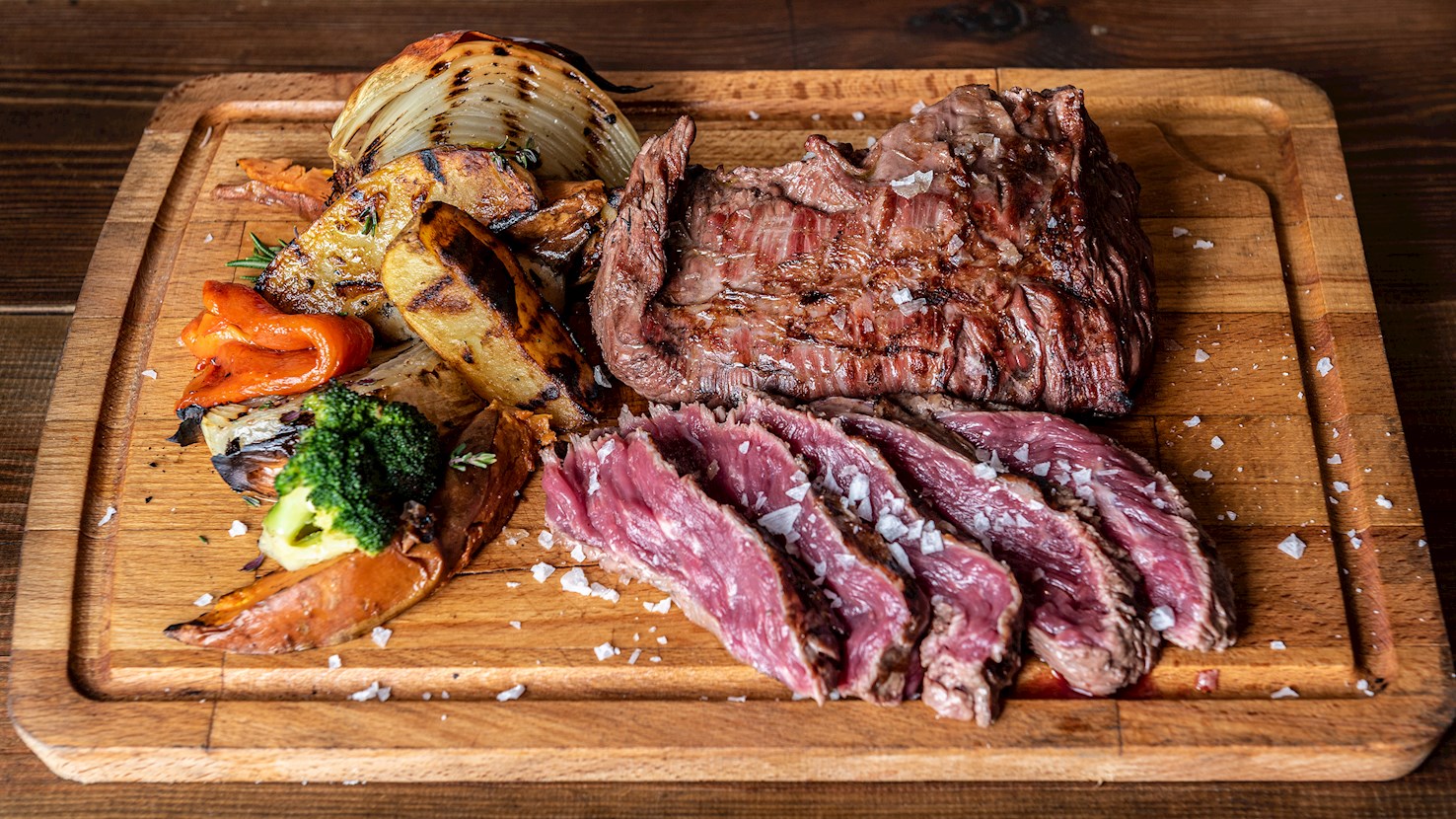
Bife de chorizo

4.5 ·

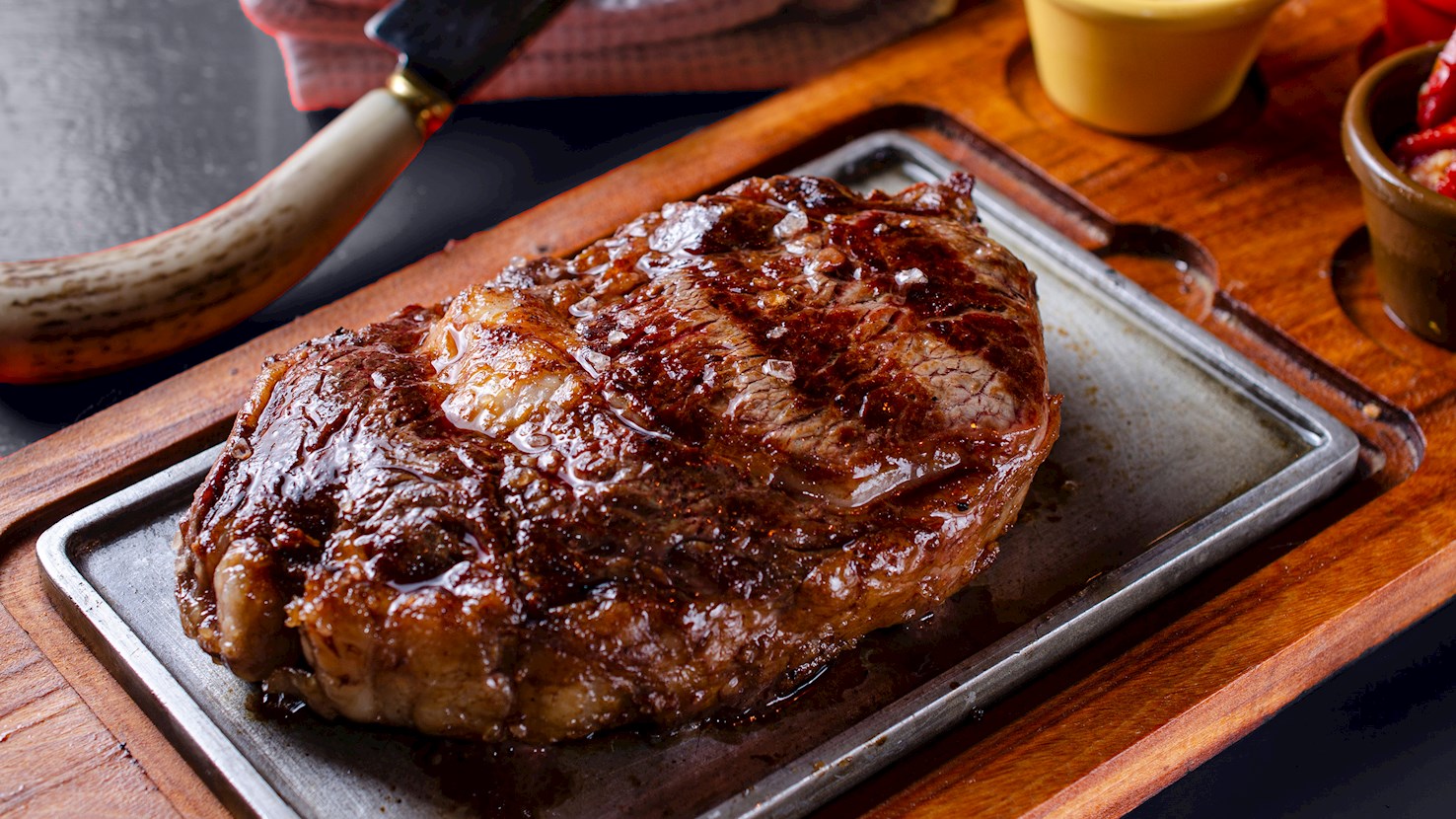
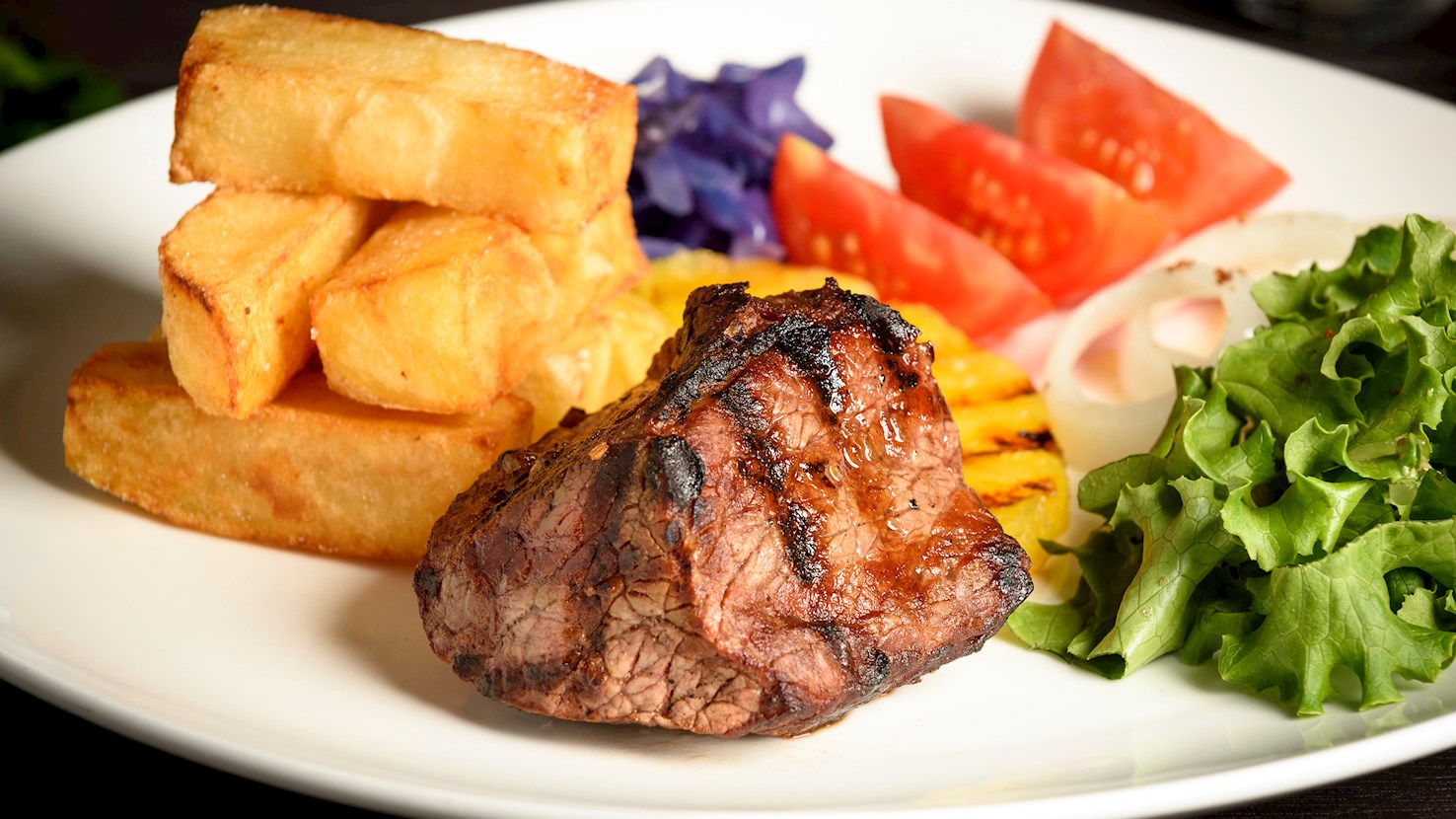
Bife de chorizo is an Argentinian beef cut equivalent to the US New York strip steak, strip steak, sirloin, and top loin traditionally used for asado. It is a thick, juicy steak with a sizable layer of fat on top. It comes in several varieties, namely the bife de chorizo angosto (thin sirloin) and the bife de chorizo mariposa (butterflied sirloin). And if you want to judge the quality of someone’s barbecue or the quality of a barbecue place, ask for this steak. Also, if you get one with more than a generous amount of fat, know you've been served a cheap and bad-quality one.

02

Milanesa napolitana

4.3 ·

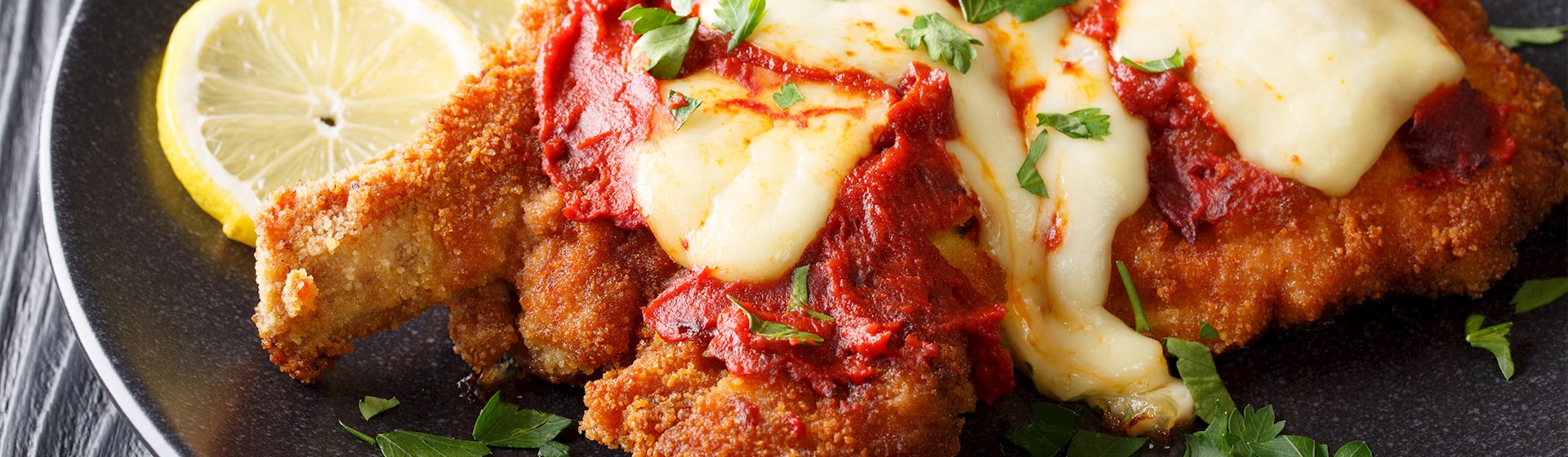
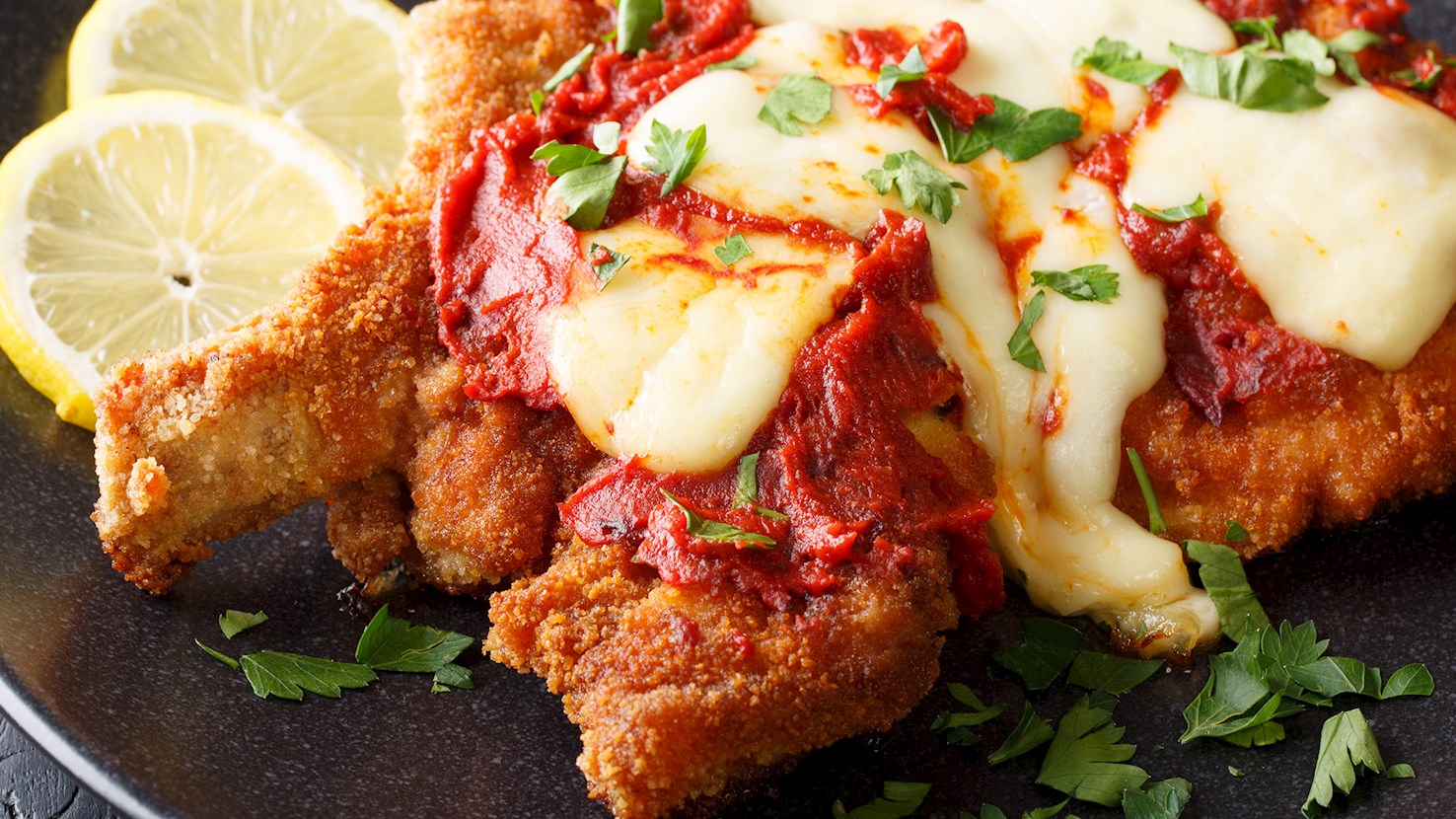
Milanesa napolitana is a traditional Argentine dish originating from Buenos Aires. It consists of a milanesa steak that's breaded, fried, then topped with a slice of ham, tangy tomato sauce, and thick slices of mozzarella, which will melt under the broiler. It is typically served with french fries on the side. If there are any leftovers, they can be used to make delicious sandwiches called sánguche de milanesa. Milanesa napolitana was supposedly invented in the 1930s or 1940s in a restaurant called Nápoli, hence the name.

03

Tira de asado

4.2 ·

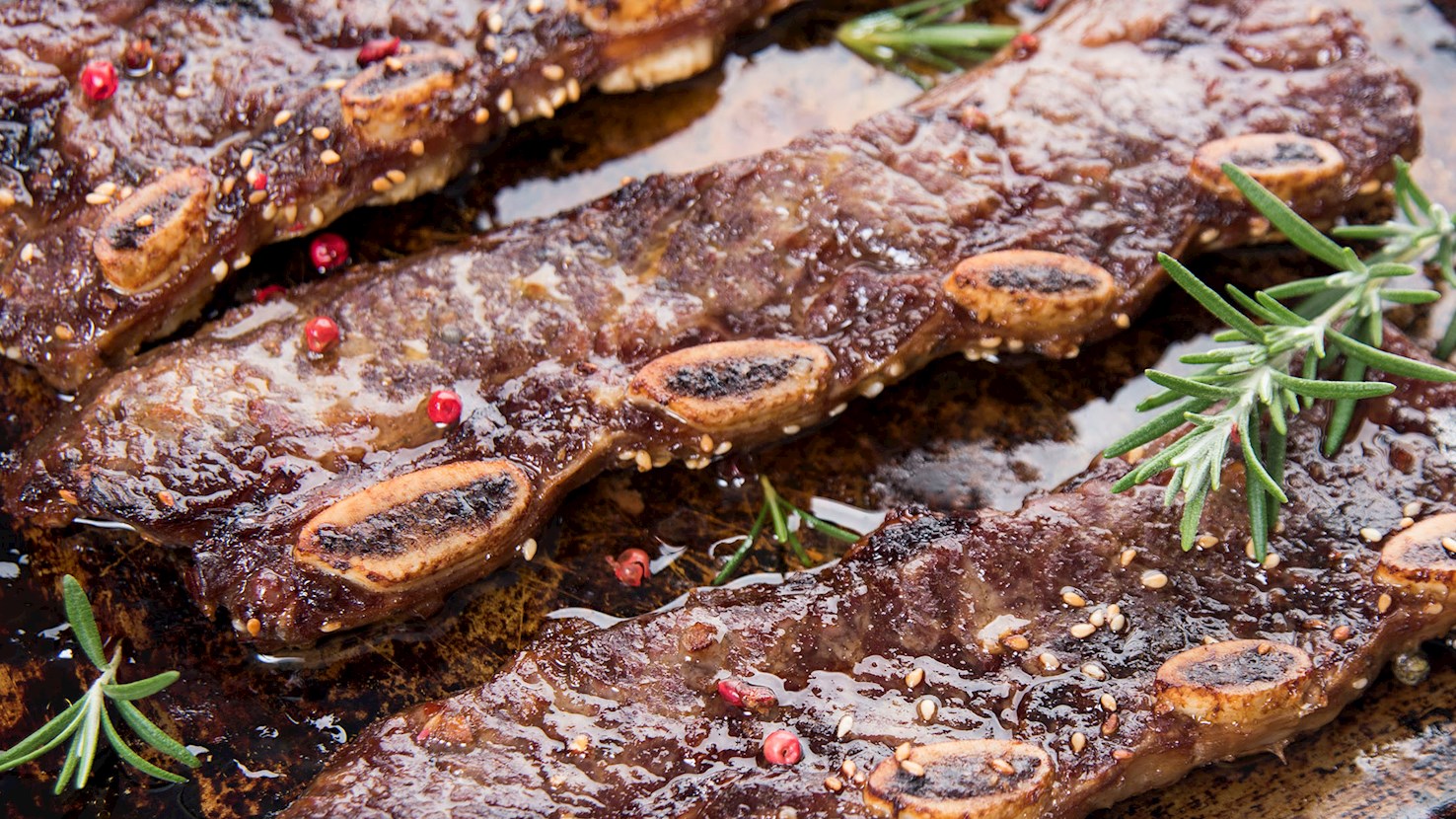
Typically seasoned only with salt, then grilled for a few minutes, tira de asado is a famous Argentine dish consisting of long strips of grilled beef ribs. The beef is cross-cut in a way that the long strips of meat are interspersed with knots of rib bone, which are useful as they shorten the tough fibers of this cut of meat, making it suitable for grilling instead of being slowly cooked like in America. For the best results, pair the ribs with what else than the garlicky chimichurri sauce, a staple at most Argentine barbecues.

04

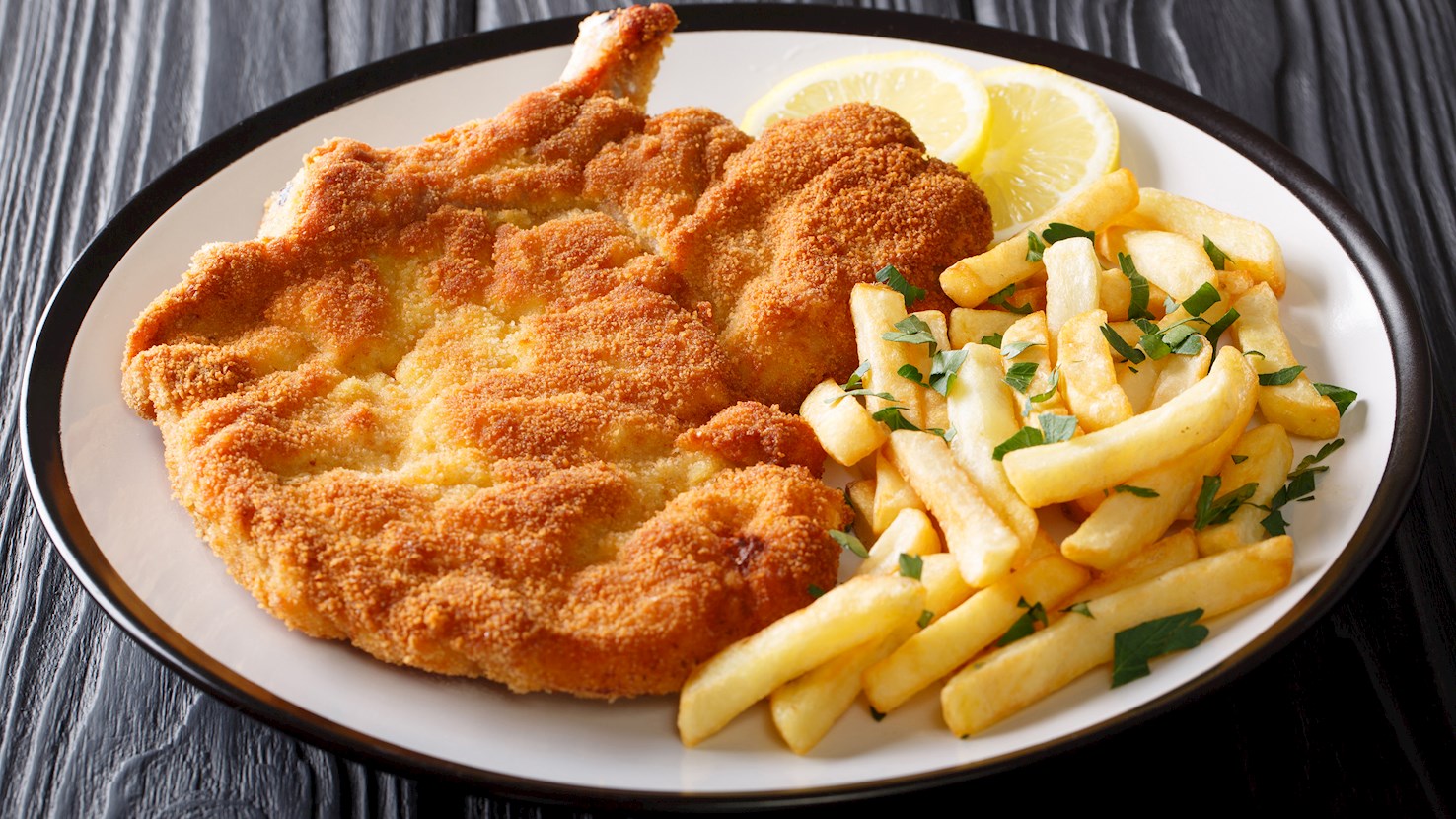
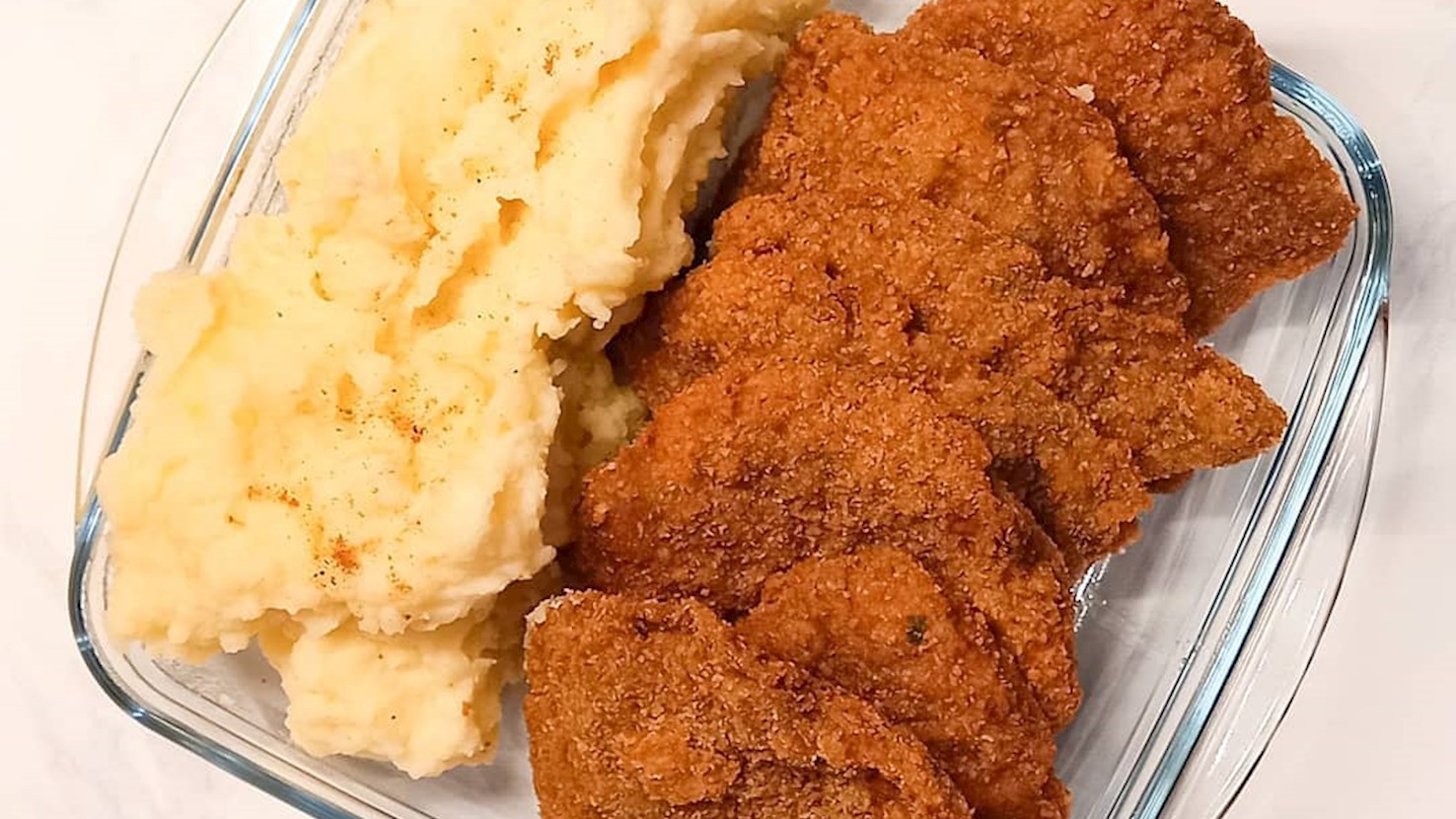
Milanesa

4.2 ·

Often referred to as Argentina's unofficial national dish, milanesa is a humble, yet delicious meal consisting of a breaded slice of prime beef that is fried in hot oil, curling up as it cooks, due to the fact that the chosen cuts of meat have less fat and sinew than other cuts. The dish shares many similarities with the Austrian Wiener schnitzel and the American chicken fried steak. However, milanesa has its roots in Italy, and the original dish has been traced to the city of Milan and the famous cotoletta alla milanese. Some claim that the best milanesa in Buenos Aires will always be prepared at home, cooked by someone's mother, although many restaurants also have it on their menus. For the pure, basic experience, it is enough to squeeze some lemon juice over it, but it is often served with a side of creamy mashed potatoes or french fries, while one of the most popular varieties is called a caballo (on horseback), where a fried egg is placed on top of the meat.

05

Vacío

4.1 ·

Vacío is an Argentinian beef cut that comes from the flank of the cow. The outer layer has fat, unlike the inside one, and turns incredibly crispy when cooked. This cut is a rare find outside of Argentina and benefits from long and slow cooking. The cut can be divided into a thick, meaty part usually served in a sandwich called vaciopán, and a thin, fatty part called matambre, which can be prepared in many ways, either grilled, stuffed and rolled, or topped with tomato sauce and cheese similar to pizza.

06

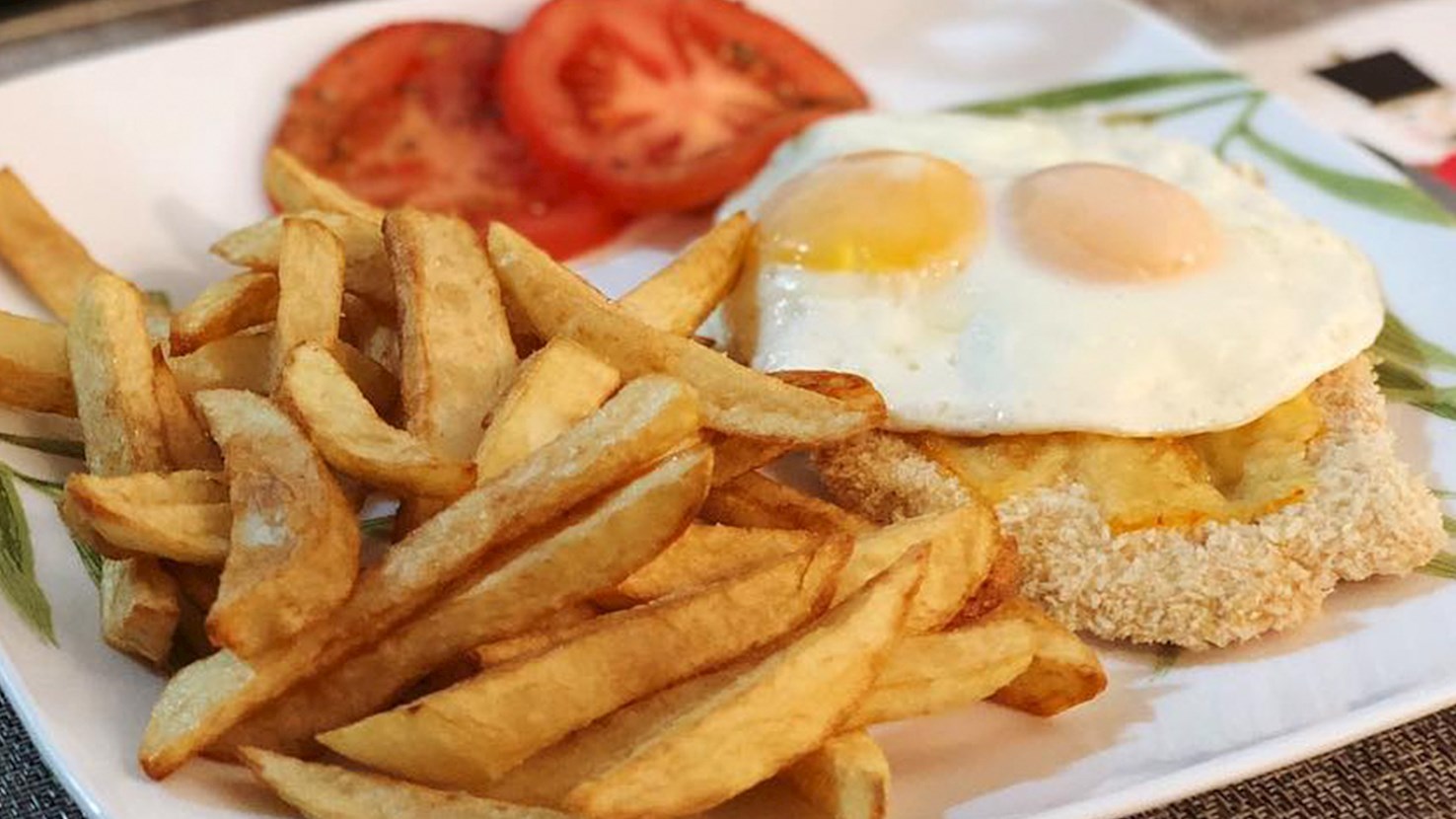
Milanesa a caballo

4.1 ·

Milanesa a caballo is a variation on the popular milanesa steak that's breaded and fried. In this version, the milanesa is topped with a fried egg, then served accompanied by fries on the side. The steaks should be thin and of high quality, while the breadcrumbs should be as dry as possible in order for the dish to be very crunchy. The term a caballo, meaning on horseback, refers to the fried egg that sits on top of the milanesa.

07

Milanesa de peceto

3.9 ·

Milanesa de peceto is a meat dish originating from Argentina. It's made with peceto (eye of round) steak that's lean and is said to taste the best when roasted rare. However, for the preparation of this dish, the peceto is dipped in a mixture of beaten eggs, chopped garlic, and parsley, then covered with breadcrumbs before it's fried in hot oil. Once done, milanesa de peceto is often garnished with chopped parsley and served with a lemon wedge on the side. The dish can be served with a variety of sides such as rice, green salad, or tomatoes.

08

Matambre relleno

3.6 ·

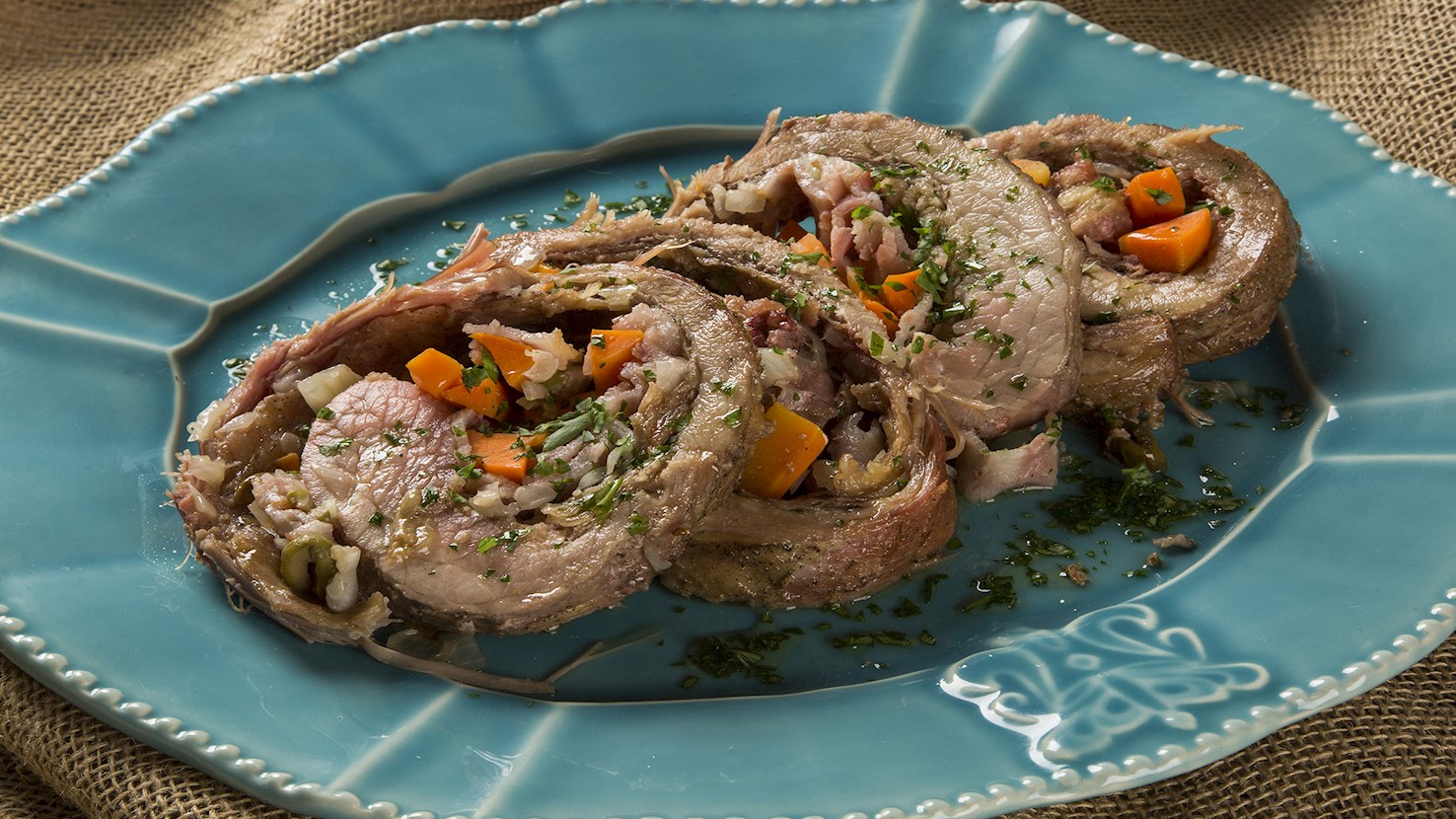
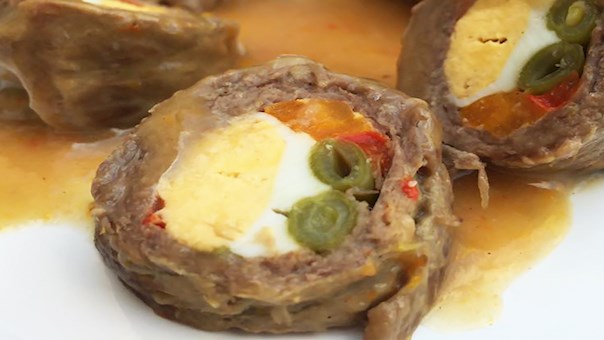
Matambre relleno or matambre arrolado is the Argentinian rolled and stuffed rose meat. The beef is butterflied, filled with diced vegetables and hard-boiled eggs, then rolled and grilled. It is a traditional dish of Argentinian gauchos, cattle ranchers who represent an irreplaceable part of Argentinian culture. Their cuisine is primarily based on roasting large portions of meat served in churrascarias – the traditional Argentinian steakhouses. However, matambre relleno has become a dish that is also commonly prepared in Argentinian households. It can be served hot or cold, as an appetizer, or as the main meal. The steak is usually cut before serving to showcase the colorful and decorative fillings, while the traditional Argentinian chimichurri sauce is usually served on the side. Occasionally, sliced matambre relleno is served in a bun, and the most extraordinary variety of this classic is a matambre pizza, made with tomato sauce and mozzarella cheese.

09

Asado con cuero

3.6 ·

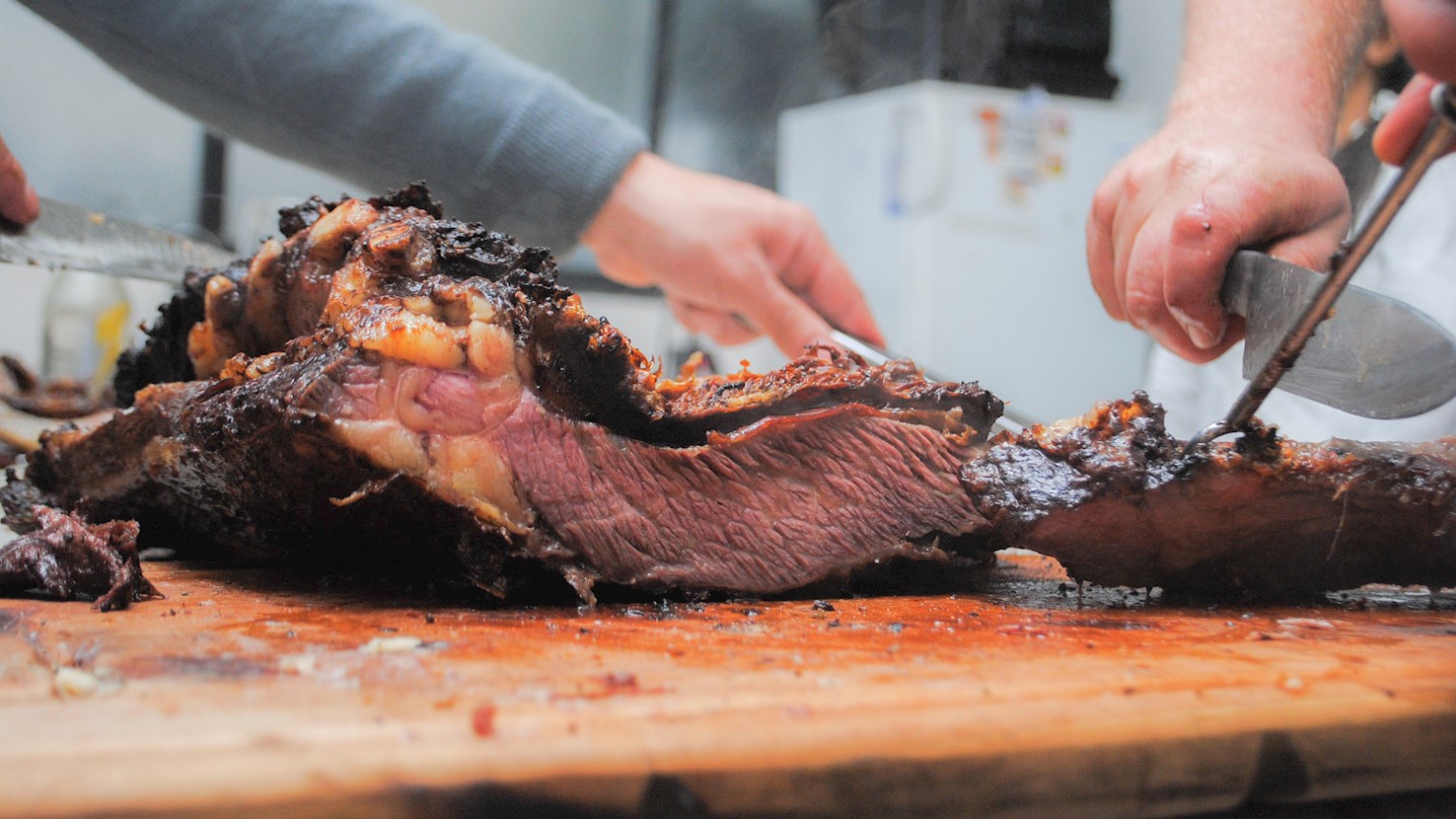
An authentic gaucho dish, asado con cuero consists of beef with its hide still attached, grilled over an open fire. This is a very old, traditional way of preparing beef that dates back to the Argentine gauchos, who roasted their beef long and slow on an asador, a type of metal structure, over low fire, and used quebracho wood, which is still used today as it lends a unique flavor to the meat. Large chunks of beef are first salted and then soaked overnight in a marinade made with ground chilis, pepper, cumin, chopped parsley, wine, vinegar, and oil. The following morning, the marinated beef chunks are grilled with their hide side up, over low fire for about 8 to 10 hours, or more if necessary. Beef prepared in this way is much more flavorful, tender, and moist as the hide allows the meat to preserve its juices and fat. Some trace this ritual of roasting beef with its hide even further back, to the indigenous Indians who allegedly found it convenient to prepare beef this way as it allowed them to carry the roasted meat inside the beef hide, in case they had to escape an attack. Roast beef with hide is regarded as one of the most traditional specialties of the Pampas region in Argentina.

10

Colita de cuadril

3.3 ·

Colita de cuadril is an Argentinian beef cut that is equivalent to the US tri-tip, bottom sirloin, and tip roast cut. It’s a very versatile piece of meat, and it can be grilled, smoked, braised, and roasted and used to make a variety of dishes, like hamburgers, stir-fries, and kebabs. Also, it soaks up any spices and marinades extremely well and is very, very affordable. Prior to preparation, the meat should be well trimmed, but not in the sense that everything has to be removed, as it will benefit from a little self-basting during grilling. It can be grilled whole, butterflied, or cut into steaks. Due to its uneven thickness and the fact that it tends to curl up during grilling, it’s difficult to determine when it’s done, so it’s best to gauge the doneness with a thumb test. It needs to be grilled low and slow, as it tends to get tough very easily.

Read more
View all
View map
About this ranking

TasteAtlas food rankings are based on the ratings of the TasteAtlas audience, with a series of mechanisms that recognize real users and that ignore bot, nationalist or local patriotic ratings, and give additional value to the ratings of users that the system recognizes as knowledgeable. For the “Top 12 Argentinian Beef Cuts and Dishes” list until May 16, 2026, 1,125 ratings were recorded, of which 800 were recognized by the system as legitimate. TasteAtlas Rankings should not be seen as the final global conclusion about food. Their purpose is to promote excellent local foods, instill pride in traditional dishes, and arouse curiosity about dishes you haven’t tried.

Similar lists