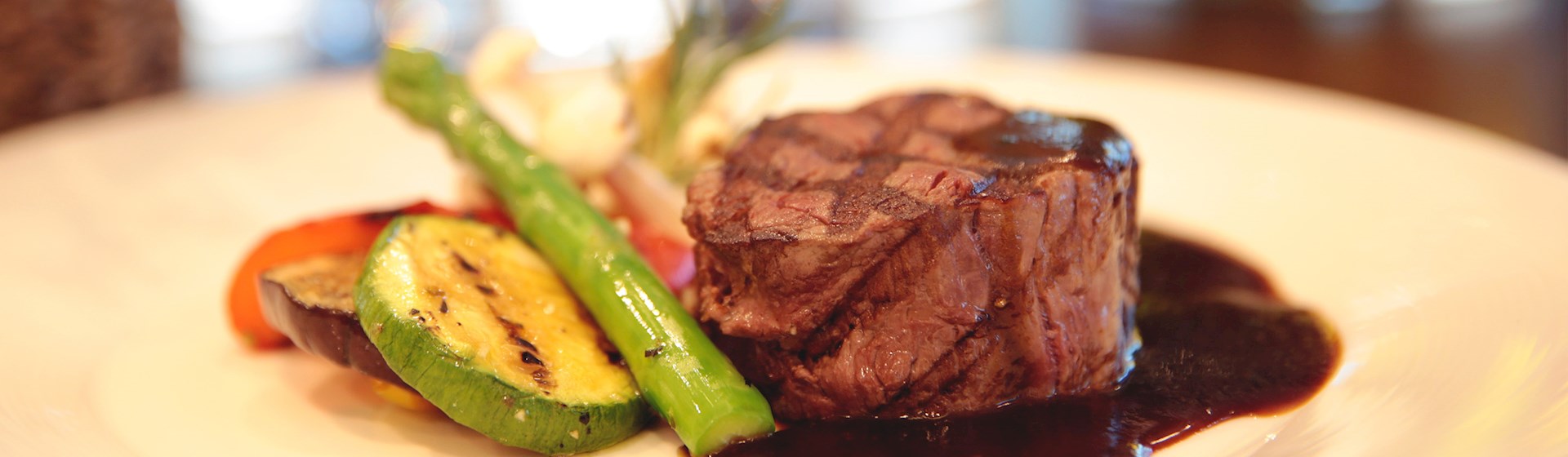
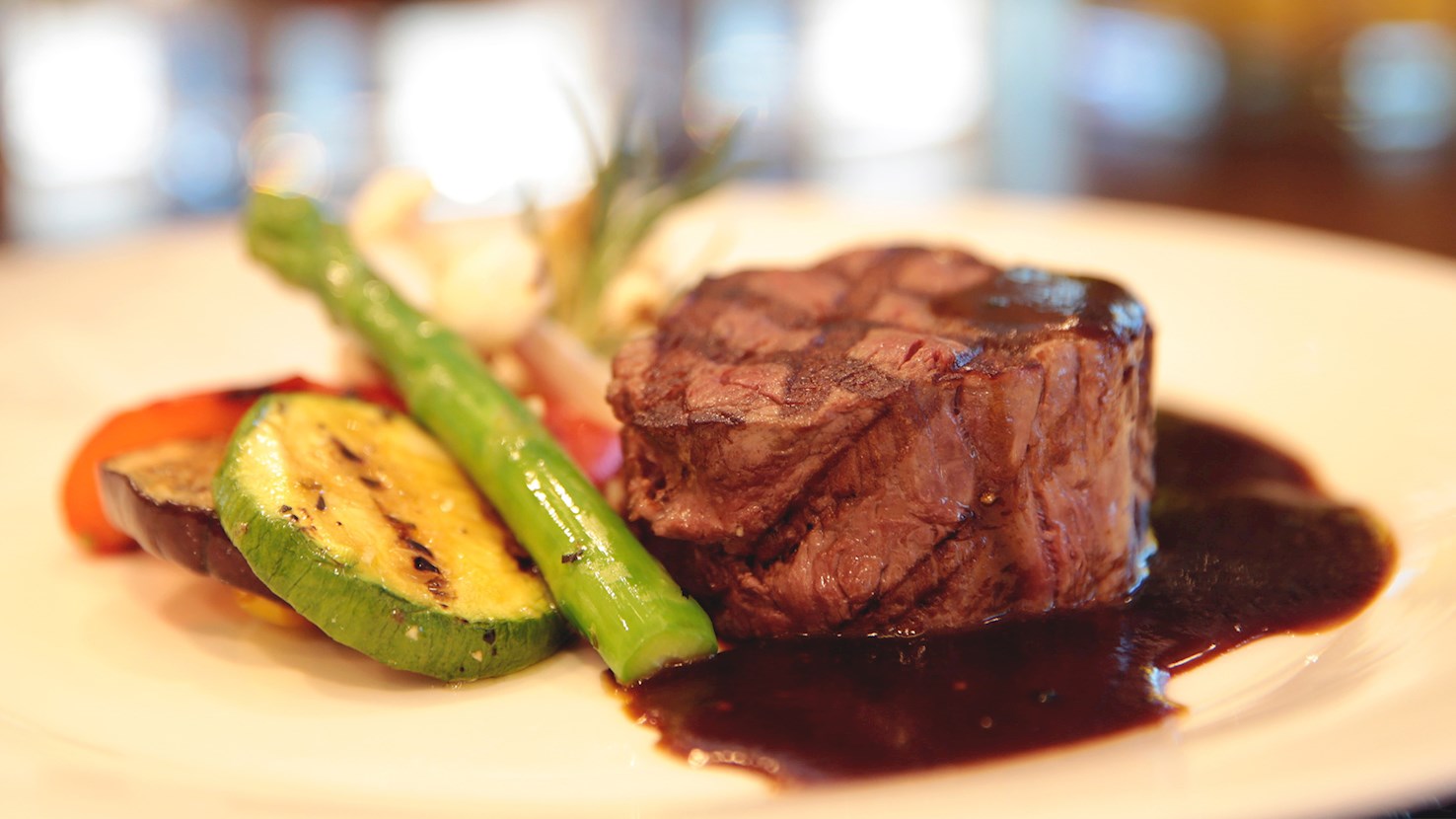
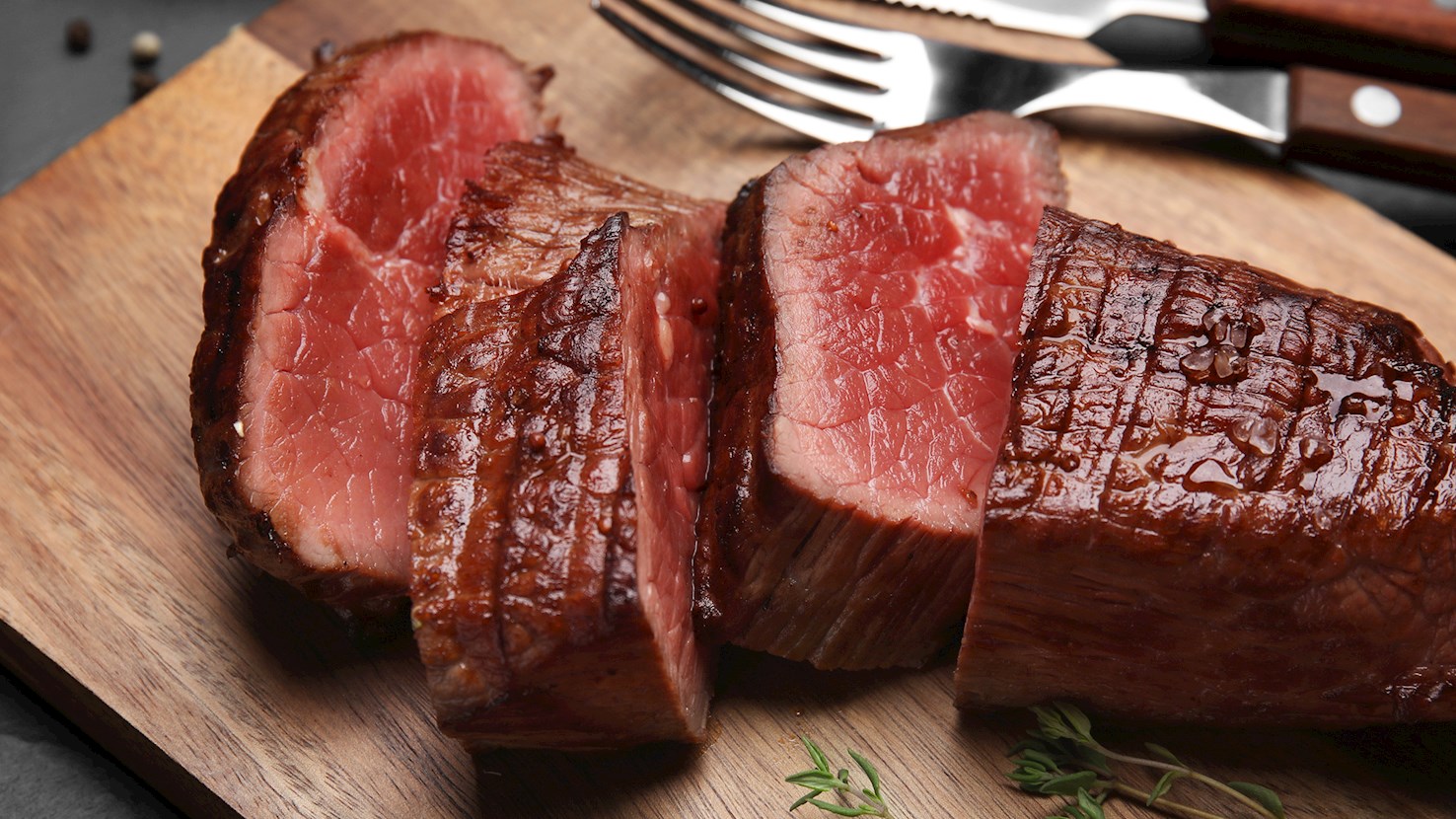
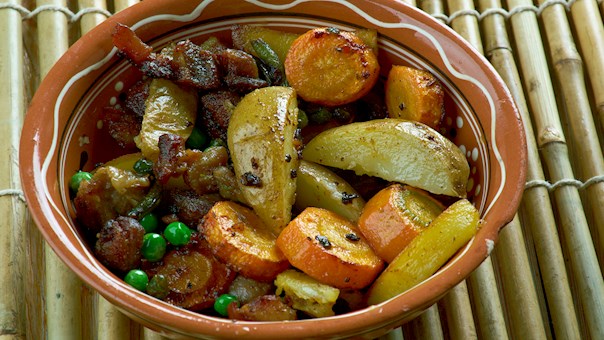
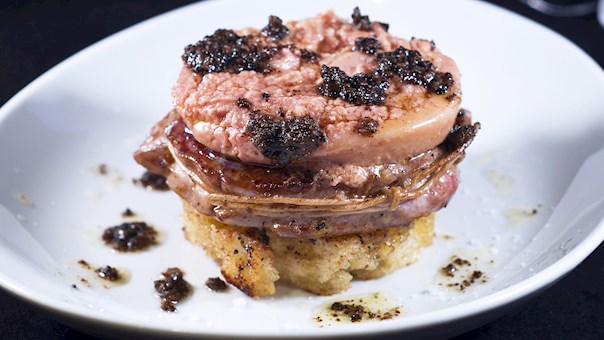
Contrary to popular belief, the word Châteaubriand does not refer only to a cut of beef, but to a method used to grill or roast a thick cut of beef tenderloin. The steak was originally prepared by a chef named Montmireil in 1822 for a French author, diplomat, and statesman Francois René Vicomte de Chateaubriand. When served in France, Châteaubriand will always be accompanied by a sauce – most often either a traditional red wine sauce or Béarnaise sauce. The steak is usually served with a side of roasted new potatoes or tiny chateau potatoes.
Filet mignon is a premium steak cut from the tenderloin of a cow, a muscle that runs along the spine. The name "filet mignon" is French, meaning "dainty fillet" or "delicate steak," which reflects its reputation as one of the most tender and luxurious cuts of beef. Known for its exceptional tenderness, filet mignon has a smooth, fine-grained texture and almost buttery consistency. However, it has a relatively mild flavor compared to other cuts like ribeye or strip steak, which are more marbled with fat. This makes filet mignon an ideal candidate for pairing with rich sauces, marinades, or other flavor-enhancing techniques. Typically cut into small, round portions weighing between 4 to 8 ounces each, filet mignon steaks are often thick-cut to help maintain their juiciness when cooked. They are usually prepared using high-heat methods such as grilling, broiling, or pan-searing and are best served medium-rare to medium to preserve their tenderness. Because filet mignon is so lean, it can dry out if overcooked, requiring careful attention during preparation. A favorite in fine dining, filet mignon is often the centerpiece of gourmet dishes, sometimes wrapped in bacon to add flavor and moisture. It is also commonly served with rich sauces like Béarnaise, peppercorn, or red wine reductions. Due to its tenderness and the skill required to prepare it properly, filet mignon is one of the more expensive cuts of beef, often reserved for special occasions and fine dining experiences.
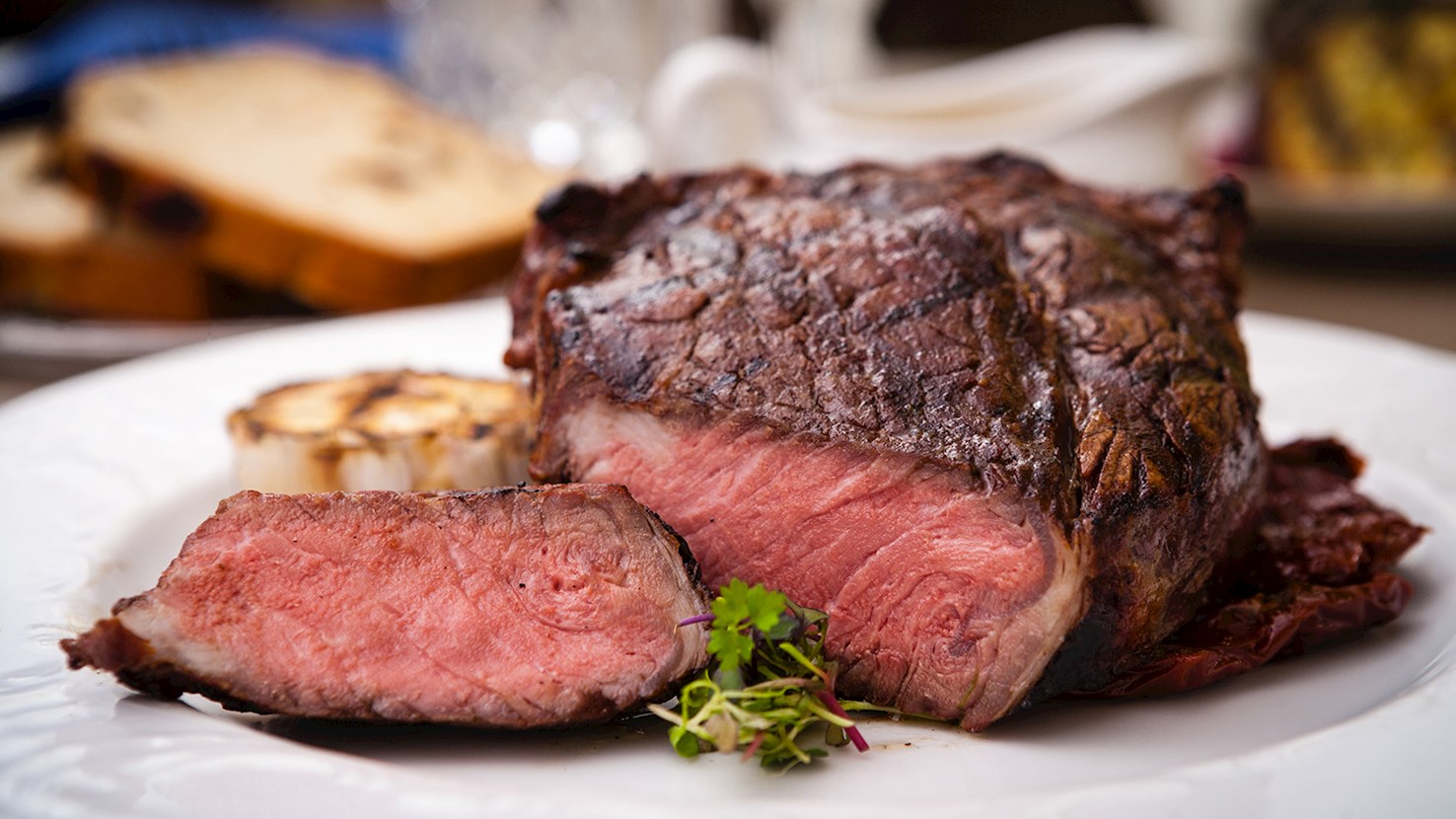
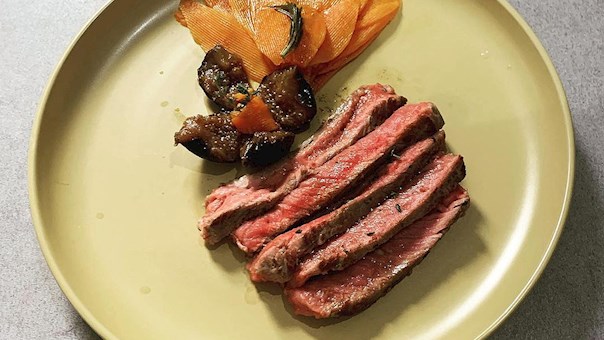
Entrecôte is a type of beef steak that's cut from between the ribs, but it's more commonly known as a thin and boneless rib-eye steak. The butchers cut bone-in rib-eyes with the bone on each side, but there are also six leftover boneless steaks from the meat between each bone-in rib-eye, and they're known as the entrecôtes. Due to the fact that these cuts are thin, it makes them great for quick cooking on the grill or in a pan (high heat), but it's important not to overcook them. The steaks are juicy, tender, and generously marbled. This type of meat cut is popular in France and Europe, and the word entrecôte means between the ribs.
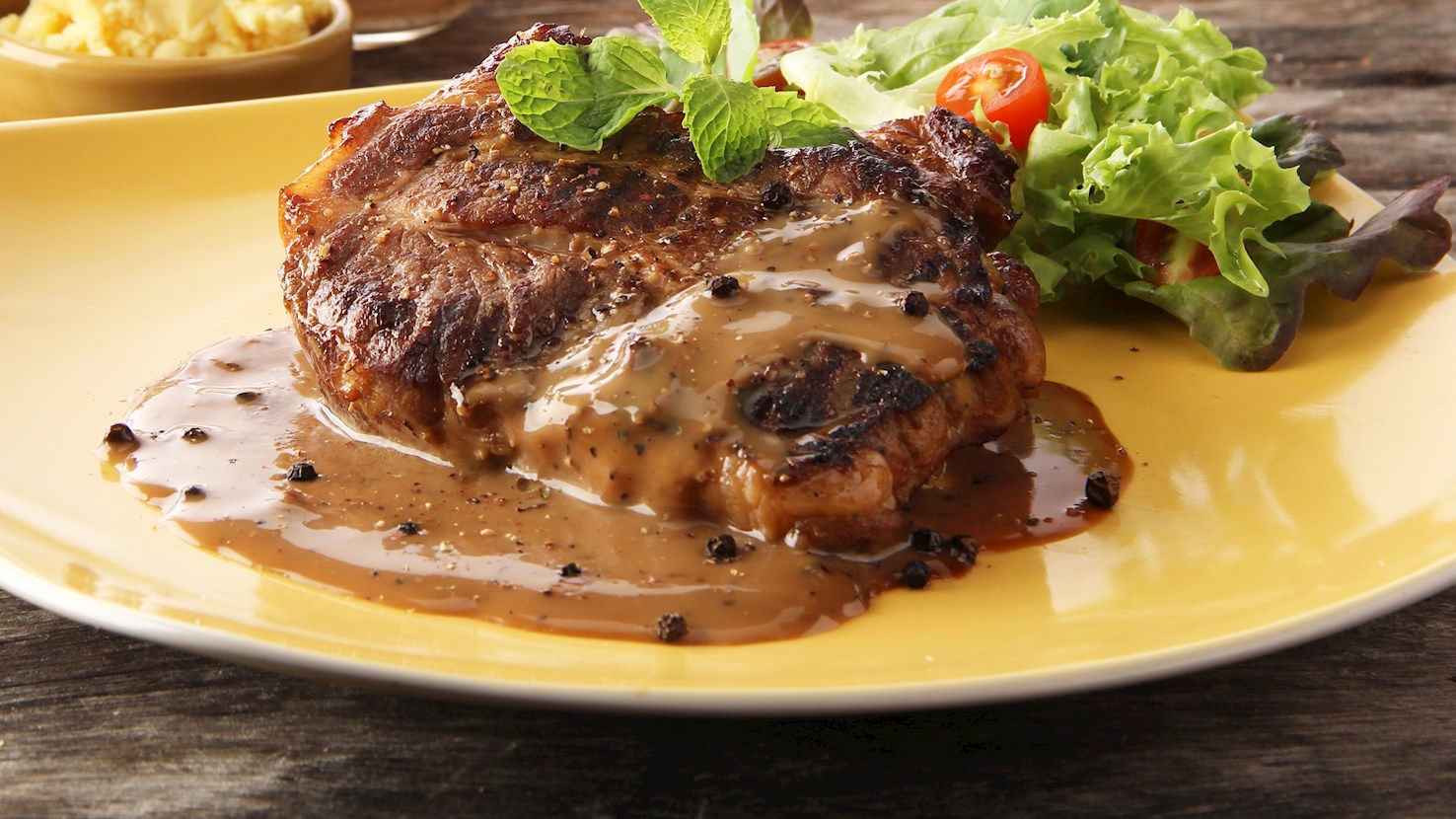
Steak au poivre is a classic bistro dish consisting of a tender cut of beef—traditionally a filet mignon or sirloin—that is thickly encrusted with coarsely cracked peppercorns, pan-seared to form a savory crust, and served with a luxurious, cognac-infused cream sauce made from the pan drippings. According to Francis Marie, a famous steak specialist, the dish originated in the 19th century in Normandy's bistros, where men took women for late dinners of steak au poivre, due to the pepper's purported aphrodisiac properties. Numerous chefs claimed to have invented the dish, the most famous of them being Émile Lerch, the owner of Restaurant Albert on the Champs-Élysées, who stated that he first made it in 1930. The making of steak au poivre is a masterclass in contrasting textures and perfectly balanced flavors, beginning with the selection of high-quality peppercorns—most commonly black, though sometimes a blend of brined green and white peppercorns—which must be cracked roughly rather than finely ground to provide a satisfying, fragrant crunch without a dominating, powdery heat. These crushed peppercorns are firmly pressed into the surface of the meat before it is seared in a scorching-hot mixture of butter and oil, cooking the steak rapidly to maintain a juicy, rare or medium-rare interior while developing a deeply caramelized, spicy exterior. Once the steak is removed to rest, the true magic occurs in the same skillet as the intensely flavorful browned bits, or fond, left behind by the meat are deglazed with a generous splash of Cognac or brandy, which is traditionally flambéed to burn off the harsh alcohol and concentrate the spirit's complex, oaky notes. Heavy cream and sometimes a touch of deeply reduced beef stock are then swirled into the bubbling liquid, transforming the sharp, peppery drippings into a velvety, mahogany-colored nappe that mellows the bite of the spices while amplifying the beef's natural richness. The steak and the sauce are served immediately alongside a mound of crisp pommes frites designed to soak up every last drop of the decadent sauce.
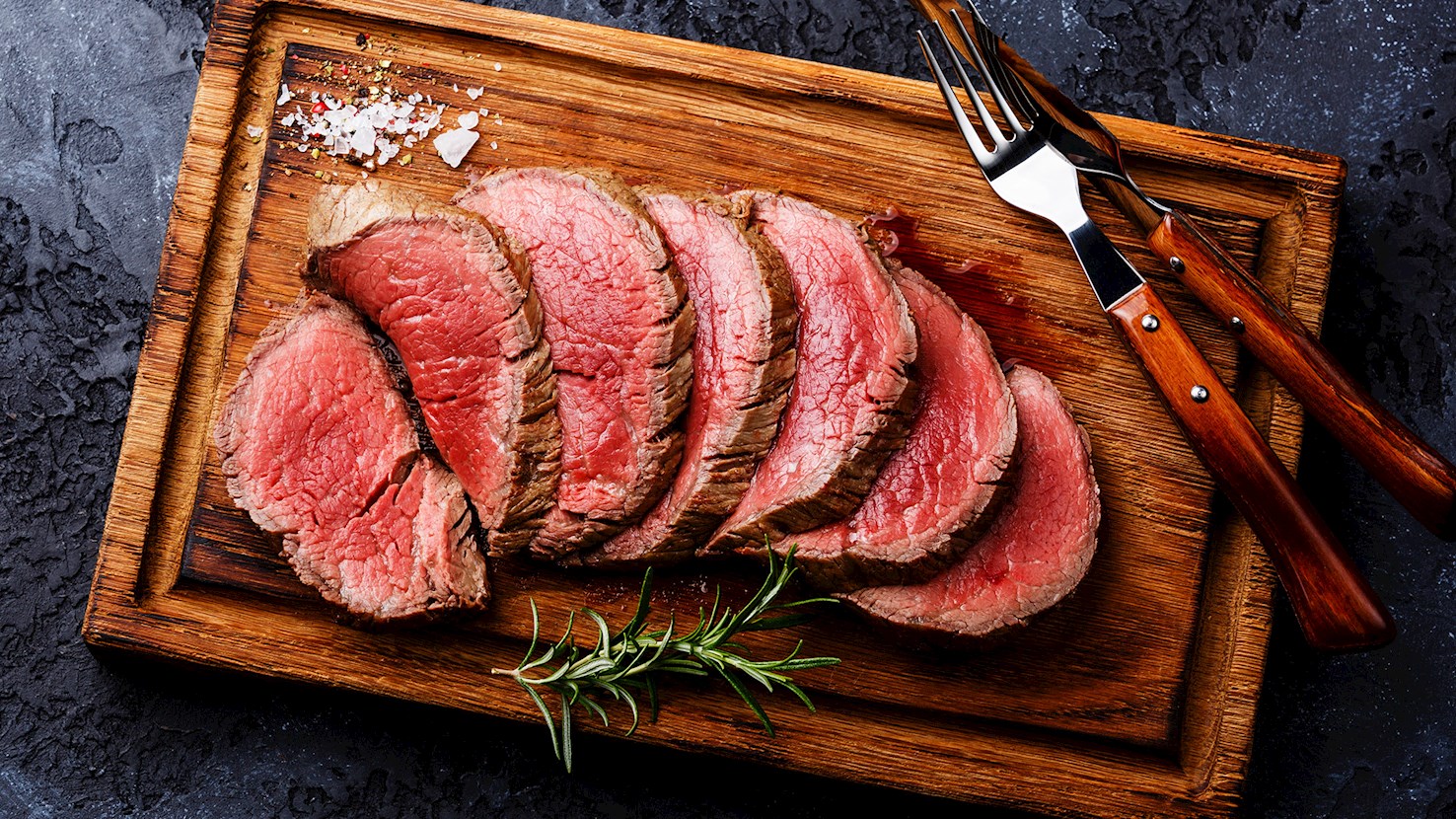
In the American, French, German, Brazilian, and Korean systems of primal beef cuts, the tenderloin is a cut from the loin, which is located towards the back of the cow, nestled under the ribs, next to the backbone. It spans two primal cuts: the short loin and the sirloin. The tenderloin is one of the most tender cuts of beef as it comes from a muscle that doesn't get much exercise. It is also one of the most highly prized and correspondingly expensive cuts of beef, due to its tenderness and flavor. Given the tenderness of this cut, the tenderloin is often cooked quickly over high heat, with methods such as grilling or broiling. It's often served slightly rare to maintain its tender texture.
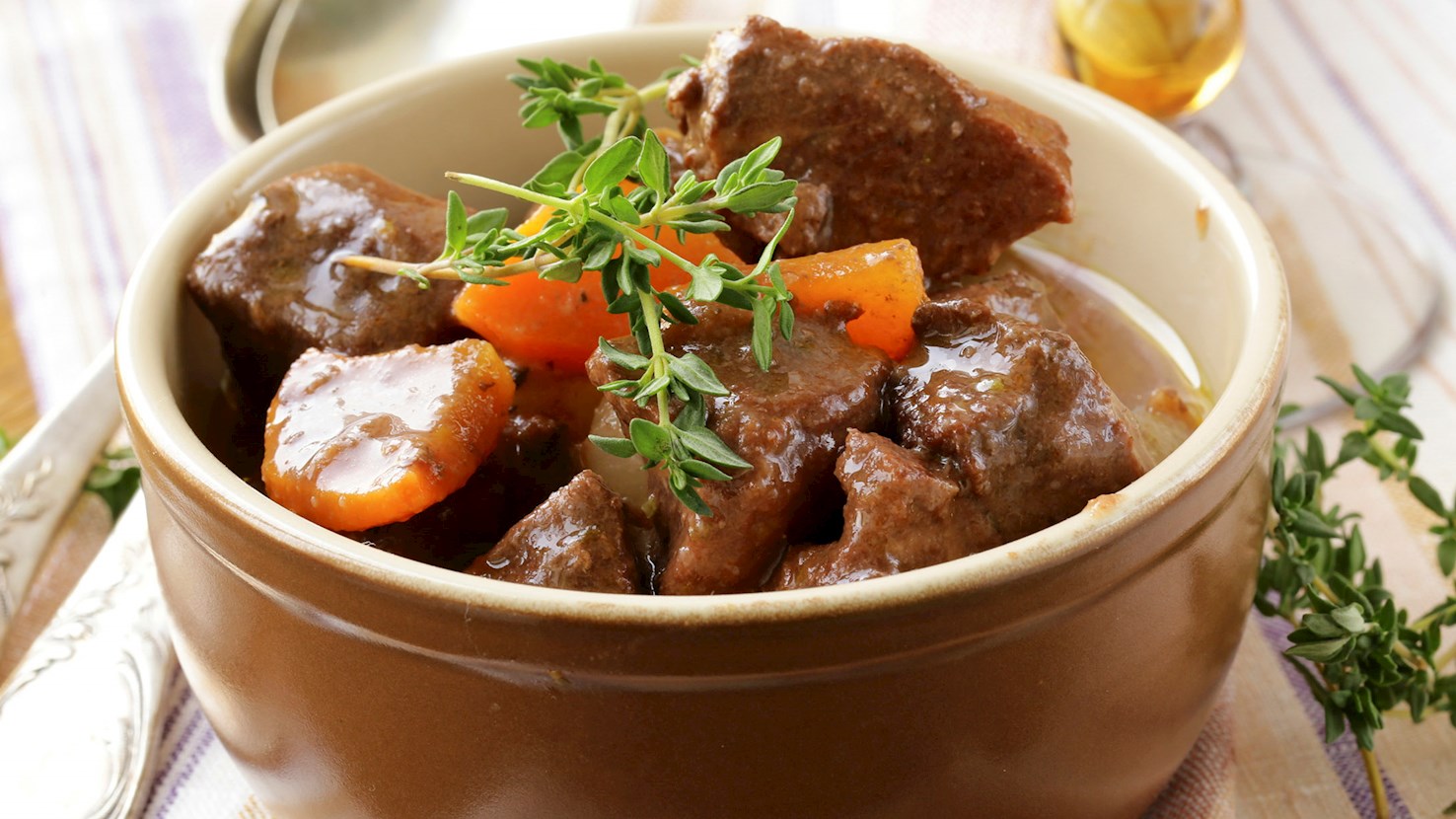
Beef bourguignon is a rich and complex stew originating from the region of Burgundy in France. The star of the dish is a robust red Burgundy wine, which is used to soften and tenderize tough cuts of Charolais beef, along with savory additions such as carrots, onions, garlic, thyme, and mushrooms. The ingredients are simmered for a long time until the meat is completely soft and succulent, and all the juices have blended into a hearty, dark sauce. Some say that the dish tastes even better after it has been refrigerated for 24 hours and then reheated. Beef bourguignon dates back to the Middle Ages, when the slow-cooking process was used to soften tougher cuts of meat using only the ingredients that were readily available. Pairing a serving of beef bourguignon with a full-bodied red Burgundy makes for a true gourmet delight.
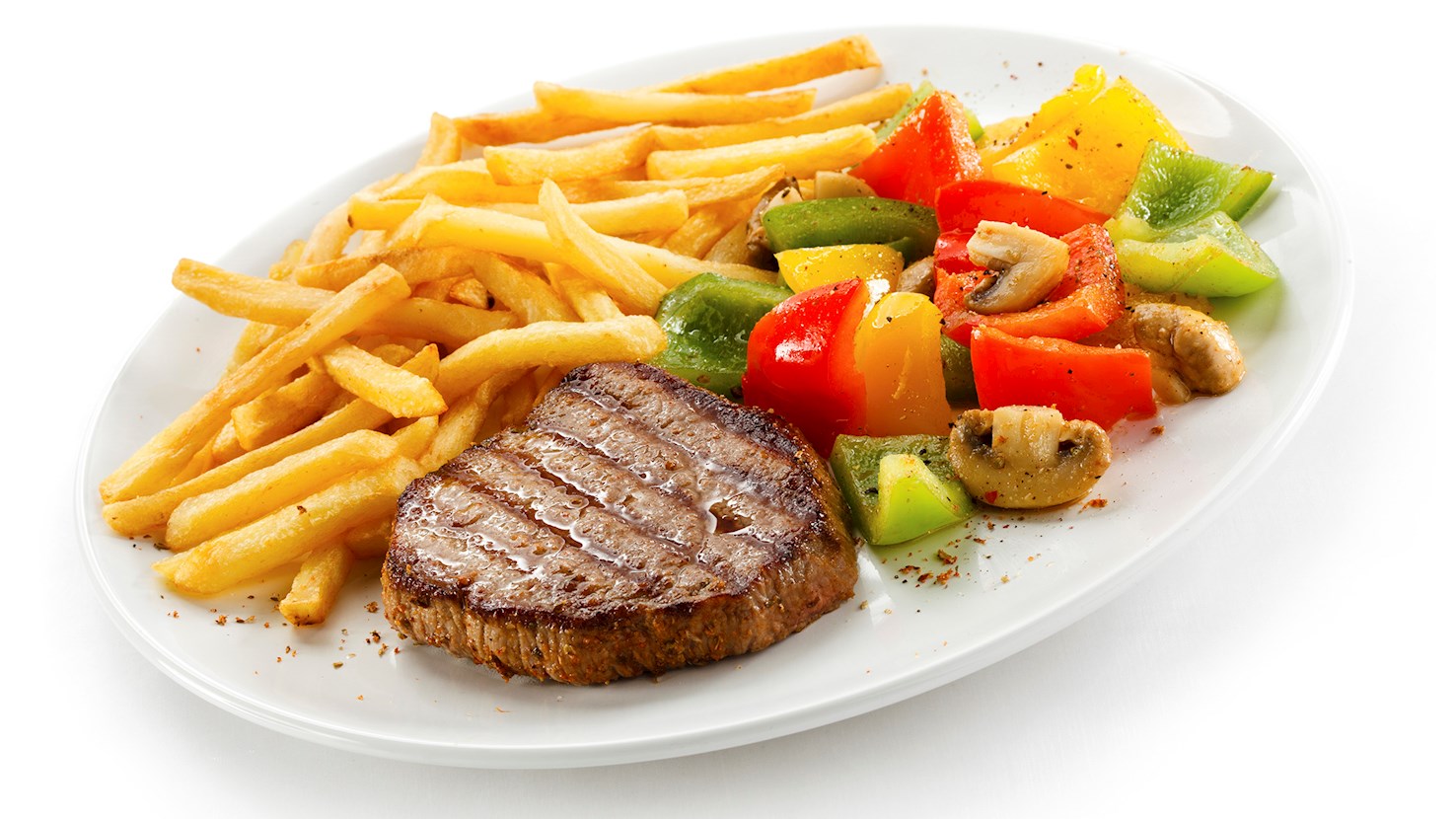
Simply translated as steak and fries, steak-frites is a dish that traces its origins to French and Belgian national cuisine. In this classic, fries vary from the hand-cut rustic potato wedges to thin, factory-produced types. They are always deep-fried, giving them a crunchy texture and an appealing golden color. Although fries are the essential accompaniment, the steak is the main star of the dish. The most common steak used in the dish is the rib eye cut, but sirloin steak or the famous T-bone are also commonly found on restaurant menus. A simple sauce reduction, Béarnaise, or Hollandaise sauce often accompany the dish. Steak and fries is one the most common dishes found in traditional French and Belgian brasseries and bistros, where a glass of fine Belgian beer or French wine acts as an irreplaceable accompaniment.
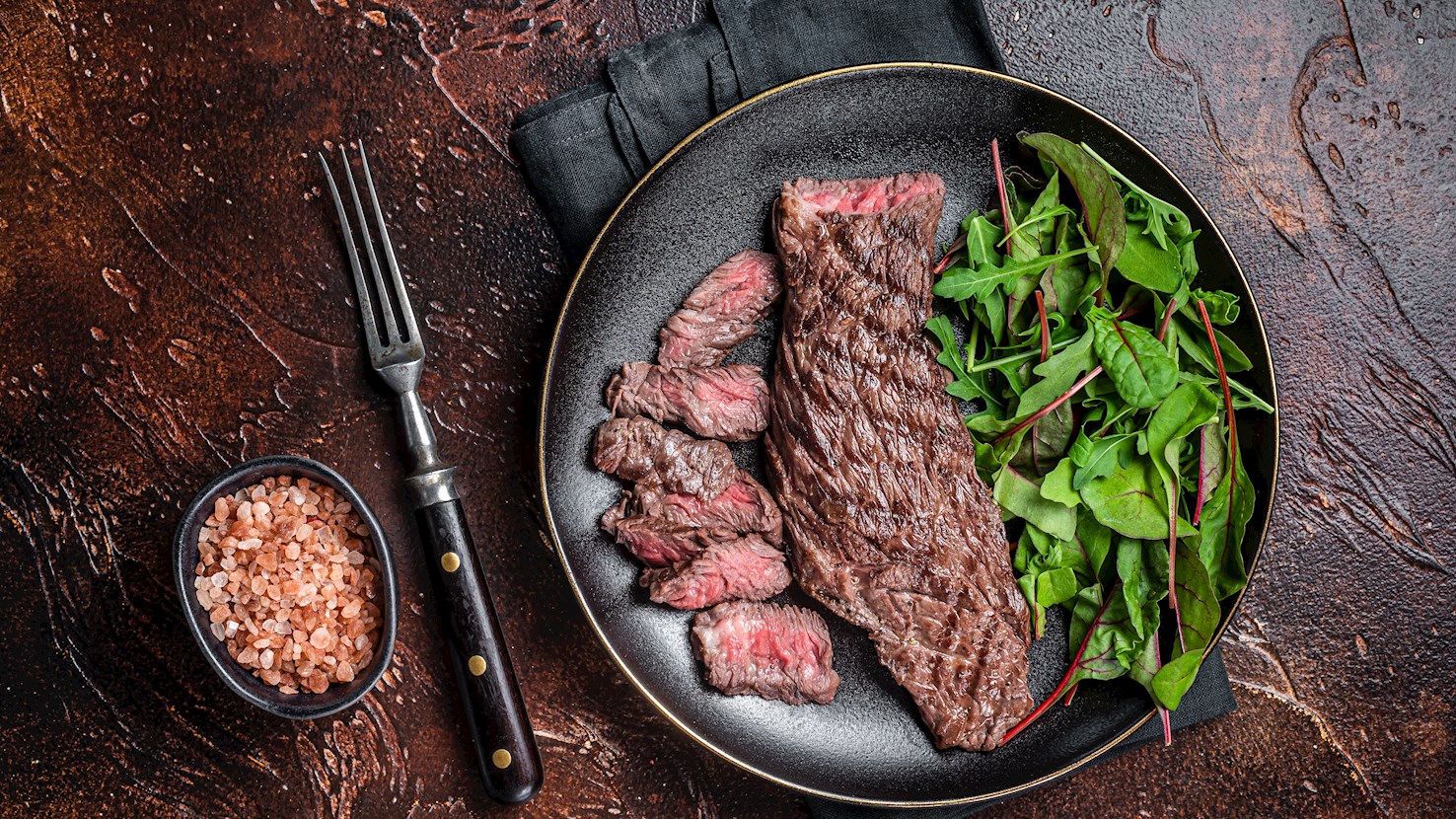
Onglet de bœuf in French butchery refers to the hanger steak, which is a cut from the plate primal of the cow, located near the animal's belly. It is also known as "butcher's steak" because butchers would often reserve it for themselves due to its high quality and limited quantity - there's only one hanger steak per animal. The hanger steak is known for its strong beefy flavor. It has a coarse texture compared to other steaks, yet when cooked correctly, it can be very tender. The onglet is traditionally associated with French cuisine, but it's also popular in other cuisines. It's best when cooked to medium-rare and should be marinated before grilling or broiling to help tenderize the meat. Overcooking can result in a tougher texture. After cooking, it's typically sliced against the grain before serving.
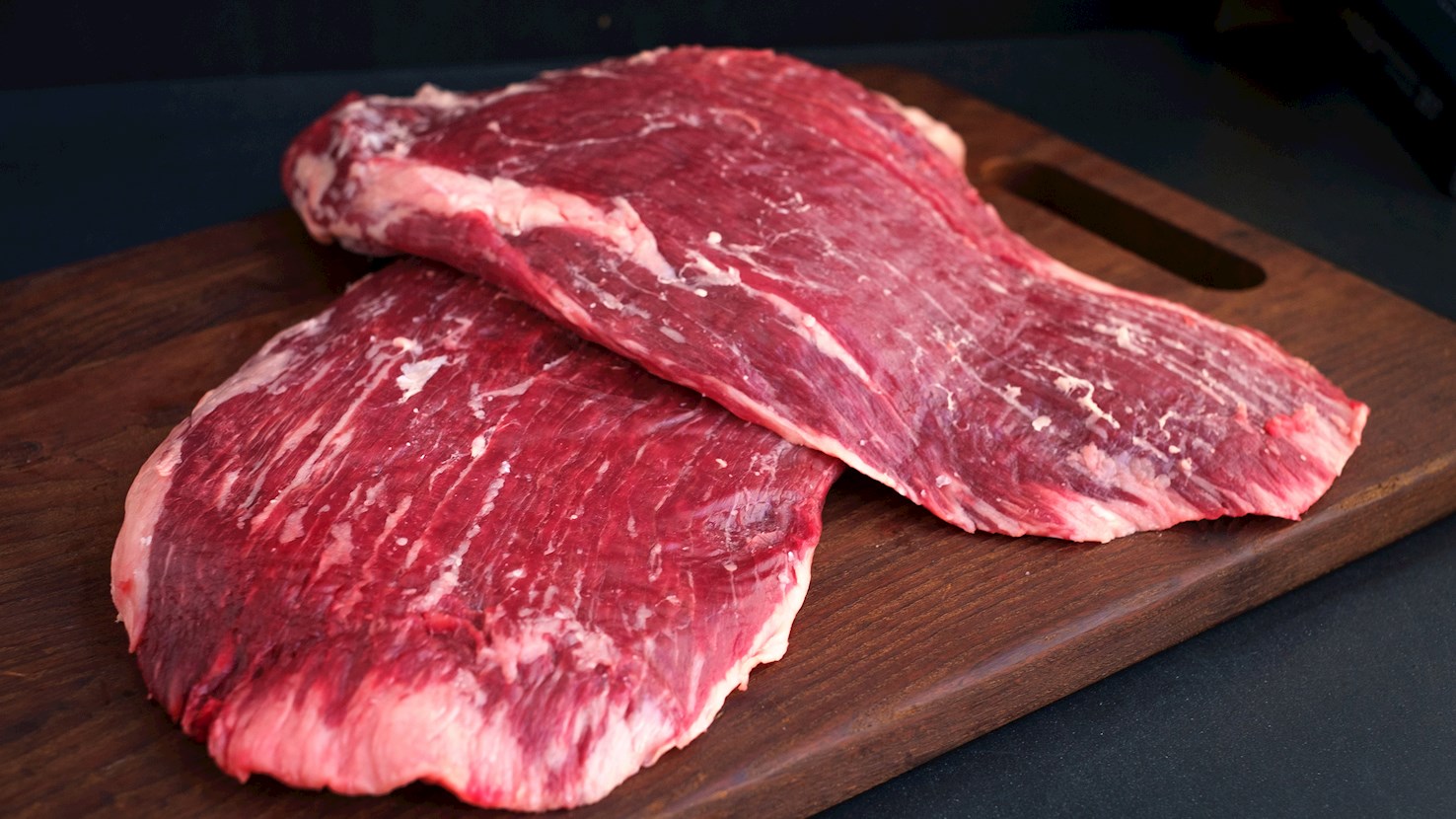
Bavette d’aloyau in French butchery refers to a rear part of flank, a cut of beef taken from the abdominal muscles of the cow. The term "bavette" comes from the French word for "bib," which is a reference to the long, flat shape of this cut. Bavette d’aloyau is known for its strong beef flavor and relatively tough texture, due to the amount of physical activity this muscle area gets. It contains a lot of tough fibers and has little fat marbling, making it less tender than other cuts. However, if it's marinated before cooking and then cooked to medium-rare, it can be quite tender and flavorful. It's also crucial to cut it against the grain to shorten the muscle fibers and enhance its tenderness. The bavette d’aloyau is often used in dishes that require marinating and quick cooking, such as grilling or broiling. It's a popular choice for dishes like fajitas, London broil, and various stir-fry dishes.
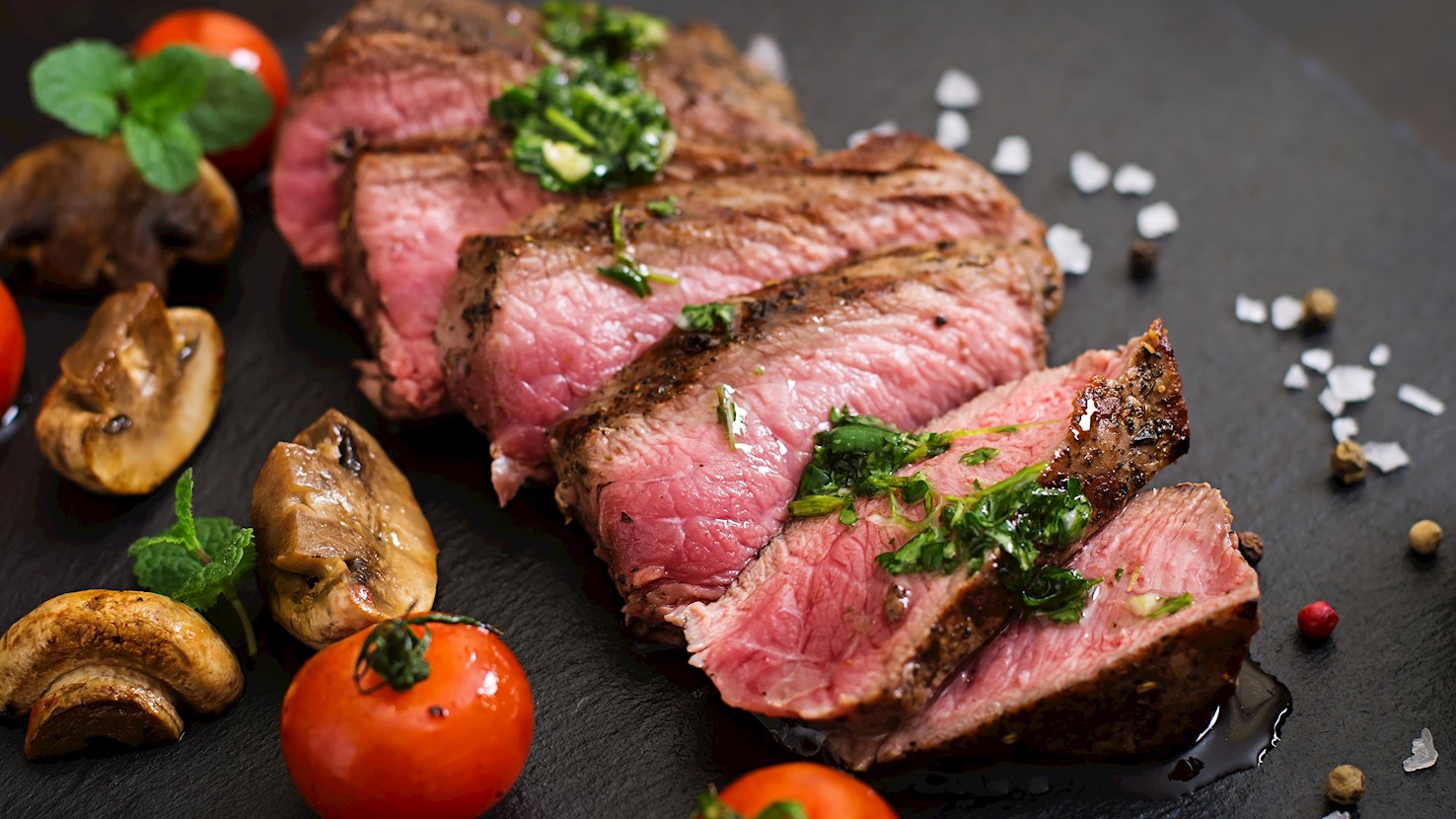
In French butchery, the faux-filet corresponds to the sirloin steak cut in English-speaking countries. This cut comes from the back of the cow, right behind the ribs - hence its name, which means "false fillet" in French, as it's located near but not exactly where the tenderloin (or "filet" in French) is. The faux-filet is a well-marbled cut of beef, meaning it has thin streaks of fat running through the meat. This marbling melts during cooking, which contributes to the cut's reputation for tenderness and flavor. Because of this, faux-filet is often cooked quickly at high heat to medium-rare or medium to maintain its tenderness, making it a popular choice for grilling or pan-searing.
TasteAtlas food rankings are based on the ratings of the TasteAtlas audience, with a series of mechanisms that recognize real users and that ignore bot,
nationalist or local patriotic ratings, and give additional value to the ratings of users that the system recognizes as knowledgeable.
For the “Top 39 French Beef Cuts and Dishes” list until June 15, 2026, 2,262 ratings were recorded, of which 2,001 were recognized by the system as legitimate.
TasteAtlas Rankings should not be seen as the final global conclusion about food. Their purpose is to promote excellent local foods,
instill pride in traditional dishes, and arouse curiosity about dishes you haven’t tried.