


Top 3 Lithuanian Beers

Last updated on June 15, 2026
01

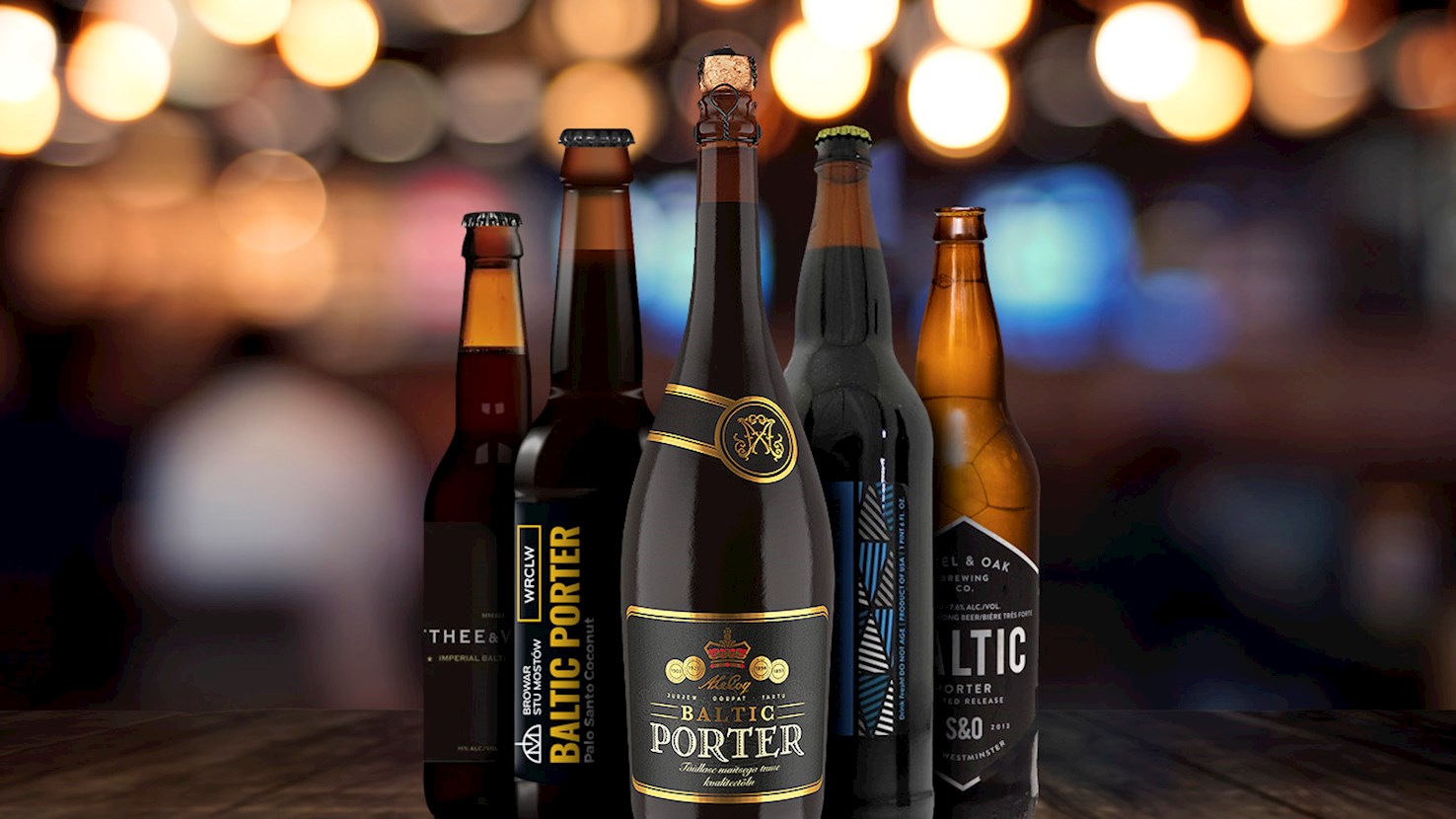
Baltic porter

4.1 ·

This beer style evolved from the British porter, and it was partially influenced by imperial stouts. The beers that fall under this category will typically have high alcohol content, usually between 5.5 and 9.5% ABV, while their color ranges from mahogany red to dark brown. They are full-bodied and smooth brews with typical malt flavors that are usually complemented by aromas of toast, caramel, licorice, dried fruit, chocolate, and coffee. Baltic porter first appeared when stronger and hoppier versions of British porter were sent to Russia. The shipments first reached Baltic, Scandinavian, and Northern European ports, including those in Finland, Poland, Sweden, Denmark, Lithuania, Estonia, and Latvia. Home breweries soon started to produce their versions using lager yeasts and regional ingredients, eventually creating a style that comes in many local expressions. Baltic porters are an excellent match to hearty dishes, especially roasted or grilled meat, and stews. They can also go well with chocolate or nut desserts and cheese.

02

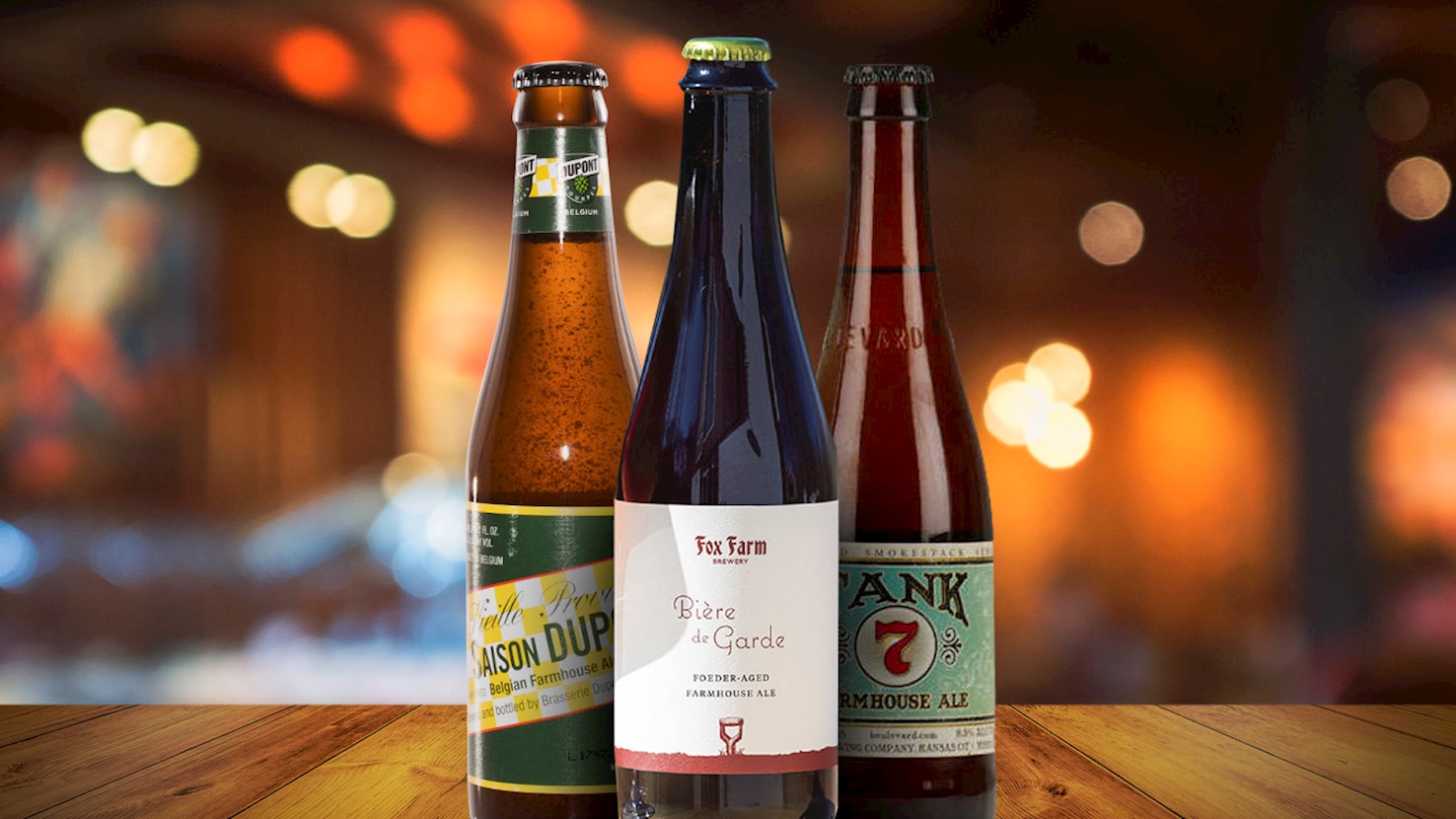
Farmhouse ale

3.7 ·

Farmhouse ale is best described as an ancient beer style that was brewed by European farmers who used their grains and hops. These brews were made with techniques that are not used in modern brewing, and because they were brewed in various European regions, the examples are incredibly versatile and include a variety of different sub-styles that are usually very region-specific. Farmhouse ales were made in places where people cultivated grains, and in the early 20th century, it was a prevalent style throughout northern Europe. These beers were a part of everyday life. In some places, they were prepared and enjoyed on special occasions, and in the regions where grains were plentiful, they were enjoyed on a daily basis. The choice of grains depended on availability, barley was the most common, but rye or oats were also used. The techniques were also different, and other ingredients such as herbs and spices were often added to the brew. This is why the examples significantly vary, but most were crisp and dry, with a funky and somewhat earthy character. Examples of the style include Bière de garde (France), Saison (Belgium), and Sahti. (Finland). Some farmhouse ales are still brewed, but the practice mostly disappeared in the 20th century, along with the decline in farming. However, some craft breweries try to imitate the style and include farmhouse ale labels. It should be noted that these brews often do not have much in common with the traditional farmhouse ales.

03

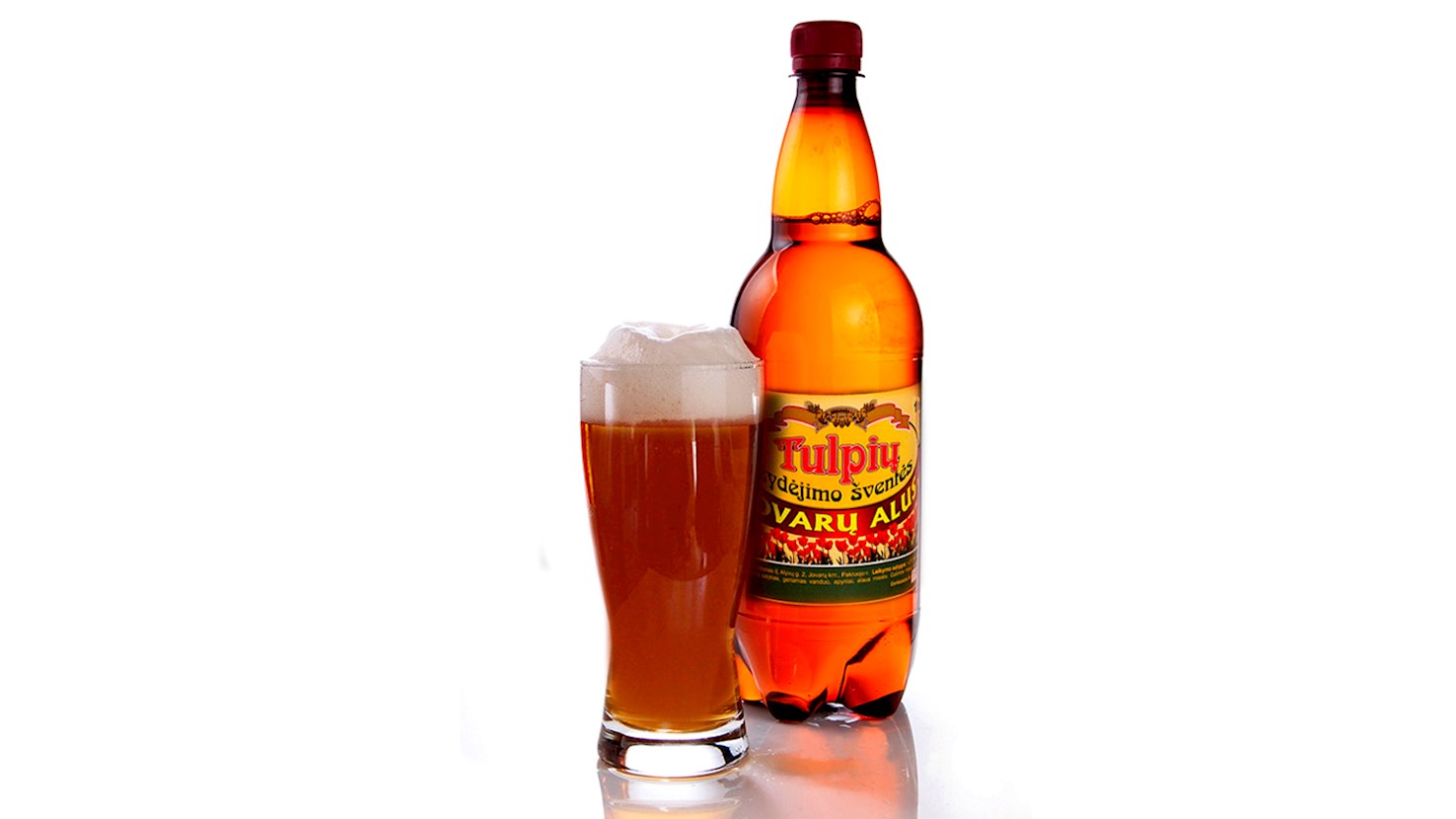
Kaimiškas Jovarų alus

3.5 ·

Kaimiškas Jovarų alus is a Lithuanian naturally-fermented beer. This homemade brew has been produced for centuries, following traditional recipes and methods that include grinding the malt, boiling the hops, mashing, lautering, fermentation and maturing. What gives this beer its distinctive character is the unique yeast that is only used in the designated area and which is traditionally passed down through generations. The color of the beer can range from golden yellow to amber, while the flavor is strong, malty, nutty, herbaceous, and bitter. Typical aromas include a combination of bread, yeast, caramel, and fruit. During production, natural honey can be added, which may provide honey-like nuances. Kaimiškas has been produced since the 16th century, and its production remains strictly family-based business in Jovarai.

Read more
View all
View map
About this ranking

TasteAtlas food rankings are based on the ratings of the TasteAtlas audience, with a series of mechanisms that recognize real users and that ignore bot, nationalist or local patriotic ratings, and give additional value to the ratings of users that the system recognizes as knowledgeable. For the “Top 3 Lithuanian Beers” list until June 15, 2026, 138 ratings were recorded, of which 129 were recognized by the system as legitimate. TasteAtlas Rankings should not be seen as the final global conclusion about food. Their purpose is to promote excellent local foods, instill pride in traditional dishes, and arouse curiosity about dishes you haven’t tried.

Similar lists