

shutterstock

Top 12 European Bell Peppers

Last updated on June 04, 2026
01

Piperiá Florínis (Florina peppers)

4.3 ·

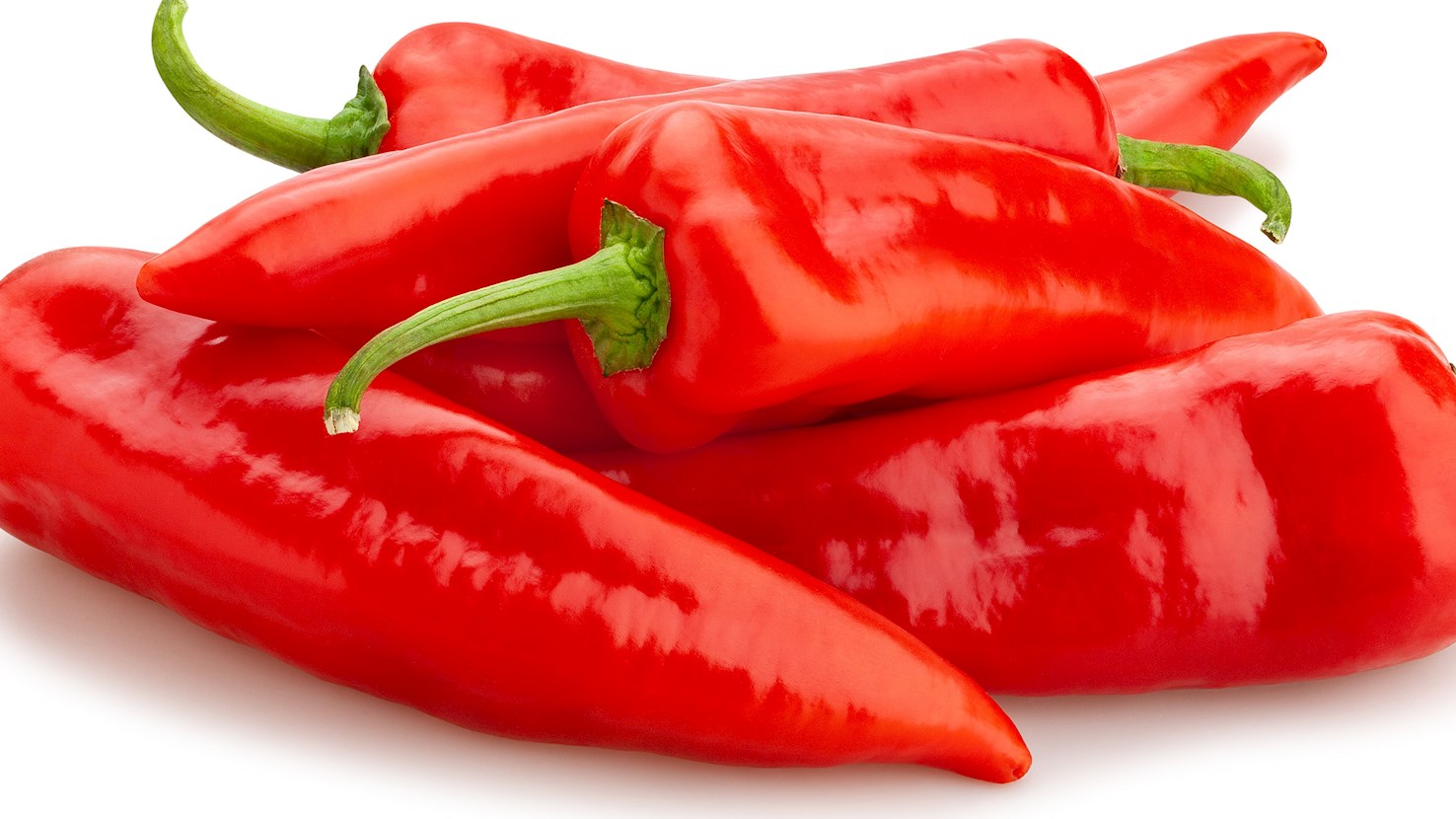
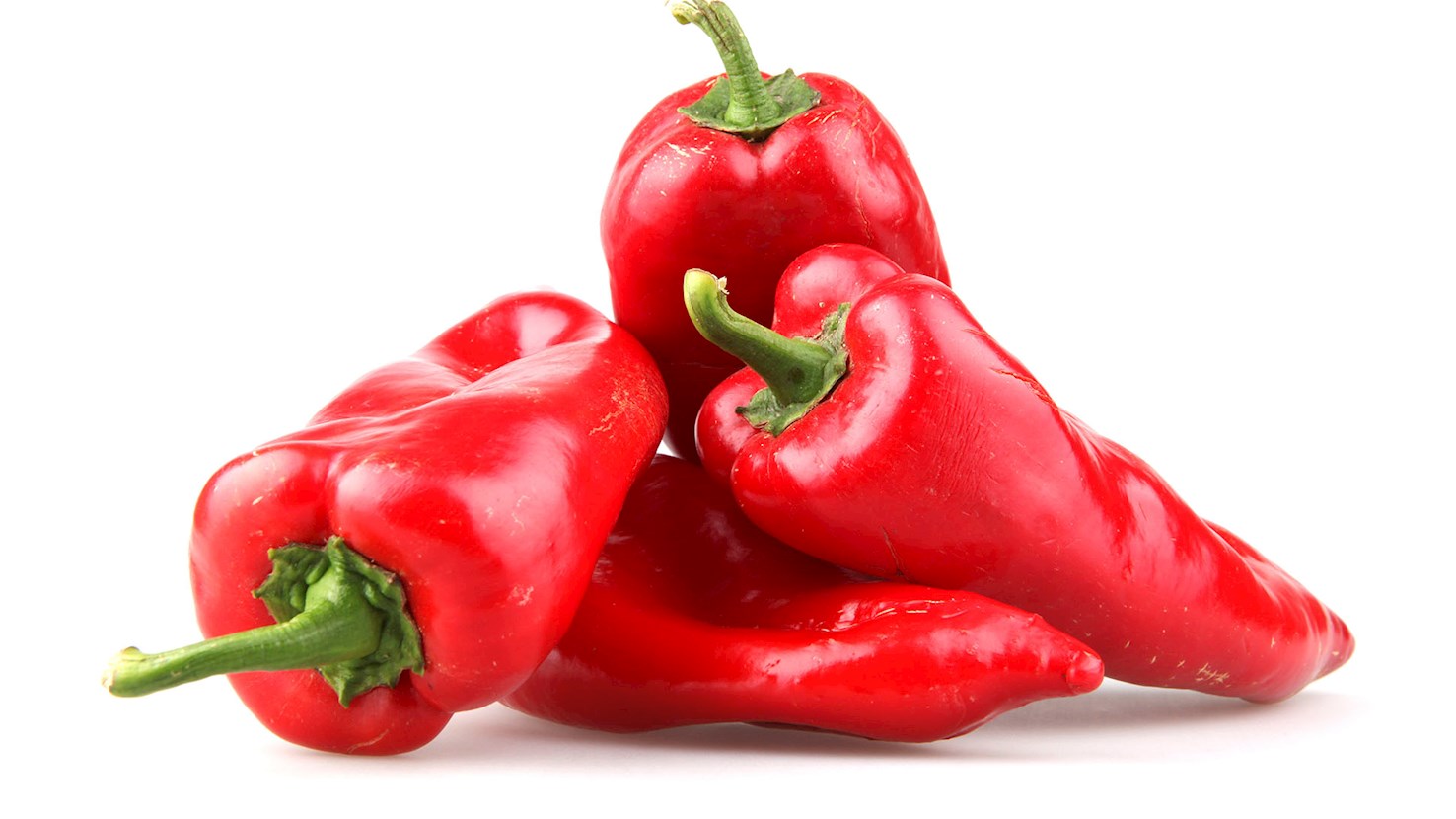
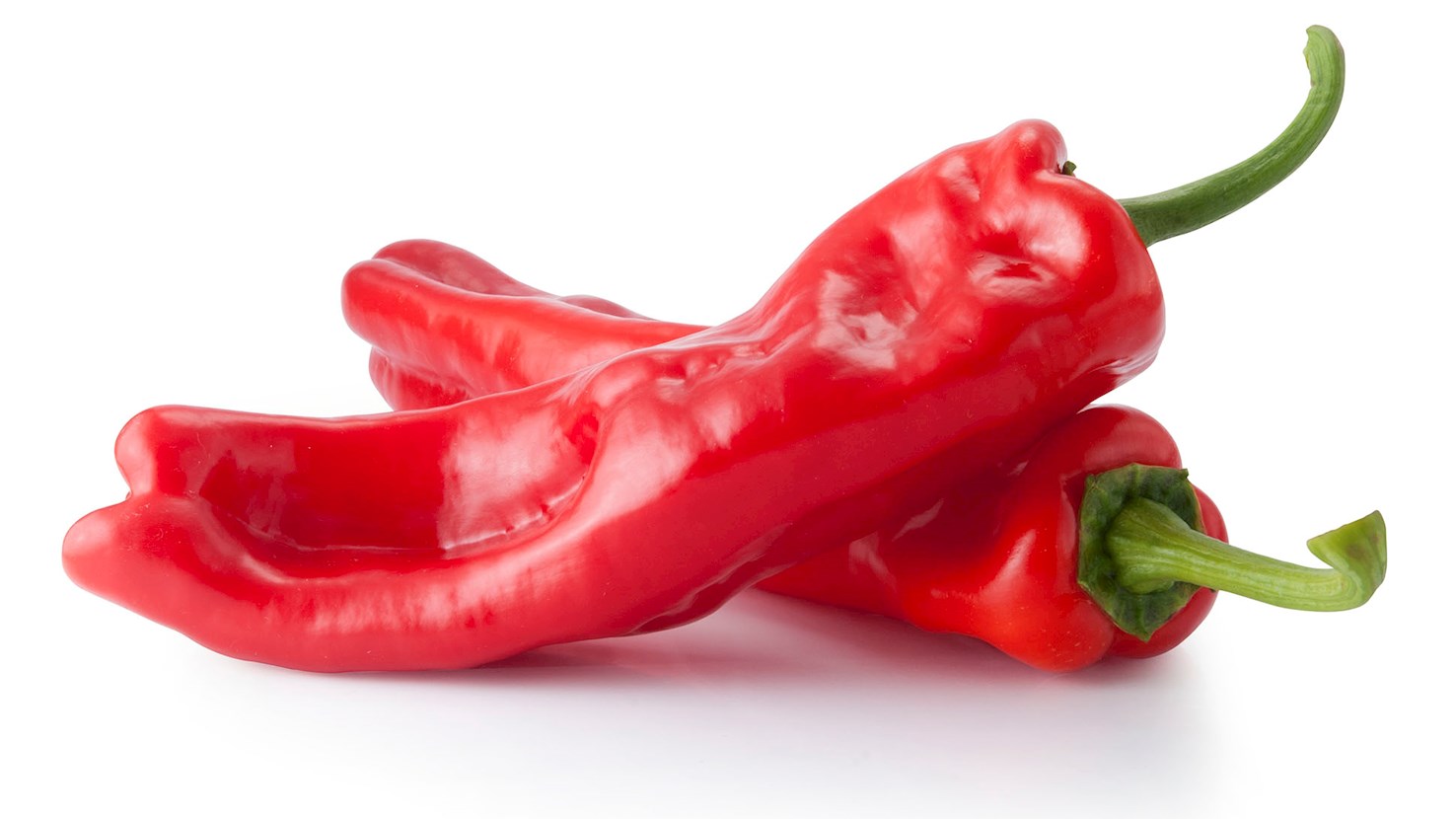
Florina is a Greek pepper cultivated in Western Macedonia and the area of Florina, hence the name. The peppers have a deep red color and they're shaped like a cow's horn. The harvest takes up to 18 weeks, and they ripen to maturity after mid-August. It is said that a good Florina pepper should be firm, thick, bright in color, and sweet in flavor. These versatile peppers can be used in salads, sauces, pasta dishes, or meat dishes, but they're usually roasted and stuffed with ingredients such as feta, meat, rice, or shrimps. To make things even more simple, Florina peppers can be roasted, sliced, and combined with olive oil, sea salt, and garlic for a tasty appetizer.

02

Pementos de Padrón

4.2 ·

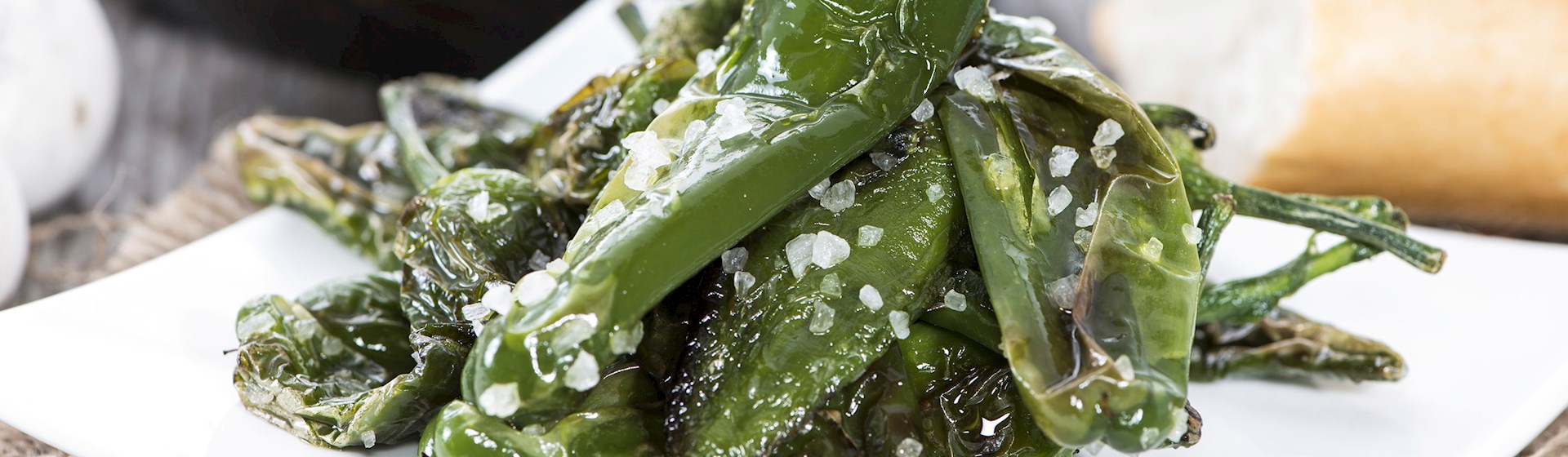
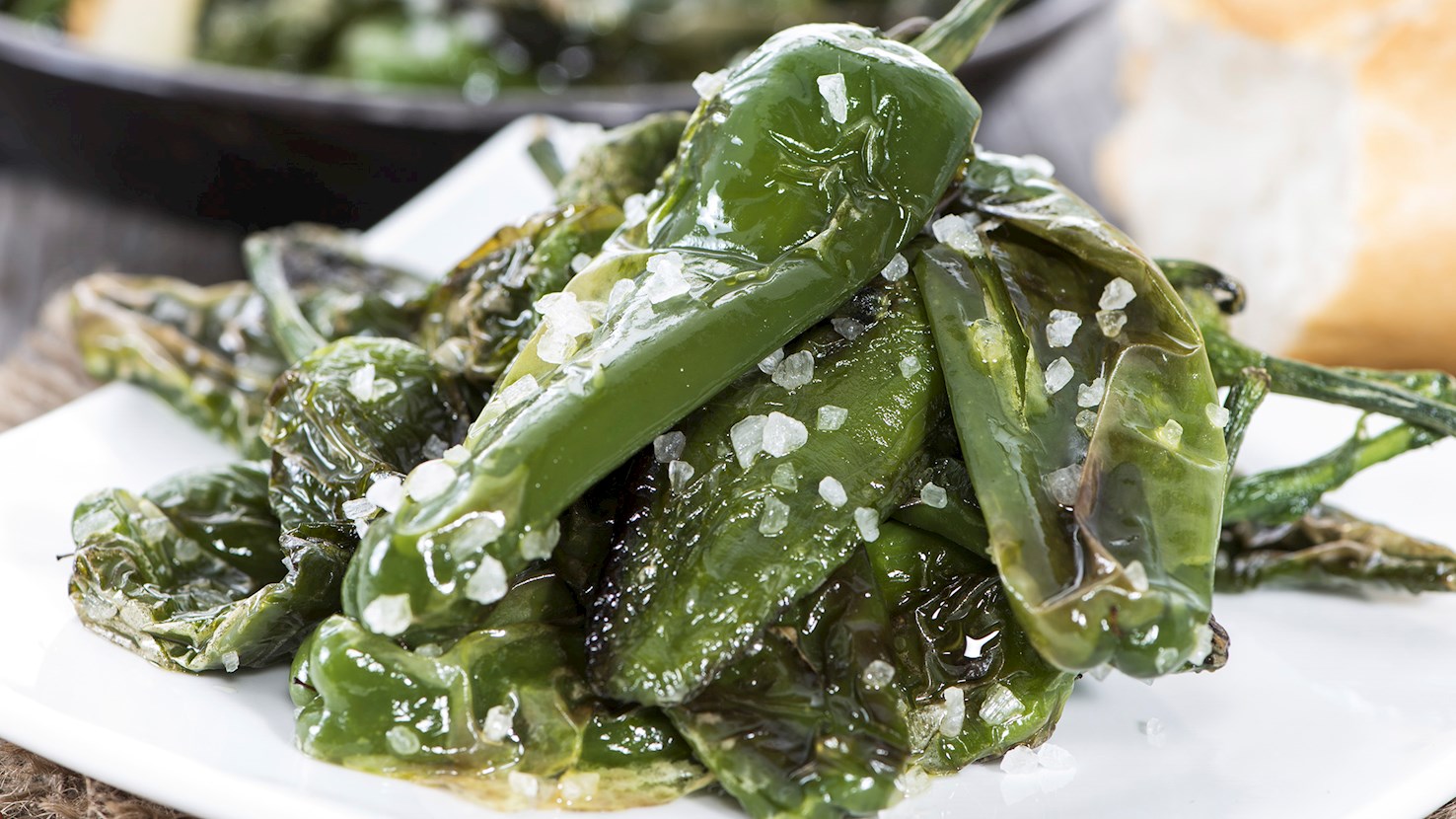
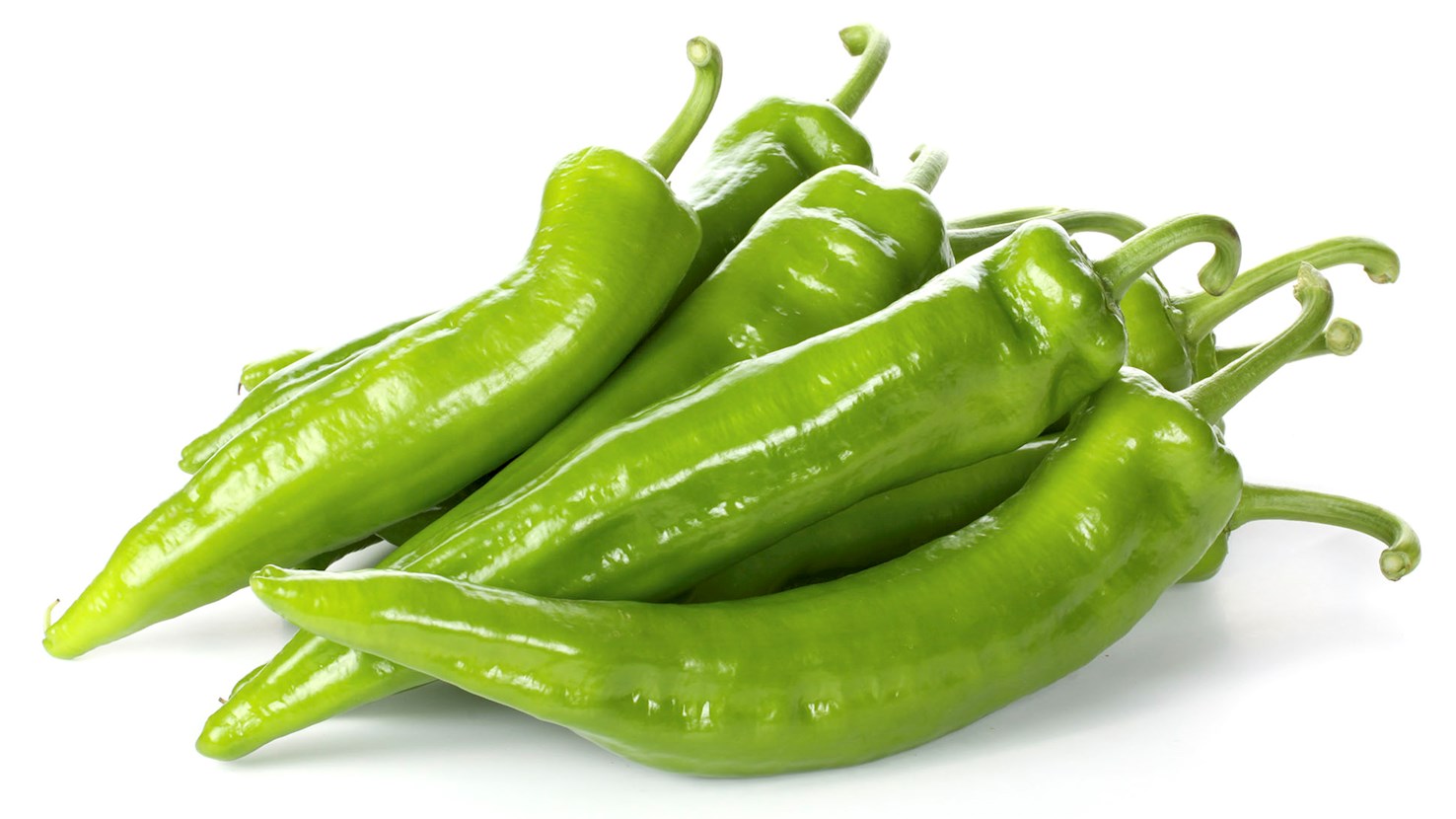
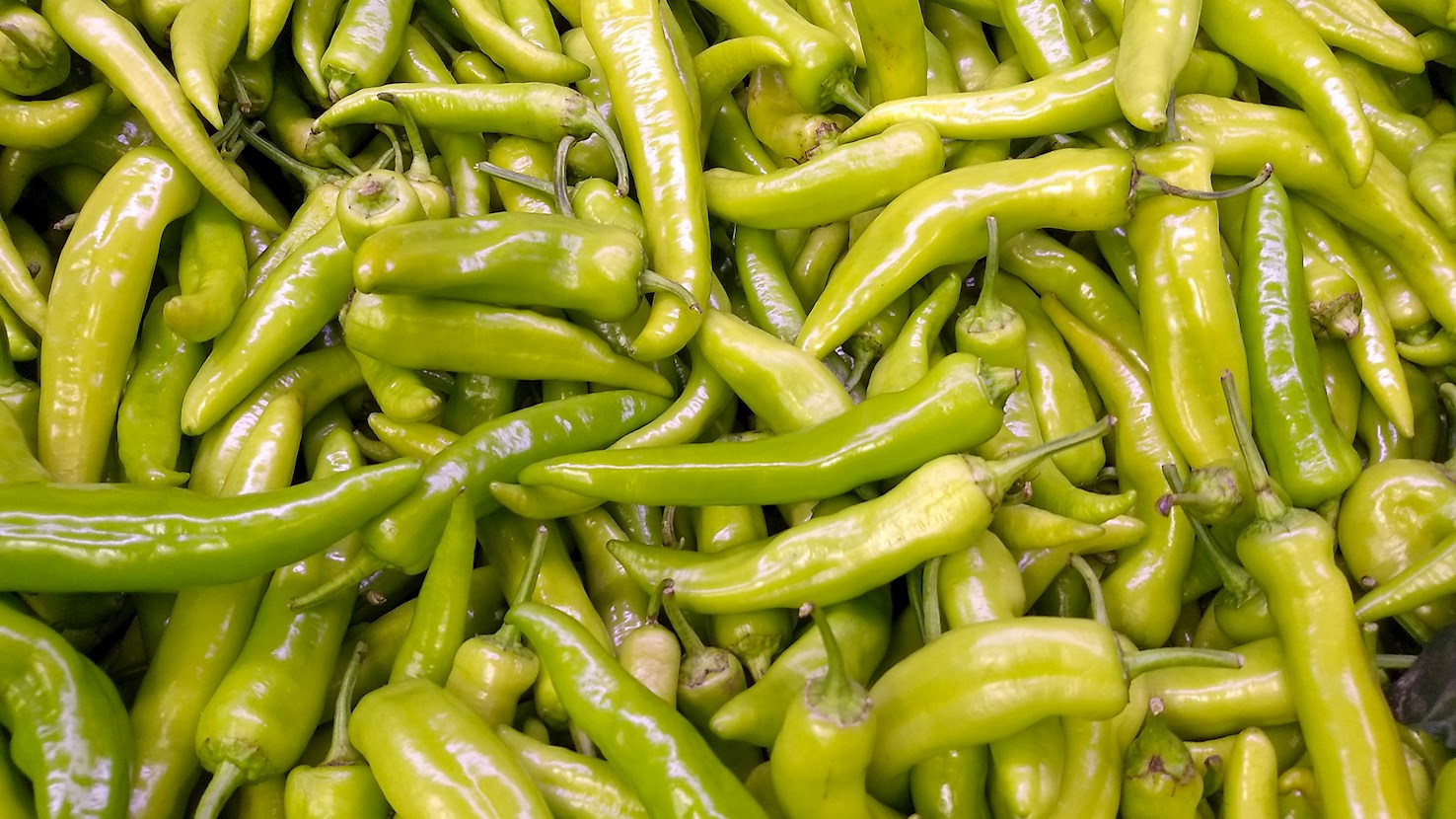
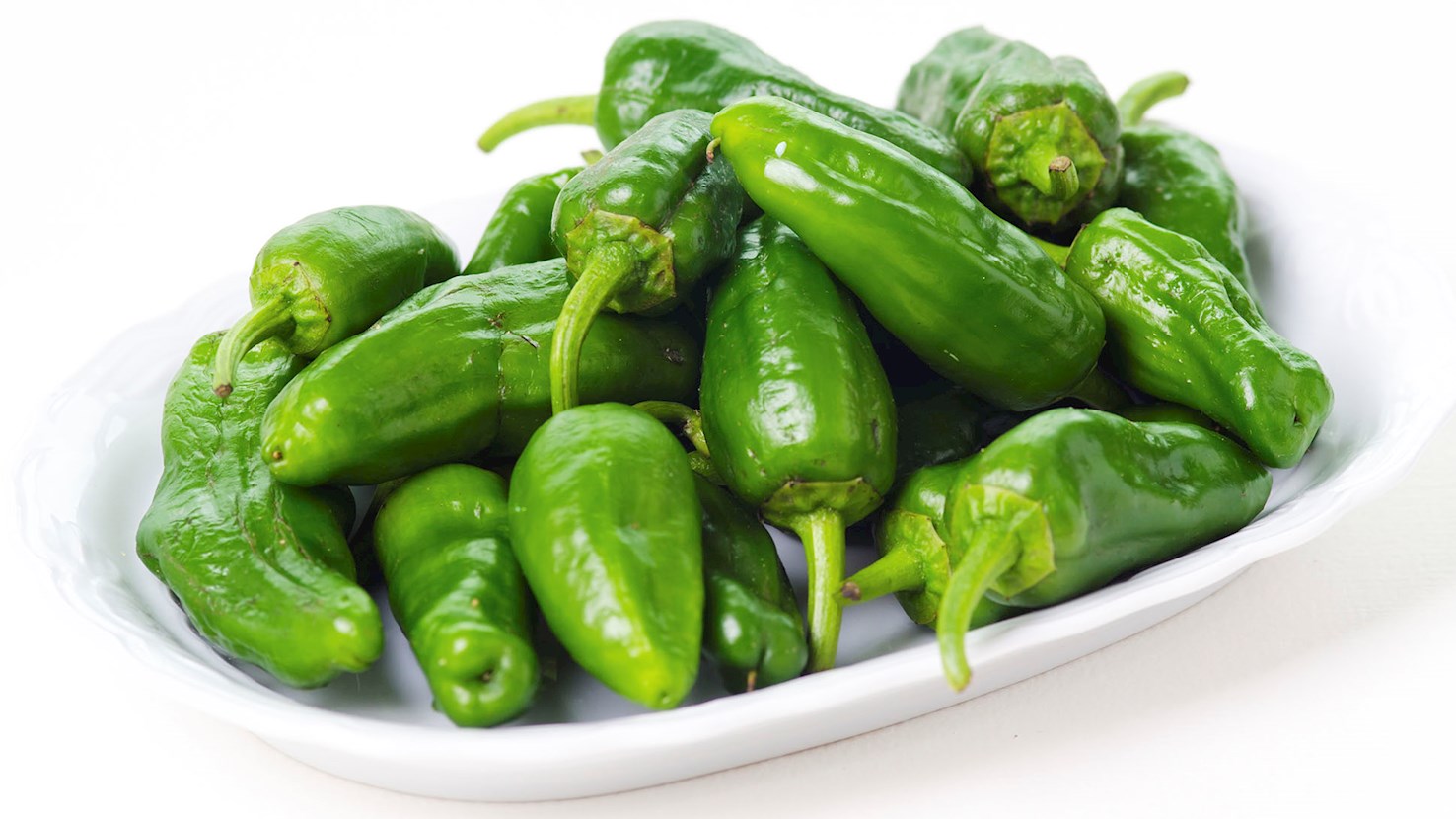
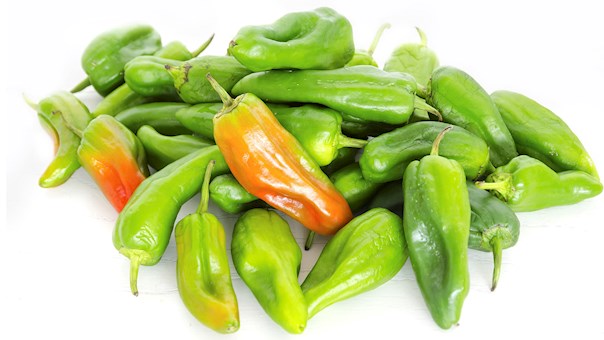
Padrón pepper is a Galician pepper originating from the Padrón municipality. The peppers range in color from bright green to yellowish green. Although they are usually mild in flavor, about one in ten of these peppers is spicy as hell, but it's almost impossible to tell them apart until you taste them, which is like playing Russian roulette with peppers. Padrón peppers are traditionally fried in olive oil and seasoned with coarse sea salt. They are served in most tapa bars and restaurants in the region, and it's recommended to have a glass of beer, wine, or cider nearby - in case you eat a few of the spicy ones. The official and protected name of these peppers is pementos de Herbón.

03

Ajvarka

4 ·

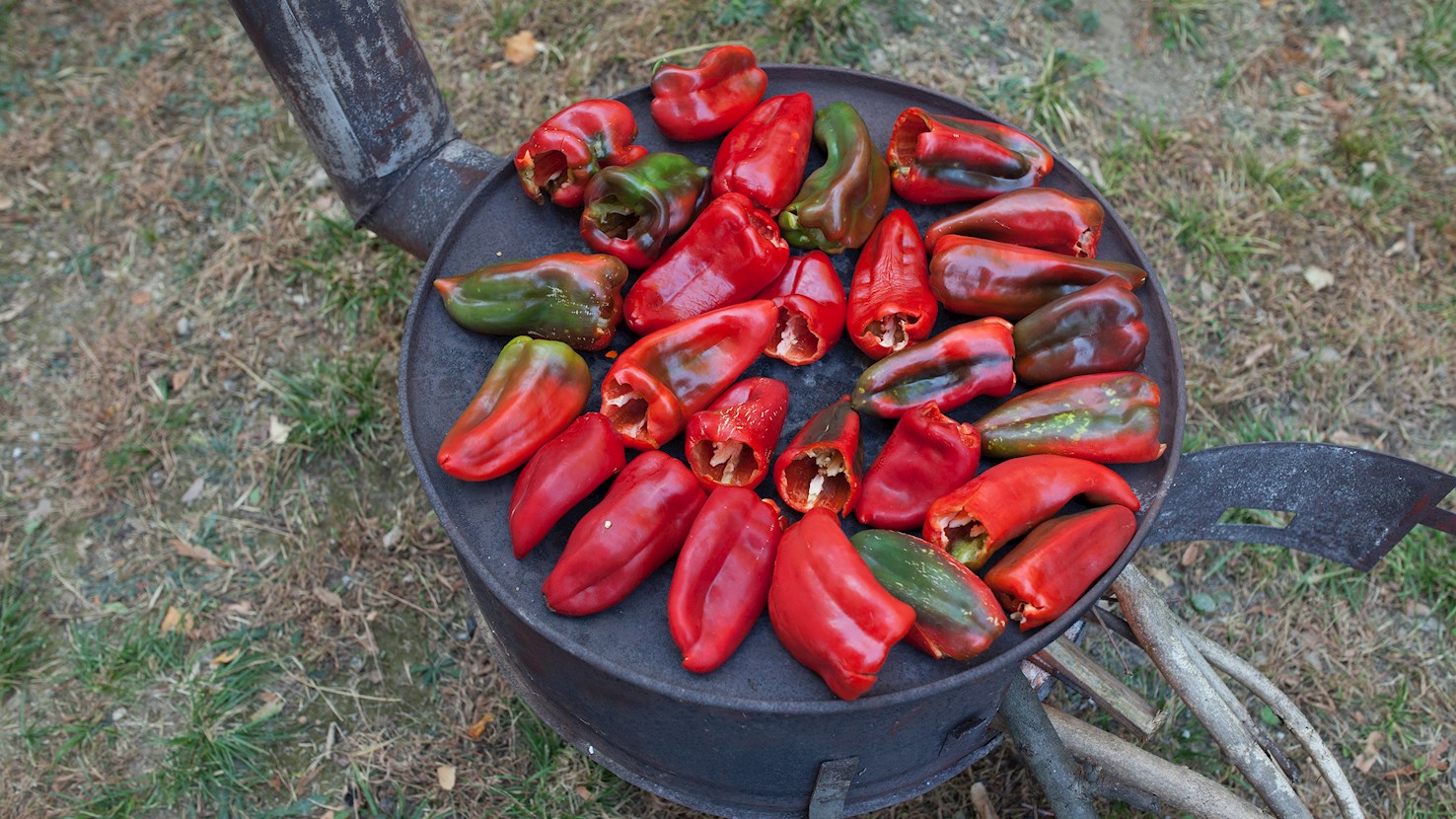
Ajvarka is one of the oldest North Macedonian pepper varieties, and its official name is Kurtovska kapija (Kurt gate). However, people call it Ajvarka because it is most commonly used to prepare the famous red pepper relish called ajvar. This pepper contains a small amount of water, it has a thin shell, and it peels very well, which is important for preparing ajvar, although the pepper can also be eaten raw or used in other dishes. Ajvarka is usually flat, has a thin handle on top, and it's often heart-shaped. Regarding the size, it's not bigger than a woman's palm. It is believed that the best type of this pepper is the one that ripens from September 10 to September 25.

04

Szentesi paprika

3.7 ·

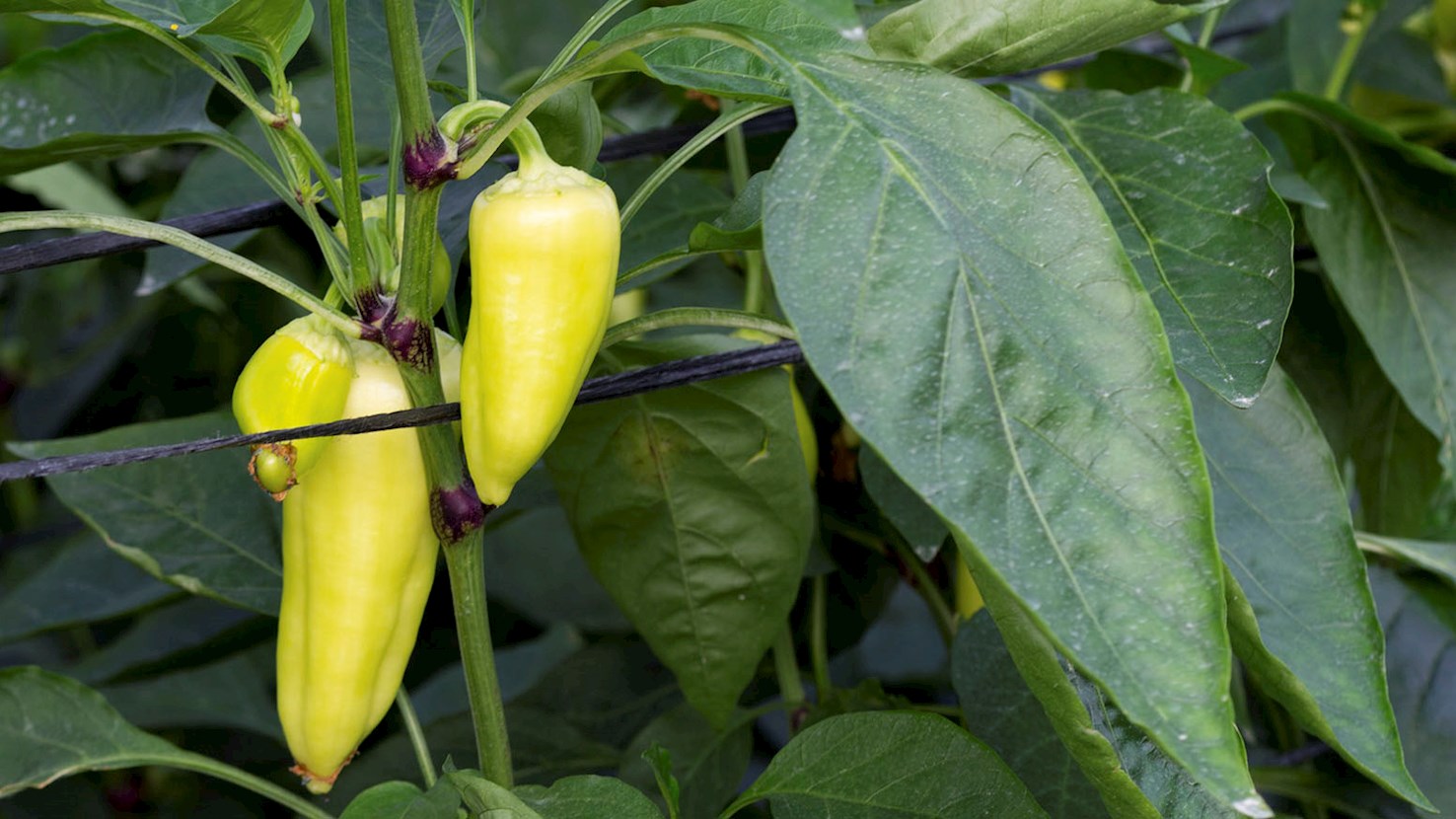
Szentesi paprika is a collective name for the forcibly grown peppers of four different varieties of Capsicum Annuum. First are white peppers; smooth skinned and shiny, conically shaped with a strong paprika smell and mild flavour. White peppers are intended to be stuffed, either with meat, rice, or both. The next variety is pointed hot peppers which are shiny, smooth, long and pointy in shape, green in colour and with a spicy flavour. Kapia peppers are conical, smooth, shiny, dark red in colour, and sweet and mild in terms of flavour. The last variety are the tomato-shaped peppers, unique in their shape, deep red in colour, with a strong paprika smell and a mild taste. All the varieties of Szentesi paprika must be grown in the area of Csongrád county because of the favourable soil, temperature and light conditions, ensuring the peppers' famous, top quality flavour.

05

Pimiento de Gernika

3.7 ·

Pimiento de Gernika are the green peppers traditionally grown in the area in the north of Spain, encompassing the northern part of the Basque region. This area has a typical Atlantic climate with high levels of precipitation which provide optimal conditions for the development of this pepper variety. The seed and ways of cultivation have been passed down through generations and have been a carefully protected secret. Gernikako Piperra are elongated peppers of the Derio and Iker varieties, harvested before they are fully ripe and are best enjoyed fried. The mild Guernica peppers—named for a town in the Basque region of Spain that was bombed during the Spanish Civil War—is generally prepared in a similar way to the Padrón pepper: lightly charred and then tossed in olive oil and sea salt. While the Padrónes can occasionally have quite a bit of heat to them, the Guernica peppers are consistently sweet and mild and the larger peppers are marvelous stuffed with goat cheese and fried.

06

Sivria Pepper

3.5 ·

Sivria is a traditional pepper variety originating from Bulgaria. The peppers are conical and elongated, bilaterally flattened, and come in green, yellow, and reddish (when ripe) hues. Their skin is thin, and the flavor is sweet. They are suitable for direct consumption and for stuffing, but the peppers can also be pickled and canned or added to hot and cold dishes. This variety is highly productive for mid-early production of high quality. It takes from 105 to 130 days for Sivria peppers to reach maturity.

07

Pimiento Riojano

3.4 ·

Pimiento Riojano is a pepper of the Najerano variety grown in the autonomous community of La Rioja. The area of production has a Mediterranean climate with relatively high levels of precipitation, which is crucial for the optimal development of this pepper variety. These peppers have a sweet and balanced flavor and crispy and juicy texture. The Pimiento Riojano is a large pepper, with a length of 16 to 18 cm, and can weigh up to 300g. They can be sold fresh, canned or roasted.

08

Peperone di Pontecorvo

n/a ·

Named after a small town known for its agriculture, Peperone di Pontecorvo is fresh pepper of the Cornetto variety grown within the province of Frosinone. It is distinguished by its sweet flavor, a very thin skin, and delicate flesh. Thinly sliced, Pontecorvo peppers are excellent in various salads, but they're also often grilled or preserved in oil and served with charcuterie and cheeses. For a fancy appetizer, Pontecorvo peppers can be blended into a tapenade and spread over crunchy crostinis or bruschettas.

09

Pemento da Arnoia

n/a ·

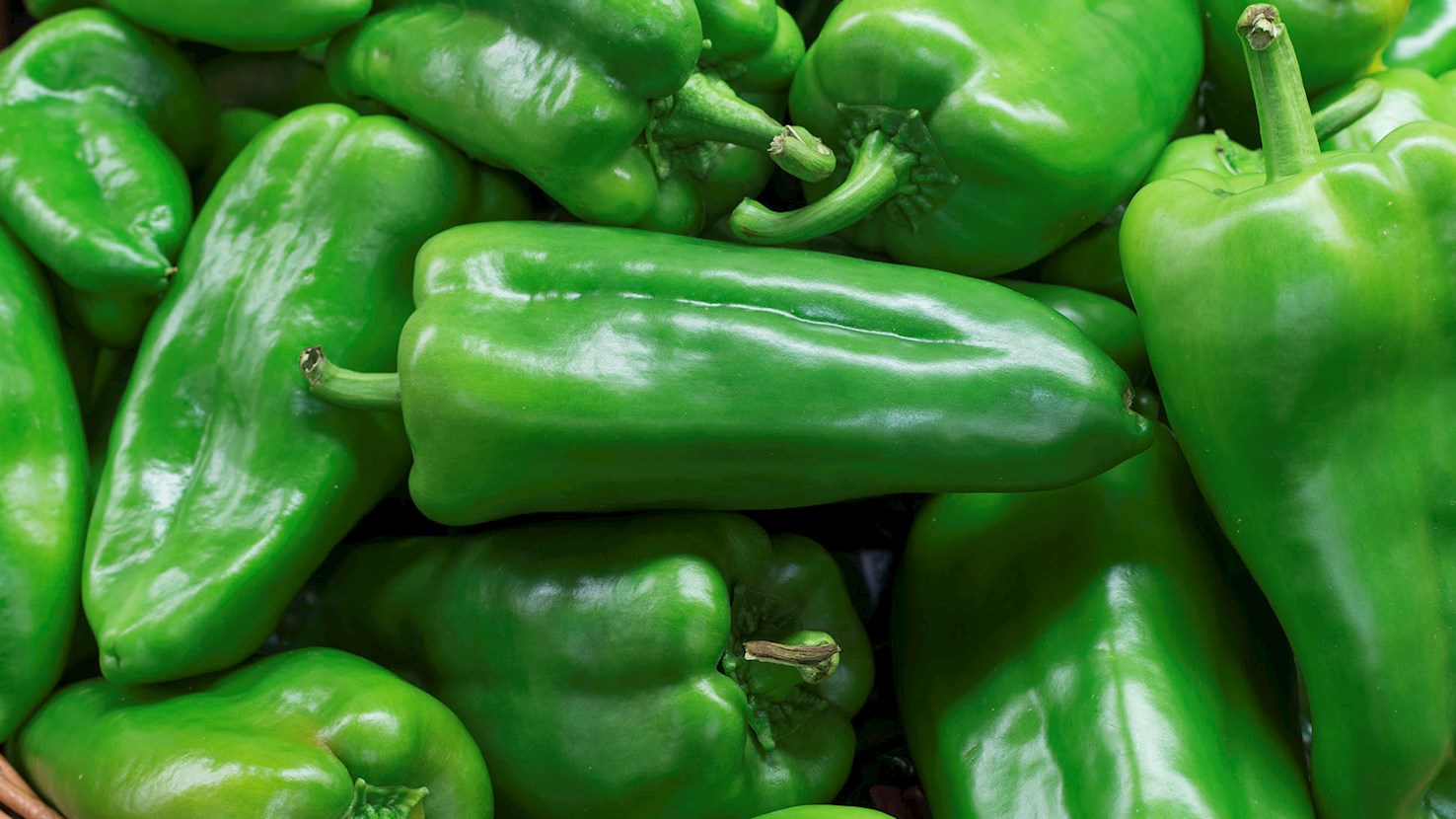
Pemento da Arnoia is a green pepper of the Capsicum annuun L. species traditionally grown in the area of only 23 km2 in the Province of Ourense, in the south of the Autonomous Community of Galicia. These bell peppers are green-colored with smooth and shiny skin and mellow aroma. Their flavor is quite sweet with a little bit of a spicy bite. They are harvested by hand while they are still unripe to preserve their green color.

10

Pemento do Couto

n/a ·

Pemento do Couto are the Capsicum annuun L. peppers grown in the Province of A Coruña, in the autonomous community of Galicia. These peppers are harvested in the early stage of their development while they are still green and have not yet developed their red hue. Pemento do Couto are relatively small peppers with the length of about 6 cm, smooth and shiny skin and an intensely sweet, mildly spicy flavor that is a consequence of the absence of capsaicin. They have a herby, green aroma and are very crunchy, juicy and succulent. All stages of cultivation must take place within the defined geographical area, which provides ideal weather and soil conditions for the development of this particular variety.

Read more
View all
View map
About this ranking

TasteAtlas food rankings are based on the ratings of the TasteAtlas audience, with a series of mechanisms that recognize real users and that ignore bot, nationalist or local patriotic ratings, and give additional value to the ratings of users that the system recognizes as knowledgeable. For the “Top 12 European Bell Peppers” list until June 04, 2026, 313 ratings were recorded, of which 210 were recognized by the system as legitimate. TasteAtlas Rankings should not be seen as the final global conclusion about food. Their purpose is to promote excellent local foods, instill pride in traditional dishes, and arouse curiosity about dishes you haven’t tried.

Similar lists