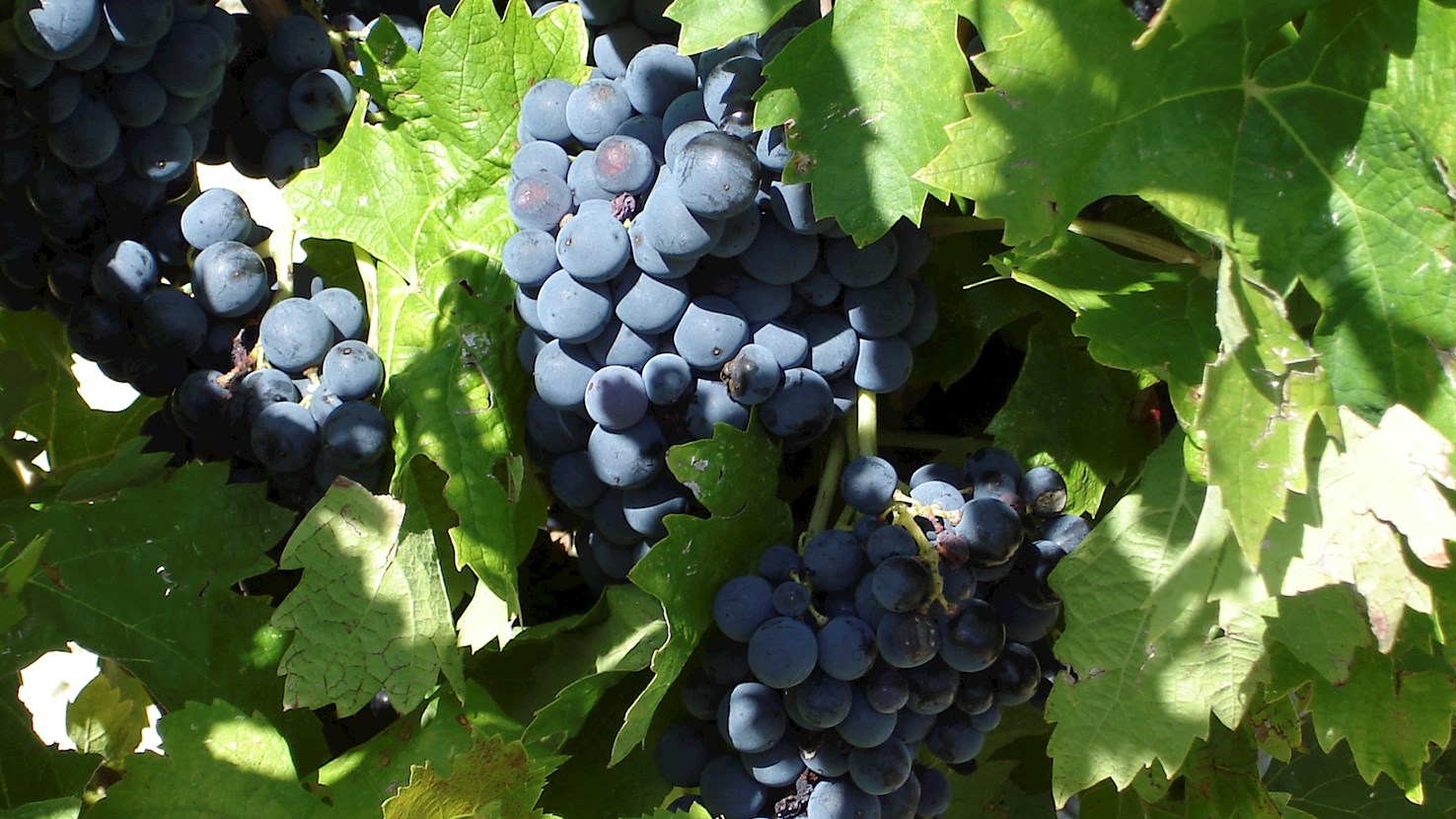
Muscat du Ventoux is a table grape of the Muscat de Hambourg variety with an intense and delicate muscat scent. The grapes are large and have a strong deep blue, almost black color without any irregularities on the skin. They are grown in the Vaucluse region in France and have been since the turn of the century, and the region's favorable climate and geological position provide the delicate flavors to the grapes. All the grapes are hand-picked to ensure the best possible quality control. They are naturally sweet and juicy, rich in iron, magnesium and calcium and usually eaten at the end of the meal as a dessert or made into fine wines.
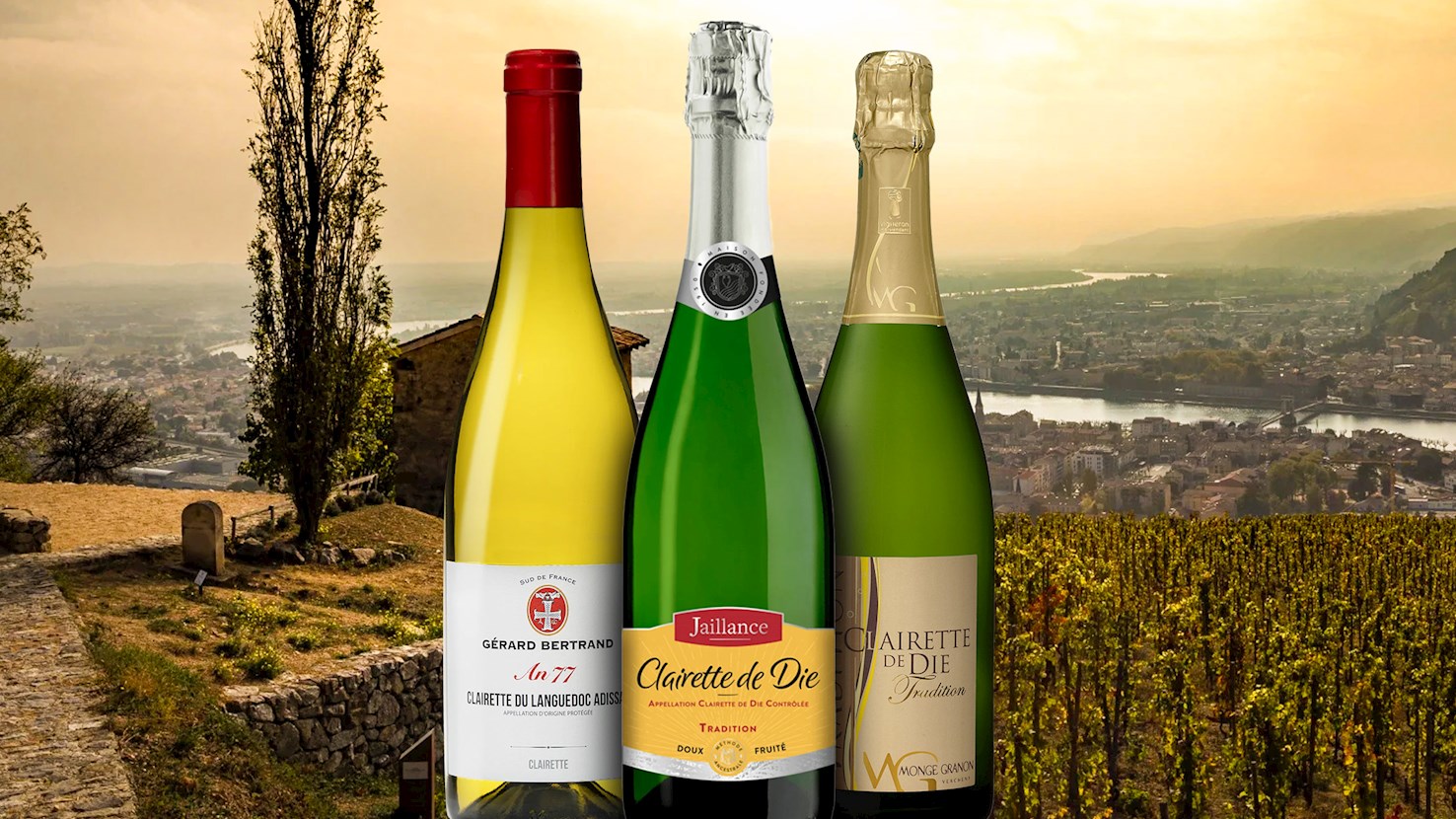
Clairette is a white grape variety that is primarily grown in the southern Rhône Valley and Provence regions of France. It is known for producing fresh, aromatic wines with a high level of acidity and moderate alcohol content. Clairette is often used in blends but can also be vinified on its own to produce varietal wines. The flavor profile of Clairette wines typically includes notes of green apple, pear, and citrus fruits such as lemon and lime. These wines often have floral aromas, with hints of white flowers and herbs, and sometimes a touch of minerality. The high acidity of Clairette makes the wines crisp and refreshing, while the moderate alcohol content helps maintain a balanced and light-bodied structure. Clairette is a versatile grape that is used to make a variety of wine styles. In addition to still wines, it is also used in the production of sparkling wines, particularly in the Crémant de Die appellation in the Rhône Valley. The grape's high acidity and delicate aromatics make it well-suited for sparkling wine production. In the southern Rhône Valley, Clairette is commonly blended with other white grape varieties such as Grenache Blanc, Roussanne, Marsanne, and Viognier. These blends are often found in appellations such as Côtes du Rhône, Châteauneuf-du-Pape Blanc, and Lirac. The addition of Clairette to these blends helps to enhance the wine's freshness, aromatic complexity, and overall balance. In Provence, Clairette is also used in the production of rosé wines, where it contributes to the wine's light and refreshing character. The grape's versatility and ability to retain acidity in warm climates make it a valuable component in many Provençal rosés. Clairette wines pair well with a variety of foods due to their high acidity and light, fresh flavors. They are an excellent match for seafood, shellfish, salads, and light appetizers. The crispness and citrus notes also make Clairette wines a good companion for Mediterranean cuisine, including dishes with olive oil, garlic, and fresh herbs.
Ciflorette is a premium, early-maturing strawberry cultivar grown extensively across southern France, primarily in Provence and the Lot-et-Garonne basin. Agronomic researchers at the French interregional strawberry research center engineered this specific botanical hybrid in 1998 to prioritize sensory quality over sheer yield volume. The breeding program explicitly crossed selected plant lines to replicate the intense, concentrated flavor profile of wild woodland berries while maintaining the larger physical dimensions required for commercial viability. Biologically, the fruit develops a distinctively elongated, ovoid shape, with a muted orange-red exterior that noticeably lacks the bright crimson hue typical of other market varieties. The internal flesh contains an unusually high sucrose concentration, resulting in a high Brix reading that ranks it among the sweetest commercially available cultivars in Europe. Culinary handlers treat the delicate crop with minimal processing, executing a rapid rinse under cold running water before meticulously detaching the green leafy stem, as cutting the top before washing allows the porous core to absorb excess moisture and dilute the natural sugars. Pastry professionals and home cooks leave the specimens whole or cut them into vertical halves, presenting them unadulterated in shallow porcelain dishes. Consumers purchase the seasonal harvest at specialized greengrocers and municipal open-air markets throughout the spring, eating the fresh fruit directly by hand or scooping it from a bowl. The sliced berries are often topped on blind-baked shortcrust pastry shells lined with dense almond frangipane or vanilla-infused mascarpone cheese. To complement the intense botanical sweetness and wild-berry aromatics, beverage pairings generally feature poured glasses of chilled, naturally sweet regional white wines, specifically a Muscat de Beaumes-de-Venise or a floral Gewürztraminer, while culinary applications often incorporate torn fresh spearmint or basil to provide a sharp herbal contrast to the sugary flesh.
Fraise de Carpentras is a strawberry variety produced in the Vaucluse department under the Comtat Venaissin mark. The construction of the Canal de Carpentras in 1857 enabled extensive irrigation of the plains, triggering large-scale strawberry cultivation around Carpentras, and by the 20th century the strawberry exports from that region to Paris and beyond were well established. Cultivation begins with planting chosen varieties – notably Cléry, Gariguette and Ciflorette – in well-drained sandy-loam soils under tunnels or open fields; the plants are irrigated via the canal system, flowering in late winter, and hand-picked from March through July for early-season markets, then sorted and packed quickly to preserve color and flavor. The early Gariguette and Ciflorette varieties arrive in March and April, then the Cléry variety becomes dominant, with the majority of production; the uniqueness of these strawberries lies in their deep red heart-shape, sweet aromatic flesh, and the regional mark that binds growers to specific practices and varieties under the registered “Fraise de Carpentras Comtat Venaissin” label. Fraise de Carpentras is eaten fresh simply or with light sugar, found at markets and in pastry shops in Provence and beyond, and it pairs beautifully with whipped cream, mild goat cheese or a chilled rosé wine from the region.
TasteAtlas food rankings are based on the ratings of the TasteAtlas audience, with a series of mechanisms that recognize real users and that ignore bot,
nationalist or local patriotic ratings, and give additional value to the ratings of users that the system recognizes as knowledgeable.
For the “Top 4 Provençal Berries” list until June 15, 2026, 15 ratings were recorded, of which 11 were recognized by the system as legitimate.
TasteAtlas Rankings should not be seen as the final global conclusion about food. Their purpose is to promote excellent local foods,
instill pride in traditional dishes, and arouse curiosity about dishes you haven’t tried.