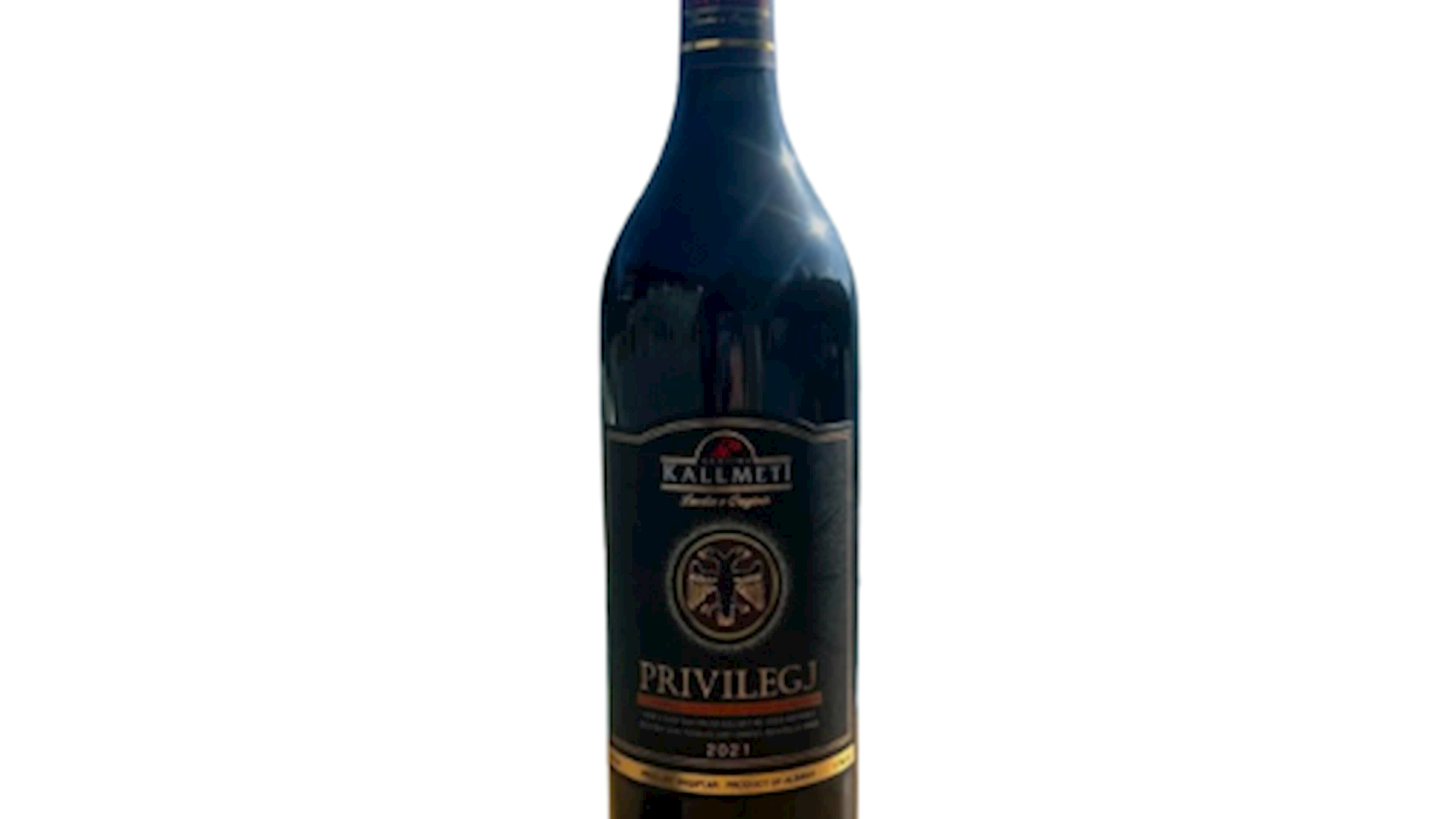
Kantina Kallmeti is a family-run winery and olive mill located in the village of Kallmet near Lezhë, producing wines, olive oils, and traditional distillates since 2006 with a strong focus on local heritage and the terroir of northern Albania. Their vineyards stretch across hillside plots that rise above 500 meters in elevation, where the climate and soil give the indigenous Kallmet grape its distinctive aromatic profile, while olives for their oils are cultivated in the same micro-region.
Production combines handwork and family tradition with modern winemaking and milling technologies, supported by Italian oenological experts. The portfolio includes red and white wines, the premium Prestige cuvée line, grape-based rakija, and extra virgin olive oils.
The estate is open for visits and tastings, allowing guests to explore the cellars, vineyards, and olive groves and experience the full journey from raw fruit to finished product. Kantina Kallmeti represents a blend of local identity, controlled production, and clear origin, with a strong emphasis on authenticity and quality.
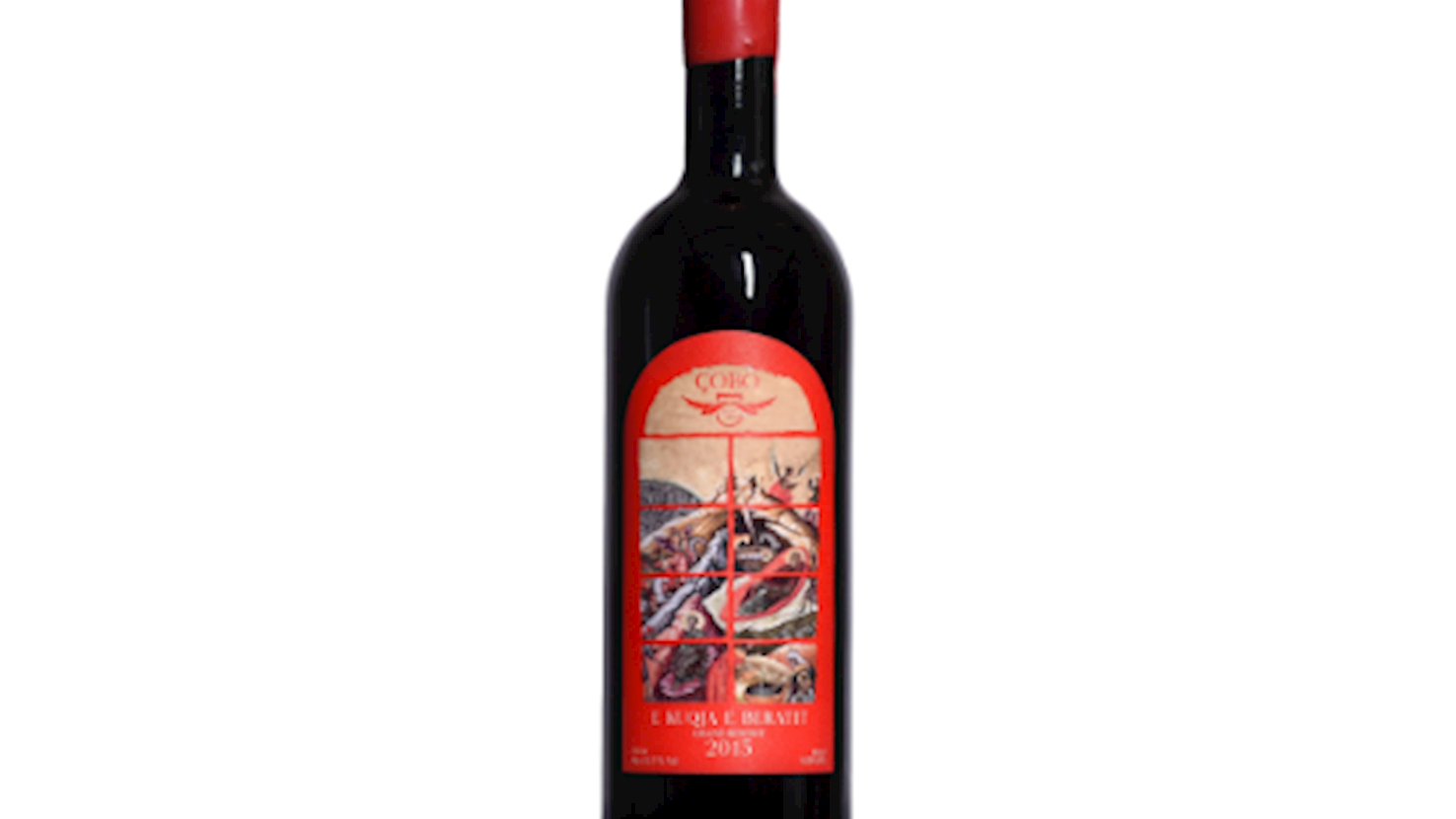
Çobo Winery is a family-run estate located near Berat, on the slopes beneath Mount Tomorr, where winemaking traditions have been passed down through generations. After restoring their vineyards in the post-transition period, the winery developed an approach that blends local varieties such as Shesh i Zi, Shesh i Bardhë, and Puls with modern oenological techniques, while maintaining a strong focus on terroir and authenticity.
Their portfolio includes red, white, and sparkling wines, along with several blends that combine native and international grapes, ranging in style from light and refreshing to complex and full-bodied. Çobo is also known for its cellar tours and tastings, offering visitors an opportunity to learn about the production process and enjoy wines paired with local cheeses and traditional snacks. The winery stands out for its warm, family-oriented atmosphere, and its wines reflect the region’s heritage, dedication, and distinctive geographic identity.
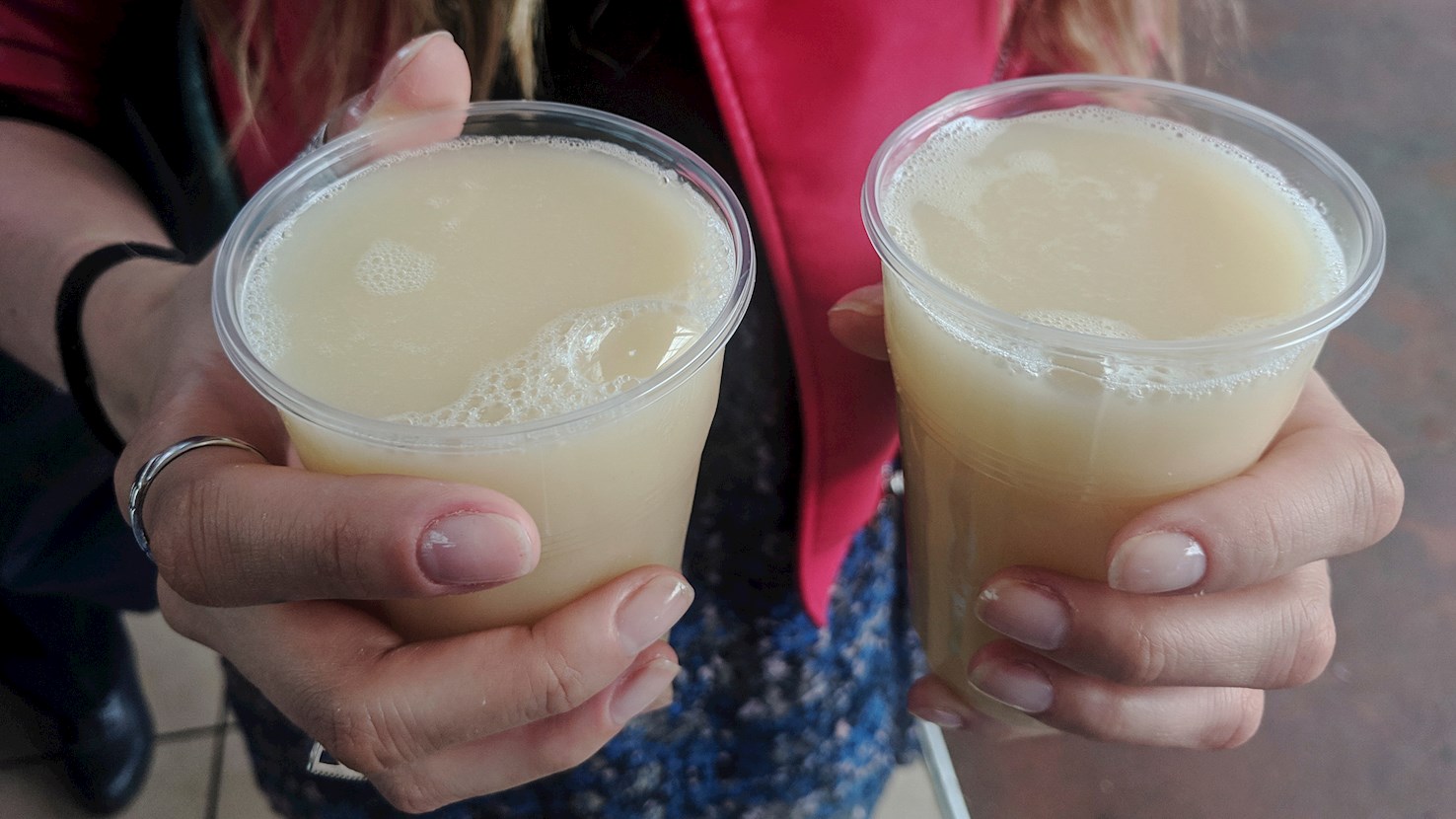
People from the Gorani community living in the mountainous Gora region situated between Albania, Kosovo, and Macedonia have had a long-standing tradition of producing a type of millet beer known locally as boza. With an acidic flavor and a light alcohol content, this beverage is made by fermenting millet (Panicum miliaceum, called prosok in the local language) in water with no added malt. Renowned for their production of this fermented beverage, the Gorani people have commonly been called the bozadzij, meaning people who prepare boza.
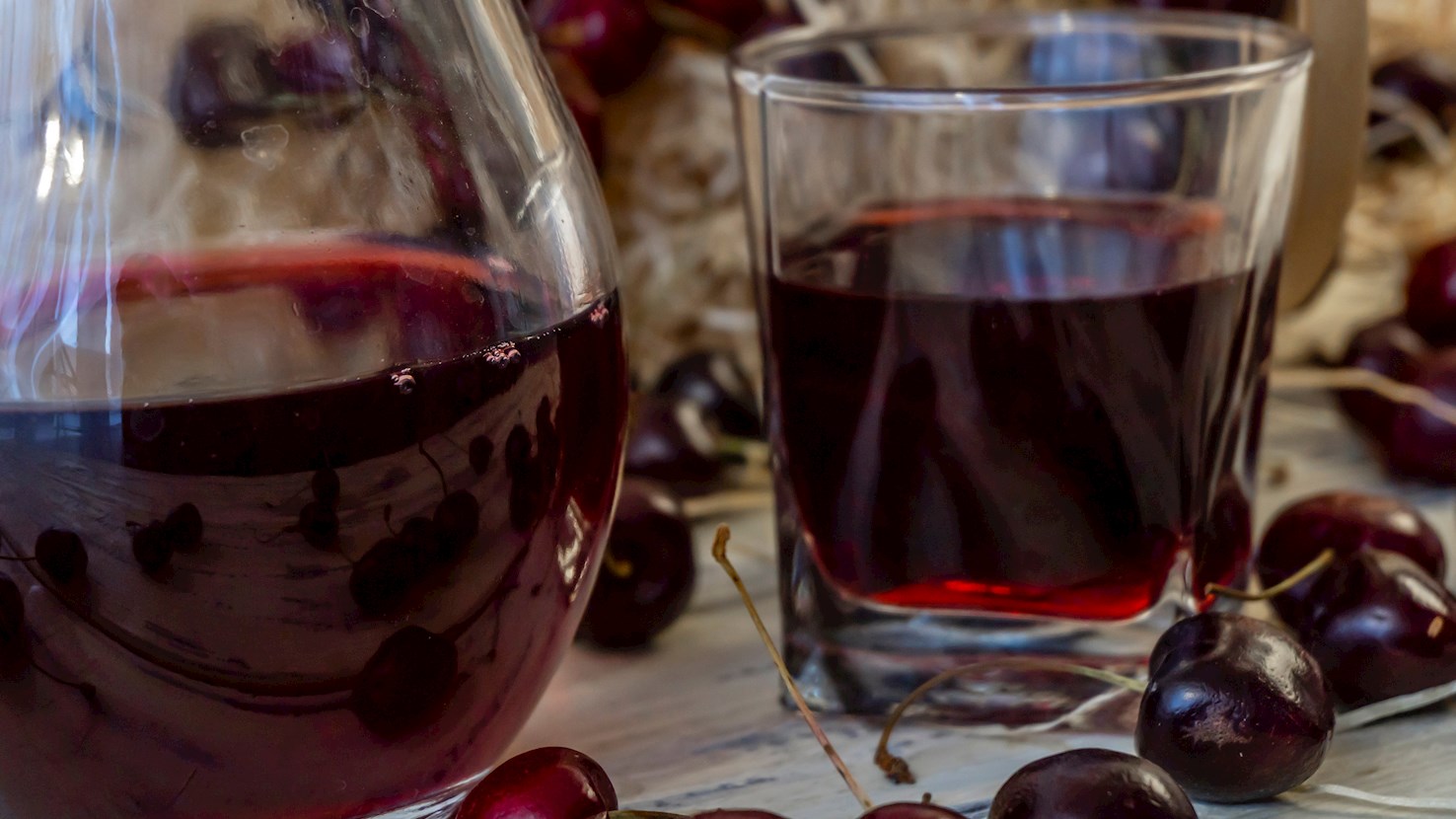
Raki thanit is a traditional alcoholic beverage made by people from the Shala community in the Shala region in Northern Albania. This local spirit is made by fermenting the rather acidic, dark ruby-red fruits of the wild Cornelian cherry (Cornus mas), called thana in the local language, that are typically gathered from midsummer to late summer. After fermenting in wooden barrels for one or two months, the fruits are distilled to make the spirit. The production of homemade raki, including raki thanit, has been an integral part of the tradition and culture of the local community - and Albania in general. Unlike other varieties of Albanian raki, this variety is not intended for everyday consumption because it's enjoyed only on special occasions.
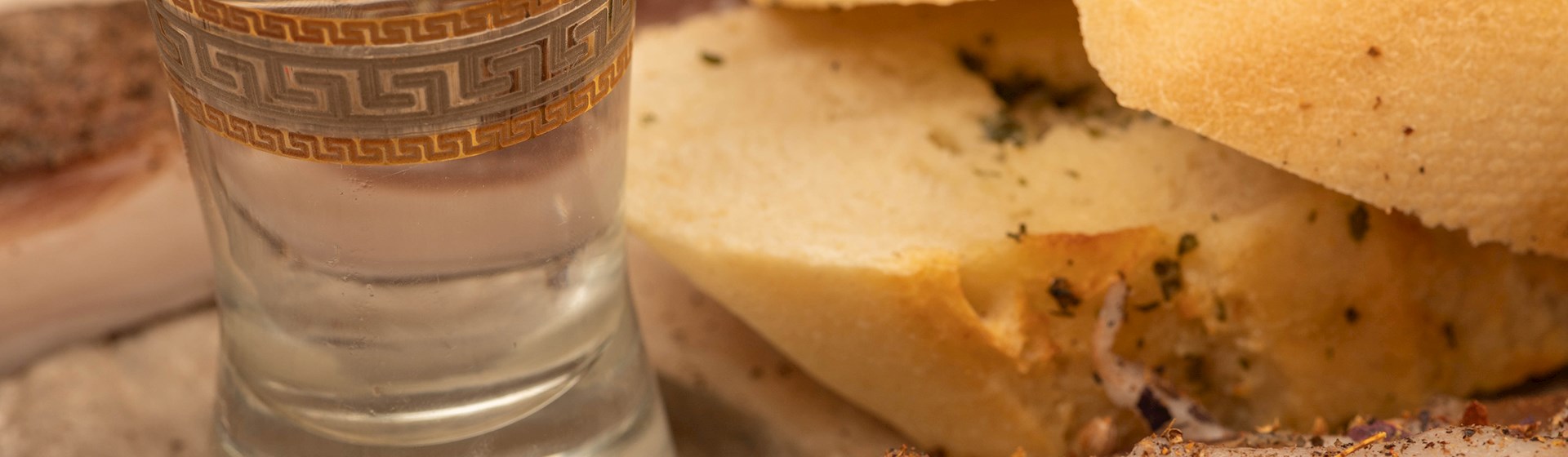
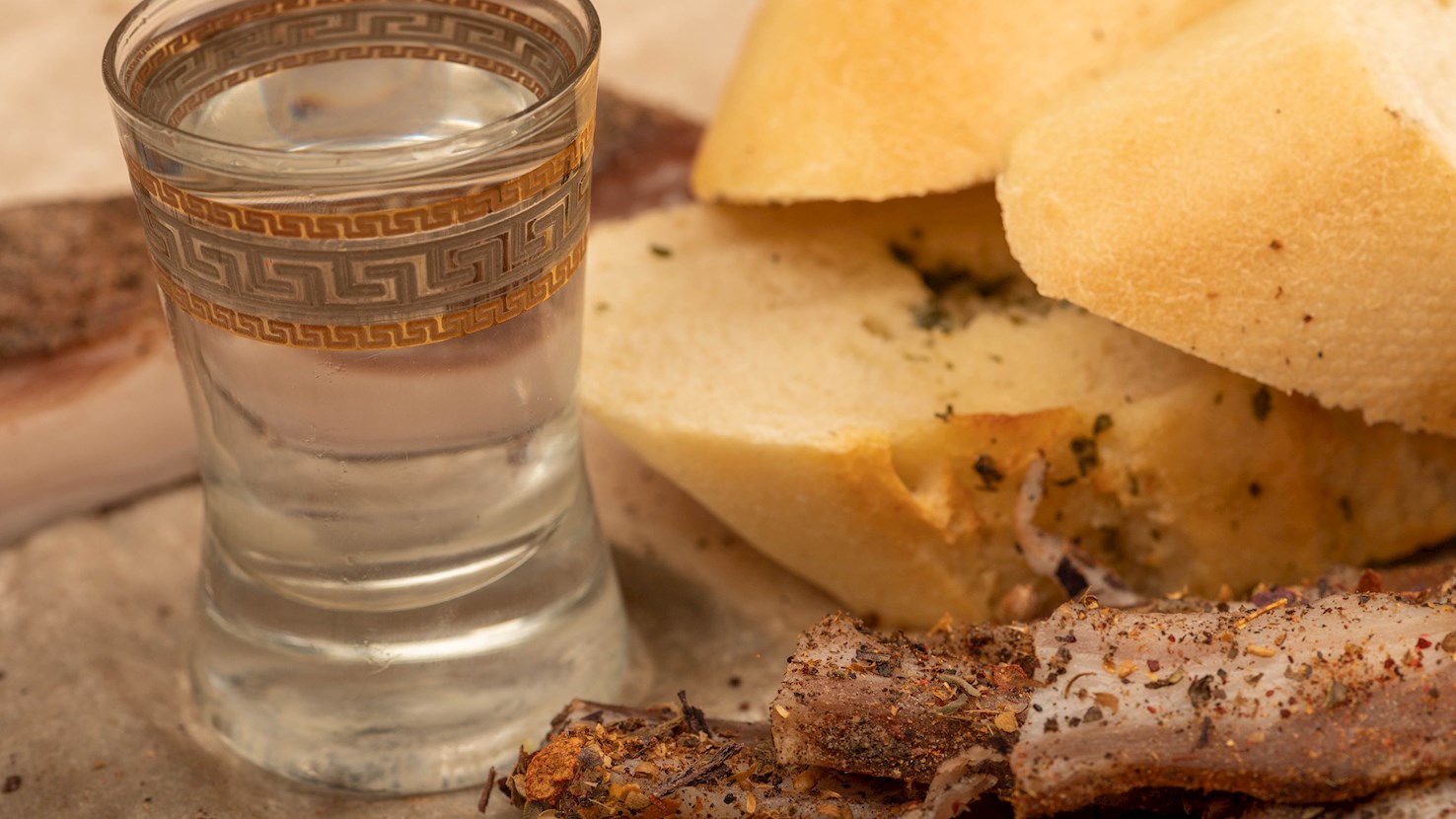
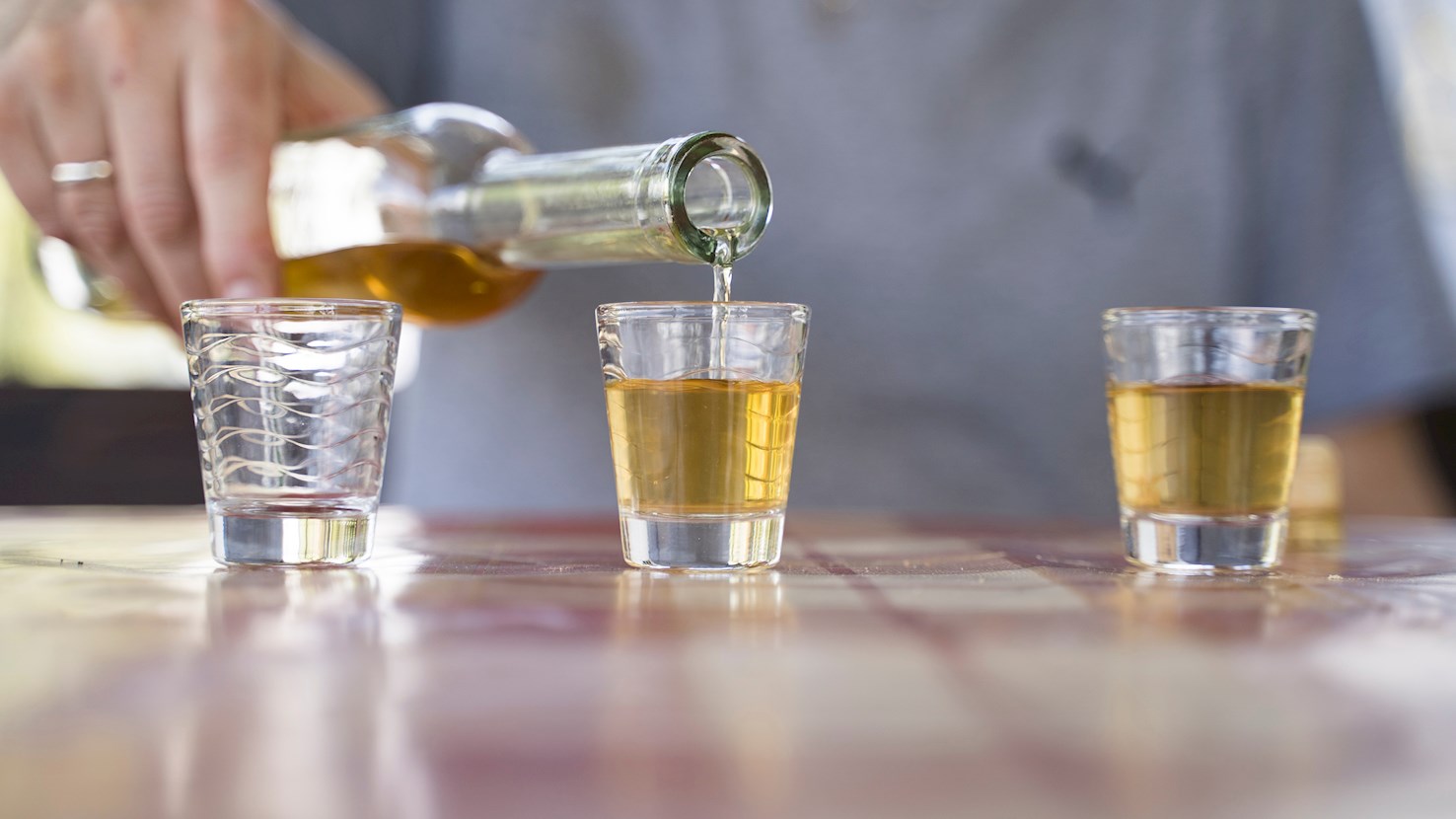
Rakija is a universal term used for various fruit brandies produced in several Balkan countries (Southeast Europe). This strong spirit is distilled from different fruit and is sometimes additionally flavored or used as a liqueur base. The most common versions are made from plums (šljivovica), Williams pear (viljamovka), quinces (dunjevača), apricots (kajsijevača), apples (jabukovača), grapes (lozovača/komovica), and many more. Rakija has present in the region for centuries. It is mainly associated with Croatia, Serbia, Bosnia, Montenegro, and North Macedonia. Although fruit brandies are produced in other European countries and regions, in the Balkans, rakija is a household name and has a large following among all generations. This potent spirit typically falls between 40% to 60% ABV. It is usually served neat, preferably well chilled, in a shot glass. Rakija is primarily a social beverage meant to be consumed with friends or as a welcome drink. Locals also like to believe that rakija is a terrific health remedy, and they use it boosts their immune system or ease any minor medical problems. Rakija can be in the form of a pure distilled spirit, but sometimes it is flavored with herbs and fruits. Many producers often use rakija as a liqueur base, but although these liqueurs are often labeled as rakija—such as orahovac made with walnuts or honey-flavored medica—they are technically liqueurs and not fruit brandies. Although rakija holds a reputation as a crude and harsh drink, many producers try to break away from its traditional image and create exceptional labels, which they promote as savoring and sipping drinks.
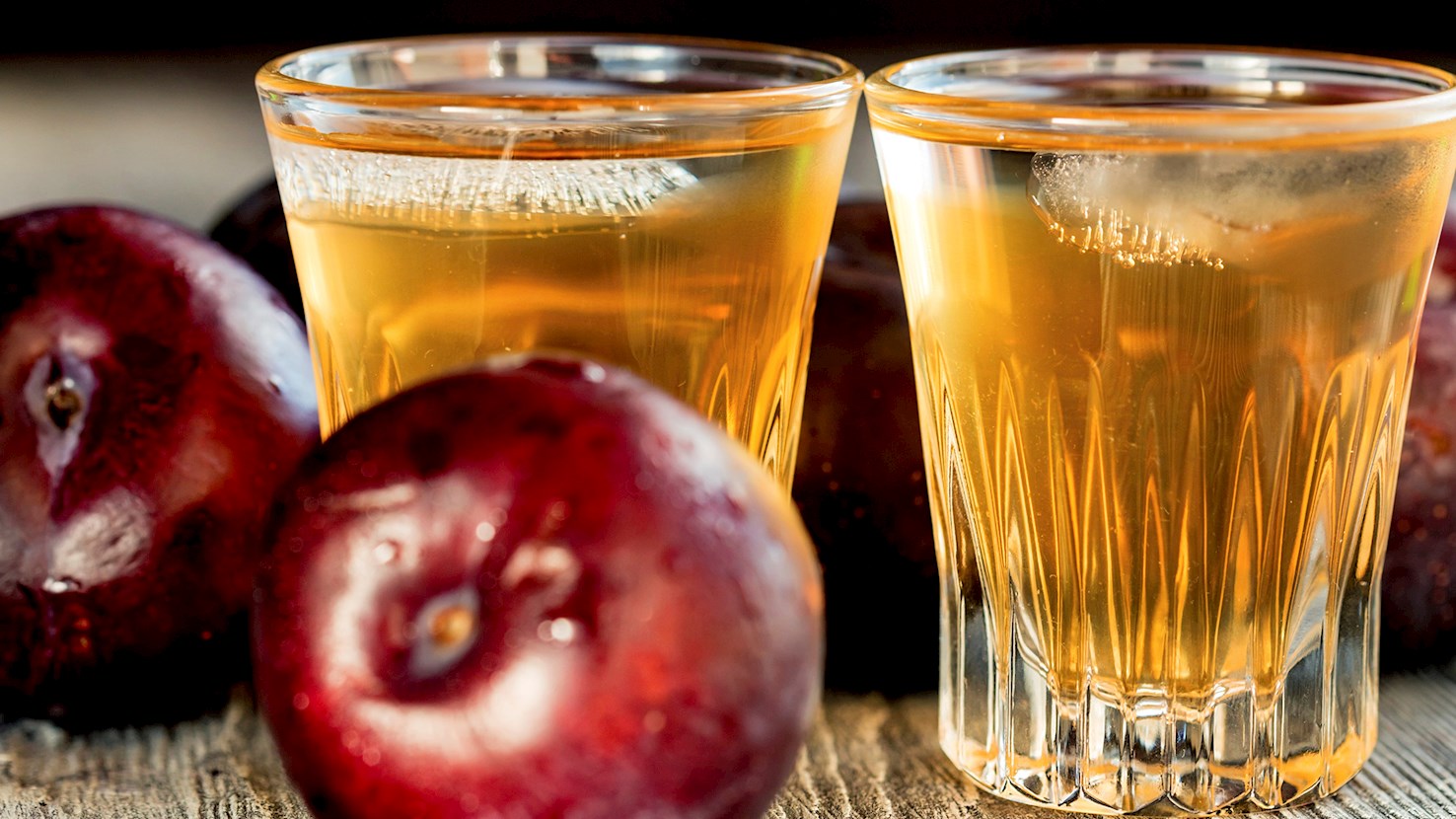
Cherry plum raki is a traditional alcoholic beverage that has been exclusively prepared by the Shala community living in the Shala Valley in Northern Albania. To make the beverage, the local population gathers the small reddish-purple fruits of the cherry plum (Prunus cerasifera) when ripened, which are then mashed and allowed to ferment in wooden barrels for up to three weeks before being distilled in a big copper pot. In Albania, the production of homemade raki, including cherry plum raki, has long been a family tradition. This distilled spirit is typically consumed daily and during various social and festive occasions. Cherry plum raki is produced only for personal consumption and is not available commercially.
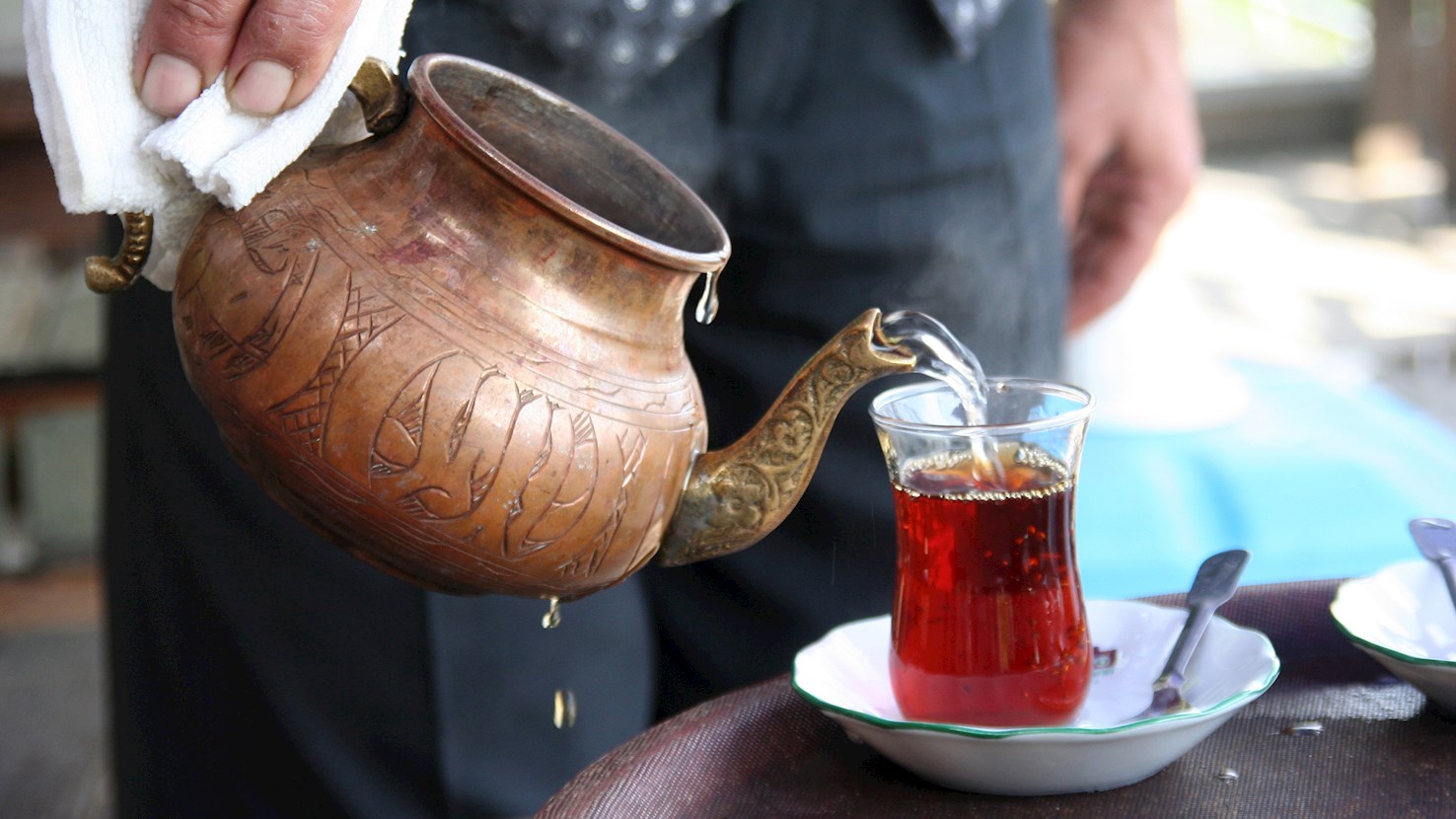
Wild lily (Lilium martagon), Turk’s cap lily, or Martagon lily, known locally as bar tamthi, has traditionally been gathered in early to mid-summer from the alpine meadows by the Kelmendi community in Lëpushë, a mountainous village situated in the Northern Albanian Alps. Distinguished by beautiful, turban-like flowers, this wild plant has been harvested for its bulbs and leaves, which are dried and used to prepare traditional teas, infusions, and decoctions. Regarded as "herb of the liver" in traditional medicine, the plant’s bulbs are believed to help with various liver diseases and digestion problems.
Produced traditionally by people from the Gorani community in Albania, Kosovo, and Macedonia, sok is a fermented, gassy beverage that's either non-alcoholic or has a very low alcohol content. To produce the drink, the fruits are allowed to ferment inside sealed bottles or jars under anaerobic conditions. A wide range of wild or cultivated fruits and berries gathered from the mountainsides by the local population can be used in the production of this beverage, including bilberries, blackberries, blueberries, cherries, rosehips, juniper berries, wild pears, plums, damsons, raspberries, sour cherries, hawthorn, crab apples, cherry plums, and sloe. Sugar and lemon juice can alternatively be added to the drink to promote fermentation and gas production. Aside from being enjoyed as refreshing drinks, these fruit beverages are also appreciated for their healing properties and are often used in traditional medicine as remedies for various health problems. For instance, the beverage made with juniper berries is believed to be beneficial for kidney issues, thirst, and cystitis.
Rrushi vlosh is a grape variety from southern Albania, most closely linked to the region around Vlorë and the surrounding coastal hills, where it is grown for both table use and wine production. It is a dark-skinned grape known for its deep pigmentation, firm tannins, and ability to handle the warm, dry Adriatic climate that shapes viticulture in this part of the country. The variety has been maintained in family vineyards for generations, especially in villages south of Vlorë, where growers continued planting cuttings from existing vines rather than relying on imported cultivars, which allowed the grape to preserve characteristics tied directly to the local terrain and weather patterns. Preparation for wine begins with harvesting fully ripened clusters during late summer or early autumn, crushing them with skins intact, and fermenting the must in stainless steel tanks, barrels, or glass demijohns depending on the producer’s scale. The thick skins provide notable color extraction, giving the wine a dense hue even with moderate maceration. Its firm tannins and moderate acidity make it suitable for short to medium aging, and smaller producers bottle the wine in limited quantities for regional sale. The grape also appears on the table as fresh fruit in some households, appreciated for its robust skin and concentrated flavor. One feature that sets it apart from many other Albanian grapes is its stability under heat and variable rainfall, which makes it reliable in areas where summers can be intense. Rrushi vlosh wines are consumed mainly in southern Albania, both in private homes and in small eateries that emphasize local ingredients. They are commonly served with grilled lamb, beef stews, roasted vegetables, and salty cheeses that balance the grape’s tannic edge. When eaten fresh, the grapes are often paired with nuts, mild cheeses, and simple breads. As a wine, it works well with dry red varieties from nearby regions, and it pairs smoothly with rustic Albanian dishes, cured meats, and hearty appetizers that match its depth and structure.
TasteAtlas food rankings are based on the ratings of the TasteAtlas audience, with a series of mechanisms that recognize real users and that ignore bot,
nationalist or local patriotic ratings, and give additional value to the ratings of users that the system recognizes as knowledgeable.
TasteAtlas Rankings should not be seen as the final global conclusion about food. Their purpose is to promote excellent local foods,
instill pride in traditional dishes, and arouse curiosity about dishes you haven’t tried.
The initial list of top producers was compiled based on available reviews, awards, local recommendations, media and blog coverage, and consumer reviews.
The list will be updated with ratings from TasteAtlas local ambassadors and TasteAtlas users.




What People Say