shutterstock

Top 4 Belarusian Beverages

Last updated on June 04, 2026

Best Belarusian Beverages
01

Manufacturing Company Syabry LLC

4.8 ·
Awards
ISC-International Spirits Challenge - Gold trophy (2021, 2019, 2018)
IWSC- International wine & spirit competition - Spirit Gold (2019)
02

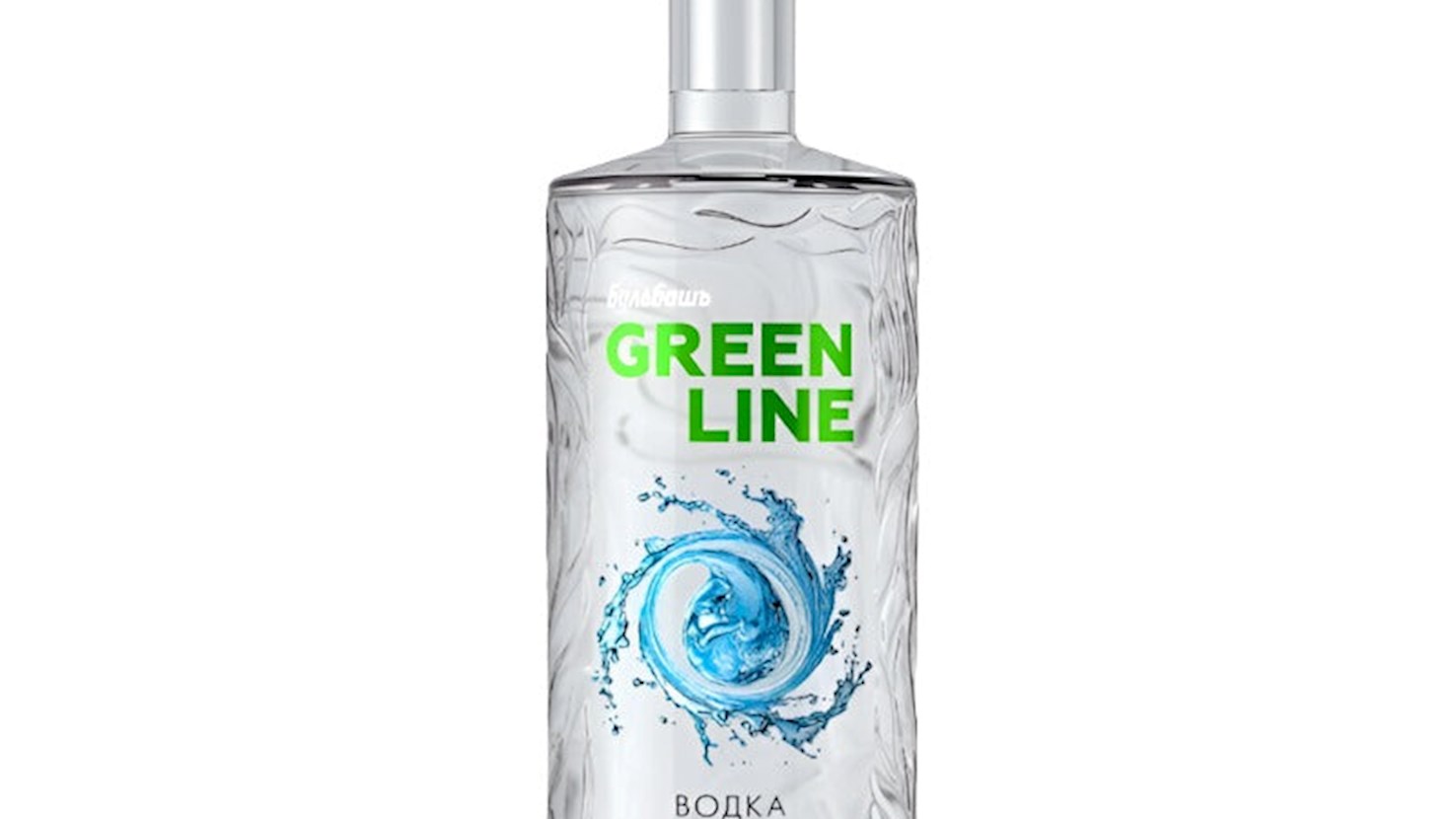
Bulbash Zavod Llc.

4.8 ·
Awards
ISC-International Spirits Challenge - Gold trophy (2018, 2014)
03

JSC Minsk Grape Wines Factory

4.8 ·
Awards
ISC-International Spirits Challenge - Gold trophy (2013)
04

Malanka

4.7 ·
Malanka is an independent craft brewery from Minsk, Belarus, founded in 2019 by three passionate homebrewers - Jury Plieskačeŭski, Viačaslaŭ Radzivonaŭ, and Andrej Vasin. Their shared experience in experimenting with small batches and their desire to offer something truly different to the local scene led to the creation of a brewery that quickly stood out for its authentic approach. The name “Malanka”, which translates to “lightning”, symbolizes energy, speed, and intensity, while also carrying deeper etymological connections to concepts such as the mill, flour, and grains - the fundamental elements of the brewing craft. From the very beginning, Malanka has defined its identity through innovation and exploration of diverse styles, ranging from fruity and creamy hazy milkshake IPAs to rich, complex imperial stouts, and spontaneous fermentations that rely on wild yeasts from the surrounding environment to impart a distinct terroir. Malanka does not approach production as an industrial process but as a craft endeavor in which each batch has its own character and story, making them a recognizable player not only on the Belarusian but also on the international craft beer scene.
Awards
Untappd - 4.0
Untappd - 4.1

Best Belarusian Beverage Types

01

Kvass

3.9 ·

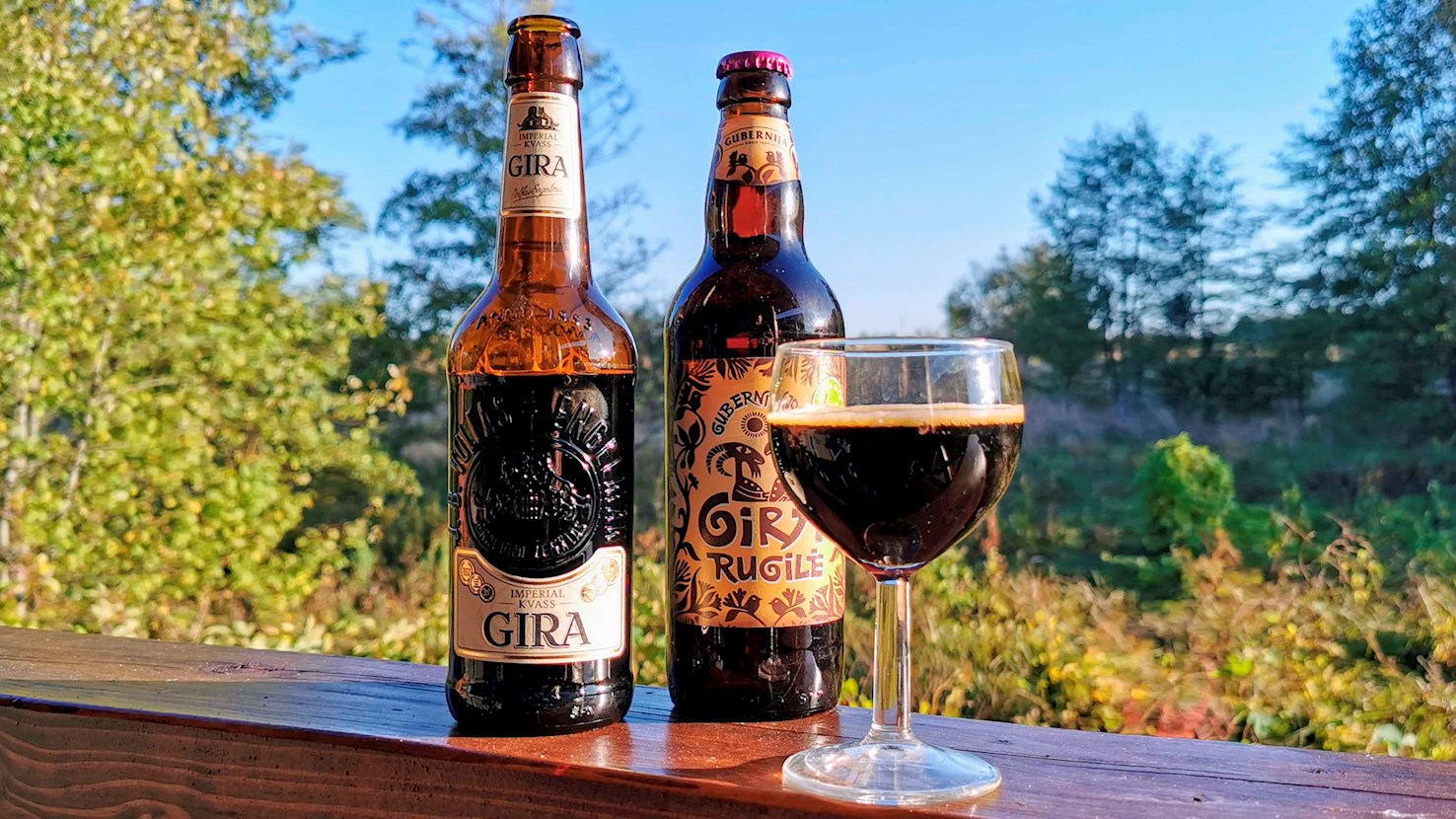
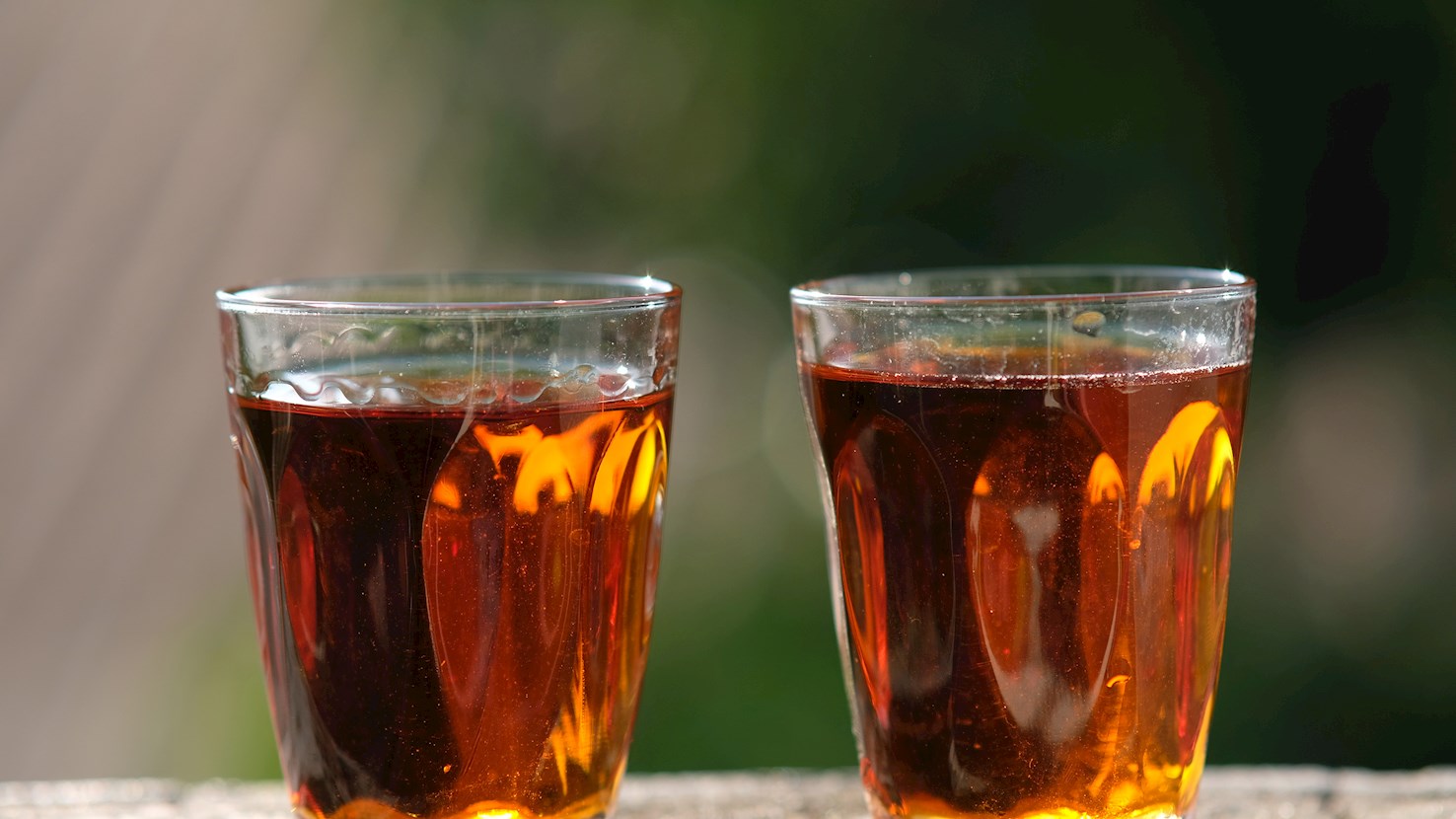
Kvass is an ancient, traditional Russian beverage made from buckwheat meal, wheat, rye, rye bread, or barley, but it can be made from any ingredient that can be fermented. It has a relatively low alcoholic content (from 0,7-2.0 %) as a result of the natural fermentation process, but it is classified as a non-alcoholic beverage in Russia. Some versions, especially commercial brands that are sometimes artificially fermented, do not contain alcohol. The origins of kvass are associated with Kievan Rus', a federation that eventually became an area of three large nations: Russians, Belarus, and Ukrainians. The first written reference of kvass dates back to the 10th century, and it is presumed that by that time, the drink was enjoyed by most Slavic nations in Eastern Europe. The first written mention in English dates back to the 16th century when kvass was at the peak of its popularity. Through history, kvass became popular among all social classes, and during the Cold War, it was commonly enjoyed in Eastern Europe and some Baltic states. Nowadays, kvass is rarely sold by street vendors, and it is mostly available as a bottled drink. Kvass is malty, refreshing, subtly sour, lightly fizzy, and typically amber or golden in color. It is best served chilled when the weather is hot, and it can be additionally flavored with various fruits such as strawberries or raspberries.

02

Krambambula

3.3 ·

Krambambula is a Belarusian cocktail made with a combination of red wine and different types of liquor such as rum, vodka, or gin. The drink has also been declared the national beverage of Belarus. There are numerous recipes for Krambambula because wine can be mixed with any stronger liquor, depending on personal preferences. In some areas, there are even commercially produced versions of this cocktail. It is believed that the name Krambambula is derived from the Old High German word chranawita, meaning croaker timber, a.k.a. juniper, and the Rotwelsch word blamp, denoting an alcoholic beverage.

03

Starka

3 ·

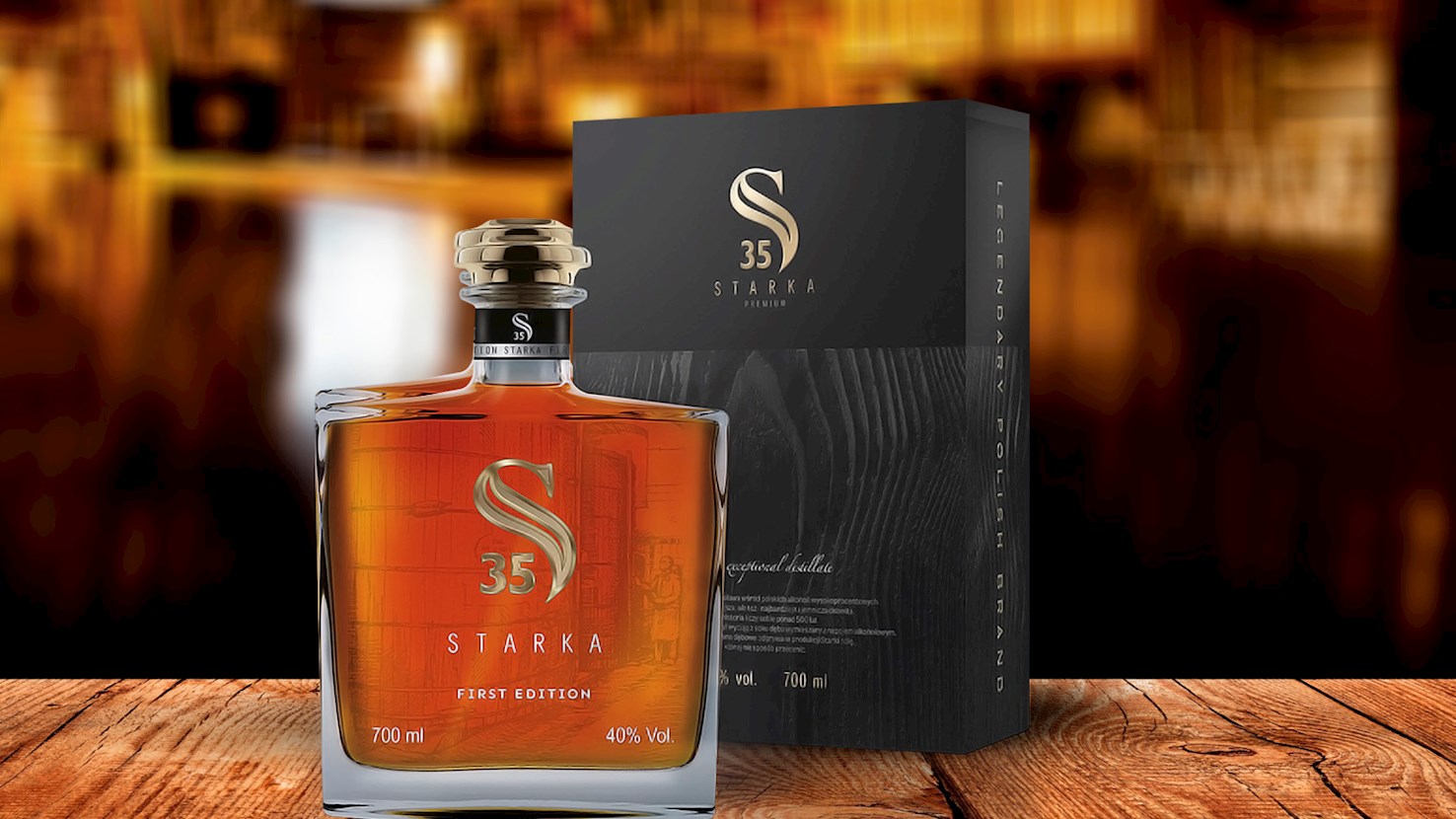
Starka is an alcoholic beverage that is usually based on rye spirit. It dates back to the 15th century, and it is traditionally associated with Poland, Lithuania, and Belarus. Its origin is mostly connected to Polish noble families who would bury and age a distillate in wooden barrels to commemorate the birth of a child. Starka was only consumed on special occasions, most commonly on the child’s wedding day. Nowadays, most varieties of this old drink are made from a rye distillate and a number of secret ingredients, while the best versions are still aged in oak barrels. The aging period can range from a couple up to several decades for the best examples. Oak-aging will give provide caramel color, and it will allow the drink to develop finer flavors, as well spicy and fruity notes reminiscent of vanilla, wood, and dried fruit. Starka is sold in various grades—which are defined by the length of maturation. It should be noted that some producers do not use traditional techniques and add flavorings to a rye distillate. This flavored version is usually of low-quality and cheaper than oak-aged varieties.

Read more
View all
View map
About this ranking

TasteAtlas food rankings are based on the ratings of the TasteAtlas audience, with a series of mechanisms that recognize real users and that ignore bot, nationalist or local patriotic ratings, and give additional value to the ratings of users that the system recognizes as knowledgeable. For the “Top 4 Belarusian Beverages” list until June 04, 2026, 357 ratings were recorded, of which 272 were recognized by the system as legitimate. TasteAtlas Rankings should not be seen as the final global conclusion about food. Their purpose is to promote excellent local foods, instill pride in traditional dishes, and arouse curiosity about dishes you haven’t tried.

The initial list of top producers was compiled based on available reviews, awards, local recommendations, media and blog coverage, and consumer reviews. The list will be updated with ratings from TasteAtlas local ambassadors and TasteAtlas users.

Similar lists