Húnán mǐjiǔ is a type of rice wine originating from the Hunan province, known for its mild sweetness, low alcohol content, and smooth character. It is made from glutinous rice fermented with a starter culture known as qū, a process that converts the starches into sugars and alcohol over time. The beverage has been produced in the region for centuries, with its roots linked to household brewing practices and local festivals, where rice wine played a role in seasonal celebrations, family gatherings, and offerings. Over time, its production evolved from small-scale home fermentation to more refined artisanal methods, yet it still retains a deeply local identity, often reflecting the distinct rice varieties and fermentation techniques unique to Hunan’s humid climate and agricultural landscape. The preparation involves soaking and steaming glutinous rice until tender, cooling it, and mixing it with qū before leaving it to ferment in a sealed container for several days to weeks. The resulting liquid is lightly filtered, yielding a translucent, slightly cloudy drink that is both aromatic and subtly warming. It can be consumed fresh, which results in a sweeter and more delicate flavor, or aged for a deeper, more complex profile. Unlike stronger grain-based spirits, Húnán mǐjiǔ is typically enjoyed at lower alcohol levels, making it versatile as both a casual drink and a culinary ingredient. It is often served slightly warmed or at room temperature, particularly during meals and festive occasions, and it appears frequently in cooking, where its sweetness enhances the depth of sauces and marinades. In some parts of Hunan, it is even incorporated into desserts or served with sticky rice dishes, highlighting its adaptability. Pairings usually lean toward lightly seasoned poultry, steamed fish, or vegetable dishes, as the subtle profile of the wine complements rather than overwhelms. While rice wine exists in many regions of China, the Hunan version is particularly prized for its balance of gentle sweetness and aromatic complexity, reflecting the local palate and culinary heritage.
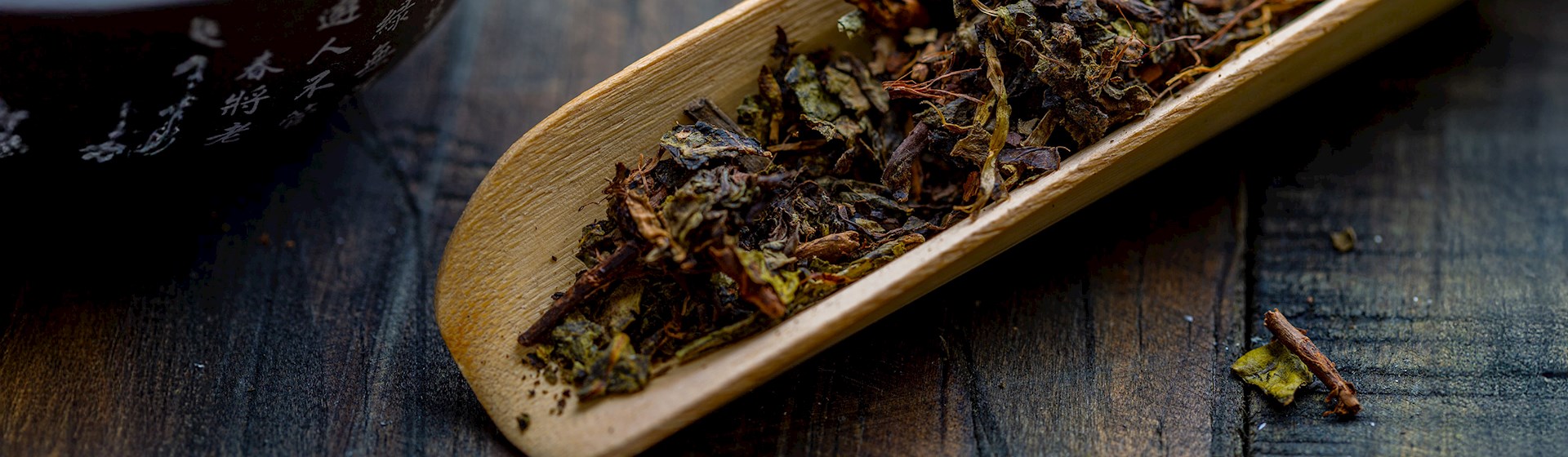
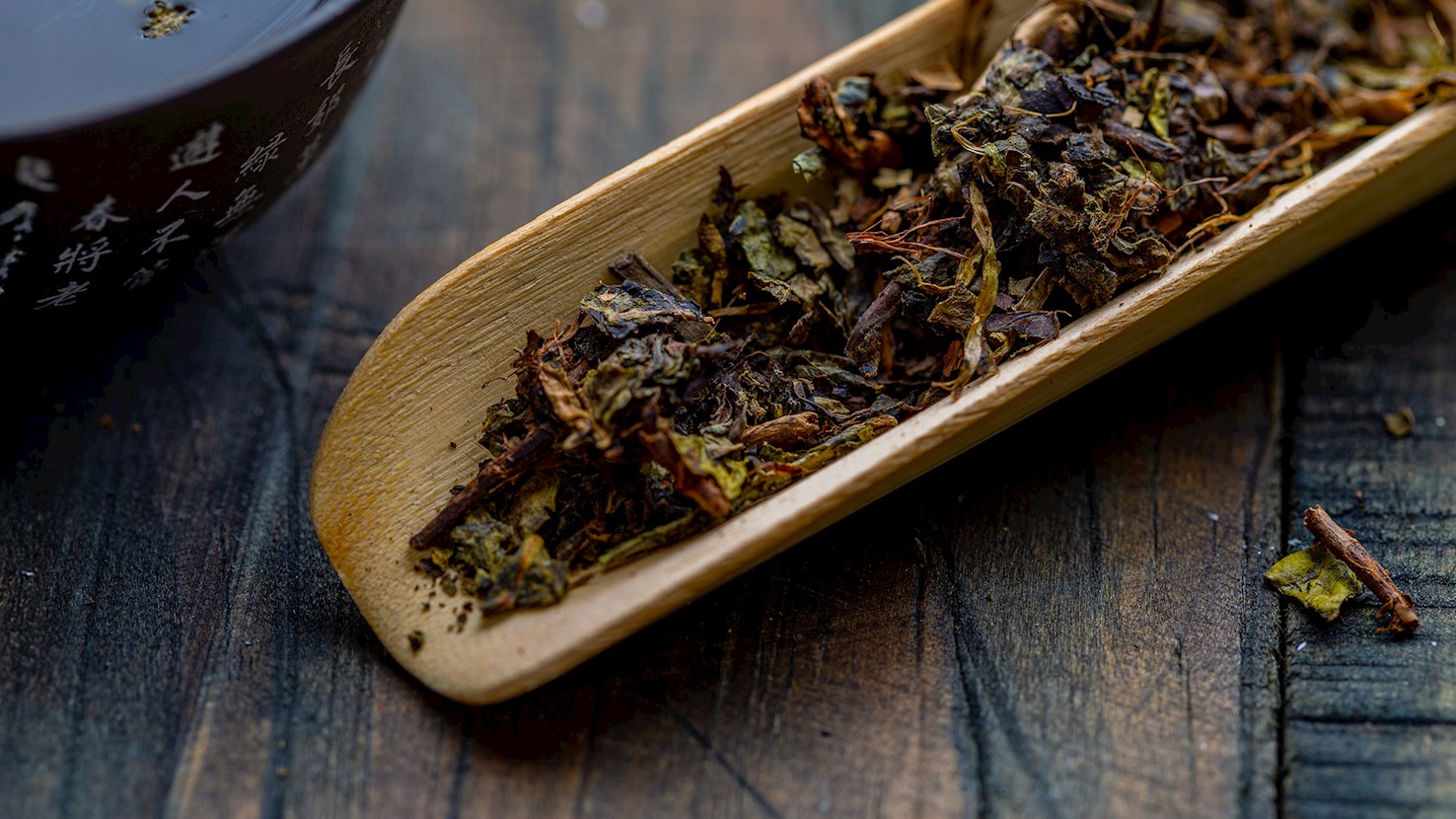
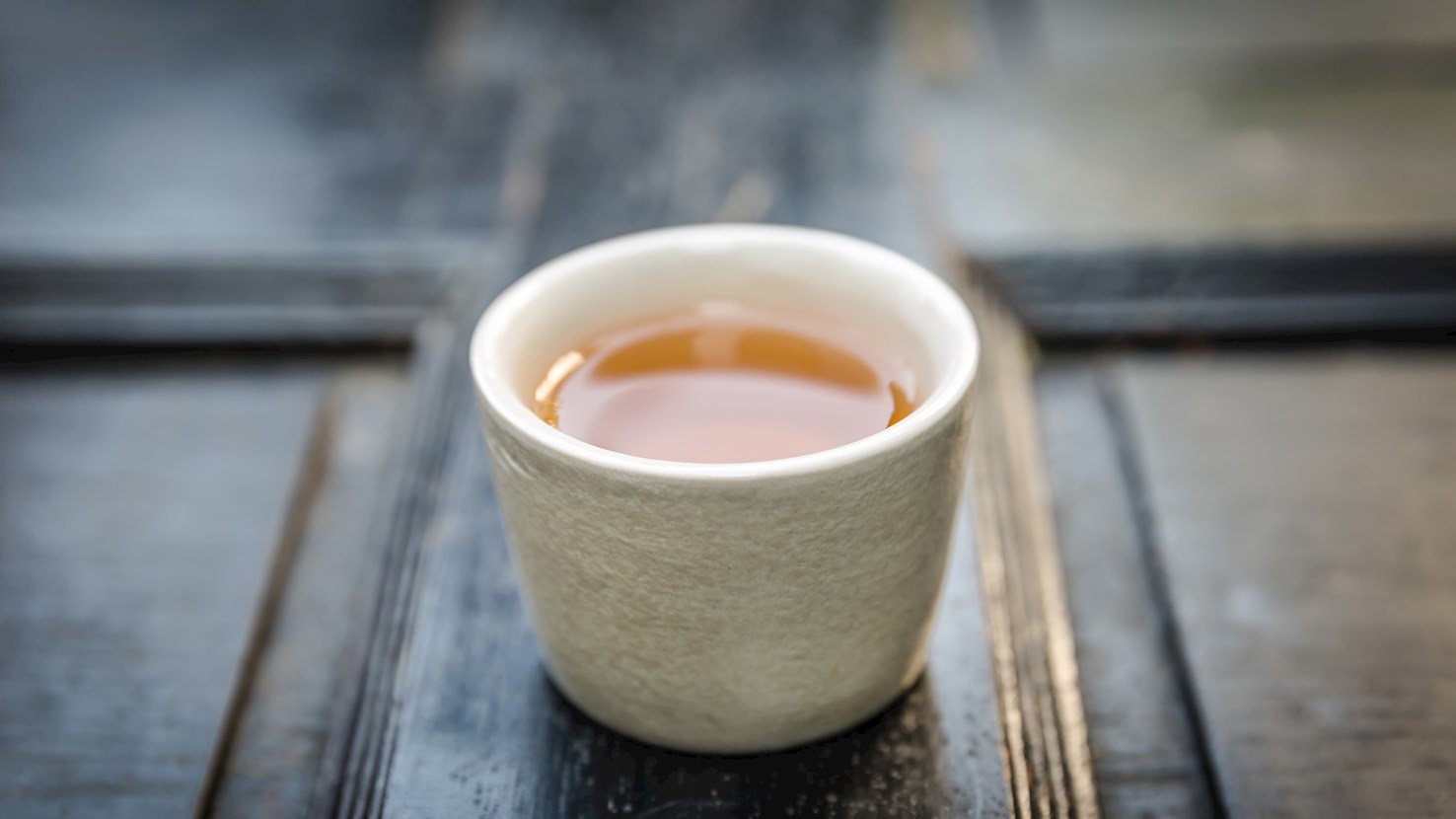
Ānhuà hēichá is a type of dark tea produced in Anhua County, a region known for its humid climate, rich soils, and mist-covered mountains that create ideal conditions for tea cultivation and fermentation. This tea belongs to the category of fermented or post-fermented teas, meaning it undergoes microbial transformation after initial processing, which develops its characteristic deep color, earthy aroma, and mellow flavor over time. It has been an integral part of daily life in central and western China for centuries and is particularly associated with the tea cultures of minority regions in western China and along historic trade routes. The making of dark tea in Anhua can be traced back more than a thousand years, when it was produced as a staple beverage for long-distance trade to Tibet, Xinjiang, and Inner Mongolia, where its rich, restorative qualities were valued in cold climates and high altitudes. It became a key commodity along the Ancient Tea Horse Road, often compressed into bricks for easier transport and storage, and was frequently exchanged for horses and livestock. Over time, Anhua dark tea gained a reputation not only as a practical beverage but also as one linked to health and vitality, and it was widely consumed by herders, nomadic peoples, and farmers in remote areas. The production of Ānhuà hēichá is a complex process that sets it apart from other Chinese teas. Fresh tea leaves are withered, pan-fired, and rolled before undergoing a unique fermentation stage, where controlled moisture and temperature encourage the growth of specific microorganisms. This microbial activity gradually transforms the tea’s chemical composition, deepening its color, softening its astringency, and creating a smooth, rich, and slightly sweet profile. The tea is often aged for months or even years, during which its flavors continue to mature, gaining complexity and depth. It is commonly formed into bricks, logs, or discs, which not only enhance aging but also reflect its historical role as a traded good. Today, Ānhuà hēichá remains popular in western and northern China and has gained recognition among tea enthusiasts worldwide for its complexity and longevity. It is often brewed in clay pots or large kettles and served in small cups, sometimes blended with milk or salt in Tibetan and Mongolian regions. It pairs well with fatty meats, dairy-based foods, and rich stews, as its earthy, slightly sweet flavor cuts through richness and complements hearty dishes.
Jūnshān yínzhēn is a rare and highly regarded yellow tea originating from Junshan Island in Dongting Lake, located in Hunan province. It is one of the most celebrated teas in the country, produced exclusively from the delicate buds of the tea plant harvested in early spring. The name, which translates to “Junshan silver needle,” refers to the tea’s slender, silvery buds, which are covered in fine down and brew into a bright golden liquor. Its cultivation and production are deeply tied to the unique microclimate of Junshan Island, where the humid air, misty conditions, and fertile soil create ideal growing conditions that cannot easily be replicated elsewhere. The cultivation and appreciation of this tea stretch back over a thousand years. Historical records show that it was once reserved for imperial courts and offered as tribute to emperors, prized for its refined aroma, clear liquor, and complex flavor. Over the centuries, its production remained limited due to the small size of Junshan Island and the labor-intensive process required to make it, which contributed to its status as one of China’s rarest teas. It also became associated with local culture and poetry, often referenced as a symbol of purity and refinement in classical literature. Producing Jūnshān yínzhēn is a meticulous process. Only the tender, unopened buds are handpicked during a brief window in early spring. These are then carefully withered, pan-fried, and steamed before undergoing a unique slow yellowing process, in which the leaves are gently wrapped and allowed to oxidize slightly. This step gives the tea its characteristic mellow sweetness and golden hue, setting it apart from green teas made from similar buds. The finished tea has a smooth, layered flavor profile, with floral, honeyed, and subtly fruity notes balanced by a clean, refreshing finish. The visual experience is an essential part of enjoying this tea. When steeped in glass, the buds stand upright in the water before slowly sinking, a quality often appreciated during formal tea ceremonies. Jūnshān yínzhēn is typically drunk without any additions, allowing its delicate flavors to shine, and it pairs well with lightly flavored dishes such as steamed fish, fresh fruit, or subtle pastries. Because of its rarity, it is often reserved for special occasions, gifted as a sign of respect, or served as part of ceremonial tea gatherings, where its history and craftsmanship are as valued as its taste.
TasteAtlas food rankings are based on the ratings of the TasteAtlas audience, with a series of mechanisms that recognize real users and that ignore bot,
nationalist or local patriotic ratings, and give additional value to the ratings of users that the system recognizes as knowledgeable.
TasteAtlas Rankings should not be seen as the final global conclusion about food. Their purpose is to promote excellent local foods,
instill pride in traditional dishes, and arouse curiosity about dishes you haven’t tried.




What People Say