
shutterstock

Top 32 Korean Beverages

Last updated on July 01, 2026

Best Korean Beverage Types

01

Sujeonggwa

3.9 ·

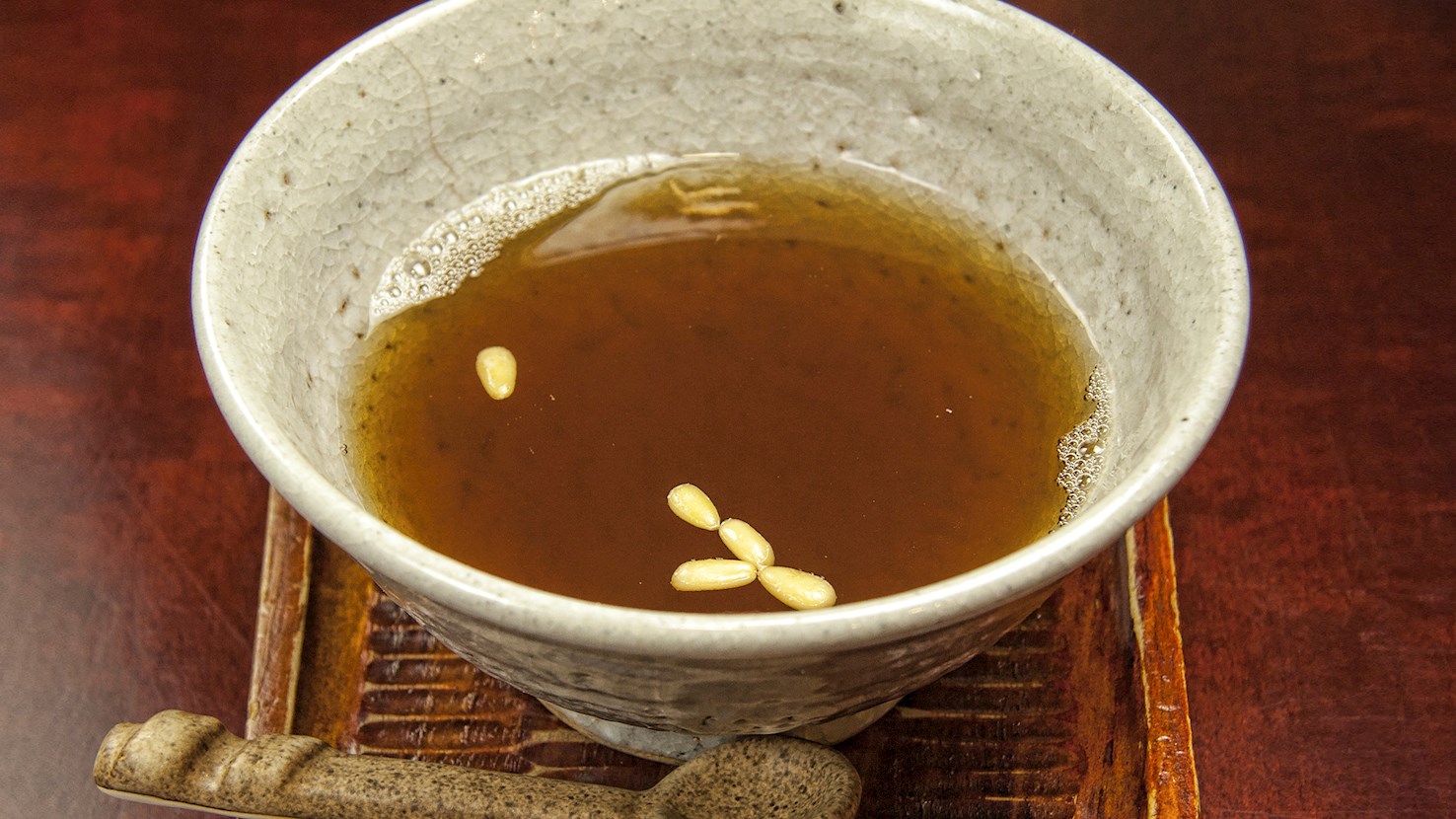
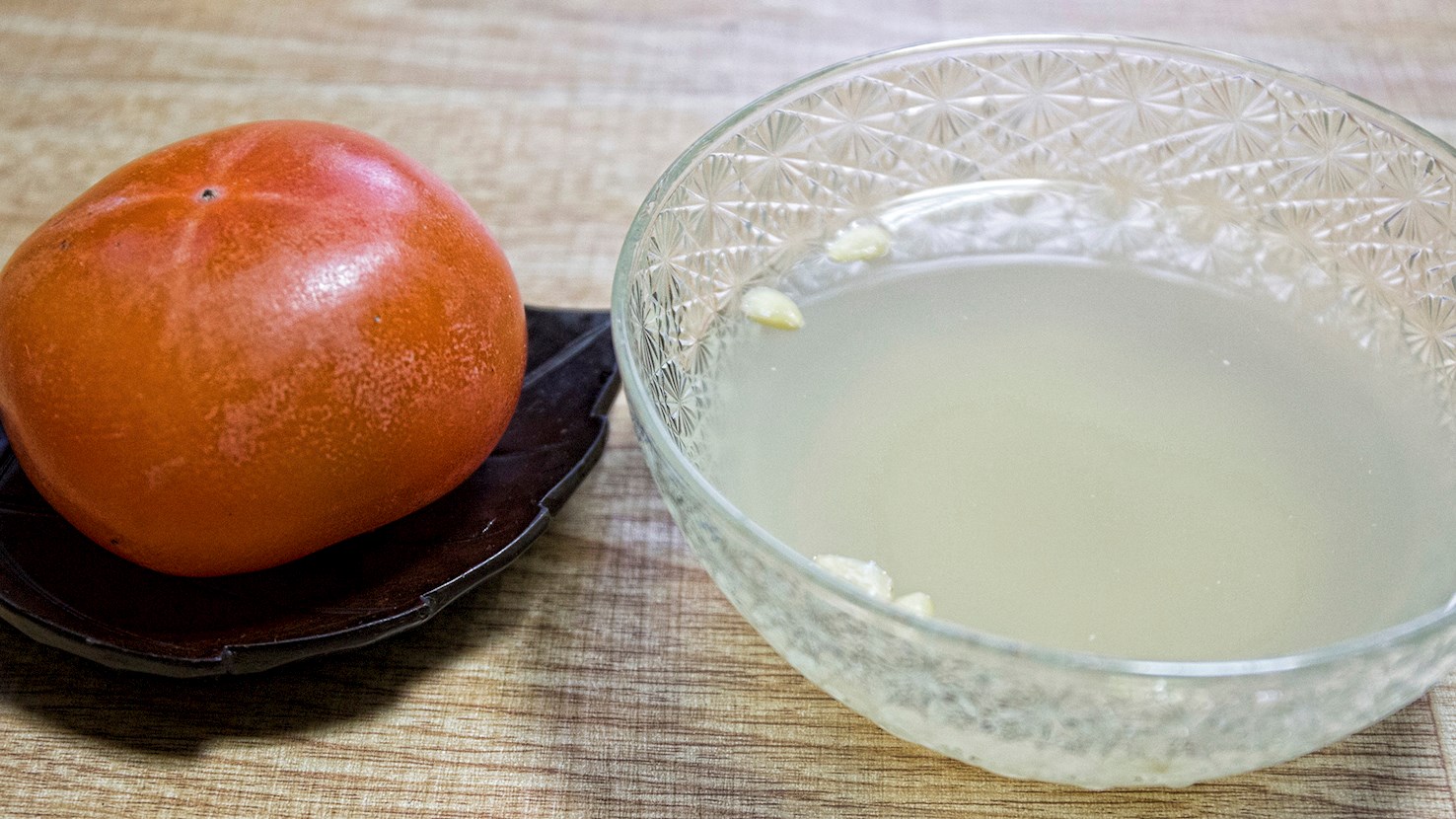
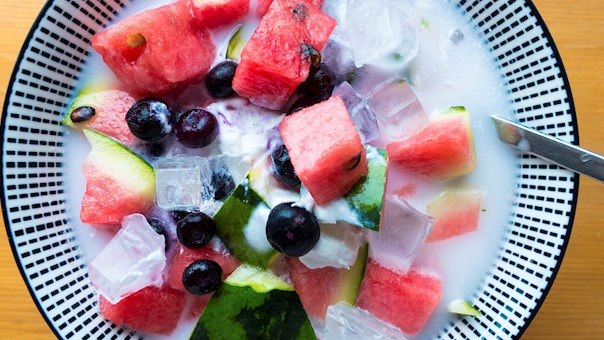
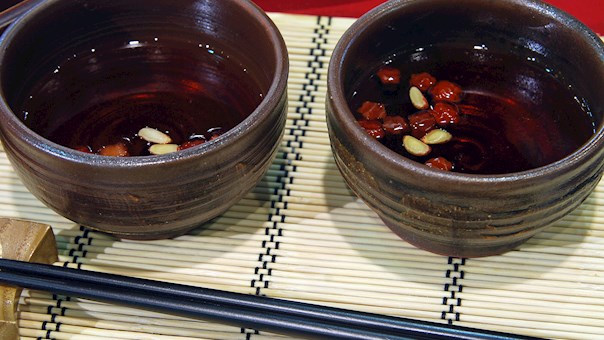
Also known as Korean cinnamon punch, sujeonggwa is a popular traditional dessert drink consumed during the Korean festive holidays alongside with sikye (sweet rice drink). It is known to aid indigestion which is why it’s often served with a large meal. It's made from water, dried persimmon, and cinnamon and has a dark brown color with a sweet and spicy aroma coming from the ginger and can be served both hot or cold. The earliest mention of this drink dates back to 1849 in the book Dongguksesigi by Hong Seok Mo (a book of seasonal customs), and it describes a drink made from the dried persimmon brew with added ginger and pine nuts.

02

Yuja-cha

3.9 ·

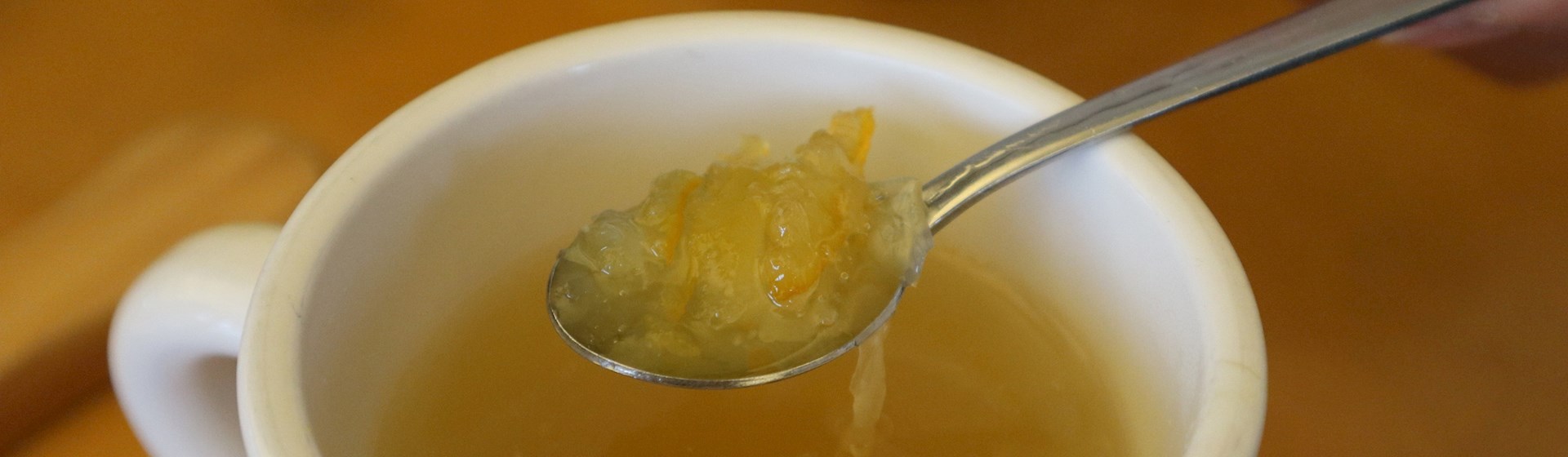
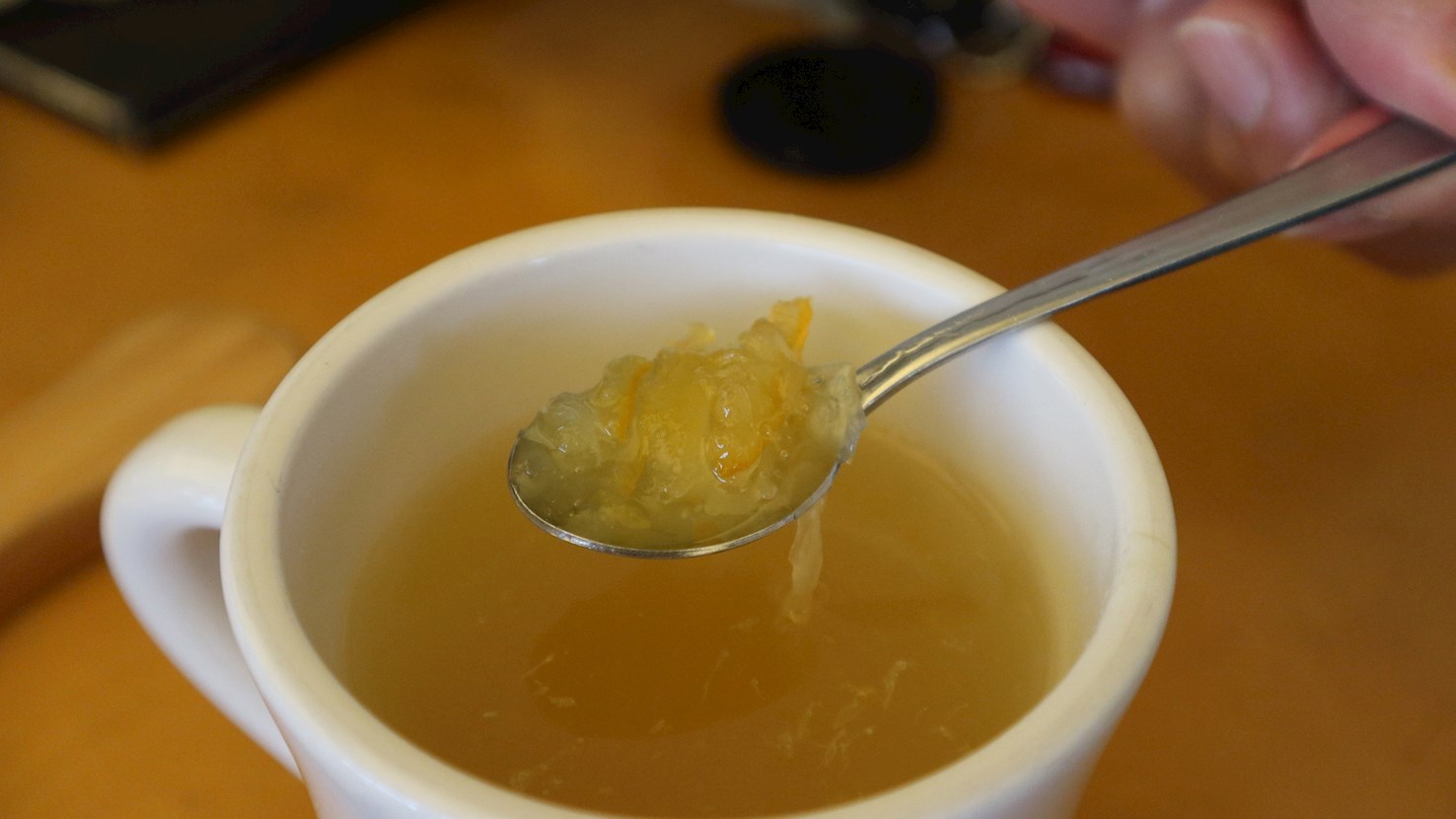
Yuja-cha is a Korean citrus infusion that is mostly enjoyed during winter. It is made with yuya—a lemon-like citrus fruit native to China that was brought to South Korea during Tang dynasty. The tea can be prepared by mixing fresh sliced fruit with sugar and then combining it with warm water. The other way is to make a fruit preserve (yuja-cheong), which usually consists of sliced yuya, honey or sugar, and water. The tea is then prepared by dissolving the preserve in water. This warming tea should be enjoyed warm and is often claimed to be a soothing health remedy.

03

Makgeolli

3.8 ·

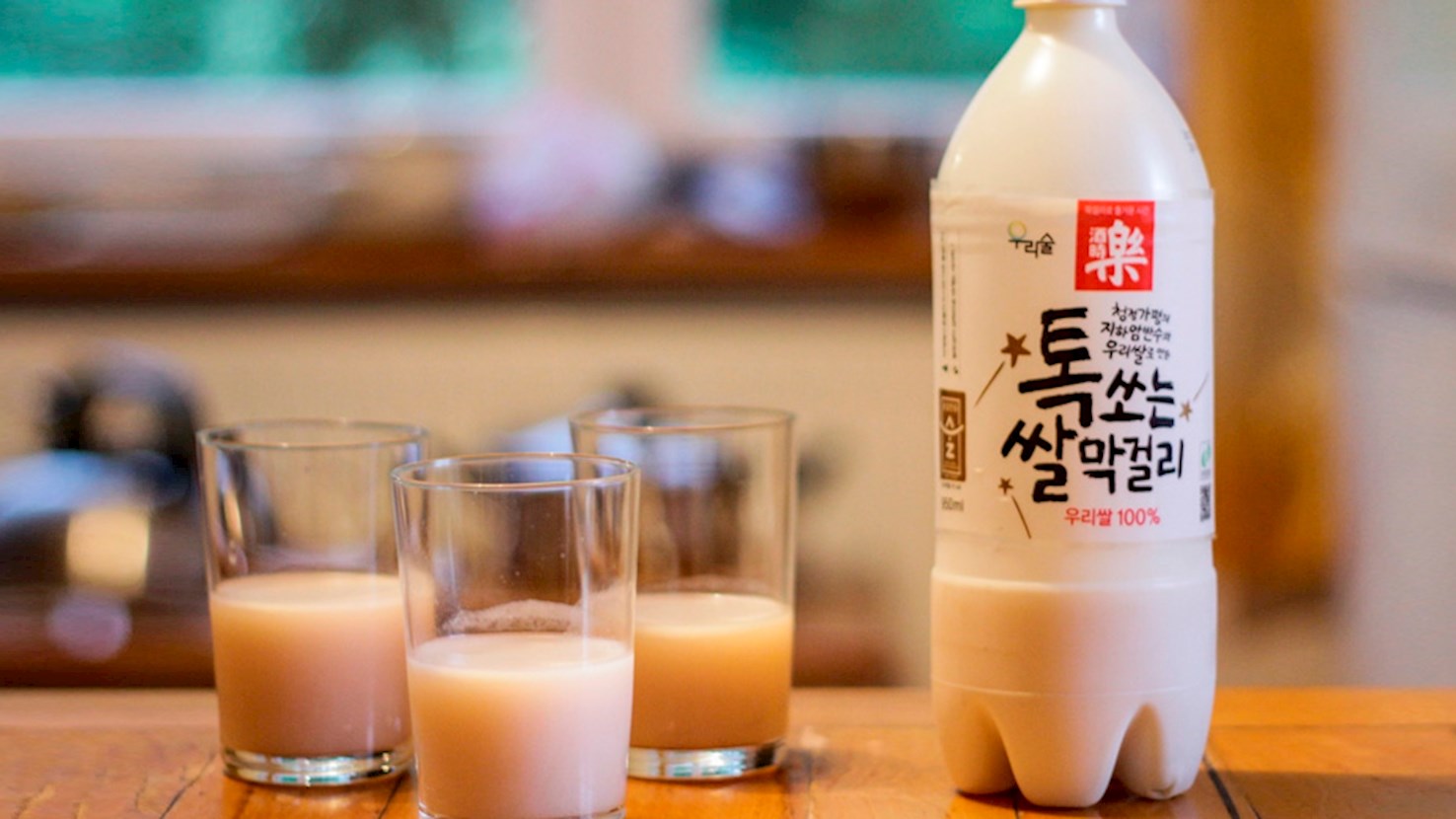
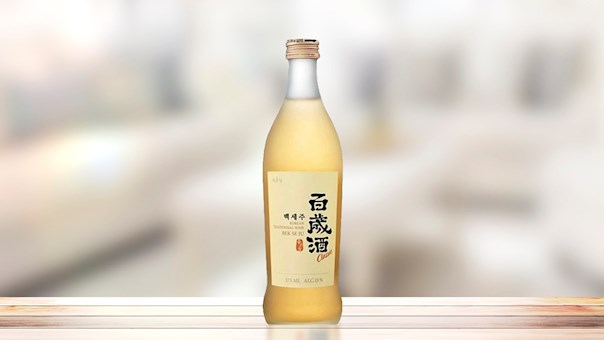
Makgeolli is the oldest Korean rice wine that dates back to the 10th century. It is usually made from rice which is fermented with nuruk—traditional Korean starter. The fermentation process produces a lightly fizzy drink with a typical milky appearance and a slightly sweet flavor. Makgeolli was the most popular Korean drink until the 1980s when it was largely overshadowed by imports, and it gained the status of a farmer’s drink (nongju). However, in the last decade, the drink has seen an increase in popularity, and it can be found in many South Korean bars. Makgeolli is best enjoyed cold and should be stirred before it is served.

04

Mugicha (Barley Tea)

3.8 ·

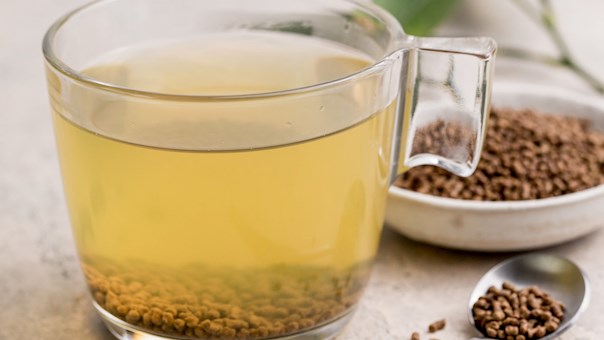
Mugicha is a Japanese name for barley tea—an infusion made by steeping roasted barley grains in hot or cold water. Technically, barley tea is a tisane, and nowadays, it is often made by using teabags consisting of roasted and ground barley. The drink has ancient origins and is enjoyed in many Asian countries. When brewed, barley tea has a light brown color and a savor, nutty and earthy flavor. It can be sweetened to preference, while the chilled, summer version is often served over ice. In China, barley tea is called dàmài-chá, and in Korea, it goes by the name boricha.

05

Dalgona coffee

3.7 ·

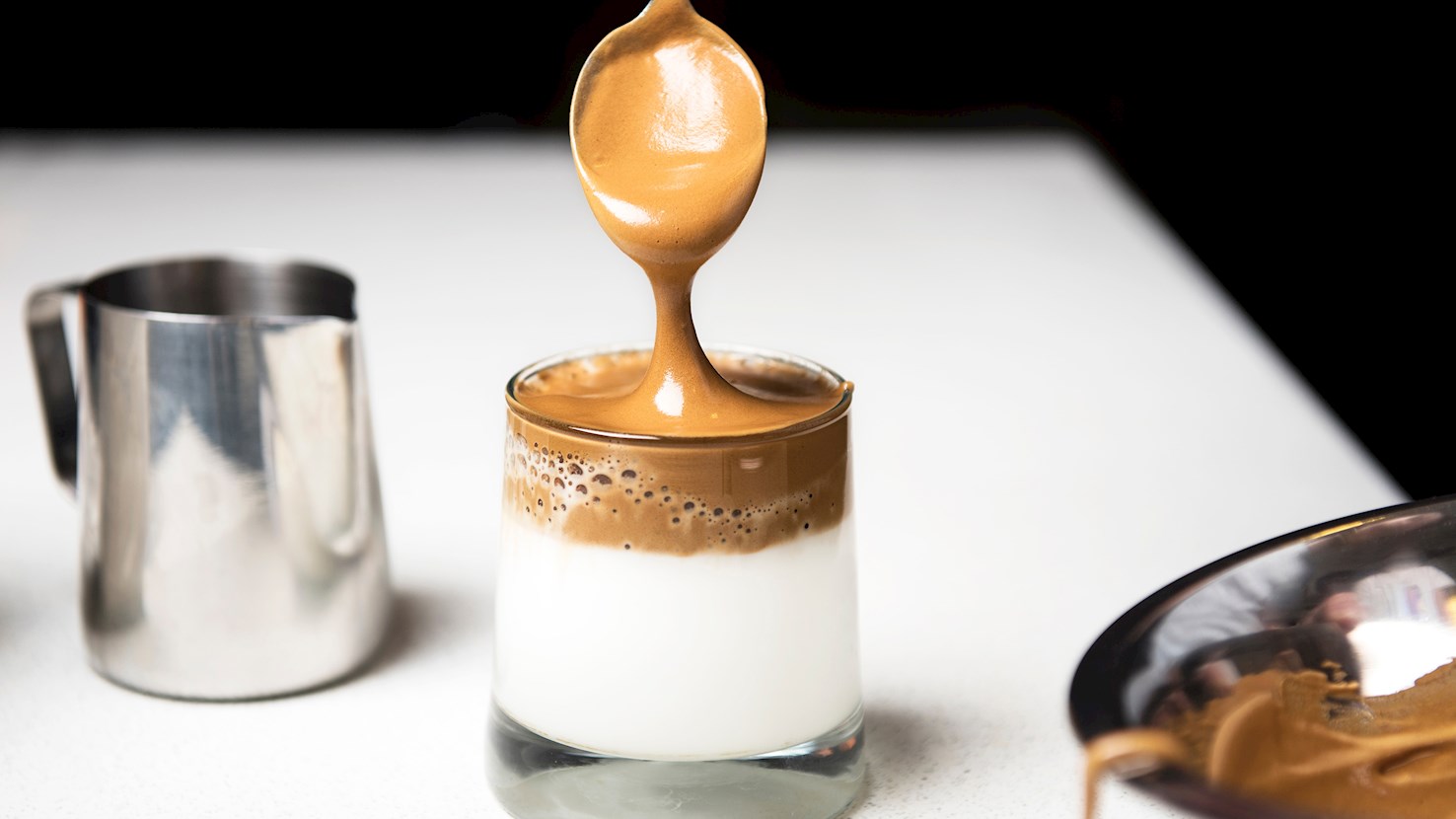
Dalgona is a frothy whipped coffee that is served on top of milk. Although it became internationally known as a South Korean beverage, similar versions are common in other Asian countries. The basic version of this coffee is made with equal parts of instant coffee, sugar, and water. The combination is then whipped until it achieves caramel-like color and foamy texture. It is then traditionally ladled on top of milk. In South Korea, the drink was introduced by an actor Jung Il-woo who first had it in Macau. The flavor and the appearance reminded him of a popular Korean street snack, named dalgona, which is made with melted sugar and baking soda. Eventually, Jung popularized the drink and gave it its current name, but this coffee-based beverage gained international success during the coronavirus pandemic in 2020. When social distancing and quarantine measures were introduced, numerous videos with do-it-yourself versions of dalgona started to appear online, primarily on YouTube and then on other platforms. Soon, the videos went viral, and dalgona became the latest food trend in the world. Although it was popularized as a South Korean creation, similar frothy coffee styles exist in other parts of the world, and they appear under various names. The version from Macau is usually associated with Hon Kee, an establishment owned by a Leong Kam Hon, and a place where Jung first encountered it. After the videos went viral, many suggested that the new coffee craze is essentially phenti hui, known as beaten or whipped coffee, which is a staple in India and Pakistan. The only difference is that phenti is prepared by pouring milk on top of frothed coffee. This alleged novel coffee style was even compared to the popular Greek frappe. Despite its dubious origin and various names, this beverage is now mostly associated with South Korea, and it will probably be remembered as the most popular drink during the coronavirus pandemic.

06

Soju

3.6 ·

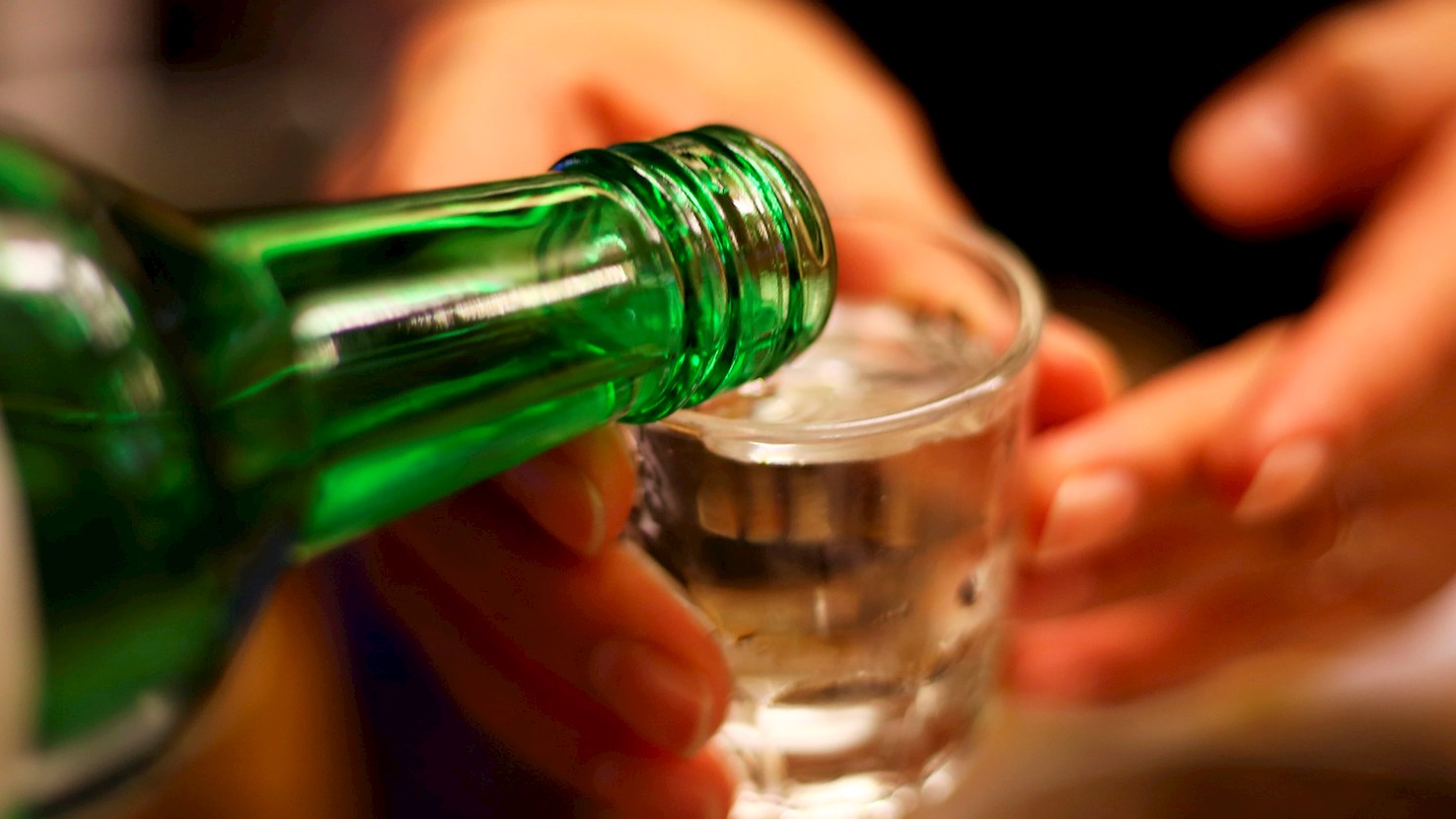
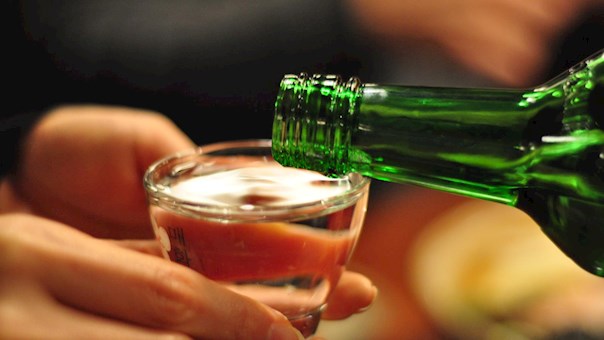
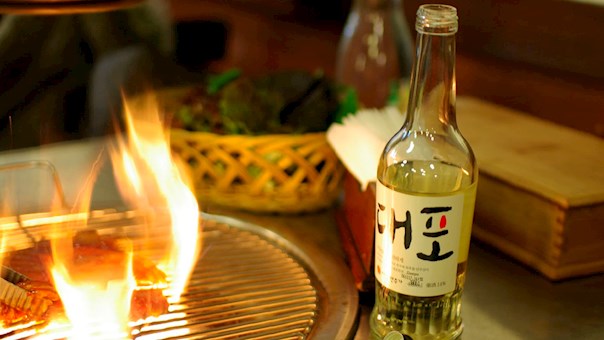
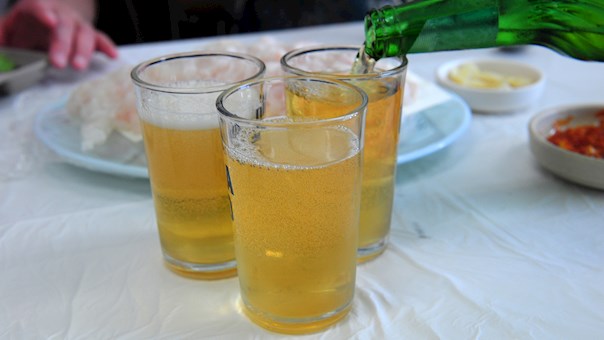
Korean soju is distilled from fermented rice, or optionally wheat, barley, sweet potatoes, or tapioca. It is believed that it initially appeared when Mongols introduced the distilling technique to the Koreans, sometime in the 13th century. The first varieties were made with rice, but in 1965 Korean government introduced a ban on using rice, and many producers looked for alternative sources. Soju is a clear spirit that is usually low in alcohol and has a mild, neutral flavor, which makes it work well with a wide array of dishes. It is usually enjoyed well-chilled, served in small traditional glasses, but Koreans also prefer to drop a shot of soju in beer. Apart from the classic type, it also comes in many fruit-flavored versions. Although it might come as a surprise, soju regularly tops the list of the best-selling drinks in the world, due to the large per capita consumption in South Korea.

07

Sikhye

3.6 ·

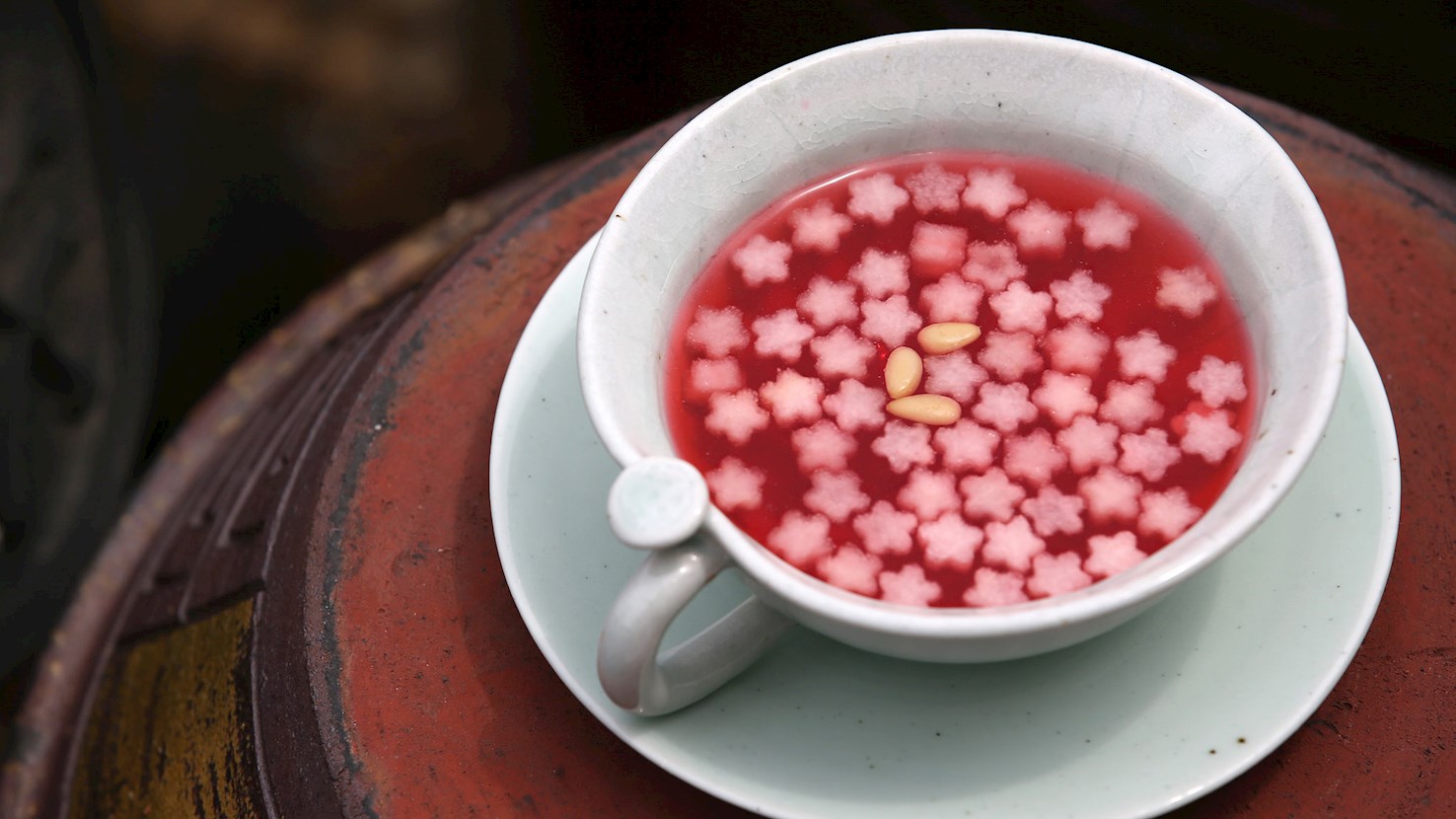
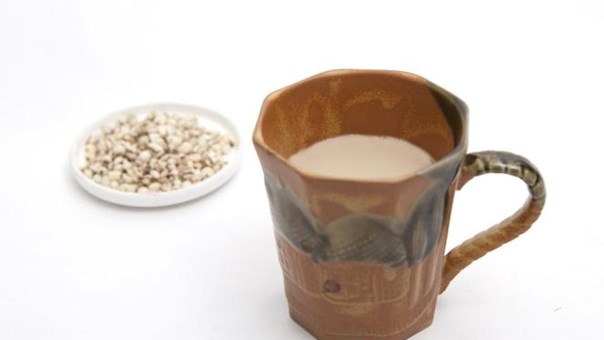
Sikhye is a traditional South Korean non-alcoholic, sweet drink made with barley malt powder (same powder used to make beer and bread), sugar, rice, and in some cases pine nuts. It has a moderately sweet flavor with a very specific flavor coming from the barley malt. The drink is traditionally consumed during Korean festive holidays ( e.g New Year’s Day and Korean Harvest Festival). The Koreans believe that sikhye is good for digestion as it contains dietary fiber and antioxidants, and it’s often served after a meal.

08

Maesil-ju

3.6 ·

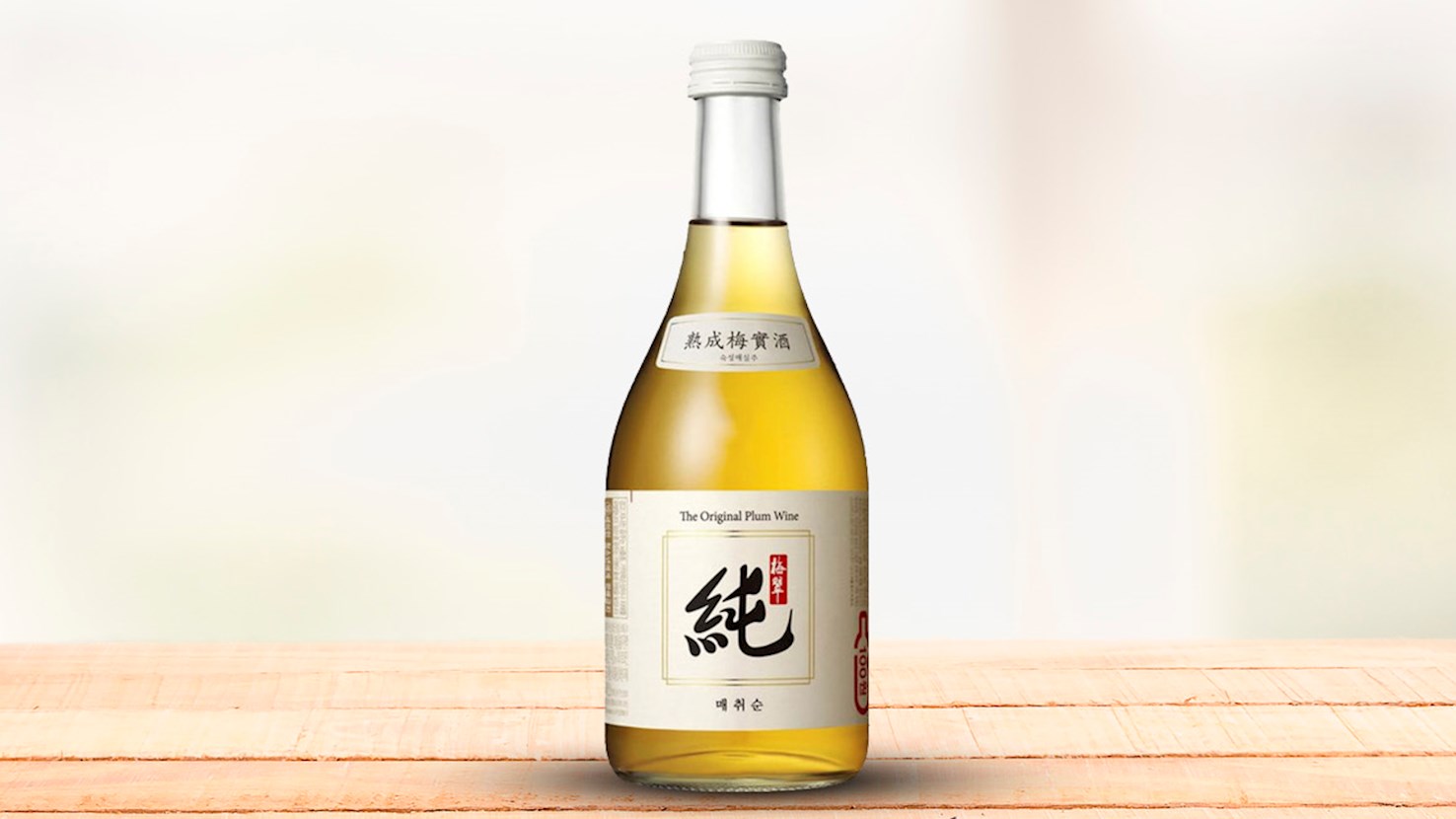
Maesil-ju is a traditional liqueur made with small-sized Asian plums (Prunus mume). Either unripe green or ripe yellow fruits can be used, sometimes even a mixture of both varieties. The drink is traditionally produced by steeping the fruit, together with sugar, in soju – traditional Korean spirit usually distilled from rice. The combination is macerated for at least several weeks until the beverage attains its distinctive golden color and bitter-sweet flavor. The fruit is usually strained, though several plums can be left inside jars or bottles. Maesil-ju is traditionally enjoyed neat, served in small shot glasses. It can pair well with seafood. The alcohol content typically varies around 14%.

09

Milkis

3.6 ·

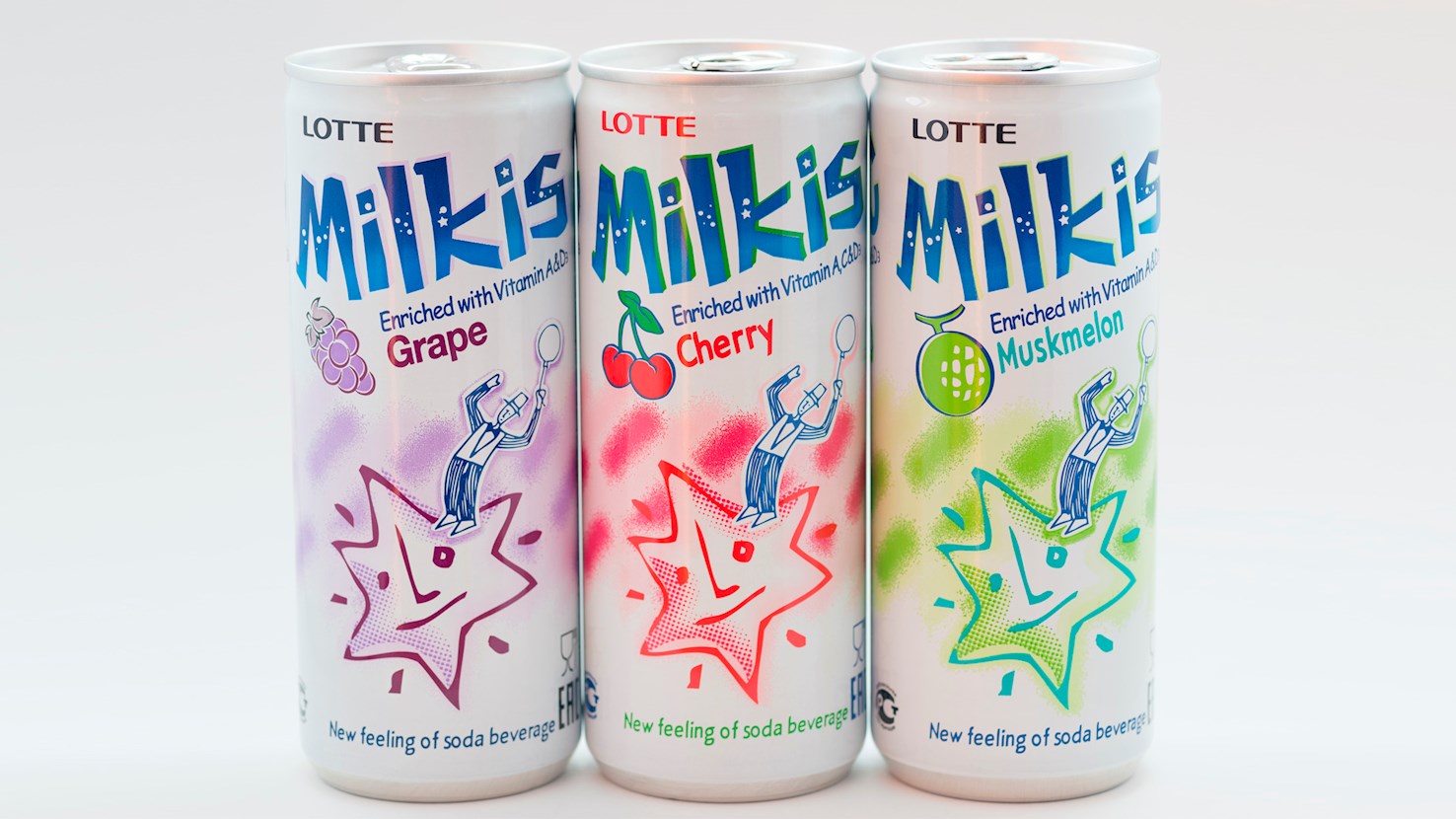
Milkis is a South Korean soft drink produced by Lotte Chilsung, a company which released the beverage in 1989, labeling it as a milk and yogurt soda. Some like to describe it as a melting mousse made with frozen yogurt. It is made with carbonated water, corn syrup, sugar, and milk. Today, Milkis is available in many varieties, flavored with mango, banana, peach, orange, strawberry, apple, or melon.

10

Omija-cha

3.5 ·

Omija-cha is a Korean infusion made with omija—five-flavor berry. Also known as schisandra or magnolia berry, these small red berries are dried before they are used to make omija tea. The berries can be boiled in hot water, which will bring out bitter flavors, but traditionally they are merely steeped in cold water. The tea is usually sweetened with sugar and honey, and it can be enjoyed warm or cold. The berries will give the drink its distinctive red hue, and they will also provide five omija flavors—hence the name of the fruit—which include saltiness, sweetness, sourness, bitterness, and pungency. Omija-cha is also promoted for its various health benefits.

Best Korean Beverages
01

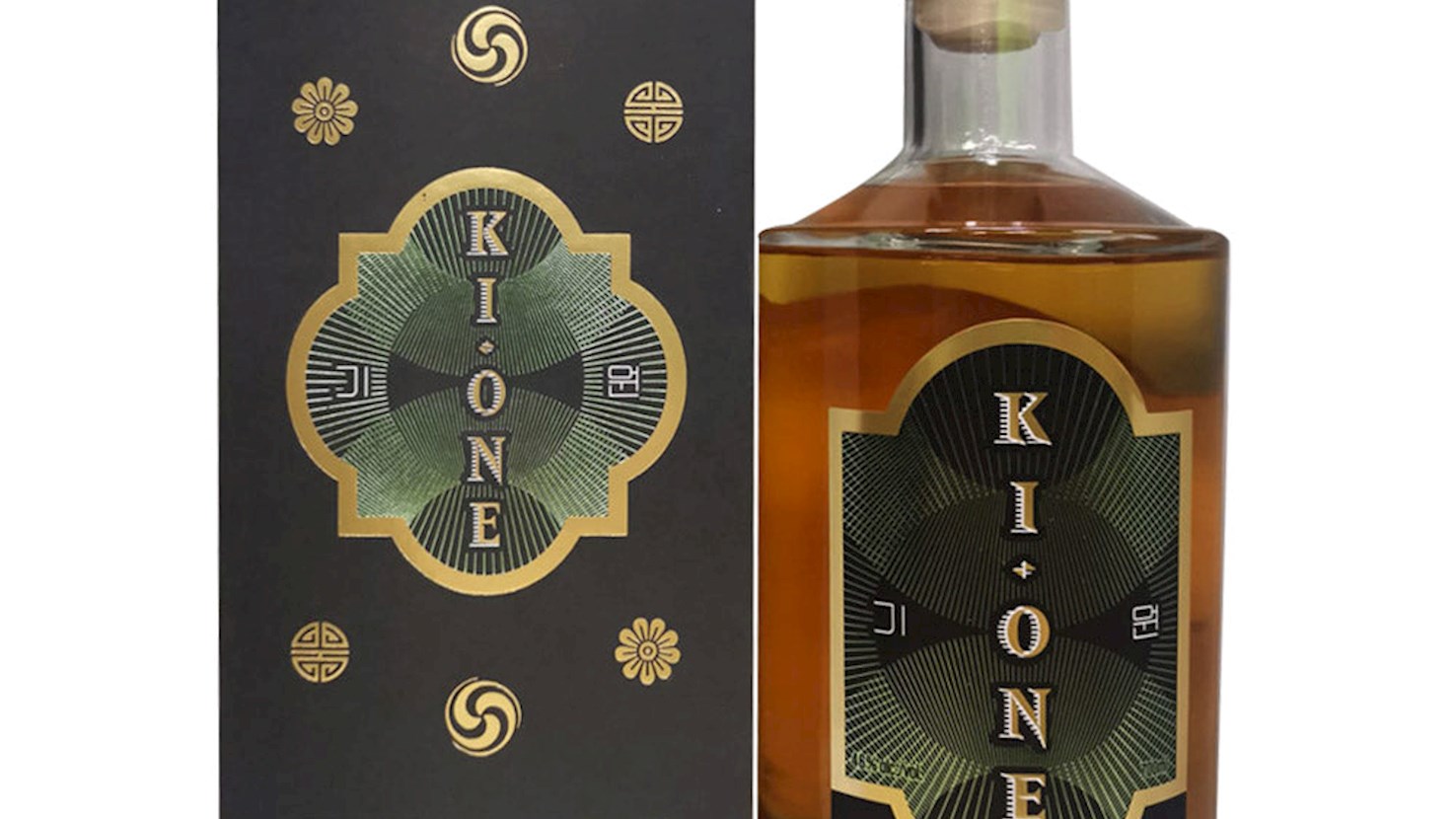
KI ONE

5.0 ·
Awards
SFWSC - San Francisco World Spirits Competition - Double Gold (2024)
02

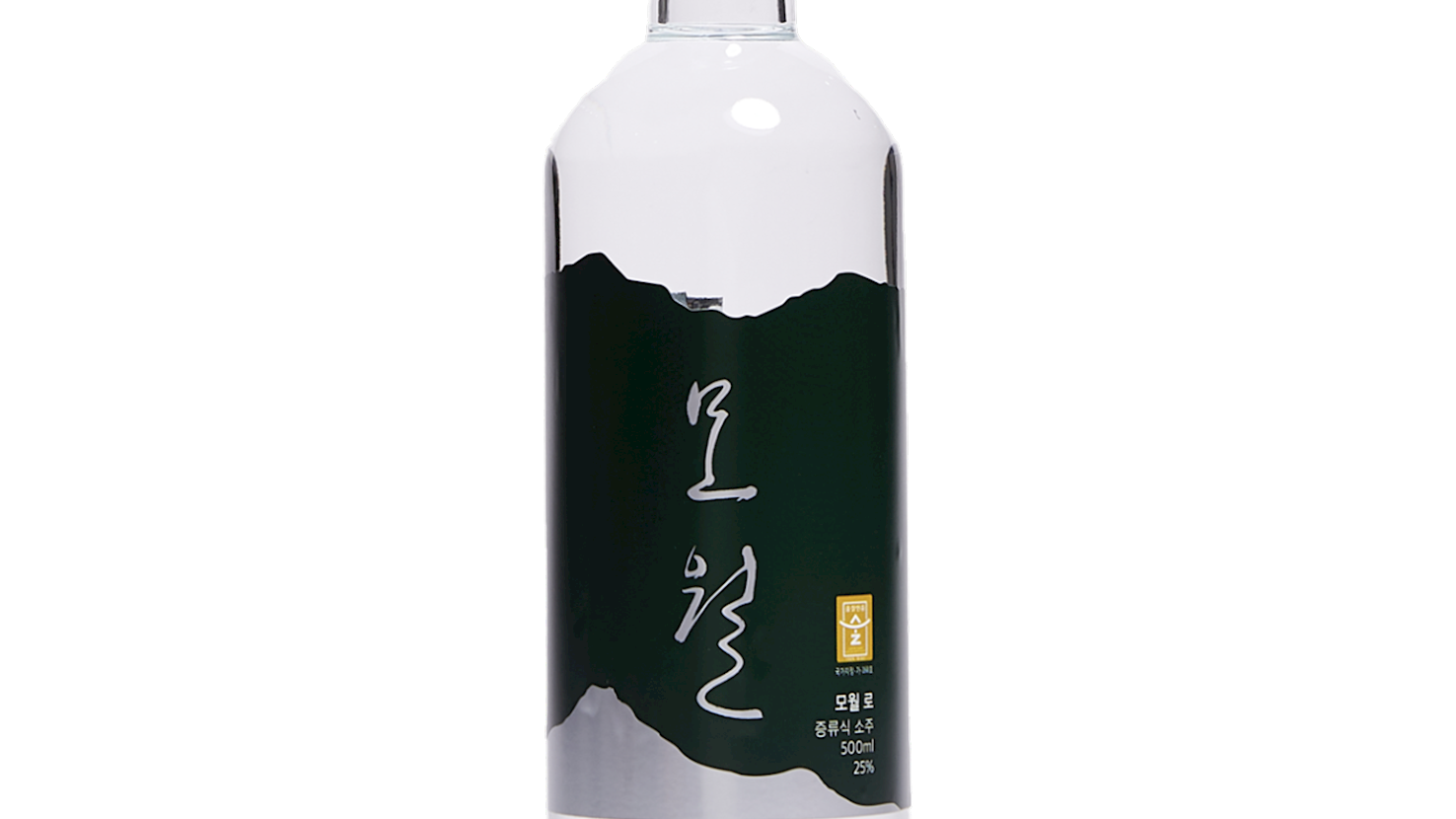
Mowall In

5.0 ·
Awards
SFWSC - San Francisco World Spirits Competition - Double Gold (2024)
03

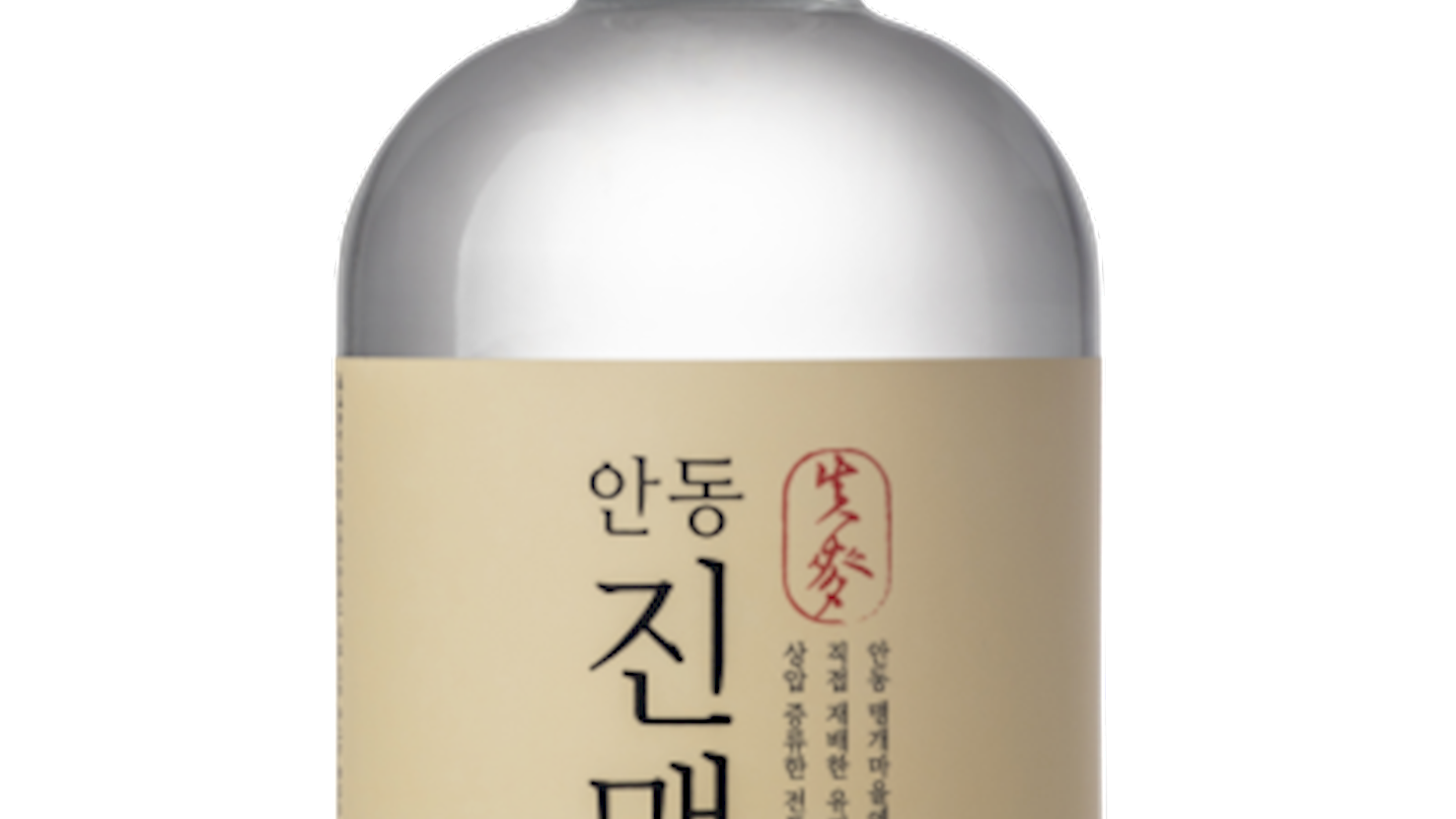
Jinmaek Soju

5.0 ·
Awards
SFWSC - San Francisco World Spirits Competition - Double Gold (2024)
04

Hite jinro

4.8 ·
Awards
ISC-International Spirits Challenge - Gold trophy (2013)
05

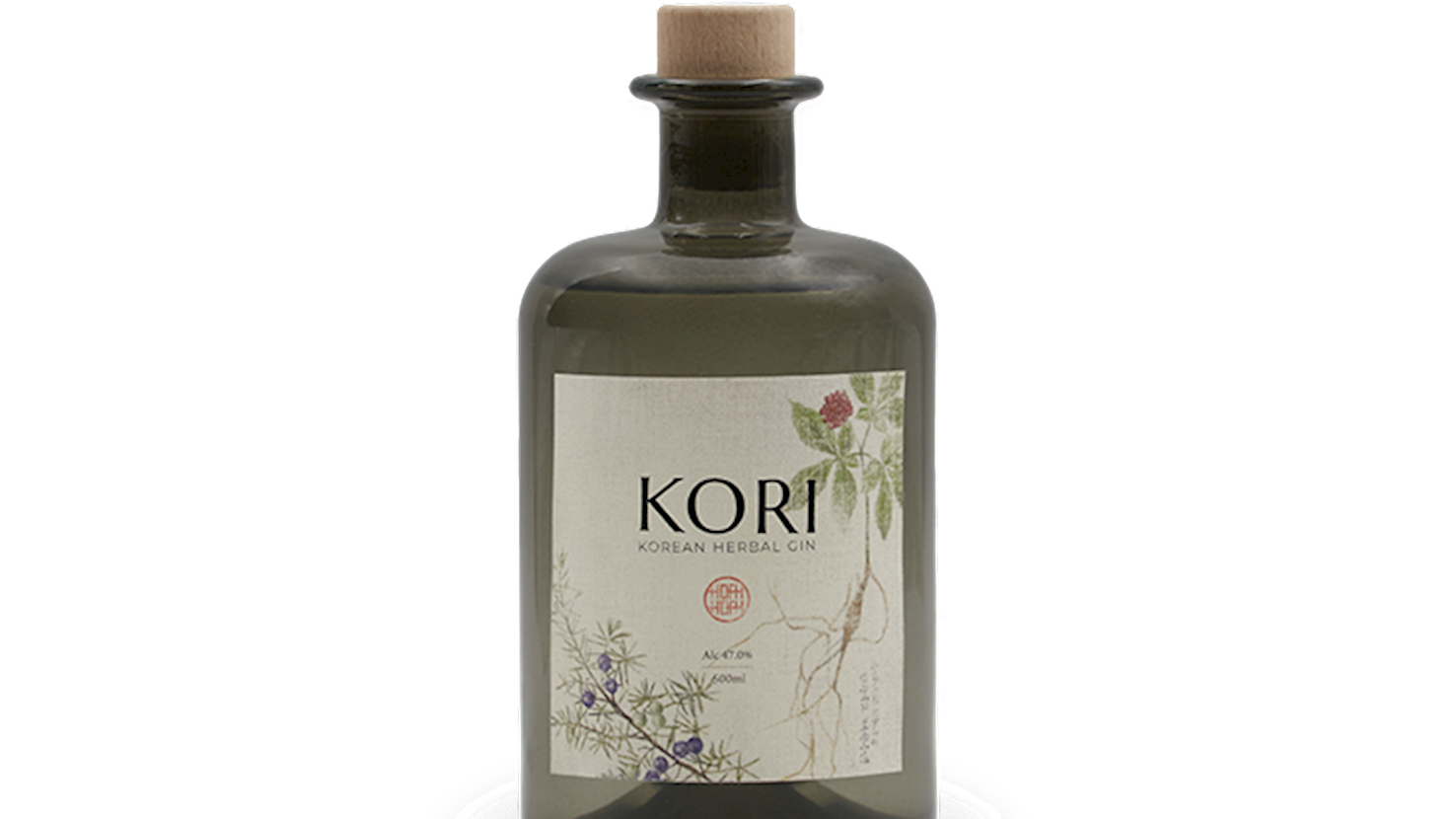
House of Heritage Distillery

4.8 ·
Awards
The Gin Masters – Second Tasting - Gold (2022)
06

Agric. Corp. DanongBio

4.7 ·
Awards
IWSC- International wine & spirit competition - Spirit Gold Outstanding (2024)
IWSC- International wine & spirit competition - Silver (2024)
07

Osulloc

4.6 ·

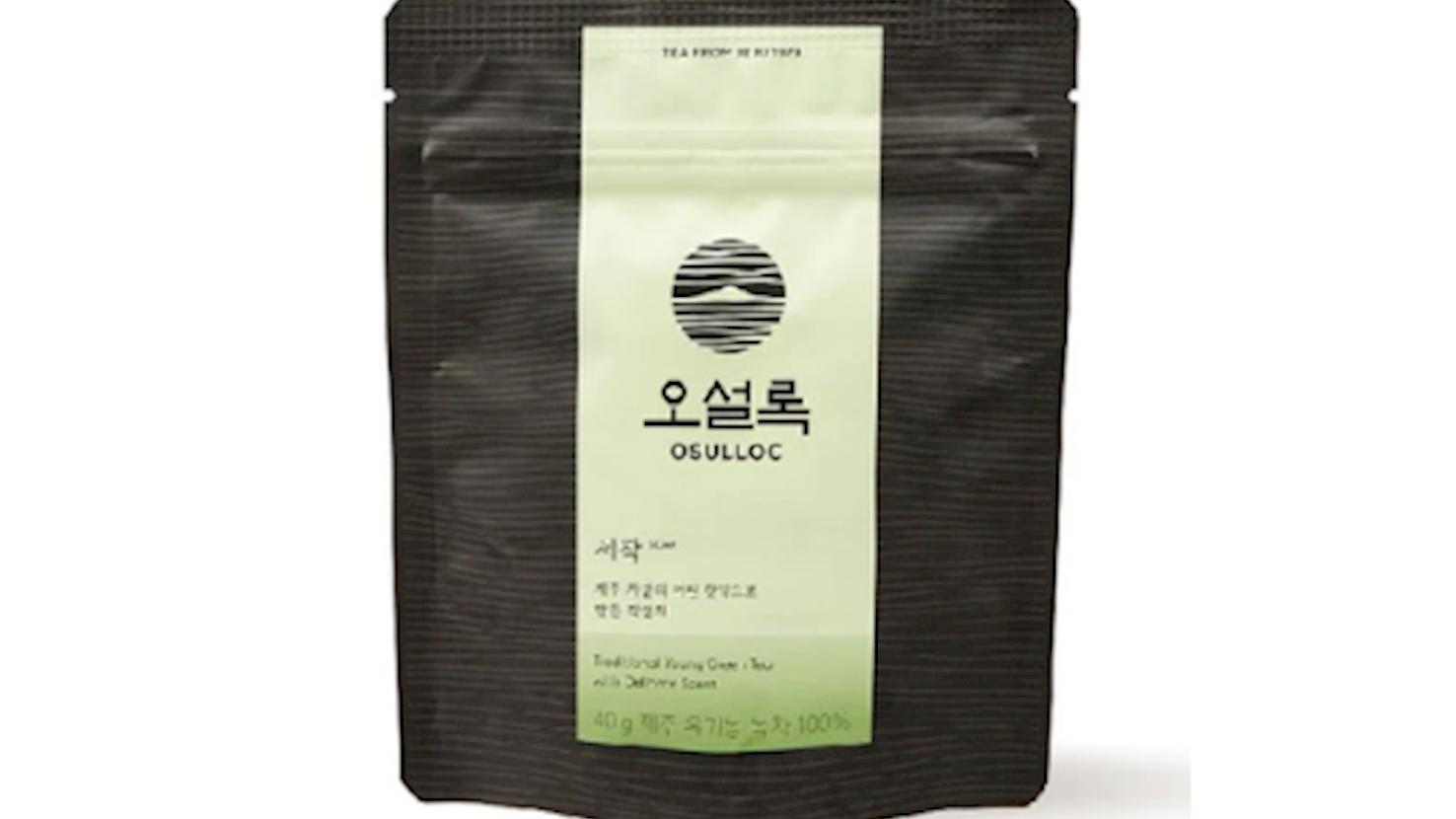
Osulloc is a prestigious tea brand from South Korea, specializing in the production of high-quality green teas sourced from Jeju Island, a beautiful volcanic island known for its pristine nature and ideal conditions for tea cultivation. Osulloc is part of the Amorepacific group, one of the largest South Korean conglomerates, renowned for its innovations in the beauty and health industry, as well as its commitment to sustainability and product quality. Founded with the mission to bring the best of Korean tea to the world, Osulloc takes advantage of the unique climate and soil of Jeju Island.

The tea from Osulloc is distinctive due to the volcanic soil, rich in minerals, which allows the teas to develop rich aromas and nutritional values. Osulloc is known for combining traditional production methods with modern approaches, ensuring high-quality standards. Osulloc offers a wide range of products, with an emphasis on green tea, but they also produce jasmine tea, oolong, black tea, and herbal blends.

One of the special aspects of the Osulloc brand is their Osulloc Tea Museum, located on Jeju Island. This museum is not only an educational center that explores the history and culture of Korean tea, but also a place where visitors can enjoy various tea ceremonies and try tea in specially designed tea rooms.

08

Hwasimjujo

4.5 ·
Awards
IWSC- International wine & spirit competition - Spirit Gold (2024)
09

BUJA GIN CO., LTD.

4.5 ·
Awards
World Gin Awards - Country Winner (2024)
10

Golden Blue

4.5 ·
Awards
IWSC- International wine & spirit competition - Spirit Gold (2021)
Read more
View all
View map
About this ranking

TasteAtlas food rankings are based on the ratings of the TasteAtlas audience, with a series of mechanisms that recognize real users and that ignore bot, nationalist or local patriotic ratings, and give additional value to the ratings of users that the system recognizes as knowledgeable. For the “Top 32 Korean Beverages” list until July 01, 2026, 693 ratings were recorded, of which 641 were recognized by the system as legitimate. TasteAtlas Rankings should not be seen as the final global conclusion about food. Their purpose is to promote excellent local foods, instill pride in traditional dishes, and arouse curiosity about dishes you haven’t tried.

The initial list of top producers was compiled based on available reviews, awards, local recommendations, media and blog coverage, and consumer reviews. The list will be updated with ratings from TasteAtlas local ambassadors and TasteAtlas users.

Similar lists