Top 72 Dutch Beverages

Last updated on June 15, 2026

Best Dutch Beverages
01

De Kuyper

5 ·
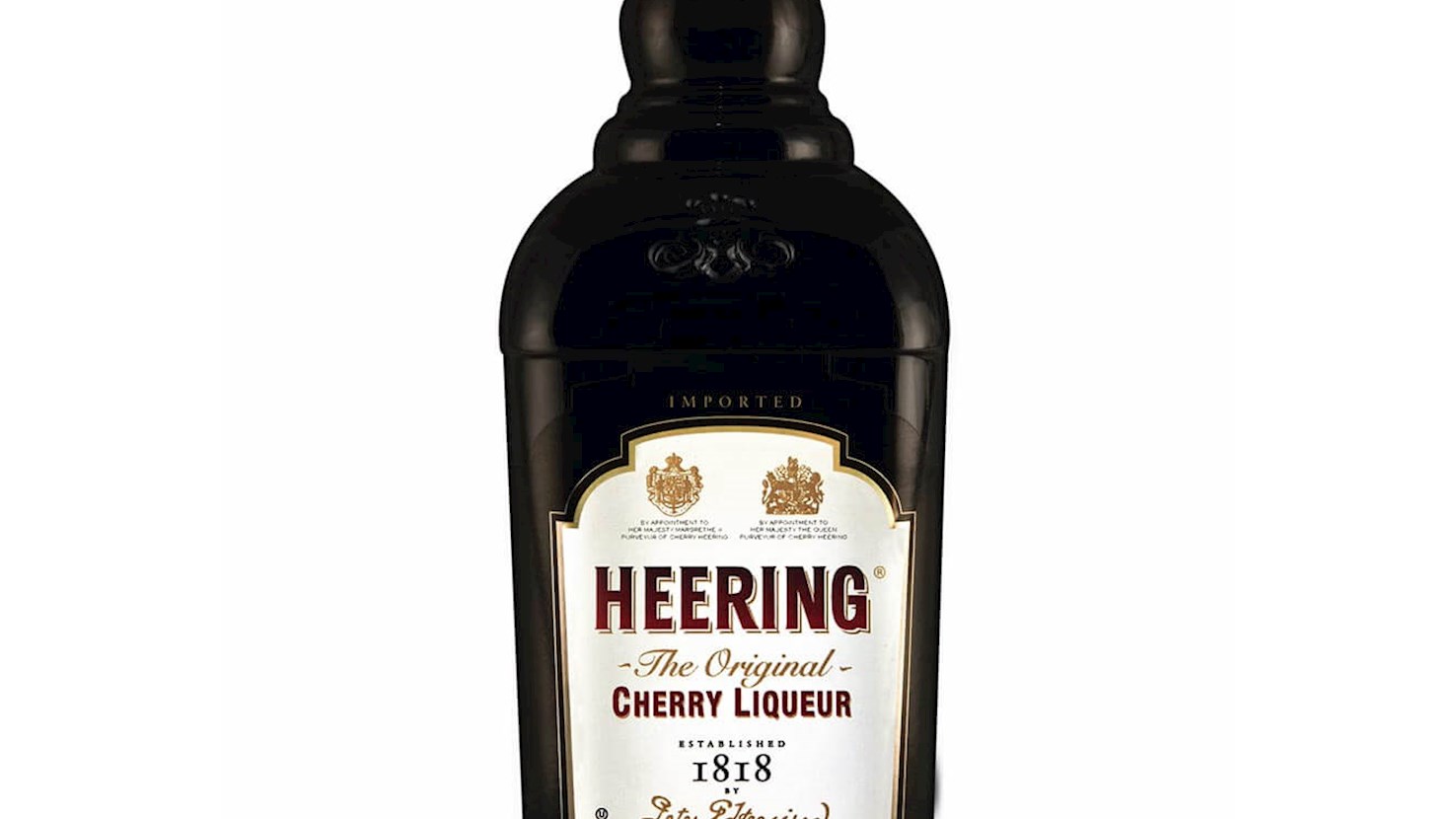
De Kuyper Royal Distillers is a renowned Dutch family-owned company specializing in the production of premium liqueurs and spirits. Founded in 1695 by Petrus De Kuyper, the company began as a manufacturer of barrels and casks for transporting spirits and beer. By 1752, the family owned a distillery in Schiedam, the epicenter of Dutch gin production. Over the centuries, De Kuyper expanded its operations and product range, establishing partnerships and exporting to markets across Europe, Great Britain, and Canada. In 1911, the company built a new distillery in Schiedam and commenced liqueur production, gradually introducing a variety of flavors. The mid-20th century saw liqueurs become the company's primary focus, aligning with changing consumer tastes and the rising popularity of cocktails.
Awards
ISC-International Spirits Challenge - Double Gold (2022, 2019)
IWSC- International wine & spirit competition - Spirit Gold (2024, 2023, 2021, 2020)
02

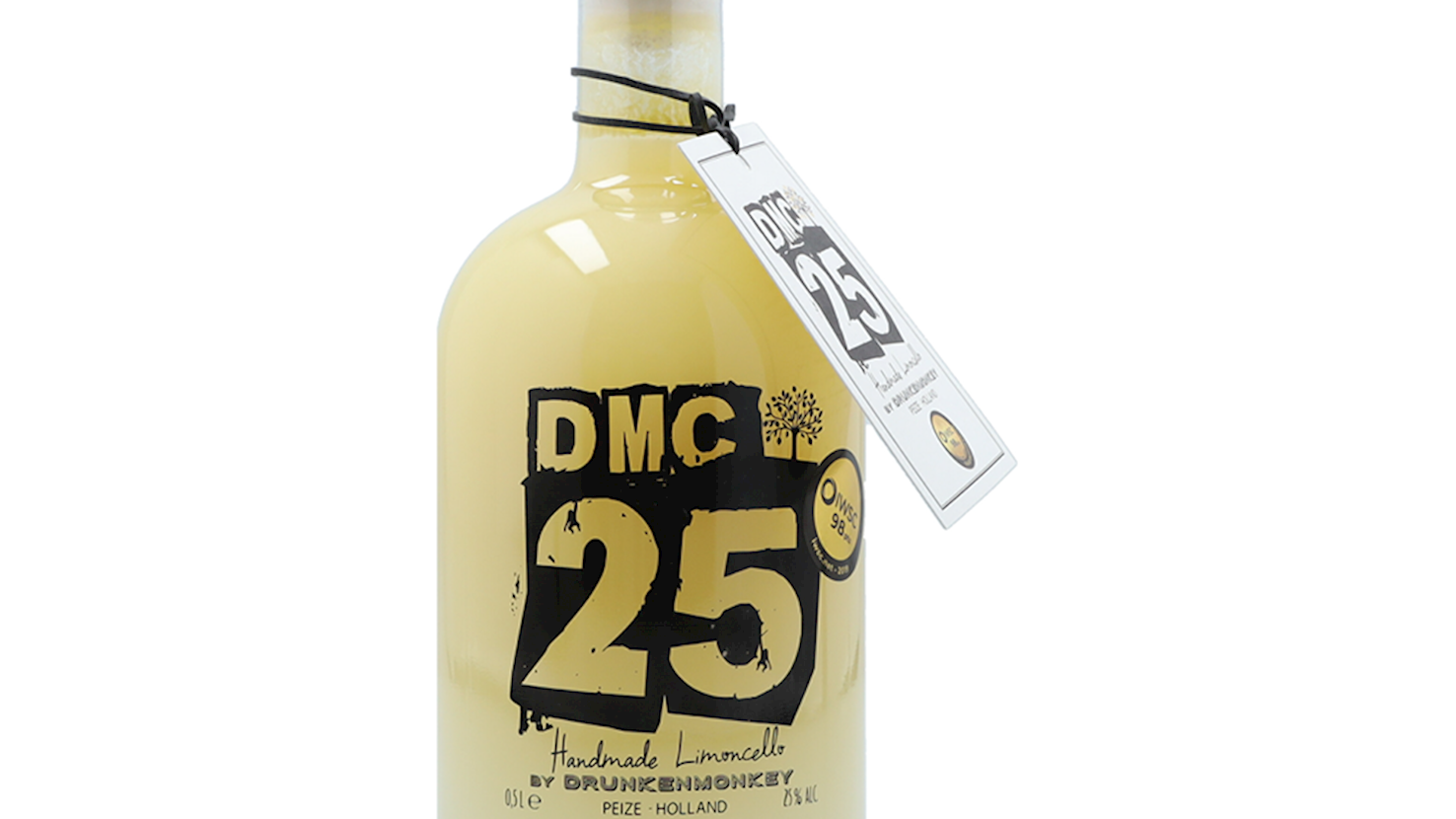
DMC Limoncello

5 ·
Awards
IWSC- International wine & spirit competition - Spirit Gold (2019)
IWSC- International wine & spirit competition - Spirit Gold Outstanding (2019)
03

Ron Colón Salvadoreño

5 ·
Awards
SFWSC - San Francisco World Spirits Competition - Double Gold (2023)
04

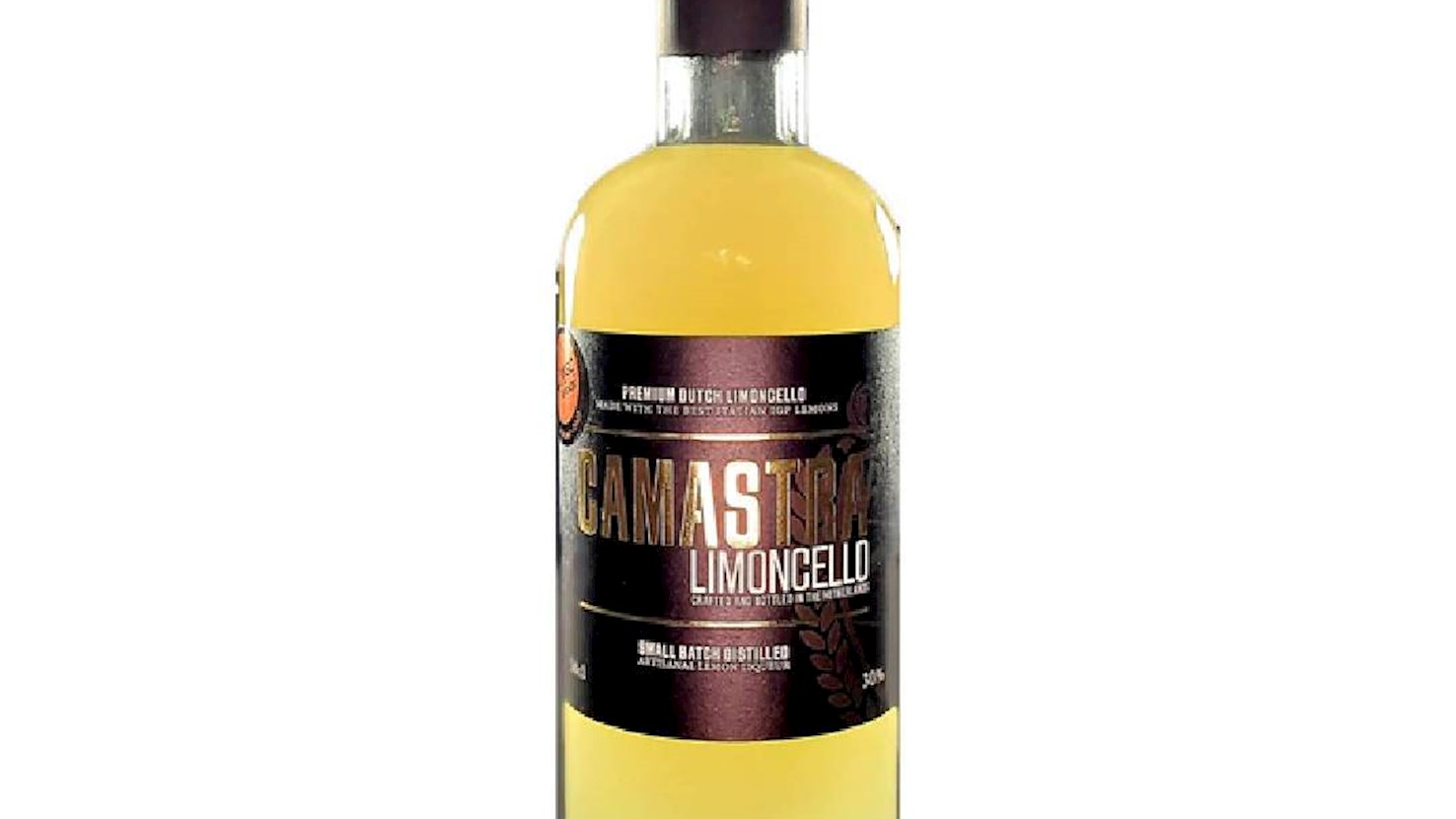
Camastra

5 ·
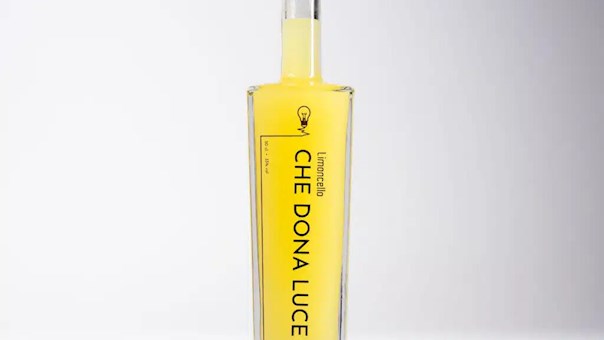
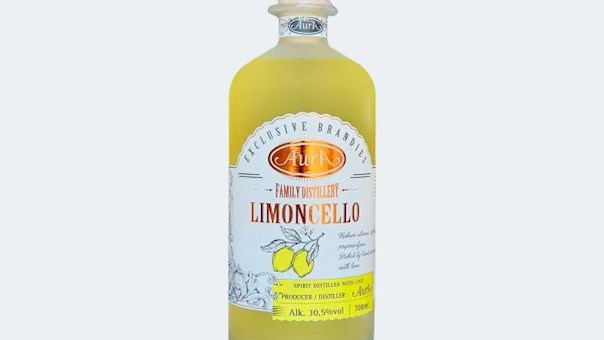
Camastra is a Dutch producer of liqueurs, renowned for its high-quality limoncello. They use only the finest ingredients, including certified organic IGP lemons from Sorrento, which are hand-picked and peeled to capture their rich flavor and aroma. Apart from these exceptional lemons, all other ingredients are locally sourced from the Netherlands. The alcohol is distilled in small batches, and the water is sourced from the dunes near Haarlem. Camastra prides itself on avoiding artificial additives, relying solely on 100% natural ingredients. The result is a limoncello with a light yellow color, rich in essential oils, and offering a refreshing and authentic lemon flavor.
Awards
European Spirits Challenge - Gold (2023)
05

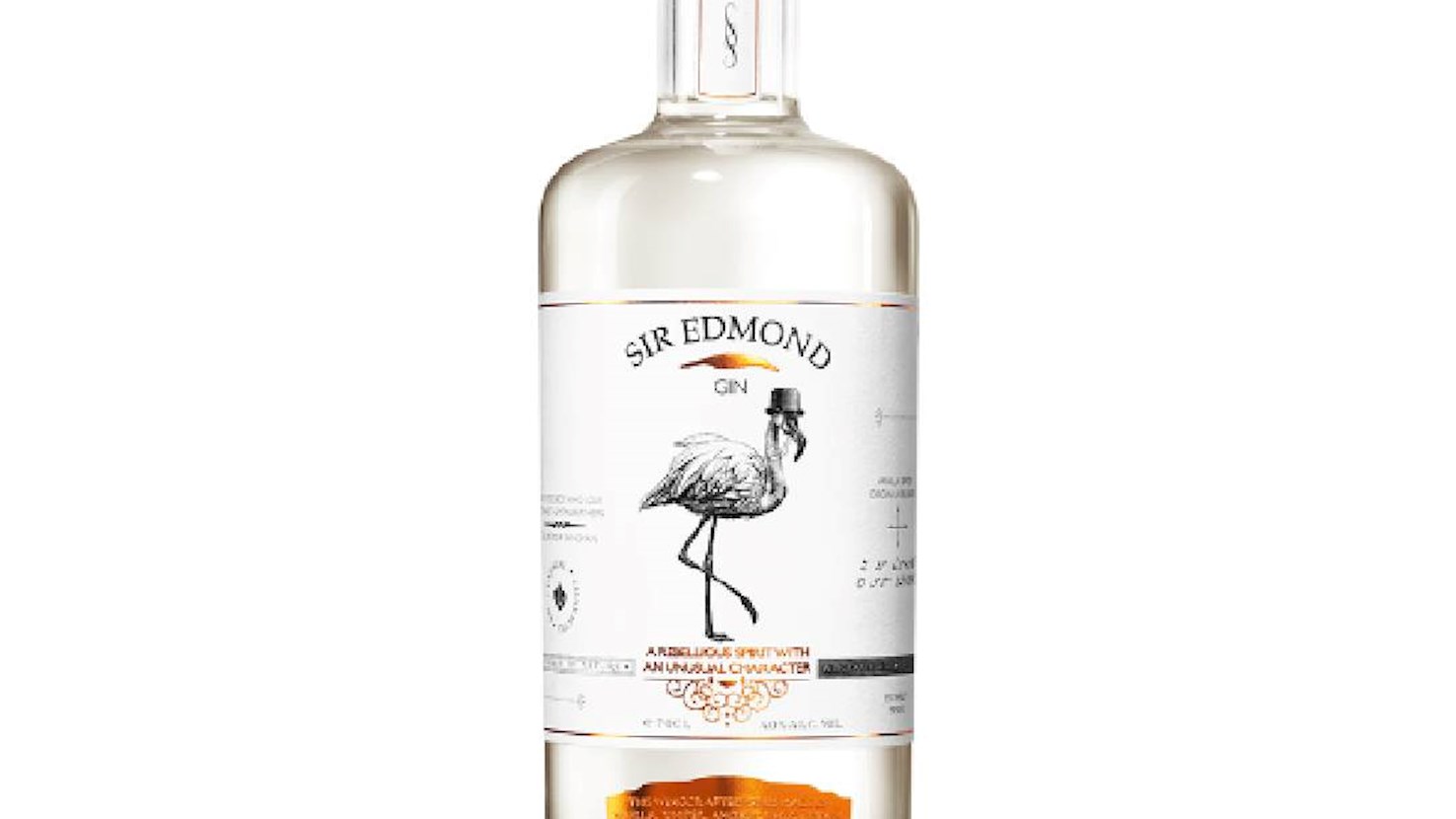
Sir Edmond

Gin

5 ·
Sir Edmond Gin is a Dutch gin producer renowned for its unique flavor achieved through the infusion of bourbon vanilla. This combination gives the gin its distinctive character and aroma. The company is dedicated to crafting high-quality beverages by blending traditional distillation methods with innovative ingredient selection. In addition to producing premium gin, Sir Edmond Gin actively participates in various social initiatives and events, promoting a culture of enjoying exceptional spirits.
Awards
European Spirits Challenge - Gold (2023)
06

Boomsma Distillery

5 ·
Boomsma Distillery, founded in 1883 by Dirk Boomsma in Leeuwarden, Netherlands, began as a supplier of groceries and distilled beverages to local shops and pubs. Over time, it has evolved into an independent, family-owned distillery, now managed by the fifth generation of the Boomsma family. The distillery is renowned for its traditional Dutch spirits, including genevers, Beerenburger, and liqueurs, all produced according to age-old recipes. Their portfolio also features international spirits such as Glen Talloch Whisky, Esbjaerg Vodka, and Old Captain Rum. A notable product is the Boomsma Claerkampster Clooster Bitter Liqueur, a herbal bitter based on a 16th-century recipe originally crafted by monks in the Claerkamp monastery. This liqueur offers a unique taste of history with notes of anise, cinnamon, and citrus peel, making it an intriguing addition to classic cocktails or enjoyed neat as a digestif.
Awards
European Spirits Challenge - Gold (2023)
World Gin Awards - Country Winner (2021)
07

Tobago Gold

5 ·
Tobago Gold is a premium brand specializing in chocolate rum cream liqueurs, blending the finest Caribbean cocoa, spices, and rum to capture the essence of the Caribbean. The company was founded in 2004 when its creator acquired La Caurita, a 400-acre traditional cocoa estate in Trinidad and Tobago, laying the foundation for crafting a unique liqueur rooted in the region's rich agricultural heritage. Drawing on ancient cocoa cultivation traditions of the Maya and Inca civilizations, Tobago Gold produces its liqueurs using authentic Caribbean methods. The name "cocoa," meaning "Food for the Gods," highlights its significance and the health benefits associated with its antioxidant-rich content. Tobago Gold has expanded its global presence, entering international markets such as the UK and Germany. The brand emphasizes its commitment to quality and innovation, redefining the chocolate cream liqueur category worldwide. It has received numerous accolades, including recognition at The Spirits Business Global Liqueur Masters and the "Entrepreneur of the Year" award for its founder, Lars G.O. Söderström, at the Trinidad & Tobago Chamber of Commerce and Industry’s Champions of Business Awards.
Awards
SFWSC - San Francisco World Spirits Competition - Double Gold (2023)
The DB & SB Autumn Blind Tasting - Gold (2023)
08

W&R

5 ·
Awards
IWSC- International wine & spirit competition - Gold outstanding (2020)
09

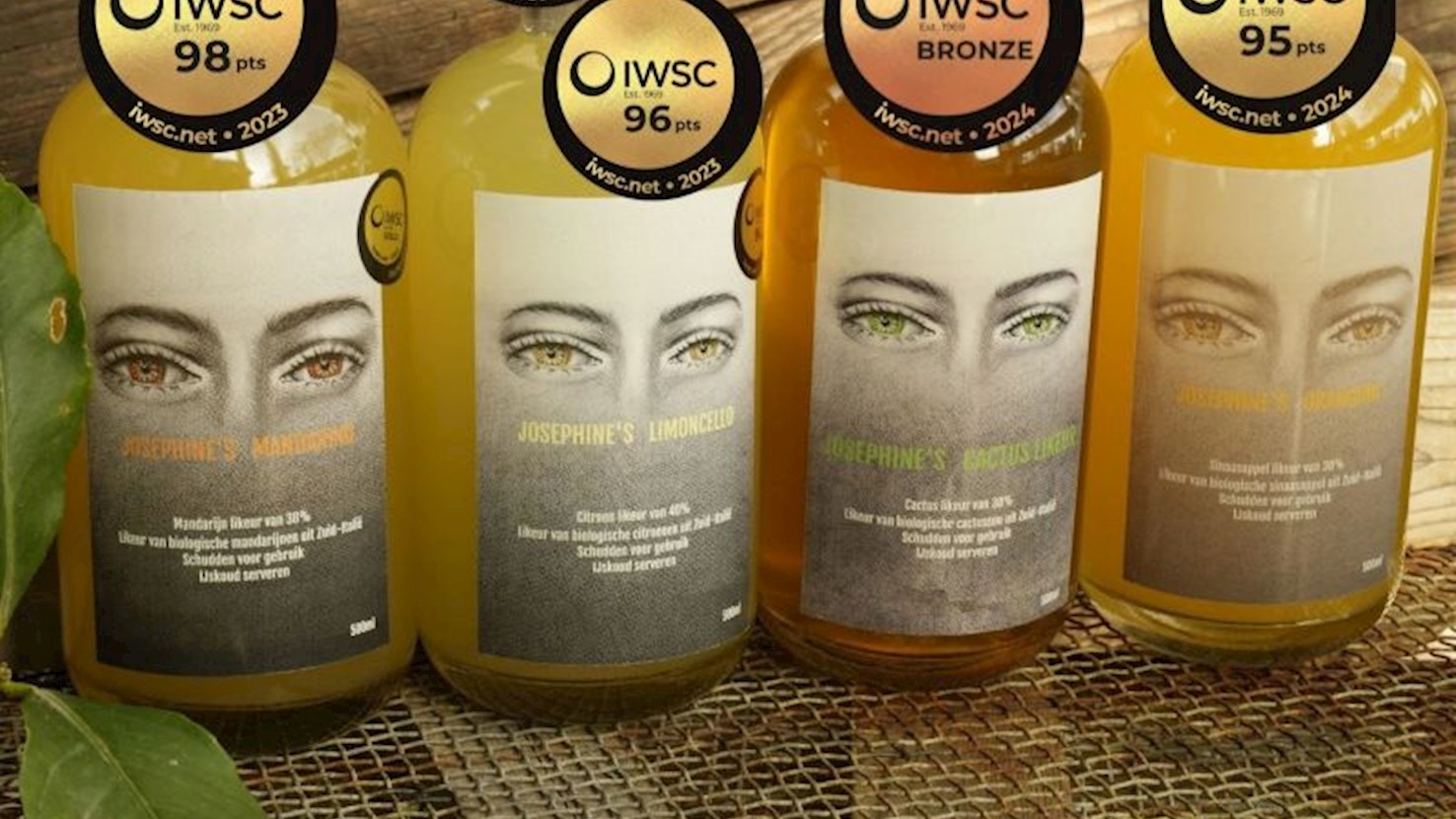
Josephine van den Biggelaar
5 ·
Awards
IWSC- International wine & spirit competition - Spirit Gold (2024, 2023)
IWSC- International wine & spirit competition - Spirit Gold Outstanding (2023)
10

G3B Meadery & Blendery

4.9 ·
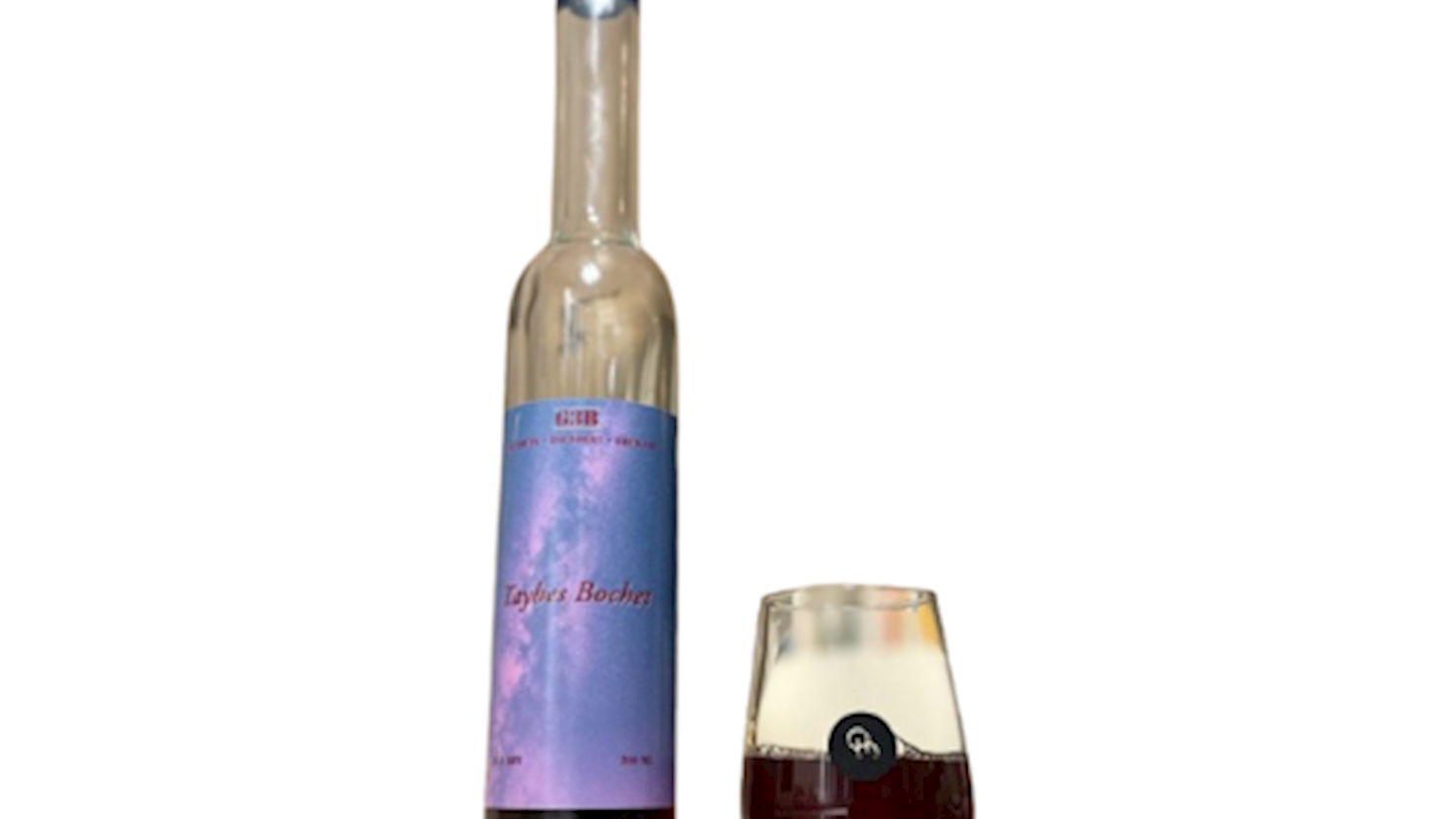
G3B Meadery & Blendery from Grootegast, the Netherlands, is a small and unconventional producer that combines a passion for beekeeping with an experimental approach to fermentation. Their production is based on the use of local honey and fruit from their own farm, emphasizing authenticity and a close connection to the surrounding environment. They are particularly recognized for working with tayberries, a hybrid of raspberries and blackberries, which provides intense fruity notes and a distinctive tart freshness. Their portfolio includes traditional meads, melomels, as well as bochet styles where honey is caramelized beforehand to achieve deeper and warmer flavors. Production is carried out on a small scale, which makes their bottles hard to find outside the local circle. This very limitation creates a special sense of exclusivity and value for connoisseurs. The brand’s aesthetics and storytelling are rooted in the fusion of nature, experimentation, and craftsmanship. Their meads are marked by high alcohol content and layered complexity, making them closer to dessert wines than light beverages. G3B Meadery & Blendery stands as an example of how a small, independent production can push the boundaries of craft mead and bring a new dimension to this ancient tradition.
Awards
Untappd - 4.4

Best Dutch Beverage Types

01

Gin

3.8 ·

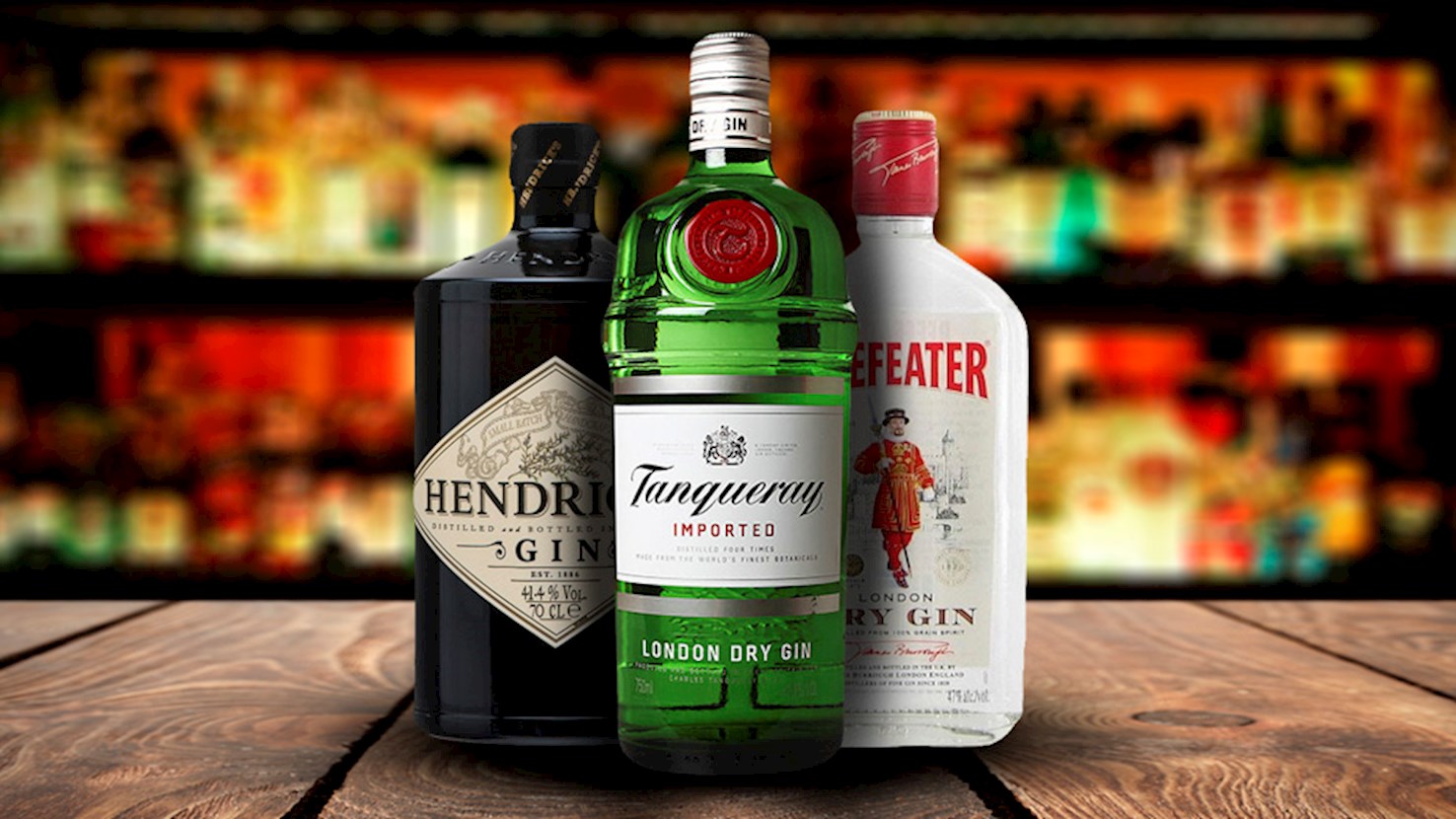
Gin is a clear, light-bodied spirit that owes its taste profile to a variety of spices (primarily juniper) which are added to the basic grain. Most producers usually avoid distilling their base spirit and prefer to buy supplies of neutral alcohol. The combination of spices that are added to the base differs, and though juniper is always dominant, other botanicals commonly include coriander, nutmeg, anise, cinnamon, ginger, and citrus zest. Depending on the process of production, gin traditionally comes in three styles: the highly-prized London dry, distilled, and compound gin. Because of its complex flavor, gin is used in many classic cocktails such as Martini, Gin and tonic, Gimlet, Vesper, Negroni, Singapore sling, Tom Collins, and Gin fizz. Jenever—the Dutch juniper-flavored spirit that was invented in the 16th century—is believed to be a predecessor of all gin varieties.

02

Jenever

3.4 ·

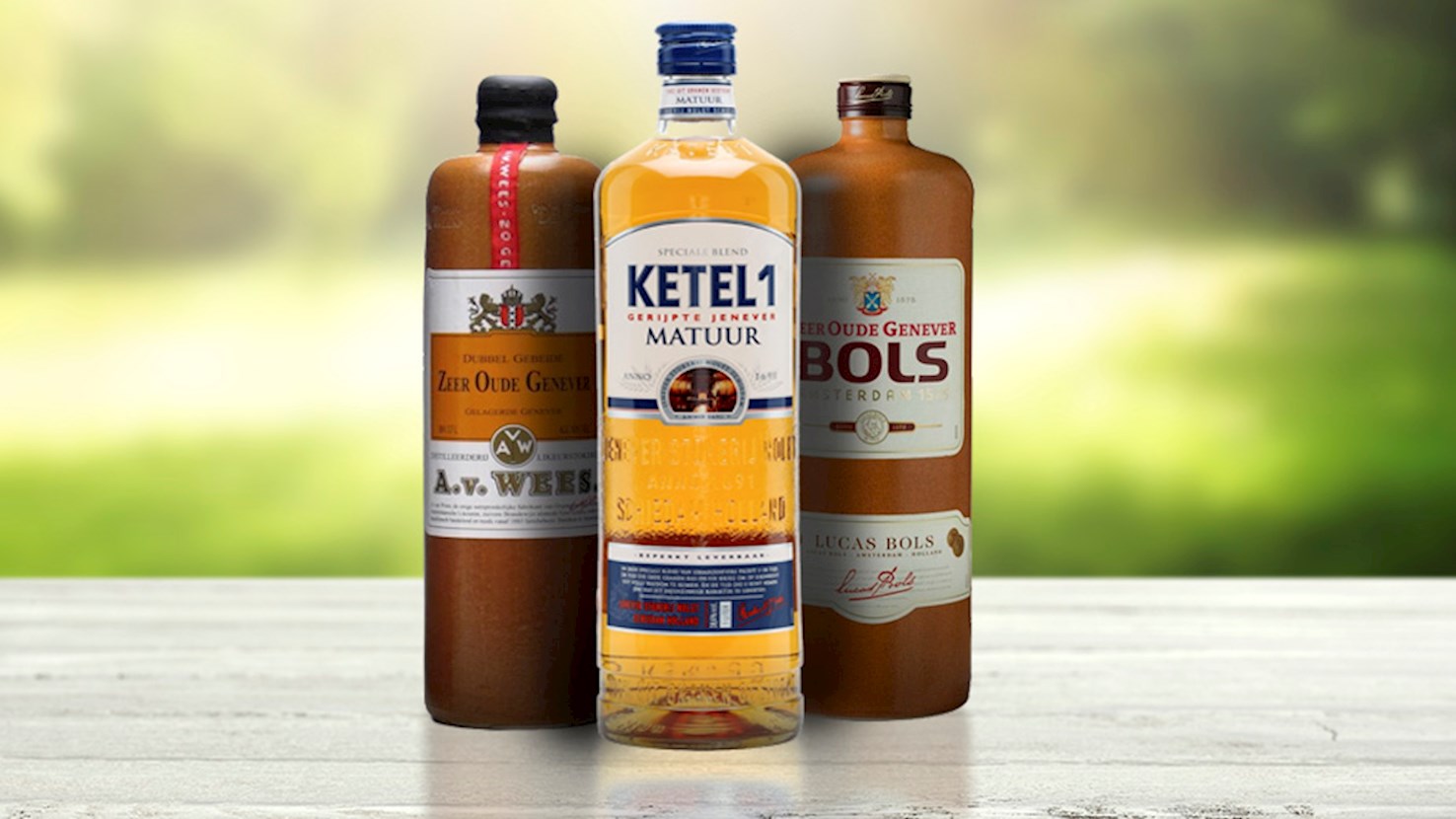
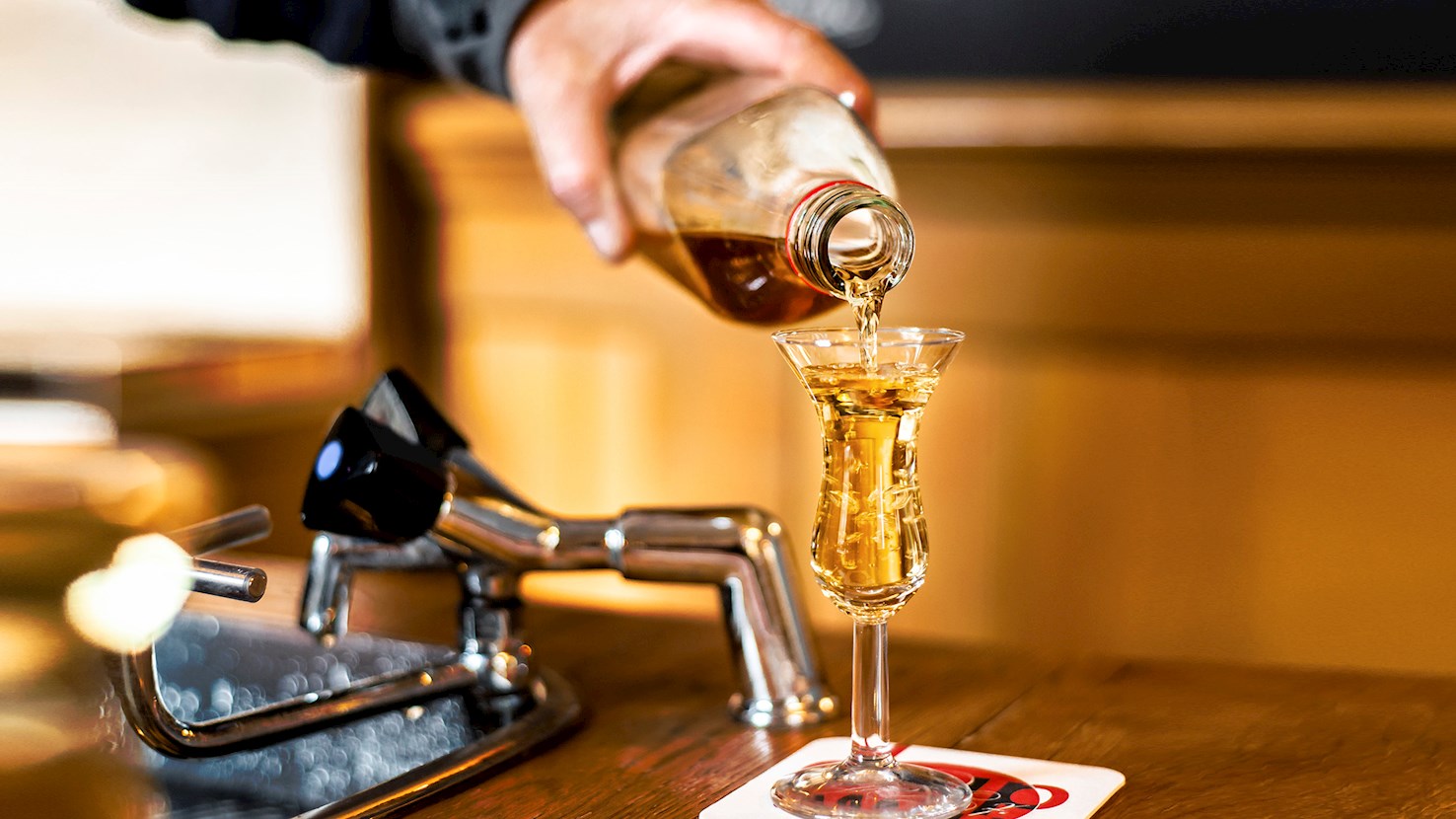
Considered to be a predecessor to gin, jenever is a Dutch spirit that was originally distilled from malt wine. Since the drink had a sharp and unusual flavor, it was often infused with various herbs, including juniper – which eventually led to the creation of the name jenever. Two distinct styles that exist nowadays are old (oude) and young (jonge) jenever. The former is similar to the original jenever and is mainly distilled from malt, with a small proportion of neutral alcohol, while the young style has a higher concentration of a neutral spirit and it's especially suitable as a cocktail ingredient. Oude jenever is drunk as a digestive, while the jonge jenever is drunk as an aperitif. The drink can be enjoyed at room temperature or well-chilled, and it is traditionally served neat, preferably in tulip glasses. The glasses are typically filled to the rim, so you shouldn't pick up the glass with your hands but bend over or bow down and try to get the first sip without touching the tulip glass.

03

Advocaat

3.3 ·

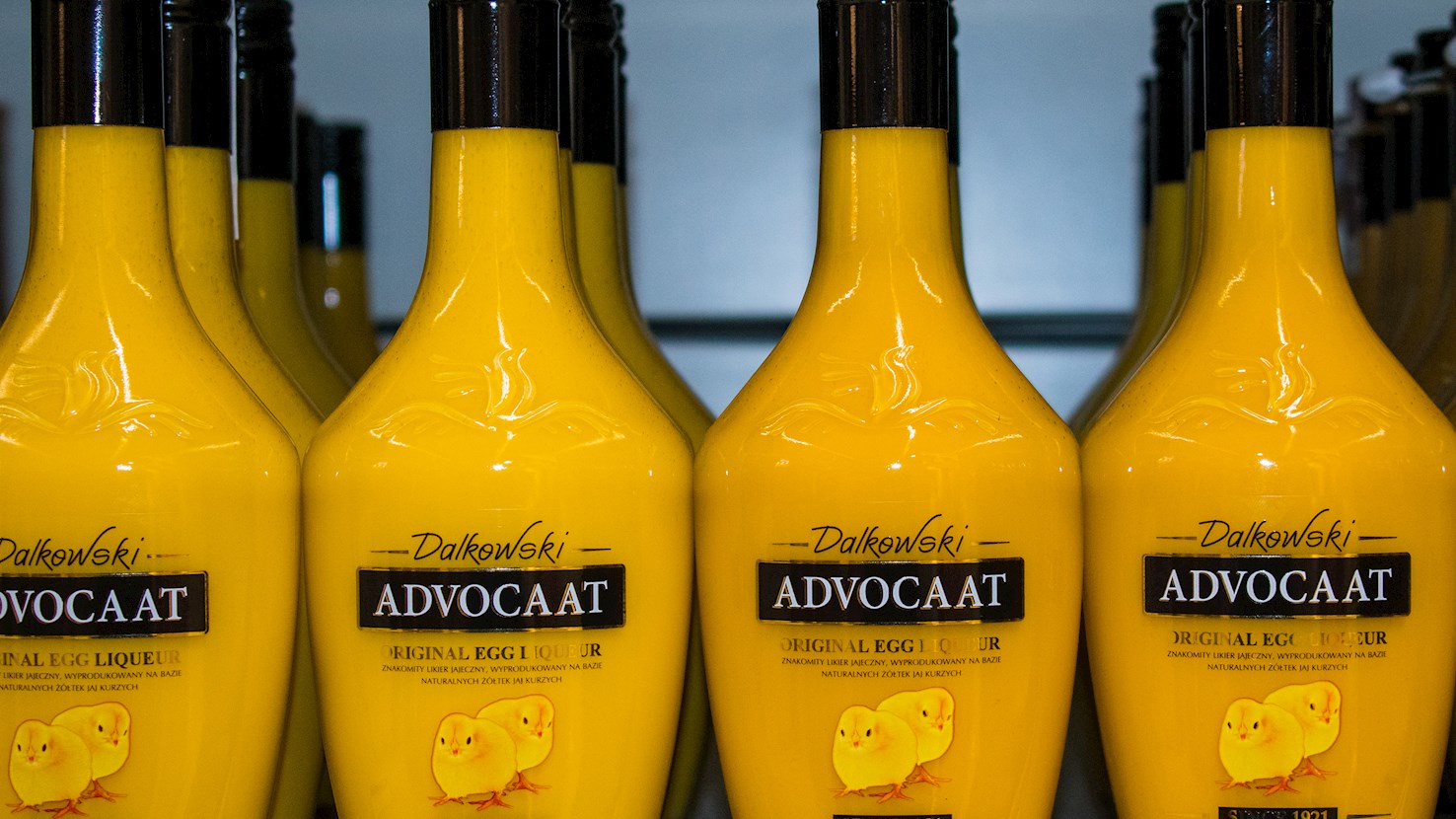
Advocaat is a slightly thicker, custard-like version of eggnog liqueur whose origin is associated with the Netherlands. It is usually made with a combination of eggs, sugar, and brandy, and it should be thick enough so it could be eaten with a spoon. Optional ingredients can include vanilla, other types of flavorings or sweeteners, milk or cream, and flavored spirits. In the Netherlands and Belgium, the drink is mainly enjoyed as an aperitif or a digestif that is usually served in a small glass, and it is often topped with whipped cream. However, this laced combination can also be added to cocktails or served with ice cream, cakes, poffertjes pancakes, and waffles. It is not known why the drink has its current name. Some suggest that it was a drink of choice for lawyers—since advocaat translates as a lawyer—while others say that the drink and the name were inspired by abacatean, an indigenous Brazilian drink that was based on avocados. Advocaat can easily be prepared at home, but it is also bottled by several regional producers.

04

Anijsmelk

3.1 ·

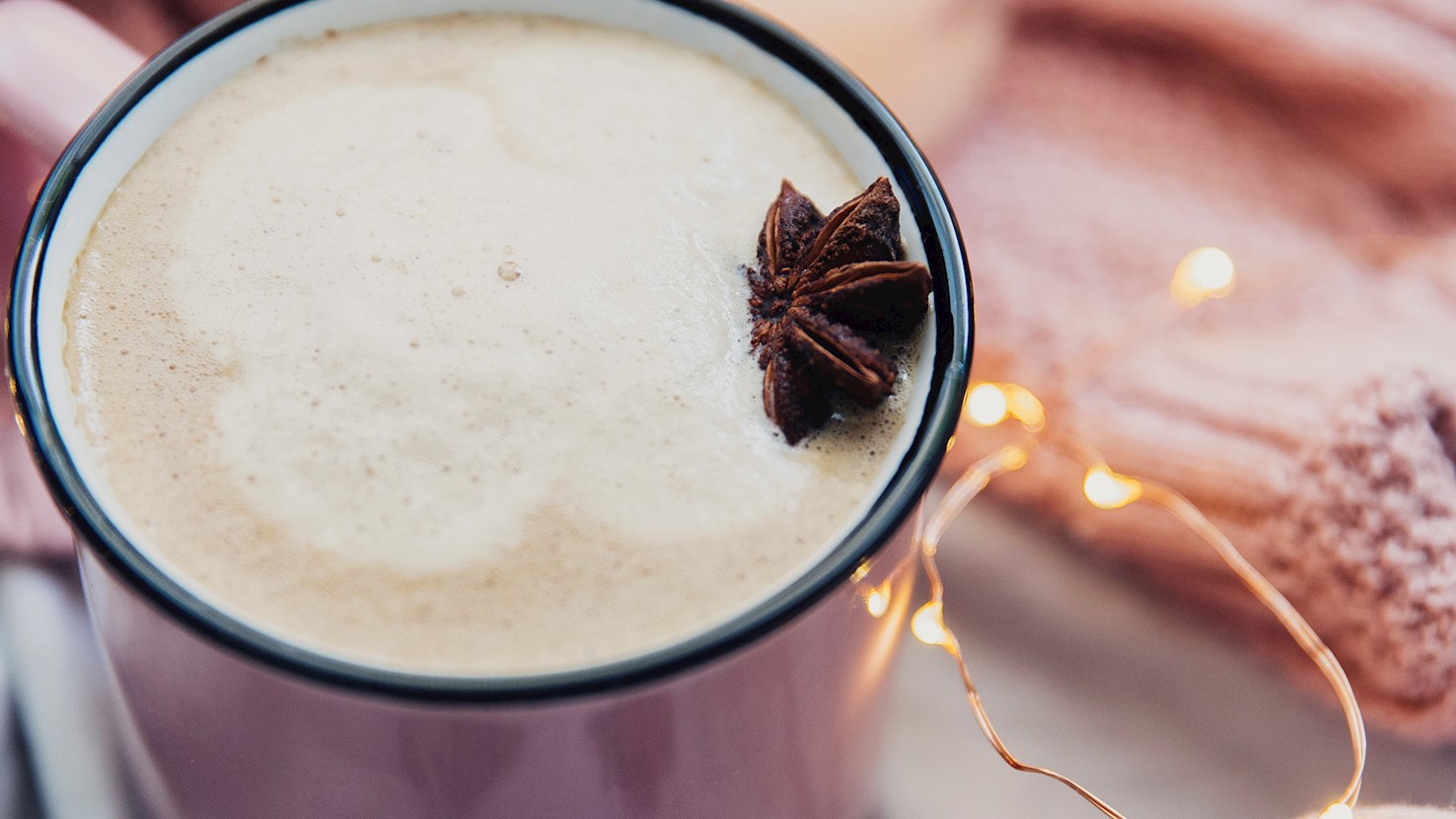
Anijsmelk is an old Dutch drink consisting of hot milk, anise seed, and sugar. It is traditionally njoyed as a nightcap because the warmth of the milk and the calming qualities of star anise have relaxing effects and promote sleep. The drink can be made from scratch by soaking star anise in warm, sweetened milk, but nowadays it is also common to use pre-packed powders or anijsblokjes—anise-flavored tablets that are only dissolved in hot milk.

05

Herfstbok

2.9 ·

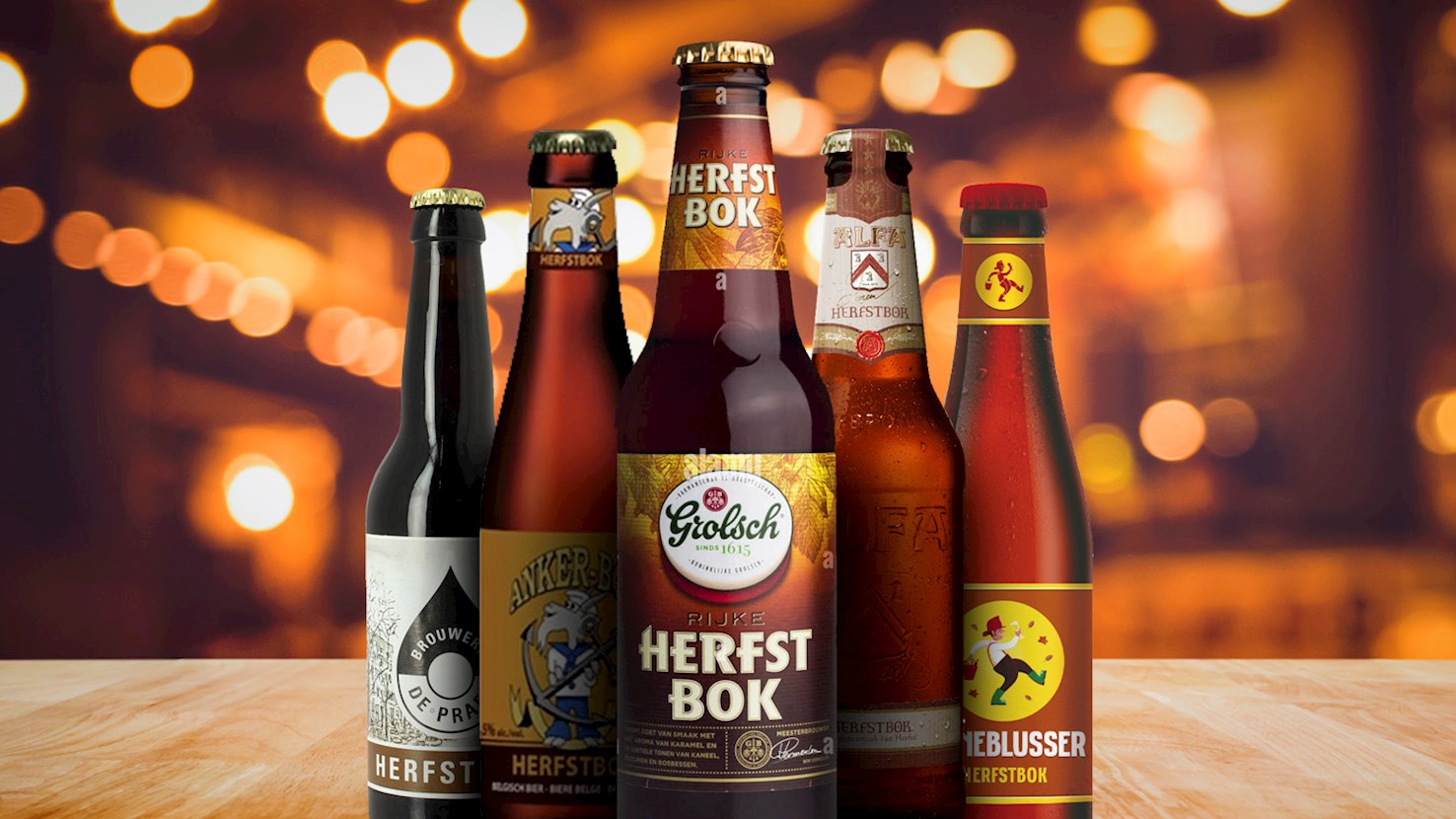
Herfstbok is often called autumn bock bier. The style was modeled on bock bier—a type of strong and dark lager that originated in Germany. Dutch bock beers grew into a distinct style, and herfstbok is one of the seasonal varieties released by major and microbreweries. Although it is not a mainstream style or available year-round, it is becoming increasingly popular. Herfstbok is now produced as top (ale) or bottom-fermenting (lager), and it is generally a broad category that does not have set guidelines. Most examples are dark beers with a dominant malty character. Their color ranges from amber to almost black, while the flavor is typically balanced between sweetness and bitterness. Their alcohol content typically falls between 5 and 7 percent. Herfstbok is usually served in a tulip glass.

06

Schrobbelèr

2.8 ·

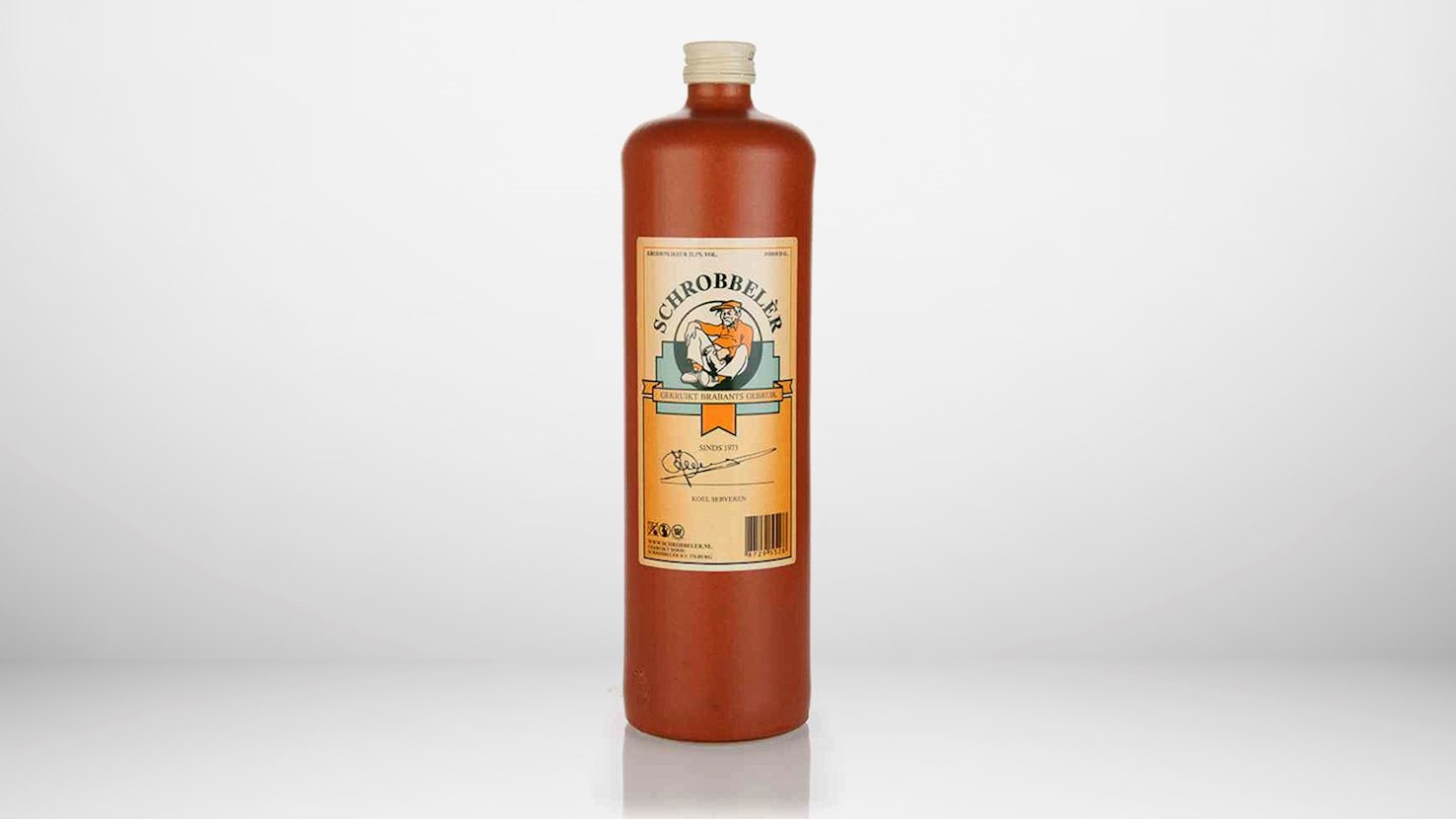
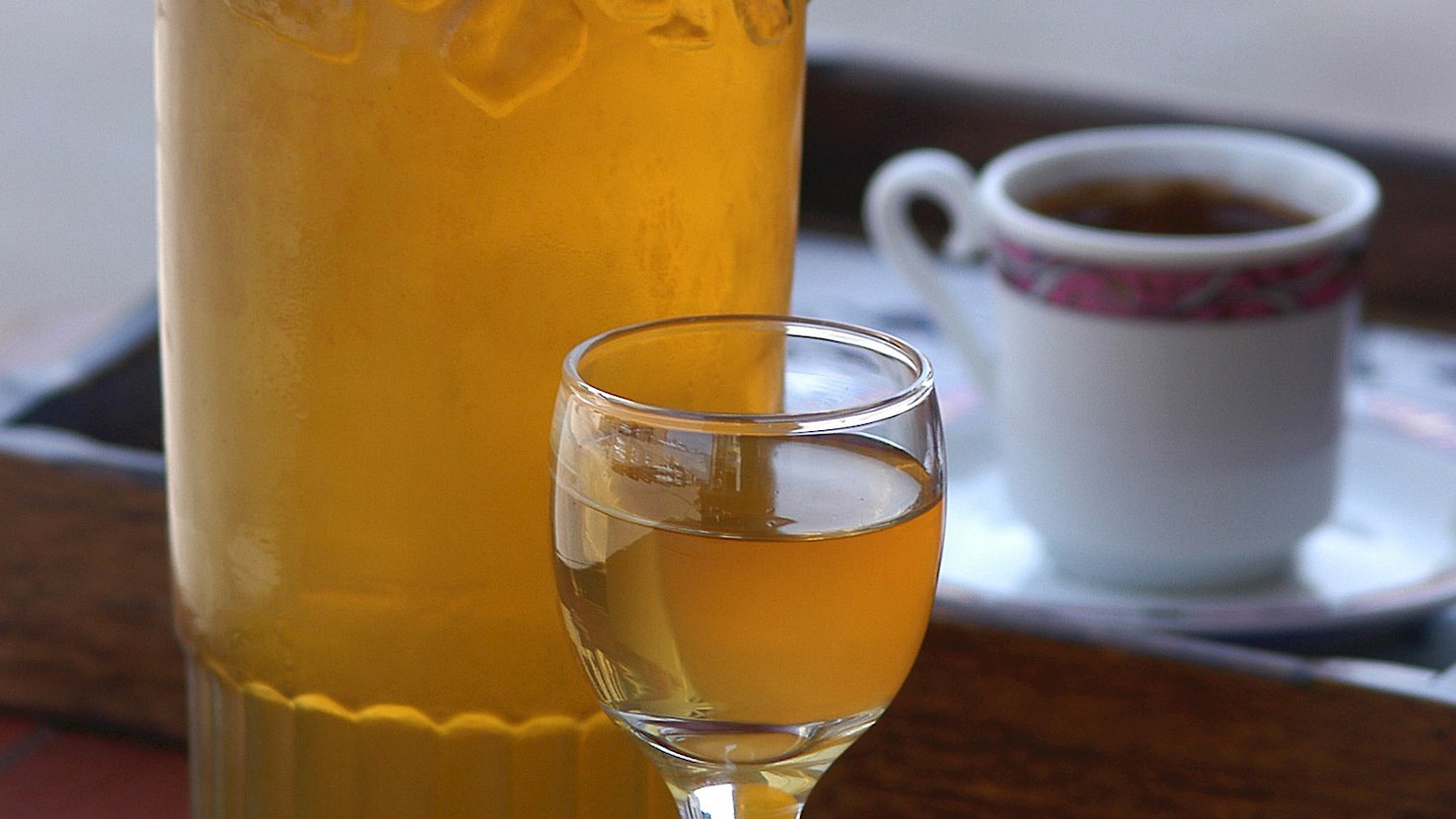
Schrobbelèr is a herbal liqueur hailing from Tilburg, Netherlands. It was created by Jan Wassing, a local who could not handle traditional liquors and spirits, so he decided to make a drink he could enjoy during the Carnival. The recipe is still a family secret, but it is known that the liqueur is flavored with 43 herbs. Schrobbelèr is a smooth, light amber liqueur with herbal flavor and aroma. It is intended for sipping and should be enjoyed chilled. Schrobbelèr is traditionally served neat or on the rocks, and it is sometimes paired with coffee. The name stems from the wool industry that was once important for the locals—schrobbelèr was the person who would untangle wool. Schrobbelèr is packed and sold in distinctive stone bottles. It has 21.5 % ABV.

07

Stroopwafel Liqueur

2.7 ·

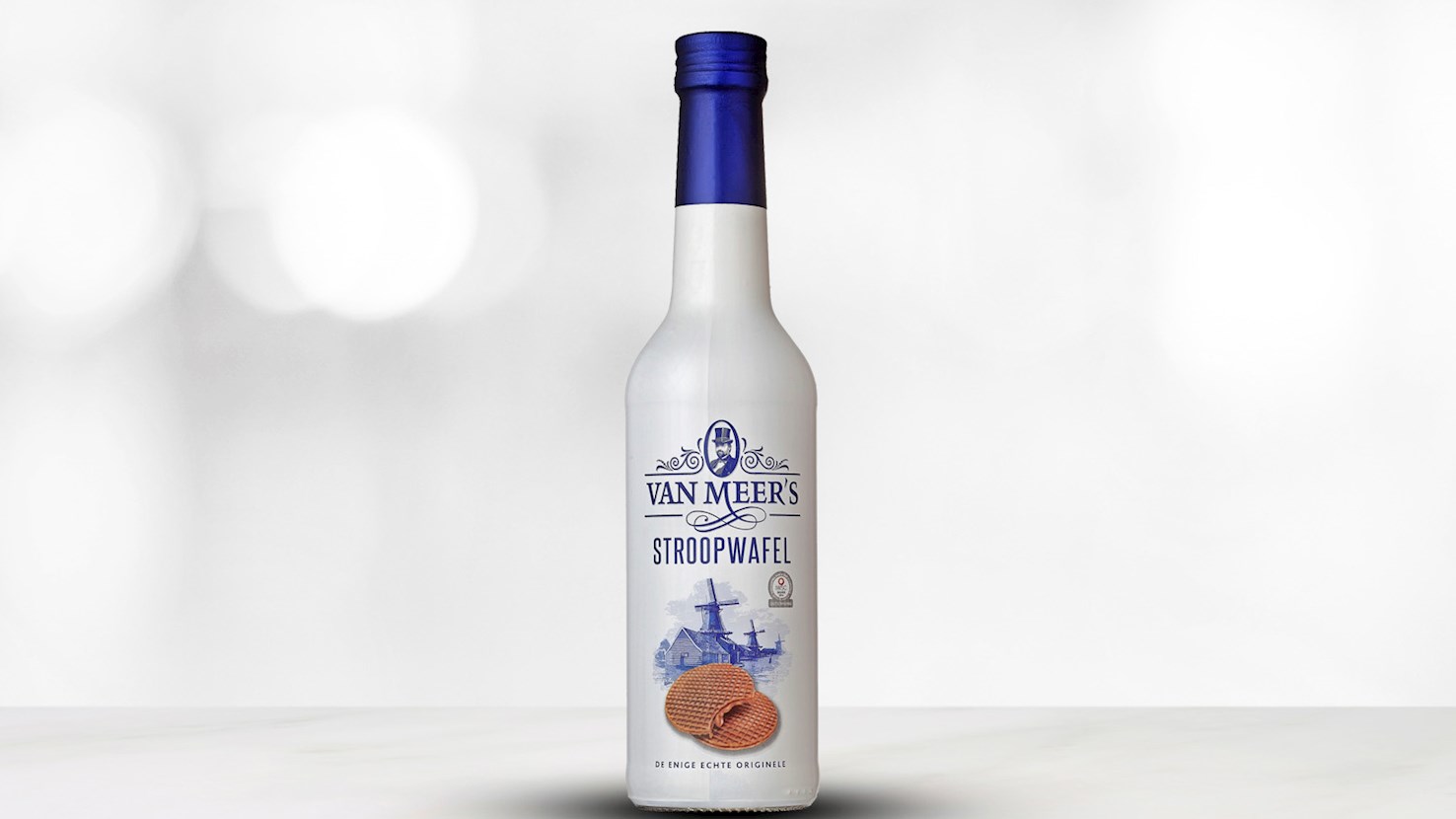
Stroopwafel Liqueur is a sweet and creamy liqueur whose flavor should mimic traditional Dutch stroopwafel, a cookie made with a caramel-like cream sandwiched between two thin wafers. The drink is sweet and smooth, with caramel, cinnamon, and nutty notes. Stroopwafel liqueur has around 15% ABV. It can be enjoyed neat or incorporated into cocktails, hot toddies, or desserts. Because of its character, it is also sometimes added to coffee or tea. Stroopwafel liqueur is produced by Van Meers company in Zwijndrecht.

08

Kopstootje

2.6 ·

Kopstootje is a Dutch drinking ritual which can be found in almost every bar in the country. First, the bartender fills a tulip-shaped shot glass with Genever (old world gin) to the point where it almost overflows. The customers then place their hands behind their back, bend over, and slowly slurp the top off of the shot. The rest of the shot can be gulped down, followed by a sip of beer served on the side. The flavors complement and enhance one another while remaining distinctive, without masking the other flavor.

09

Gruit

2.5 ·

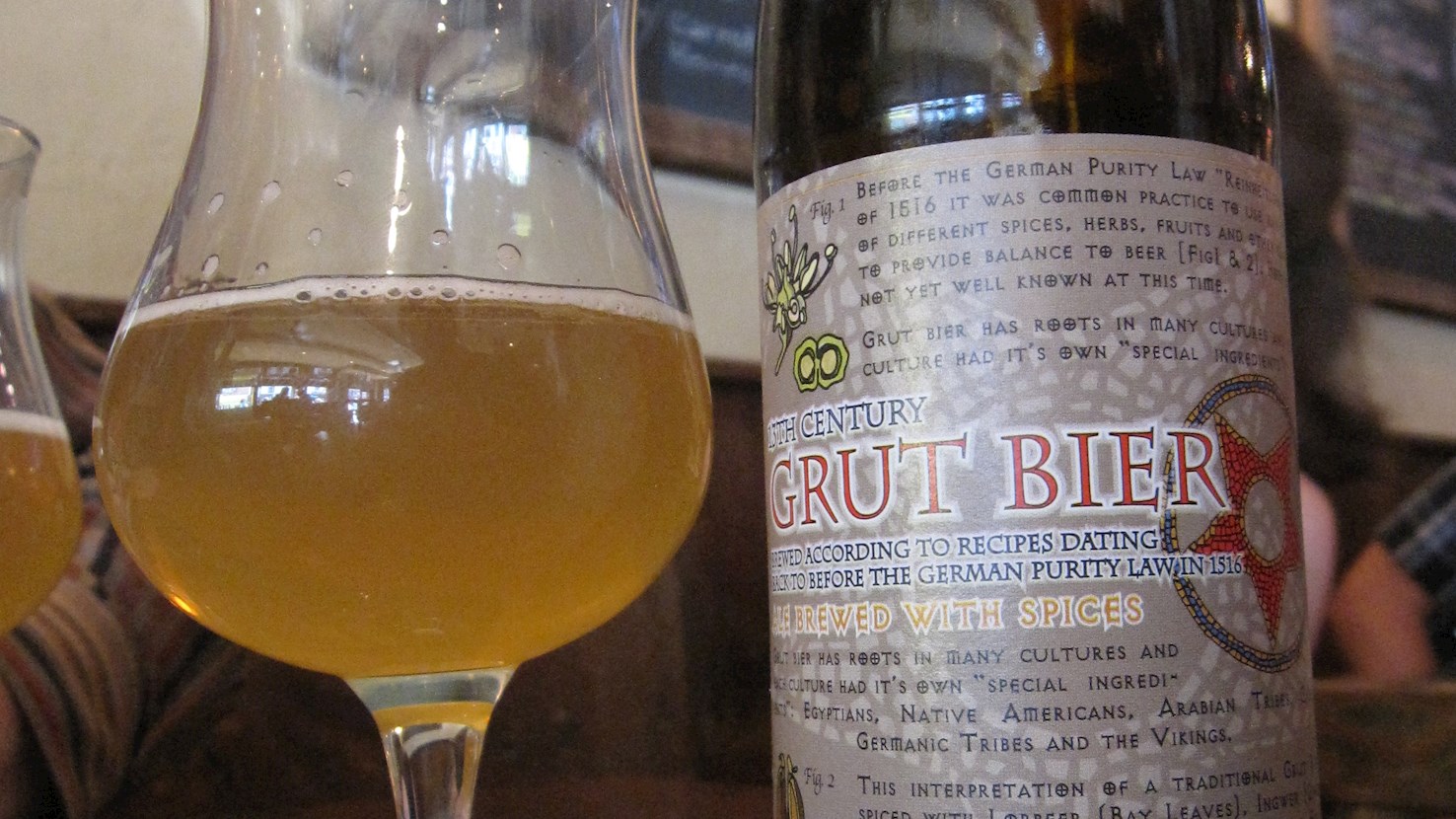
Gruit is a term that describes a mixture of herbs used as a beer flavoring, but it is also used to denote the drink that has been flavored with these herbs. Although it is sometimes classified as such, gruit is not technically considered a beer style. It is believed that they first appeared in western Europe, probably Netherlands, Belgium, or Germany. The combination of herbs and spices used in gruit varied, and it mainly depended on location and availability. Popular options included bog myrtle, yarrow, wild rosemary, and mugwort, but laurel, cumin, nettle, lemon balm, caraway, mint, juniper, and other herbs and spices were also added. Gruit was not only used for flavor. It provided bitterness and extended shelf life. Adding gruit to beer is an ancient technique that mainly disappeared in the 16th century when hops became the standard. Nowadays, gruit is only occasionally produced by few craft breweries. These examples are usually herbal, aromatic, and somewhat funky.

10

Leidse koffie

n/a ·

Leidse koffie is a coffee-based beverage made with cinnamon-flavored liqueur that is often served topped with a dollop of whipped cream. The drink was created at the location of what is now Restaurant de Gaanderij in Leiden, Netherlands. The place used to be a distillery, and when it closed down, some equipment and drinks were left behind. When the new owners took over, they started adding the leftover cinnamon liqueur to their coffee, creating a warming beverage that they named Leidse koffie.

Read more
View all
View map
About this ranking

TasteAtlas food rankings are based on the ratings of the TasteAtlas audience, with a series of mechanisms that recognize real users and that ignore bot, nationalist or local patriotic ratings, and give additional value to the ratings of users that the system recognizes as knowledgeable. For the “Top 72 Dutch Beverages” list until June 15, 2026, 412 ratings were recorded, of which 381 were recognized by the system as legitimate. TasteAtlas Rankings should not be seen as the final global conclusion about food. Their purpose is to promote excellent local foods, instill pride in traditional dishes, and arouse curiosity about dishes you haven’t tried.

The initial list of top producers was compiled based on available reviews, awards, local recommendations, media and blog coverage, and consumer reviews. The list will be updated with ratings from TasteAtlas local ambassadors and TasteAtlas users.

Similar lists