Top 14 Norman Beverages

Last updated on June 04, 2026

Best Norman Beverages
01

Calvados Boulard

5 ·
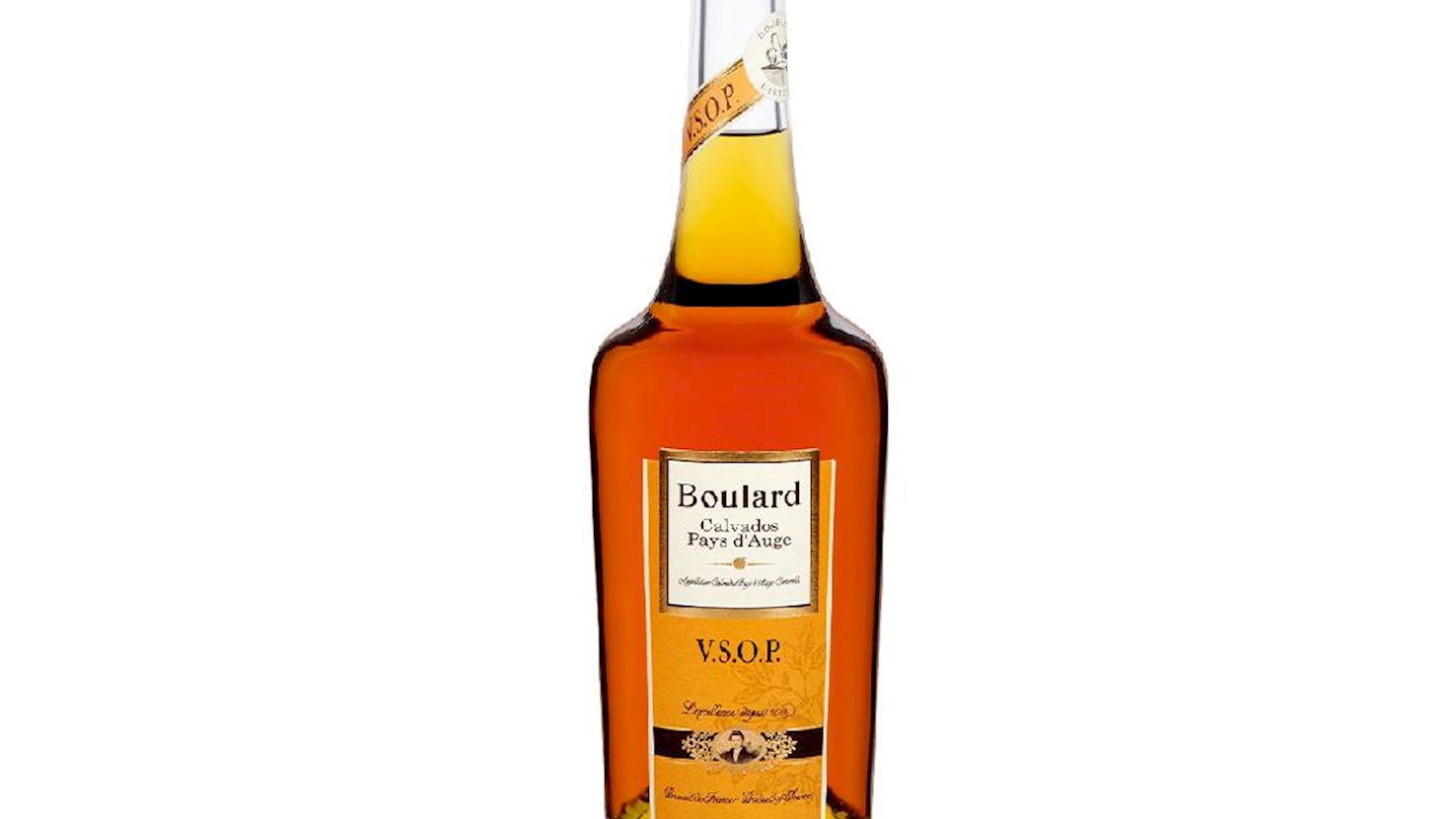
Calvados Boulard is a renowned French producer specializing in Calvados, an apple brandy originating from the Normandy region. Established in 1825, the company is known for its commitment to quality, blending tradition with modern techniques. Boulard uses a variety of apples grown in the Pays d'Auge, a region famous for producing some of the finest Calvados. Their distillation process, combined with careful aging in oak barrels, creates complex and refined spirits. The brand offers a range of Calvados, from young, fresh varieties to well-aged expressions, appealing to both newcomers and connoisseurs.
Awards
SFWSC - San Francisco World Spirits Competition - Double Gold (2024, 2023)
IWSC- International wine & spirit competition - Silver (2024)
02

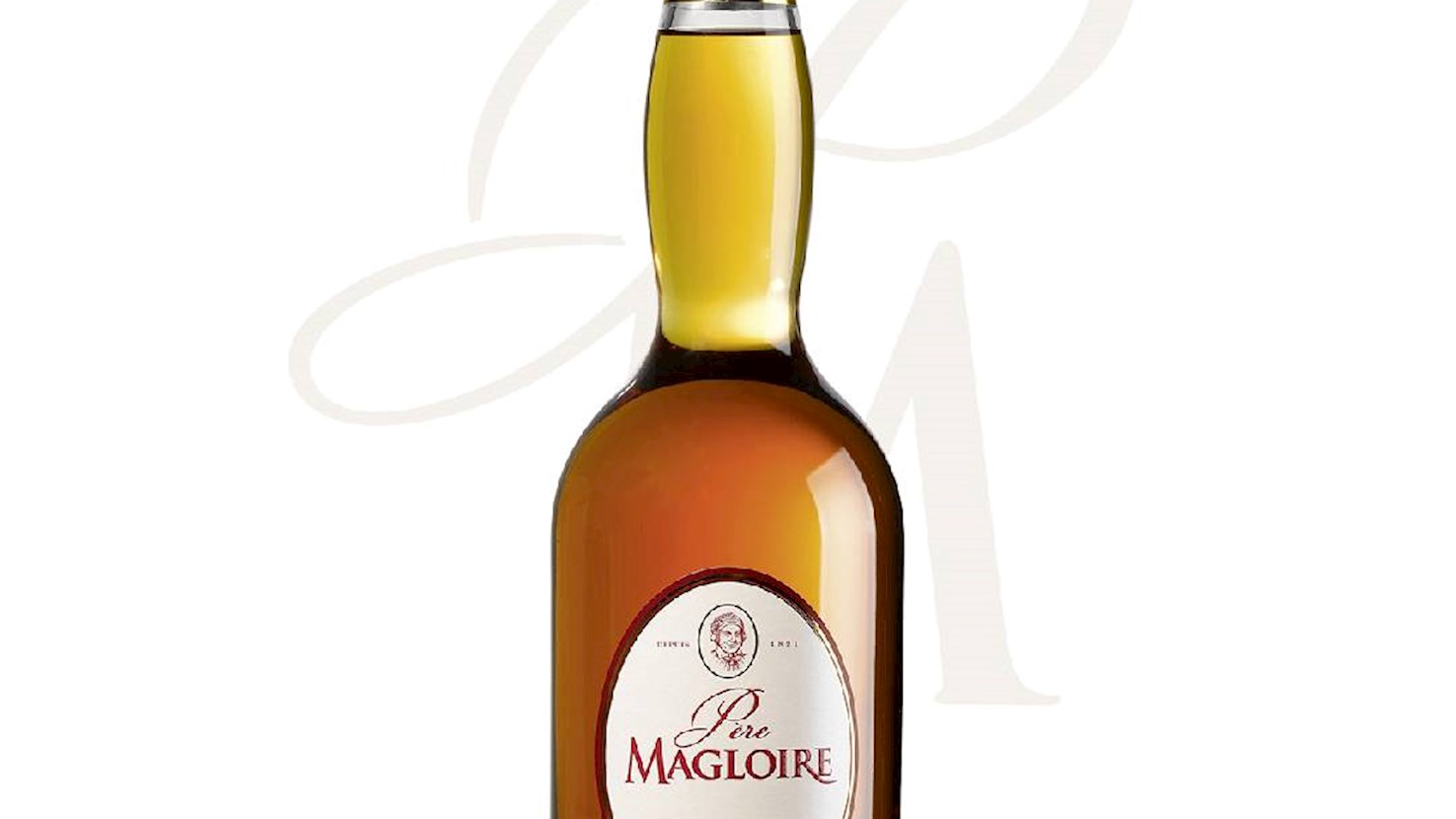
Calvados Père Magloire

5 ·
Père Magloire is one of the oldest and most prestigious producers of Calvados, founded in 1821 in the Normandy region of France. The distillery specializes in creating high-quality apple brandies using traditional methods, drawing on over two centuries of expertise. Père Magloire carefully selects apples from the Pays d'Auge, renowned for its rich apple orchards, and follows a meticulous double distillation process. Their Calvados offers a wide range of expressions, from young and vibrant to aged and complex, each showcasing rich apple flavors, subtle spices, and refined character. The brand is known for its dedication to preserving Normandy's heritage while innovating to offer a world-class Calvados experience.
Awards
SFWSC - San Francisco World Spirits Competition - Double Gold (2024)
IWSC- International wine & spirit competition - Silver (2024)
03

Armagnac Janneau

5 ·
Armagnac Janneau is one of the oldest and most prestigious Armagnac producers in France, founded in 1851 by Pierre Etienne Janneau in the town of Condom, located in the heart of the Armagnac region. For over a century and a half, Maison Janneau has remained faithful to traditional production methods, combining them with innovations to create high-quality Armagnacs. It is particularly distinguished by its use of two distillation methods: continuous distillation and double distillation in traditional copper stills, a rarity among Armagnac producers. All production processes, from distillation to aging and bottling, take place within the AOC Armagnac region, ensuring authenticity and superior quality in every product. The aging process occurs in old cellars built in 1851, where the Armagnac matures in French oak barrels, acquiring richness of flavor and complexity.
Awards
IWSC- International wine & spirit competition - Spirit Gold (2024, 2021)
SFWSC - San Francisco World Spirits Competition - Gold (2024)
04

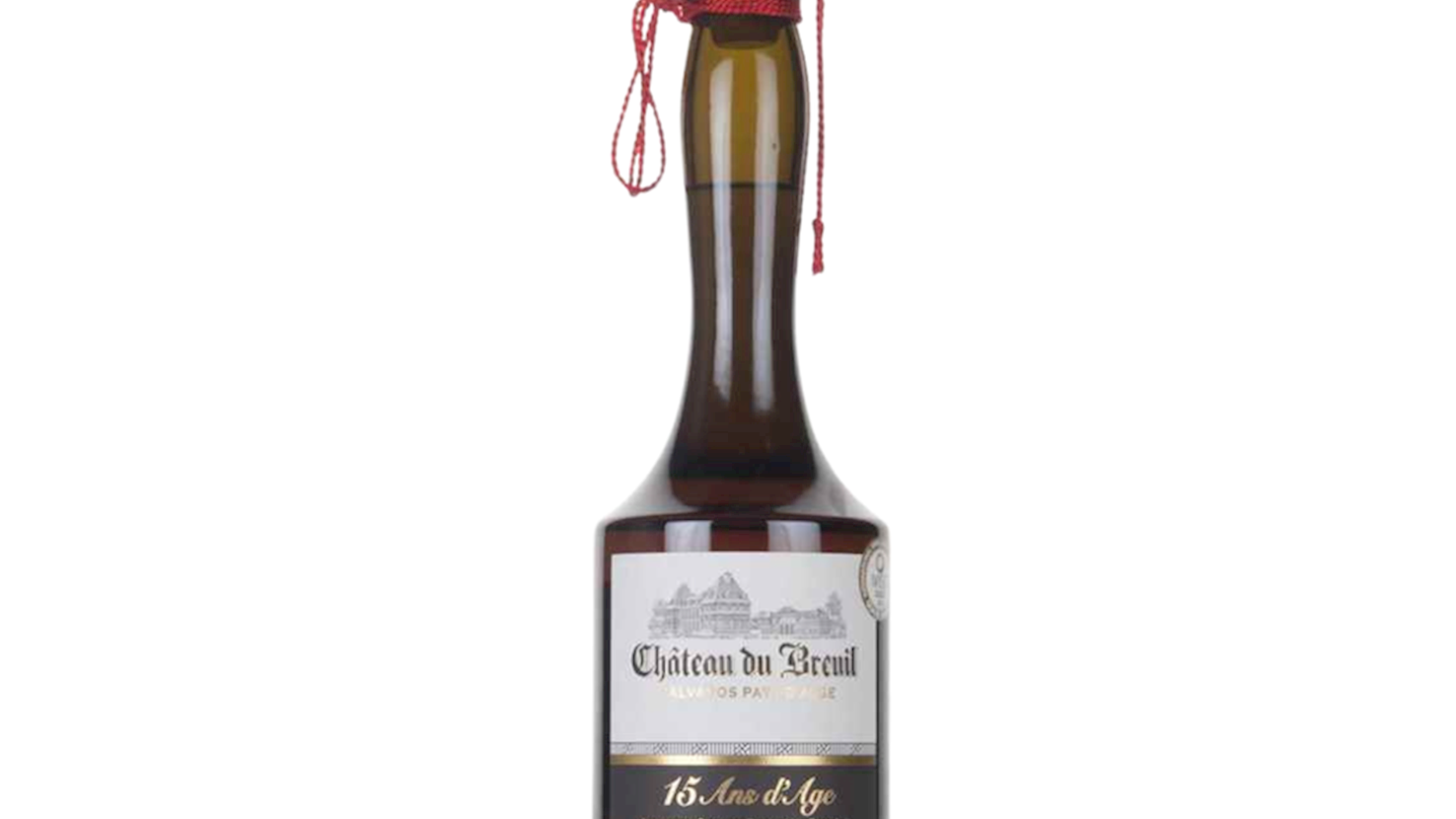
Château du Breuil

5 ·
Awards
World's Best Calvados - Winner (2022)
IWSC- International wine & spirit competition - Spirit Gold (2020)
05

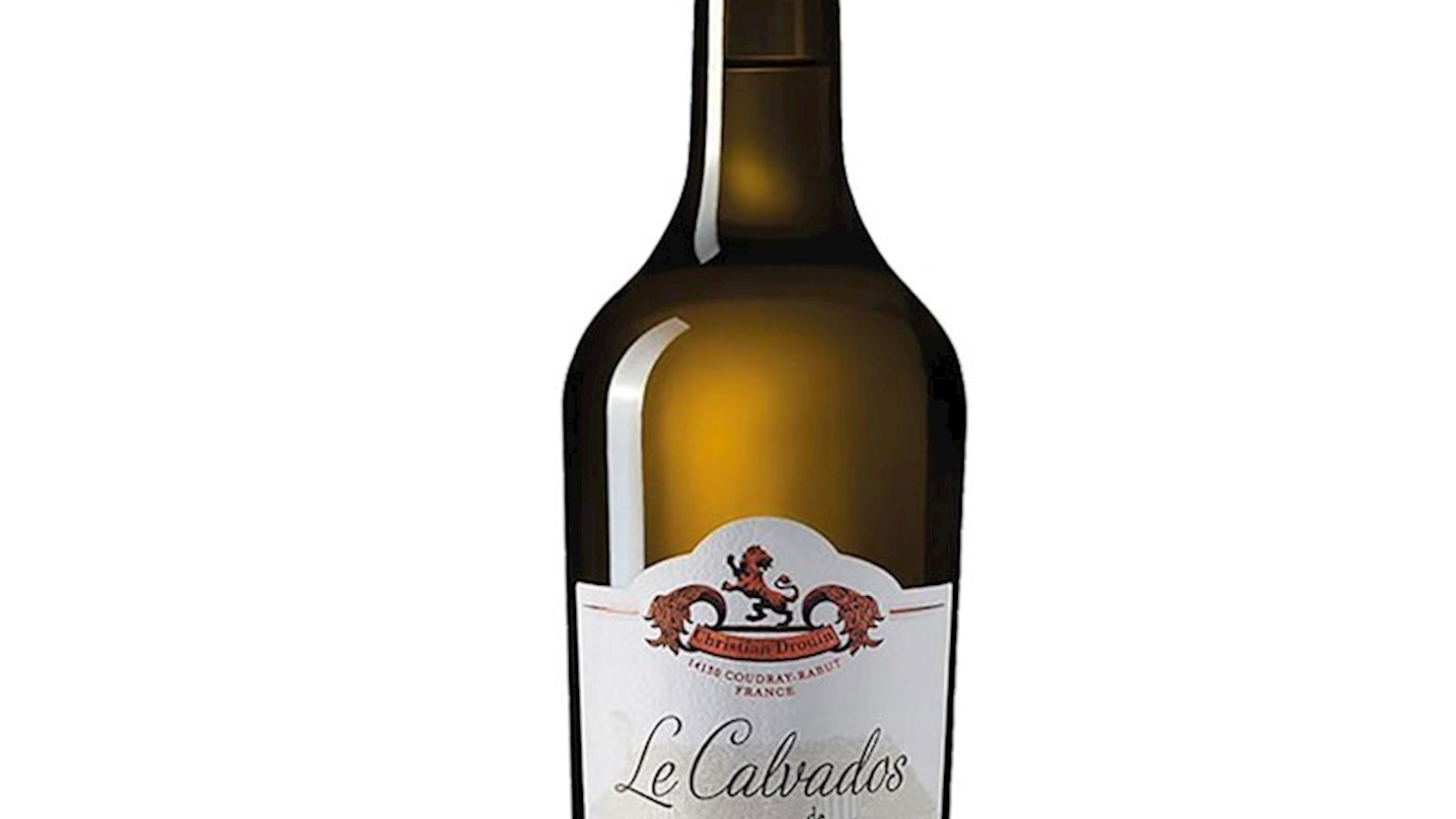
CALVADOS CHRISTIAN DROUIN

5 ·
Awards
ISC-International Spirits Challenge - Double Gold (2023)
World Calvados Awards - Best XO (2022)
06

Cidrerie du Vulcain

4.7 ·
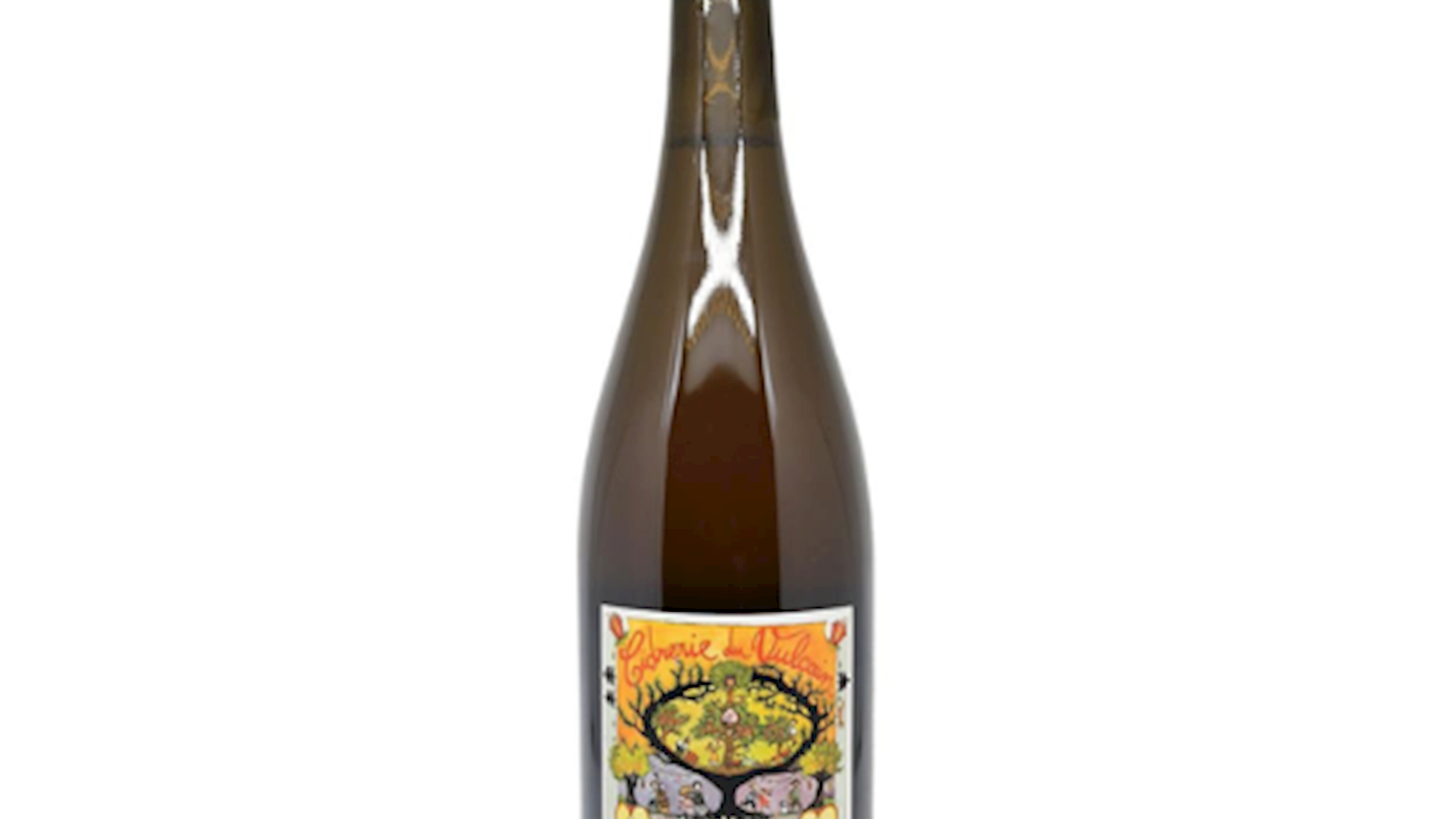
Cidrerie du Vulcain, led by Jacques Perritaz, is now based in Normandy, in the village of Juvigny-Val-d’Andaine. In 2022, Perritaz purchased a farm, securing his own orchards and production space, thereby strengthening the foundation of his work. The fruit he uses comes from old apple, pear, and quince trees, often abandoned or forgotten varieties that he rediscovers and revives. Fermentation takes place spontaneously with indigenous yeasts in stainless steel or lined tanks, and he often employs the ancestral method, bottling before fermentation is complete. This process results in natural carbonation and an authentic character, without disgorging or additional processing. His work reflects a fusion of Swiss experience, gained in Fribourg working with old orchards, and the rich traditions of Normandy as a historic center of cider and perry. In this way, Perritaz has developed a distinctive style rooted in minimal intervention and authenticity. Today, Cidrerie du Vulcain stands as an example of a producer that successfully combines tradition, terroir, and innovation, preserving rare varieties and creating drinks that captivate with their natural purity and sense of origin.
Awards
Untappd - 4.0
07

Calvados Lecompte

4.5 ·
Awards
IWSC- International wine & spirit competition - Spirit Gold (2024)
08

Calvados Pierre Huet

4.4 ·
Awards
USA Wine Ratings - Gold (2022)
09

PR DISTRIBUTION

4.3 ·
Awards
World Beer Awards - Gold (2023)
10

Three Tigers Brewing

3.7 ·
Awards
U.S. Open Beer Championship - Gold (2023)

Best Norman Beverage Types

01

Cidre de Normandie

4.2 ·

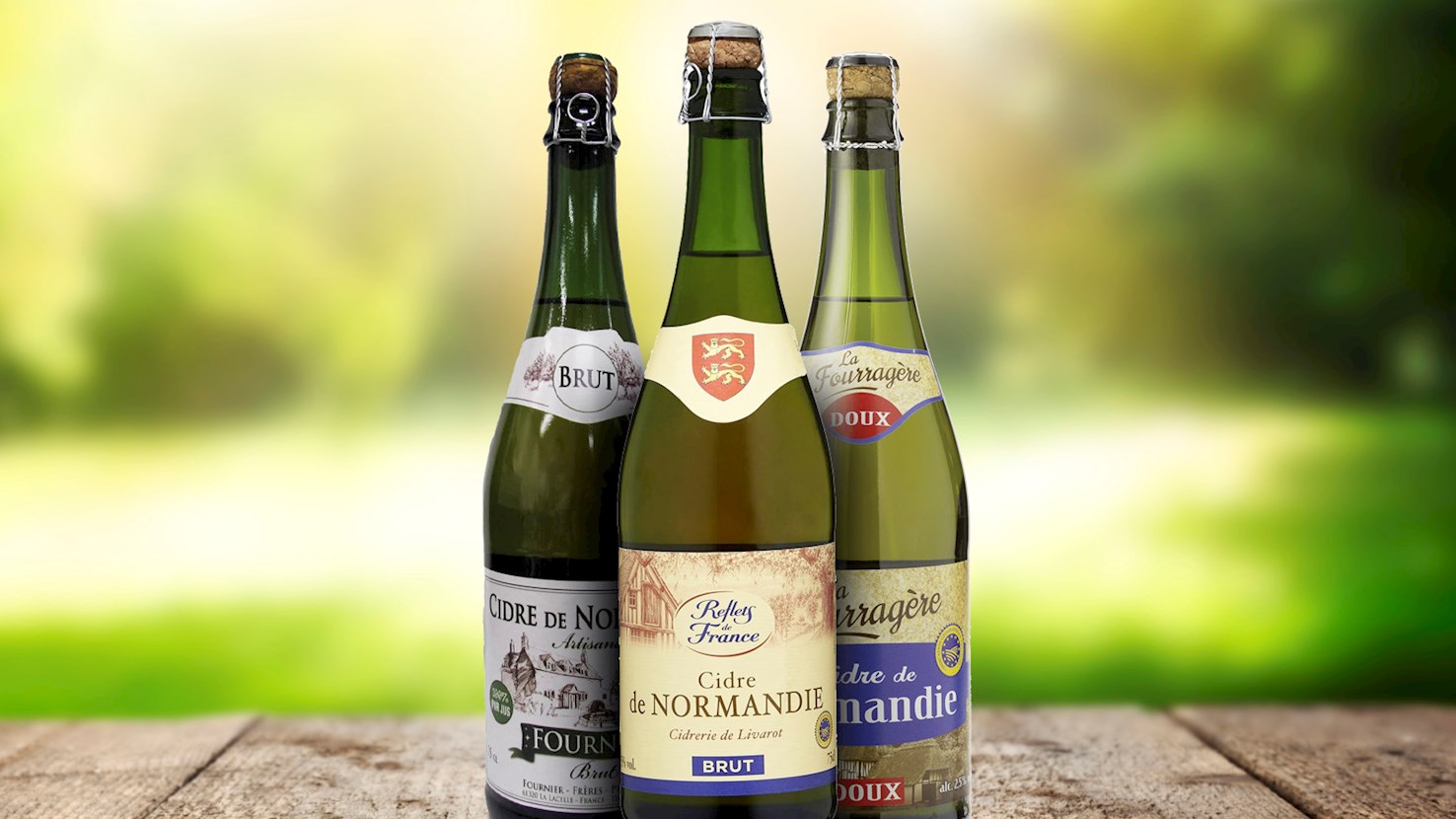
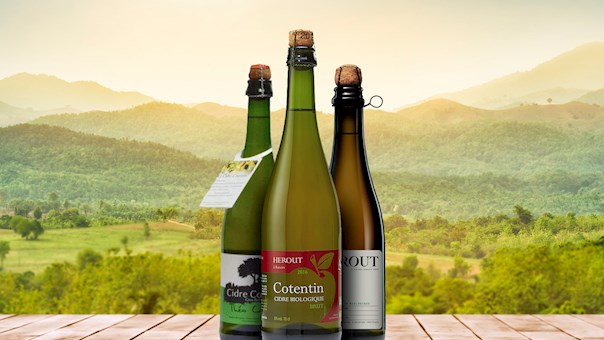
Cidre de Normandie is a cider, clear or muddled alcoholic beverage made through the process of fermentation in the French region of Normandy. Ciders from Normandy are light yellow to dark orange, with a foamy head and fine bubbles throughout their liquid body. The flavors are intense and rich - fruit, flowery and sweet, with a plethora of undertones reminiscent of apple, citrus fruit, peach, apricots, aniseed, lime, rose, cocoa, caramel and honey. The apples used in the process are sweet or bittersweet varieties, with the addition of perry pears to make the Normandy cider characteristically more acidic. Due to the slow and long fermentation, a deeper, sweeter flavor is produced, making the cider a great drink at the end of a big meal.

02

Calvados

3.6 ·

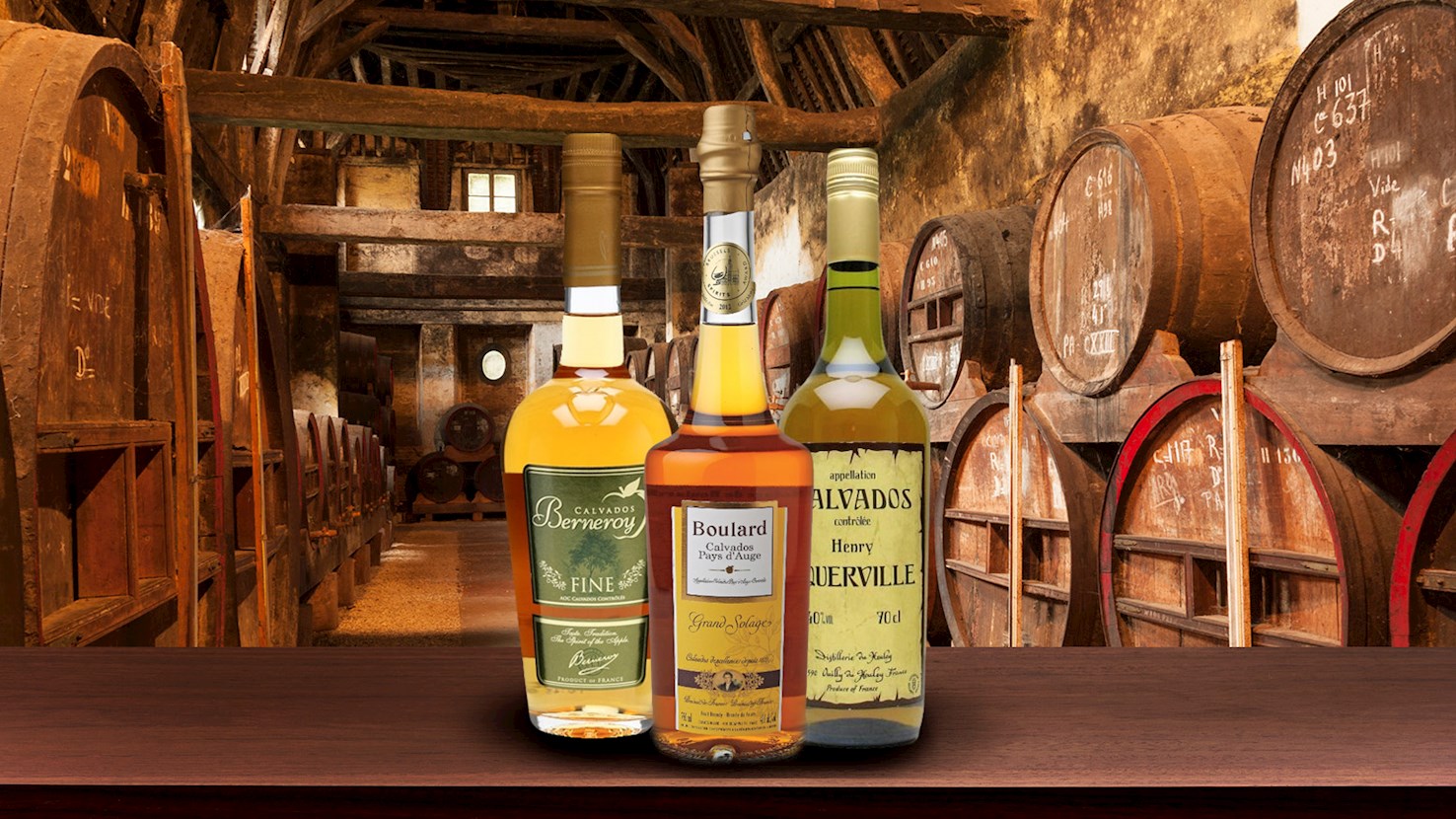
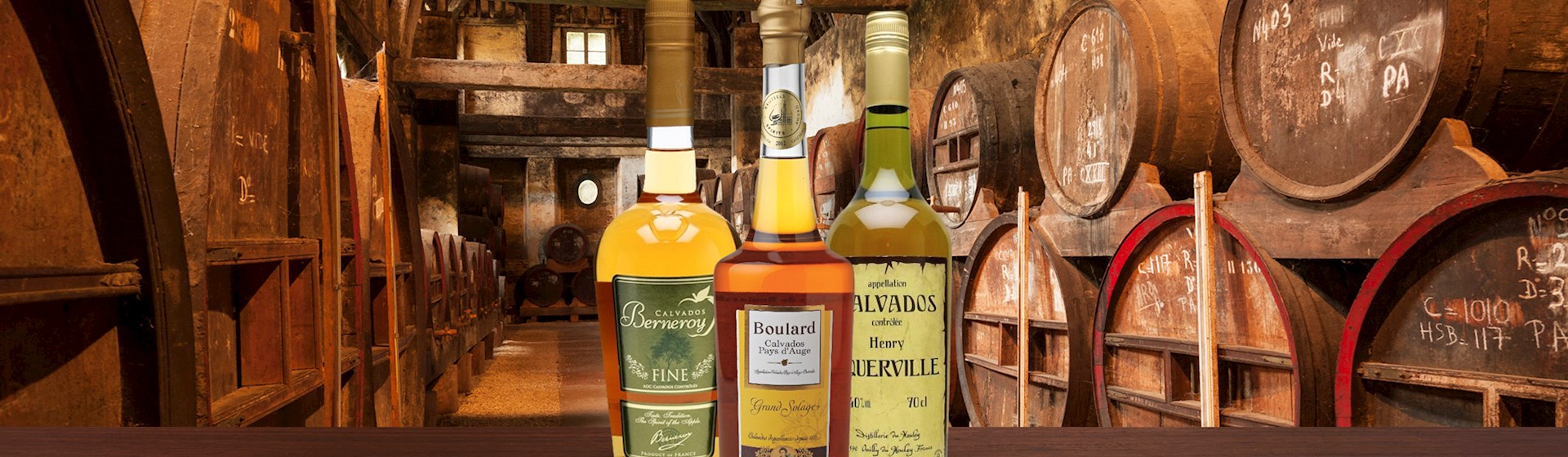
Calvados is a brandy distilled from apple cider or a combination of apples and pears. The fermented juice is usually double distilled to create the base of the brandy, which is then aged, and finally blended. The production of Calvados is strictly regulated, and final products are classified according to the length of maturation, with two years being the minimum aging period. The appellation Calvados is divided into three sub-regions that slightly differ in the base ingredient, terroir, and the distillation process. All these factors, including aging, influence the final character of Calvados. Young varieties typically display aromas and flavors of ripe fall fruit, cinnamon, mint, and citrus. With age, they tend to develop into heavier, more rustic aromas of nuts, chocolate, or butterscotch. Calvados is mainly enjoyed as a digestif, preferably served neat in a tulip glass, but its character can match a wide array of dishes, especially apple, chocolate, or caramel-based desserts. It is also used for flambéing or deglazing.

03

Bénédictine

3.3 ·

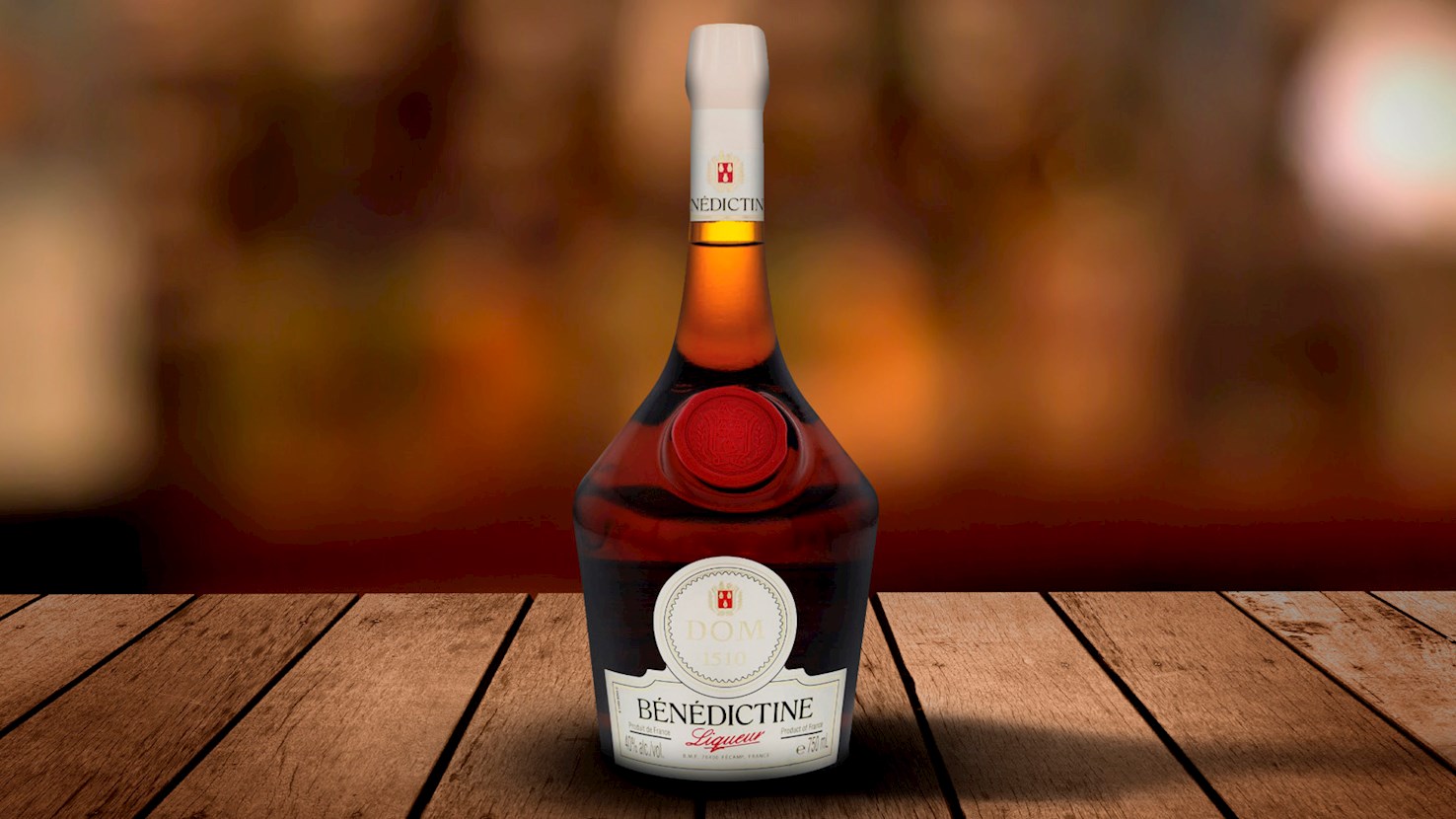
Although the true origin of this French herbal liqueur is somewhat mysterious, one theory claims that Alexandre Le Grande obtained the original recipe from a Benedictine monk. Le Grande started to produce the drink under its current name in 1863, and Bénédictine is still produced following the original, secret recipe that includes 27 herbs and spices. After distillation and careful blending, the final combination is infused with saffron and honey that provide for its typical amber hues and sweetness. Bénédictine is a rich liqueur that displays notes of citrus fruit, spices, and herbs. It is best enjoyed neat or on the rocks, but it also nicely pairs with tonic water and lime. The drink is still produced at the original Palais Bénédictine distillery in Fécamp.

04

Pays d'Auge - Cambremer

n/a ·

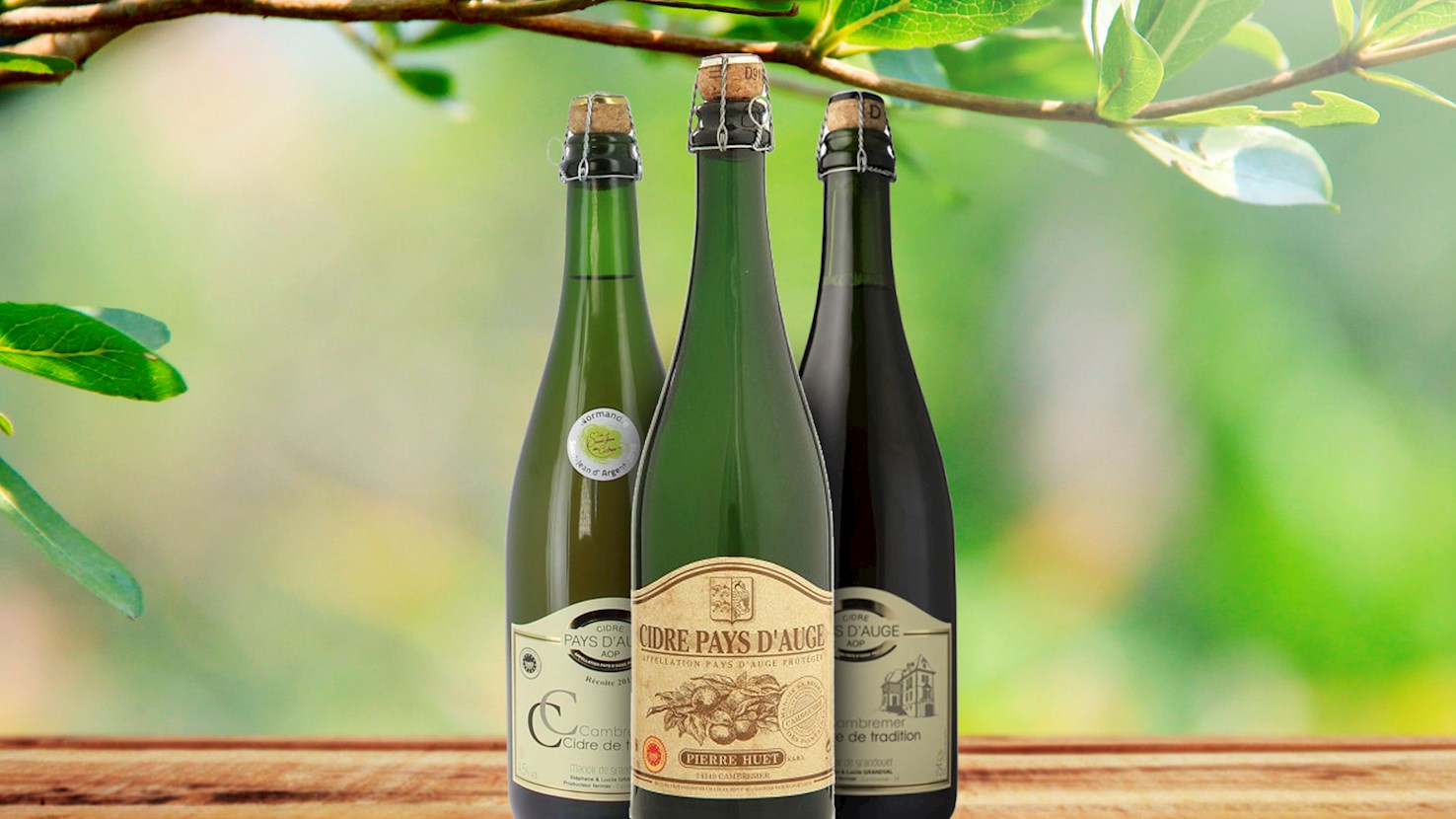
Pays d'Auge Cambremer is a cider made by the process of fermentation of a traditional variety of apples in the French regions of Lower and Upper Normandy. The Cambremer area is in the middle of the Pays d'Auge. The fermentation of the chopped or grated apples is a slow process, and the final product is an unsweetened, unpasteurized and natural cider with a fruity flavor and an amber color. It has a perfect balance of acidity and sweetness and has been renowned for its quality since the time of King Henry IV when his doctor mentioned the unique cider in his writings. It still holds a very high reputation in France and is sold in glass bottles of different shapes and sizes that are suitable for the internal pressure resistance caused by the final stage of fermentation. Locally, it is enjoyed after a hearty meal and goes especially well with seafood or poultry dishes.

05

Kir Normand

n/a ·

Kir Normand is a variation of the famous Kir, made with a combination of crème de cassis, Calvados, and Normandy cider (instead of wine). In order to prepare it, all ingredients should be poured into a flute glass and stirred. This cocktail can be garnished with an apple twist, if desired. In Normandy, it is usually enjoyed at Christmas and New Year.

06

Pommeau

n/a ·

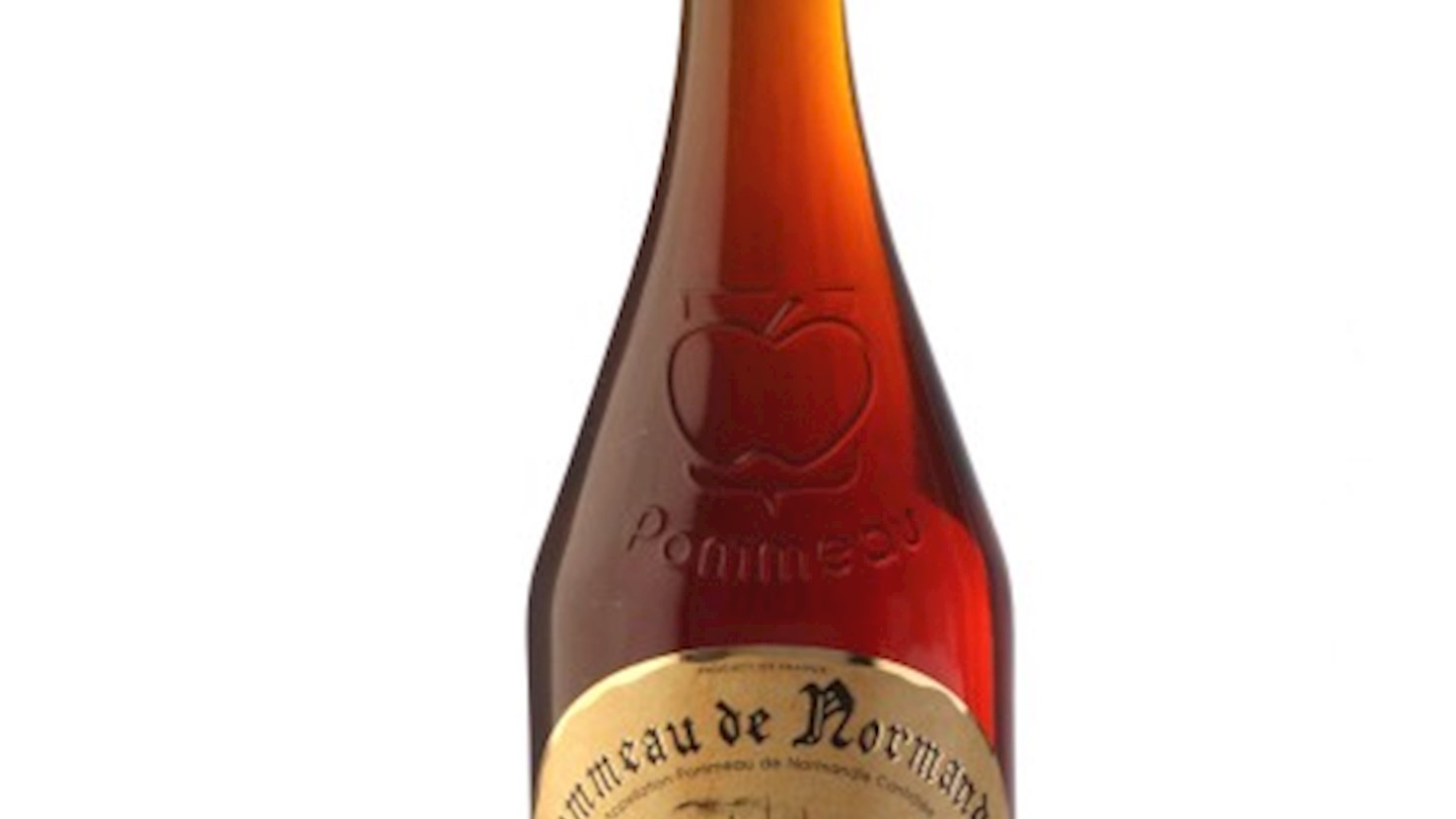
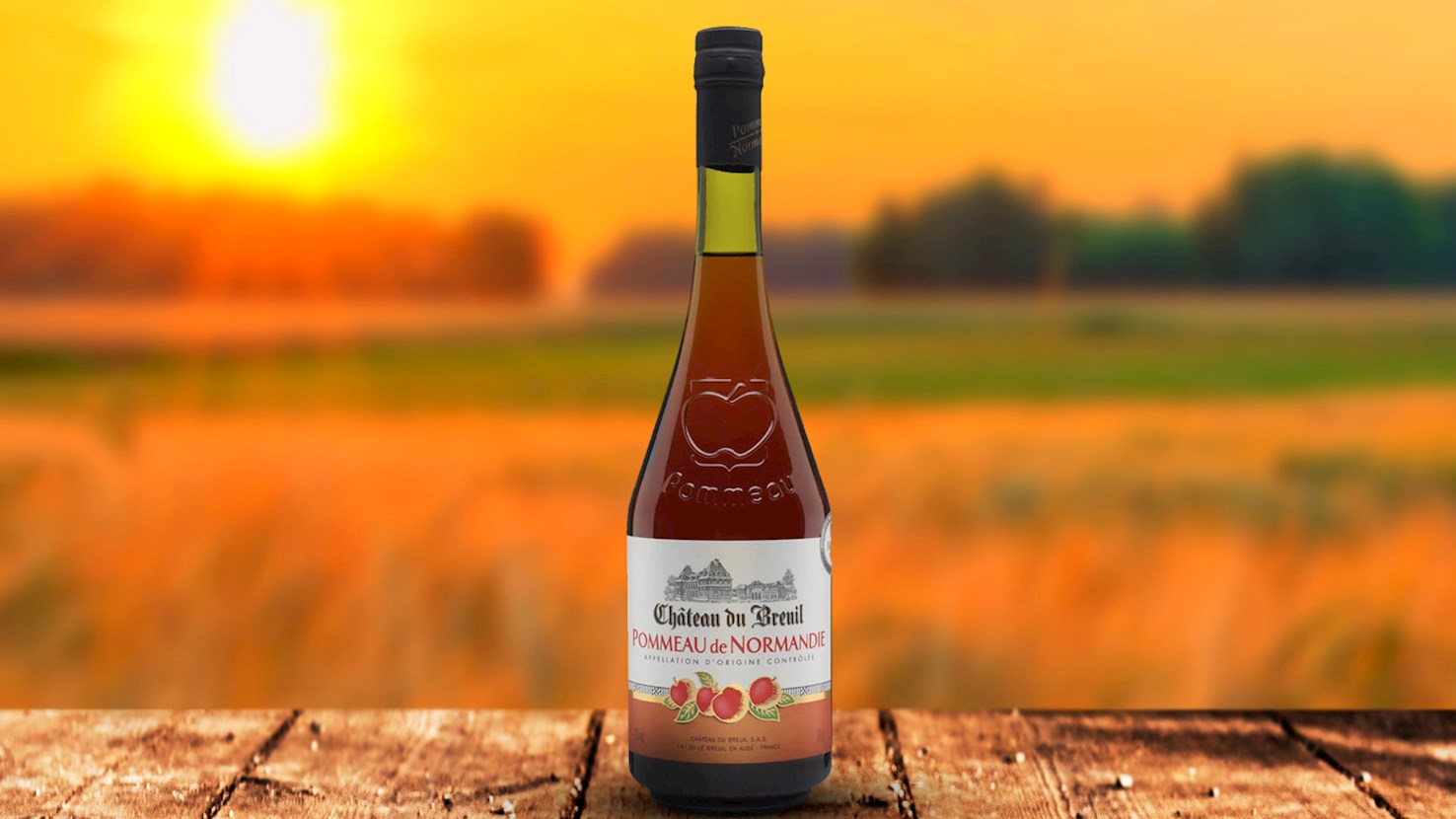
Pommeau is a French drink that combines unfermented apple juice (apple must) and apple brandy—traditionally, Calvados is used. The drink is officially classified as a mistelle, a blend of brandy and fruit juice. The production involves fermenting apple juice, adding Calvados, and allowing the combination to age and mellow in barrels. Pommeau is a full-bodied and typically amber-colored beverage with a fruity character and complex notes reminiscent of ripe fruit, citruses, and nuts. On the palate, it displays stewed ripe fruit and toasted nuts. It is bottled at 17% ABV.

Although Normandy has a long tradition of adding brandy to apple ciders, the commercial production is relatively recent, and pommeau was awarded AOC status in 1991. To classify as a protected regional product, the apples must come from the official Calvados area, and the blend must be oak-aged for at least 14 months. Pommeau is best enjoyed as an aperitif, but it also pairs well with pungent cheese, foie gras, and cholate or fruit desserts. It should always be served well-chilled.

07

Domfront

n/a ·

Domfront is a perry, a sparkling drink made from several varieties of hand-picked perry pears in the French regions of l'Orne, Mayenne and Manche. The perry is made by fermentation and is characterized by its clear, pale yellow to golden yellow color and fine bubbles. The taste of Domfront perry is fruity and flowery, with undertones of exotic fruit, toast and brioche, somewhat acidic and sweet because of the unfermented sugars in it. Aeration is strictly prohibited; the perry sparkles because of the natural slow fermentation that lasts six weeks. Held in high regard, it is nicknamed "the Champagne of Normandy". Domfront can be drunk as an aperitif before a meal, or it can accompany meat and fish dishes, as well as desserts.

08

Noyau de Vernon

n/a ·

Noyau de Vernon is an elegant, pale-golden fruit kernel liqueur hailing from the French town of Vernon, celebrated for its smooth, slightly syrupy consistency and delicate almond and cherry aromas with subtle floral notes. Emerging in the 19th century along the Seine, this spirit was ingeniously crafted by local distillers looking to upcycle the apricot and cherry pits left over from regional jam and brandy production. To create this refined digestif, producers crush clean, dried stone fruit kernels and steep them in a neutral spirit to draw out their flavors. The resulting infusion is then filtered, sweetened with syrup, and occasionally enhanced with a dash of fruit distillate before undergoing a brief resting period designed to harmonize the liquid without introducing heavy, aged notes. Unlike dense, cloying nut liqueurs, Noyau de Vernon is defined by its remarkable clarity and finesse, delivering a nuanced balance of gentle sweetness, subtle floral hints, and the distinctly bittersweet essence of almond and cherry pit. While minor variations exist depending on the specific kernels used, the duration of maceration, or the addition of subtle botanicals, the liqueur consistently maintains its signature fresh, bright character. Traditionally served neat—either chilled or at ambient temperature—as an after-dinner drink, it is also a prized ingredient in baking, and its bittersweet nuances make it a phenomenal companion to rich coffees, dark chocolates, fruit tarts, and almond-based confections.

09

Poiré de Domfront

n/a ·

Poiré de Domfront is an elegant, naturally sparkling perry (pear cider) exclusively crafted in the Domfront region of Orne. Showcasing a pale straw-gold hue and delicate, persistent bubbles, this low-alcohol beverage is celebrated for its lively acidity, subtle sweetness, and an aromatic bouquet brimming with fresh pear and floral notes. Its origins are deeply rooted in the region's ancient, high-stem pear orchards, where local producers gradually developed a refined style entirely distinct from the area's robust apple ciders—a unique heritage formally recognized with an official geographic designation in the late 20th century. The production process is meticulous: designated perry pears are hand-harvested at peak ripeness, crushed, and cold-fermented over several months. This unhurried method allows the liquid to clarify naturally and develop its own carbonation in the bottle, strictly avoiding any artificially injected gas. While the final profile can range from dry to gently sweet based on the specific fruit blend and fermentation time, appellation laws require a dominant proportion of local Domfront pears to guarantee the drink's signature aromatic finesse. Best served chilled, this refreshing beverage is a sophisticated choice for an aperitif or a table companion, pairing beautifully with delicate foods like shellfish, fresh cheeses, savory crêpes, and light desserts without overpowering them.

10

Cidre du Pays d'Auge

n/a ·

Cidre du Pays d’Auge is an apple cider from France produced within the legally defined Pays d’Auge area. It is a naturally sparkling beverage with a pale gold to amber color, moderate alcohol, fine bubbles and a balance of fruit sweetness, acidity and gentle tannin derived from cider apples, offering a fresh mouthfeel and aromas that range from ripe apple and pear to subtle floral and earthy notes. Cider making in this area developed as apple orchards expanded after viticulture declined in northern France, and by the Middle Ages fermented apple drinks were firmly established as a daily beverage, with the Pays d’Auge becoming known over time for careful orchard management and controlled fermentation that distinguished its cider from more rustic farmhouse versions. Production begins with the cultivation of cider apple orchards composed of bitter, bittersweet, sweet and acidic varieties, harvested in autumn and milled to extract juice that is slowly fermented at low temperatures, often over several months, allowing natural clarification and the development of fine carbonation before bottling. The cider matures in tanks or bottles until its flavors integrate, with no forced carbonation, resulting in a beverage that reflects both apple selection and fermentation pace. Variations include dry, semi-dry and sweet styles depending on the balance of apple types and fermentation duration, as well as still and more effervescent expressions, while a defining element of Cidre du Pays d’Auge is the strict use of apples grown within the designated area and the emphasis on slow fermentation that preserves aromatic complexity. It is consumed in homes, bistros and restaurants, served chilled as a table drink, used in cooking with poultry, pork or sauces, and paired naturally with dishes such as crepes, cheeses, seafood or apple-based desserts where its acidity and fruit character complement the food without overpowering it.

Read more
View all
View map
About this ranking

TasteAtlas food rankings are based on the ratings of the TasteAtlas audience, with a series of mechanisms that recognize real users and that ignore bot, nationalist or local patriotic ratings, and give additional value to the ratings of users that the system recognizes as knowledgeable. For the “Top 14 Norman Beverages” list until June 04, 2026, 153 ratings were recorded, of which 135 were recognized by the system as legitimate. TasteAtlas Rankings should not be seen as the final global conclusion about food. Their purpose is to promote excellent local foods, instill pride in traditional dishes, and arouse curiosity about dishes you haven’t tried.

The initial list of top producers was compiled based on available reviews, awards, local recommendations, media and blog coverage, and consumer reviews. The list will be updated with ratings from TasteAtlas local ambassadors and TasteAtlas users.

Similar lists