Top 18 Peloponnesian Beverages

Last updated on June 04, 2026

Best Peloponnesian Beverages
01

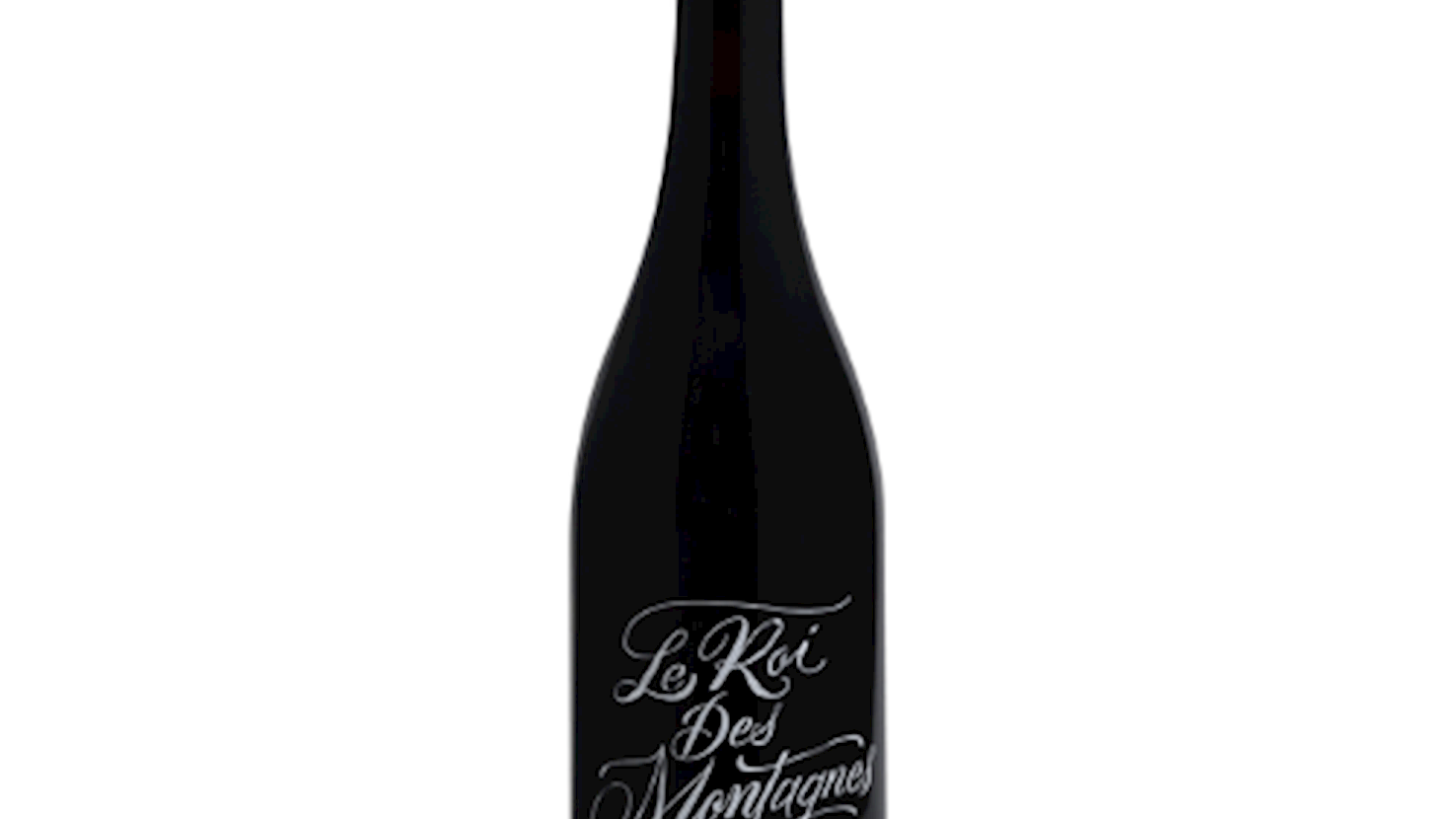
Skouras

4.9 ·
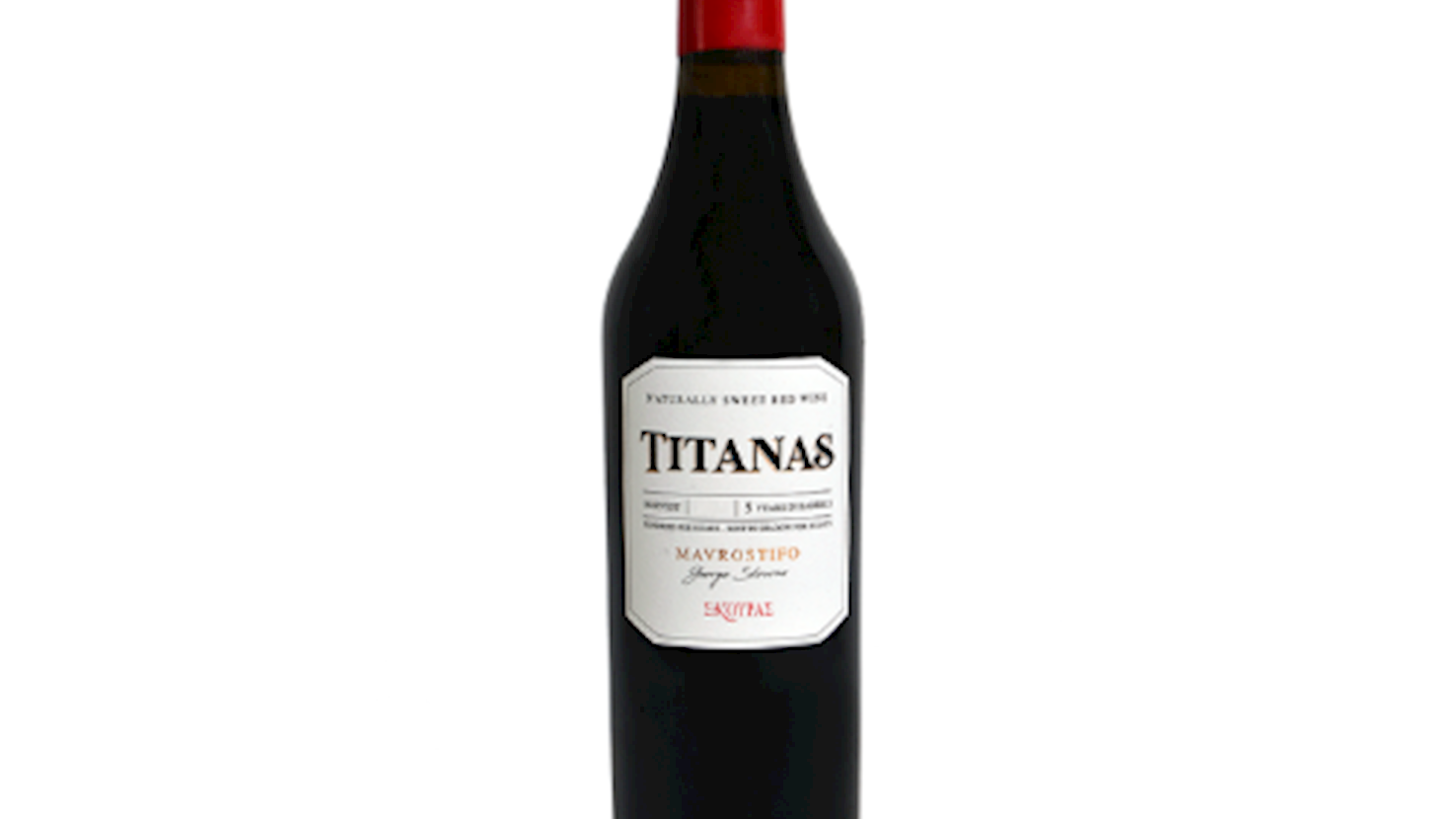
Skouras is one of the leading forces in modern Greek winemaking, located in the Nemea region of the Peloponnese, an area closely associated with the Agiorgitiko grape. Founded in 1986 by winemaker George Skouras, who trained in Dijon, the winery combines international expertise with a strong focus on Greek terroir. Its vineyards are spread across multiple zones, including Nemea, Mantinia, and Argolida, at varying altitudes that allow for both ripeness and freshness in the grapes. Domaine Skouras works extensively with indigenous varieties such as Agiorgitiko and Moschofilero, while also incorporating international grapes like Cabernet Sauvignon, Merlot, and Viognier. The winemaking approach emphasizes precision, with controlled fermentation and careful oak aging used to enhance structure and complexity. The wines are known for their balance between fruit expression, acidity, and refined tannins, often showing both immediate appeal and aging potential. Over time, the winery has played a significant role in elevating the reputation of Greek wines internationally, particularly through its consistent and terroir-driven interpretation of Agiorgitiko.
Awards
Vivino - 4.5
Vivino - 4.3
02

Achaia Clauss

4.9 ·
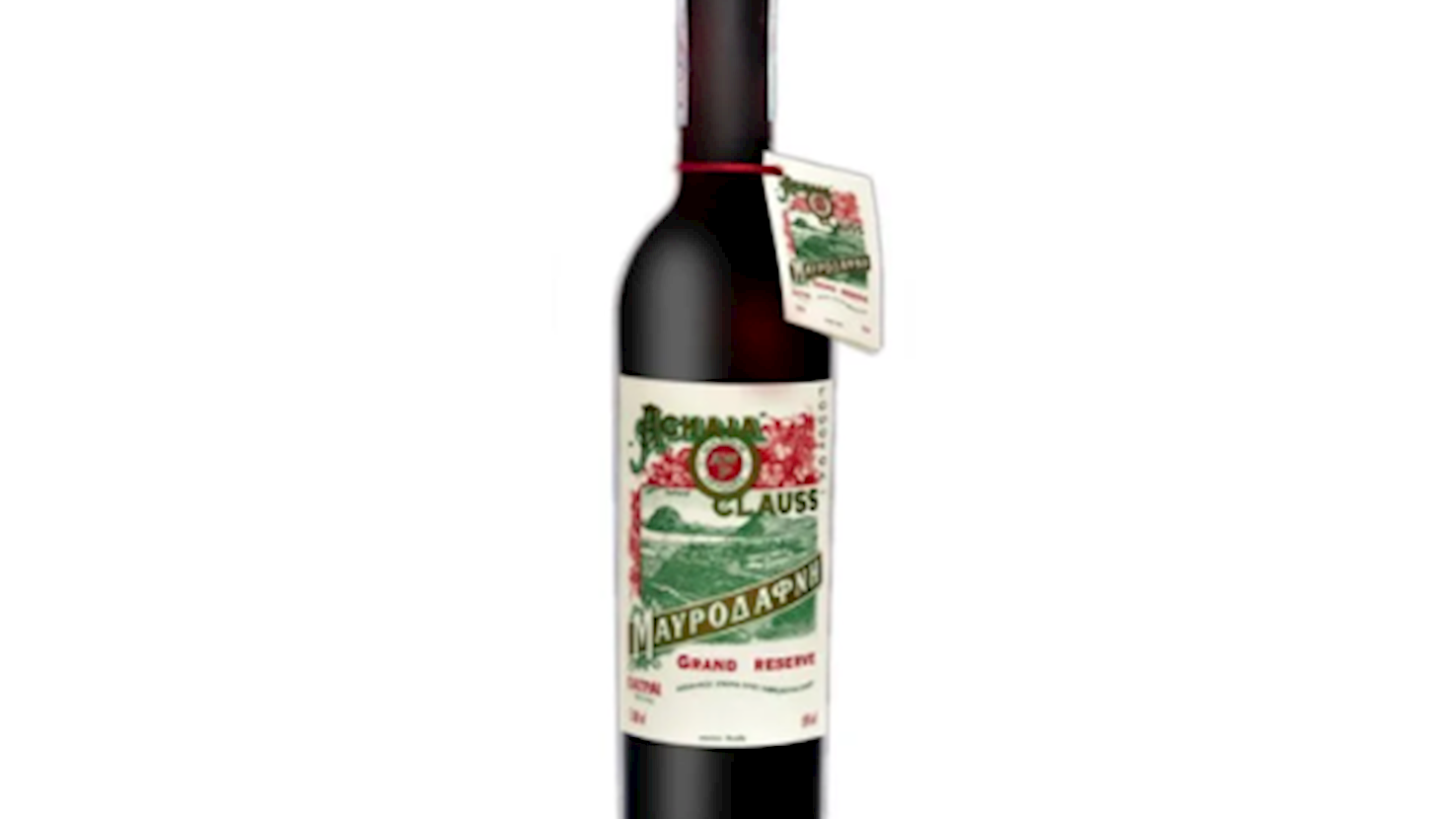
Achaia Clauss is one of the oldest and most historically important wineries in Greece, founded in 1861 in Patras by Gustav Clauss. Located on hillside vineyards overlooking the Gulf of Patras, the estate benefits from a Mediterranean climate that allows balanced ripening while maintaining freshness in the wines. The winery played a key role in the development of organized winemaking in Greece and was among the first to establish international exports. Its castle-like estate and historic underground cellars are central to its identity, providing natural conditions for aging wines. Achaia Clauss is especially known for its iconic fortified wine Mavrodaphne, which has become a symbol of Greek wine heritage. Today, the winery combines tradition with modern production, maintaining its reputation as a reference point for Greek wine and a major destination for wine tourism.
Awards
Vivino - 4.5
Wine-Searcher - 90/100
03

Vantana

4.9 ·
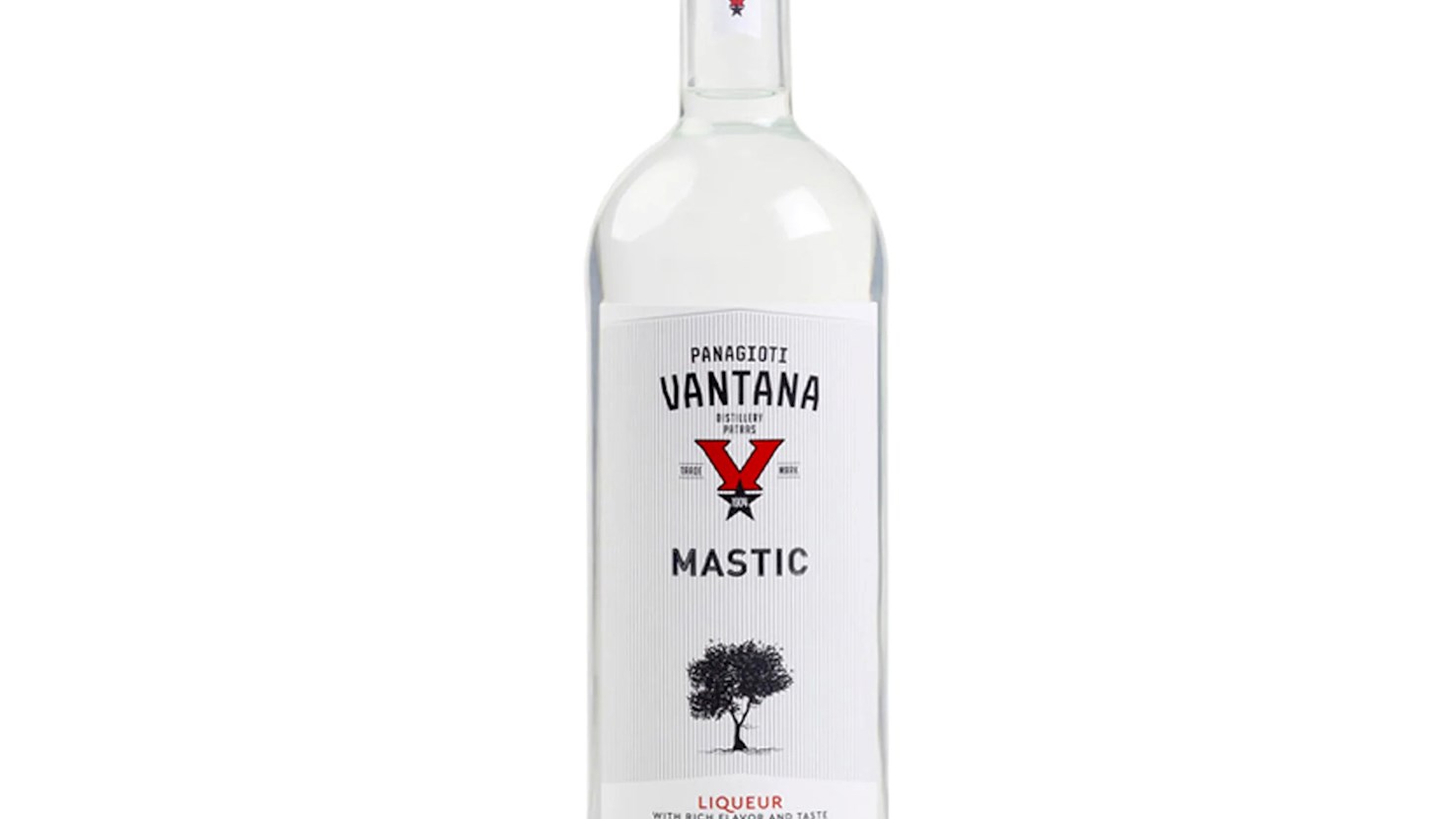
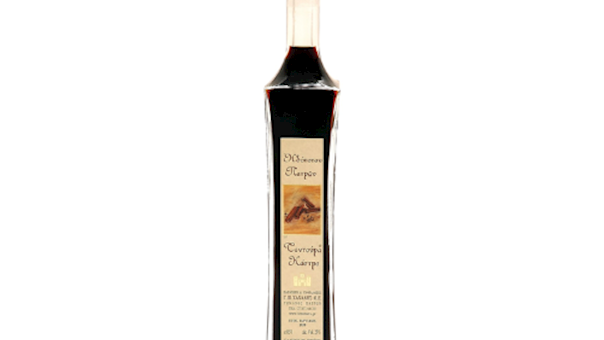
Vantana is a family-run Greek distillery founded in 1904 in the Patras region, now operated by the third generation while preserving a traditional production approach. Distillation takes place in handcrafted bronze stills through a slow process that can last up to 12 hours, ensuring a pure and stable distillate. Their portfolio includes 100% distilled ouzo, tsipouro without anise, mastic liqueur, and Tentoura specialties. High-quality raw materials are carefully selected, and during distillation the first and last fractions are discarded, keeping only the finest “heart” of the distillate. This method ensures exceptional aromatic clarity and authenticity in every product. The distillery has received international recognition, including awards for its mastic liqueur. Today, Vantana positions itself as a brand that successfully combines tradition, family heritage, and high production standards within the Greek spirits segment.
Awards
IWSC- International wine & spirit competition - Gold outstanding (2020)
04

Ktima Tselepos
4.8 ·
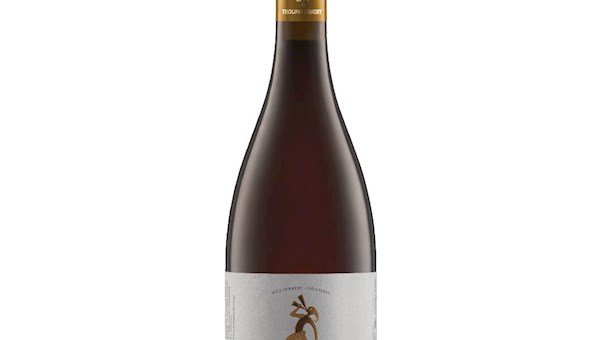
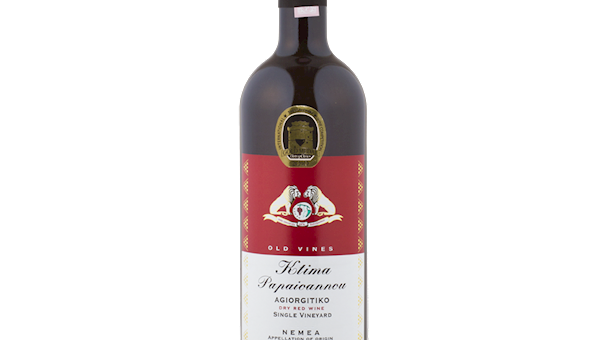
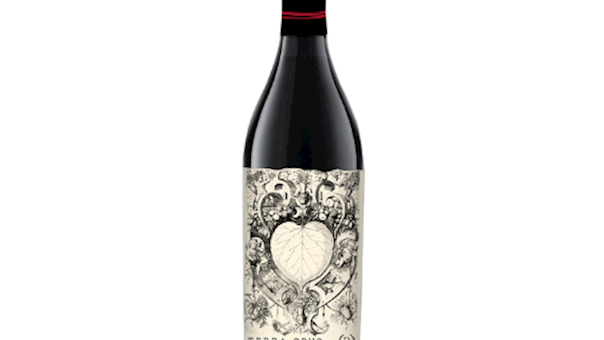
Ktima Tselepos is a family-owned winery located in the Peloponnese region of Greece, established with the aim of elevating indigenous Greek grape varieties through quality-focused viticulture and modern winemaking. Situated near Tripoli at higher altitudes, the estate benefits from cool nights and well-drained soils that support slow ripening and aromatic precision. The winery is particularly known for its work with Xinomavro and Agiorgitiko, producing wines that balance structure, freshness, and varietal clarity. Xinomavro bottlings often display red berry fruit, floral tones, firm tannins, and notable aging potential, while Agiorgitiko expressions tend to show darker fruit, rounder texture, and approachable balance. Vineyard management emphasizes site selection and careful yield control to preserve terroir expression. In the cellar, traditional practices are combined with controlled fermentation and thoughtful oak aging to enhance complexity without masking varietal identity. The portfolio includes both single-varietal wines and blends that reflect regional character. Overall, Ktima Tselepos represents a modern yet terroir-driven interpretation of Greek winemaking rooted in indigenous varieties.

Awards
Decanter World Wine Awards - Platinum (2024, 2021)
Decanter World Wine Awards - Best in Show (2021)
05

Monemvasia Winery

4.7 ·
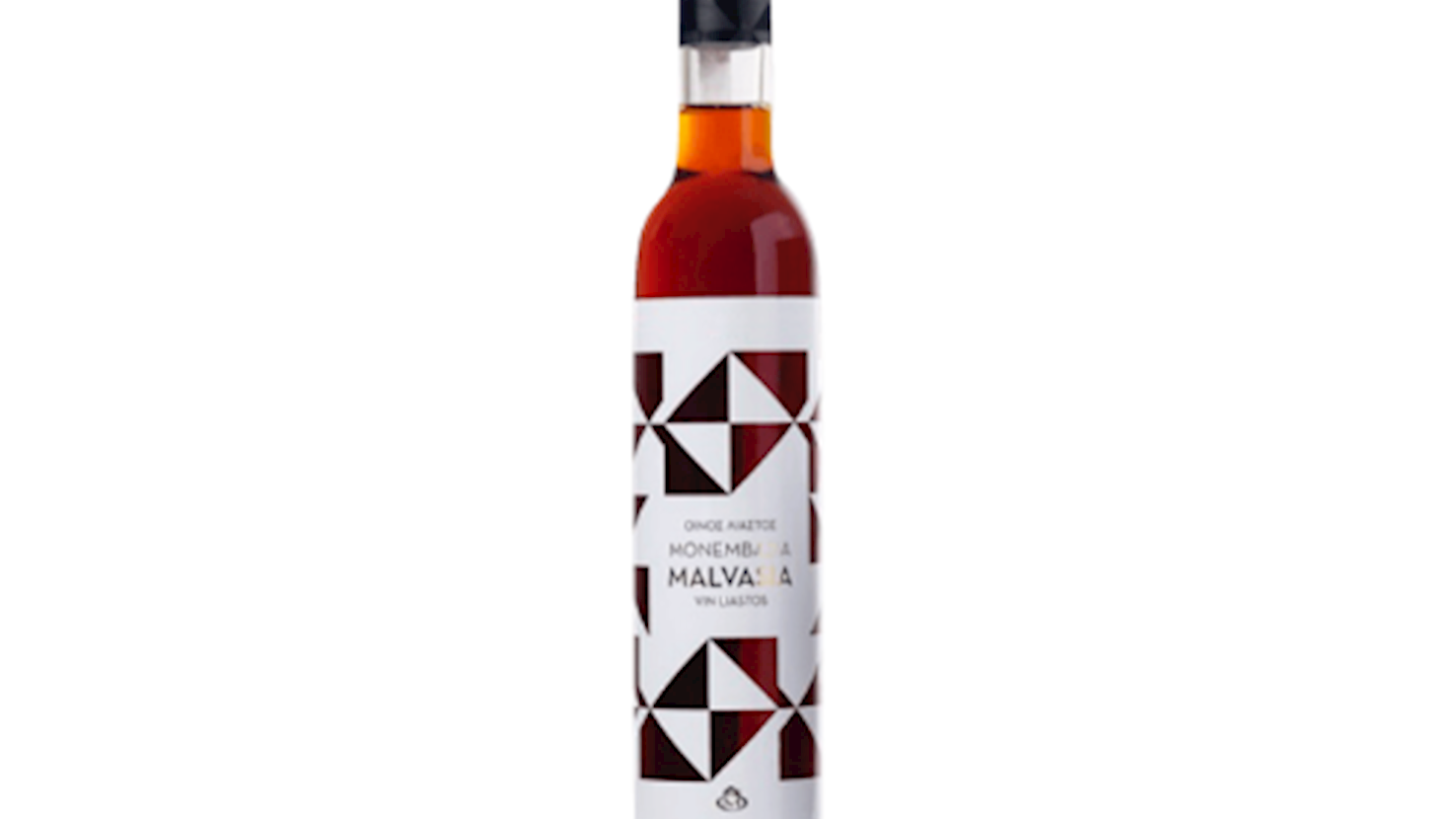
Monemvasia Winery is located in Monemvasia, a historic wine region in southern Greece with a legacy dating back to the Middle Ages. The winery was established with the aim of reviving the renowned Malvasia wines, which were once among the most sought-after wines in Europe. Its vineyards are planted on sun-exposed, rocky slopes near the sea, where a Mediterranean climate, intense sunlight, and cooling sea breezes contribute to the development of concentrated and aromatic grapes. The estate focuses on indigenous varieties such as Monemvasia, Kydonitsa, Assyrtiko, and Malvasia, emphasizing authenticity and regional identity. A key part of its production is dedicated to sweet and aged wines inspired by traditional Malvasia styles, often involving sun-dried grapes and extended maturation. The wines are characterized by a balance of ripe fruit, natural sweetness, and preserved freshness, with complex notes of honey, dried fruit, and spice in more mature expressions. Overall, Monemvasia Winery plays an important role in reconnecting modern Greek winemaking with its historical roots, while maintaining a contemporary approach to quality and craftsmanship.
Awards
Vivino - 4.3
Vivino - 4.1
06

Chris Distillery

4.6 ·
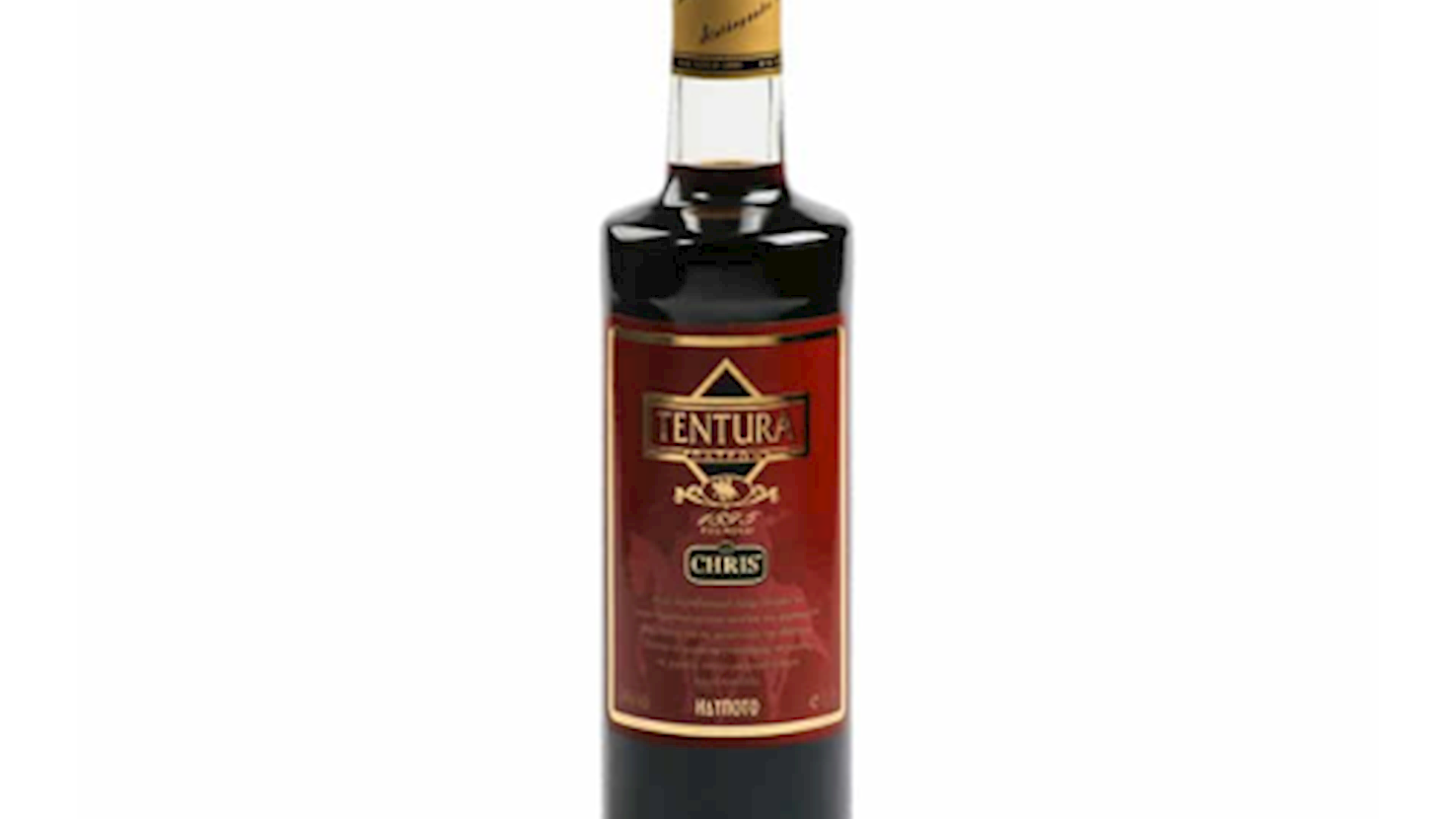
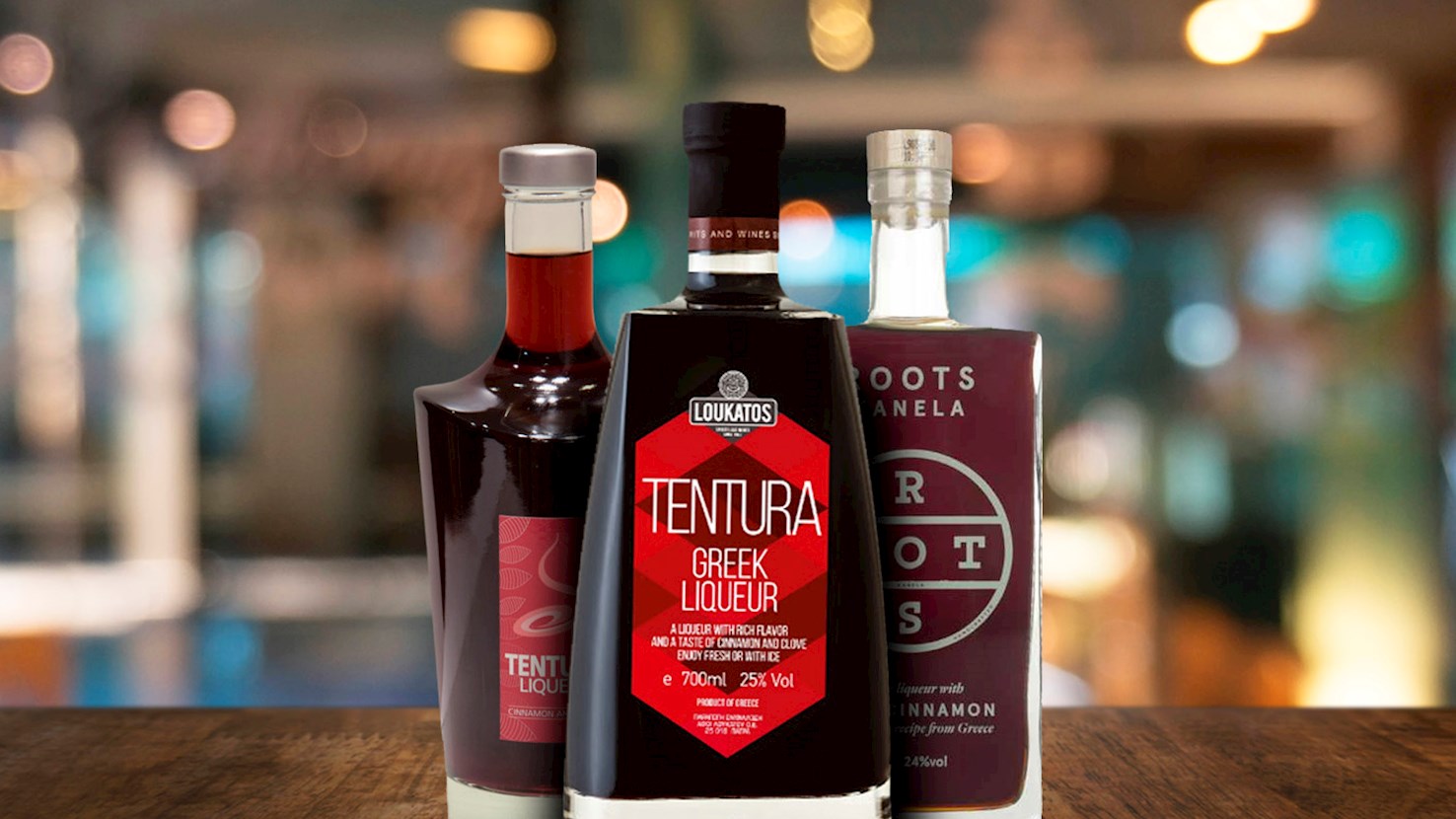
Chris Distillery is a family-owned distillery from Patras, in the Western Greece region, dating back to 1895 and now run by the fourth generation of the Chryssanthakopoulos family. Since its founding, the distillery has remained faithful to the original recipes of its founders, combining them with modern distillation technologies and strict quality control. Their portfolio includes a wide range of traditional Greek spirits, with one of the most iconic products being Tentura of Patras Chris - a historic liqueur flavored with cloves, cinnamon, and nutmeg, with roots in the gastronomy of Patras dating back to the 15th century. Their products are marketed both domestically and internationally, maintaining a distinctive visual identity and a reputation for quality. All processes - from distillation to bottling - take place at their facilities in Patras, with a strong emphasis on using locally sourced ingredients. The company is deeply connected to the cultural heritage of the region, and its spirits are a part of everyday life and celebrations in Greece. Thanks to this approach, Chris Distillery has become synonymous with authentic Greek spirits that bridge the past and contemporary taste.
07

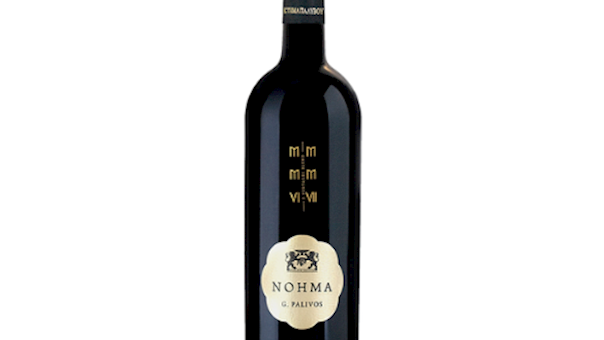
Mitravelas Estate

4.6 ·
Awards
Decanter World Wine Awards - Platinum (2017)
08

Pilavas

4.6 ·
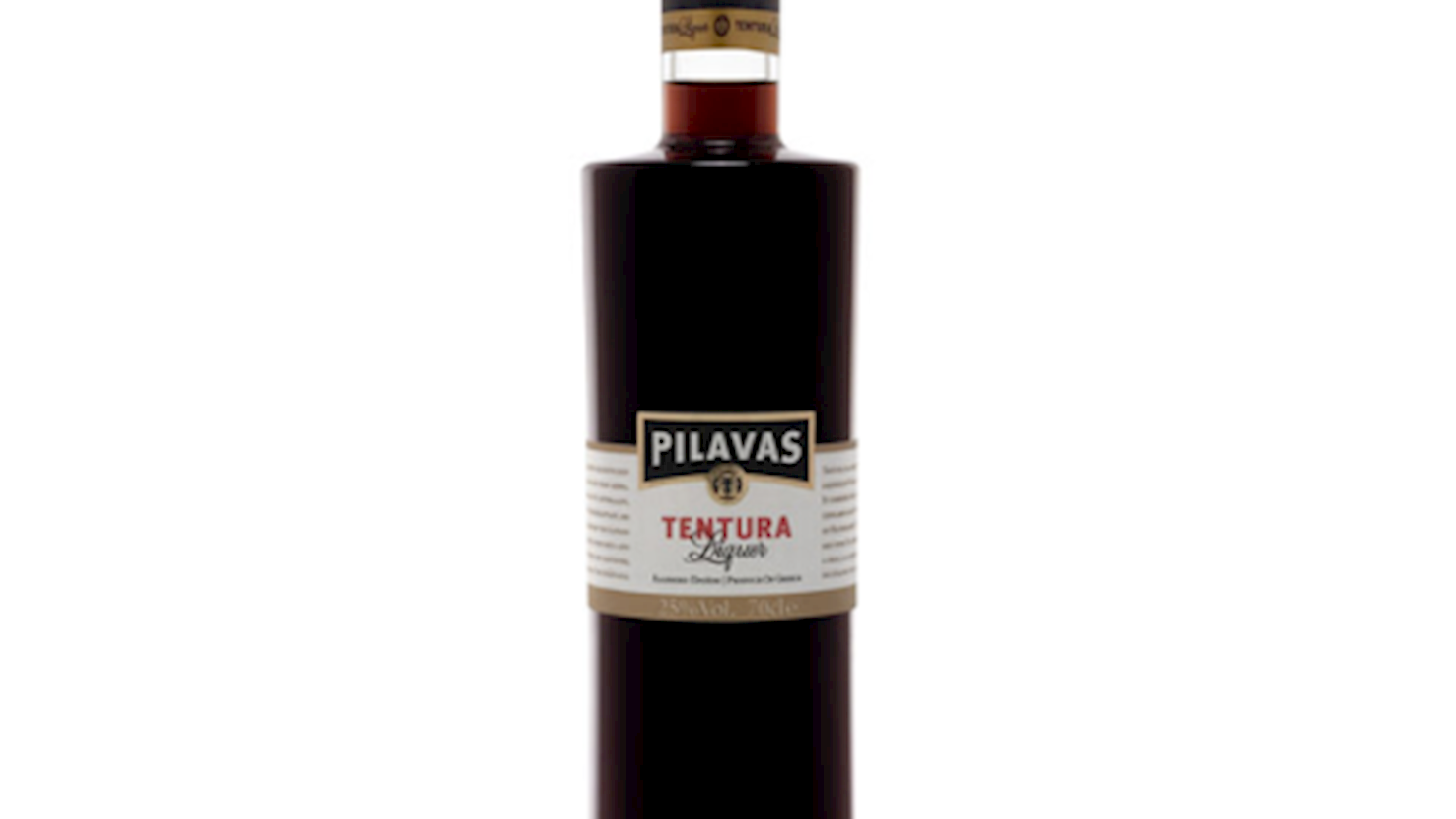
Pilavas is a family-owned Greek distillery from Patras, founded in 1940, specializing in the production of traditional Greek spirits and liqueurs. For over eight decades, the brand has remained faithful to its original family recipes, blending them with modern distillation techniques. Their Tsipouro, a traditional Greek spirit, is produced through the distillation of carefully selected grape wine, retaining a rustic yet refined character. A special place in their portfolio belongs to Tentura Pilavas, a historic liqueur from Patras with roots dating back to the 15th century, made from Mavrodaphne wine extract and flavored with cloves, cinnamon, and nutmeg. Tentura is often enjoyed after meals as a digestif and is also well-known for pairing beautifully with coffee or desserts. The distillery also produces mastiha liqueurs, brandy, and other flavored spirits inspired by Greek herbs and spices. Pilavas is present not only in the Greek market but also in numerous European countries, maintaining a reputation as a producer that combines tradition and quality. Their products reflect the spirit and heritage of Greek culture, while the brand continues to be family-run, passing down knowledge and craftsmanship from generation to generation. This approach has allowed Pilavas to establish itself as one of the most recognizable producers of Greek liqueurs.
09

Santo Wines

4.5 ·
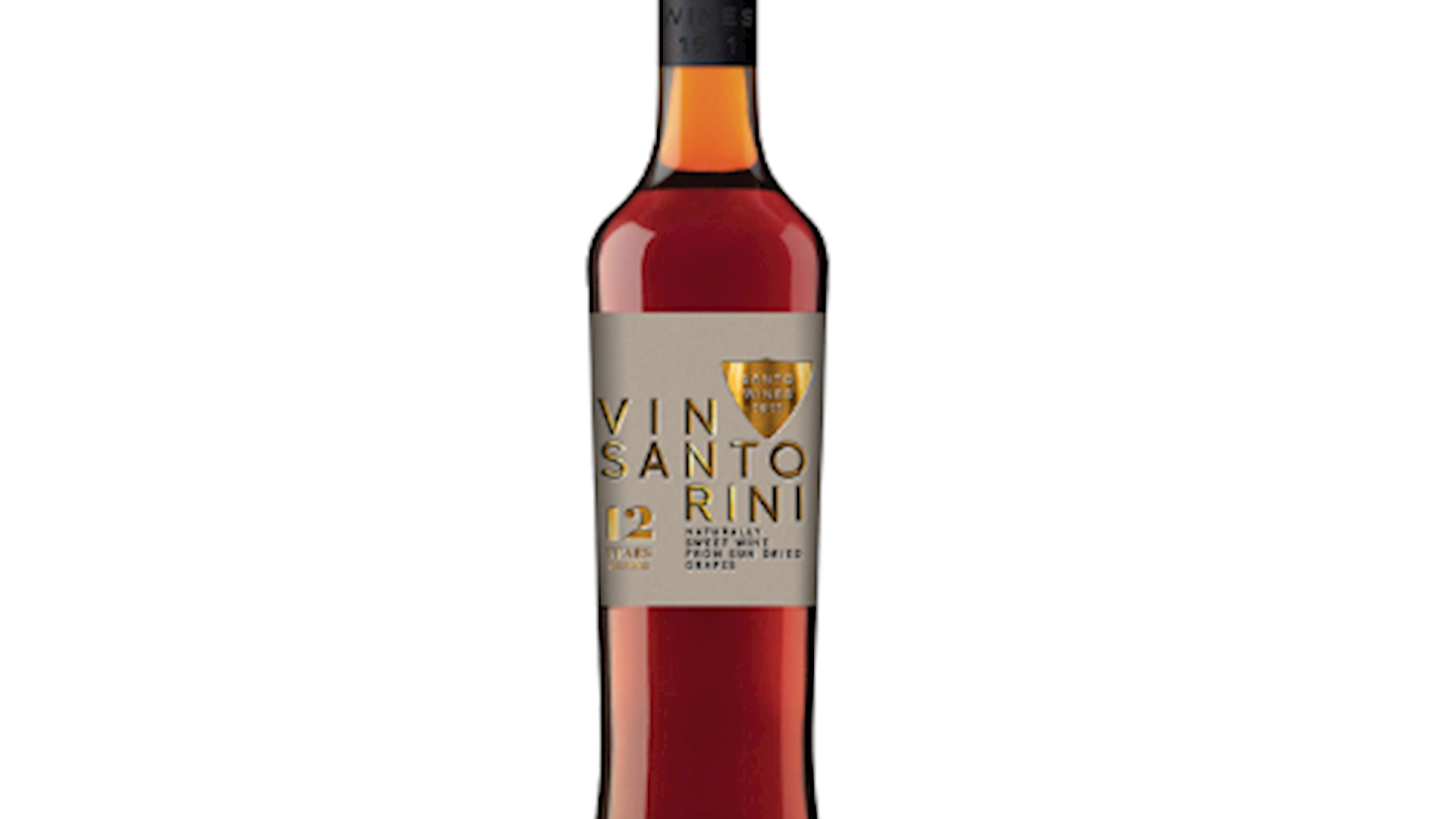
Santo Wines is the largest wine organization on the island of Santorini, operating as a cooperative that represents more than 1,000 local grape growers. Its origins date back to 1911, later evolving into the Union of Santorini Cooperatives, with a strong focus on protecting and promoting the island’s viticultural heritage. Located near the village of Pyrgos, the winery overlooks the caldera and combines modern facilities with one of the most distinctive wine landscapes in the world. Santorini’s vineyards are shaped by volcanic soils composed of ash, lava, and pumice, which contribute to wines with high acidity, pronounced minerality, and a characteristic saline edge. Traditional vine training systems such as the basket-shaped “kouloura” protect the grapes from strong winds and intense sun. Santo Wines focuses primarily on PDO Santorini wines, especially those made from the indigenous Assyrtiko grape, alongside styles like Nykteri and Vinsanto. The cooperative has played a key role in establishing the global reputation of Santorini wines, combining tradition, sustainability, and modern winemaking into a cohesive and influential presence in the Greek wine industry.
Awards
Vivino - 4.4
Vivino - 4.3
10

Papargyriou

4.5 ·
Papargyriou Estate is a family-owned winery located in the village of Lalioti in Corinthia, on the Peloponnese peninsula, founded in 1978 by Aristeidis Papargyriou. From the outset, the estate has focused on estate-grown fruit, maintaining strict control over yields and grape selection to produce wines with concentration and authenticity. The vineyards are situated on semi-mountainous slopes near Kiato, where a combination of Mediterranean and continental climatic influences allows for a balance between ripeness and freshness. A defining feature of the winery is its focus on the Moschoudi grape, a rare local clone of Muscat introduced by the founder, which plays a central role in several of their white and late-harvest wines. In addition to this, the estate cultivates both international and indigenous varieties, including Assyrtiko, Agiorgitiko, Cabernet Sauvignon, Syrah, and Mavrodafni, enabling a diverse range of styles. Since the late 1990s, the winery has undergone gradual modernization, incorporating improved vinification techniques and oak aging to enhance structure and complexity. Despite these developments, Papargyriou remains a relatively small-scale producer, emphasizing precision, aromatic clarity, and a restrained approach in the cellar. The wines reflect the character of the Corinthian terroir, often marked by freshness, balance, and varietal expression rather than heavy extraction.
Awards
Vivino - 4.4
Vivino - 4.2

Best Peloponnesian Beverage Types
01

Moschofilero

4.2 ·

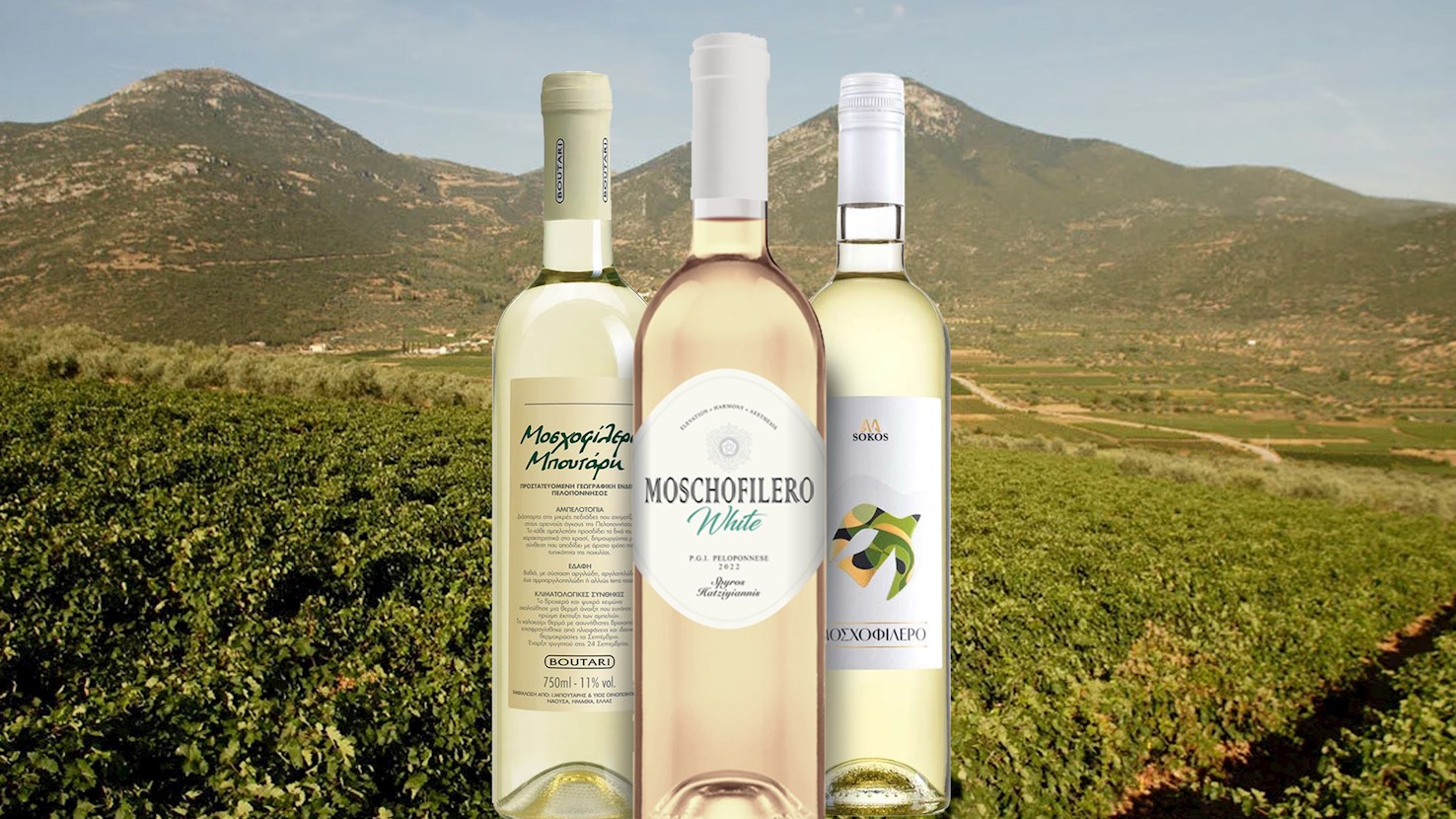
Moschofilero is a Greek grape that hails from Peloponnese. It is an aromatic and late-ripening variety that delivers high yields, but it is sometimes sensitive and finicky to grow. Despite its common presence, Moschofilero was only popularized in the 1970s and ’80s, primarily by the producers from PDO Mantinia, the most important wine region for Moschofilero. Varietal Moschofilero wines can be incredibly versatile. They will usually have bright and crisp acidity, which highlights their clean and fresh character. The wines from lower altitudes will usually have more freshness, and those from higher vineyards tend to have a more prominent floral character. Typical aromas are reminiscent of peaches, jasmine, orange blossom, roses, and citrus fruit. Moschofilero is usually enjoyed young, but the best examples sometimes show aging potential. These wines would pair nicely with fish and seafood, poultry, light snacks, spicy dishes, Asian fare, and salads.

02

Agiorgitiko

4 ·

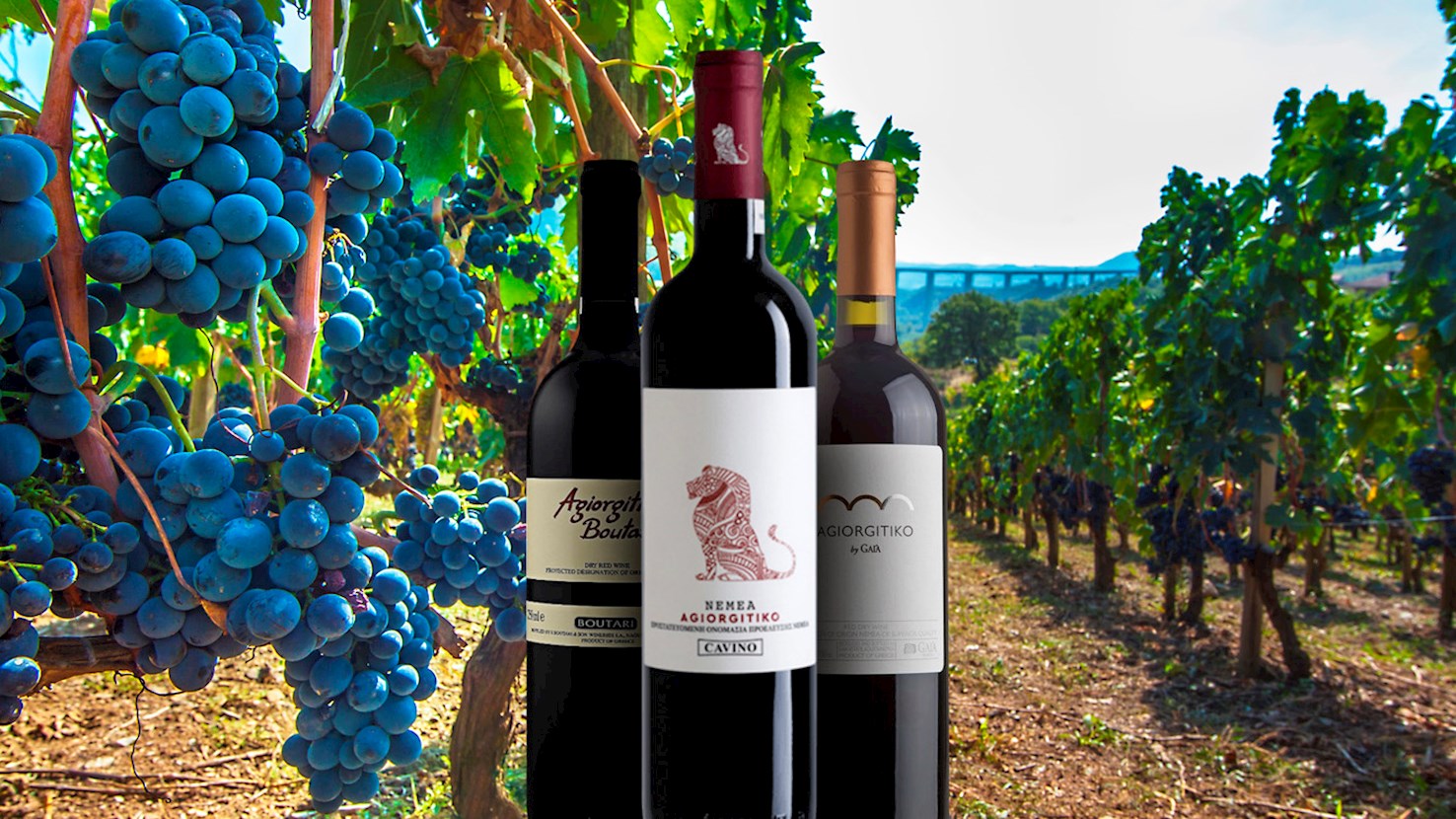
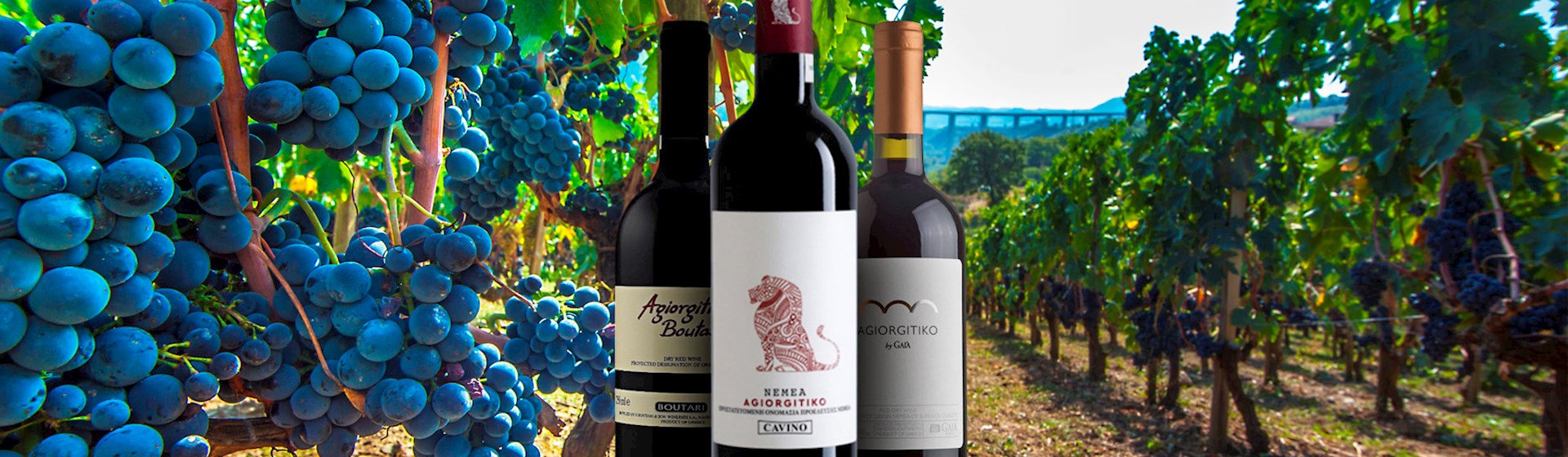
Agiorgitiko is the most widely planted red grape variety in Greece. It is cultivated in several wine regions, but Nemea, where the grape originated, is its most important region. Agiorgitiko is a versatile grape that can be vinified into several styles, and it is often used as a backbone in many Greek blends. It is best known as a full-bodied red, usually coming from Nemea, but it can also be made into young, light red wines, fresh rosés, or dessert styles. Agiorgitiko wines are typically characterized by fruity aromas, which are sometimes accompanied by notes of sweet spices. The wines are soft, and the tannins are present but never aggressive. The acidity is usually low to moderate. Aged and oak-aged styles are more tannic, with more concentrated, complex flavors. Agiorgitiko wines are usually food-friendly and can pair with a variety of dishes. They are a good match with red meat, sausages, stews, lamb, and pasta dishes.

03

Mantinia

3.7 ·

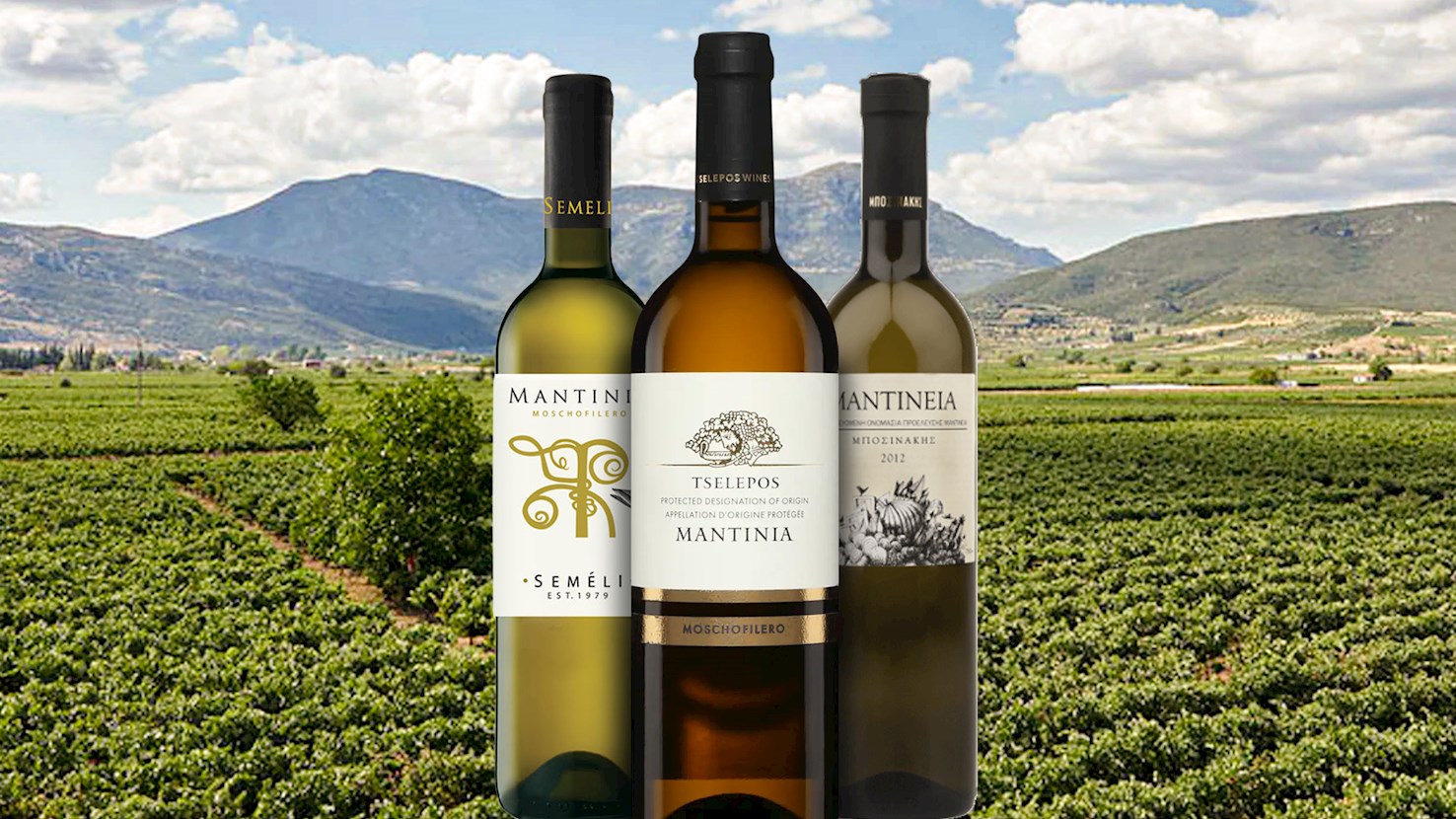
Mantinia is a Greek designation that produces light and aromatic white wines from Moschofilero—an indigenous pink-skinned Greek grape. The region is located on the eastern side of the Peloponnese, an area characterized by its cool microclimate. Mantinia wines are typically light-bodied, lively, and fresh with bright acidity and aromas reminiscent of rose petals, citrus fruit, and citrus flowers. The wines are best enjoyed young and can make a great aperitif, but they also perfectly match light and heavier seafood dishes, poultry, and sheep or goat cheese.

04

Nemea

3.6 ·

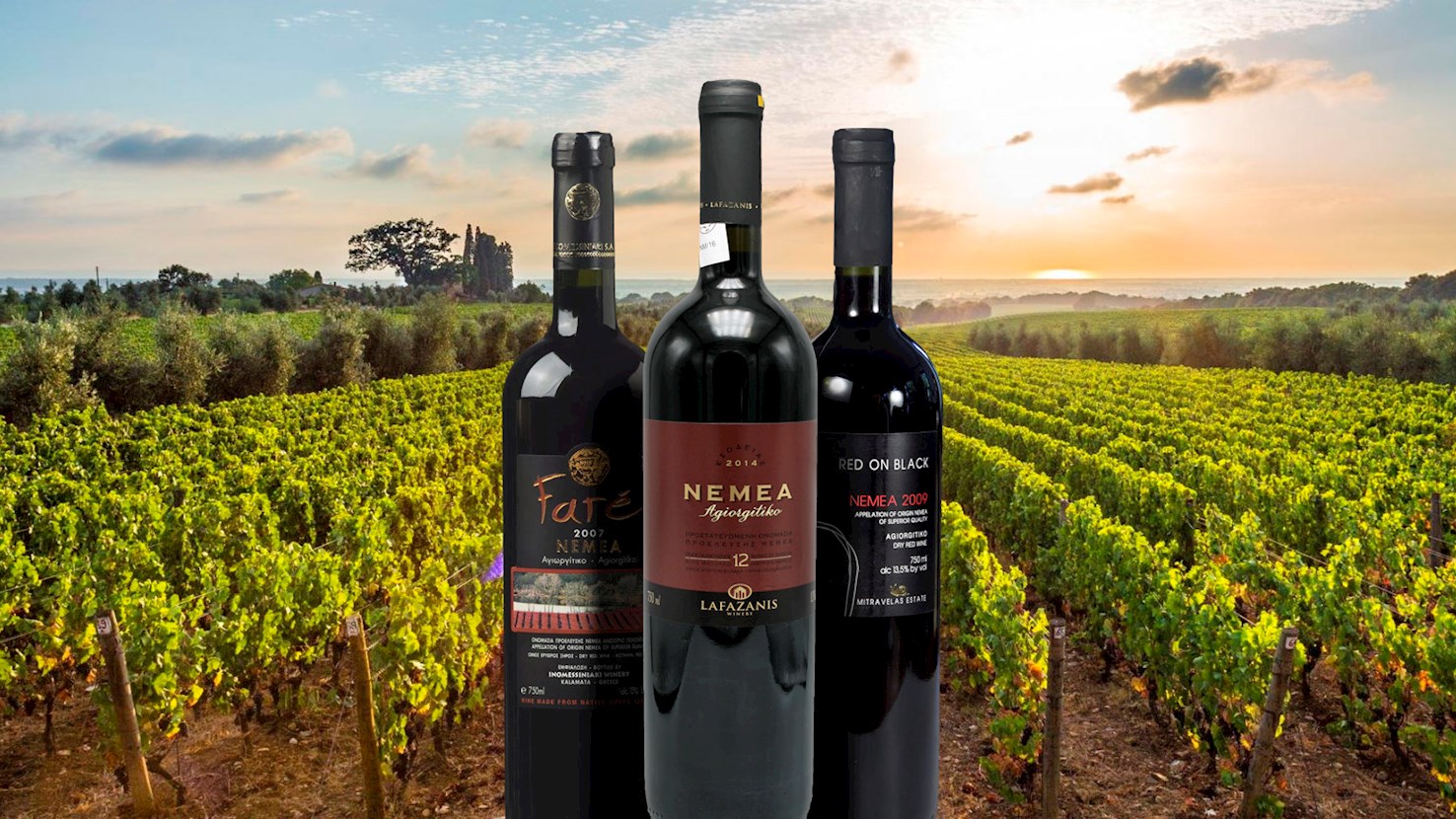
Located in the northeastern part of the Peloponnese, Nemea is a Greek appellation that produces varietal red wines from the native Agiorgitiko grapes. Although the wines may vary in style, from easy-drinking to rich and full-bodied, they typically display flavors and aromas reminiscent of red and black berries, plums, and prunes, while oak-aging tends to highlight spicy nuances of nutmeg and black pepper. Because of their versatile character, Nemea wines can match a wide array of dishes. Aged varieties pair well with sausages and grilled or roasted meat, including pork, lamb or poultry, while lighter styles may match stews and cheese.

Best producers
05

Tentura

3.5 ·

Tentura is a traditional liqueur that hails from Patras. It is prepared by infusing brandy or rum with herbs and spices. The most common flavorings include cinnamon and cloves, but the recipes often also use nutmeg and citrus fruit. Tentura is amber or dark-colored with aroma and flavor reminiscent of warming spices and vanilla. It can be served neat or over ice, and it is traditionally enjoyed as a digestif or an aperitif. This aromatic liqueur can also be used in cooking or as an ingredient in cocktails and long drinks. Tentura is believed to have an ancient origin that dates back to the 15th century.

06

Kidonitsa

3.4 ·

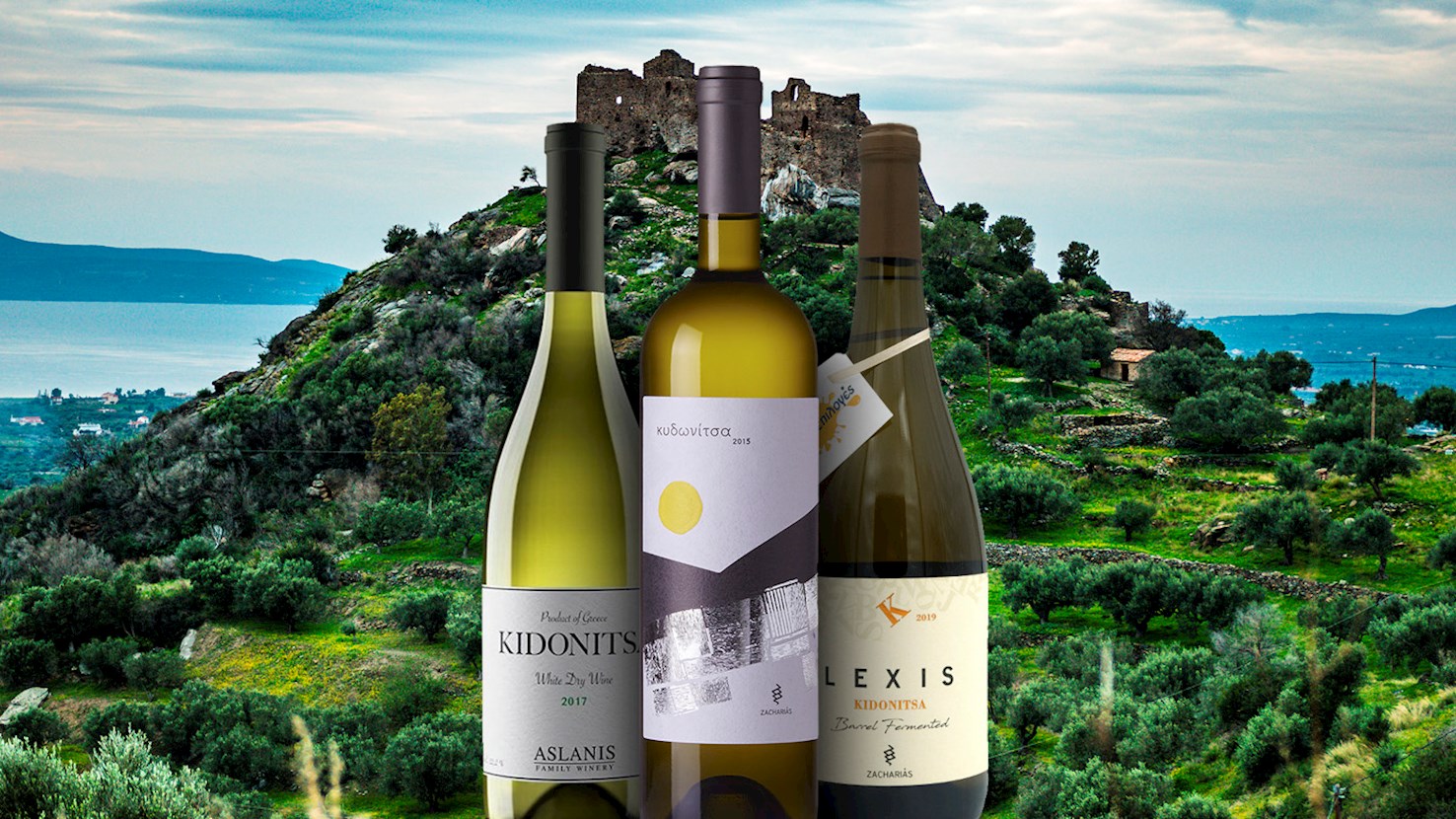
Kidonitsa is a rare and ancient Greek grape that was once nearly extinct. It was saved by several producers from the Peloponnese region who realized that the grape has an excellent potential to produce aromatic white wines with a unique character. The wines are still rare, and most of them come from Laconia. Dry white wines made from Kidonitsa usually have an approachable character. They are bright yellow and aromatic with crisp acidity and a round, medium body. Most examples have a quince-like note—unsurprisingly, the name of the grape derives from the Greek name for quince (kydoni)—along with some floral and citrus notes. These wines would pair well with seafood, salads, pasta, and light poultry dishes. They can also be a good match with cheese. Apart from dry wines, the grape is used in the production of the historically significant dessert style that is now included in the official appellation PDO Monemvassia-Malvasia.

07

Patras

3.3 ·

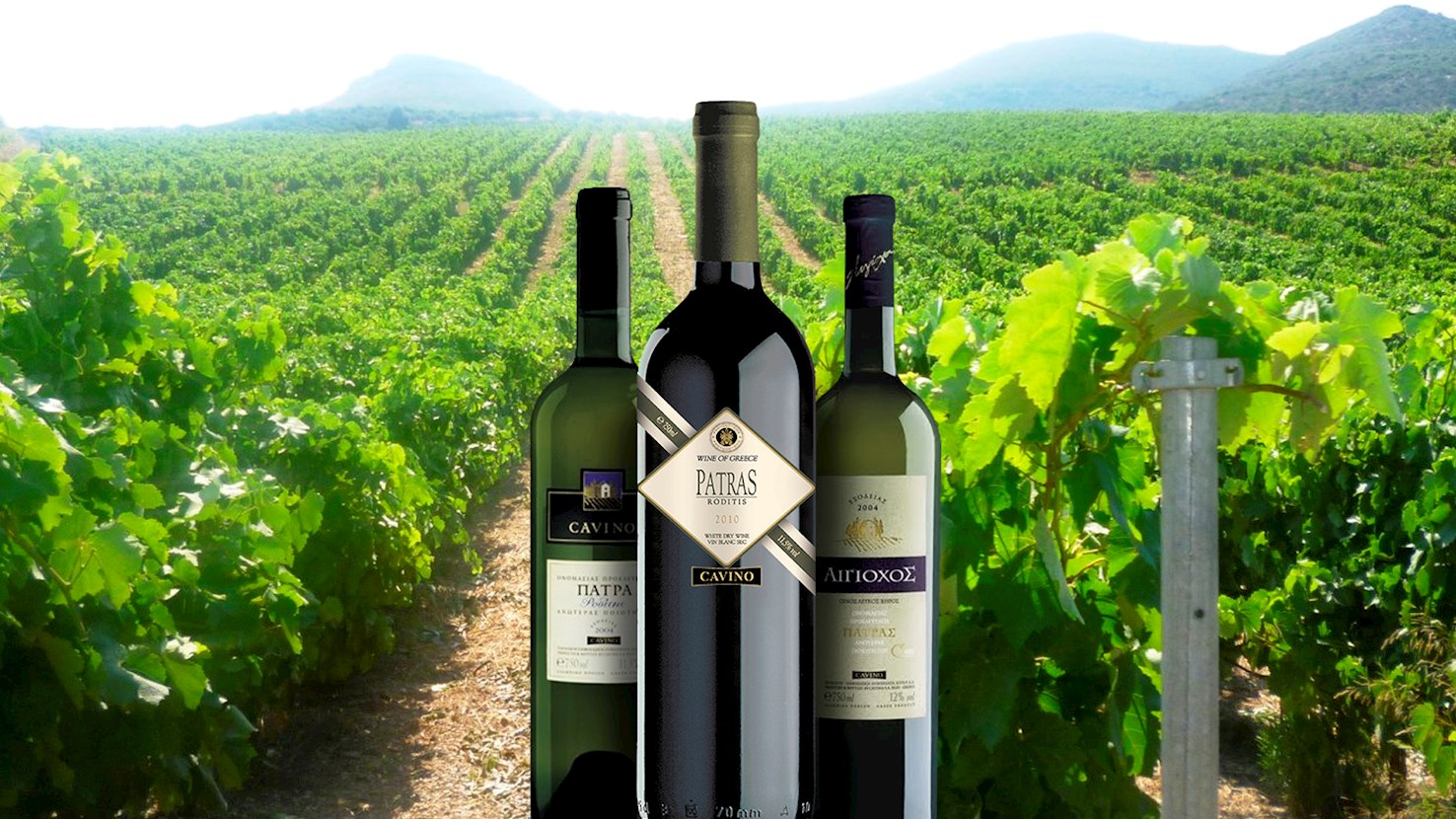
Patras is a wine-growing region located in the northern parts of Peloponnese. It is praised for aromatic and light-bodied white wines made from Roditis – an abundant pink-skinned grape that is also used as a blending variety in the notable Retsina wine. Patras wines may slightly differ in character, but they usually display balanced acidity and freshness, mineral background, and typical fruity and citrus notes. They pair well with light Mediterranean dishes, salads, seafood, and feta cheese.

Best producers
Read more
View all
View map
About this ranking

TasteAtlas food rankings are based on the ratings of the TasteAtlas audience, with a series of mechanisms that recognize real users and that ignore bot, nationalist or local patriotic ratings, and give additional value to the ratings of users that the system recognizes as knowledgeable. For the “Top 18 Peloponnesian Beverages” list until June 04, 2026, 276 ratings were recorded, of which 106 were recognized by the system as legitimate. TasteAtlas Rankings should not be seen as the final global conclusion about food. Their purpose is to promote excellent local foods, instill pride in traditional dishes, and arouse curiosity about dishes you haven’t tried.

The initial list of top producers was compiled based on available reviews, awards, local recommendations, media and blog coverage, and consumer reviews. The list will be updated with ratings from TasteAtlas local ambassadors and TasteAtlas users.

Similar lists