Top 8 Filipino Beverages

Last updated on June 10, 2026

Best Filipino Beverages
01

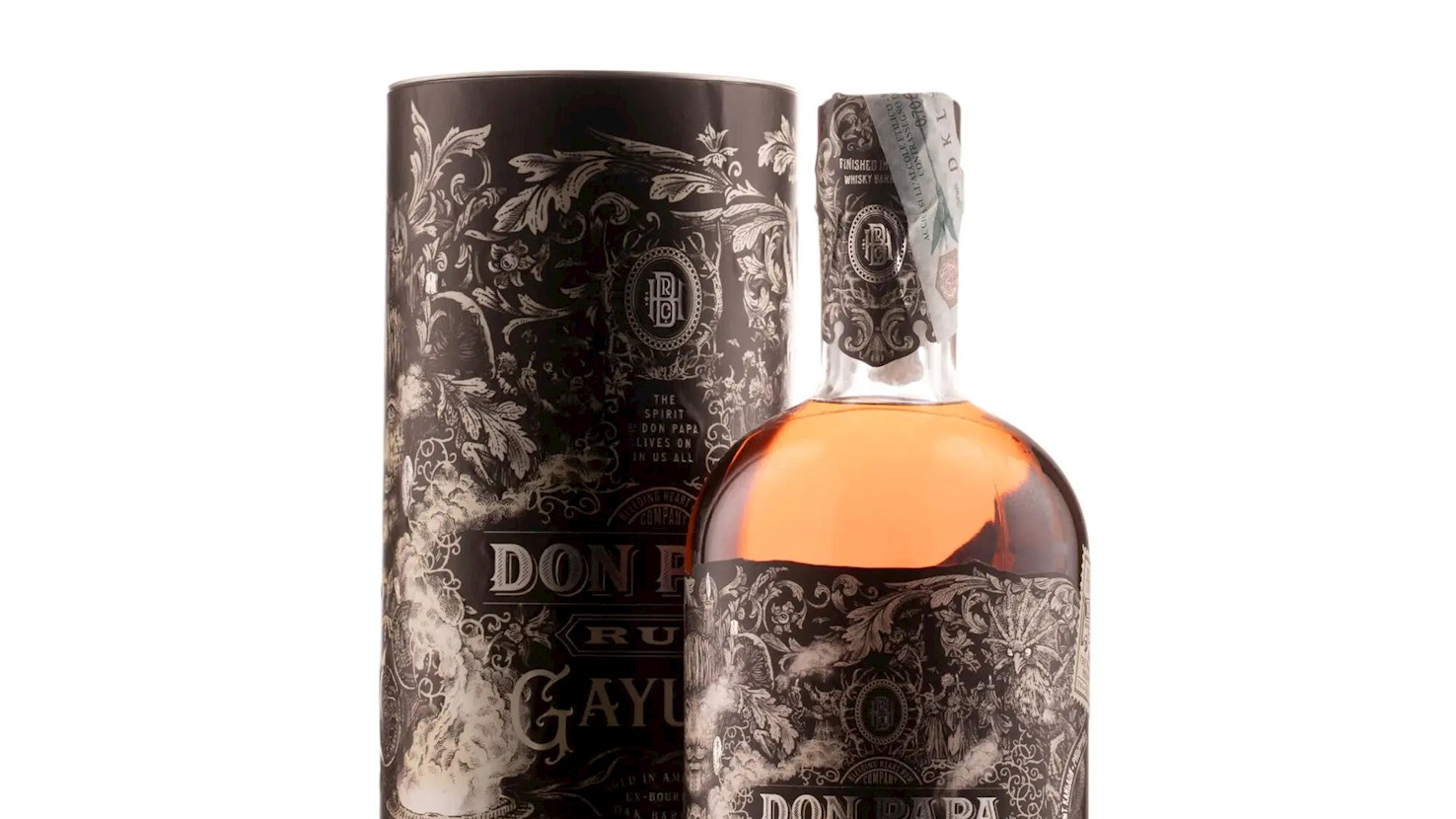
Bleeding Heart Rum Company

5 ·
Awards
The Rum & Cachaça Masters - Master (2023)
02

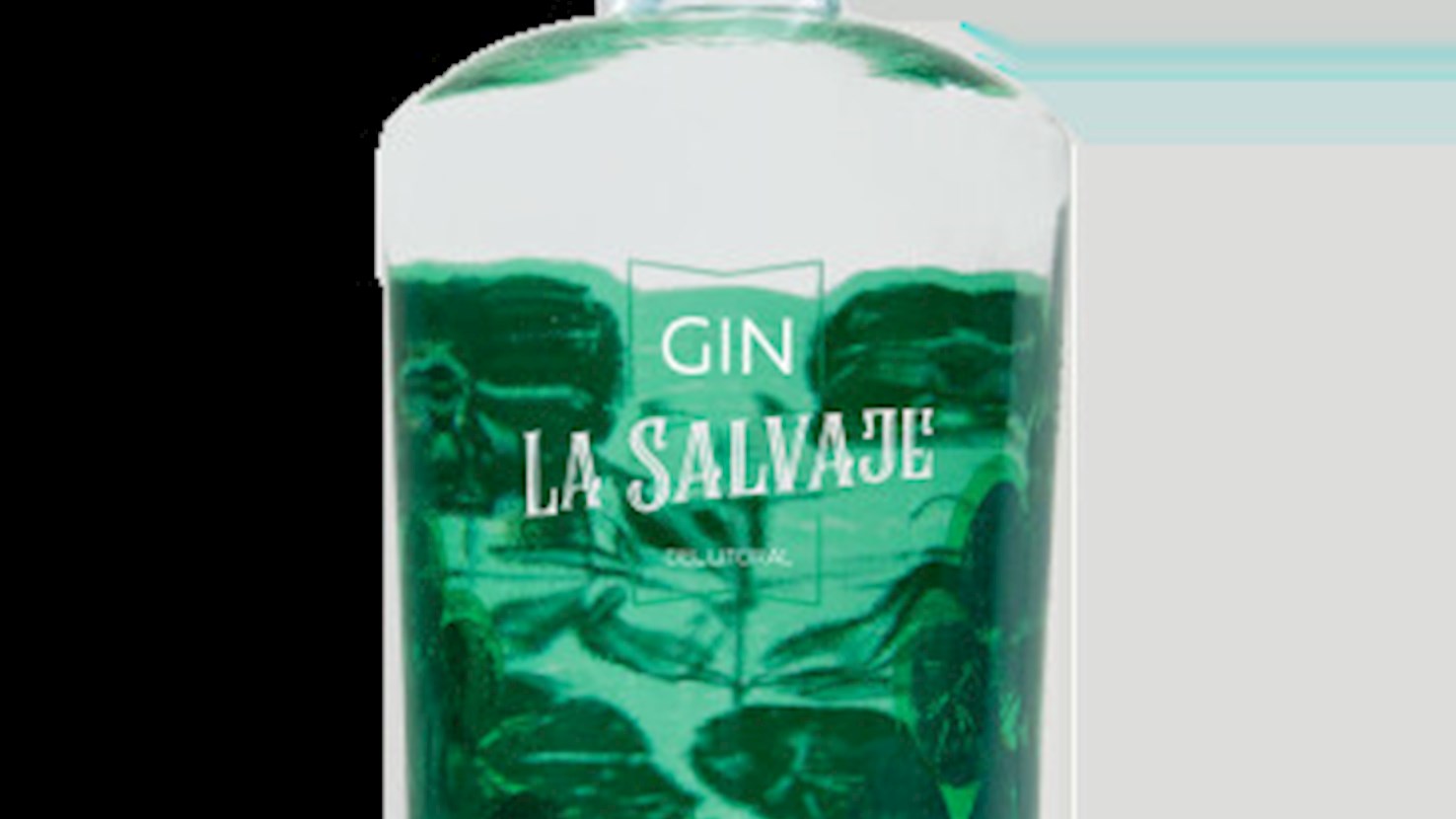
La Salvaje del Litoral

Gin

4.8 ·
Awards
IWSC- International wine & spirit competition - Spirit Gold (2022)
03

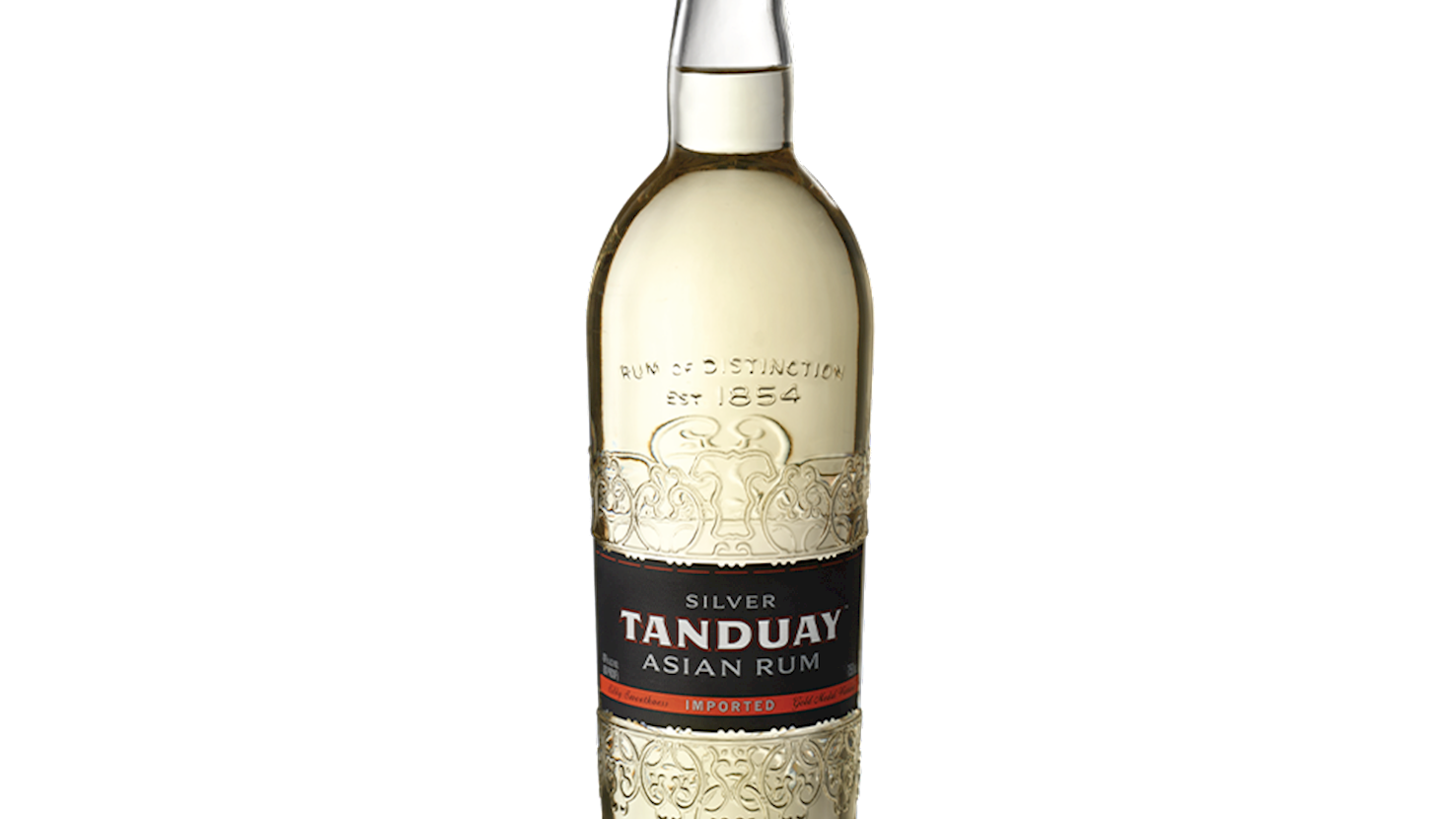
Tanduay Distillers

4.8 ·
Awards
IWSC- International wine & spirit competition - Spirit Gold (2024)
The Asian Spirits Masters - Gold (2022)
04

Bent Barley Brewing Co.

4.6 ·
Awards
World Beer Cup - Gold (2024)
05

Dry Dock Brewing Co. - North Dock

4.6 ·
Awards
World Beer Cup - Gold (2016)
06

Bodegas Callia

4.6 ·
Awards
Decanter World Wine Awards - Platinum (2022)
07

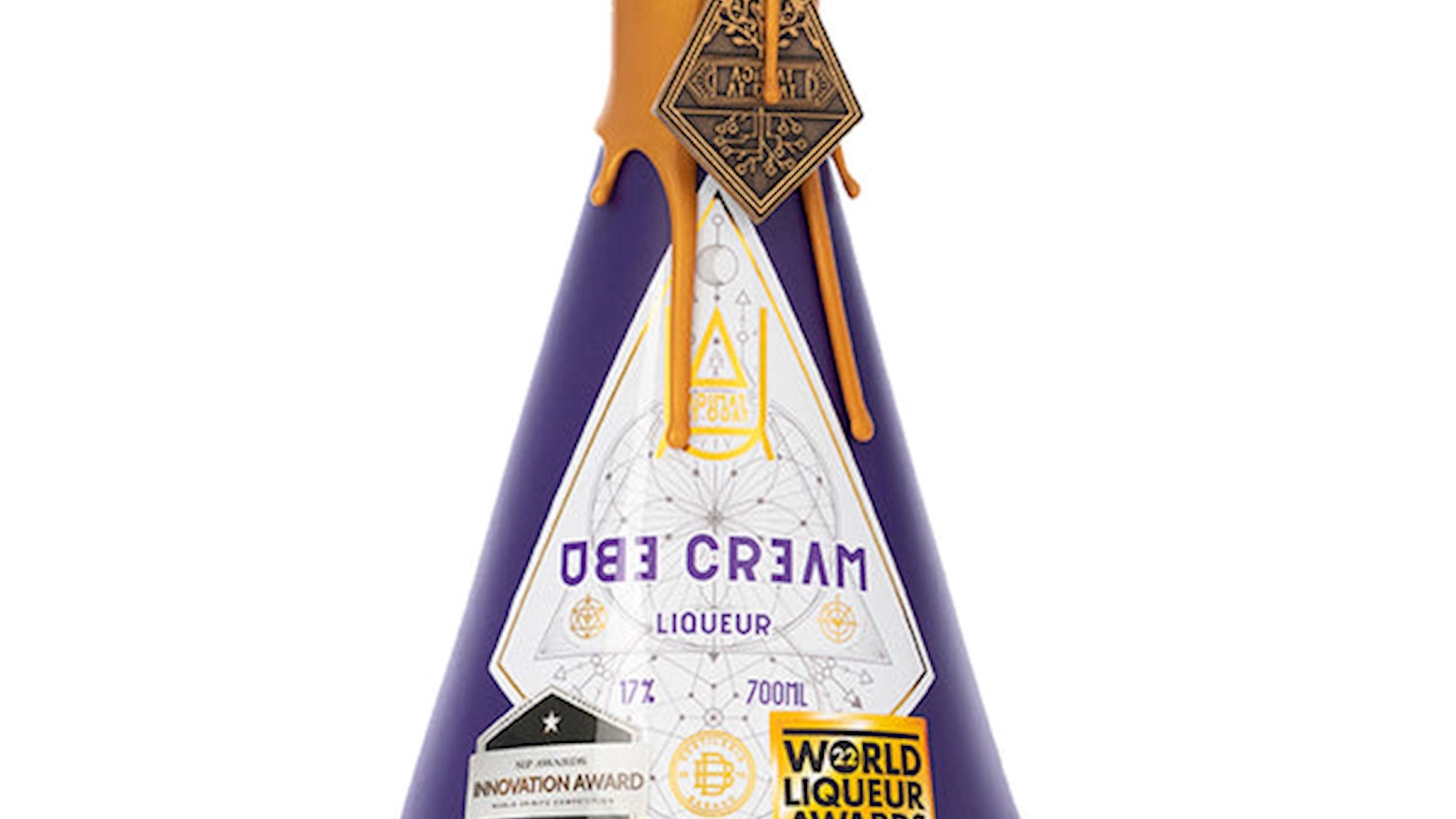
Destileria Barako Corporation

4.5 ·
Awards
World Liqueur Awards - Country Winner (2024)
08

Cervia Global Trading Inc.

4.5 ·
Awards
World Liqueur Awards - Country Winner (2024)

Best Filipino Beverage Types

01

Lambanog

3.7 ·

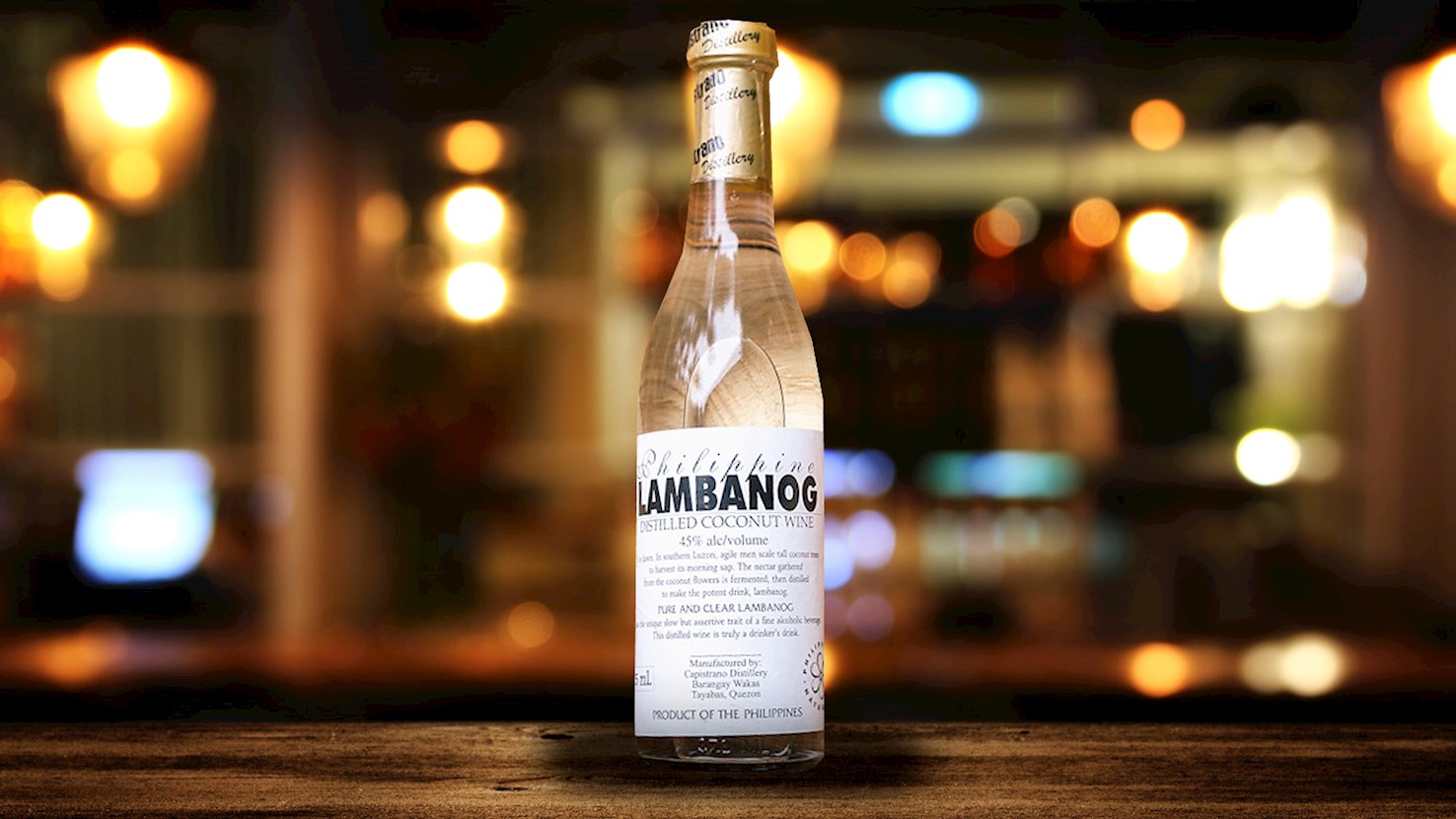
This potent Filipino drink is made from the fermented sap of the coconut palm. It is a clear, colorless spirit that is quite strong, with the usual alcohol content at around 40% ABV. Apart from the classic version, modern varieties are often tinted, sweetened, and flavored. Lambanog is traditionally enjoyed neat, usually as a shot, but it also blends well in cocktails and mixed drinks. In the past, it was frequently produced by farmers, similar to a local version of moonshine, but recently it has mostly shifted to factory production, and its quality has significantly improved. The drink is traditionally produced and enjoyed in the Quezon province.

02

Arrack

3.2 ·

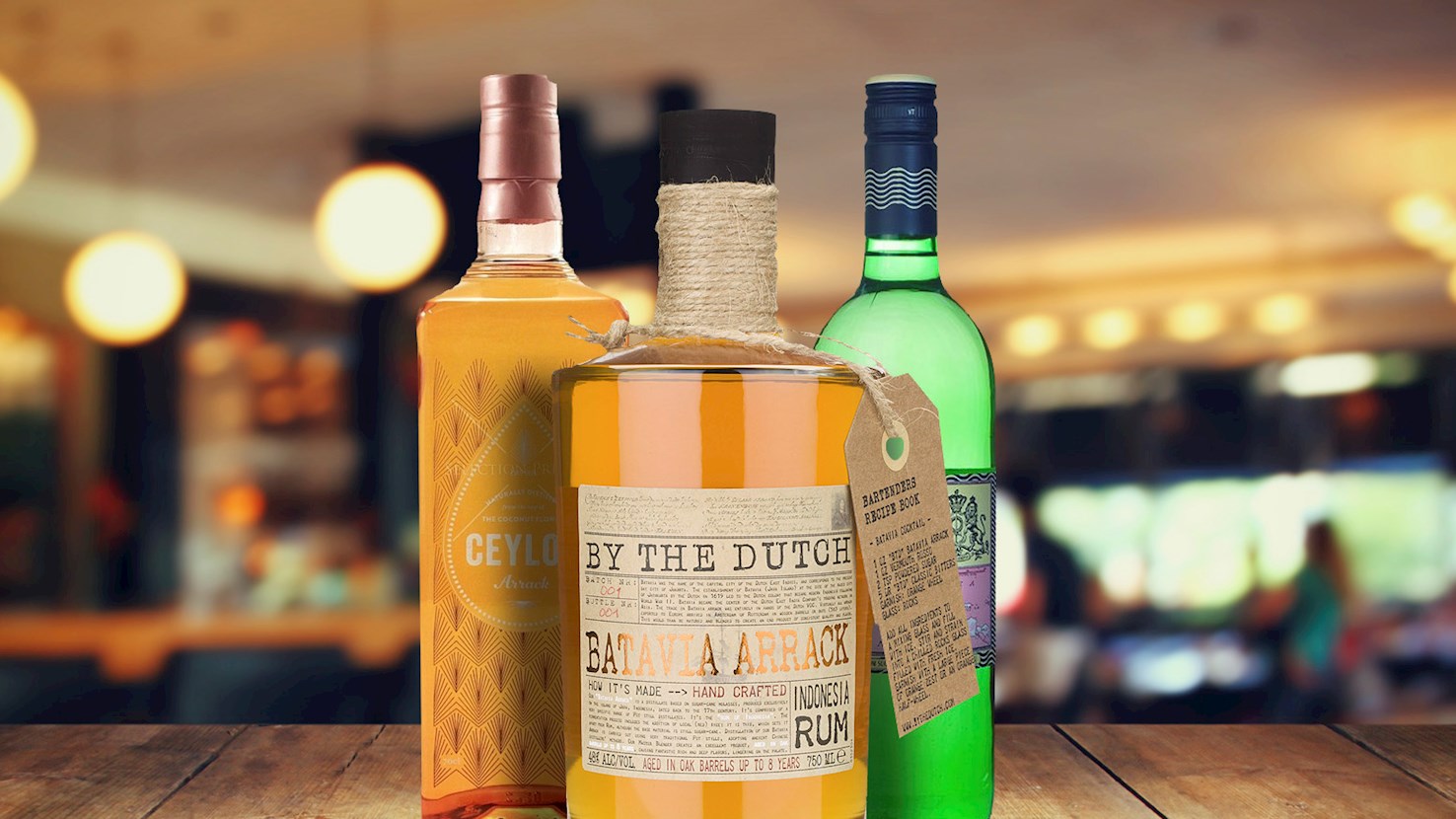
Arrack is a generic term used for a variety of distilled spirits that are often unrelated and can be made from different ingredients. They are found throughout East Indies—predominantly India, Sri Lanka, Indonesia, and the Philippines. The two dominant varieties include Ceylon arrack that is distilled from fermented juice of the coconut palm and Batavian arrack that is made from molasses. The origin of arrack is vague, and though it cannot be precisely stated when and where it was exactly invented, some of the oldest references date back to the 15th century. The reports mention various distillates which were collectively known as arrack. This makes arrack one of the oldest distillates in the world, and certainly a predecessor to all new world spirits such as gin, whisky, or brandy. The etymology of the word is believed to stem from the Arabic arak (perspiration) or areca, a nut from which arrack was produced in India. Although it is not clear, it is presumed that arrack originated in India, which was a result of contact with Arabic or Chinese distillation techniques. Depending on the main ingredients from which it is distilled, arrack can significantly differ in character and style. However, it should not be confused with arak—the anise-flavored distillate usually found in the Middle East.

03

Tubâ

n/a ·

Tubâ is a traditional fermented drink made from palm sap, enjoyed in the Philippines, Guam, Mexico, and other parts of Southeast Asia. In these regions, tubâ is typically crafted by tapping the flower bud of the coconut palm or, in some areas, the nipa palm, to collect the sap, which is then left to ferment. This process produces an initial sweet, mildly tangy flavor, which becomes stronger and more acidic as fermentation continues, resulting in higher alcohol content. In the Philippines and Guam, fresh tubâ is often enjoyed as a lightly fermented, mildly alcoholic beverage. In the Visayas and Mindanao regions of the Philippines, it is a popular drink at social gatherings and cultural festivals. For a stronger version, the sap is fermented longer and mixed with the bark of the mangrove tree (tungog), resulting in red tubâ, a deeper-colored, more robust drink. In Mexico, particularly along the Gulf Coast in regions like Veracruz, tubâ is made from coconut sap, though it is not typically colored with mangrove bark as in the Philippines. Mexican tubâ, usually sold as a fresh, lightly fermented drink, is a refreshing beverage often flavored with fruits like pineapple, apples, or other regional fruits to enhance its sweet, tangy taste. This Mexican variation of tubâ has deep roots in indigenous culture and remains a popular street drink, particularly in coastal and tropical areas.

04

Tapuy

n/a ·

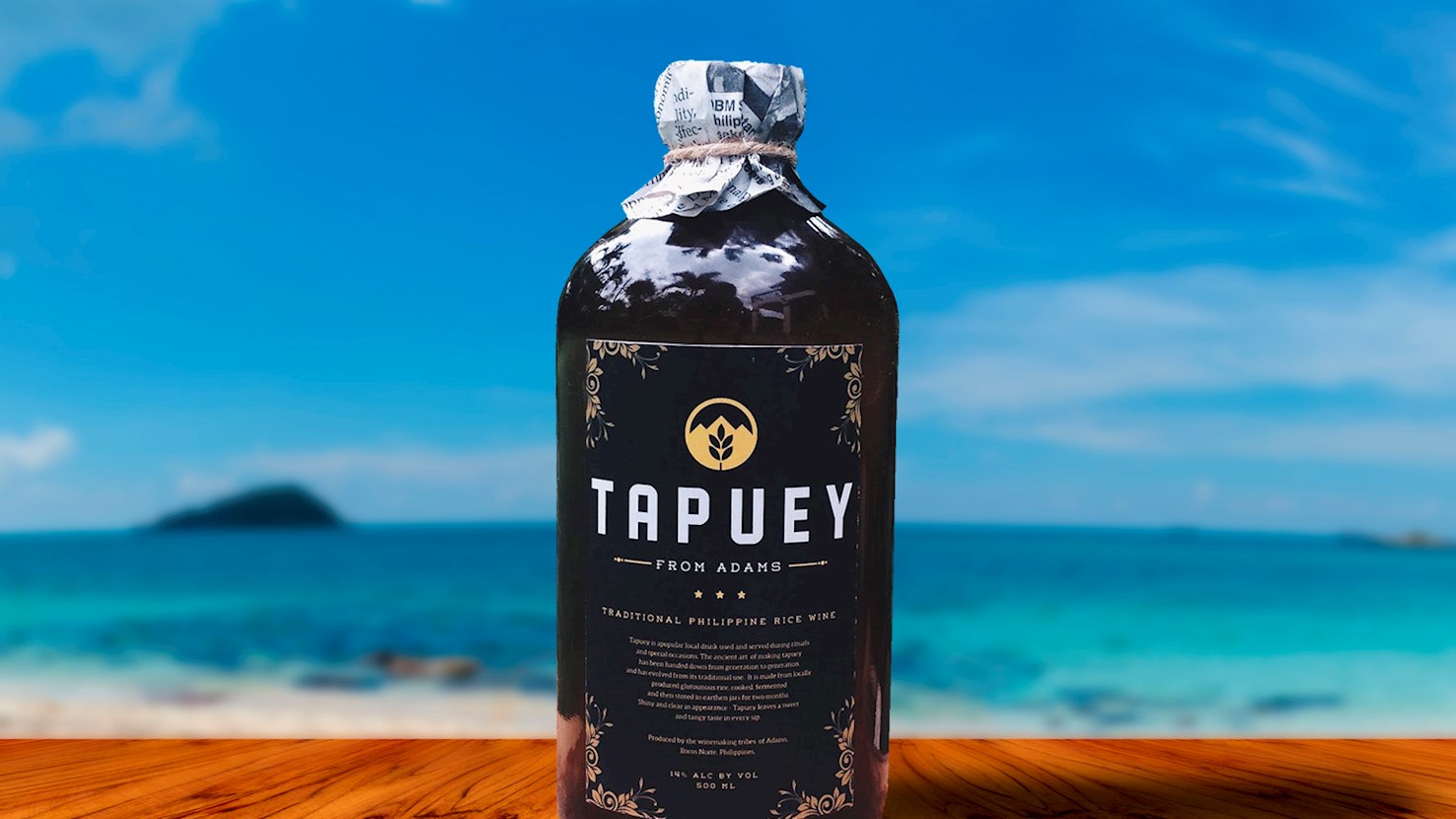
Tapuy is a variety of rice wine that hails from the Philippines. The drink is made from glutinous rice that is fermented with a local starter culture known as bubod. The combination can be left to ferment for several days, but it is best to ferment and age it for several months, preferably in traditional clay jars. Tapuy is never diluted or sweetened, and it can be enjoyed warm or chilled, but it also works well in cocktails or as an ingredient in marinades and sauces. It has a long history among the mountain tribes in the Cordilleras, where it is often served as a ceremonial wine.

Read more
View all
View map
About this ranking

TasteAtlas food rankings are based on the ratings of the TasteAtlas audience, with a series of mechanisms that recognize real users and that ignore bot, nationalist or local patriotic ratings, and give additional value to the ratings of users that the system recognizes as knowledgeable. For the “Top 8 Filipino Beverages” list until June 10, 2026, 54 ratings were recorded, of which 25 were recognized by the system as legitimate. TasteAtlas Rankings should not be seen as the final global conclusion about food. Their purpose is to promote excellent local foods, instill pride in traditional dishes, and arouse curiosity about dishes you haven’t tried.

The initial list of top producers was compiled based on available reviews, awards, local recommendations, media and blog coverage, and consumer reviews. The list will be updated with ratings from TasteAtlas local ambassadors and TasteAtlas users.

Similar lists