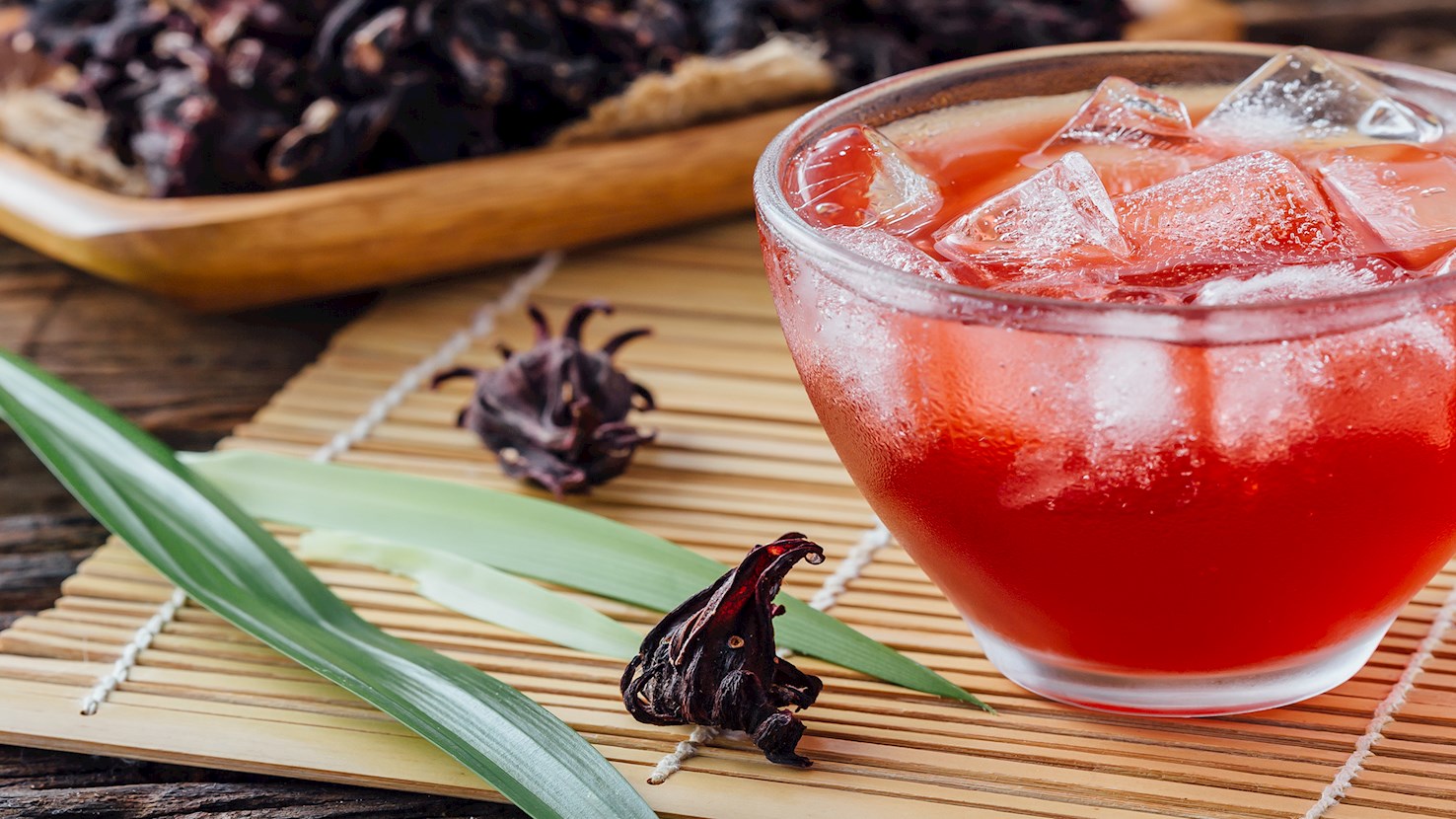
Jus de bissap is an aromatic, slightly sour beverage that is the national drink of Senegal. It is made from dried flowers of Hibiscus sabdariffa that are combined with hot water and flavorings (usually sugar). This refreshing beverage is typically served chilled, sometimes over ice. It is recommended to pair it with thieboudienne, the national dish of Senegal.
Bouye is a drink from Senegal made from the pulp of the baobab fruit, a fruit that has long been central to the diet and culture of the Sahel. Known for its tangy, slightly citrusy flavour, it is prepared by soaking the dried pulp of the baobab fruit in water or milk until it dissolves, then sweetening it with sugar and sometimes adding vanilla or other flavourings. The result is a smooth, refreshing beverage with a creamy texture, enjoyed across the country as both an everyday refreshment and a drink for social gatherings. Its origins lie in the widespread use of the baobab tree, often referred to locally as the “tree of life” because of its many uses, from food to medicine and shelter. For generations, Senegalese communities have made use of its fruit not only for drinks but also for sauces, porridge, and snacks. The transformation of the pulp into bouye offered a practical way to preserve and consume the fruit, especially during the hot months when hydration was crucial. Over time it moved from household kitchens into markets and street stalls, becoming one of the most recognisable and accessible drinks in Senegal. The preparation of bouye is simple, yet it depends on patience to allow the pulp to soften fully and blend into liquid. Once dissolved, the mixture is strained to remove fibres and seeds, leaving a thick, tangy base. Depending on preference, it can be thinned with more water for a lighter drink or enriched with milk for added creaminess. Vendors often sell it chilled in bottles or cups, offering a quick refreshment to passers-by, while at home it may be served in large jugs to accompany meals. Beyond its flavour, bouye is valued for its high nutritional content, particularly vitamin C, calcium, and fibre, which has helped it gain a reputation as both nourishing and restorative. This quality, combined with its affordability, has made it a staple across generations and a part of the daily rhythm of Senegalese life. Today bouye is not only consumed in Senegal but has also gained attention abroad, especially in African restaurants and shops in Europe and North America, where it appeals both to diaspora communities and to those discovering West African food culture. In Senegal itself, it remains most at home in bustling markets, at roadside stalls, and on family tables.
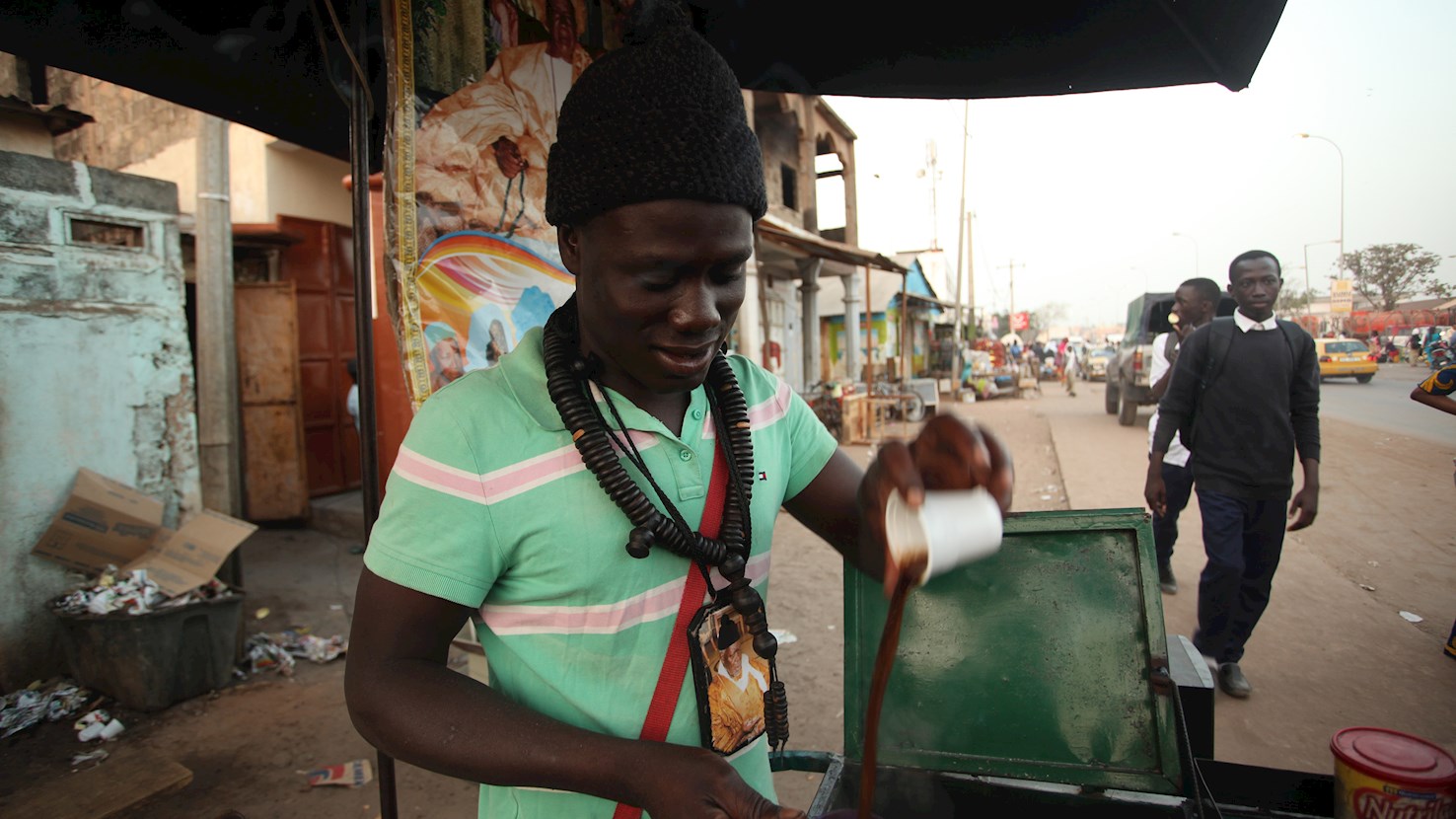
Café Touba is a spicy, peppery, and intense coffee that hails from Senegal. It is made with coffee beans that are roasted and ground up with grains of Selim (Xylopia Aethioopica)—also known as Guinea pepper, Kani pepper, Kili pepper, or djar—a spice often used instead of pepper. Cloves are also often added to the mix. The powder is used to make coffee, usually using a filter, and the liquid is then traditionally poured multiple times between two containers. In this way, the coffee is aerated and frothed. It is believed that the beverage was invented by Cheikh Amadou Bamba Mbacke, a religious leader of the Sufi Mouride Brotherhood and the founder of the city of Touba. The coffee was used in chanting sessions, supposedly because of its alleged medicinal properties and to keep the participants awake. The usual proportion of coffee and spices is 1:4 in favor of coffee, while the spice mixture is usually made from equal amounts of cloves and djar. Milk is traditionally not added, and the drink is sweetened to taste. Café Touba is nowadays still used in religious ceremonies, but it is also a part of everyday life in Senegal. It is mostly enjoyed for breakfast, and it is easily found at street stalls (tanganas).
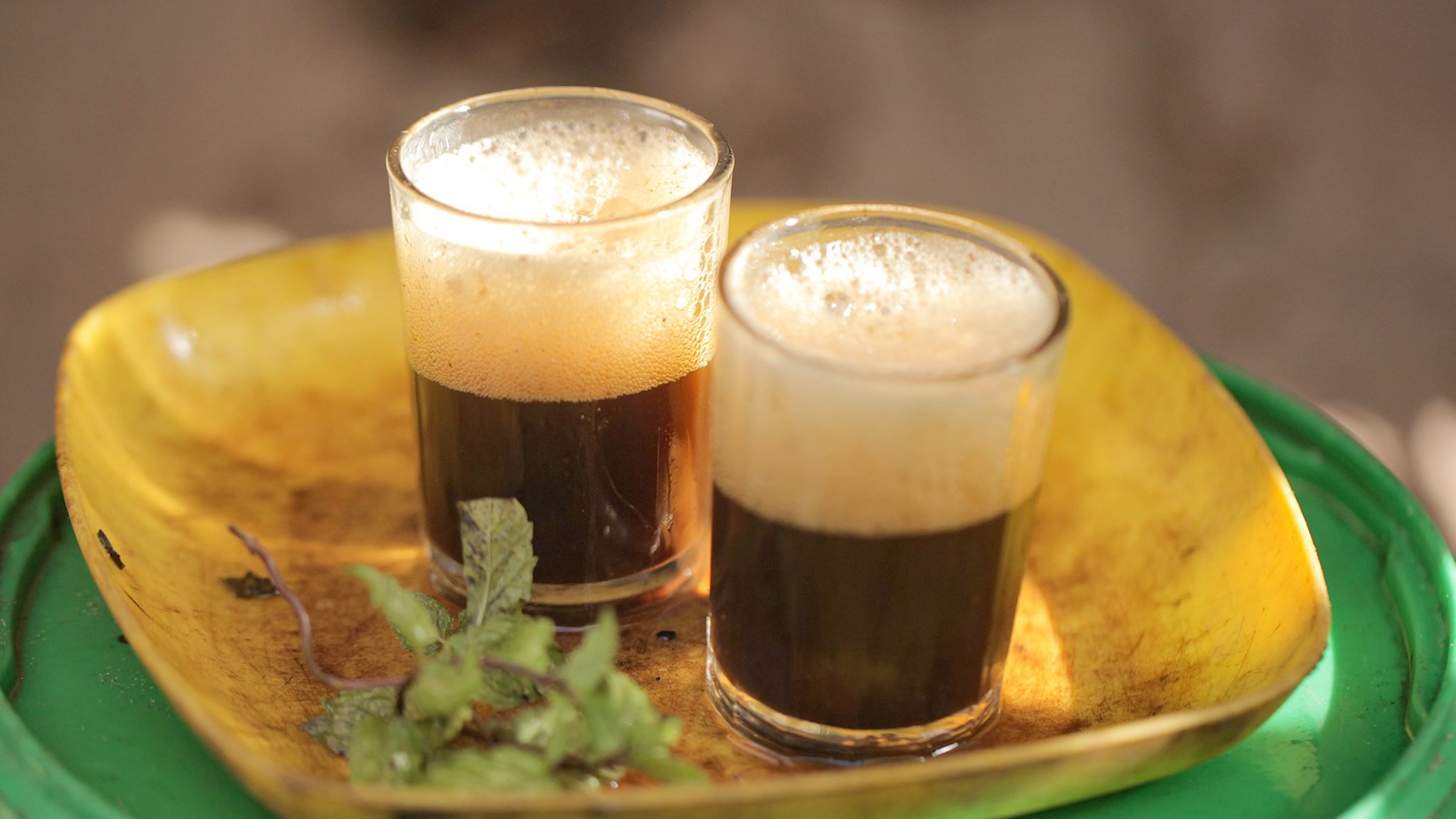
Attaya is a tea ceremony and drink from Senegal, where green tea is prepared in a slow, deliberate manner and served in small glasses. The word refers not only to the beverage but also to the social practice surrounding it, as the process of making and drinking the tea can last for hours and is central to gatherings among friends, family, and neighbors. The custom of preparing tea in this way came to West Africa through North African and Arab influences, with Chinese green tea arriving via trade routes and becoming a part of local daily life. Over time, the act of brewing tea was shaped into a structured practice where conversation and connection are as important as the drink itself. Preparing attaya is a detailed process. Gunpowder green tea is boiled in a small teapot, often over charcoal, with large amounts of sugar added to balance the bitterness. The tea is poured back and forth between the pot and glasses to create a frothy top, which is considered essential. It is customarily served in three rounds, each with a different character: the first is strong and slightly bitter, the second smoother and sweeter, and the third light and mild. The gradual shift in taste is part of the ceremony, reflecting both patience and the importance of shared time. Mint leaves are sometimes included, particularly in urban settings, adding freshness to the sweetness. Today, attaya is consumed daily in households, at roadside stalls, and in communal spaces across Senegal, and neighboring countries. It is as much a social ritual as a drink, bringing people together in both urban and rural contexts. Abroad, West African communities have carried the practice with them, keeping attaya as a link to home and a way to preserve cultural identity while introducing others to one of the region’s most recognizable shared customs.
TasteAtlas food rankings are based on the ratings of the TasteAtlas audience, with a series of mechanisms that recognize real users and that ignore bot,
nationalist or local patriotic ratings, and give additional value to the ratings of users that the system recognizes as knowledgeable.
For the “Top 4 Senegalese Beverages” list until July 22, 2026, 36 ratings were recorded, of which 28 were recognized by the system as legitimate.
TasteAtlas Rankings should not be seen as the final global conclusion about food. Their purpose is to promote excellent local foods,
instill pride in traditional dishes, and arouse curiosity about dishes you haven’t tried.