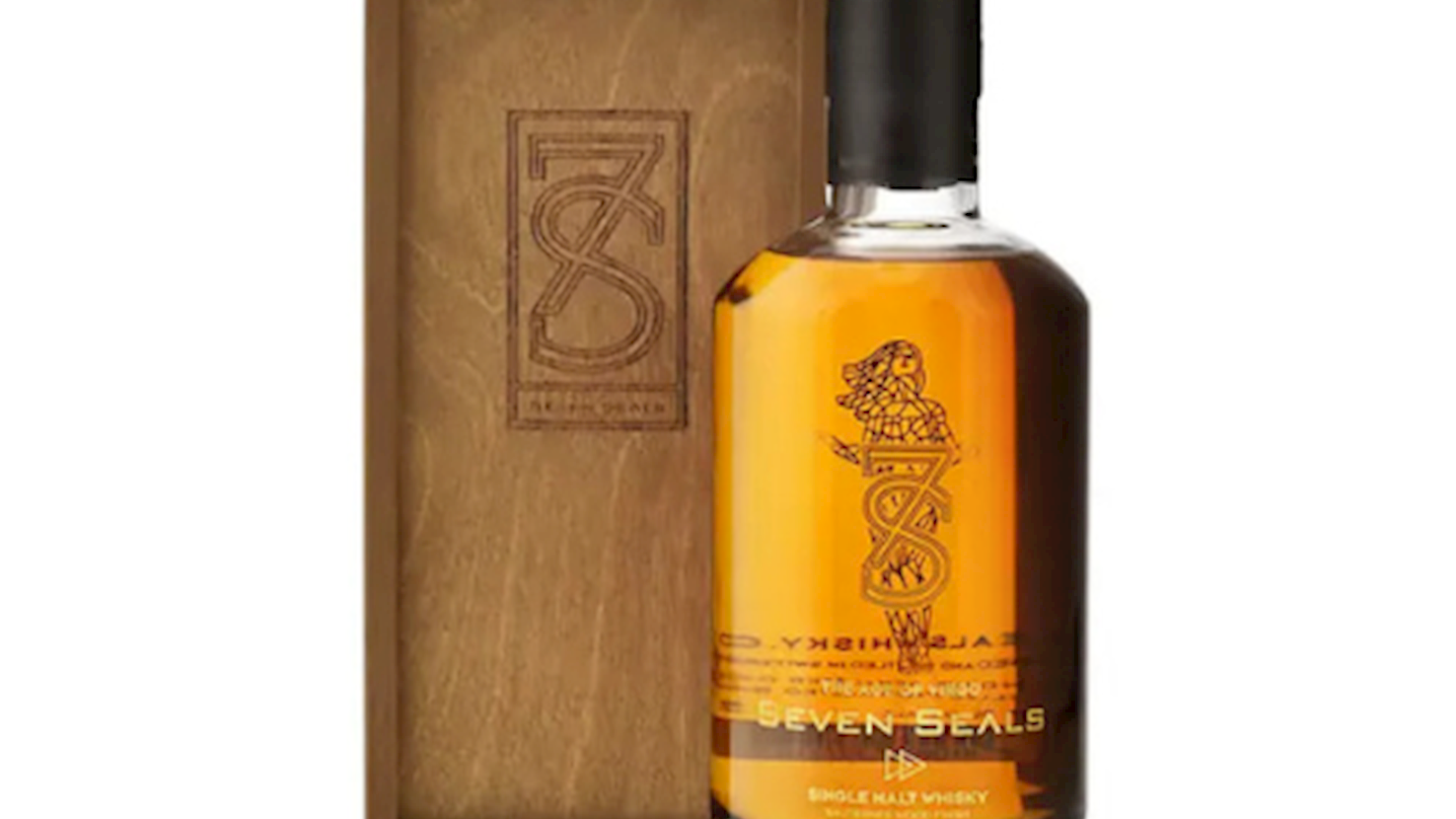
Seven Seals Innovation, based in Stans, Switzerland, is a pioneering company specializing in the production of whisky and rum. Known for its innovative "Stockhausen" method, the company has revolutionized the maturation process by significantly reducing the time required for spirits to reach their optimal flavor profile.
Seven Seals combines traditional craftsmanship with cutting-edge technology, offering a range of premium products that cater to diverse tastes.
Their portfolio includes the Classic Line, featuring finishes such as Amarone, Peated Port, Port, and Sherry Wood, as well as the Zodiac Line, a series of limited editions inspired by the zodiac signs, each with unique flavor profiles. The Rumundo line represents Caribbean rums refined in Switzerland, blending exotic flavors with Swiss precision, while Beaver's Dram is a Canadian rye whisky aged in port wine casks to develop sweet and rich aromas.
With a focus on sustainability and innovation, Seven Seals has garnered numerous awards for its exceptional quality and innovative approach.
The company continues to set new standards in the spirits industry, offering distinctive products that reflect its dedication to excellence and creativity.
Awards
SFWSC - San Francisco World Spirits Competition - Double Gold
(2024)
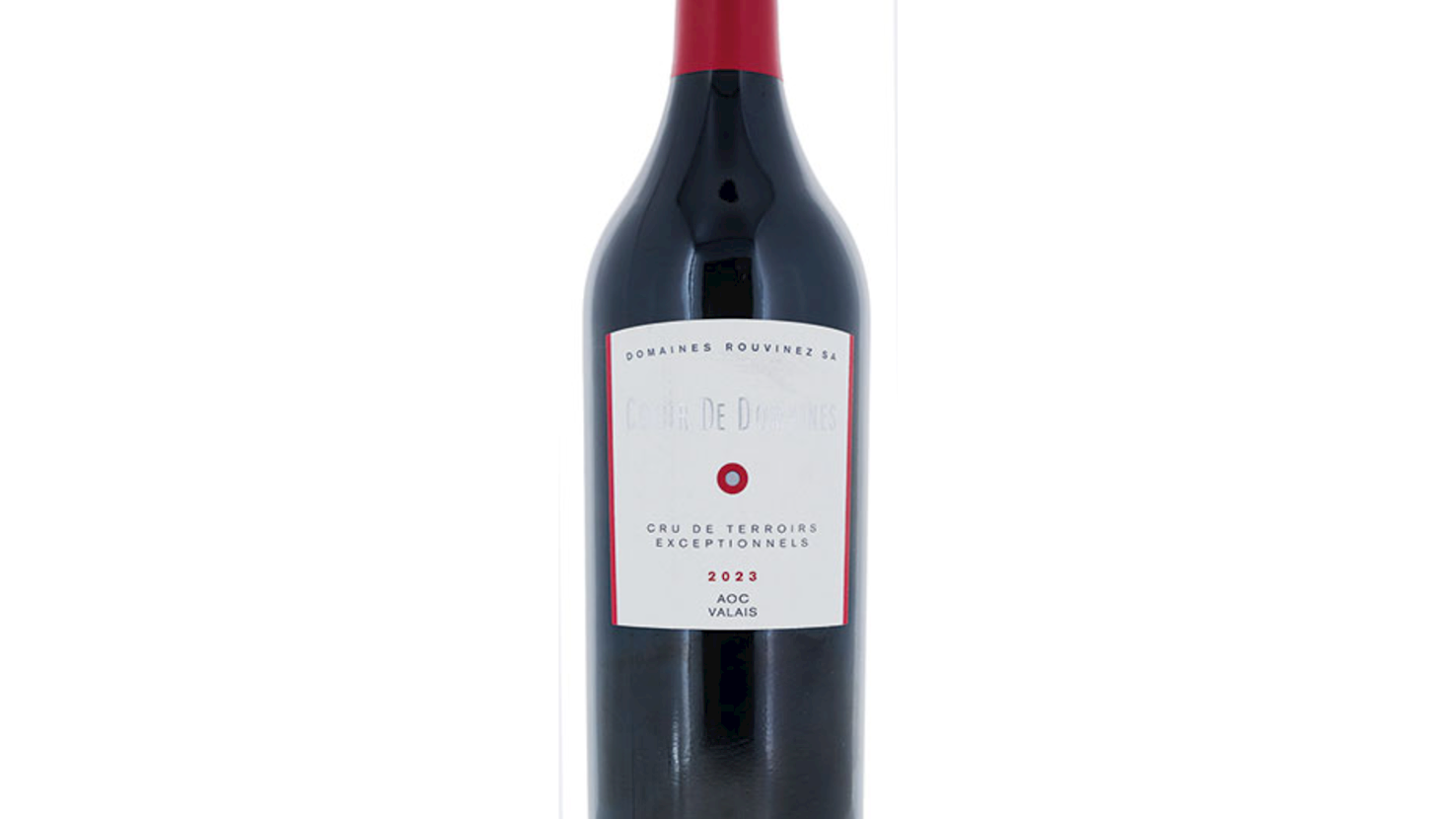
Domaines Rouvinez is a family winery from Sierre in the Swiss canton of Valais, founded in 1945. For four generations, the Rouvinez family has cultivated vineyards in the heart of the Valais wine region, with a strong focus on Alpine terroirs and traditional local grape varieties.
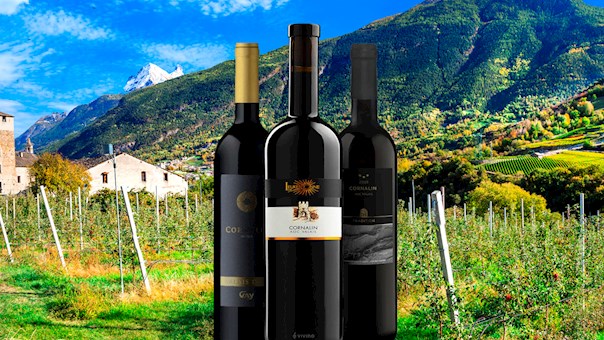
Its estates include distinctive vineyard sites such as Château Lichten, Prafalcon, Ardévaz and Les Seilles, each linked to specific soils, exposures and varieties. The winery is especially associated with Valais grapes such as Petite Arvine, Cornalin and Humagne Rouge, as well as Syrah and Marsanne.
Its portfolio includes several ranges, from terroir-driven estate wines to well-known labels such as Le Tourmentin and Nez Noir. Domaines Rouvinez combines family heritage with a modern approach to viticulture, highlighting precision, freshness and the identity of Swiss mountain vineyards.
Awards
Decanter World Wine Awards - Best in Show
(2026, 2022)
Provins is one of the most prominent Swiss wineries, headquartered in Sion, at the heart of the Valais canton - the country’s most important wine region. Founded in 1930 as a cooperative of local winegrowers, Provins is today the largest wine producer in Switzerland, managing over 800 hectares of vineyards.
This area encompasses a mosaic of micro-terroirs - from gravelly and clay soils to limestone slopes that reflect sunlight and contribute to the slow ripening of grapes. The Valais climate, with long sunny days and cool alpine nights, creates ideal conditions for the development of aromas and wine structure.
Provins combines traditional winemaking methods with modern technology, achieving exceptional consistency and quality. Its portfolio includes international varieties such as Chardonnay and Pinot Noir, yet the core of its identity lies in native Valais grapes - Petite Arvine, Cornalin, and Humagne Rouge.
Beyond its commercial role, Provins also carries an educational mission - promoting wine culture through tastings and collaborations with local producers. It stands as a symbol of the connection between tradition and contemporary oenology in Valais.
Their wines reflect the purity of the Alpine landscape and a dedication to craftsmanship that has been passed down for nearly a century.
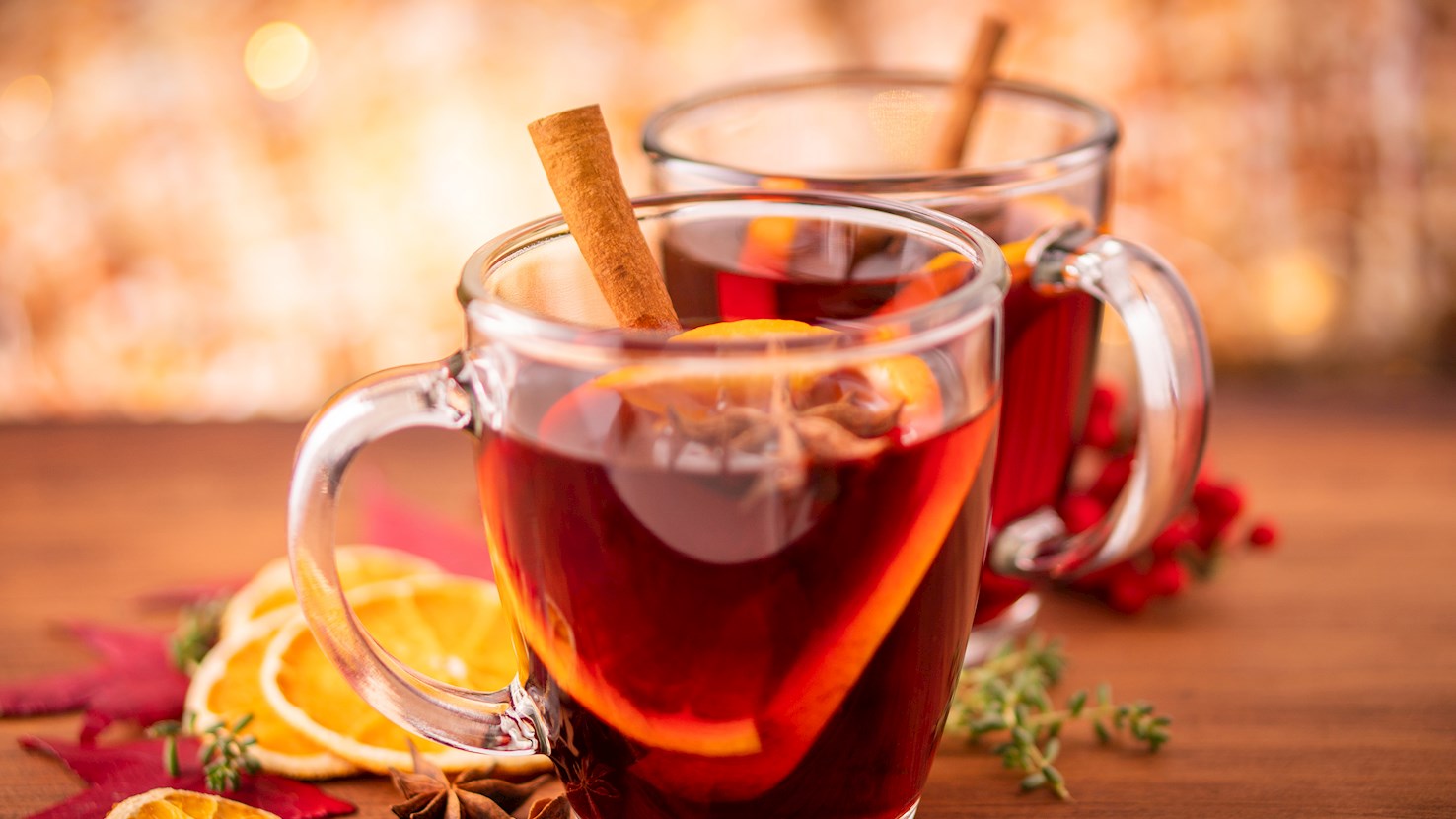
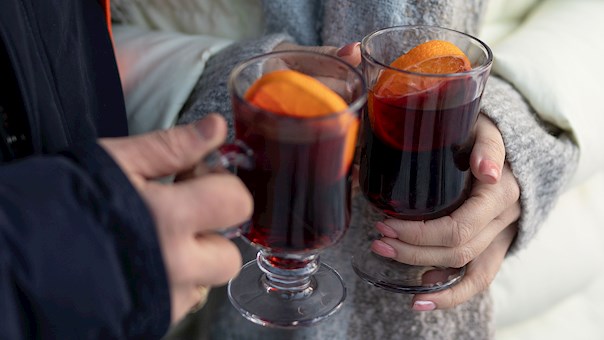
Glühwein is a type of mulled wine enjoyed in Germany, Austria, and Switzerland. It is a staple at Christmas markets and is often enjoyed as an après-ski drink. This German version is a classic, combining red wine, citrus zest, and spices such as anise, cinnamon, and cloves. It is usually sweetened to taste. The ingredients are mixed and heated and should never be boiled. Variations sometimes use white instead of red wine, and some versions come with a liquor shot (mit Schuss). First bottled versions of German mulled wine appeared in Augsburg in the 1950s, and often these pre-sweetened and pre-spiced versions are reheated and served at Glühwein stands. One of the most interesting variations of the drink is called Feuerzangenbowle. It is made with a rum-soaked sugarloaf that is suspended over mulled wine and set on fire. The sugar then melts and slowly drips into the wine.
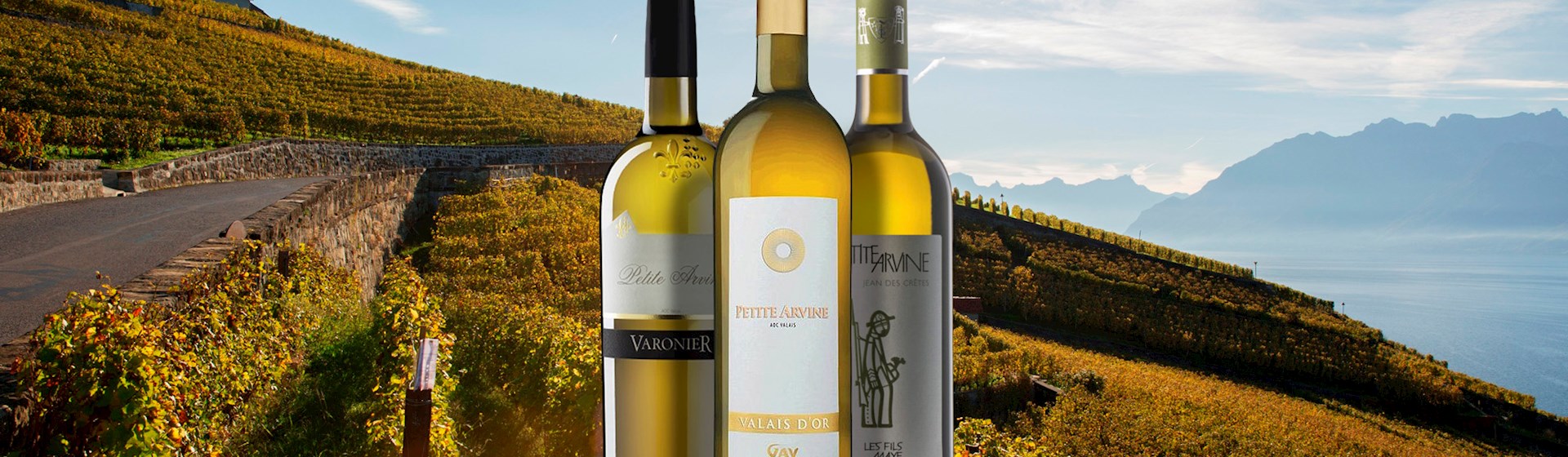
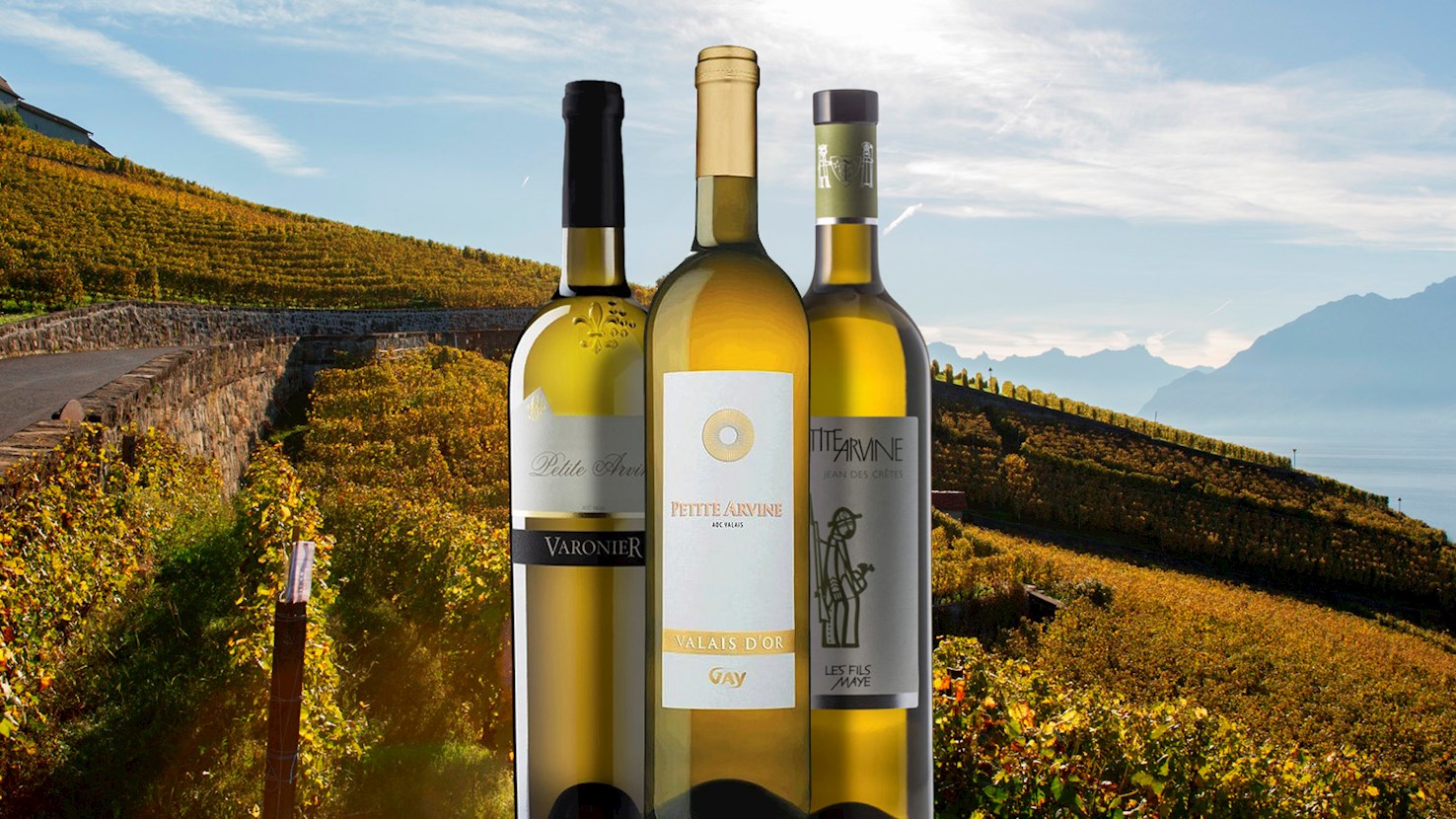
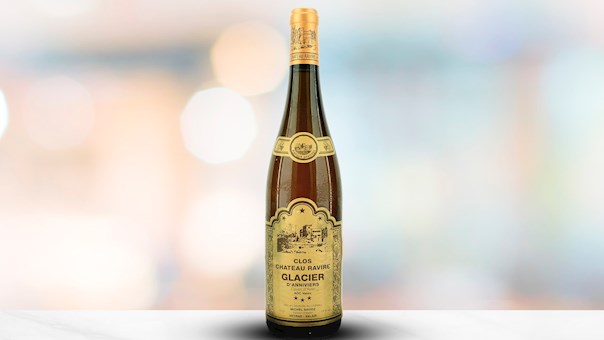
Petite Arvine is a white grape variety that is mostly cultivated in Valais and Aosta Valley, although its exact origin is still somewhat vague. This late ripening grape is used in the production of dry and sweet wines which are typically intense and fragrant, with floral, citrus, and fruit aromas. Most styles can benefit from aging, and they usually have well-balanced acidity and minerality. Dry wines made from Petite Arvine grapes pair well with white meat, seafood, charcuterie, and cheese.
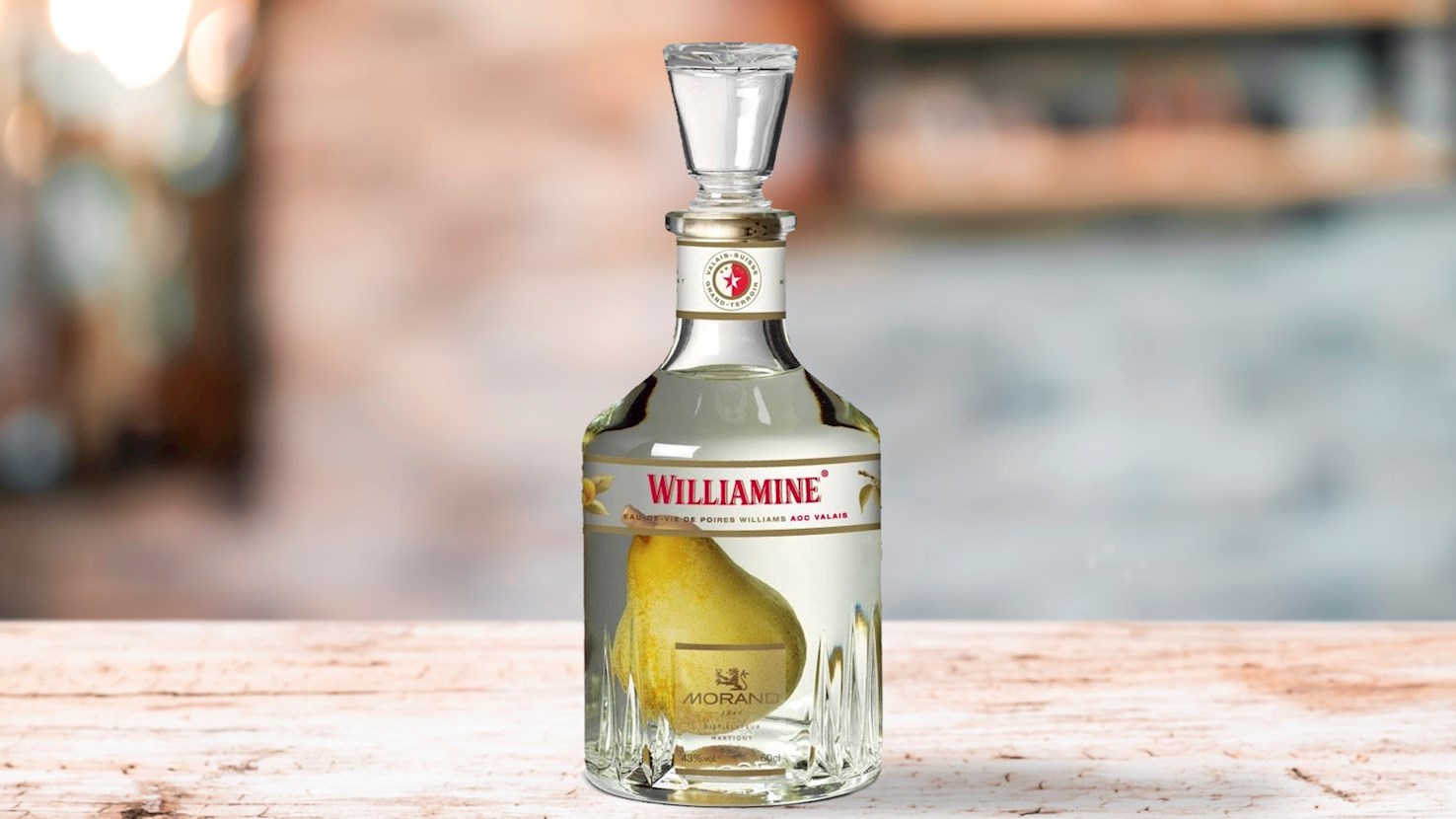
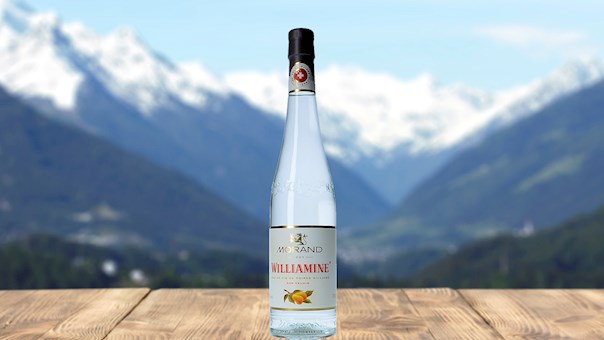
Williamine is a fruit brandy distilled from locally grown Williams pears. It is produced in Martigny, Valais, and the name has been protected by Morand distillery since 1953. A highly-prized version comes with the whole pear inside the bottle. Williamine is a clear and transparent spirit with intense fruity aromas and flavors reminiscent of ripe pears. It is bottled at 43% ABV. It can be enjoyed as an aperitif or a digestif, but it can also be incorporated into cocktails or long drinks.
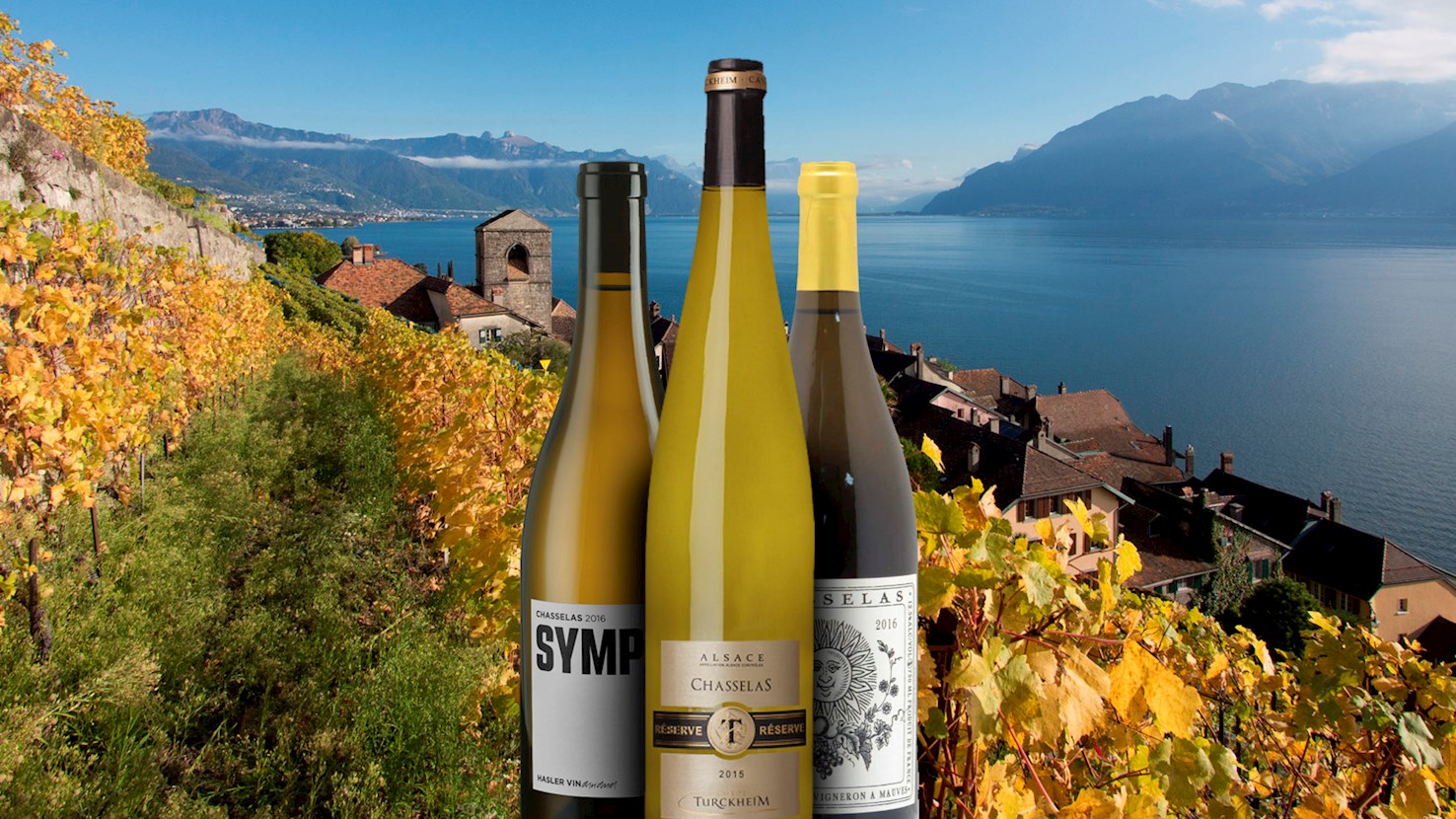
Chasselas is the most planted white grape variety in Switzerland. Although there are many theories about its origin, it is likely that the grape is native to Switzerland, where it also shows the best result, particularly in Vaud (its place of origin) and Valais, where it is better known as Fendant. This early-ripening and bountiful grape perfectly reflects the terroir and produces light white wines that are low in alcohol in acidity. They are usually slightly aromatic, light-bodied, easy-drinking, and mineral, which makes them an excellent pairing with various courses. Apart from Switzerland, Chasselas is found in France and Central European countries, but it is mostly used for low-quality table wines or in blends.
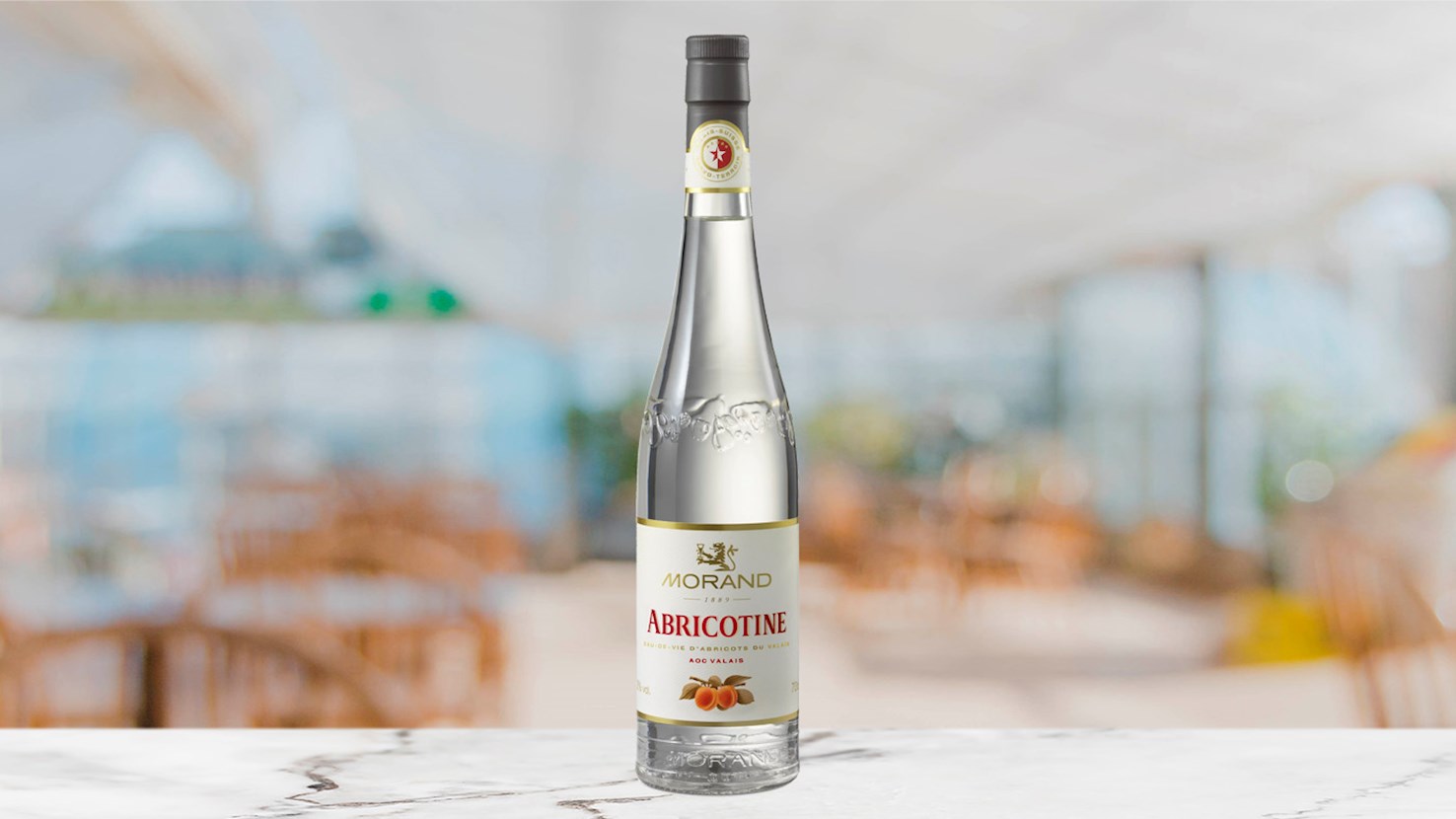
Abricotine is a clear, colorless fruit brandy that is characterized by its dominant apricot flavor and subtle almond nuances. It is distilled from pitted and fermented Luizet apricots that are cultivated in the Valais area and are especially suitable for distillation. The final distillate is cut with water to achieve the desired 40% ABV. Abricotine is best appreciated as a digestif, preferably served neat and well-chilled, but it also incorporates well in cocktails and desserts.
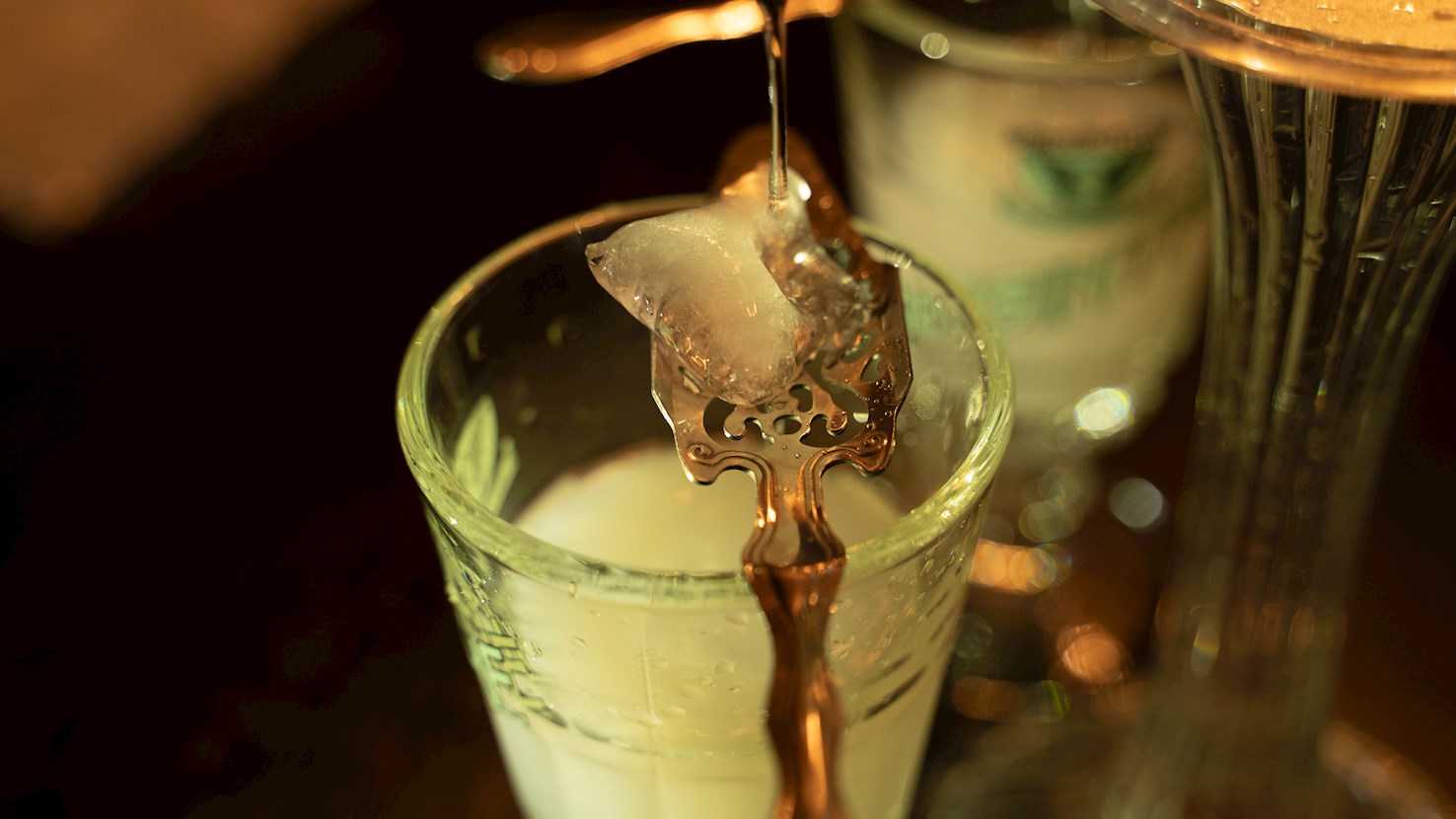
This alcoholic beverage is produced with a base of a neutral spirit that is infused with a blend of botanicals, primarily the leaves of Artemisia absinthium, an ancient medicinal plant that is also known as wormwood or simply absinthe. Other flavorings usually include different combinations of anise, fennel, melissa, coriander, or other botanicals. The result is a clear spirit often called white or blanche absinthe. Green or verte absinthe is made with maceration of plants, while some, usually low-quality versions, can be artificially dyed. Although a doctor Pierre Ordinaire is often credited as the inventor of absinthe, the truth is that the plant has been used for centuries before the alleged Ordinaire’s creation. Absinthe or absinthe-based beverages were primarily enjoyed as health tonics, and it was only in the 1800s that it started to be perceived as an alcoholic beverage. The drink rose to fame when it became a popular choice among the French bourgeoisie. The popularity of absinthe coincided with the phylloxera, a disease that destroyed most of the vineyards in Europe. Although wine was still preferred choice among the Europeans, the popularity of absinthe was a heavy blow to the wine industry. It was then that the alleged marketing campaigns against absinthe, which were supposedly fueled by winemakers, started to appear. Absinthe was portrayed as a hallucinogenic spirit that led people to madness and violence. At the beginning of the 20th century, it was first banned in Switzerland, and then in the rest of Europe. The true reason behind the ban was thujone, a chemical compound found in wormwood. Although thujon is a toxic substance, the amount present in absinthe cannot cause hallucinations, but it does have psychoactive effects. Because of that, it is considered that genuine absinthe must have thujons. Otherwise, it can be classified as an aromatized drink similar to absinthe. It was only in the 1990s that the regulations have changed, allowing for revival in production and easier distribution of absinthe. Today, the biggest absinthe producers come from France, Germany, Switzerland, and the Czech Republic. High-quality absinthe is light and herbaceous, and it is best served in a glass over which ice-cold water is slowly dripped. Often, a perforated spoon is put on the glass and topped with ice or a sugar cube. The novel technique of burning the sugar cube and allowing it to melt is not the traditional way absinthe is consumed.
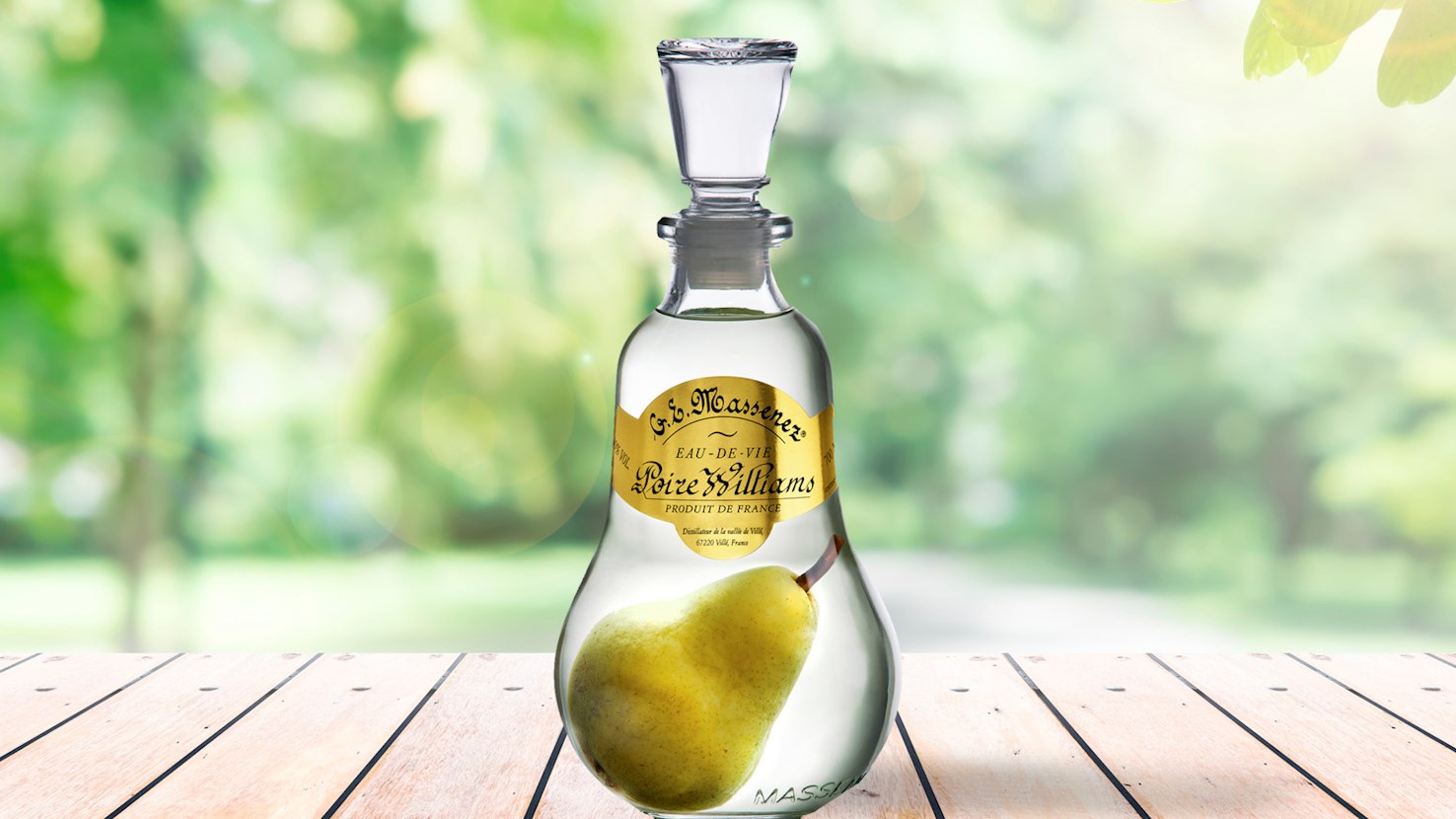
Poire Williams is a type of eau-de-vie (fruit brandy) that is distilled from fermented Williams pears. The production of this clear and colorless spirit is mostly associated with France, Switzerland, and Germany. The drink is often sold with a whole pear inside the bottle—this is achieved by attaching the bottle to a branch with a small pear. The fruit is tucked inside and then allowed to grow inside the bottle. When it’s ripe, the fruit is cut off, and the distilled spirit is then poured inside. This brandy is usually of high quality, with clean and crisp flavor and ripe pear aromas. It is traditionally enjoyed as a digestif.
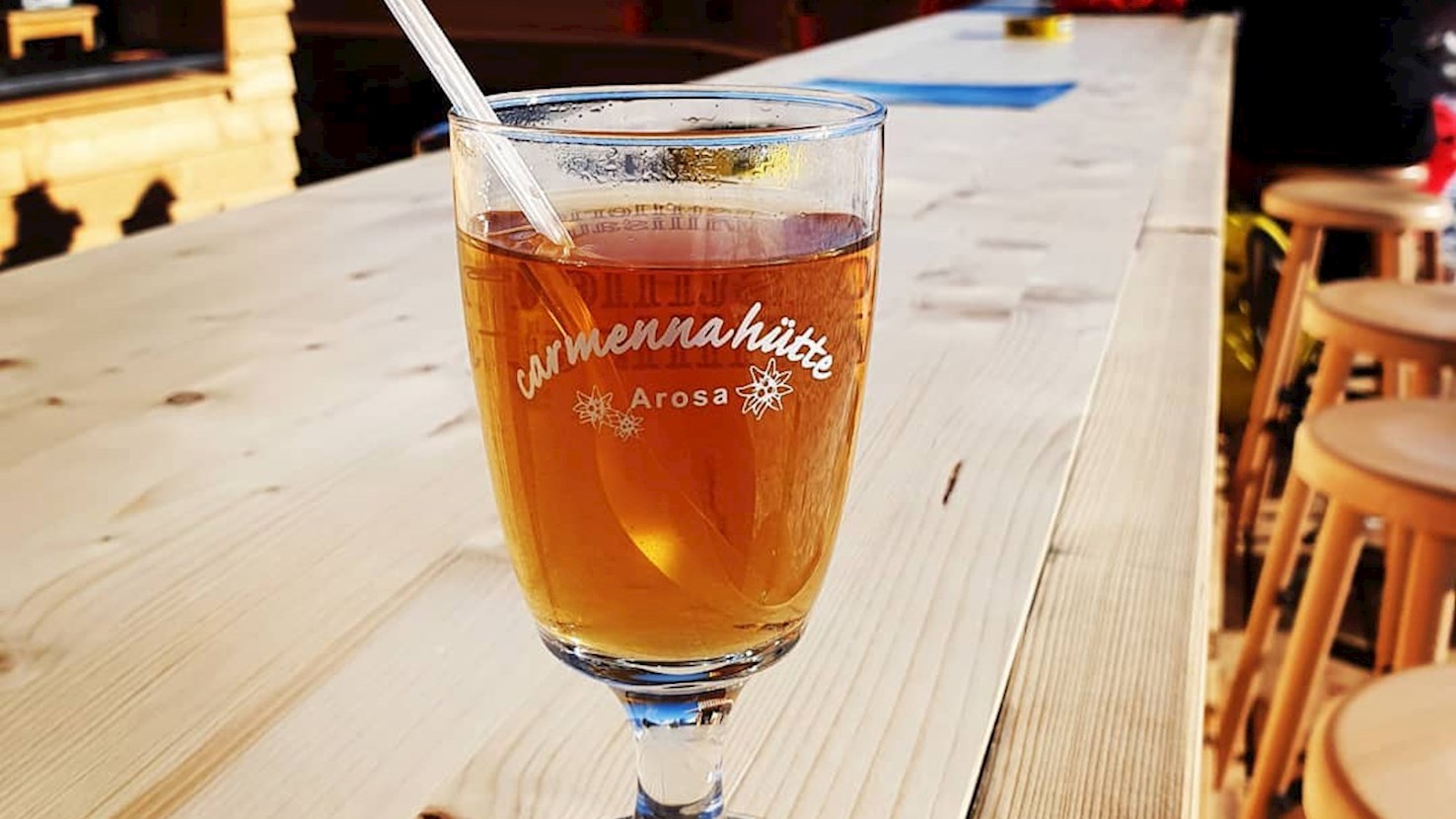
Kafi Luz or Kafi Fertig is a Swiss coffee that is usually made with Träsch—fruit brandy produced from pear and apple pomace that is mainly enjoyed in Central Switzerland. The recipe includes a splash of fruit brandy (schnaps), sugar, boiling water, and instant coffee. The drink should be pale and transparent, and it is typically served in a tall stemmed glass. This coffee was invented sometime in the 18th century when drinking schnaps was a common practice in Switzerland, especially in rural areas where each day would begin with a shot of brandy. When the authorities tried to regulate excessive drinking and eventually banned distillation and consumption of alcohol, the people thought of a way how to disguise it by mixing it with coffee. Kafi Luz known under various names, and it comes in many variations that may include different proportions of ingredients and other types of brandy.
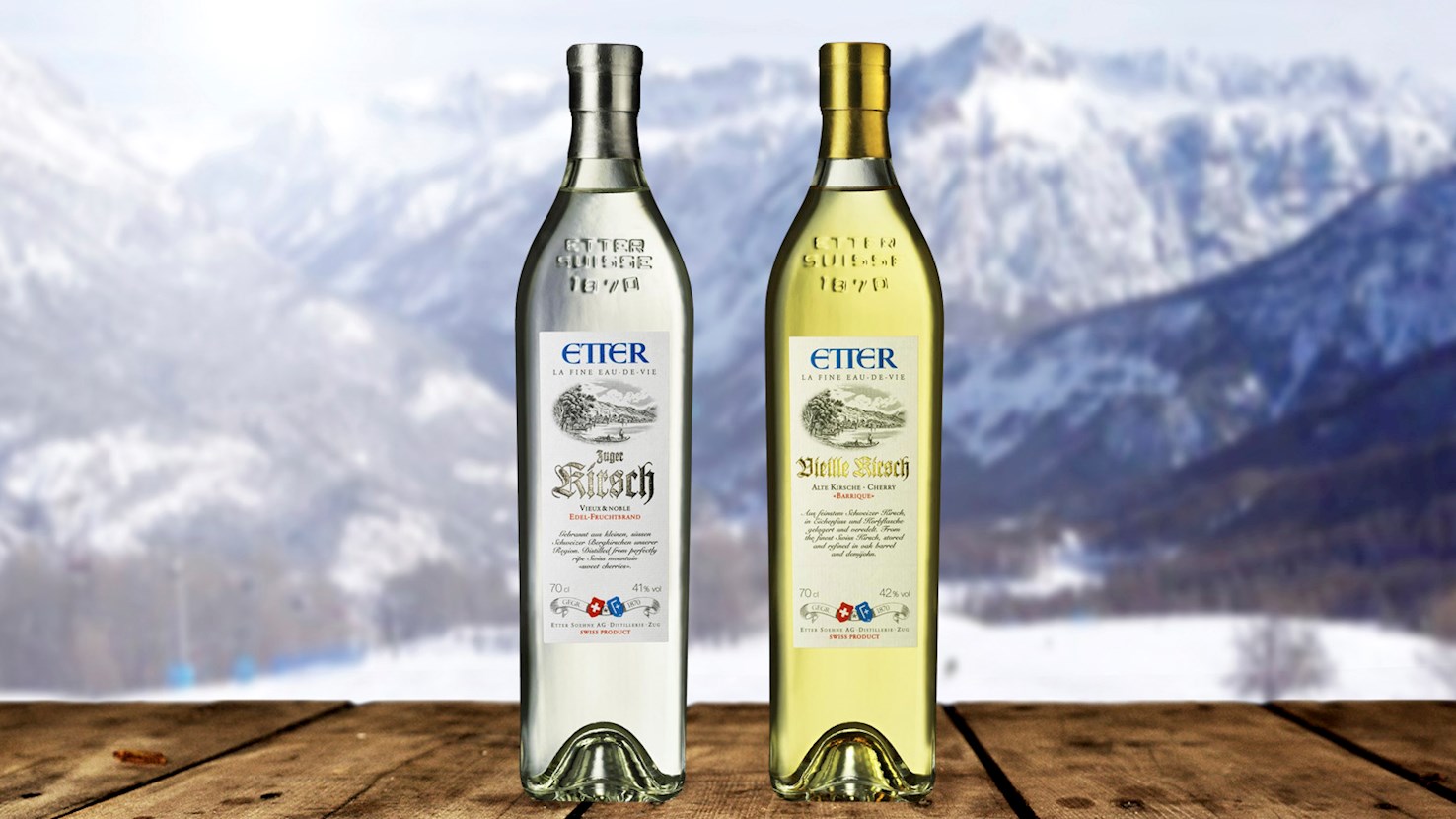
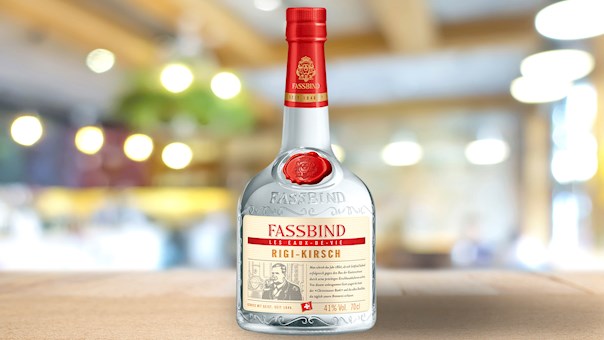
This renowned cherry brandy has been produced in the Zug region for over two hundred years. It is distilled from local cherry varieties and results in a clear, colorless spirit that is characterized by an intense, fruity flavor and subtle almond nuances. Best served slightly chilled, Zuger kirsch is traditionally enjoyed neat, preferably as a digestif. The brandy is also known for its versatile culinary use. It is one of the essential ingredients in Zuger kirschtorte (Zug cherry cake) and spiced Basler läckerli cookies.
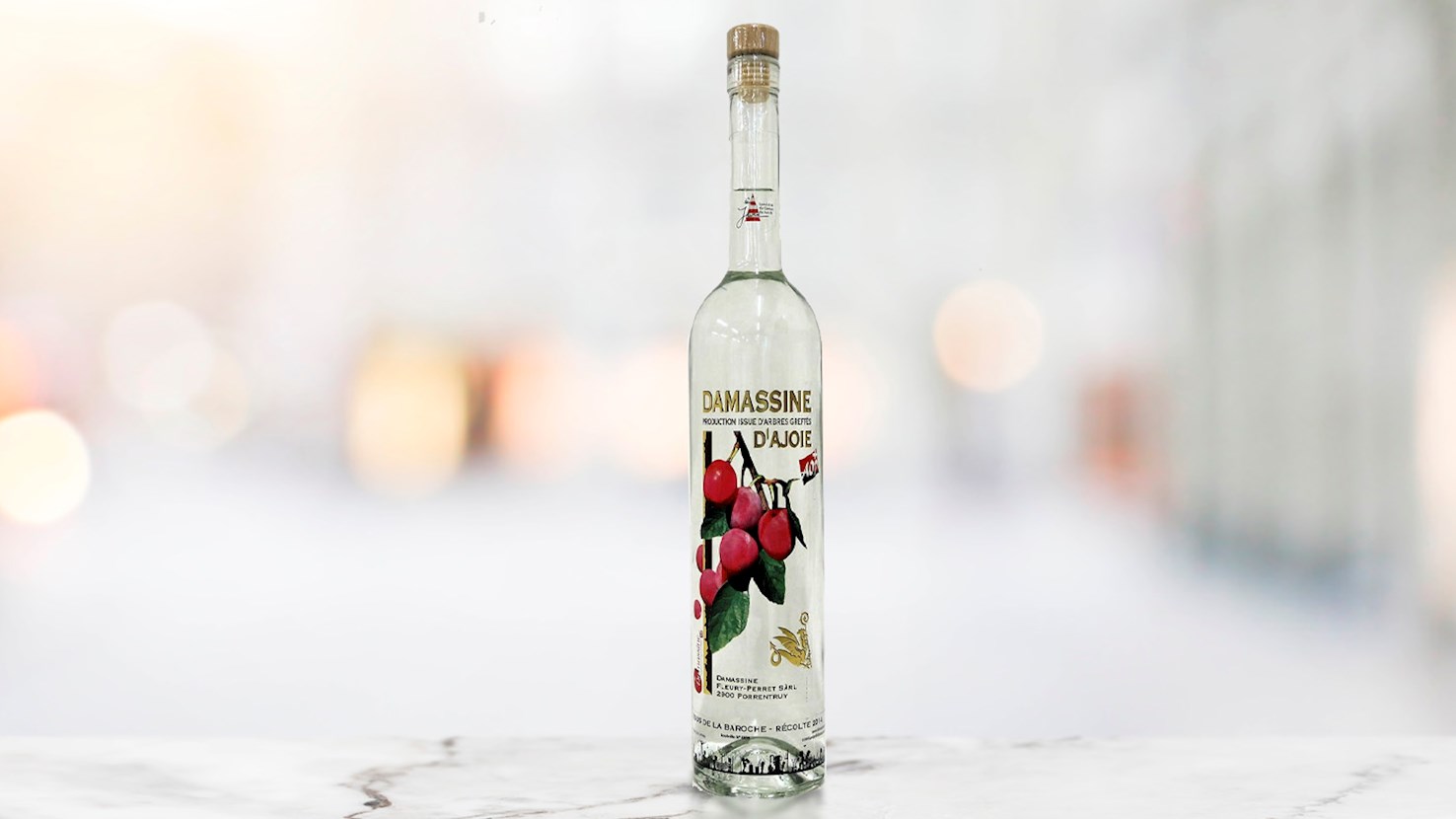
Damassine is a Swiss plum brandy that is traditionally produced in the Canton of Jura. It is distilled from fermented damson (damassine) plums. These small red plums are cultivated across Europe, but their origin still remains unclear. The brandy is clear and colorless, with a strong cherry aroma and subtle herbaceous and almond notes. Damassine holds a protected AOP (PDO) status, and the entire production must take place in the designated area. When distilled, the brandy can only be mixed with regional water to reach the desired 40% ABV. It has to be aged for a minimum of six months. This potent and aromatic brandy is served at room temperature, and it is best enjoyed as a digestif.
TasteAtlas food rankings are based on the ratings of the TasteAtlas audience, with a series of mechanisms that recognize real users and that ignore bot,
nationalist or local patriotic ratings, and give additional value to the ratings of users that the system recognizes as knowledgeable.
For the “Top 65 Swiss Beverages” list until August 19, 2026, 587 ratings were recorded, of which 520 were recognized by the system as legitimate.
TasteAtlas Rankings should not be seen as the final global conclusion about food. Their purpose is to promote excellent local foods,
instill pride in traditional dishes, and arouse curiosity about dishes you haven’t tried.
The initial list of top producers was compiled based on available reviews, awards, local recommendations, media and blog coverage, and consumer reviews.
The list will be updated with ratings from TasteAtlas local ambassadors and TasteAtlas users.







What People Say