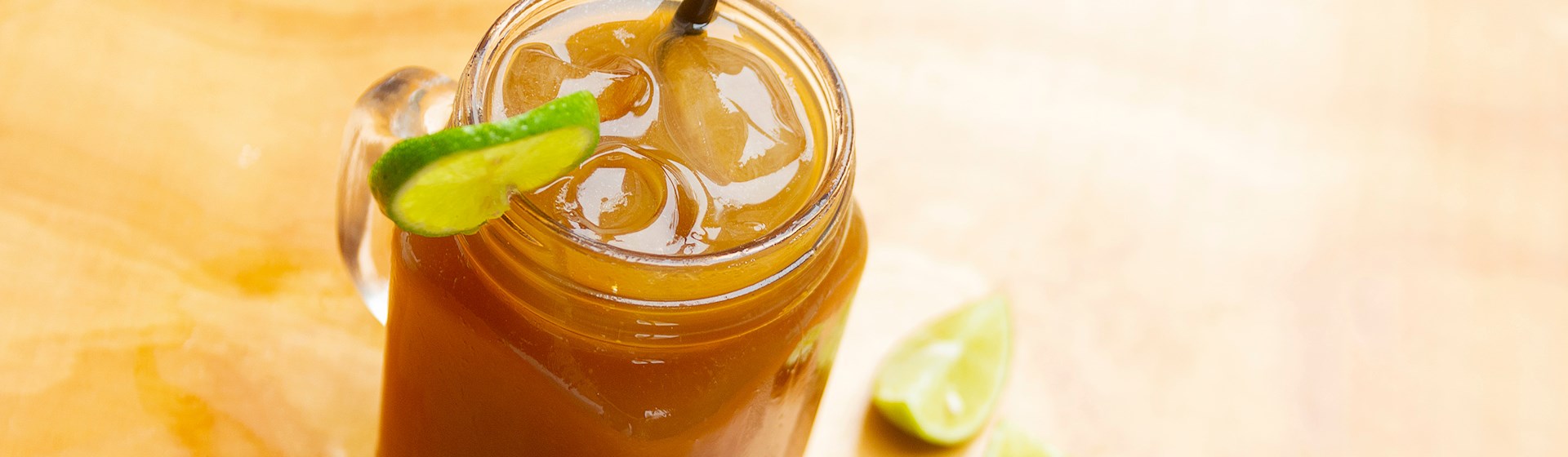
shutterstock

Top 8 Venezuelan Beverages

Last updated on July 01, 2026

Best Venezuelan Beverages
01

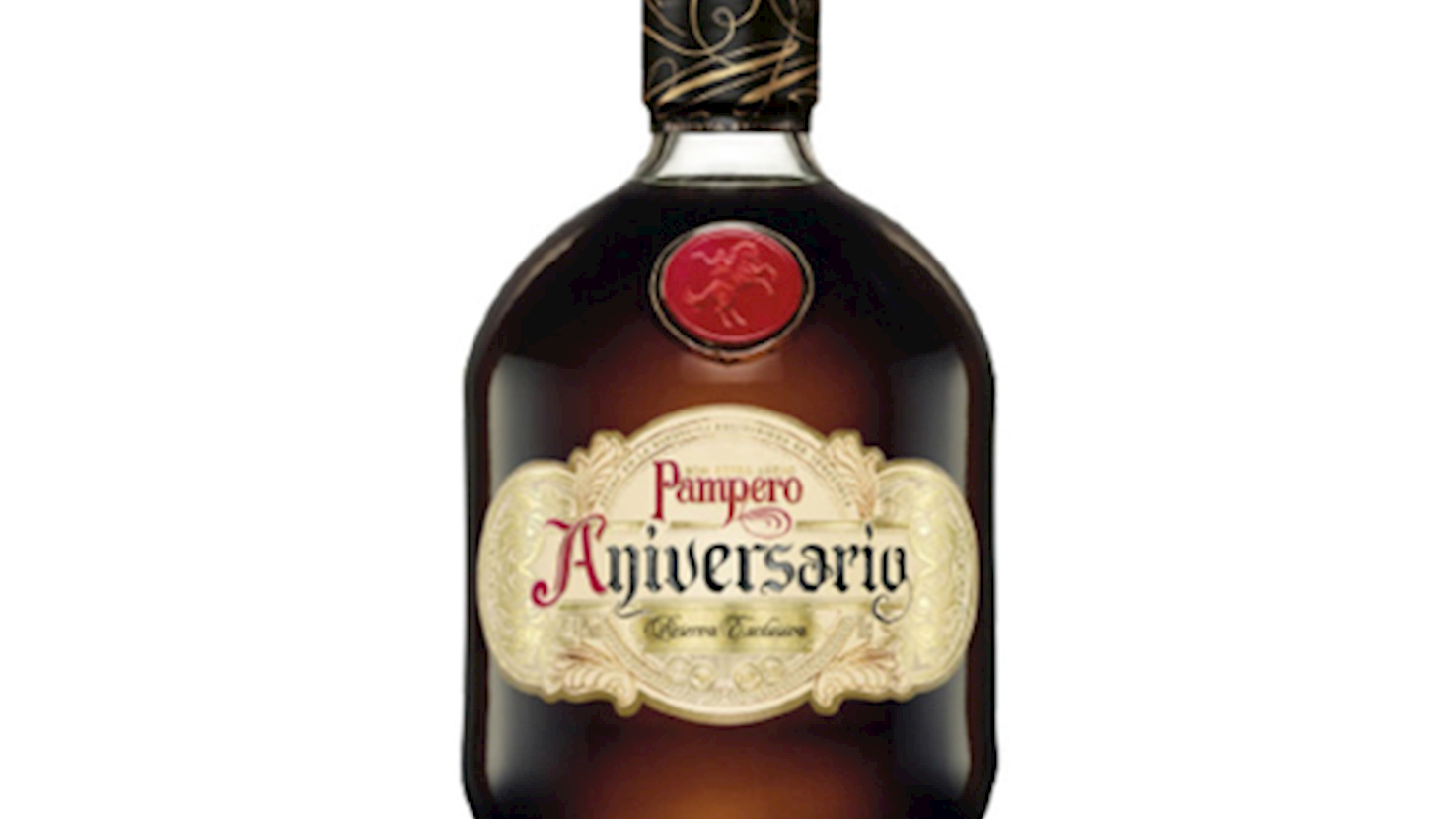
Pampero

5.0 ·

Pampero is a premium rum brand from Venezuela, known for its craftsmanship and rich heritage. It is produced using the sweetest sugarcane from Venezuela, and its rums are triple distilled, aged in different casks to develop unique flavors.

Pampero revolutionized Venezuelan rum-making with its distinctive process and has become a symbol of the country's spirited, independent culture. This rum is part of Diageo's portfolio, enhancing the company's diverse range of alcoholic beverages.

Awards
SFWSC - San Francisco World Spirits Competition - Double Gold (2024, 2023)
NYWSC - New York World Spirits Competition - Double Gold (2023)
02

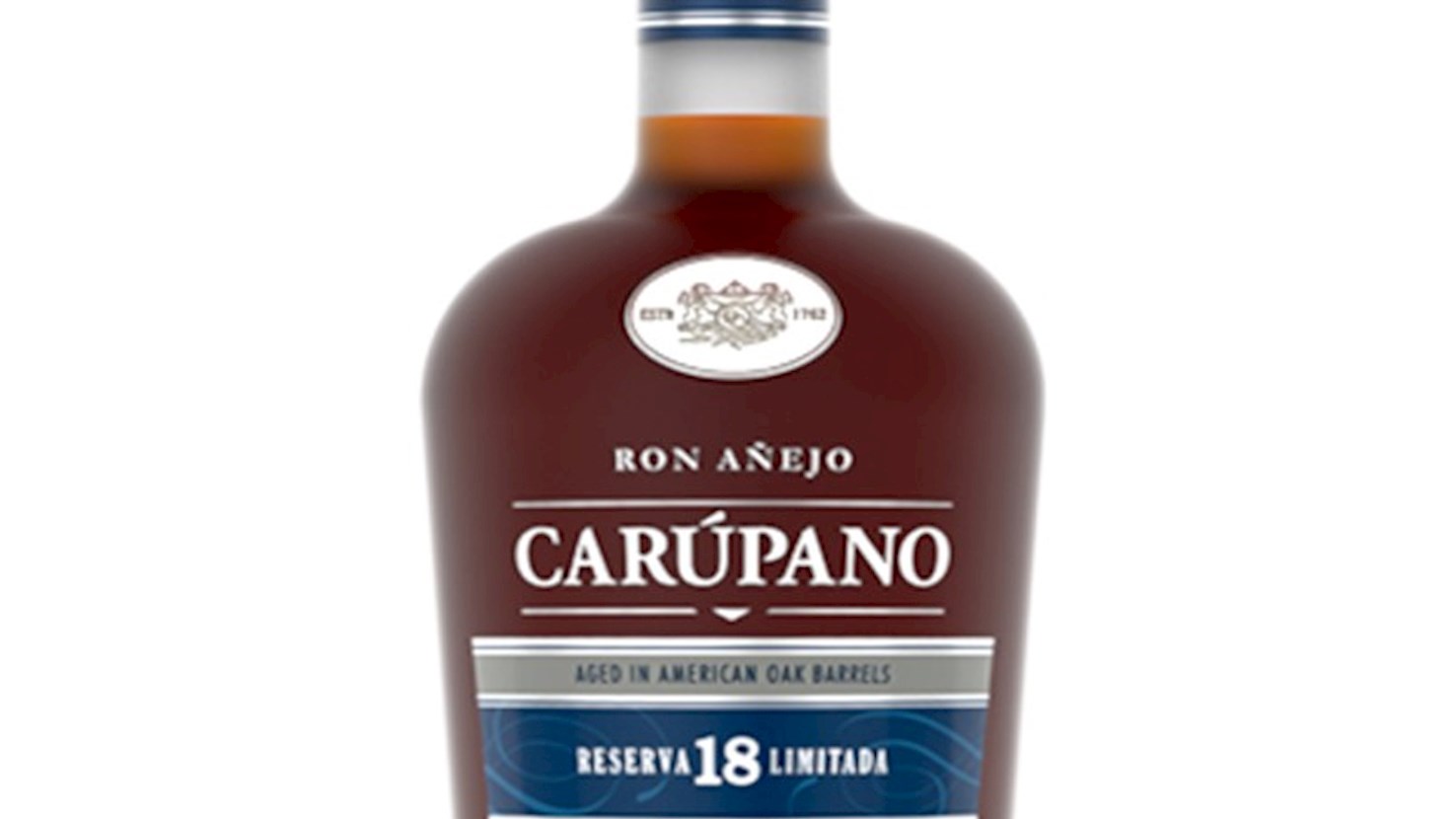
Ron Carúpano

5.0 ·
Awards
SFWSC - San Francisco World Spirits Competition - Double Gold (2024, 2023)
The Luxury Masters - Gold (2023)
03

Calazan

5.0 ·
Awards
SFWSC - San Francisco World Spirits Competition - Double Gold (2024)
04

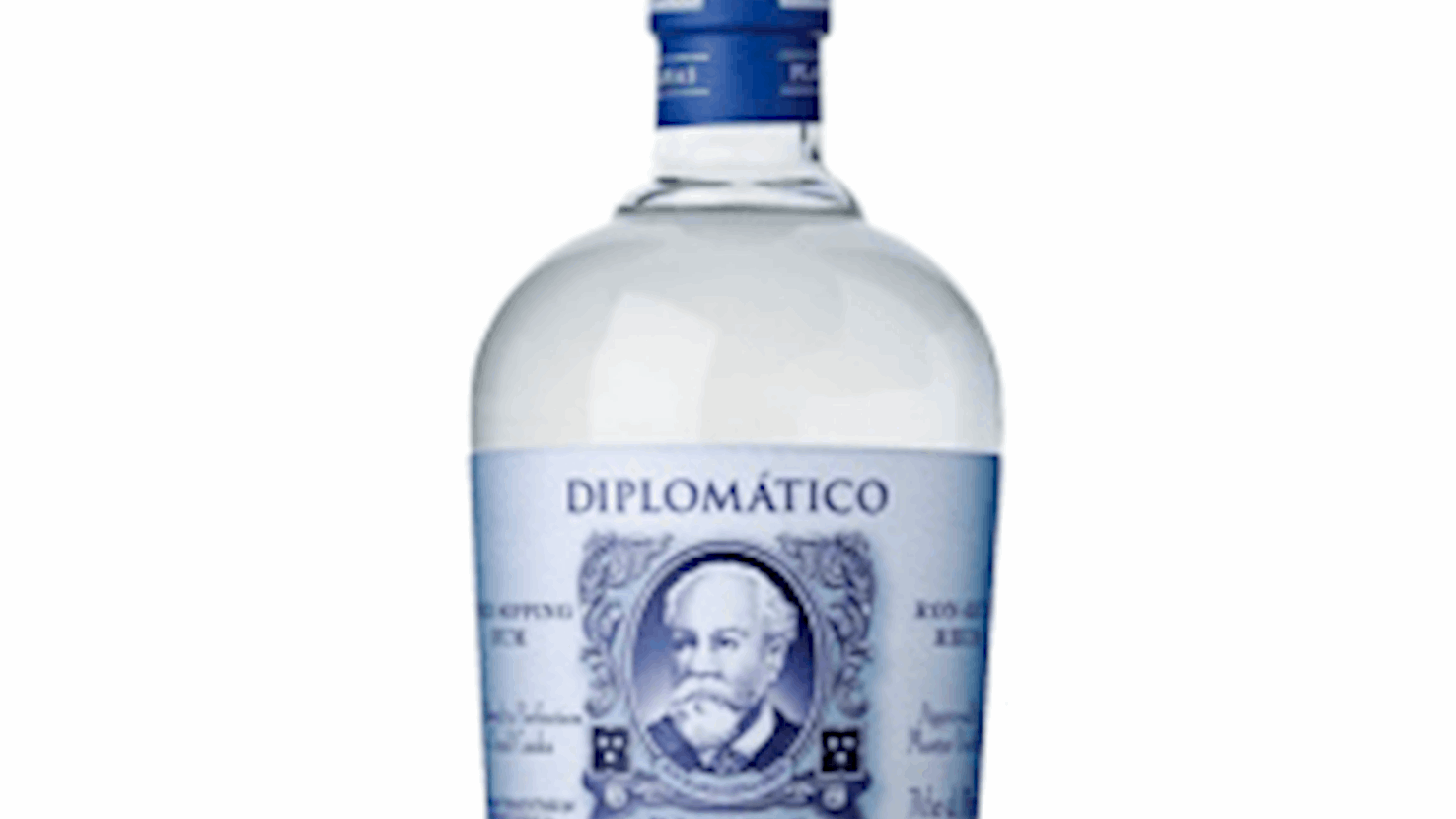
Diplomatico

5.0 ·
Awards
SFWSC - San Francisco World Spirits Competition - Double Gold (2024)
05

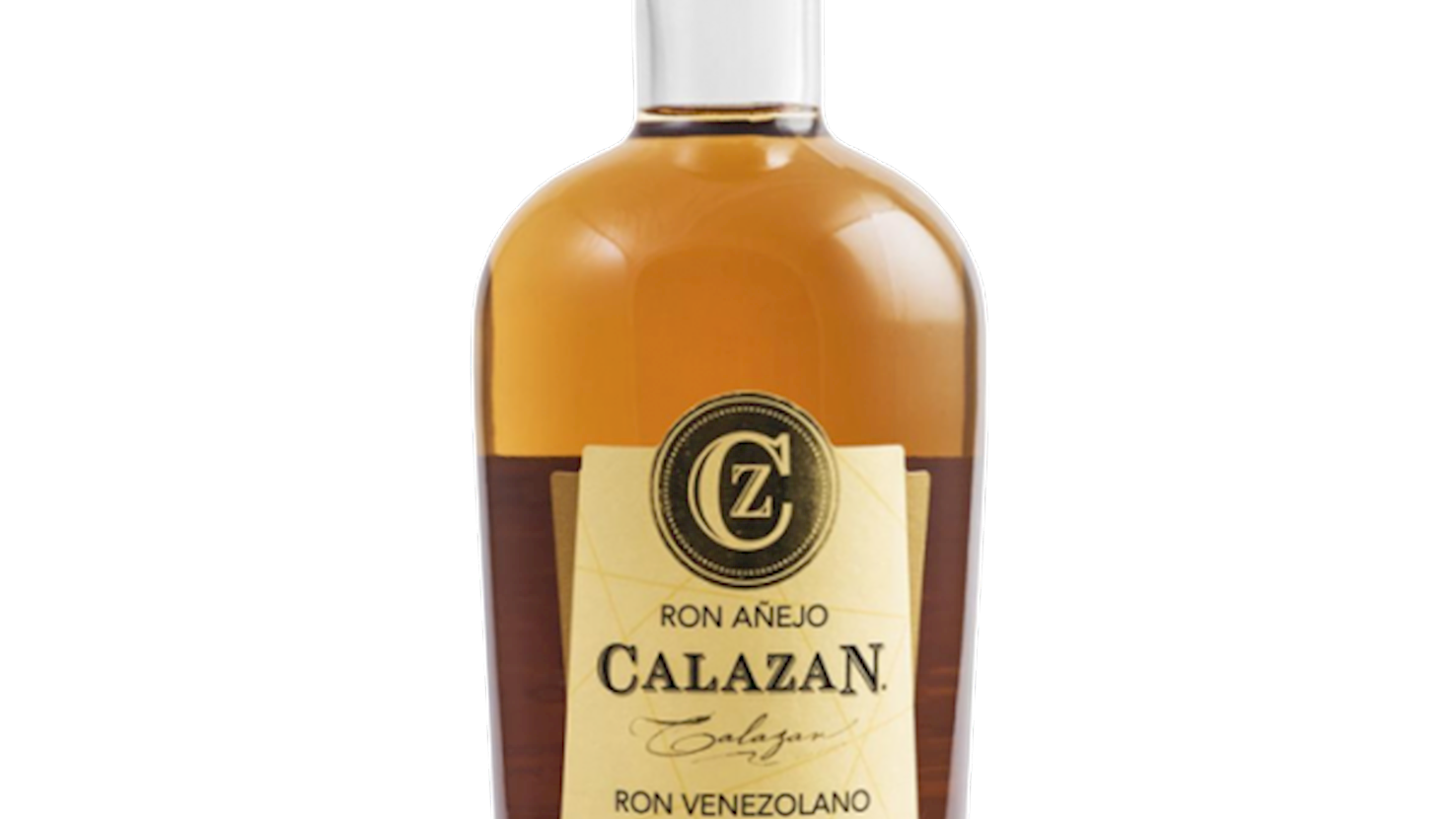
Ron Añejo Calazan

5.0 ·
Awards
SFWSC - San Francisco World Spirits Competition - Double Gold (2023)
06

Rones del Caribe

4.8 ·
Awards
IWSC- International wine & spirit competition - Spirit Gold (2024, 2023)
07

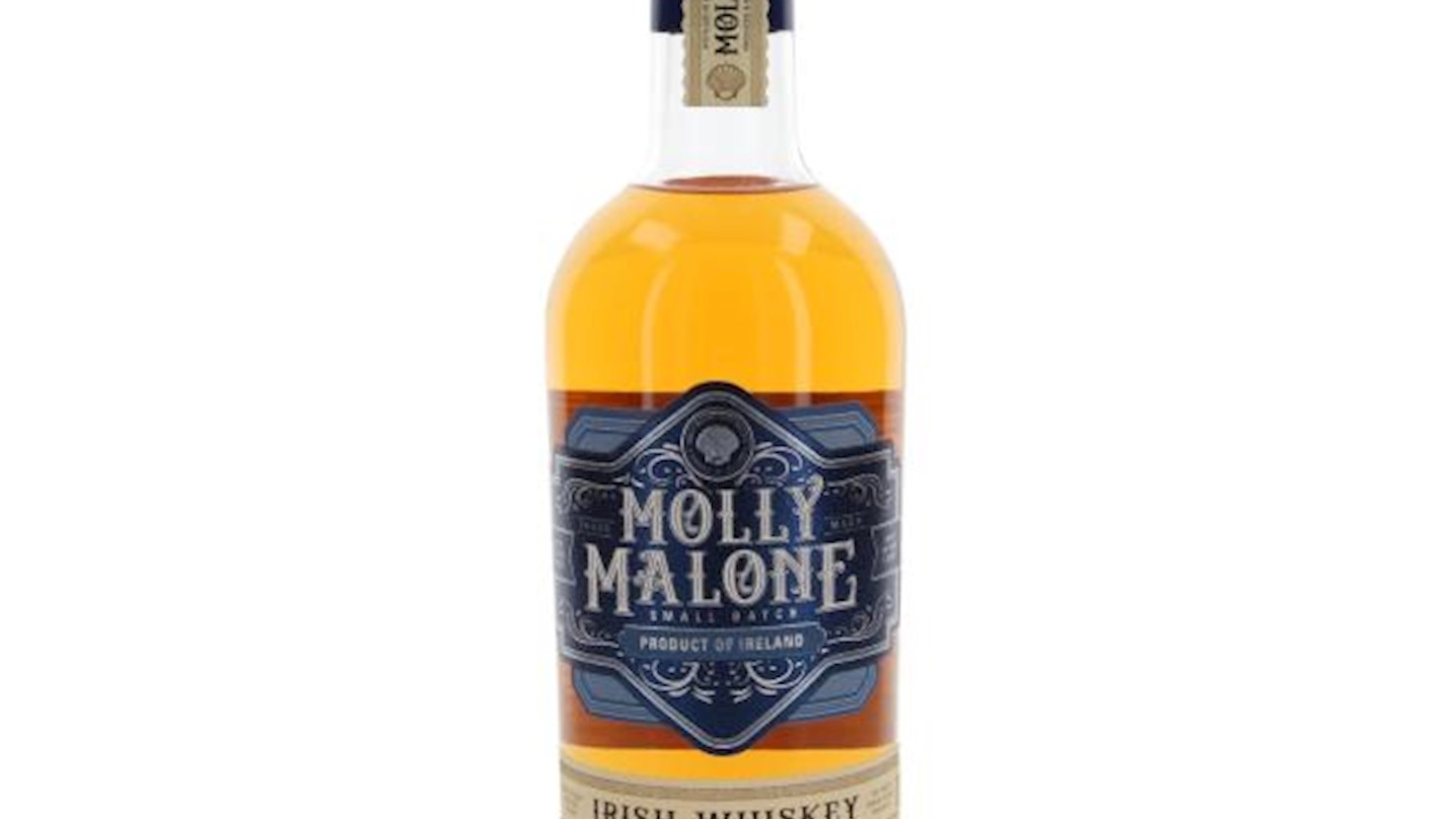
The Molly Malone Whiskey Co

4.8 ·
Awards
The Irish Whiskey Masters - Gold (2022)
08

Central de Licores Unidos De Venezuela

4.8 ·
Awards
The DB & SB Autumn Blind Tasting - Gold (2022)
The Luxury Masters - Gold (2022)

Best Venezuelan Beverage Types

01

Guarapo

4.1 ·

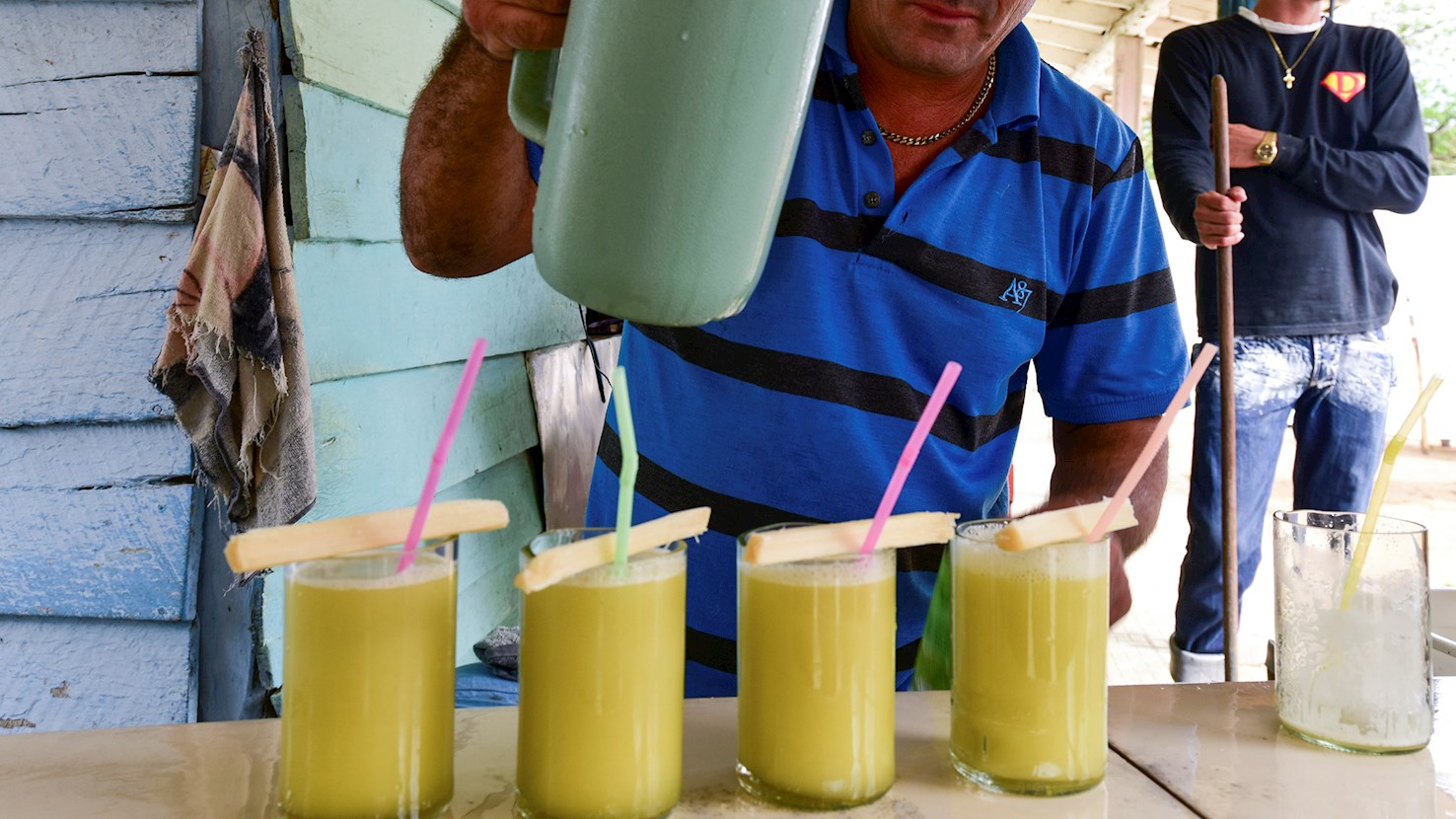
Guarapo is a Latin American drink made from raw, pressed sugarcane juice mixed with water, ice, and lots of fresh limes. Most often, the vendors that sell it will extract the sugar cane juice right on the spot using a metal sugar cane press. The juice drips into a bucket below the press where it’s sieved before serving. It has a slightly sweet flavor, and it’s most popular in the summer as a cold refreshment. The word guarapo was first recorded in the 19th century by Esteban Pichardo, who defines it as a broth or a liquid made from sugarcane juice, extracted under pressure. Both the word and the procedure are still around after almost two centuries.

02

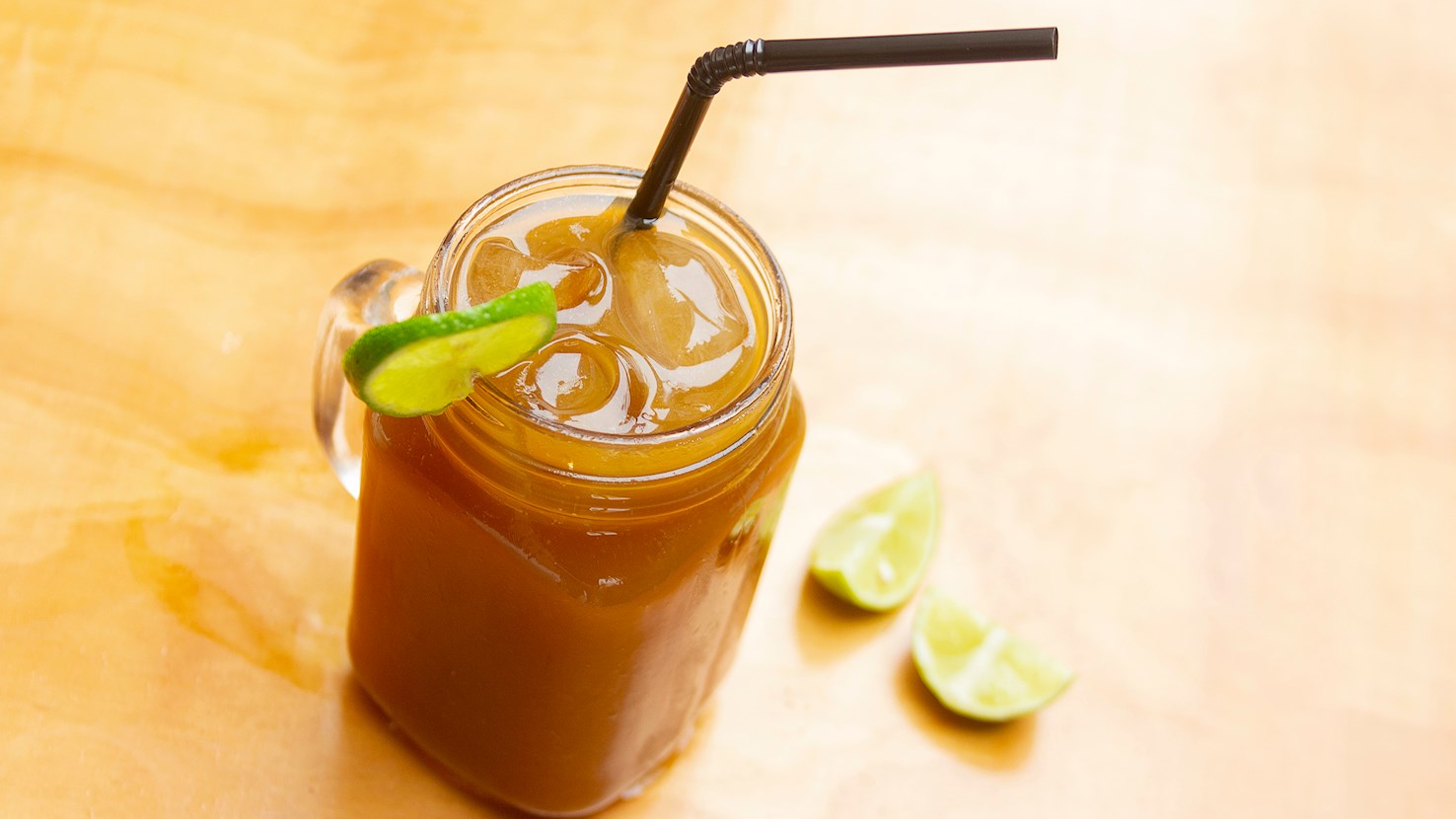
Papelón con Limón

4.1 ·

Papelón con limón is a traditional cold drink made with only three ingredients: piloncillo, limes, and water. It’s most commonly consumed in the summer, during the hottest hours of the day. This beverage is refreshing and not too sweet, which makes it perfect for pairing with traditional Venezuelan foods such as arepas, cachapas, or hervidos. The most important part of this beverage is papelón, also known as piloncillo, an unrefined sugarcane sweetener shaped like a cone. It is very popular throughout Latin America, and it is used in a variety of traditional beverages.

03

Angostura Bitters

3.7 ·

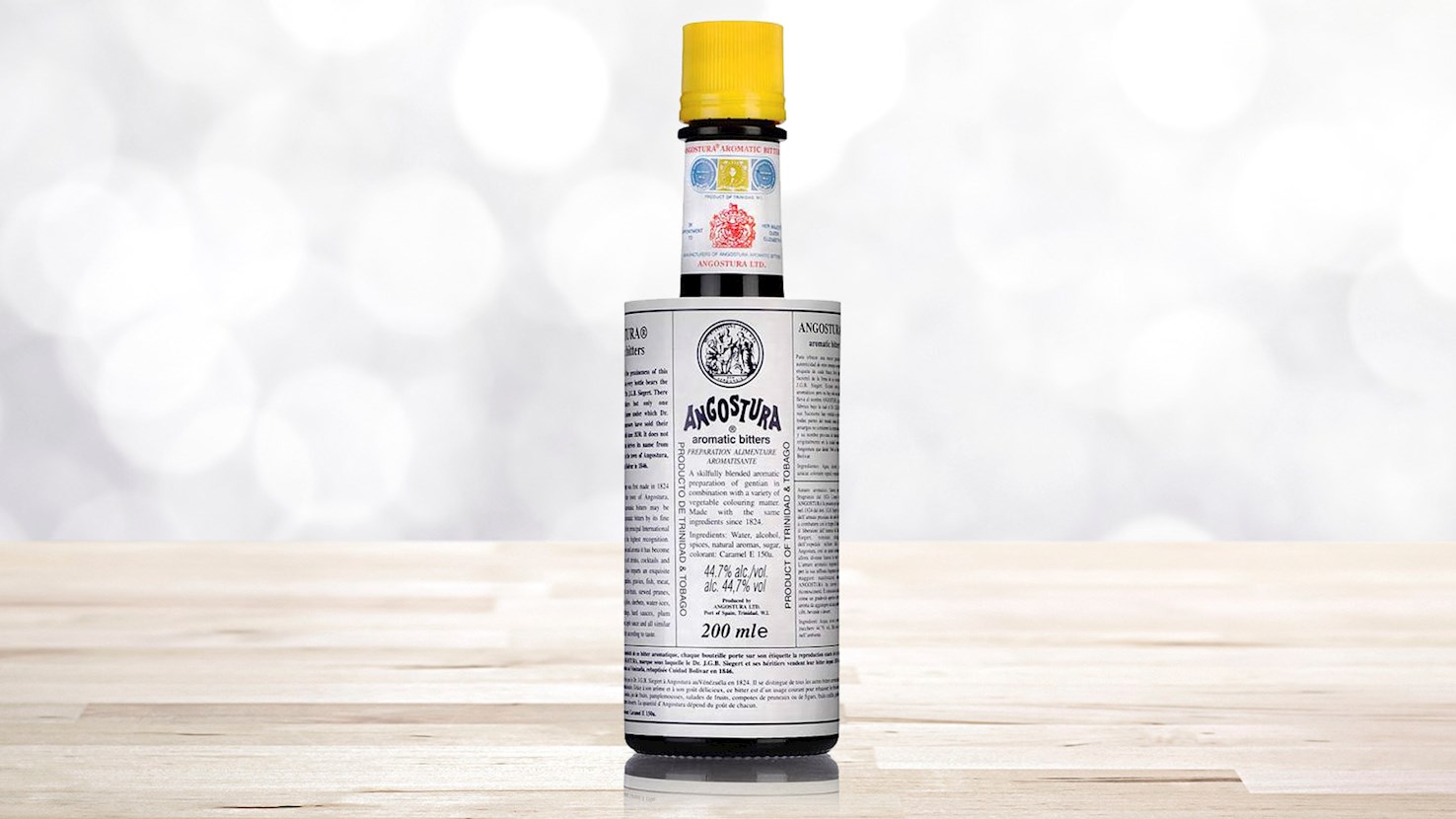
Angostura is a concentrated bitters made with herbs and spices. It was developed in 1824 in the Venezuelan town of Angostura (now called Ciudad Bolívar), when a German doctor Johann Gottlieb Benjamin Siegert, who was a surgeon general for Simón Bolívar, used a secret blend of botanicals, including angelica, cinchona, ginger, cinnamon, cardamom, and orange peel, to create an antifebrile tonic. The drink was an instant success and was later mainly used as a flavor enhancement because of the fairly high alcohol content of 44.7%. Due to political turmoil, Siegert relocated his company from Angostura to Trinidad and Tobago, where it still operates. From a health remedy and an ingredient in sauces and desserts, Angostura bitters have become a quintessential element in cocktails and mixed drinks. They add complexity and enhance flavors in classics such as Old-Fashioned, Manhattan, Pink Gin, or Mai Tai.

04

Ponche Crema

3.4 ·

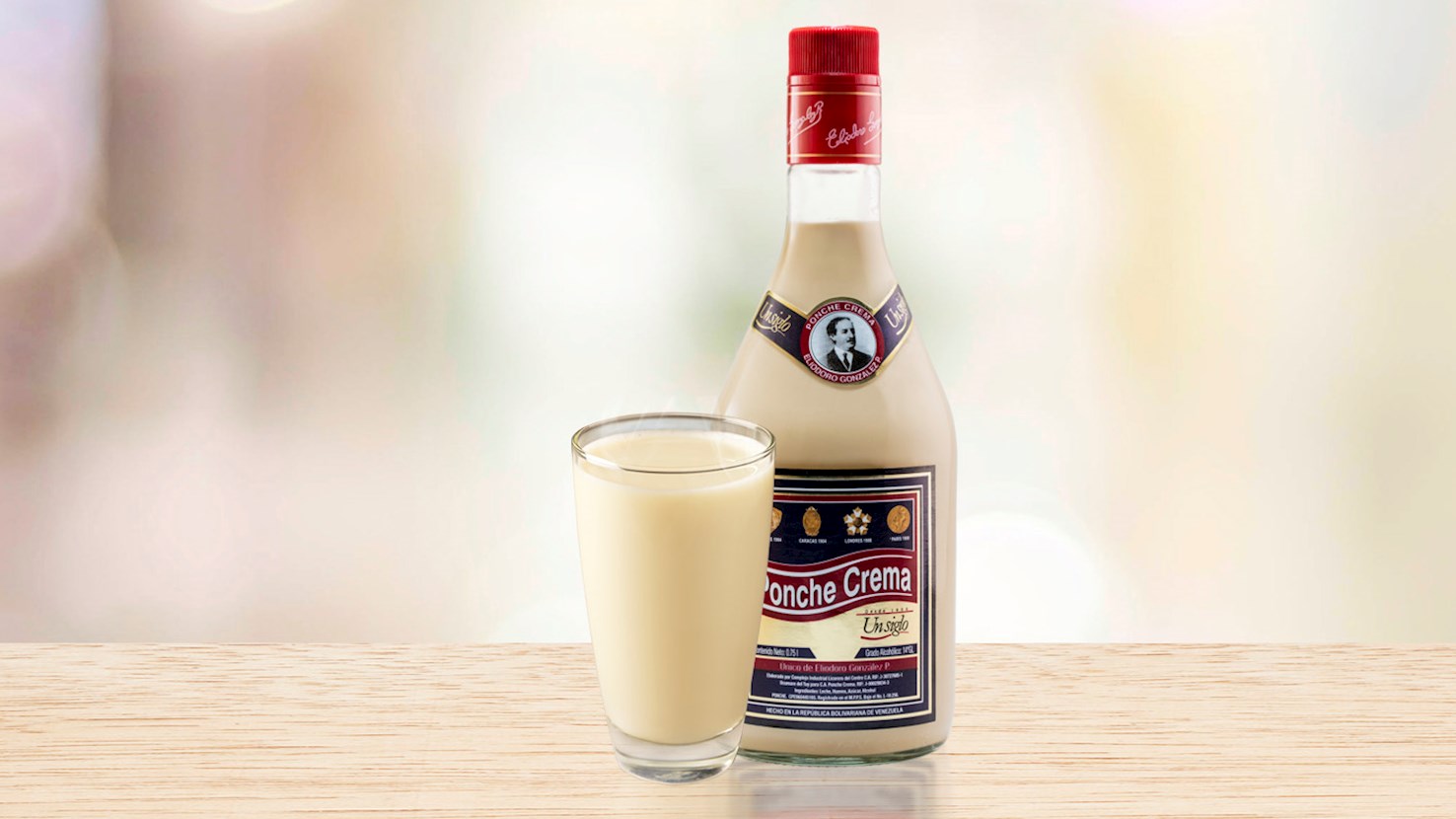
Ponche crema is a Venezuelan liqueur that also gave its name to a similar homemade beverage. The liqueur is often called Venezuelan eggnogs as it is milk- and egg-based. This creamy liqueur was invented by Eliodoro González P. in the early 20th century. It is still made according to Eliodoro's recipe that remains a closely guarded secret. However, it is known that it consists of milk, eggs, spices, and liquor. The combination has influenced the creation of numerous homemade versions that usually combine milk or condensed milk, eggs, vanilla, and nutmeg, along with rum, brandy, or cane spirit (aguardiente). Ponche crema is traditionally associated with Christmastime. It is usually served as an aperitif, and it is best enjoyed chilled.

05

Cocuy

n/a ·

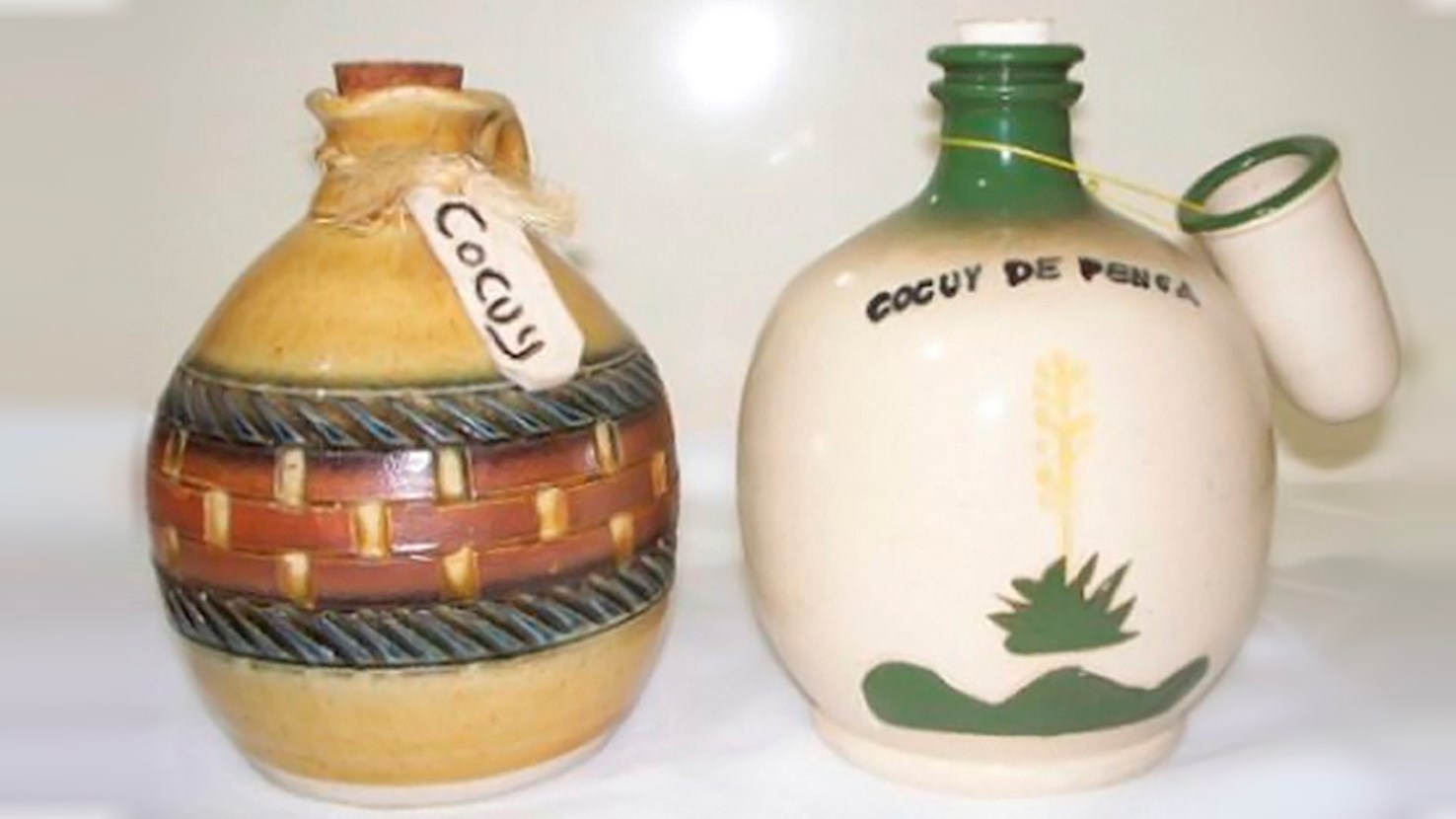
Cocuy is a traditional spirit that is made from Agave cocui, a green agave variety that is mostly found in the states of Lara and Falcón. The heads of the agave are first roasted in underground pits and then turned into a mash that is later distilled. Although it dates from pre-Columbian times, when it was used as medicine and in various rituals, from the mid-20th century the production of cocuy was illegal, presumably as was an effort to boost rum and beer trade. However, the changes in the law in 2007 permitted several artisanal producers to produce cocuy legally. Because of the use of agave and similar techniques of production, cocuy is often compared to tequila and mezcal, as it displays a similar smoky and fruity character. Sometimes it is infused with botanicals, mixed with fruit juice, or aged in wood. Cocuy can be enjoyed neat, but it also incorporates well into cocktails and mixed drinks. Cocuy pecayero, a variety from the Pecaya municipality (Falcón) is the first Venezuelan spirit that has been awarded a status of controlled designation of origin.

Read more
View all
View map
About this ranking

TasteAtlas food rankings are based on the ratings of the TasteAtlas audience, with a series of mechanisms that recognize real users and that ignore bot, nationalist or local patriotic ratings, and give additional value to the ratings of users that the system recognizes as knowledgeable. For the “Top 8 Venezuelan Beverages” list until July 01, 2026, 555 ratings were recorded, of which 115 were recognized by the system as legitimate. TasteAtlas Rankings should not be seen as the final global conclusion about food. Their purpose is to promote excellent local foods, instill pride in traditional dishes, and arouse curiosity about dishes you haven’t tried.

The initial list of top producers was compiled based on available reviews, awards, local recommendations, media and blog coverage, and consumer reviews. The list will be updated with ratings from TasteAtlas local ambassadors and TasteAtlas users.

Similar lists