

shutterstock

10 Biryani Varieties
Ranked From the Best To the Worst

Last updated on May 22, 2026
01

Hyderabadi biryani

4.4 ·

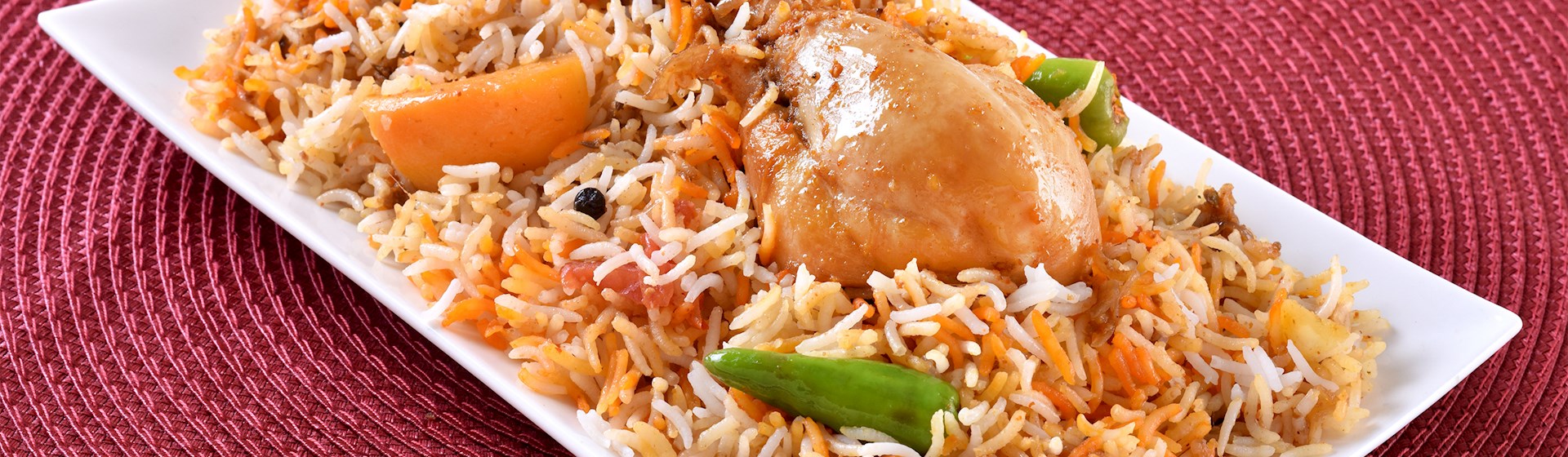
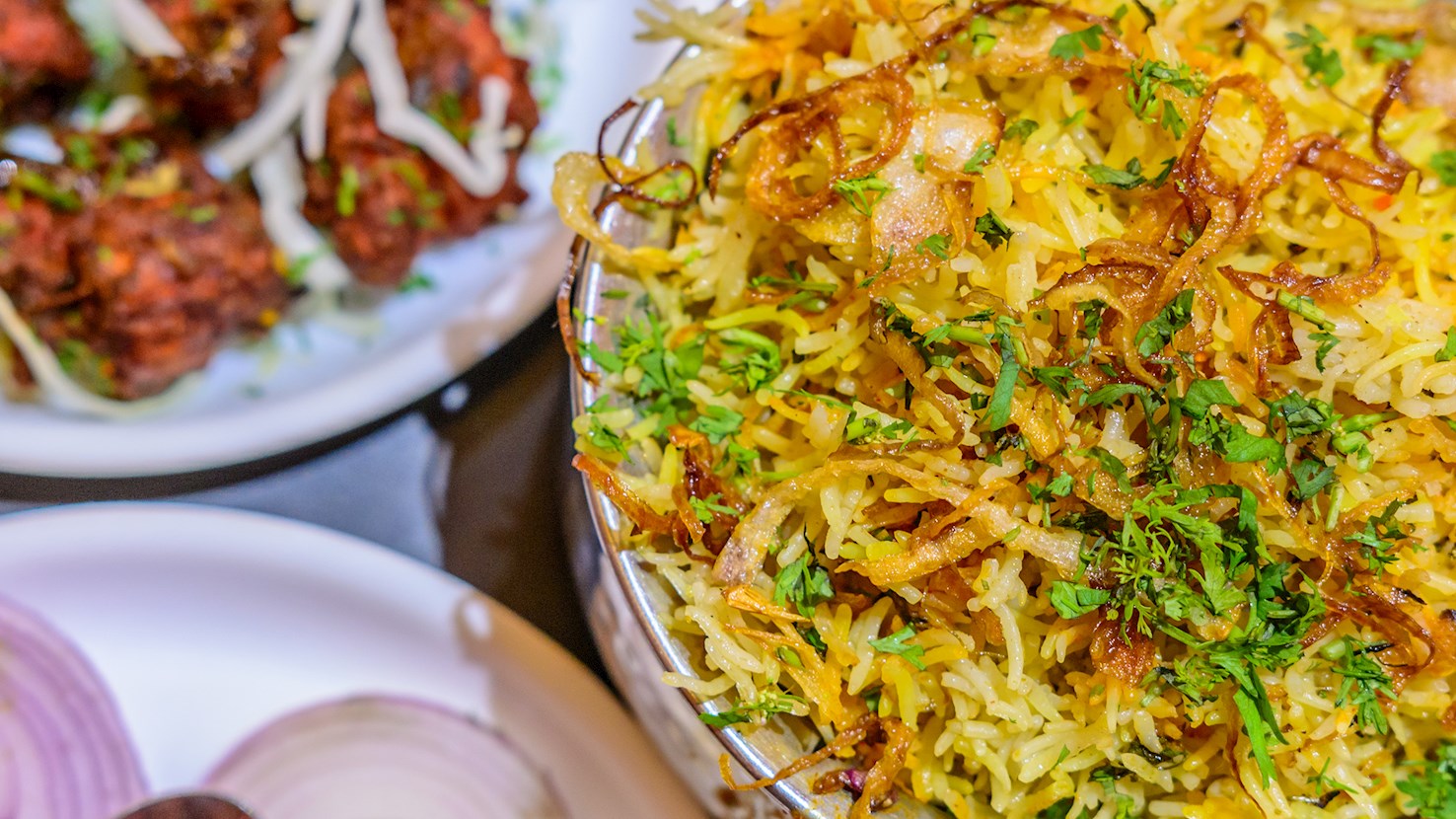
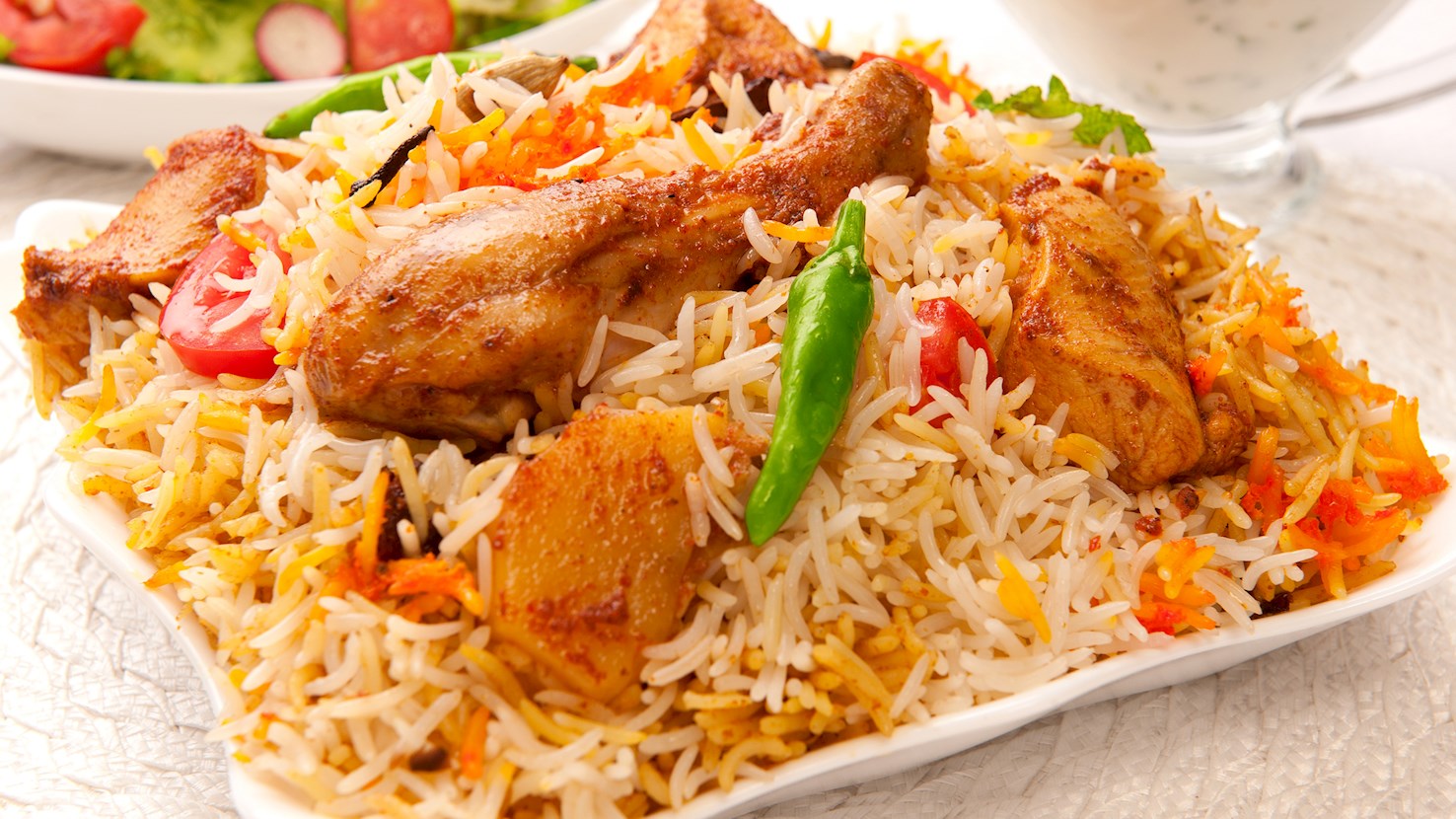
Hyderabadi biryani is a South Indian dish consisting of basmati rice, goat, mutton, or chicken meat, lemon, yogurt, onions, and saffron. There are two main varieties of the dish – kachchi (raw) and pakki (cooked). It is said that Hyderabadi biryani's richness of flavor is due to the unique process of cooking raw rice and raw meat together with exotic spices, unlike other places where meat and rice are cooked separately. The special cooking style, known as dum, is believed to have come from Persia during the Mughals' regime in India.

02

Sindhi biryani

4 ·

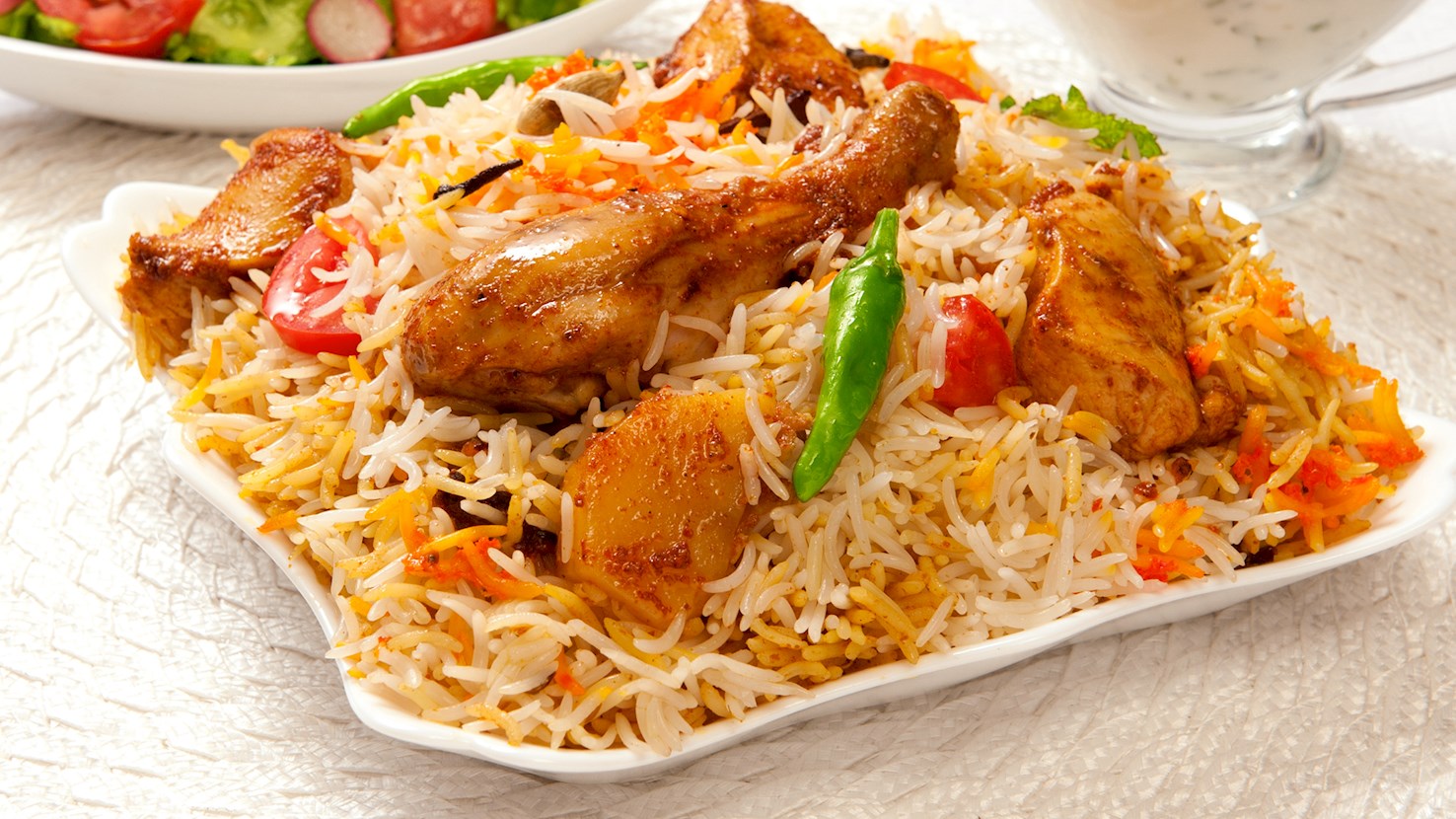
Sindhi biryani is one of the most popular Pakistani dishes originating from the province of Sindh, hence the name. It is prepared with a huge variety of ingredients, including basmati rice, tomatoes, yogurt, potatoes, onions, prunes, spices (red chili powder, ginger, cardamom, turmeric, cloves, cumin, cinnamon, coriander, mint, and bay leaves), and either chicken, goat, or lamb meat. This layered rice dish is usually served with raita on the side.

Best restaurants
03

Bombay biryani

3.8 ·

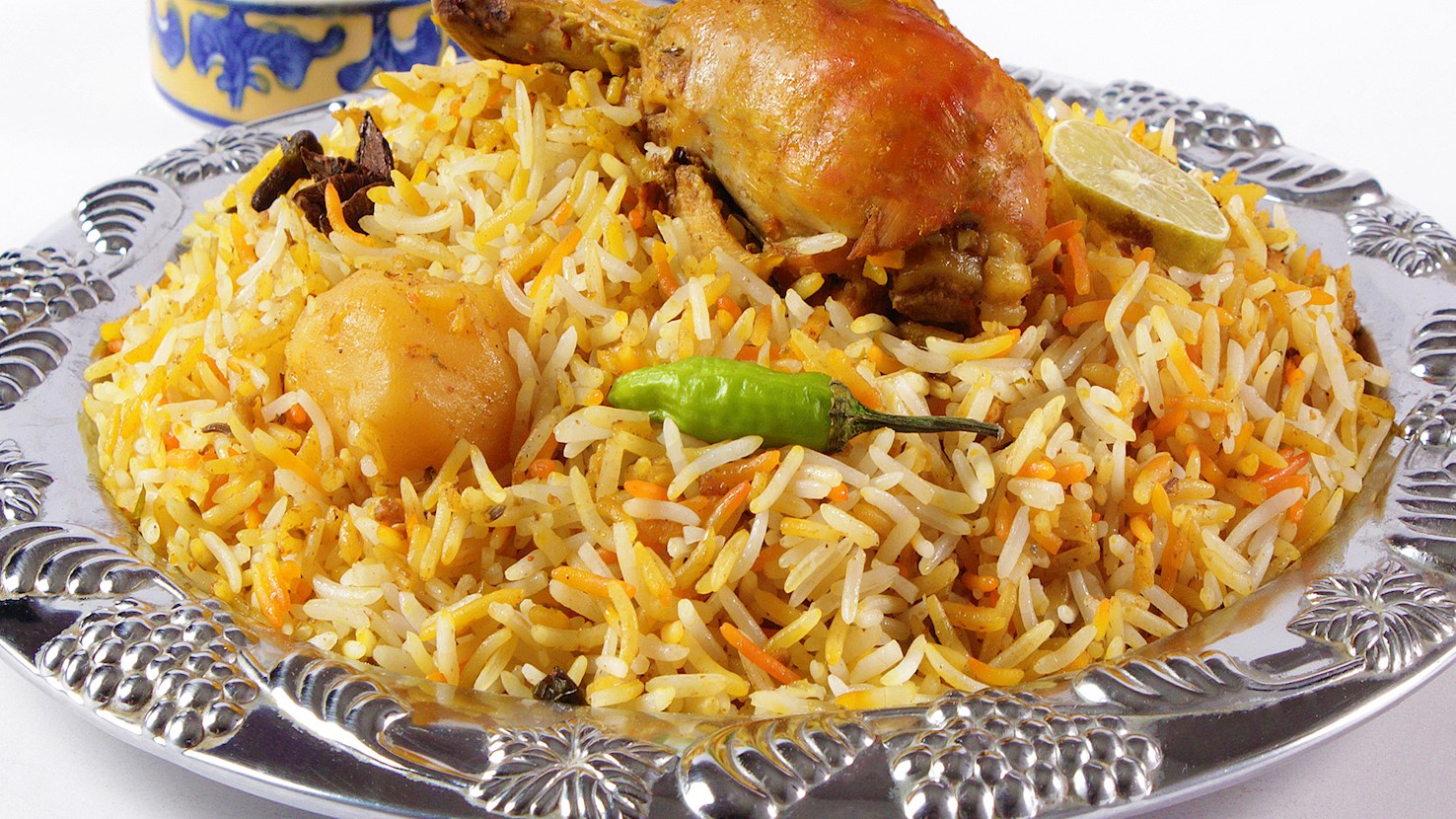
Bombay biryani is a variety of Indian biryani, consisting of layers of flavored basmati rice, potatoes, chunks of chicken or mutton, alongside some fried onions, mint leaves, and dried plums. Rice is boiled with a variety of spices, the meat and potatoes are fried, and everything is layered in a pot. The dish is typically finished with melted ghee on top and enjoyed with cooling raita and a fresh salad on the side. This variety of biryani is distinguished by a mild sweetness imparted by the dried plums, kewra essence, and fried onions used in its preparation. Another distinctive feature of this dish is the presence of fried potatoes, which is unusual for other biryanis.

04

Mughlai biryani

3.6 ·

Mughlai biryani is a variety of Indian biryani that is believed to have been savored by the Mughal Emperors in the past. The dish is made with flavored rice, chunks of spiced and browned meat (usually lamb, mutton or chicken), fried onions, sultanas, and dry fruits such as almonds, which are layered in a pot, and then cooked together, yielding a highly-aromatic specialty said to be fit for a king. A large amount of aromatic spices such as saffron, nutmeg, cardamom, cumin, and cinnamon contributes to the rich and intense flavor of the biryani, making it perfect for festive occasions and religious events such as Eid. Mughlai biryani is typically consumed warm, either on its own or complemented by raita on the side.

Best restaurants
05

Malabar biryani

3.6 ·

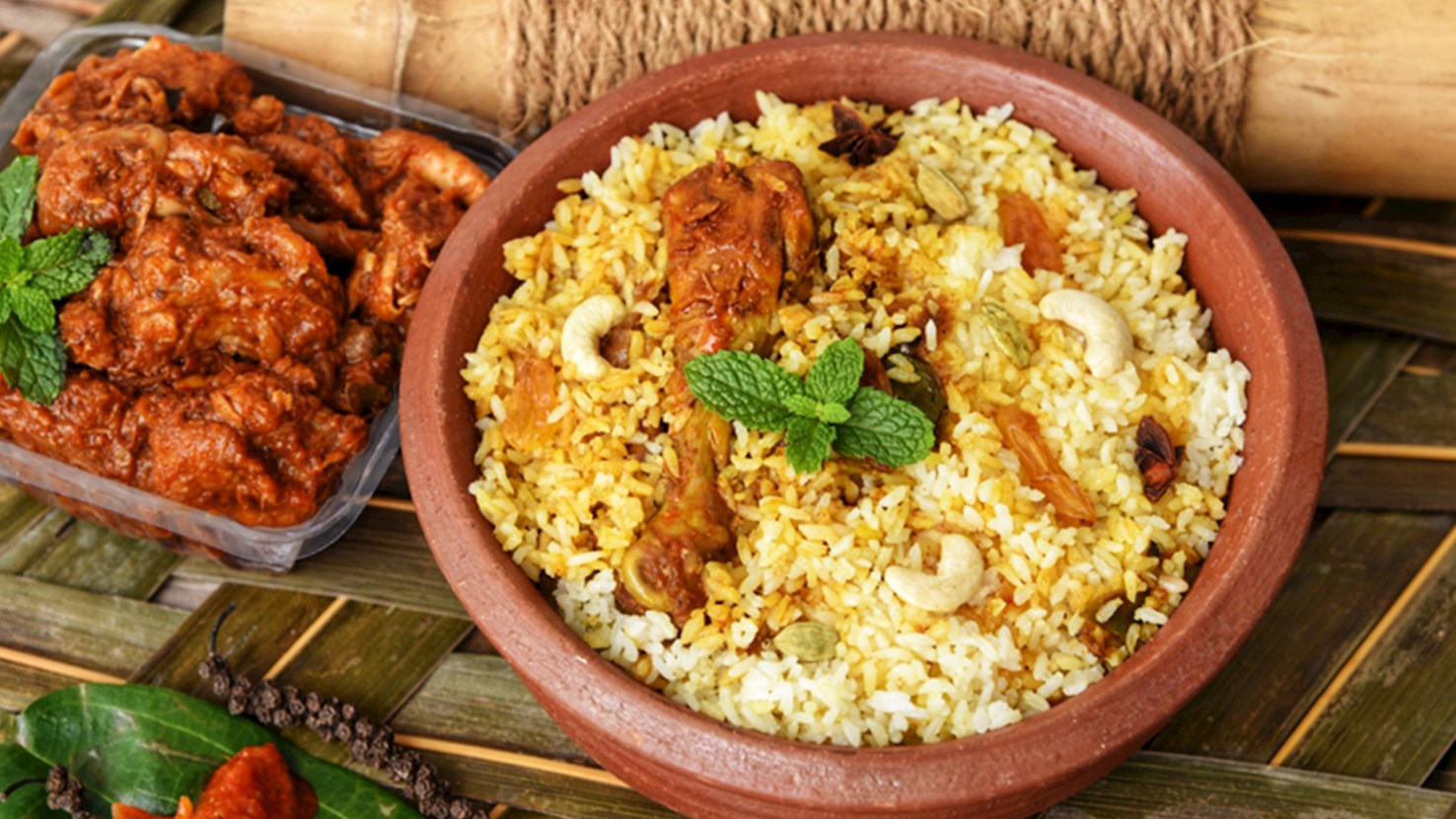
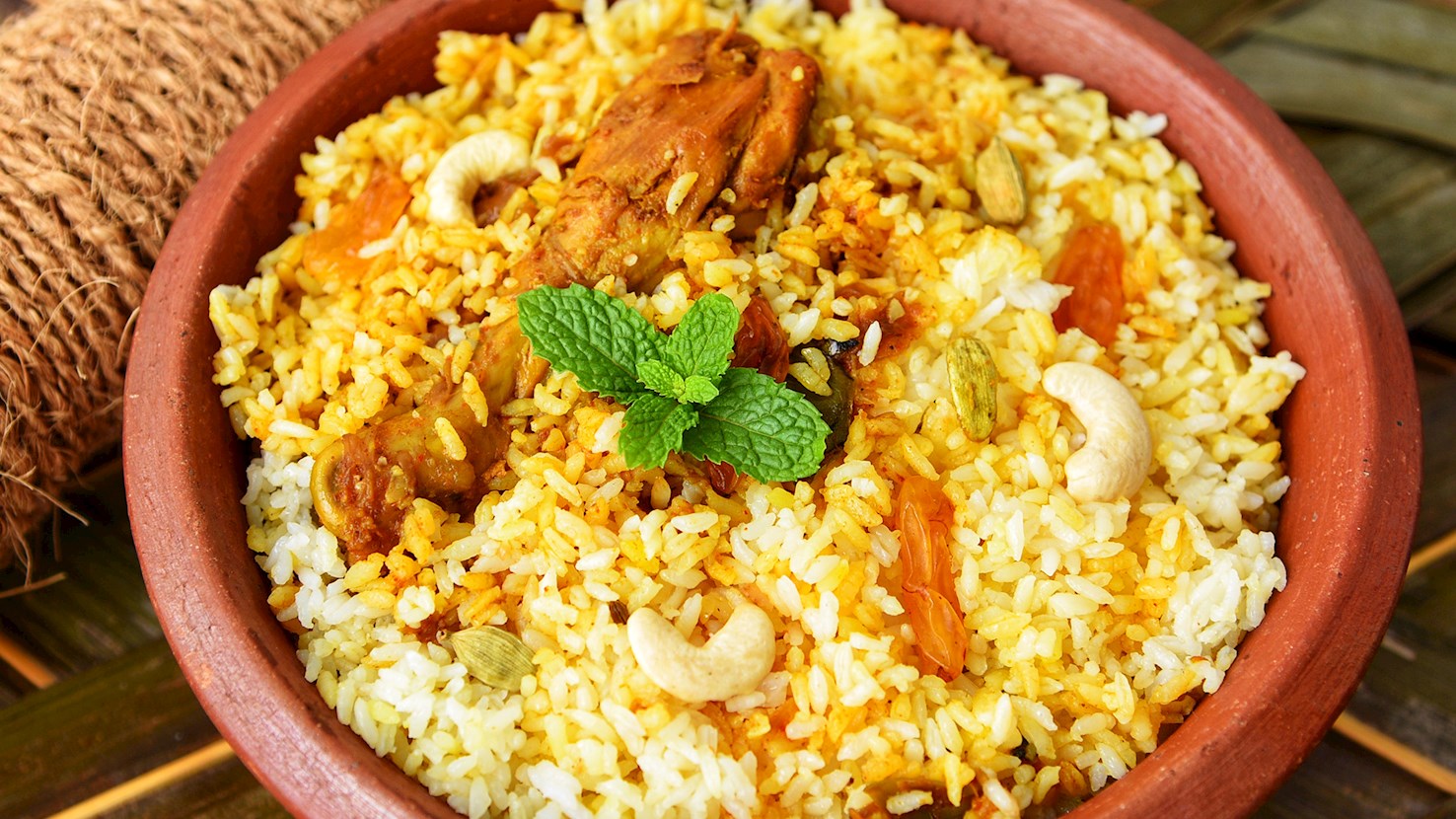
Malabar biryani is a special style of biryani that originates from the Malabar region of India, which is located along the southwestern coast of the country in the state of Kerala. What sets Malabar biryani apart is its distinctive flavor profile and ingredients. It's usually milder and less spicy than other biryani types and has a sweet and aromatic flavor. Unlike most other biryani types, which use basmati rice, Malabar biryani typically uses a local, short-grained, fragrant variety of rice known as kaima. While it can be made with a variety of meats, mutton and chicken are most common choices. The meat is usually marinated with spices and yogurt before being layered with the rice and cooked. The dish is typically prepared "dum" style, where partially cooked rice and marinated meat are layered in a vessel and then sealed. The biryani is then cooked over a low flame, allowing the flavors to infuse. Malabar biryani is typically served with pickles, raita (yogurt-based side dish), or boiled eggs.

Best restaurants
06

Malabar kozhi biryani (Malabar chicken biryani)

3.6 ·

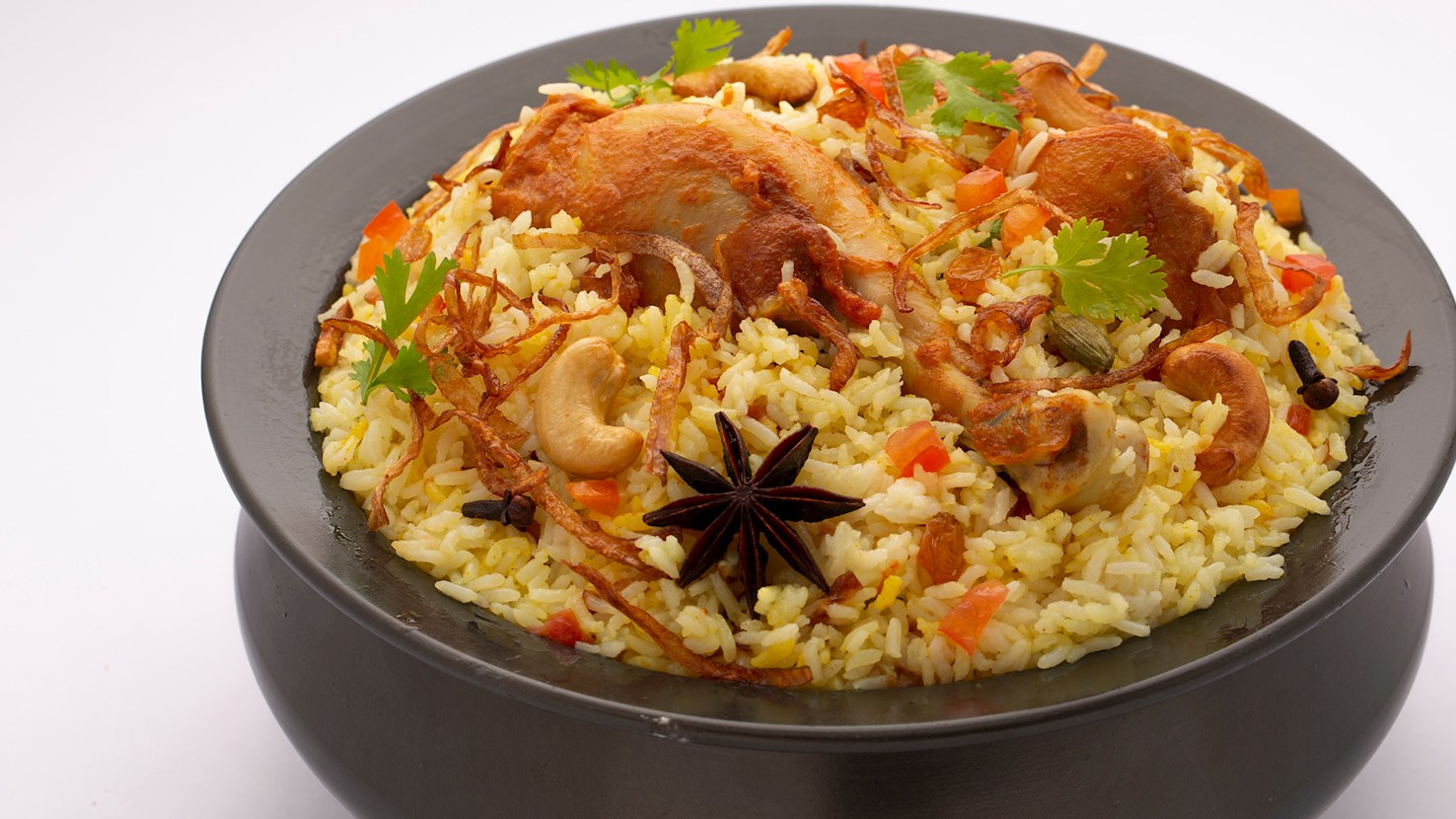
Malabar chicken biryani is a special style of biryani that originates from the Malabar region in India's state of Kerala, located along the country's southwestern coast. What's really special about it is the use of aromatic, short-grain rice kaima, which provides a distinctive texture and taste. The chicken in this biryani is marinated in spices and dahi, infusing it with a deep, succulent flavor. The blend of aromatic spices like star anise, cloves, cinnamon, and fennel seeds gives this biryani its unique, mildly sweet profile. Malabar chicken biryani is traditionally prepared "dum" style, which involves layering partially cooked rice and marinated chicken in a pot, sealing it, and then letting it slow-cook over a low flame. This method allows all the flavors to permeate the rice, resulting in an incredibly aromatic dish. The dish is served with raita or pickles.

Best restaurants
07

Omani Chicken Biryani

3.3 ·

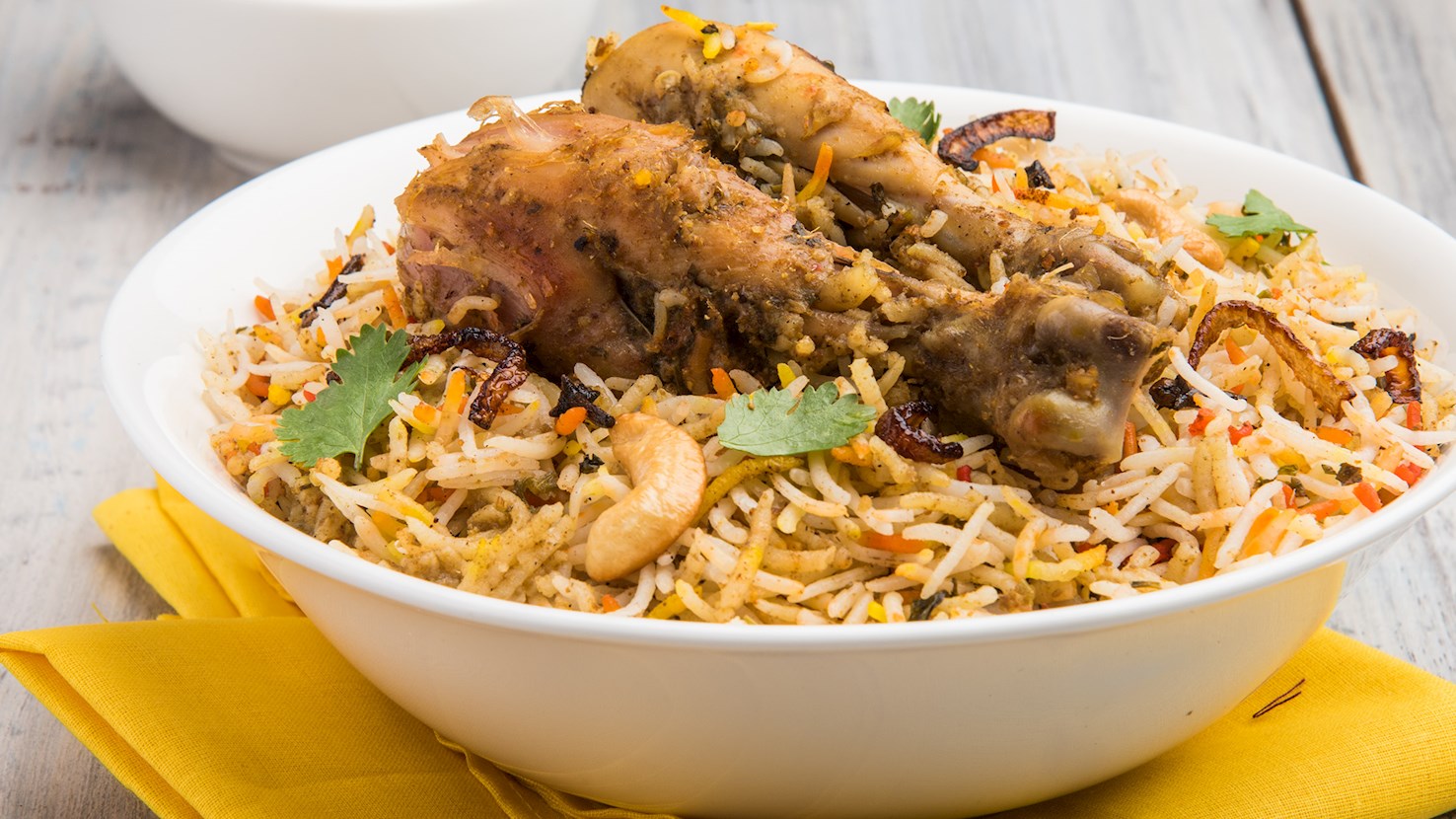
This rice dish is an Omani take on traditional Indian and Persian chicken biryanis. Just like other chicken biryanis, this one also consists of basmati rice mixed with chicken parts (legs or breasts). What makes this dish truly Omani is the use of spices and herbs that are typical of Omani cuisine. Although not as heavily spiced as other chicken biryanis, Omani chicken biryani is still a fragrant and flavorful dish, and it is typically accompanied by sides such as cucumber raita, lime wedges, and slices of sweet onions. In Oman, this dish is usually eaten for lunch or dinner, and it is available in numerous cafés, restaurants, and similar eateries throughout the country.

08

Muradabadi biryani

3.2 ·

Muradabadi biryani is a traditional biryani variety named after the city of Moradabad in Uttar Pradesh. However, it is believed that the dish originated in Lucknow. It's usually prepared with a combination of chicken pieces, rice, green chili peppers, garam masala, hung curd (thick yogurt), ginger-garlic paste, cloves, bay leaves, cinnamon, cardamom, mace, nutmeg, black pepper, coriander, fennel, cumin, caraway, salt, lemon juice, and a small amount of oil. Muradabadi biryani is typically prepared kacchi-style, in which raw chicken is cooked along with the rice and spices. Interestingly, food coloring is added near the end of cooking in order to make the dish more visually appealing. If desired, the biryani can be garnished with coriander leaves before serving.

09

Thalassery biryani

3 ·

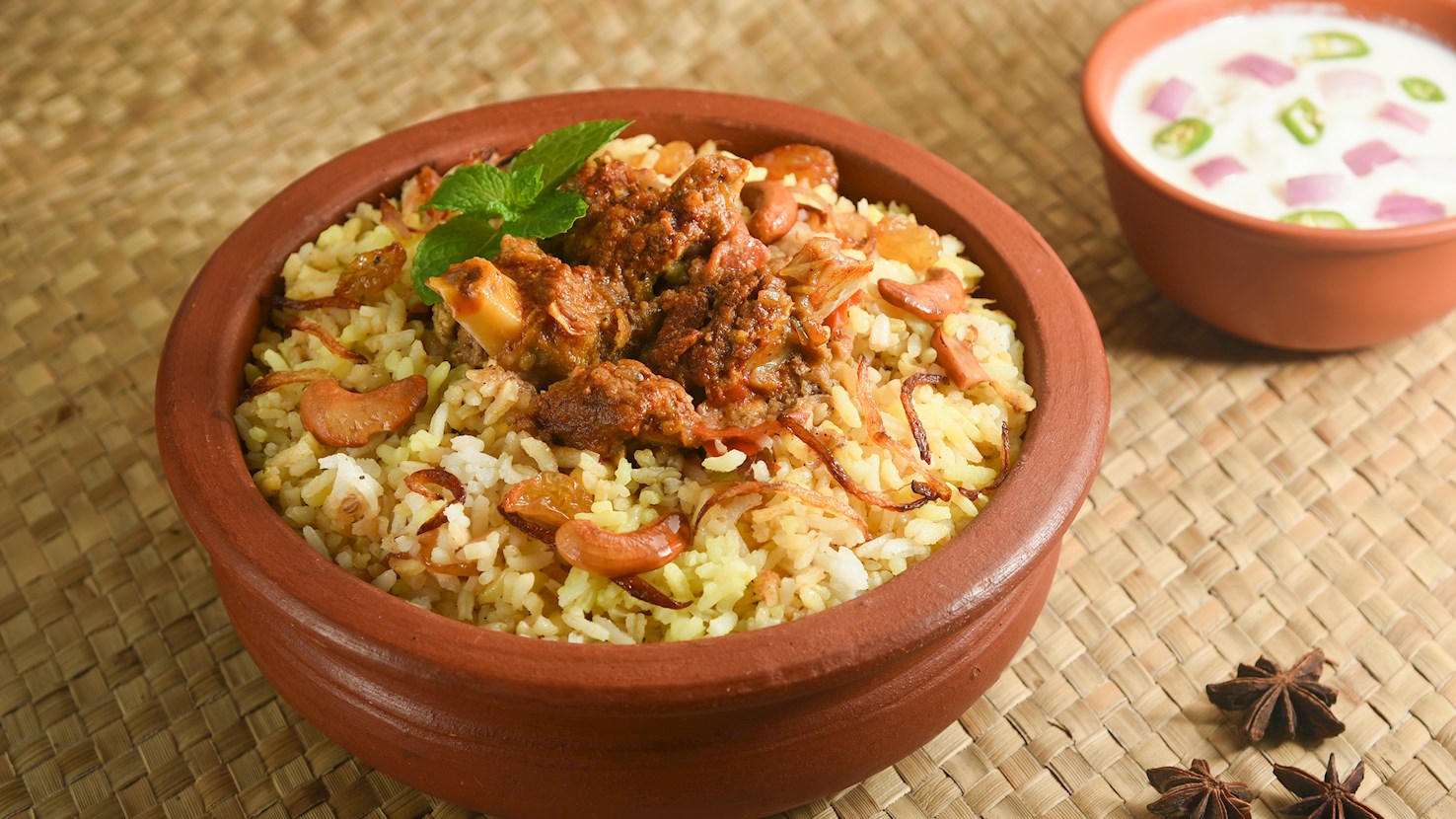
Thalassery biryani is a type of biryani that hails from the town of Thalassery in the Indian state of Kerala, located on the Malabar coast. It uses a specific short-grain and aromatic rice called kaima rather than the long-grain basmati rice commonly used in many biryani dishes. This rice is native to the region and contributes a unique flavor and aroma to the dish. Unlike the traditional "dum" cooking method, where partially cooked rice and meat are layered and cooked together, in Thalassery biryani, the rice and meat are cooked separately before being layered and baked together. The preparation method ensures that the rice does not become overly sticky and retains its texture. While Thalassery biryani can be made with various kinds of meat, chicken and mutton are most commonly used. The meat is usually marinated with spices and dahi before being cooked. The dish is typically served with raita, pickles, and boiled eggs.

Best restaurants
10

Gosht dum biryani

n/a ·

Gosht dum is a traditional version of biryani, a quintessential rice dish. It's usually made with a combination of goat or mutton, basmati rice, ginger, garlic, ghee, cloves, cinnamon, hot peppers, milk, saffron, onions, yogurt, mint, bay leaves, coriander, mace, cardamom, chili powder, and salt. The onions, cloves, bay leaves, and cardamom are stir-fried in ghee and mixed with the lamb cubes and ginger-garlic paste. After a few minutes, yogurt and red chili powder are added to the pan and everything is slowly cooked until the meat is tender. The meat is removed, and the gravy is strained. Cardamom, mace, and saffron are cooked in milk and water and the meat is then added to the mixture along with cooked rice. The pot is covered and cooked until everything is tender. Once done, the biryani is served hot, typically with raita on the side. The dish is often made during special occasions and festivals.

About this ranking

TasteAtlas food rankings are based on the ratings of the TasteAtlas audience, with a series of mechanisms that recognize real users and that ignore bot, nationalist or local patriotic ratings, and give additional value to the ratings of users that the system recognizes as knowledgeable. For the “10 Biryani Varieties Ranked From the Best To the Worst” list until May 22, 2026, 768,607 ratings were recorded, of which 496,938 were recognized by the system as legitimate. TasteAtlas Rankings should not be seen as the final global conclusion about food. Their purpose is to promote excellent local foods, instill pride in traditional dishes, and arouse curiosity about dishes you haven’t tried.

Similar lists