shutterstock

Top 4 Piedmontese Blue Cheeses

Last updated on June 05, 2026

Best Piedmontese Blue Cheeses
01

Cooperativa La Poiana

5 ·
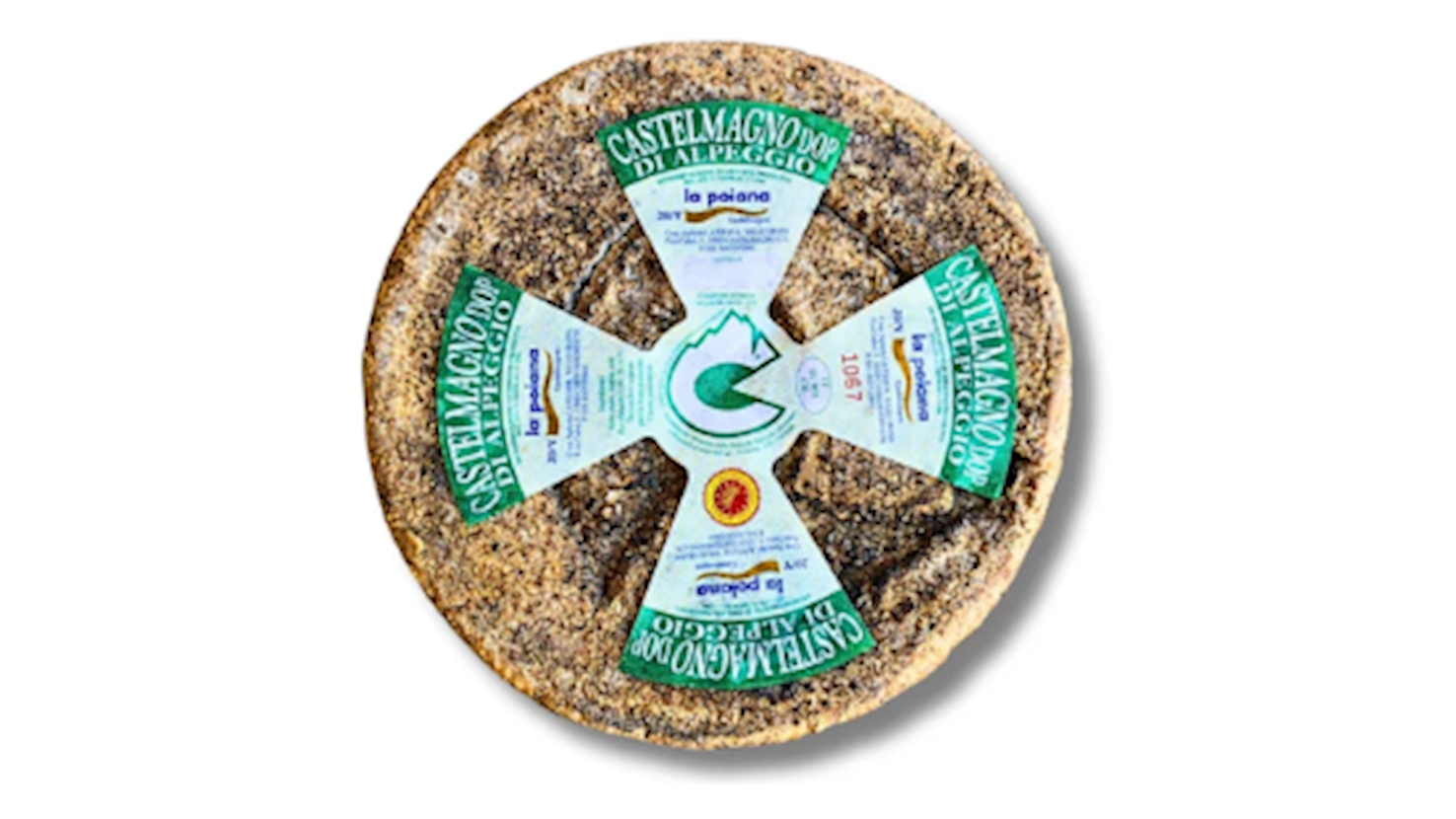
Cooperativa La Poiana is an agricultural cooperative founded in 1982 in the Valle Grana area, province of Cuneo, with the aim of preserving and promoting the traditional production of mountain cheeses, especially Castelmagno DOP. It was established at a time when organized protection was needed to safeguard local producers and the knowledge surrounding one of Italy’s most historic and prestigious cheeses. The cooperative brings together small farmers and cheesemakers from alpine villages, using milk sourced exclusively from local herds grazing on high-altitude pastures rich in native flora. Production is based on traditional methods, supported by carefully controlled modern hygiene and quality standards. A distinctive feature of La Poiana is the aging of cheeses in natural stone cellars and caves, which contributes to their complex aromas and marked mineral character. The core of its production is Castelmagno DOP, alongside other traditional Piedmont cheeses made from cow’s, sheep’s, or mixed milk. The cooperative plays an important role in preserving the rural identity and economic vitality of the Valle Grana communities. Beyond production, it is actively involved in education, gastronomic promotion, and creating direct links between producers and the market. Its philosophy is built on transparency of origin, traceability, and respect for seasonality. Today, La Poiana is regarded as one of the key guardians of Piedmontese cheesemaking heritage. Its products are available through selected specialty shops, gastronomy channels, and distributors in Italy and abroad.
02

Caseificio Rosso

4.9 ·
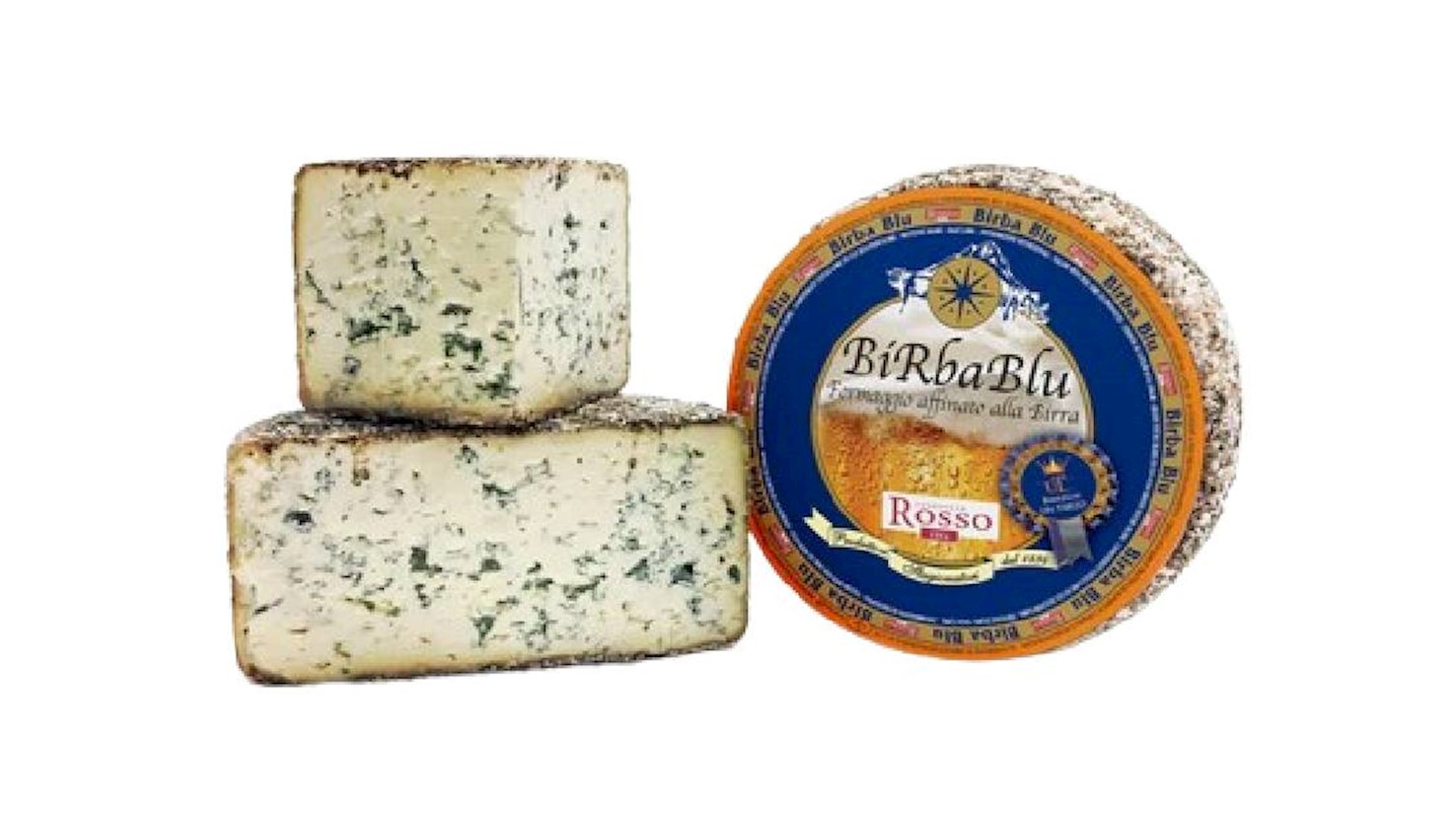
Caseificio Rosso, located in the small town of Pollone in Piedmont, carries over a century of tradition in crafting exceptional cheeses. The story began in 1894, when Nonna Rosa started her cheesemaking in Sordevolo, using milk from local cows and following the natural rhythm of the seasons. Today, the fourth generation of the Rosso family – Enrico and Riccardo – continues this mission, believing that cheese is not just food, but a piece of cultural heritage. Milk is collected daily from around twenty small family farms in the area, with a special focus on preserving the native Pezzata Rossa d’Oropa breed. Their range includes iconic Piedmontese cheeses, from mild and creamy varieties to those with bold character and long maturation, such as Raw Milk Maccagno, Castelrosso, Toma Piemontese, and Birba Blu. Each cheese is handcrafted with care, following recipes passed down through generations. Today, Caseificio Rosso stands as a symbol of quality, authenticity, and artisanal dedication – a brand recognized at international competitions and one that remains faithful to its roots, blending nature, tradition, and passion in every bite.
Awards
World Cheese Awards - Gold (2023, 2022)
03

Biraghi

4.5 ·
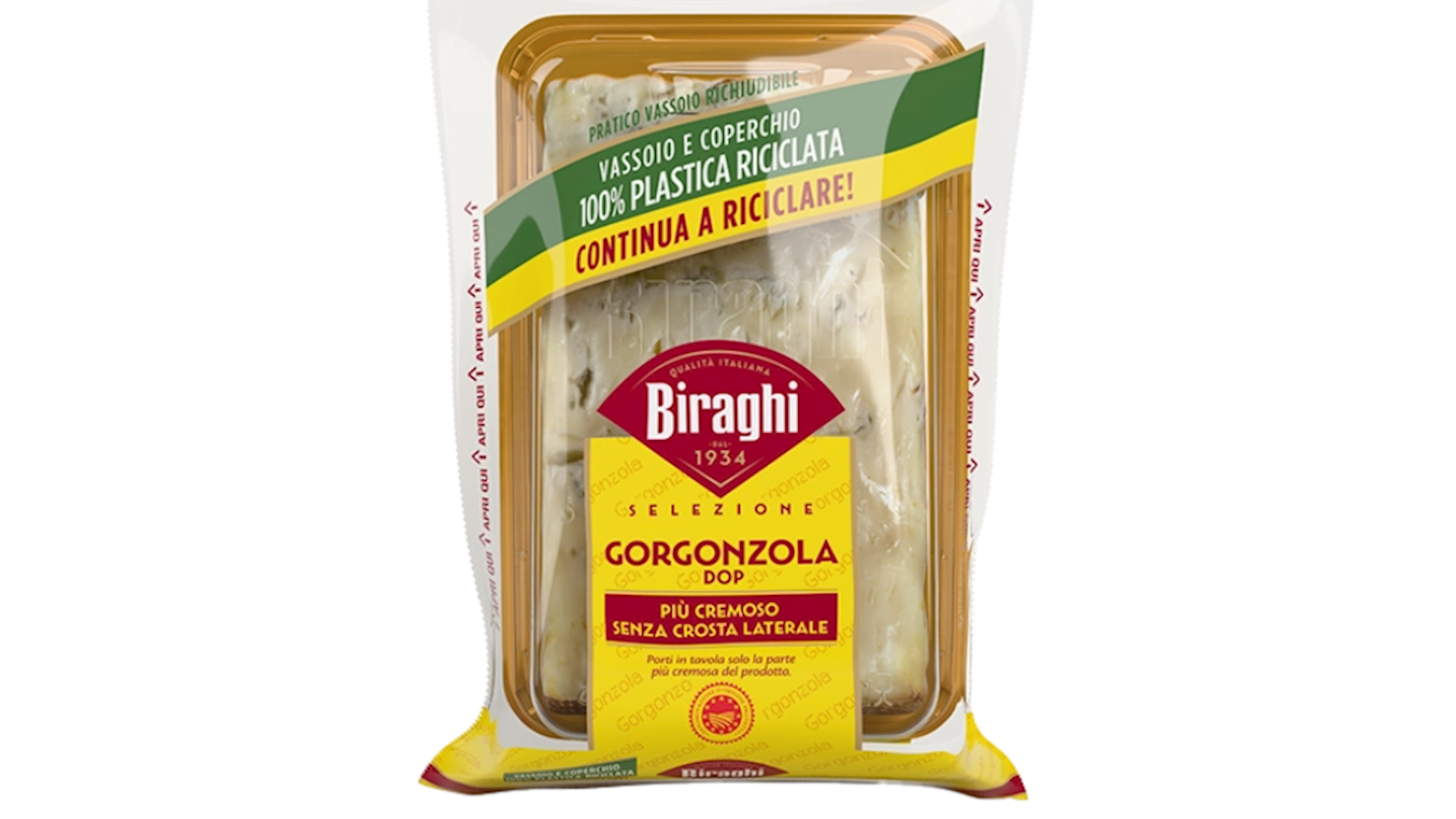
Biraghi is one of the largest dairy producers in Italy, with its modern production facility located in Cavallermaggiore, in the Piedmont region. The production process at Biraghi combines advanced technology with deeply rooted traditional methods, placing special emphasis on quality control and the origin of raw materials. All products are made from 100% Italian milk sourced exclusively from local farms in Piedmont. Among the most important products is Gran Ricotta Biraghi, which undergoes a lengthy aging process under precise temperature and humidity control in specially designed rooms. Biraghi successfully merges industrial capacity with the care typical of artisanal production, maintaining a strong focus on quality, local sourcing, and product innovation.

Best Piedmontese Blue Cheese Types

01

Gorgonzola

4 ·

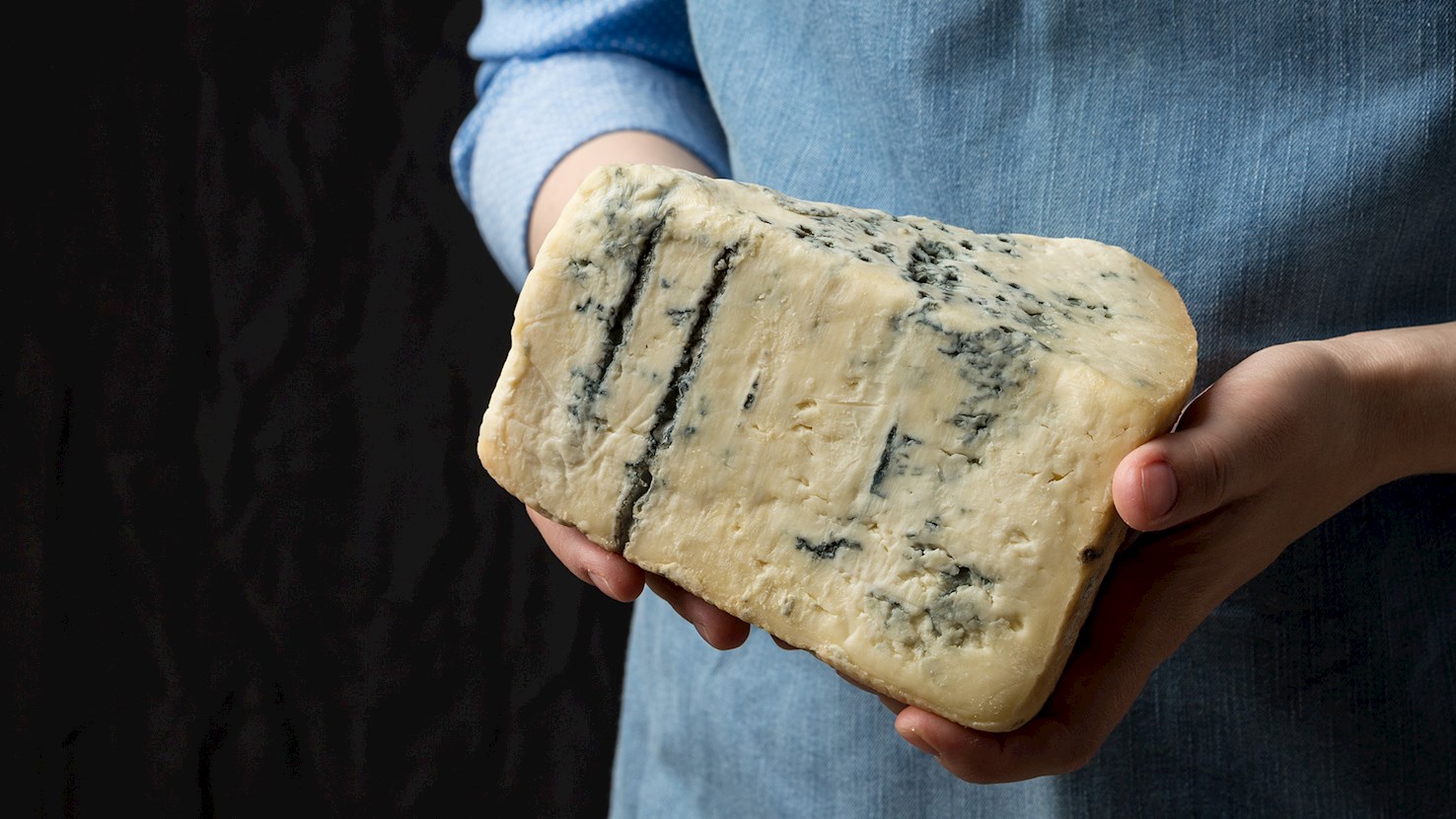
First produced in 879 CE in Gorgonzola, a Lombardian town settled just outside of Milan, this type of blue cheese is made with cow's milk and distinguished by green or blue marbling of mold. To induce blue veining, the milk is inoculated with penicillin spores. Depending on its age, this Italian cheese is available in two varieties. Matured for about two months, Gorgonzola Dolce is quite soft, creamy and has a mild flavor with notes of butter, sour cream, and a less pronounced lactic tang, whereas Gorgonzola Piccante is a firmer, more crumbly version and must be aged for at least three months to develop its strong, pungent flavor. This versatile cheese can be enjoyed in a number of ways: melted into risottos or pasta sauces, crumbled over salads or simply served as an appetizer accompanied by fresh fruits, vegetables, and nuts such as green apples, figs, pears, walnuts, celery, and radish.

02

Castelmagno

3.7 ·

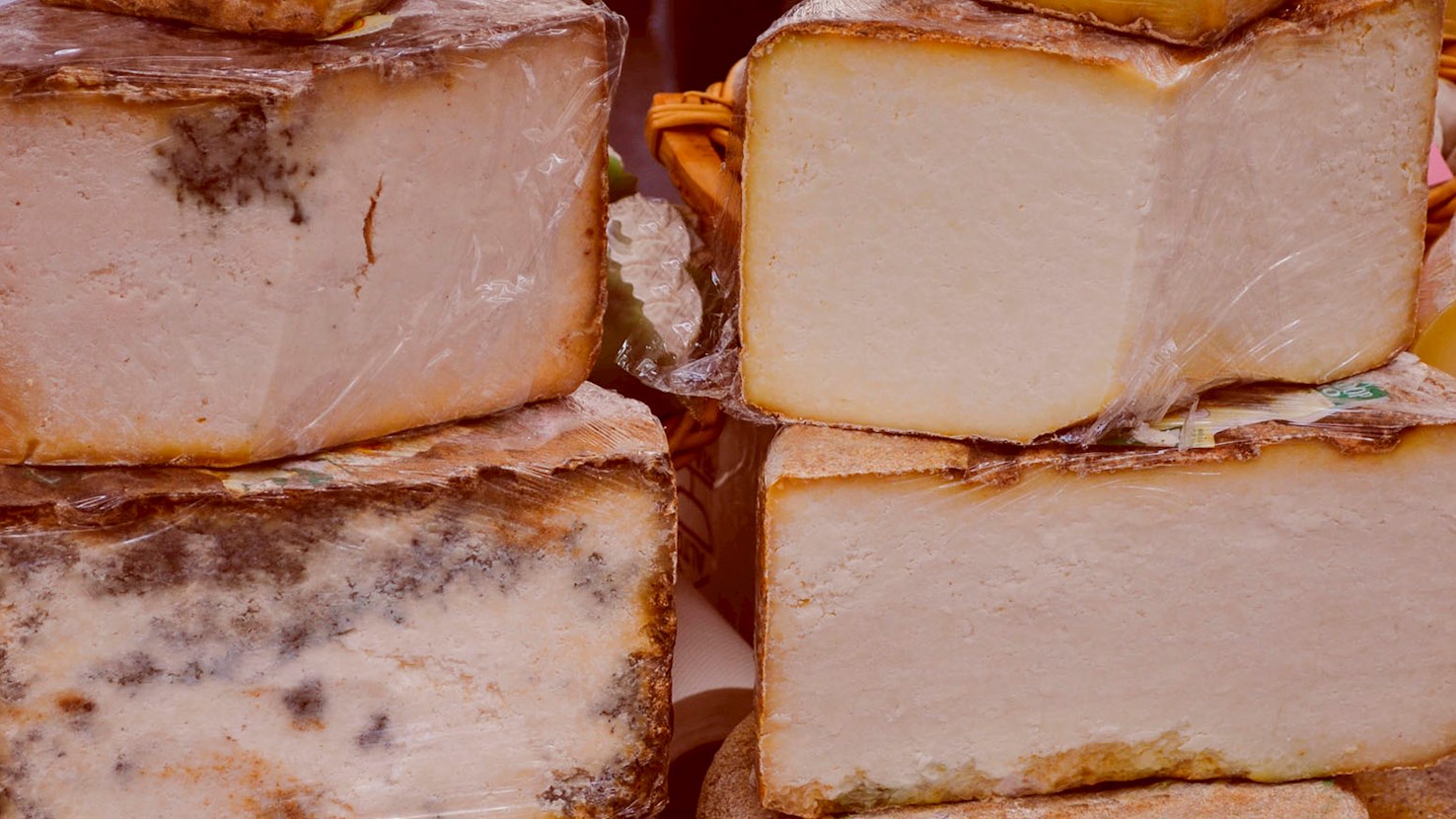
Produced in the Grana Valley since the early 1200s and found only in the Piedmont's province of Cuneo, Castelmagno is a semi-hard blue cheese with a crumbly texture, made from cow's milk and sometimes a small addition of sheep's and goat's milk. It is aged between 2 to 5 months, during which the subtle flavors of Castelmagno become stronger, sharper and more piquant. In the summertime, while the cows are on the pastures in the Alps, this delicious cheese can be found marketed as Castelmagno d'Alpeggio. It is enjoyed either as a table cheese or used in the preparation of a number of typical Piedmont pasta, rice, or gnocchi dishes.

03

Birba Blu

n/a ·

Birba Blu is a blue cheese hailing from Piedmont in northern Italy, crafted by the Rosso family in their dairy nestled near Biella. It is notable not only for its Italian origin but also for its unconventional maturation method: during aging, the cheese is soaked in a locally brewed blonde ale and coated in malted wheat, imparting distinctive layers of flavor and texture. Developed as an evolved take on the family's earlier GratinBlu, Birba Blu derives its character from pasteurized whole cow’s milk, inoculated with blue mold, then aged for around 60 days before being immersed in the blonde beer (often Margot) and encased in malted wheat. The result is a semi-hard cheese with a white paste flecked with blue veins and a rind speckled with wheat grains that heighten the aroma. The soaking process infuses the cheese with gentle fruity and beer-like notes while maintaining its buttery base and introducing subtle caramel undertones. The blue mold adds spiciness and depth, with tasting notes often describing pear and banana hints, alongside an overall balanced mouthfeel that’s smooth yet complex. Birba Blu is best served as a refined table cheese, where its layered flavors can shine. It pairs well with jams, especially fruity or slightly spicy varieties, fresh fruit, charcuterie, crisp crackers, and even nutty chocolates. It works beautifully in cheese boards or combinations that balance its saltiness with sweetness and complementary textures. In its place of origin, Birba Blu remains closely tied to Biella and surrounding areas, available through specialty shops and the Caseificio Rosso’s own channels.

04

Murianengo

n/a ·

Murianengo is an artisanal Italian cheese hailing from Piedmont, and it originated around the same time as the famous Gorgonzola. It's similarly pressed and punctured in order to allow the growth of mold. Later on, it's left to ripen for a minimum of 90 days. This blue cheese is made from raw cow's milk. The rind is firm, rough, and irregular, and underneath it the texture is buttery and firm, with veins running throughout the paste. The cheese is very aromatic, while the flavors are creamy, sweet, salty, intense, and spicy. It's recommended to pair it with a full-bodied red wine such as Barbera d'Alba. Serve it with chestnut honey, rye bread, polenta, or tangerine marmalade.

Read more
View all
View map
About this ranking

TasteAtlas food rankings are based on the ratings of the TasteAtlas audience, with a series of mechanisms that recognize real users and that ignore bot, nationalist or local patriotic ratings, and give additional value to the ratings of users that the system recognizes as knowledgeable. For the “Top 4 Piedmontese Blue Cheeses” list until June 05, 2026, 786 ratings were recorded, of which 616 were recognized by the system as legitimate. TasteAtlas Rankings should not be seen as the final global conclusion about food. Their purpose is to promote excellent local foods, instill pride in traditional dishes, and arouse curiosity about dishes you haven’t tried.

The initial list of top producers was compiled based on available reviews, awards, local recommendations, media and blog coverage, and consumer reviews. The list will be updated with ratings from TasteAtlas local ambassadors and TasteAtlas users.

Similar lists