dreamstime

Top 10 Scandinavian Blue Cheeses

Last updated on June 05, 2026

Best Scandinavian Blue Cheeses
01

Den Sorte Gryte

4.9 ·
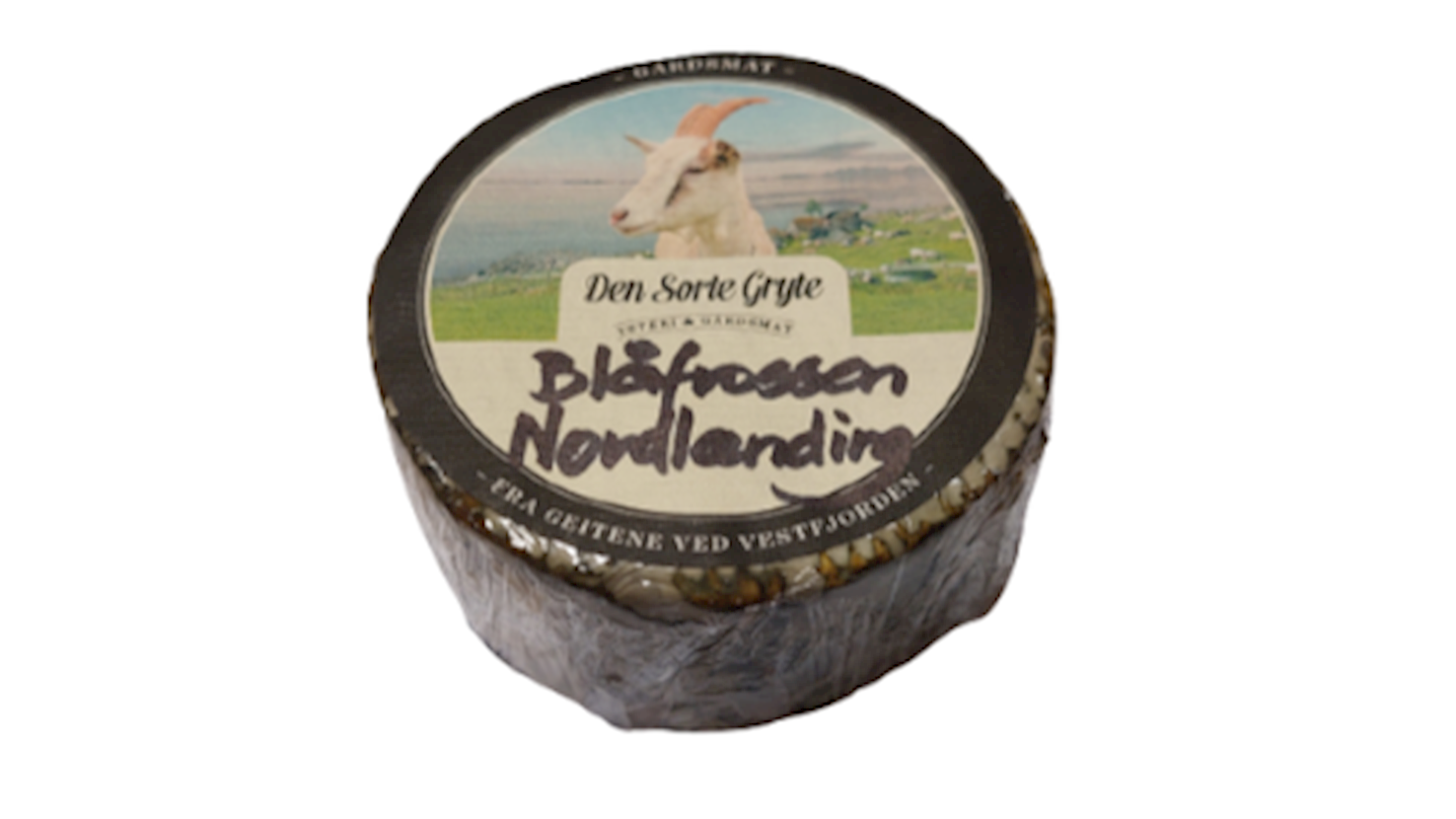
Den Sorte Gryte is a cheese producer based in Norway, known for specializing in organic cheeses made from goat milk. They implement traditional methods in their cheese production, focusing on sustainability and the preservation of natural flavors. Their products include a variety of cheeses, such as aged, soft, and flavored types, catering to diverse culinary preferences.
Awards
World Cheese Awards - Super Gold (2023)
World Cheese Awards - Gold (2023)
02

Grindal Ysteri

4.9 ·
Awards
World Cheese Awards - Gold (2024)
03

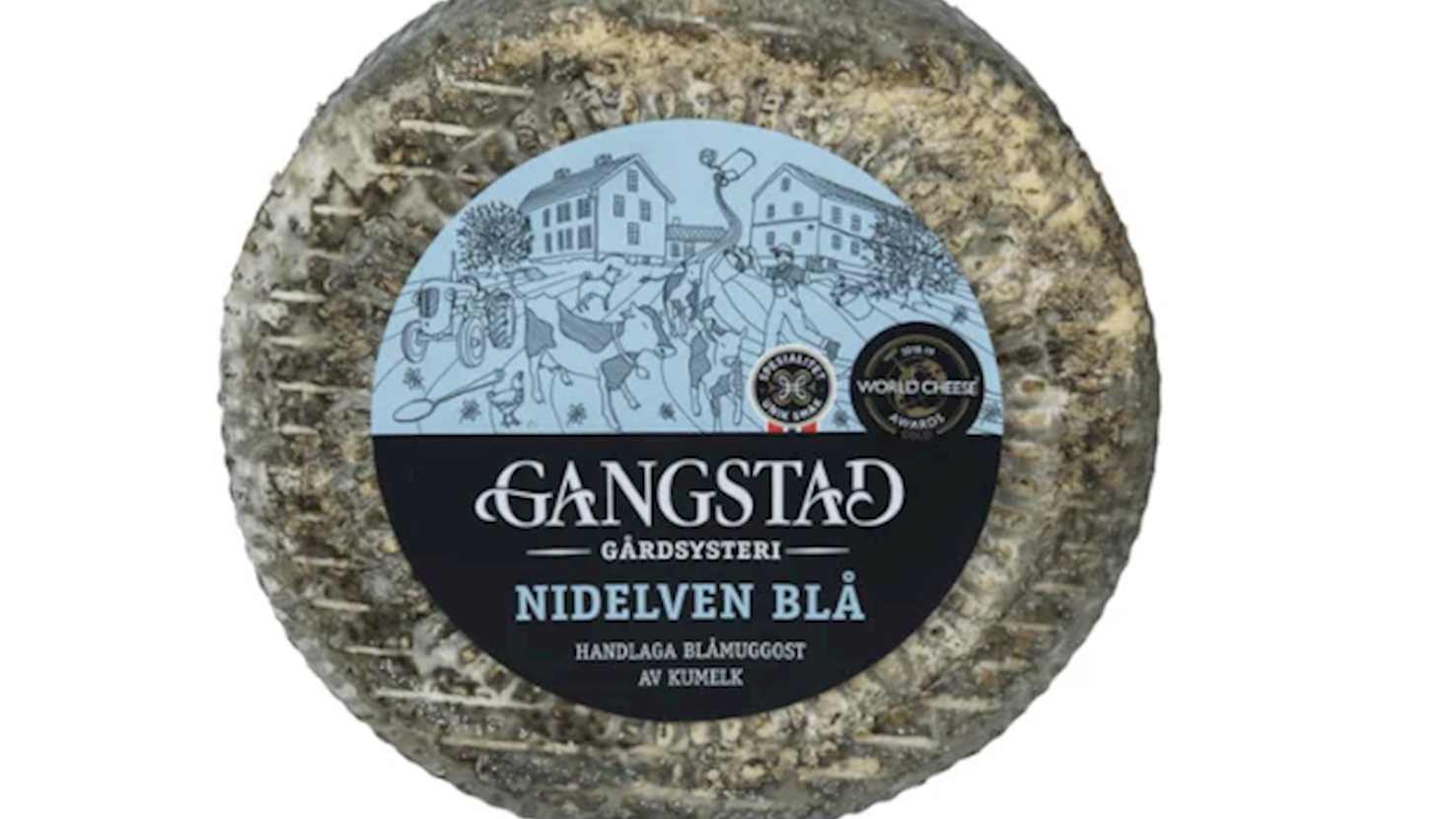
Gangstad Gårdsysteri

4.9 ·
Gangstad Gårdsysteri is a farm-based dairy producer located in Inderøy, Norway. It produces a variety of artisan cheeses using milk sourced from its own farm and local suppliers. The dairy is known for emphasizing sustainable practices in both production and sourcing. Gangstad Gårdsysteri’s products, including blue cheese, brie, and other specialty cheeses, have received awards at Norwegian and international cheese competitions.
Awards
World Cheese Awards - Super Gold (2023)
World Cheese Awards - Gold (2022, 2021)
04

Bornholms Andelsmejeri

4.5 ·
Bornholms Andelsmejeri is a cooperative dairy located on the island of Bornholm, Denmark. It was established in 1887 and is known for producing a variety of cheeses, including blue cheese and havarti. The dairy sources its milk locally from the island's dairy farmers, ensuring a fresh and regional product base.
Awards
World Championship Cheese Contest - Best of Class (2024, 2020, 2014, 2012, 2010)

Best Scandinavian Blue Cheese Types
01

Saga

4 ·

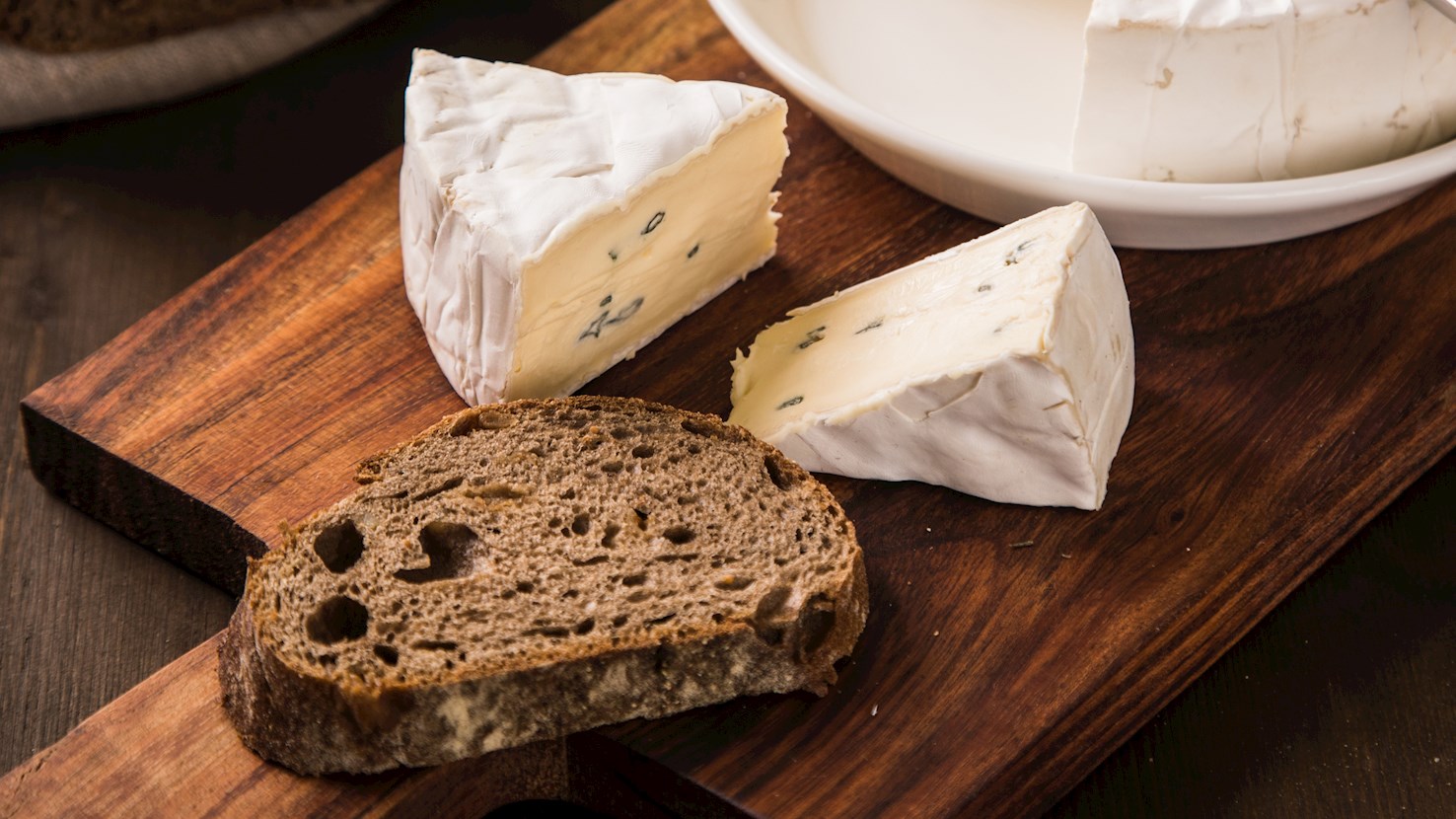
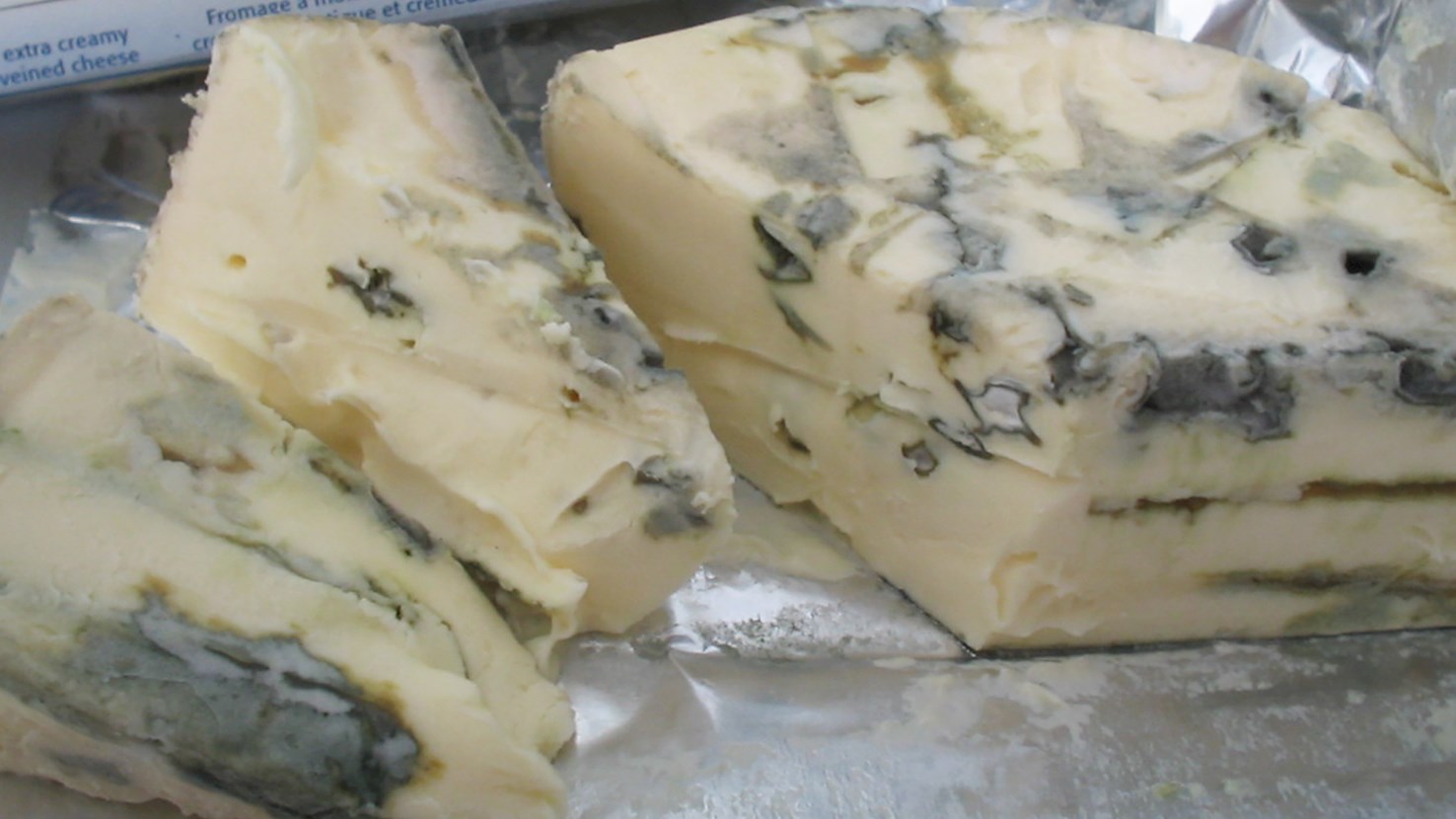
Saga is a combination of blue cheese and brie. The cheese originates from Denmark. It has a soft and creamy texture underneath its white mold. The aroma is very mild, just like the flavors of this unusual cheese. Saga is typically aged for at least 60 days. This cheese pairs well with fruits and wine, but it can also be crumbled in salads or served as a snack on a cracker.

02

Danablu

3.9 ·

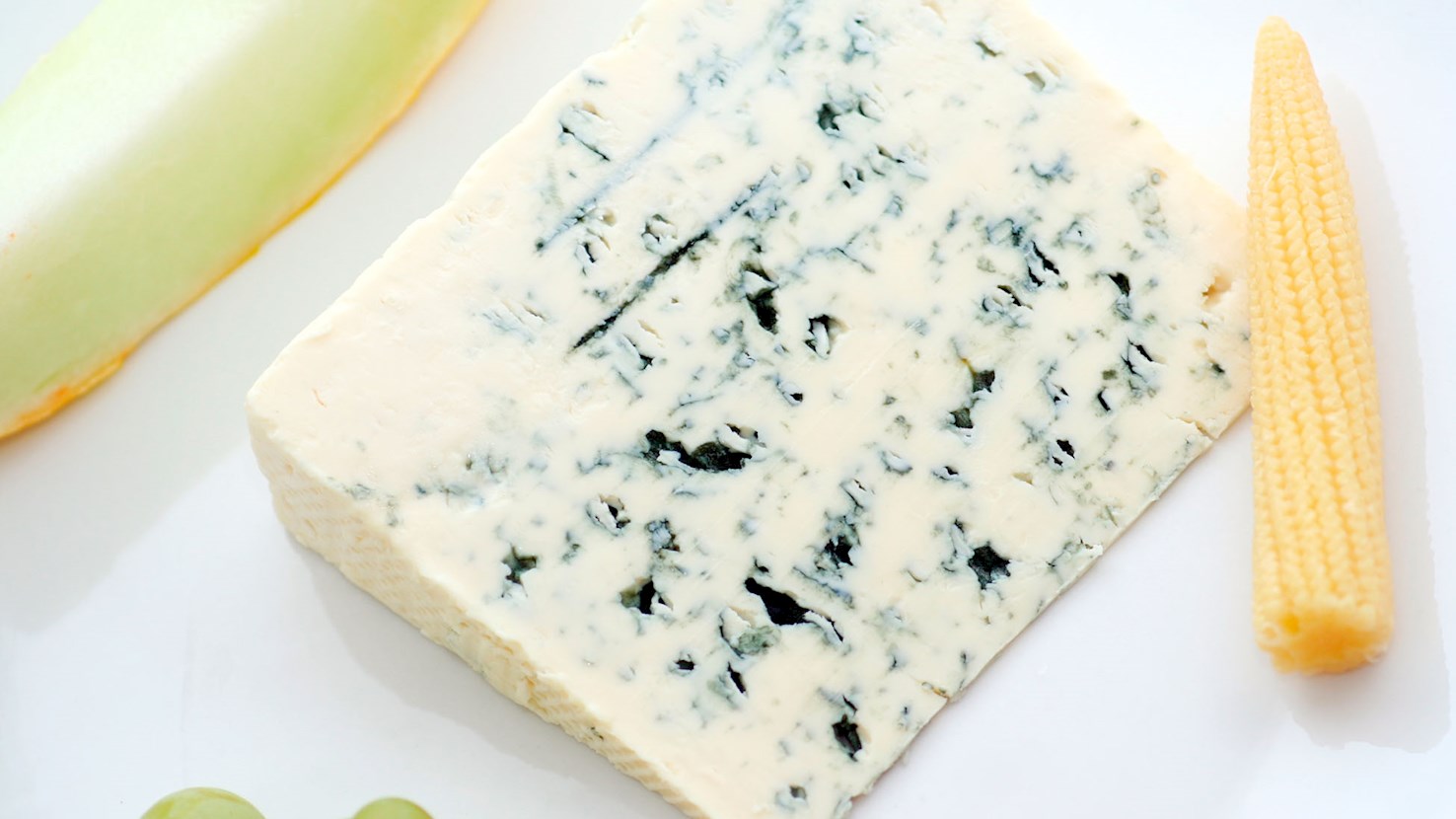
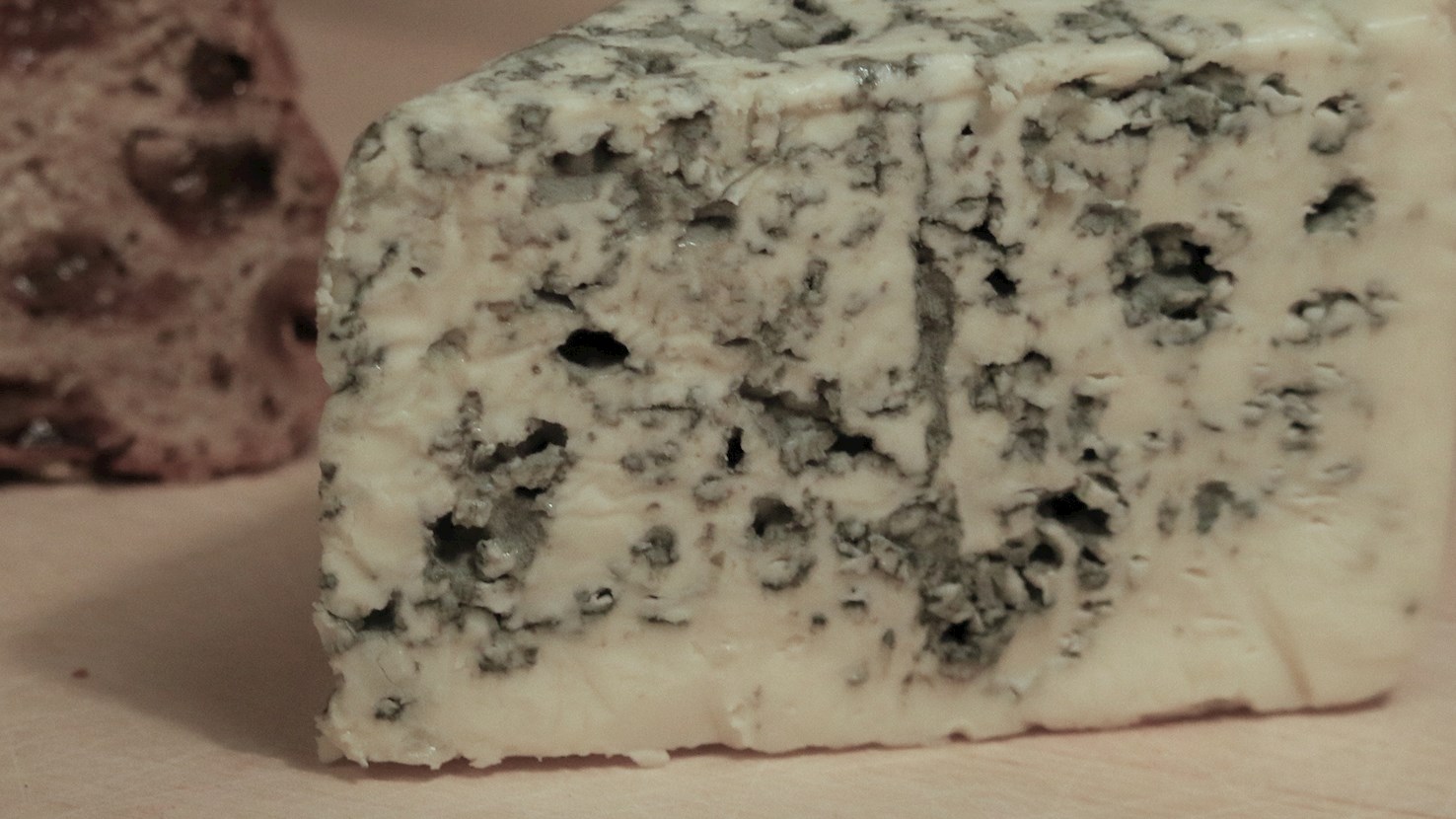
Danablu is a semi-soft blue cheese made from full-fat cow's milk in Denmark. While the milk is hardening, the curds are pricked with needles to develop the blue-gray mold which spreads evenly throughout the cheese. The cheeses mature for 5 to 6 weeks and develop a creamy, crumbly texture and a white or light yellow color. Its flavor is intense, sharp, salty and slightly bitter, while the aromas are pure and piquant. Although it does not develop a rind, it has a tight and firm outer layer. Danablu can be enjoyed in many ways, served on cheeseboards, on bread, as an ingredient in sauces, dressings and salads, grilled or paired with roasted almonds, sliced pears, walnuts, honey, or stout beer.

03

Bla Castello

3.9 ·

Bla Castello (also known as Blue Castello) is a traditional cheese made from cow's milk. It was developed in the 1960s to meet the demand for creamy and mild blue cheeses. This soft cheese has a rich, buttery, Brie-like texture underneath its unique rind that can develop a combination of blue-green and red molds. The aroma has hints of mushrooms, while the flavor is buttery, tangy, and mildly spicy due to blue veins in the body. The cheese ages from 8 to 10 weeks. It's recommended to serve it with Danish crispbread and Danish beer, but it's also often added to salads.

04

Kraftkar

3.8 ·

Norway probably isn't the first country that comes to mind when we think about great cheese. However, that might change as Norwegian producer Tingvollost won the main prize and the title of the world's best cheese at the 2016 World Cheese Awards in San Sebastian, Spain for its blue cheese called Kraftkar. More than a hundred judges assessed over 3,000 cheeses according to a number of qualities such as color, texture, and flavor before they came to the conclusion that Kraftkar is undoubtedly the champion. This blue cheese is produced from cow's milk from the family farm located in the village of Torjulvågen. It has an excellent texture that first crumbles, and then you get a soft creaminess, while the mould is nicely developed and distributed evenly throughout the body. The name of the cheese, translated to strongman, refers to the legendary farmhand Tore Nordbø and his extraordinary size and strength. The company's chairman Gunnar Waagen was totally stunned when he was presented with the award, expressing his gratitude and acknowledging what it means for a small family business like Tingvollost. All that is left is to book a ticket to Norway and indulge in Kraftkar, preferably paired with crackers, walnuts, figs, fruit jams – or eat it on its own – after all, it is the best cheese in the world!

05

Ädelost

3.2 ·

Ädelost is a Swedish blue cheese that was originally created as an alternative to the imported French blue cheeses. The cheese is made from cow's milk and it ages for 8-12 weeks. It has a thin, pale rind that's dusted with specks of grey, white, and blue mold. The interior is creamy in texture and pale in color, scattered with blue-grey pockets and broken veins. The flavors are sharp, spicy, salty, and tangy. Ädelost is usually crumbled over salads or used as a table cheese, but it can also be combined with balsamic vinegar and olive oil to create a piquant salad dressing. It's recommended to pair it with a glass of hoppy beer or local schnapps.

06

Gamalost

1.5 ·

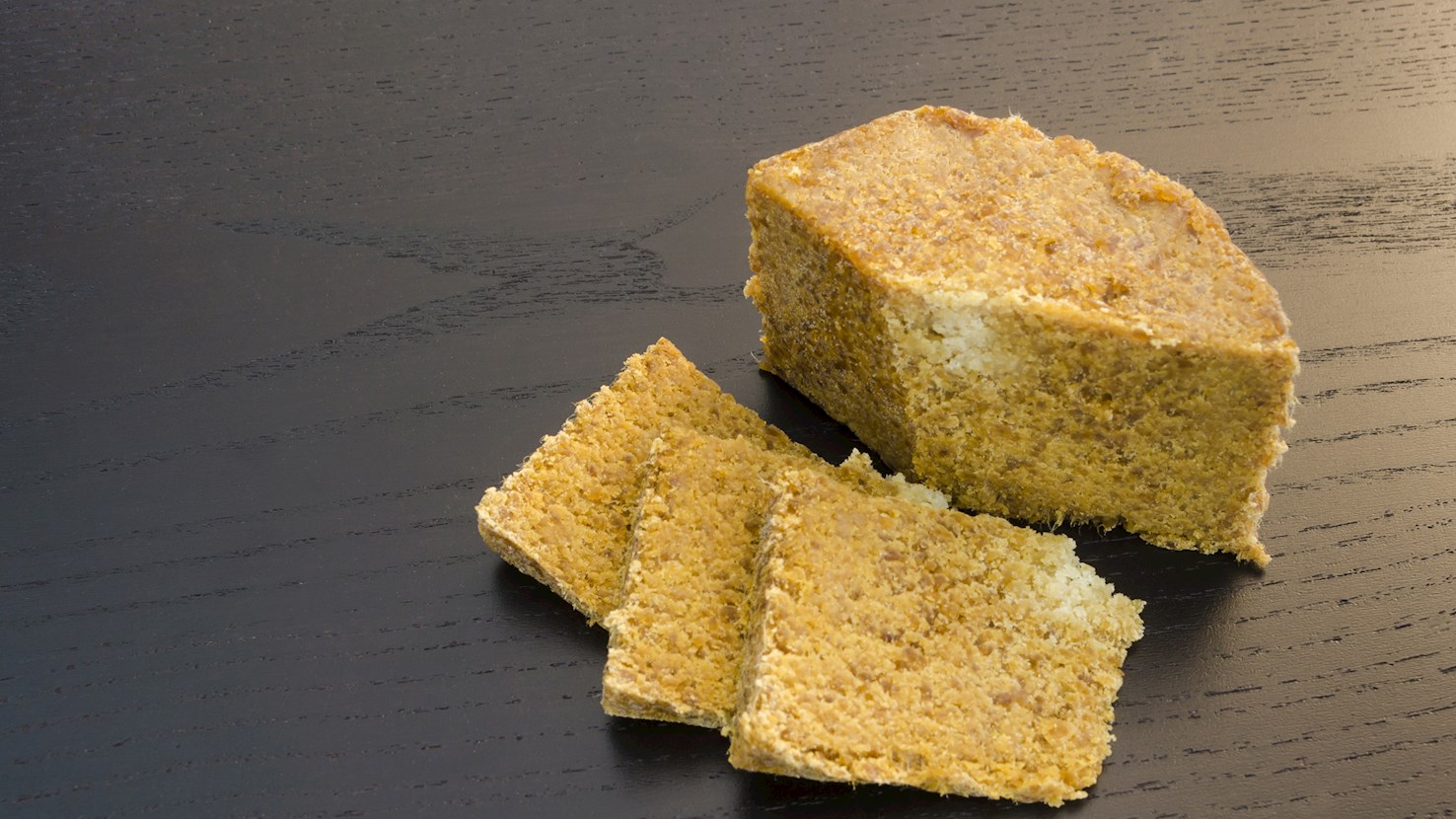
Gamalost is a traditional cheese made from skimmed cow's milk. The cheese has a mold-ripened rind; its texture is dense, granular, and chewy, the aromas pungent, while the flavor is sharp. It's also rich in protein and has a fat content of only 0.5 to 1.0%. The cheese is traditionally aged from 1 to 6 months. In order to make it, an acid is added to skim milk, causing it to sour. The fermented solids are then pressed into molds to create the circular shape. Later on, the cheese is hand-rubbed with mold and left to age. It can be stored for a prolonged period of time without refrigeration, which is why it's been produced in the past when there were no methods of refrigeration. Gamalost should be cut with a hollow blade cheese knife due to its dense and granular texture. It's recommended to pair it with gin or a robust beer. Serve it with dark bread with butter, sour cream, cranberries, fresh fruit, or fruit jams.

07

Sörmlands Ädel

n/a ·

Sörmlands Ädel is a Swedish blue cheese that comes from the province of Södermanland, an area south of Stockholm known for its agricultural landscape and dairy production. It belongs to the family of creamy, veined cheeses that develop their distinct character through the addition of blue mold cultures, placing it alongside other Scandinavian blue cheeses while maintaining its own regional identity. The production of blue cheeses in Sweden began in the twentieth century, influenced by well-established European varieties such as Roquefort and Danish Danablu, but quickly adapted to local conditions and milk quality. Sörmlands Ädel emerged as part of this movement to develop Swedish-made blue cheeses that could meet local demand while showcasing regional craftsmanship. Over time, it established itself as a recognized specialty, connected with Södermanland’s dairies and the broader culture of Swedish cheese-making. To produce Sörmlands Ädel, cow’s milk is inoculated with Penicillium roqueforti mold, which creates the blue-green veins running through the paste. The cheese is then molded and allowed to ripen under controlled conditions, during which it is pierced with needles to allow oxygen inside and stimulate the growth of the mold. The result is a semi-soft cheese with a creamy texture and a sharp, tangy flavor balanced by buttery notes. Its appearance is characterized by a pale yellow body marbled with blue veins, and its rind is often thin and natural. The flavor profile makes it well-suited for both cooking and direct consumption. It can be crumbled over salads, melted into sauces, or paired with bread and fruit. In Sweden it is often eaten with crispbread and accompanied by beer or aquavit, though it also pairs well with sweet wines that balance its salty sharpness. Because of its creaminess, it is also used in hot dishes, adding depth to gratins, pasta, and even Swedish meat dishes where cheese sauces are appreciated. Sörmlands Ädel holds a unique place in that it is one of the Swedish blue cheeses recognized with protected status, ensuring that its production remains tied to the region of Södermanland. This connection to place underlines the role of regional dairy culture in shaping its character.

08

Victoria Cheese

n/a ·

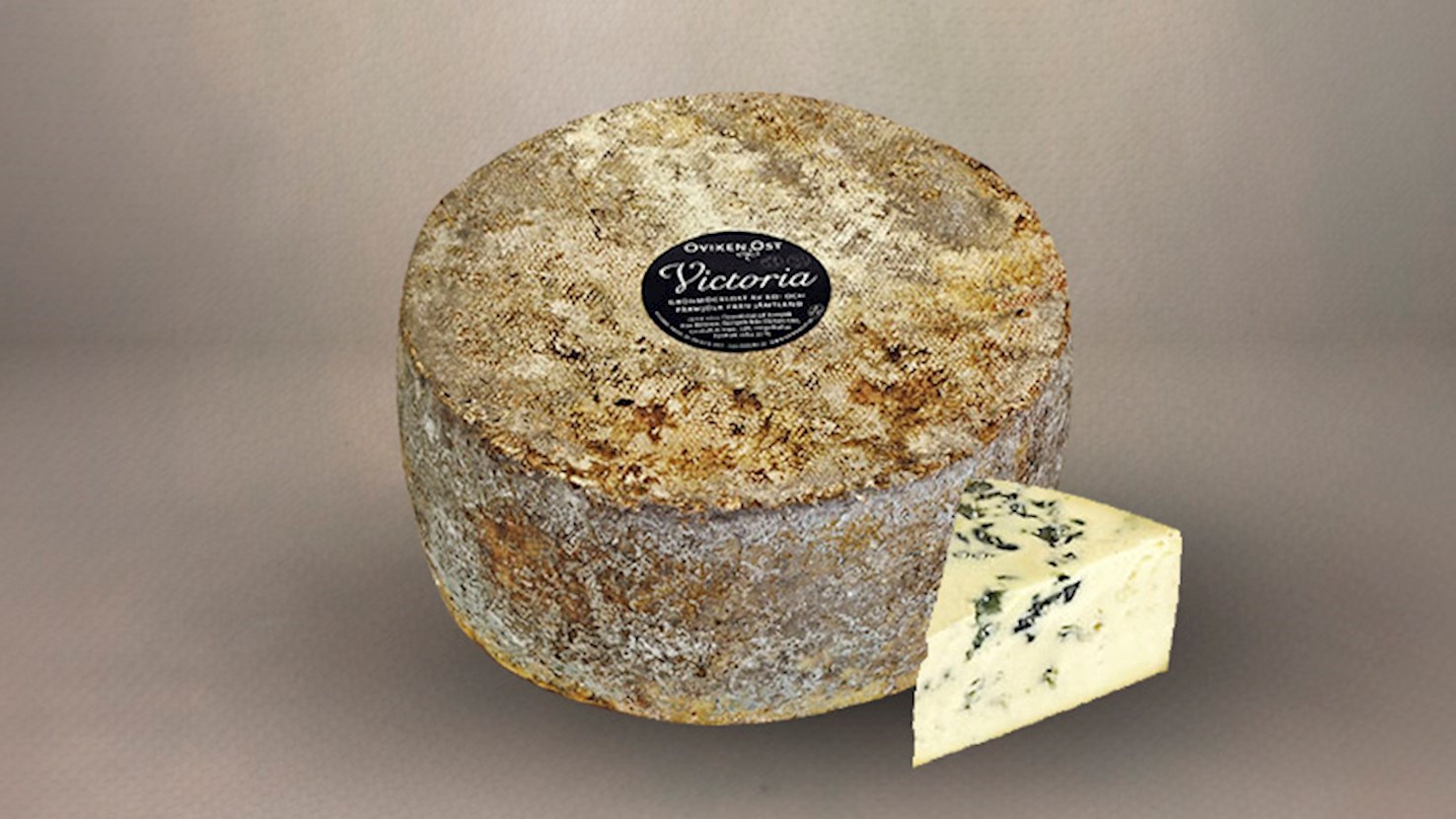
Victoria is a Swedish blue cheese hailing from Oviken, where it's produced by Oviken Cheese. The cheese is made from a mixture of pasteurized cow's and sheep's milk. It's usually left to age for 2 months before consumption. Underneath its mold-ripened natural rind, the texture is firm and creamy, with blue veins running throughout the body. The aromas are intense, and the flavors are distinctively salty and earthy, becoming even more pronounced with further aging.

09

Vera Cheese

n/a ·

Vera is a Swedish blue cheese hailing from Oviken, where it's produced by Oviken Cheese. The cheese is made from raw sheep's milk and it's usually left to age for at least 2 months before consumption. Underneath its mold-ripened natural rind, the texture is soft with blue veins running throughout the paste. The flavors are well-balanced, rich, round, and sweet, with vegetal and herbaceous hints of spinach and nettles.

10

Magna

n/a ·

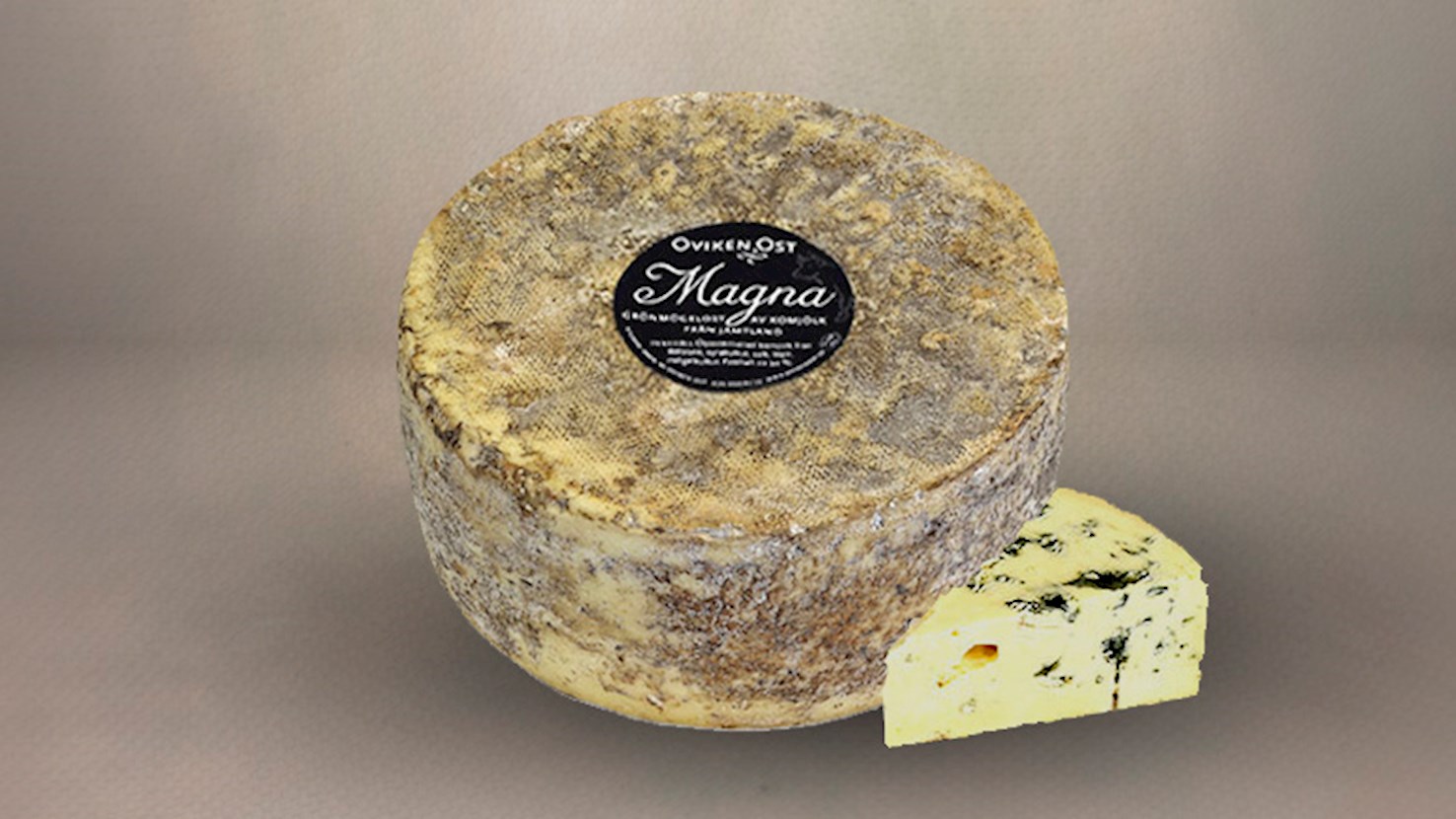
Magna is a Swedish blue cheese originating from Oviken, where it's produced by Oviken Cheese. The cheese is made from raw cow's milk. Underneath its mold-ripened natural rind, the texture is firm with blue veins running throughout the paste. The flavors are round, well-balanced, sharp, and salty without any pungent aromas. Magna has won a gold medal at the World Cheese Awards in 2013.

Read more
View all
View map
About this ranking

TasteAtlas food rankings are based on the ratings of the TasteAtlas audience, with a series of mechanisms that recognize real users and that ignore bot, nationalist or local patriotic ratings, and give additional value to the ratings of users that the system recognizes as knowledgeable. For the “Top 10 Scandinavian Blue Cheeses” list until June 05, 2026, 263 ratings were recorded, of which 217 were recognized by the system as legitimate. TasteAtlas Rankings should not be seen as the final global conclusion about food. Their purpose is to promote excellent local foods, instill pride in traditional dishes, and arouse curiosity about dishes you haven’t tried.

The initial list of top producers was compiled based on available reviews, awards, local recommendations, media and blog coverage, and consumer reviews. The list will be updated with ratings from TasteAtlas local ambassadors and TasteAtlas users.

Similar lists