




Top 15 Greek Breads and Flatbreads

Last updated on July 16, 2026
01

Koulouri Thessalonikis

4.2 ·

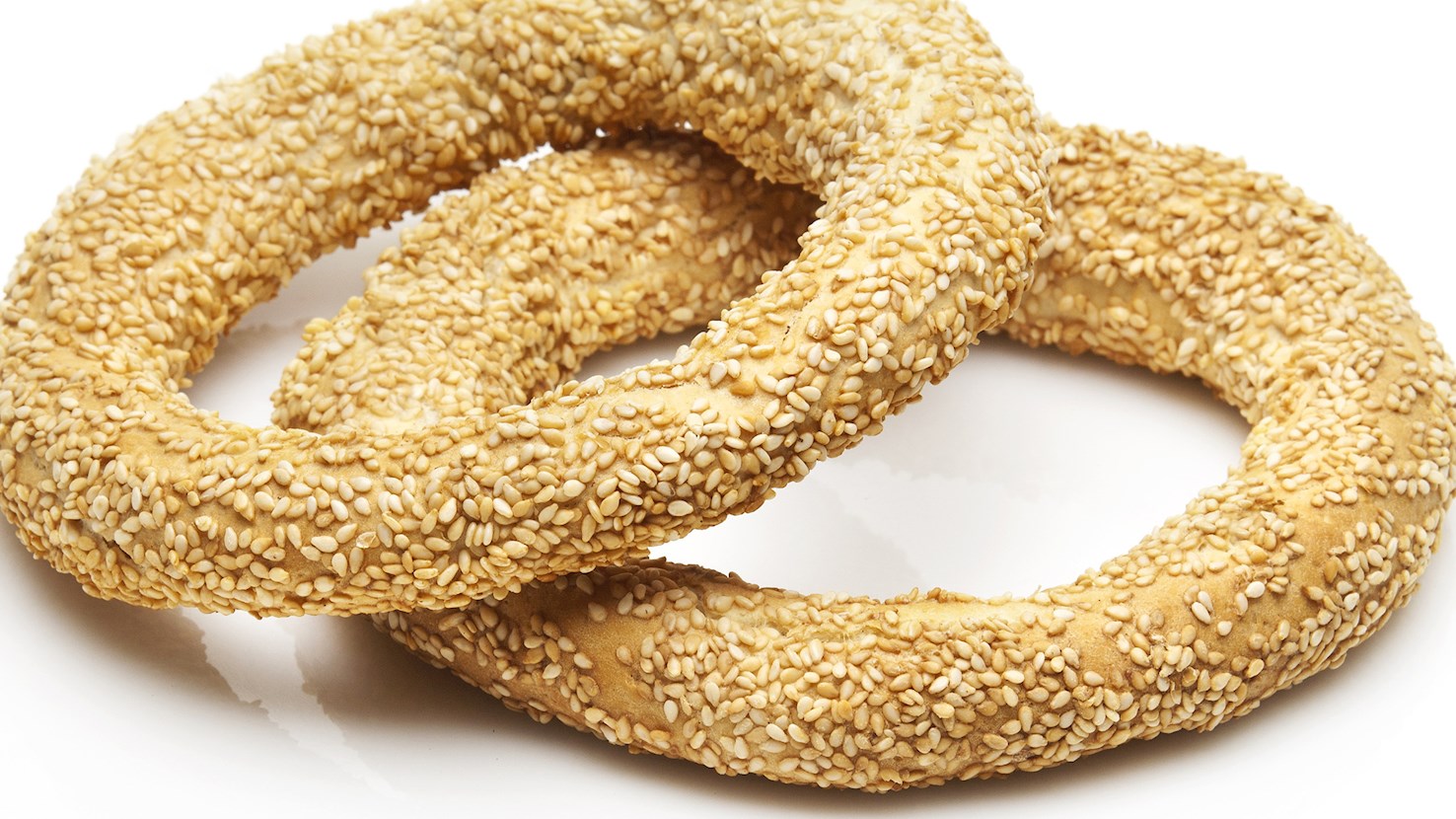
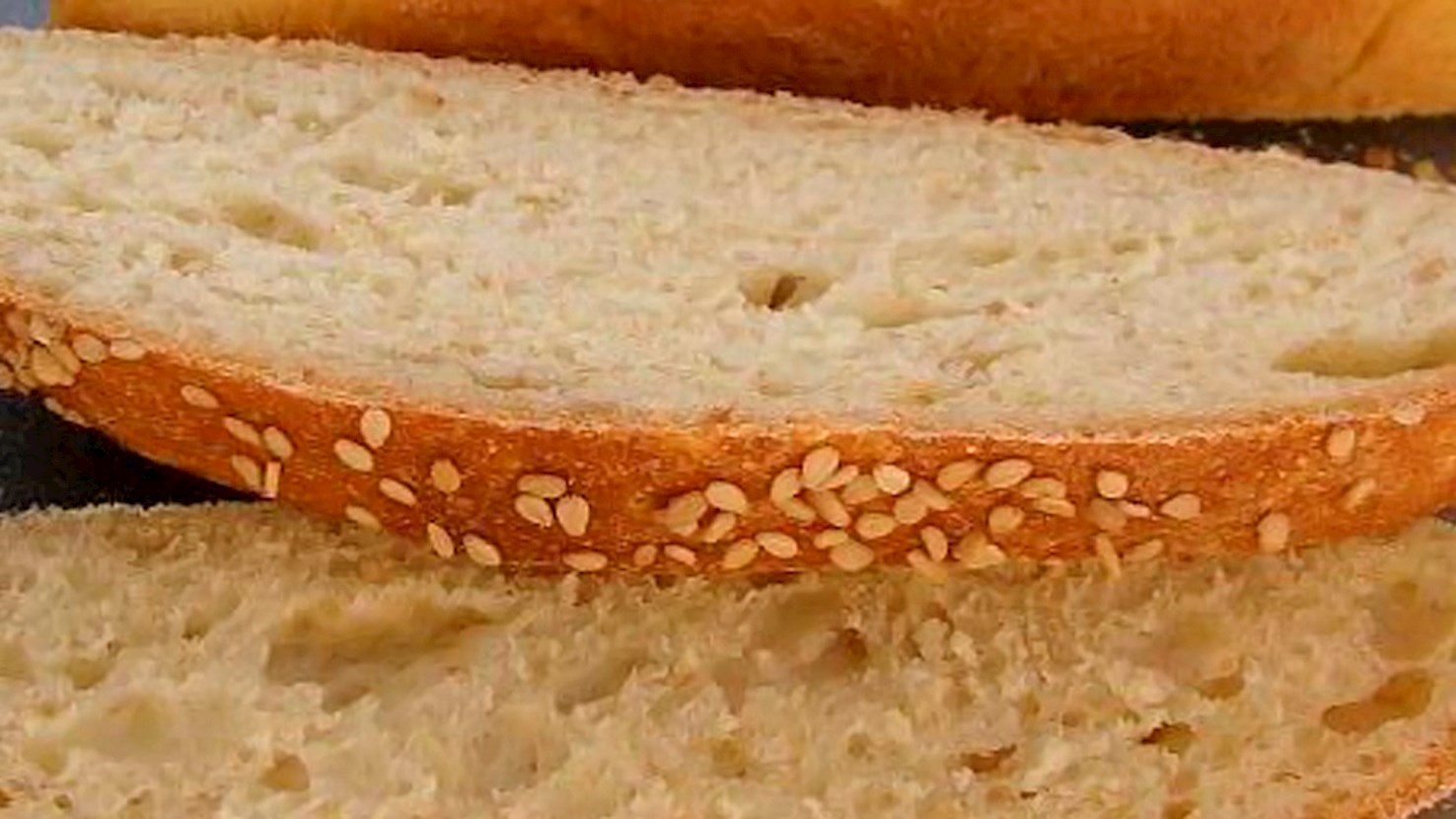
Koulouri Thessalonikis is a traditional street food staple and their national take on simit—a similar circular bread found in Turkey. In its simplest form, koulouri is made with wheat flour dough that is shaped into a ring before it is coated in sesame seeds and baked. This Greek version is believed to have traveled with Greek refugees from Asia Minor who first settled in Thessaloniki, hence the name. The origin is still disputed between the two countries, but the Greeks have implemented this crunchy and filling snack in their national cuisine. Unlike the Turkish version, koulouri is not braided, and it is only sometimes dipped in molasses. In Greece, modern varieties are often filled with chocolate spreads, tahini, or cheese, while some even appear without sesame seeds. This snack is often enjoyed for breakfast and it can be bought from street vendors or in numerous bakeries across the country.

02

Tiganopsomo

4.2 ·

Tiganopsomo is a Greek version of fried bread. It is usually prepared with leavened dough consisting of wheat flour, olive oil, and salt that is rolled into a circle while the center is filled with crumbled feta and herbs such as oregano, rosemary, parsley, mint, or sage. Large disks are then fried in olive oil until golden and crispy. This bread is traditionally served for breakfast, and it is usually sprinkled with sesame seeds or drizzled with honey or balsamic vinegar. Some varieties may come without a filling, and feta can be replaced with mizithra cheese. Translated from Greek, tiganopsomo means fried bread.

03

Pita

4.2 ·

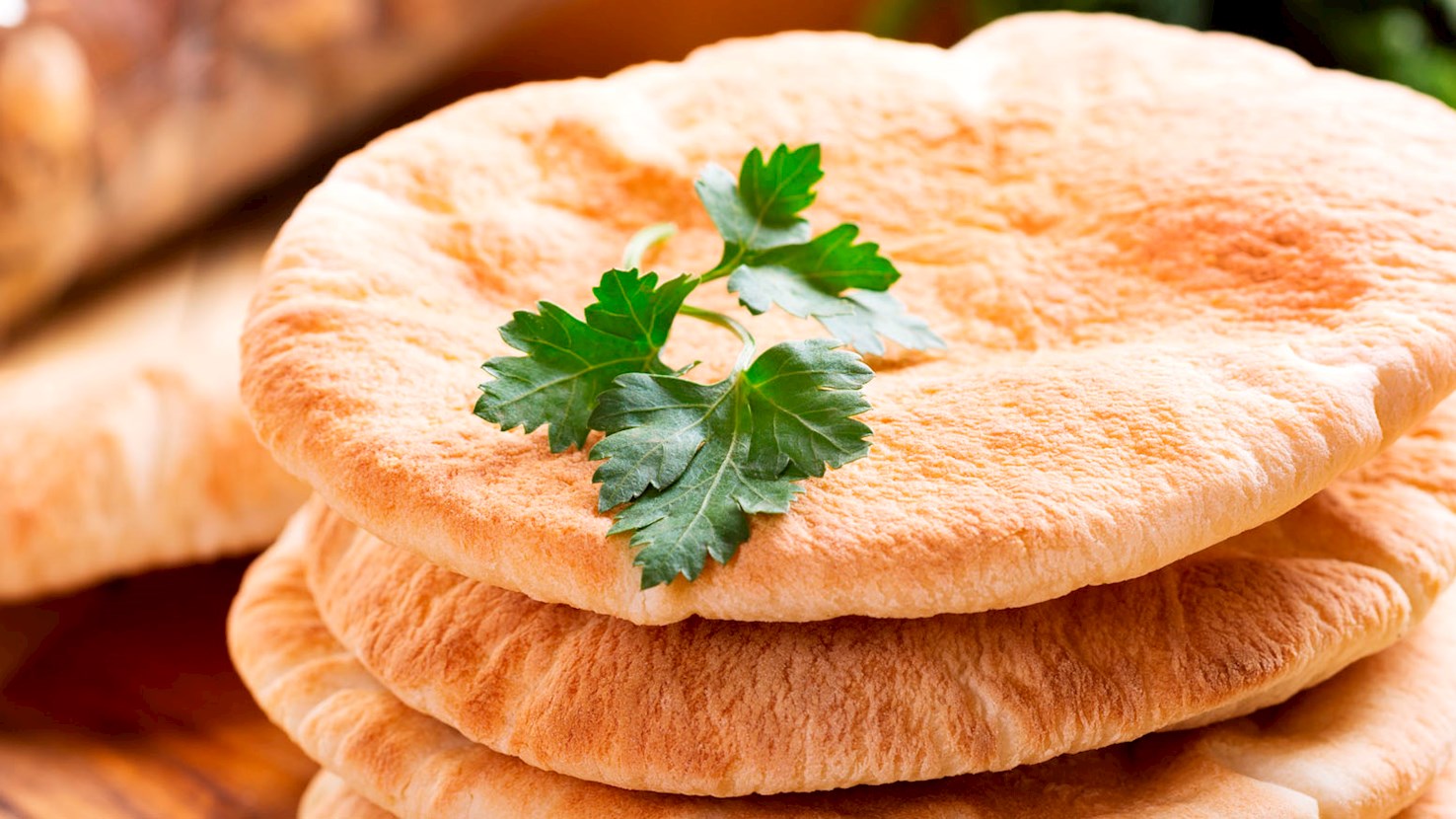
Pita bread is a type of flatbread believed to have originated in the Middle East around 2500 BCE, making it one of the oldest types of bread in the world. Archaeologists have found evidence of flatbreads made by ancient civilizations across the Middle East and Mediterranean, including the Egyptians and Sumerians. The term "pita" is a Greek word, which means "pie" or "bread". This might suggest that the Greeks adopted this form of bread from their Middle Eastern neighbors. The bread is a staple in many Middle Eastern and Mediterranean cuisines today, including those of Greece, Türkiye, Lebanon, and Syria. The simple process of making pita bread, which involves mixing wheat flour, water, yeast, and salt, then baking it at high temperatures, would have been achievable with the tools and resources available to ancient civilizations. The high heat causes the dough to puff up and create a pocket, which is a distinctive feature of pita bread. This pocket makes pita bread versatile for a variety of dishes, as it can be used to scoop up or hold various fillings. Pita is the perfect choice for steaks, lamb, falafel, kebabs, or chicken, and it is traditionally paired with hummus, tzatziki sauce, or tabouleh.

04

Ladenia

4.1 ·

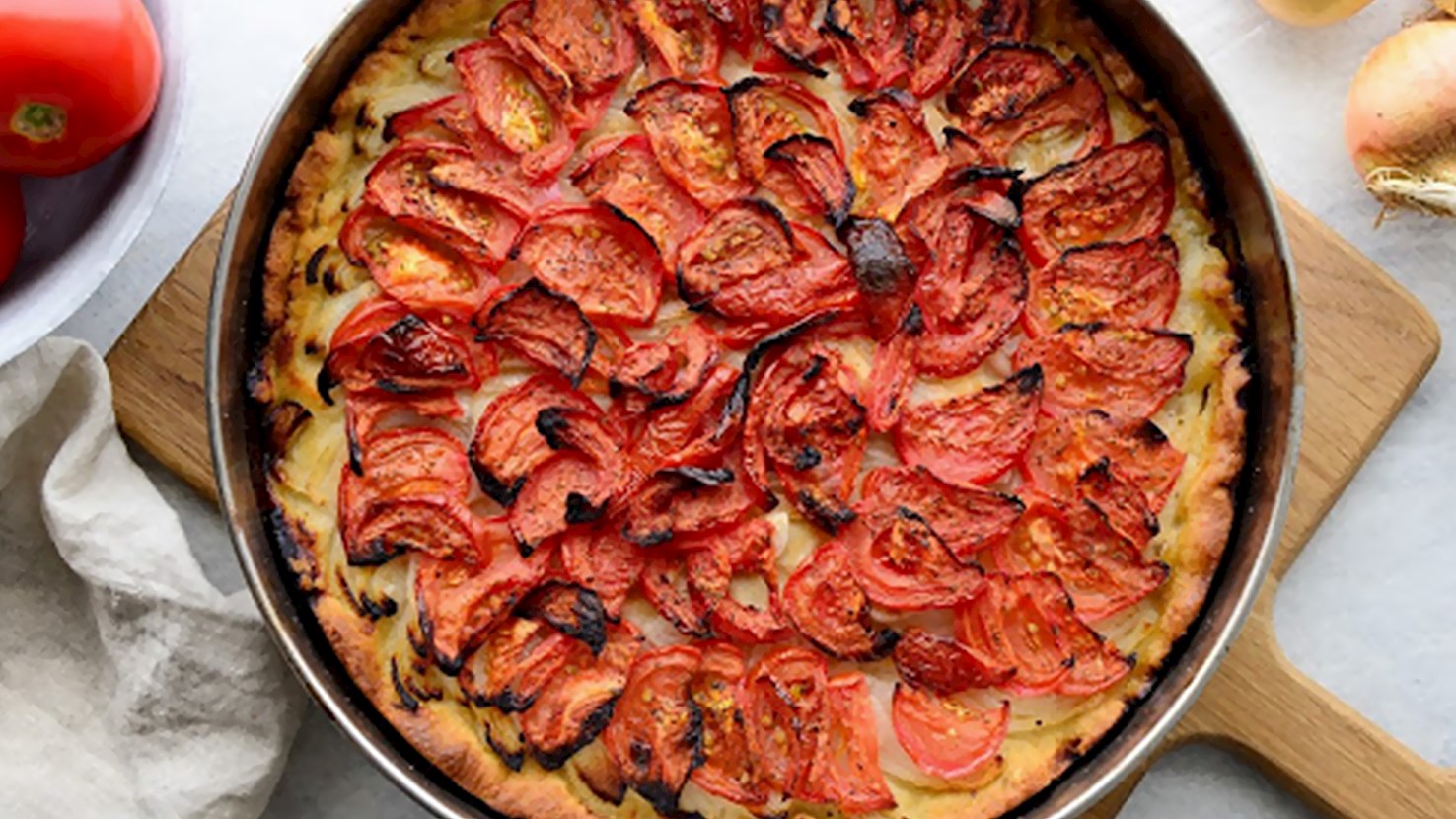
Ladenia is a type of soft flatbread that’s topped with tomato slices, onions, and a generous drizzle of Greek olive oil. Hailing from Kimolos, this savory delicacy is considered to be the Greek take on Italian pizza, and it is believed to date back to the time of the Venetian occupation of the island. The dough is typically made with flour, yeast, water, and salt, although some versions also call for the addition of olive oil to the combination. Homemade tomato paste is often used in case there are no fresh tomatoes, while some people tend to enhance the simple tomato-onion topping with the addition of capers and peppers. The flatbread is usually seasoned with sea salt, black pepper, and dried Greek oregano, and once baked, it is typically enjoyed with an extra drizzle of olive oil on top. Ladenia can be made in a round or rectangular shape, and it is typically eaten for breakfast or as a light lunch, although it can also be served as part of a meze dish.

05

Lagana

4.0 ·

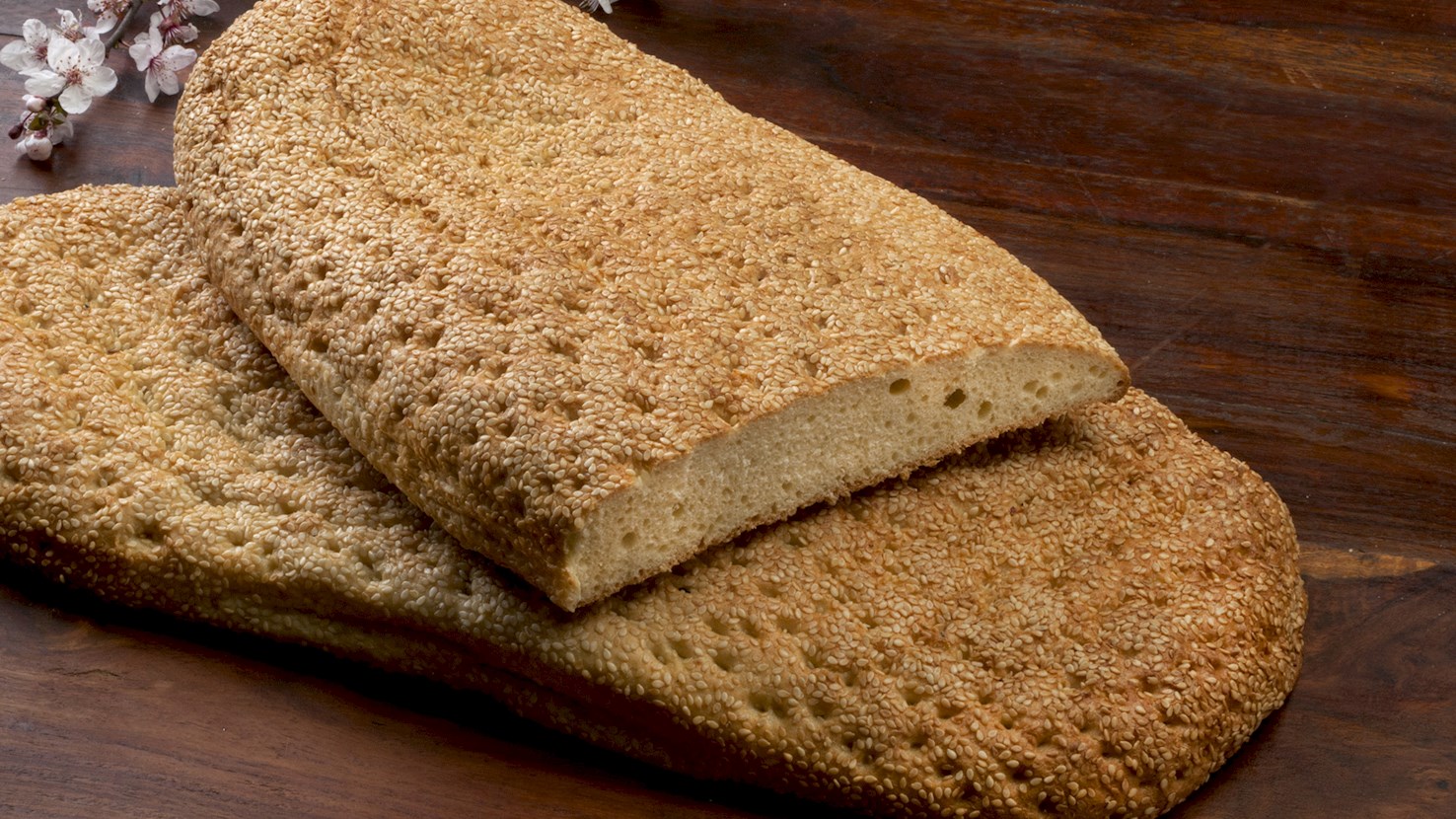
Lagana is a traditional flatbread that is usually associated with Clean Monday—the first day of Lent. The bread is made with wheat flour, and although it was primarily unleavened and did not include dairy or oil, modern varieties are often prepared with olive oil and yeast. The bread is oval-shaped and flat, and the top is typically pressed with fingers to create small indentations. Optional ingredients often include olives and various herbs, but sesame seeds are the most common topping. The exact origin of this ancient Greek bread is still vague, but its first written reference dates back to 5th century BC when it was mentioned in a poem written by a Greek poet Aristophanes, while the name lagana stems from the ancient Greco-Roman term laganon that denoted a similar thin flatbread.

06

Paximadi

3.9 ·

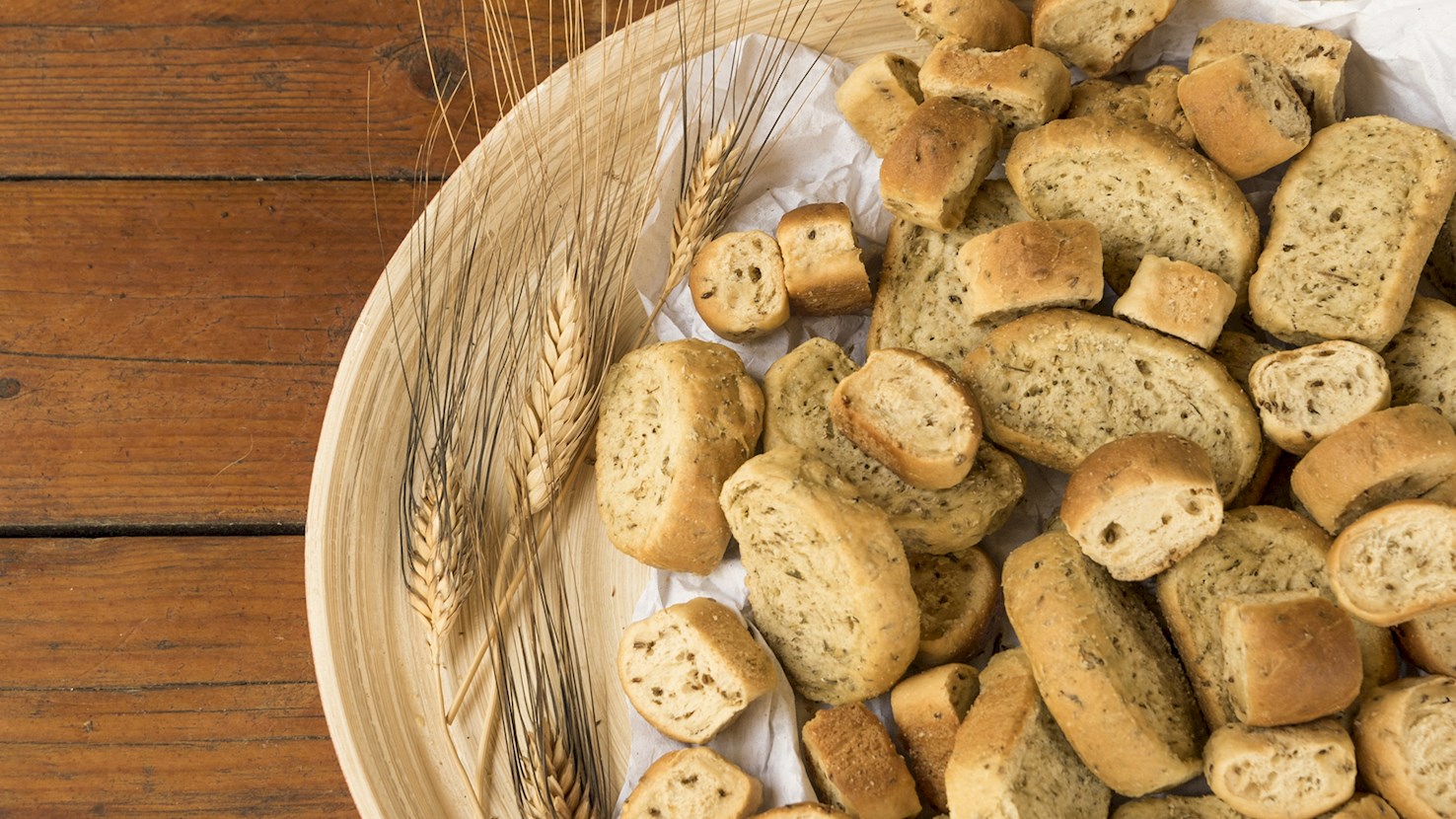
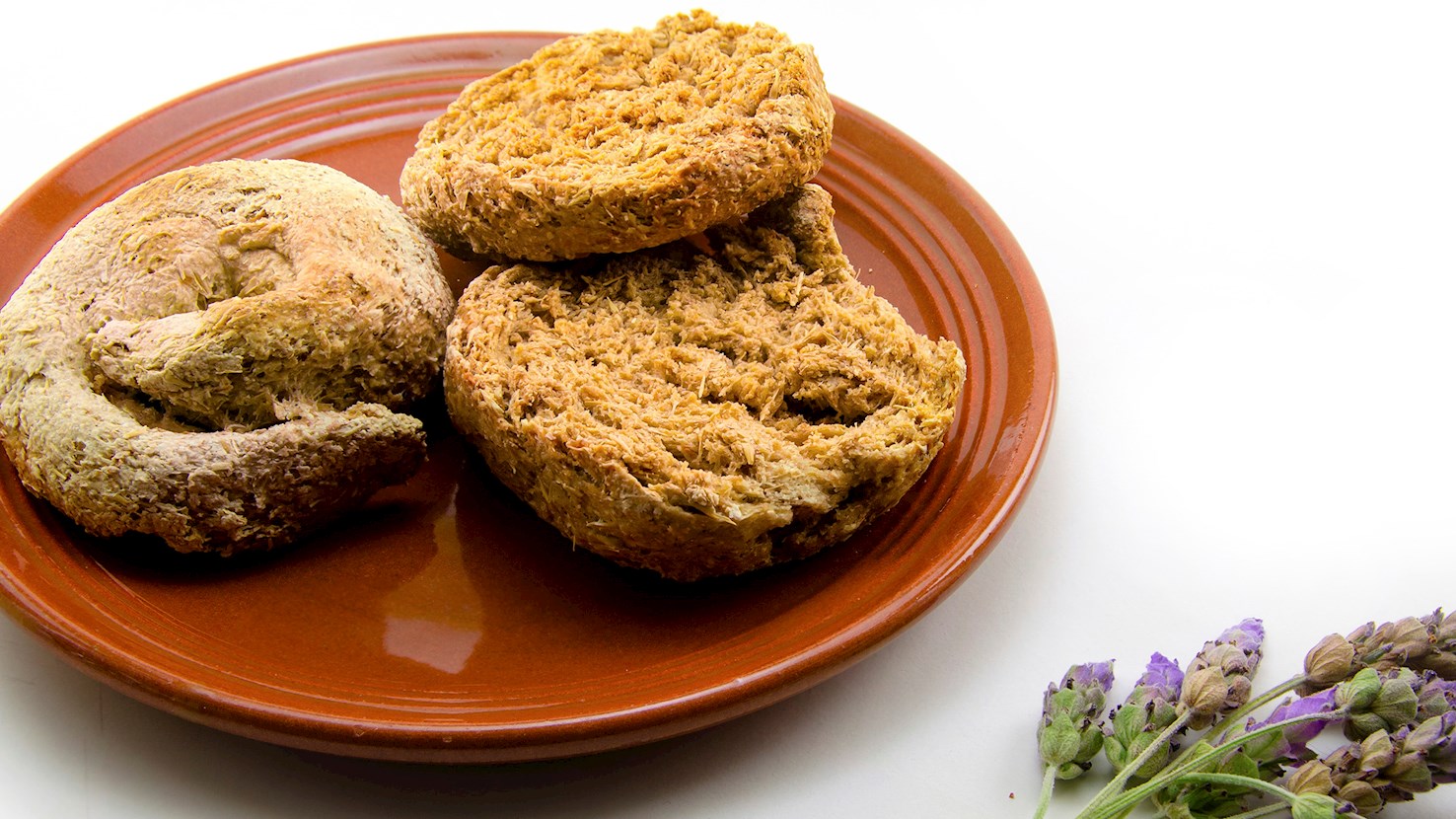
Greek paximadi is a twice-baked rusk that is traditionally made with barley, but modern-day versions may employ various flour types and significantly vary in form and size. Paximadi comes in both savory and sweet versions that are often flavored with citrus zest, anise, or chocolate. It can be enjoyed as a snack or an accompaniment to various dishes, and before serving it is often soaked in water, white wine, or olive oil. Though paximadi is eaten throughout the country, Kritiko paximadi is especially praised for its quality and can only be produced and made on Crete. It is prepared with varying amounts of barley flour and is typically slightly darker in color and round in shape. Kritiko has been a staple Cretan ingredient and is mainly used in the preparation of salads and appetizers.

Best restaurants
07

Eliopsomo

3.9 ·

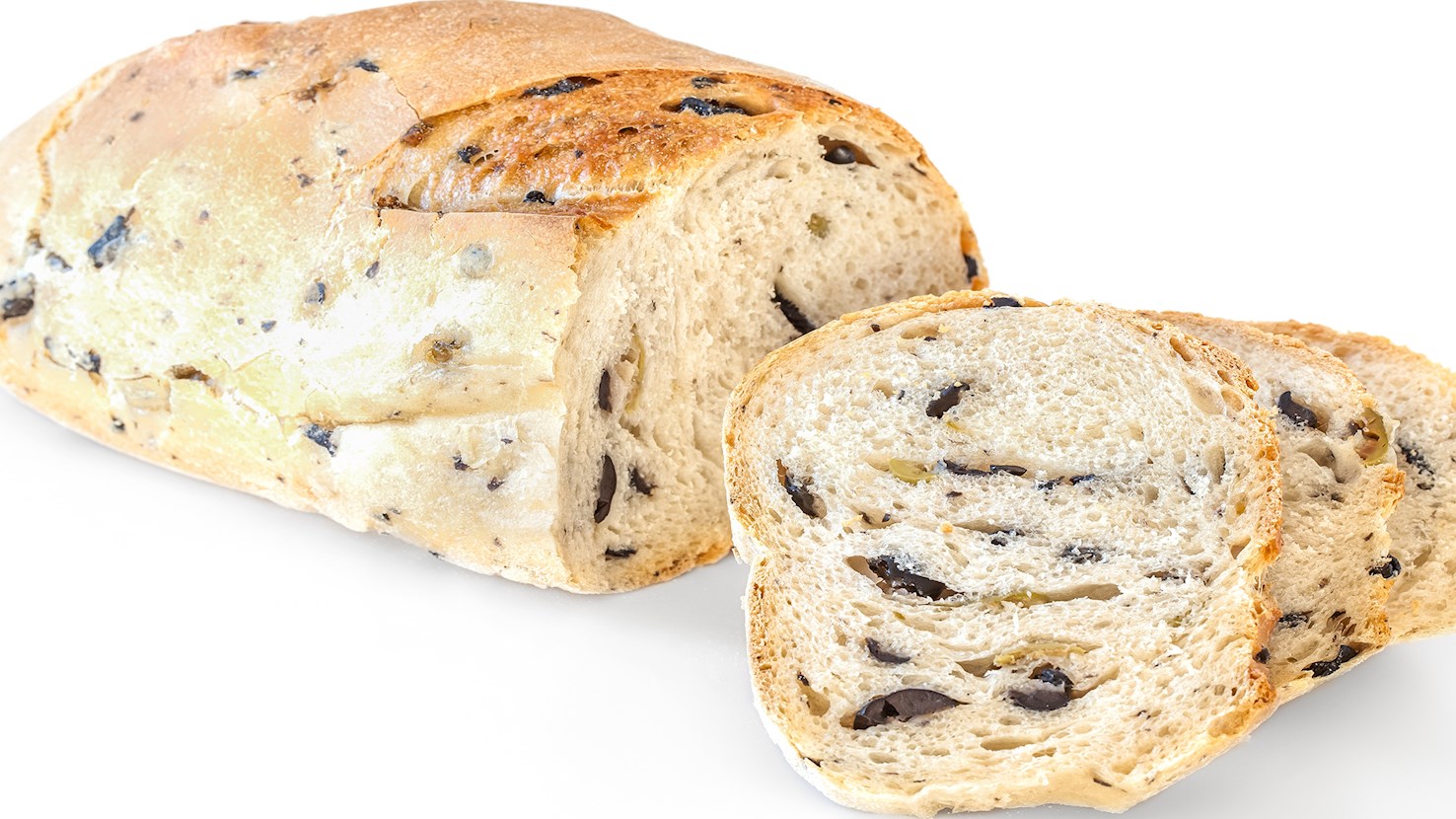
Eliopsomo is a traditional bread made with flour, water, yeast, salt, black olives, and flavorings such as honey and rosemary. The saltiness of the olives pairs extremely well with the slightly sweet honey bread dough. The bread can be used for the preparation of sandwiches, paired with feta cheese and olive oil, or it can be used for dipping it into a combination of olive oil, oregano, salt, and pepper.

08

Kritiko paximadi

3.8 ·

Also known as the Cretan biscuit, Kritiko paximadi is a bread product made with either wholemeal barley flour or a combination of barley, wheat, and oat flour. The origins of paximadi can be traced to the ancient times when barley rusks were the staple of farmers, shepherds and Cretan sailors. Being twice-baked, these rusks could be preserved for long periods of time without losing their quality and for this reason paximadi became the daily bread of families that could not bake on a regular basis. Kritiko paximadi is still the base of Greek and Mediterranean diet, and it is usually softened with water, wine, or olive oil before consumption. This traditional barley rusk is typically used for preparing dakos, a popular Cretan meze made with crumbled feta or mizithra cheese and chopped tomatoes, but it is also ideal for other types of Greek salads, appetizers, and light, healthy meals.

09

Tiropsomo

3.8 ·

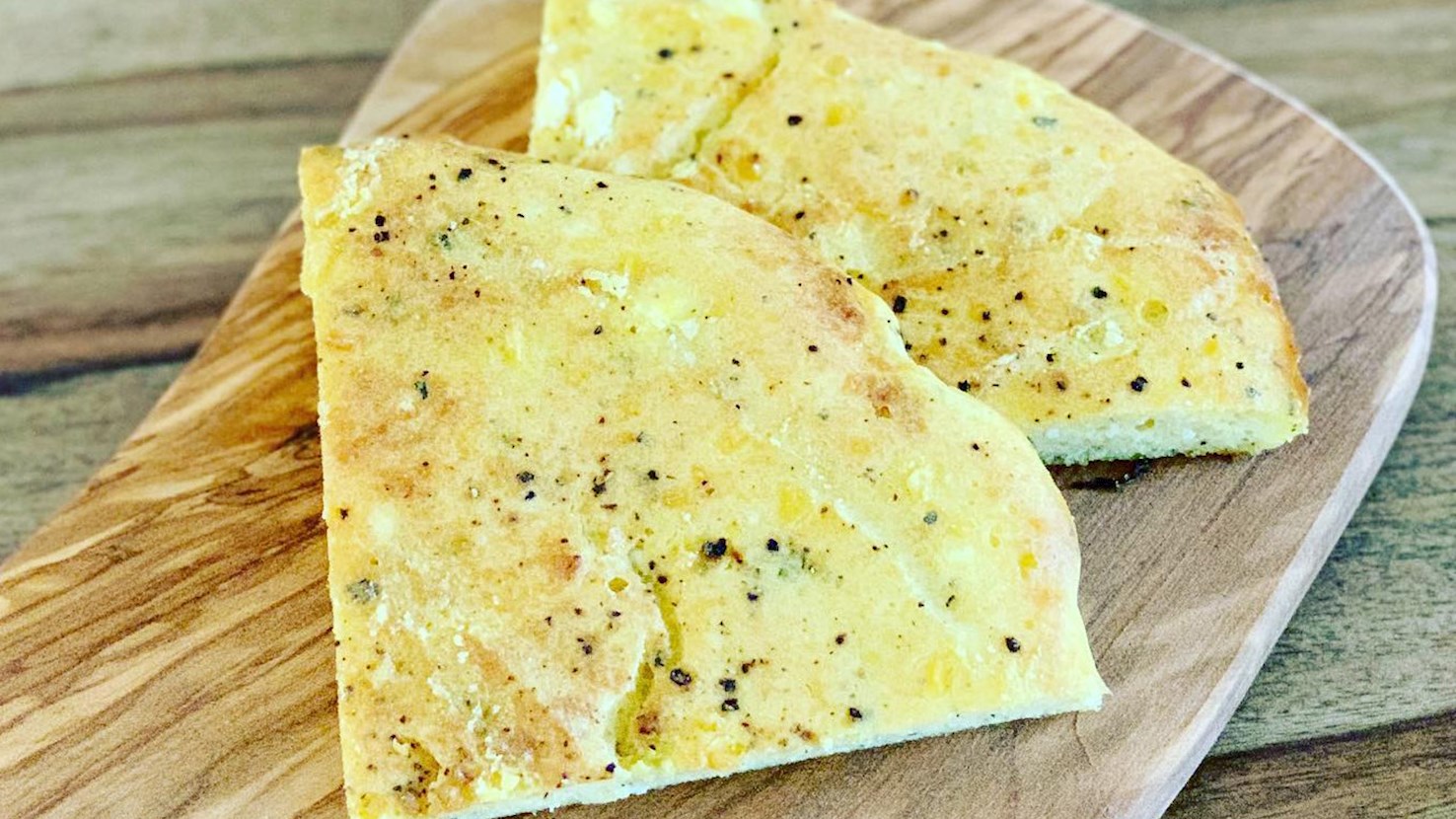
Tiropsomo is a traditional bread with feta cheese. It's made with a combination of white flour, crumbled feta, yeast, honey, olive oil, oregano, and salt. Once formed, the dough is left to rise, and it's then placed into a shallow oven dish brushed with olive oil. Before it's baked until golden brown, the dough is sprinkled with feta and oregano. Tiropsomo can be eaten on its own, but it's often served as an accompaniment to fasolada (bean soup) along with olives.

10

Eftazimo

3.4 ·

Eptazimo is a traditional bread with a unique preparation method, where the dough is kneaded seven times (the name "eptazimo" comes from the Greek word "epta" - seven) before baking. What also sets eptazimo apart from other breads is that it is leavened without yeast. Instead, it relies on a natural fermentation process od chickpeas to create a leavening effect. The dough is often flavored with aromatic ingredients such as anise and ouzo, giving it a distinctive, slightly sweet, and fragrant taste. Eptazimo is known for its dense texture and is considered a rare, ancient bread recipe that has its roots in Byzantine culinary traditions.

11

Daktyla

3.3 ·

Daktyla is a rustic Greek bread made with a combination of cornmeal, plain flour, and whole wheat flour, resulting in a light yellow color of the bread's center. It is traditionally sprinkled with sesame and nigella seeds. The name of the bread can be translated to finger bread, because it is usually torn apart and broken into pieces reminiscent of fingers. It is recommended to pair daktyla with yogurt or soft cheeses.

12

Mavragani

3.1 ·

Mavragani is a type of bread that is prepared on the island of Lemnos. It's named after a local wheat variety called mavragani, meaning black awn, which has been grown on the island since ancient times. The grains of this wheat variety are processed into flour that is used for making the bread and other local specialties such as flomaria, a type of egg pasta used in many traditional dishes. Mavragani bread can be bought from any local bakery or market on the island, and it is considered to be highly nutritious. Slices of this bread are typically enjoyed for breakfast, slathered with local thyme honey or marmalade, or accompanied by fresh or grilled local cheese (such as melichloro cheese), Greek yogurt, cold cuts, butter, and eggs on the side.

13

Krithini kouloura

n/a ·

Krithini kouloura refers to a traditional Greek barley rusk, primarily associated with the island of Kalymnos. It is a hard, round bread made from barley, often softened with water and used as the base for various local dishes, particularly salads. The most common dish featuring krithini kouloura is the Kalymnian salad Mermizeli, where the softened rusk is combined with tomatoes, onions, cheese (typically feta or cream cheese), and plenty of olive oil. Originally, this bread was made for sailors, as it could last a long time without spoiling, making it ideal for long voyages. The bread is often flavored with anise and mastic, giving it a unique taste.

14

Karydopsomo

n/a ·

This Greek yeasted bread is characterized by its slightly dark color, which is achieved with the addition of ground or chopped walnuts. Due to its ingredients, karydopsomo is rich, heavy, and incredibly nutritious. It is best paired with cheese and red wine.

15

Elenia

n/a ·

Elenia is a traditional bread that is stuffed with pieces of pitted olives. It is a specialty of the island of Kimolos where they typically use Koroneiki olives for the stuffing and bake the bread in a wood-fired oven. Elenia is commonly prepared at home, although it is also available in local bakeries on the island. This rustic bread is usually made around the Greek Orthodox Easter, and since the dough contains no oil, it is especially suitable for those fasting days when oil is not allowed to be consumed.

Read more
View all
View map
About this ranking

TasteAtlas food rankings are based on the ratings of the TasteAtlas audience, with a series of mechanisms that recognize real users and that ignore bot, nationalist or local patriotic ratings, and give additional value to the ratings of users that the system recognizes as knowledgeable. For the “Top 15 Greek Breads and Flatbreads” list until July 16, 2026, 1,763 ratings were recorded, of which 952 were recognized by the system as legitimate. TasteAtlas Rankings should not be seen as the final global conclusion about food. Their purpose is to promote excellent local foods, instill pride in traditional dishes, and arouse curiosity about dishes you haven’t tried.

Similar lists