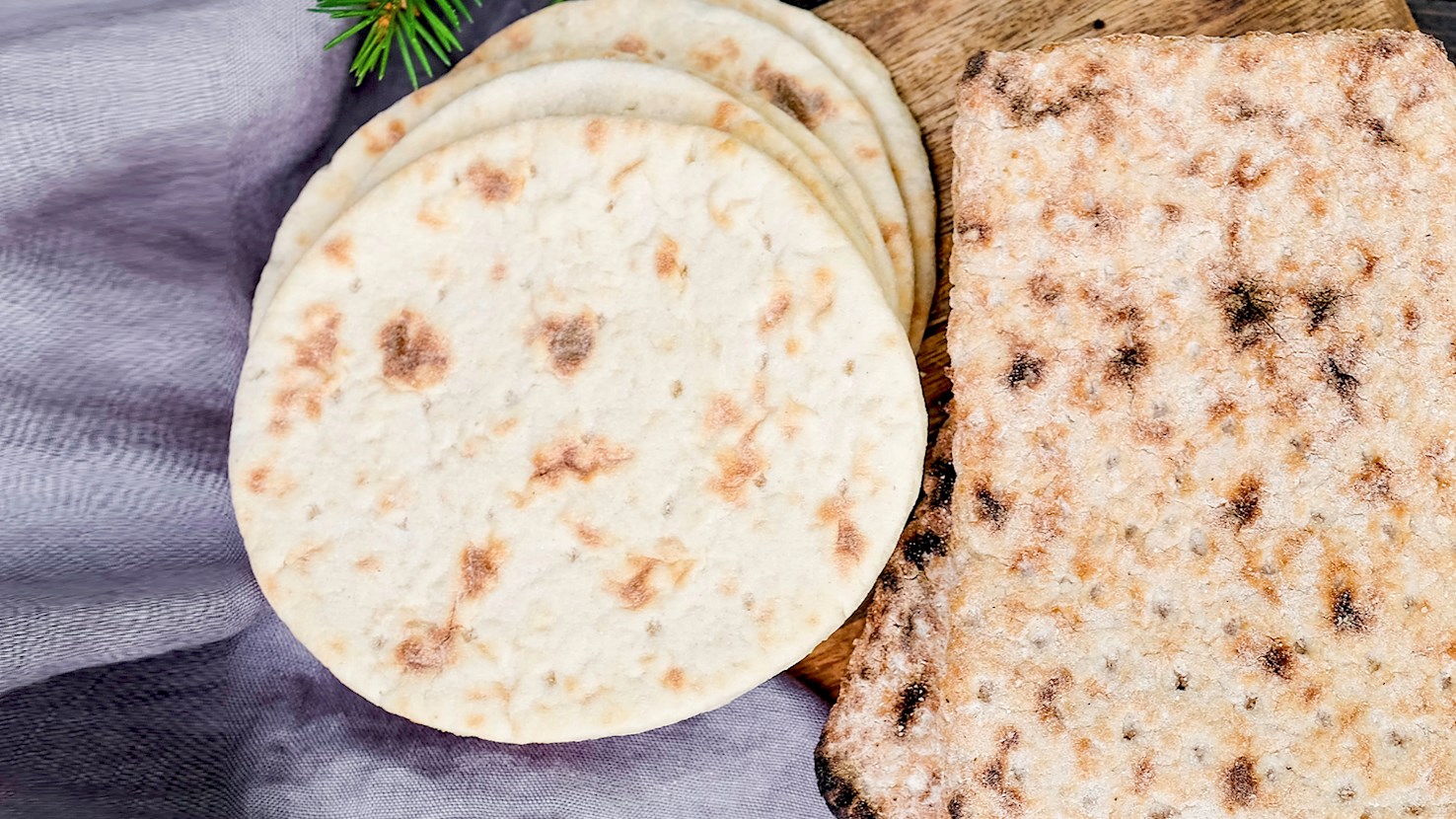
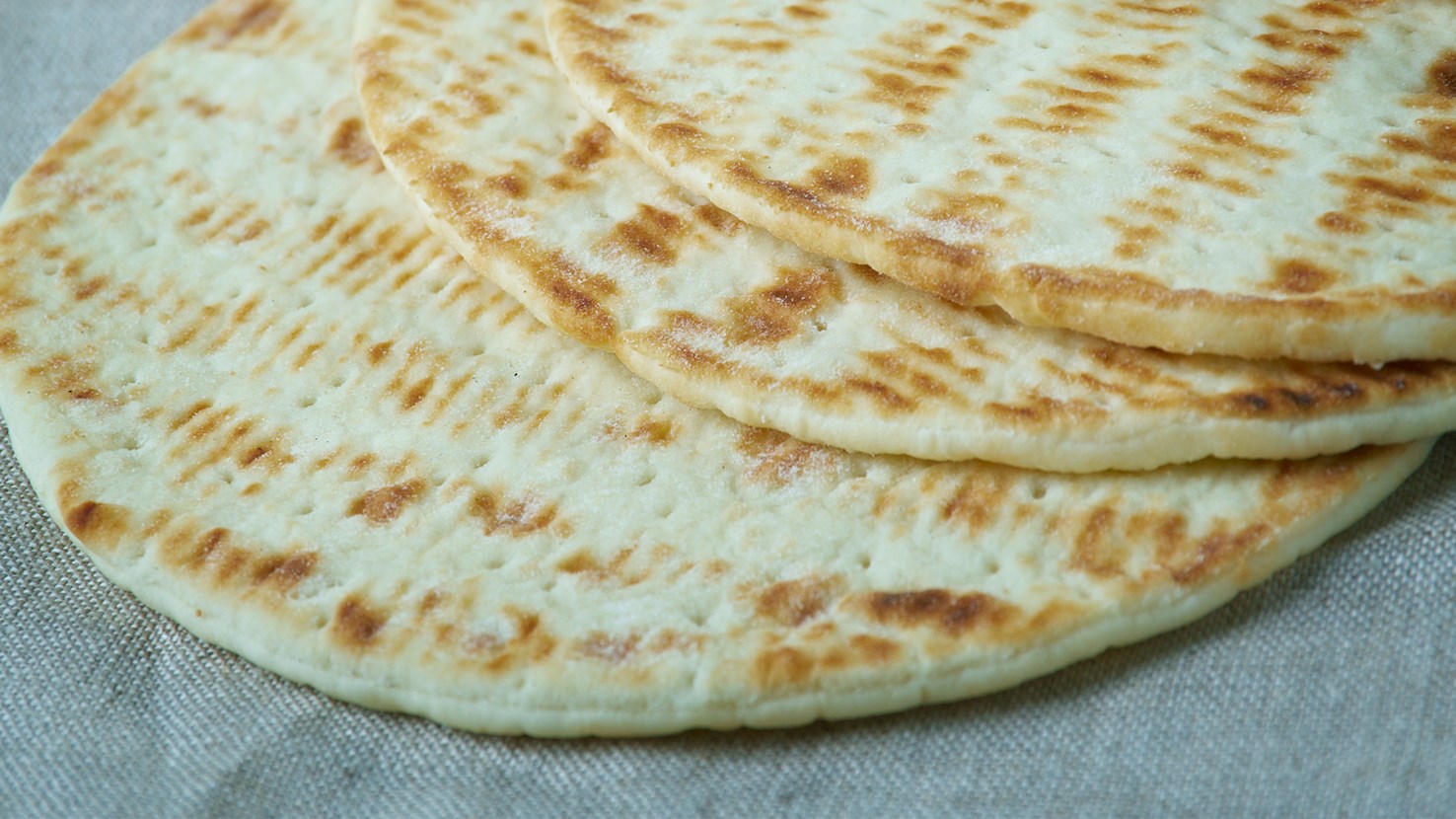
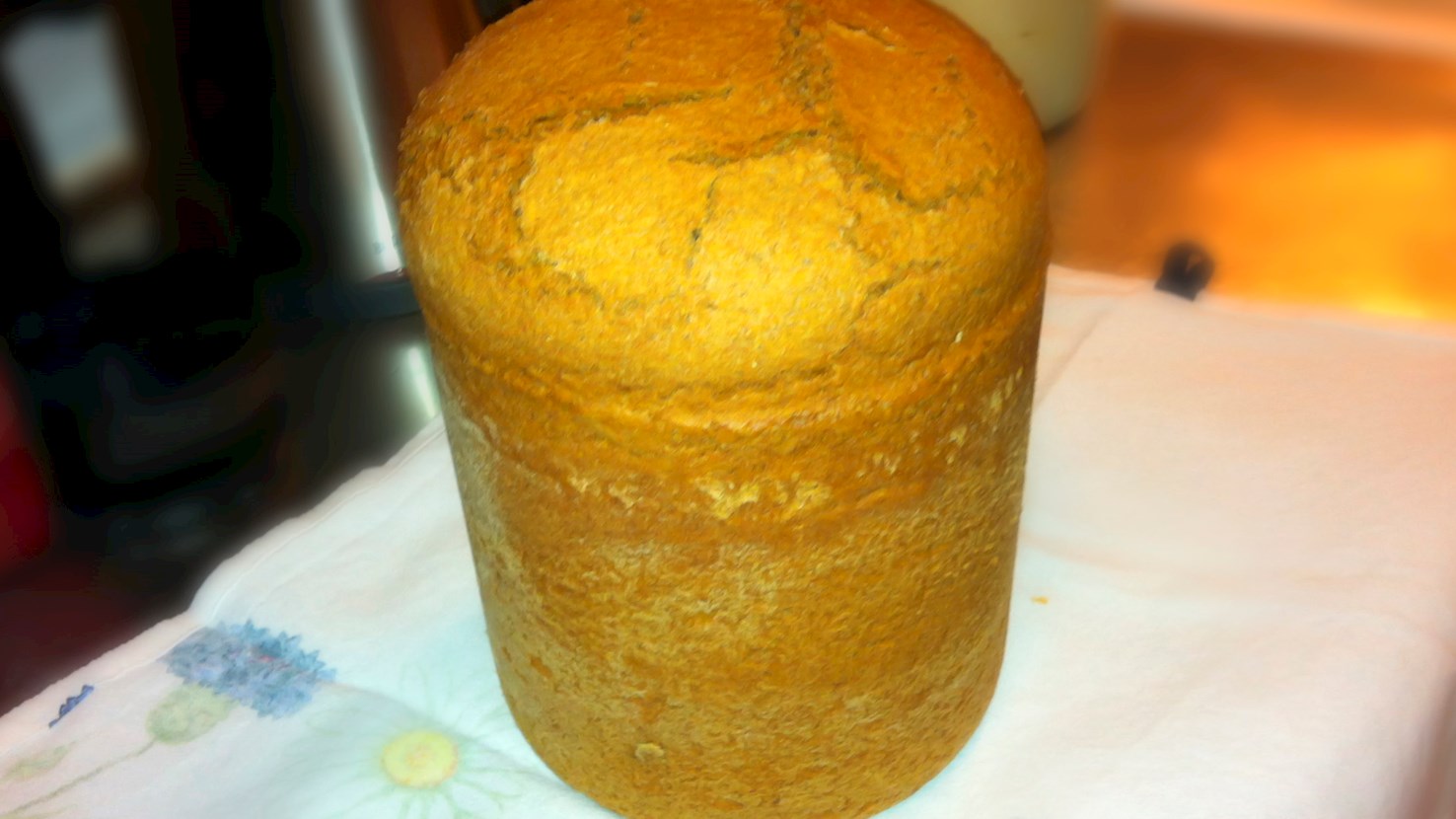
Hönökaka is a classic Swedish flatbread with a light, almost cake-like texture. It's made with a combination of milk, butter, white flour, rye flour, sea salt, yeast, ljus sirap (light syrup), and hjorthornssalt. The final ingredient gives the flatbread its fluffy and light texture – hjorthornssalt was originally made from deer antlers, but nowadays ammonium carbonate is used instead. The dough is left to double in size, and it's then kneaded and flattened before being pricked with a kruskavel (a knobbly rolling pin) and baked in the oven. Once done, it's recommended to serve hönökaka warm with cheese, jams, honey, butter, or pickled herrings on the side.
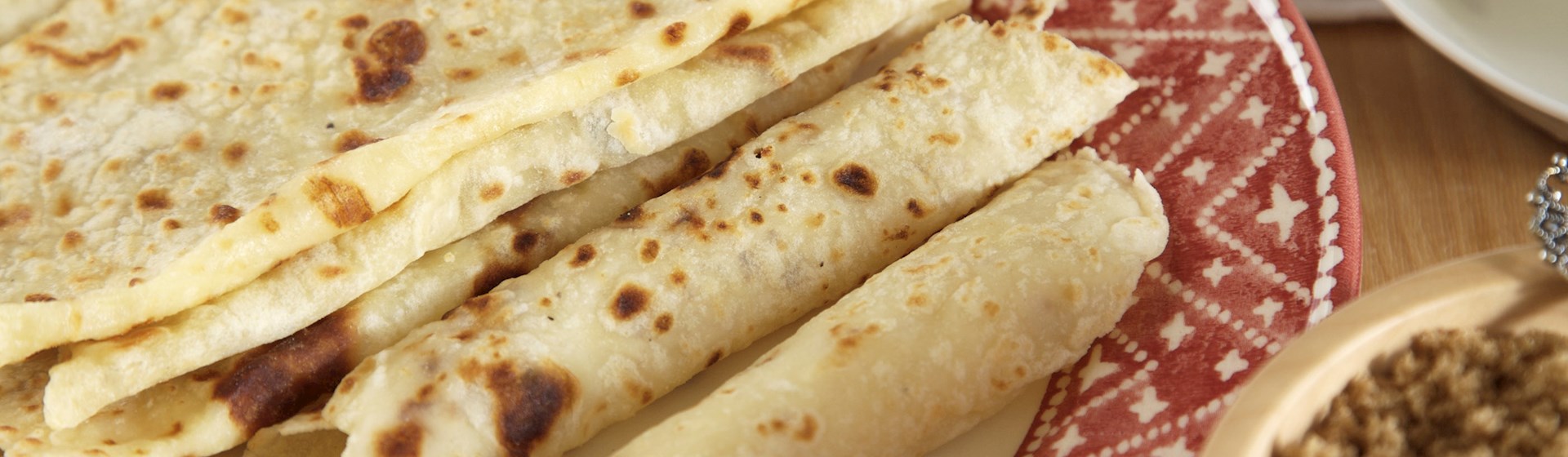
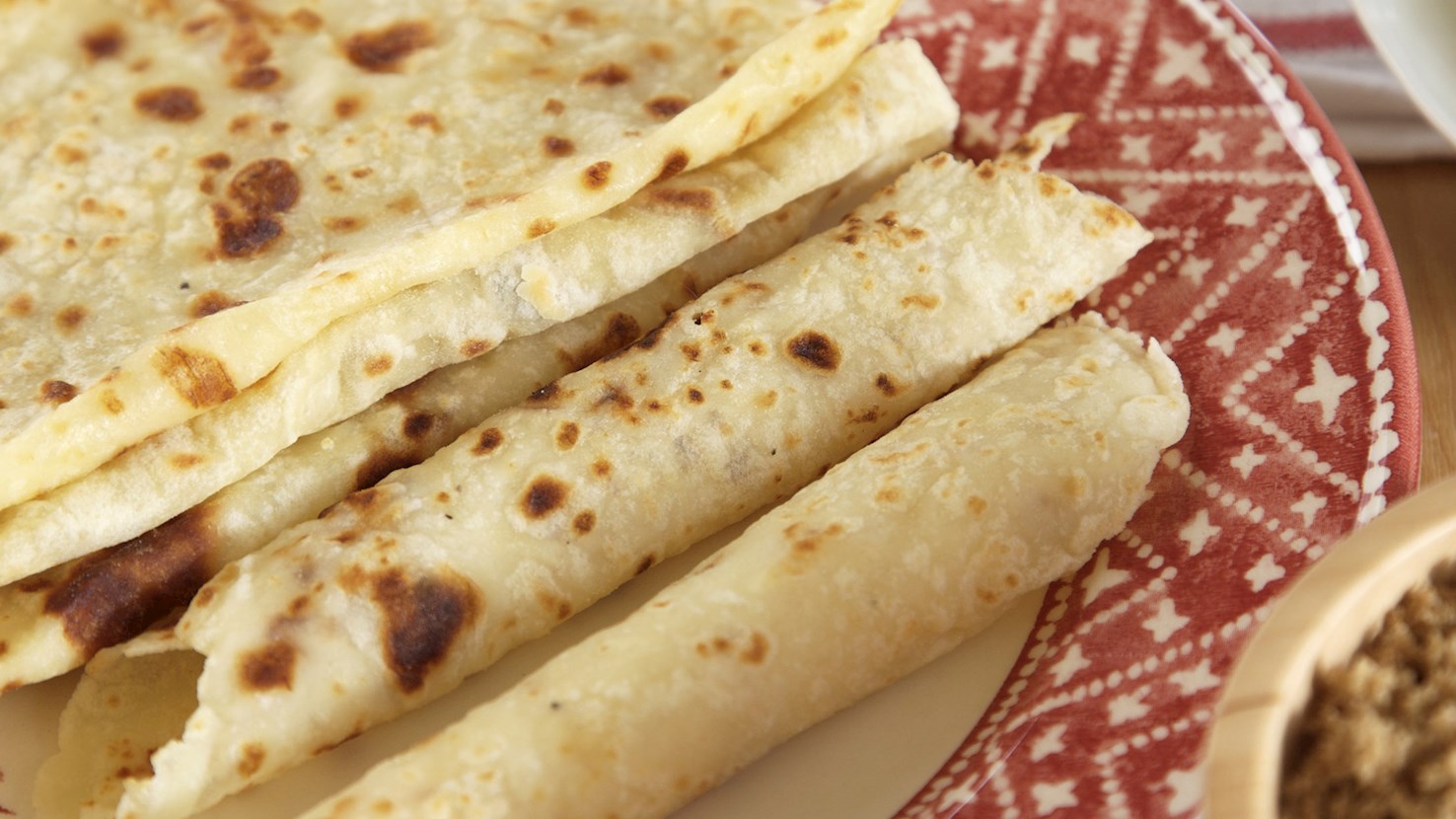
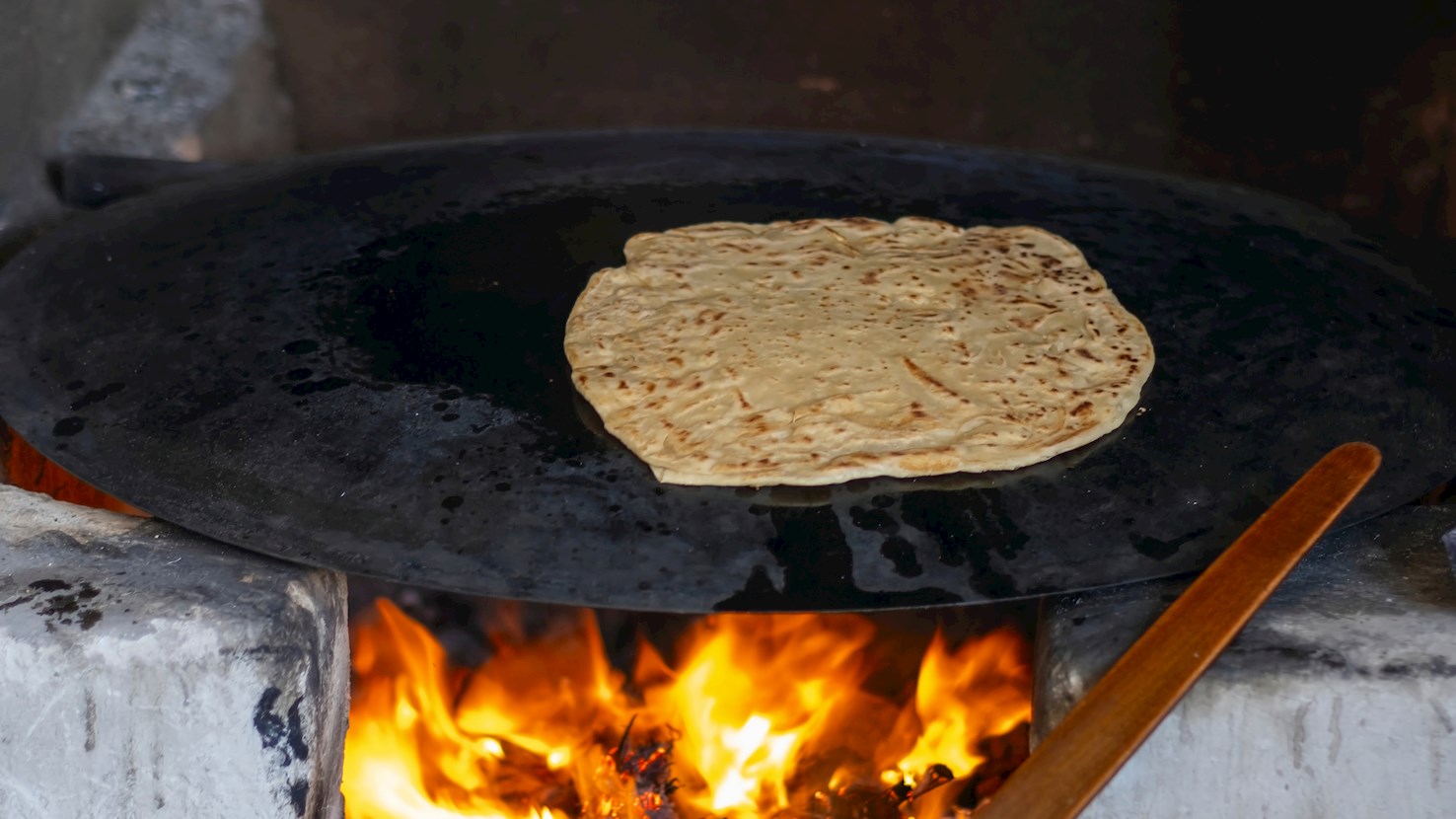
Lefse is a traditional flatbread, visually looking like a huge, round tortilla. It comes in many varieties such as plain, sweet, thin, or thick. There is also a popular version of lefse with potatoes incorporated in the dough, and it is a favorite of the Telemark region. Originally, potatoes were not included in the flatbread since potatoes were introduced to Norway just about 250 years ago. Today, lefse is usually dipped into a bowl of water to absorb it, and is then consumed with butter, cinnamon, and sugar. For serving, it is recommended to roll the flatbread and cut it at an angle. All of the lefse varieties can also be used to make appetizers or sandwiches, when they are filled with cheese, salad, seafood, or meat. Potato lefse is especially good for canapés due to its unique flavor. In Norway, lefse can be bought at most supermarkets or baked at home, and it is also popular in the United States of America, in cities with high percentages of Norwegian ancestors such as Minnesota, North Dakota, and Seattle.
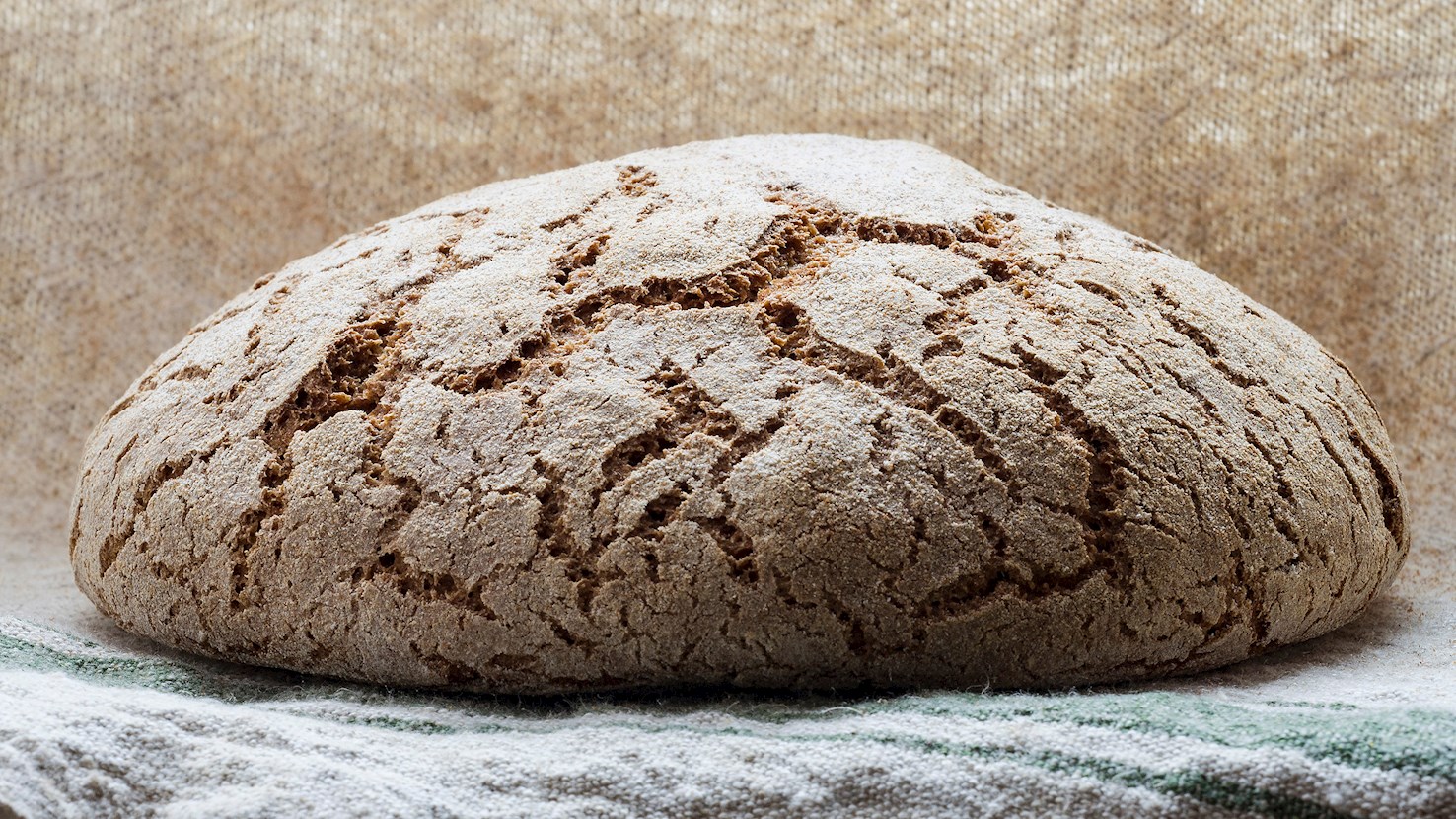
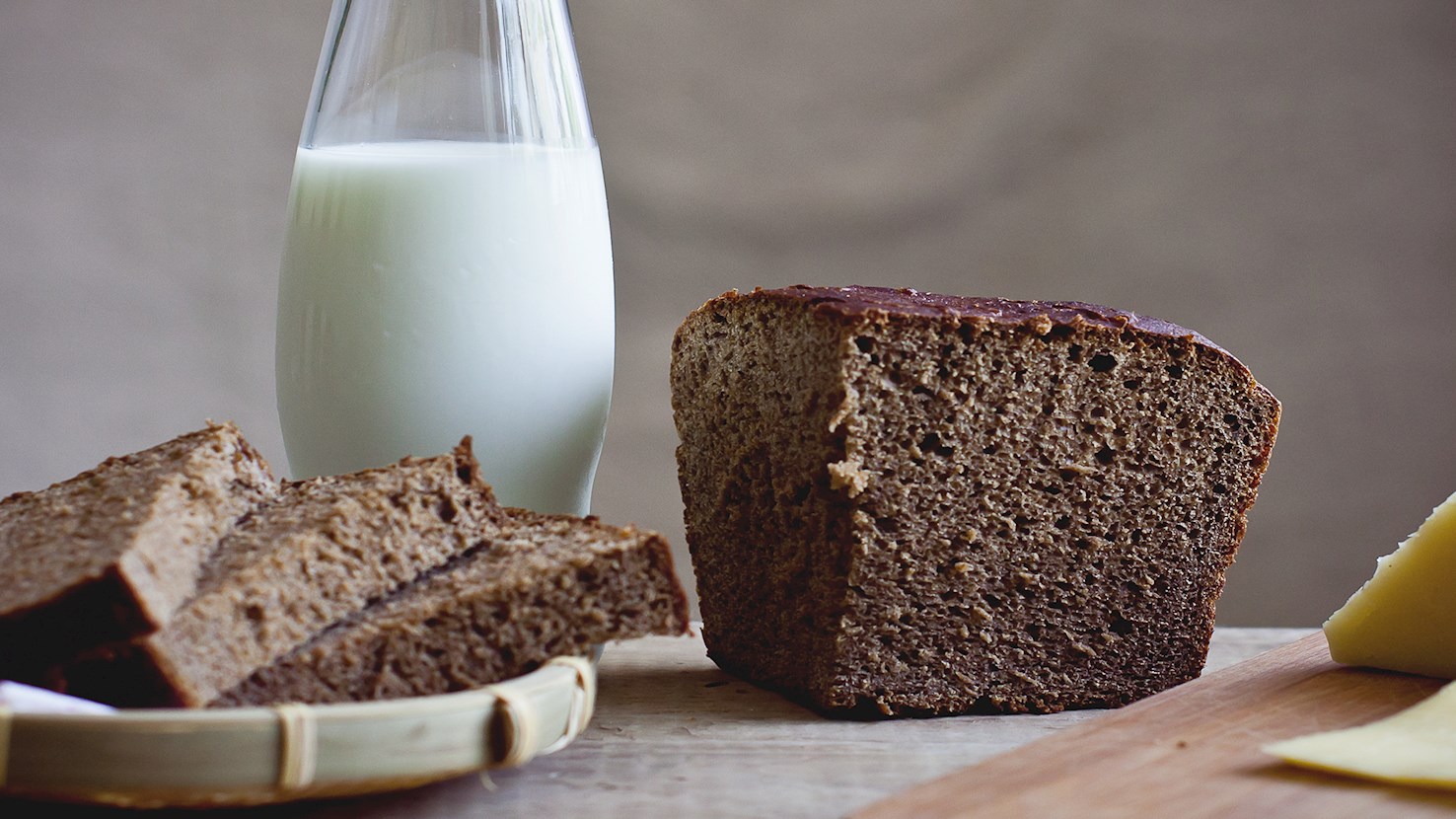
Limppu is a whole rye bread that is traditionally prepared in eastern Finland. It typically consists of a sourdough starter, whole rye flour, warm water, and salt, and it is allowed to ferment overnight. Traditionally, the bread calls for using dried pieces of previous bread dough or a lump of dough saved from the previous bake as a starter. The soft and airy dough is shaped into a cone, and following the change of the cone shape into a flattened round loaf, the bread is baked until it’s nicely colored and produces a hollow sound when tapped on the bottom. The natural fermentation process gives limppu a distinctive, strongly acidic flavor and a slightly sweet nuttiness, while its consistency is rather dense with a soft crumb. This traditional rye bread is typically accompanied by butter, hard cheese, cold cuts, slices of smoked reindeer, and a glass of milk on the side. In Finland, people often prepare a loaf of limppu as a housewarming gift.
Characterized by its dark brown color, rúgbrauð is a rich and dense Icelandic bread that was initially prepared solely with rye flour. It was traditionally steamed in underground pits that were located near numerous Icelandic geysers, and which provided heat for steaming. Nowadays, the somewhat heavy rye flour is usually combined with other flour types, buttermilk, and molasses to produce a lighter version of this classic. Often combined with various spreads and toppings, this subtly sweet bread is also blended with milk or buttermilk and enjoyed as a porridge or a nutritious dessert.
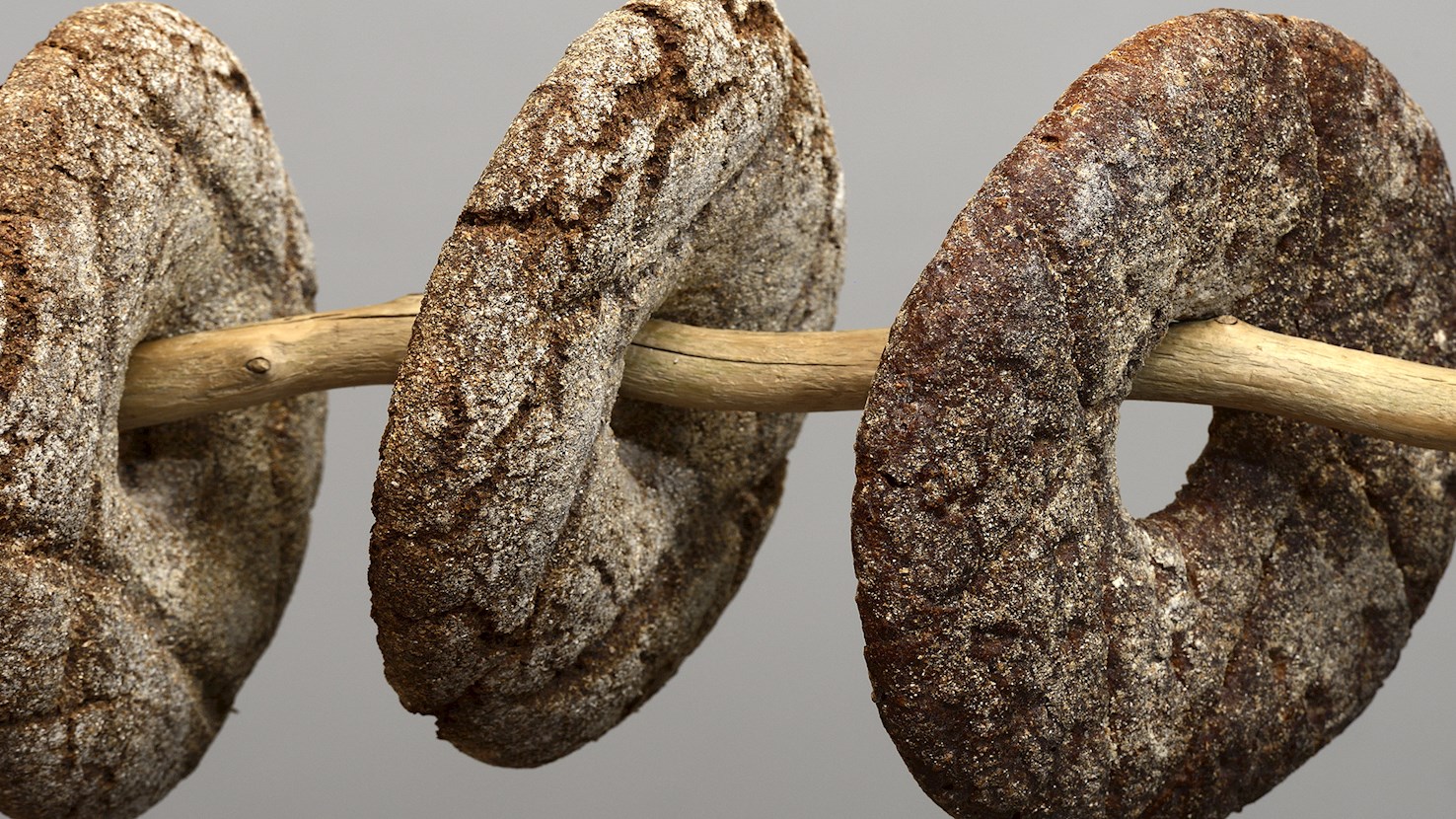
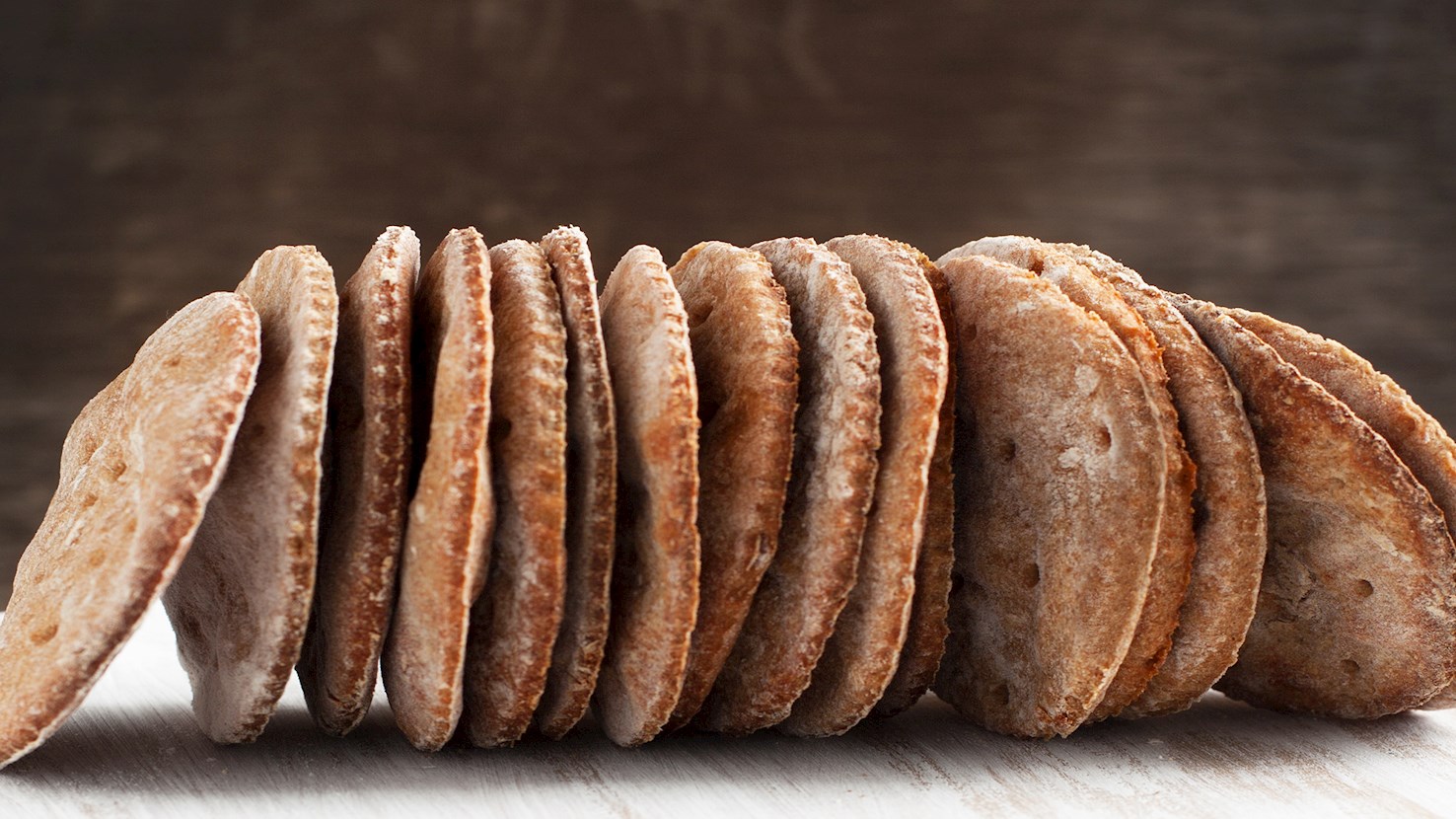
Usually associated with Western Finland, ruisreikäleipä is one of many rye bread varieties present in traditional Finnish cuisine. This dense, rustic bread is traditionally baked in the form of a flat, round loaf with a hole in the middle. The hole was used to hang the bread on a pole, usually above the oven, allowing it to mature in a warm environment. With its pleasant sweet and sour flavors, it is a perfect accompaniment to hearty Finnish dishes and a common snack that is usually complemented by butter.
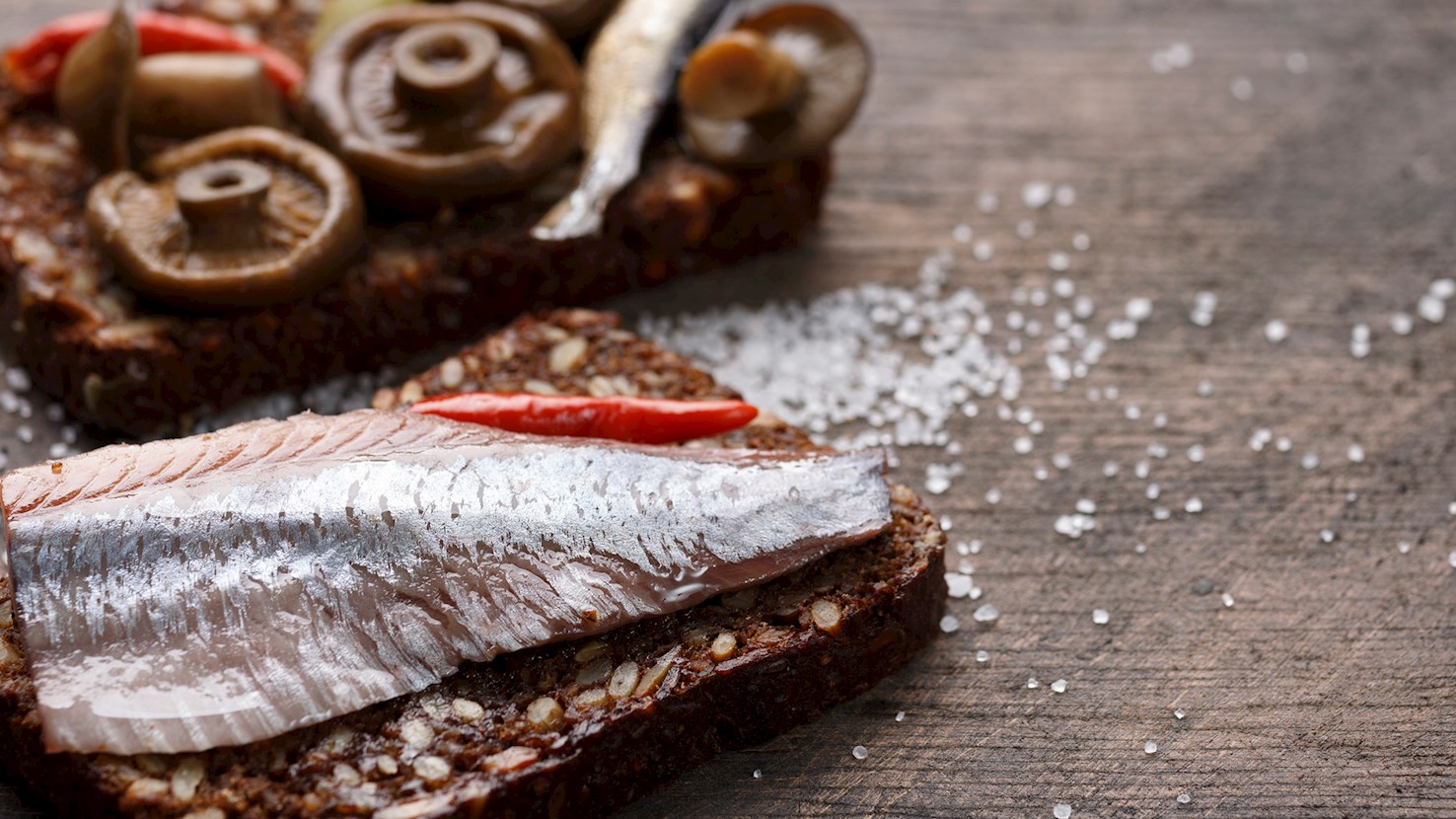
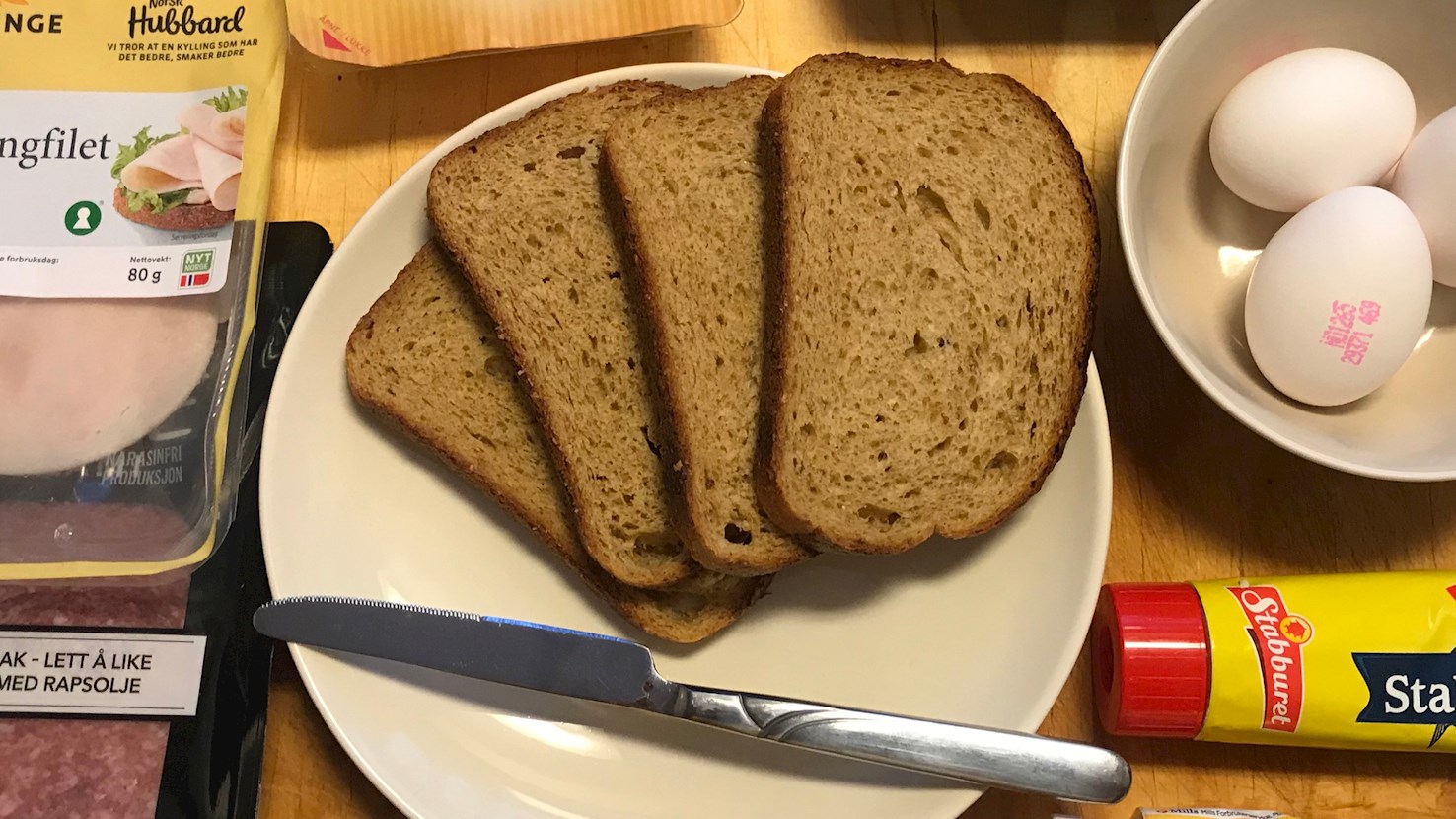
Rugbrød is a brown rye bread from Denmark, typically used as a base for popular Danish open sandwiches. Usually, it is sliced thinly, buttered, and topped with ingredients such as smoked fish, shrimp, boiled eggs, liver pate, cucumbers, or mayonnaise. The bread is popular for being low in fat, containing no sugar or oil, and it is also very rich in dietary fiber and whole grains. It can be found at most Danish supermarkets or baked at home, and it comes in a few popular varieties: light rye bread, dark rye bread, sourdough rye bread, and coarse rye bread. Although it is a staple at most Danish tables, rye bread in its numerous varieties is also very popular in Finland, Russia, Iceland, Estonia, Germany, and Latvia.
Rieska is a Finnish unleavened flatbread that has been prepared across the country since ancient times. At its simplest, the bread consists of flour, water, and salt, although the ingredients for its preparation vary from one region to another, as do its texture and thickness, ranging from thin, crispy and cracker-like, to thick, dense, and bready. The most common type of flour used for the preparation of this flatbread is barley (which makes barley rieska or ohrarieska in Finnish), but rye (ruisrieska), oats, or mashed potatoes (perunarieska) are also often used instead of barley. Some versions use sour milk or buttermilk for the dough, while one variation known as maitorieska calls for using milk. Although the flatbread traditionally contains no leavening agents, yeast, baking powder, and baking soda are also used in some versions. In the past, rieska flatbread formed a staple in the Finnish diet throughout the country, and it used to be baked on hot stones, which were later replaced with hot ovens. Its status changed, however, with the introduction of leavened bread, and even though rieska is still a staple in northern Finland, people in the south-east and south-west prepare it only on weekends or in case of unexpected guests. This flatbread is typically enjoyed fresh and warm, and it is recommended to serve it with accompaniments such as butter, jam, honey, cheese, milk, and gravlax (salt-cured salmon).
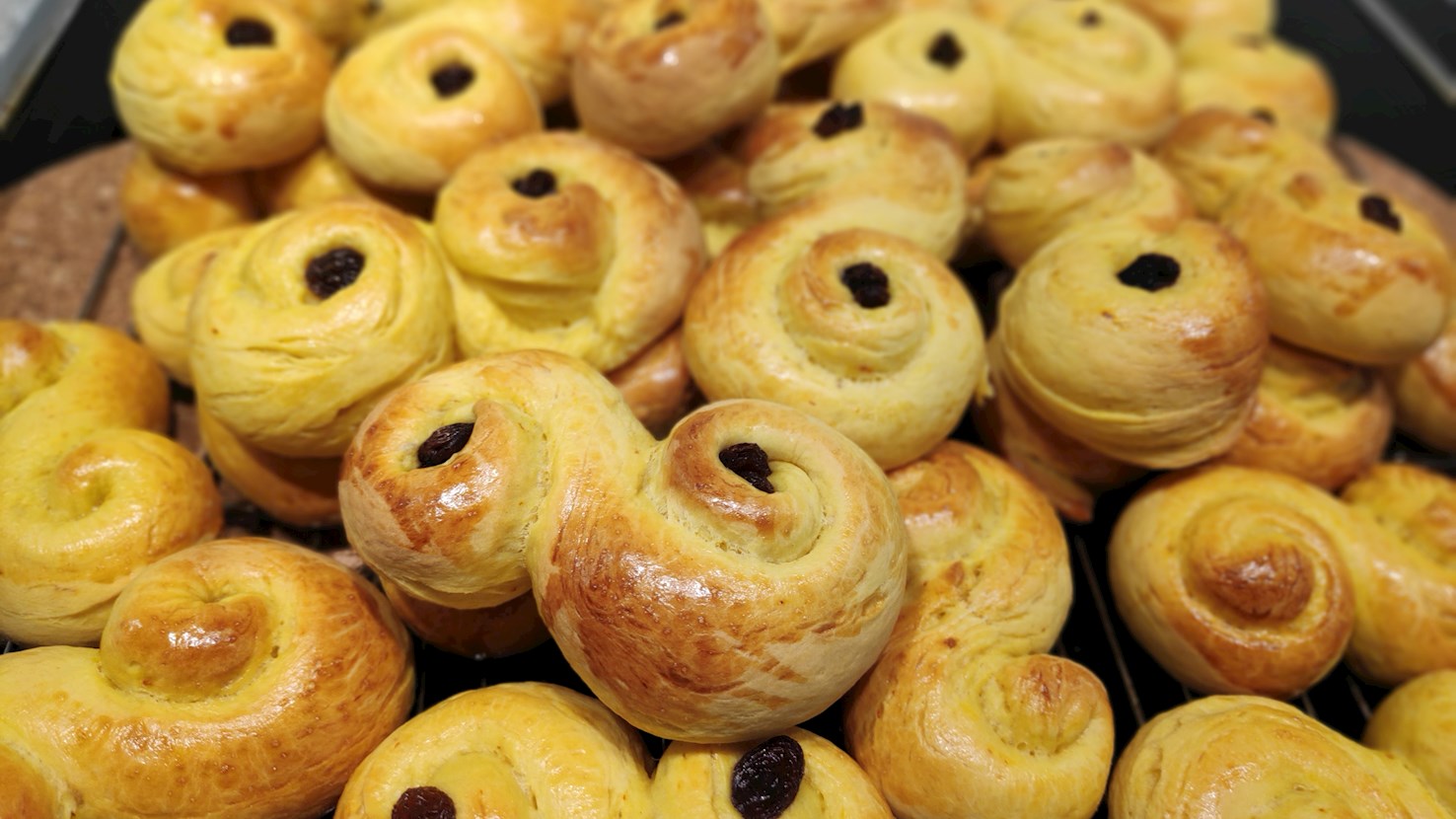
Saffransbullar is the Swedish version of a yellow, saffron-infused bun that is prepared with buttery yeasted dough and is often enriched with raisins or almond paste. The most popular version is known as lussekatt bun, a variety closely associated with St. Lucia’s Day, celebrated on December 13. Their name translates as St. Lucia’s cats, because the spiraled shape is reminiscent of curled cats. Various versions of saffron buns are typically enjoyed during Advent, and they perfectly pair with coffee or glögg - the Swedish version of spiced mulled wine.
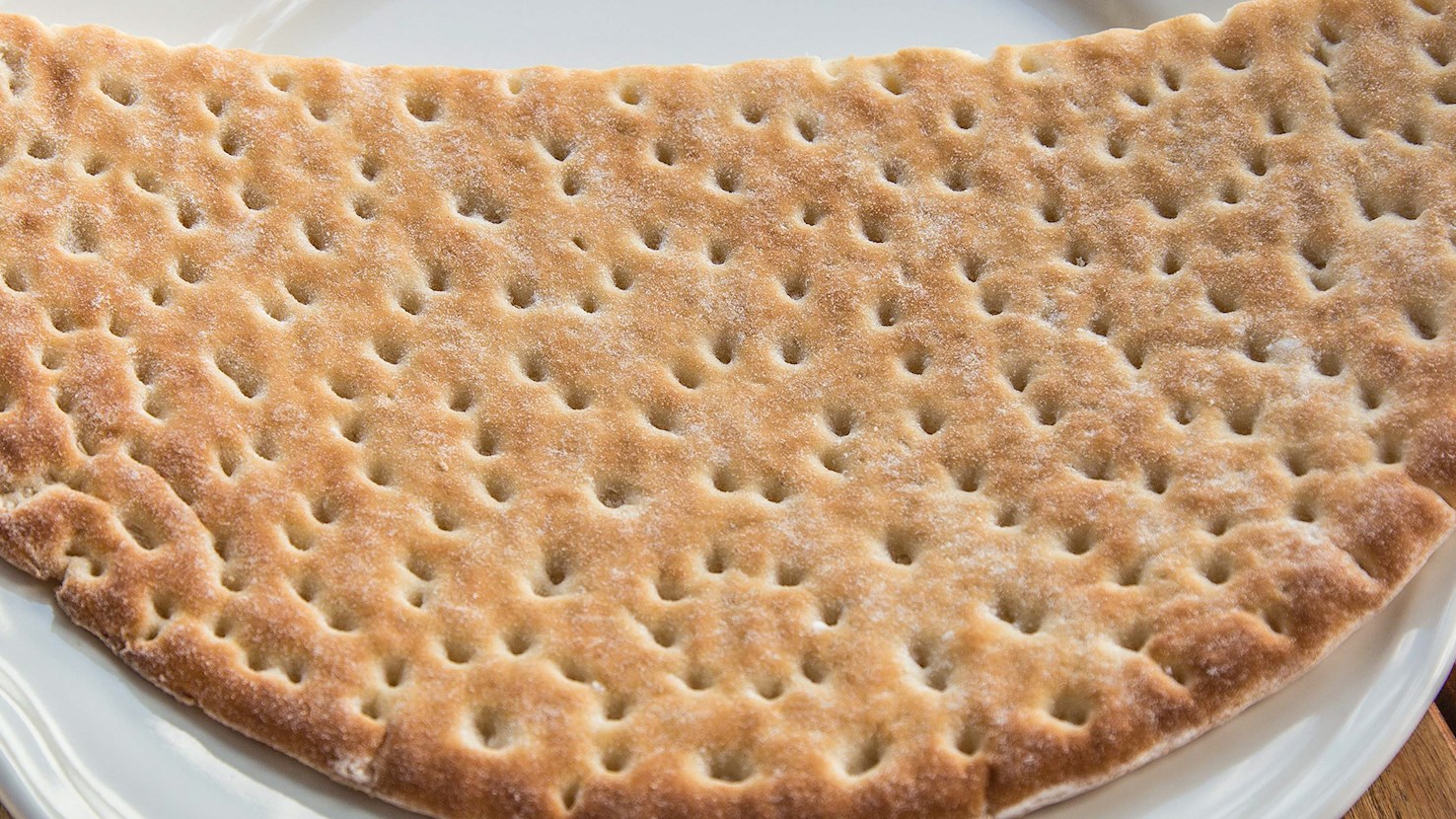
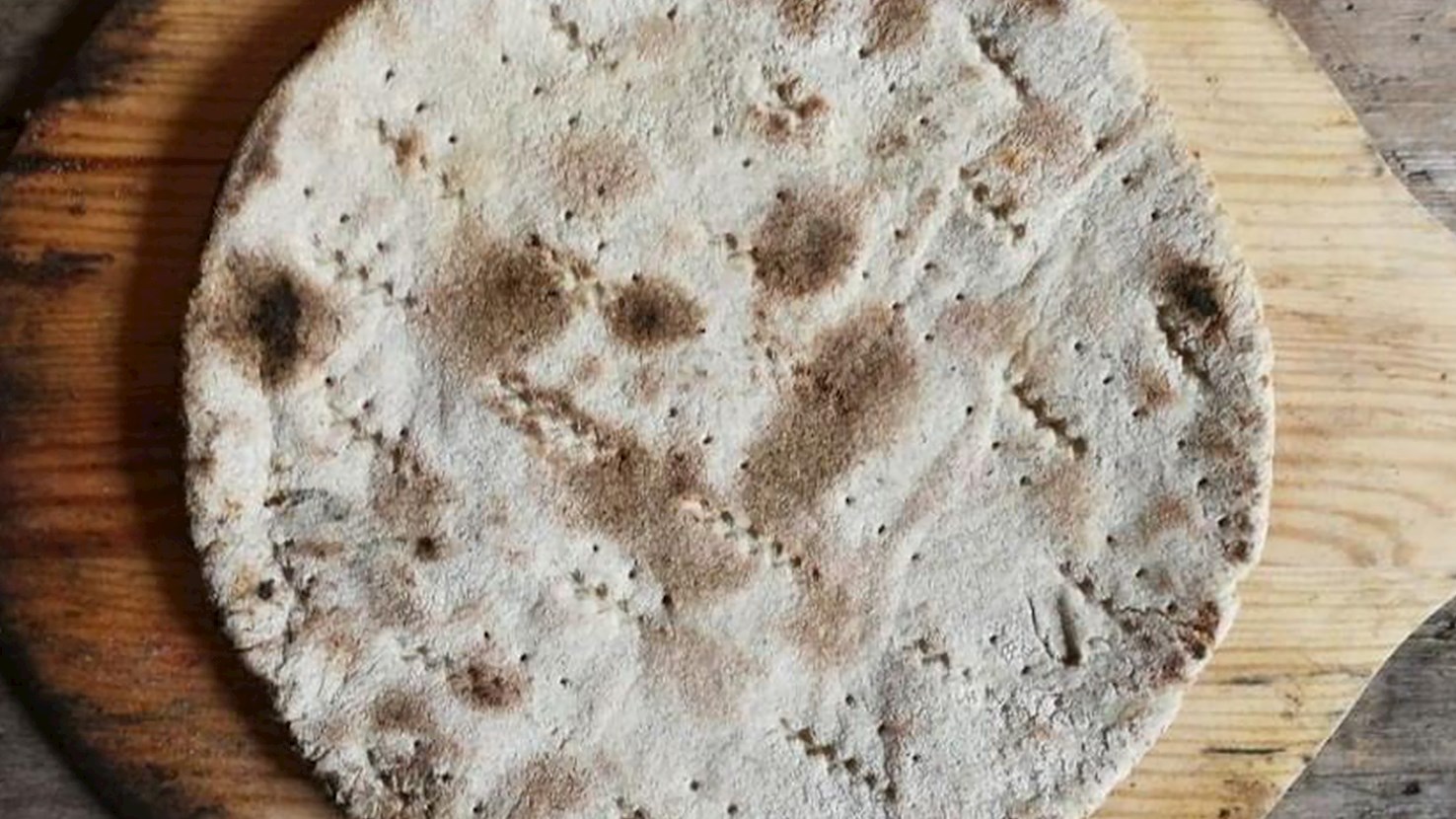
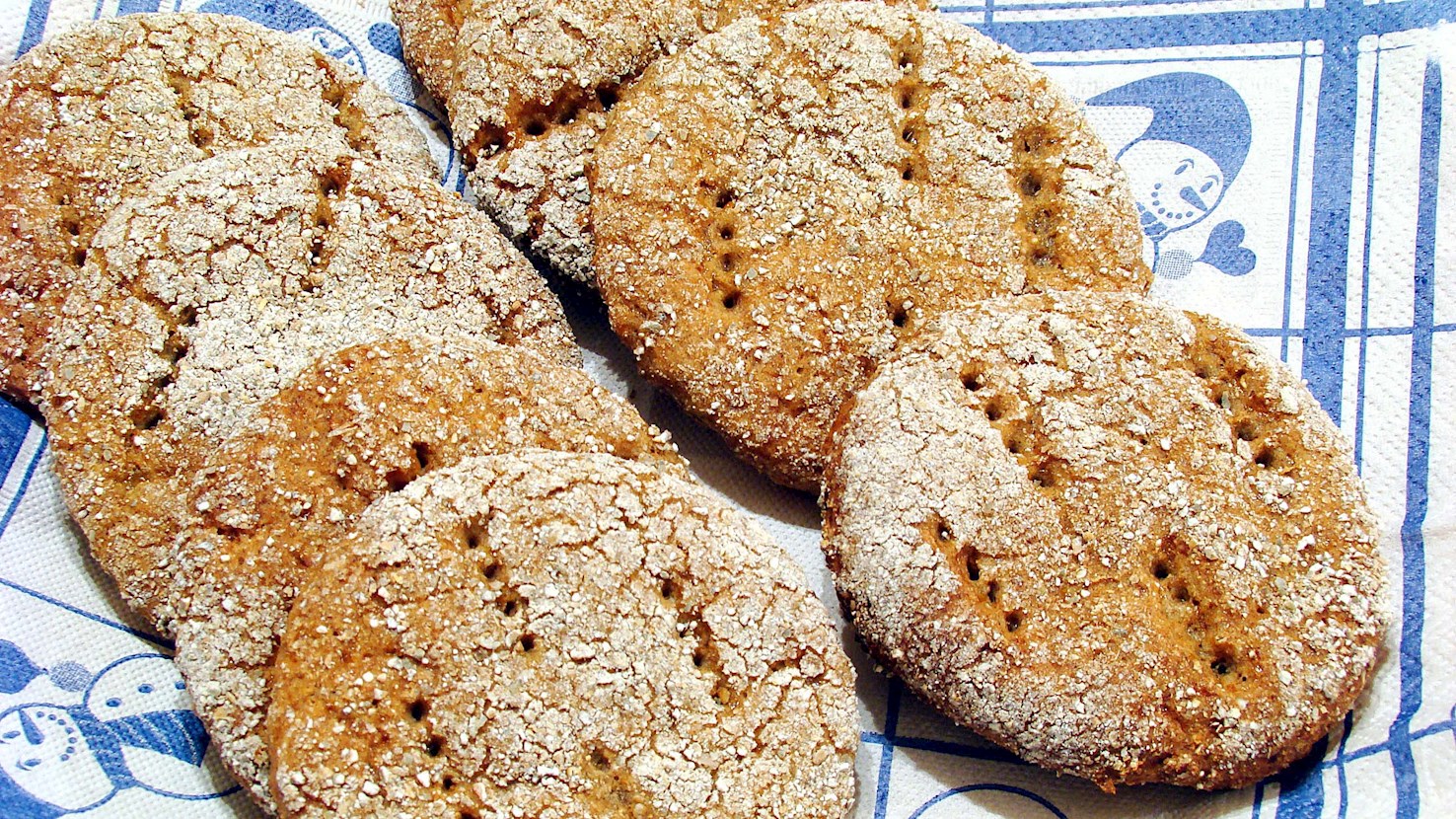
Flatkaka, meaning flat cake, is a traditional rye bread characterized by its flat appearance and fork prick marks on its surface. The flatbread is unleavened and baked in a pan, then served cut into quarters or halves. In the past, it was baked on hot stones, but today people even make them at home on electric hot plates. The bread is usually topped with butter, smoked salmon, smoked lamb, or pickled herring. Due to the fact that flatkaka is light, yet packed with energy, it is a quintessential hiking snack in Iceland.
Finnish näkkileipä is a crispy, thick flatbread that is usually prepared with rye flour and closely resembles Swedish knäckebröd. It was traditionally round, but today it appears in various forms and can be prepared with seeds and different types of flour. Nowadays it is mainly factory-produced and makes a convenient, quick snack that is often paired with creamy spreads and various toppings.
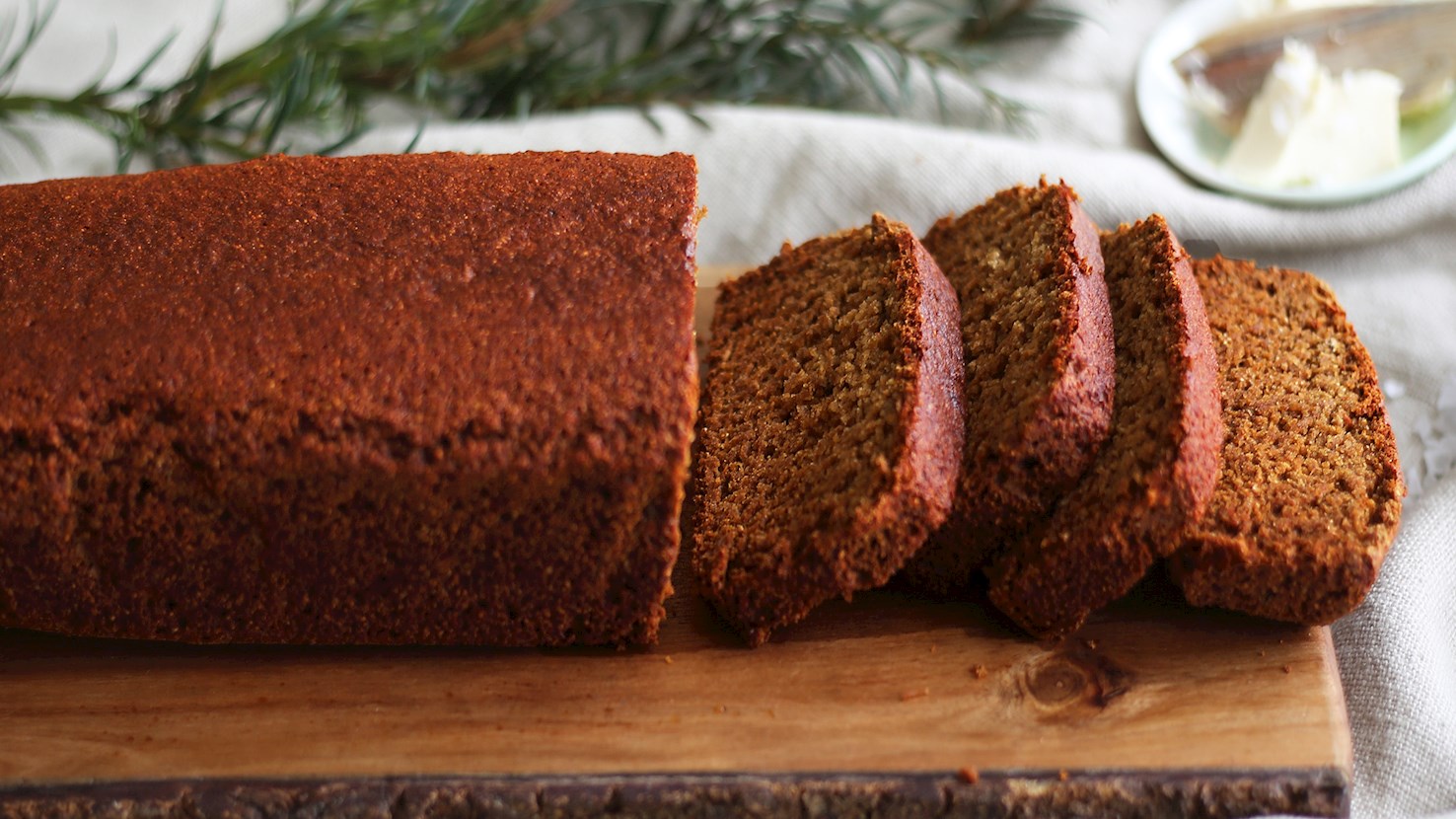
Kavring is a classic Swedish bread that started by traveling through the Nordic countries. It originated as a crisp rye bread in Norway, and then, in the late 1800s, it evolved into a slightly sweet, tender, and fragrant loaf in southern Sweden. The bread is typically made with a combination of plain flour, rye flour, salt, dark treacle syrup, baking powder, fennel, and caraway seeds. Traditionally, it is consumed at Midsommar, Easter, or Christmas with gravlax, pickled herring, Christmas ham, pickles, or hard-boiled eggs. On regular days, it is often consumed for breakfast with butter, cheese, or fruit jams, but it is also used for a variety of delicious sandwiches.
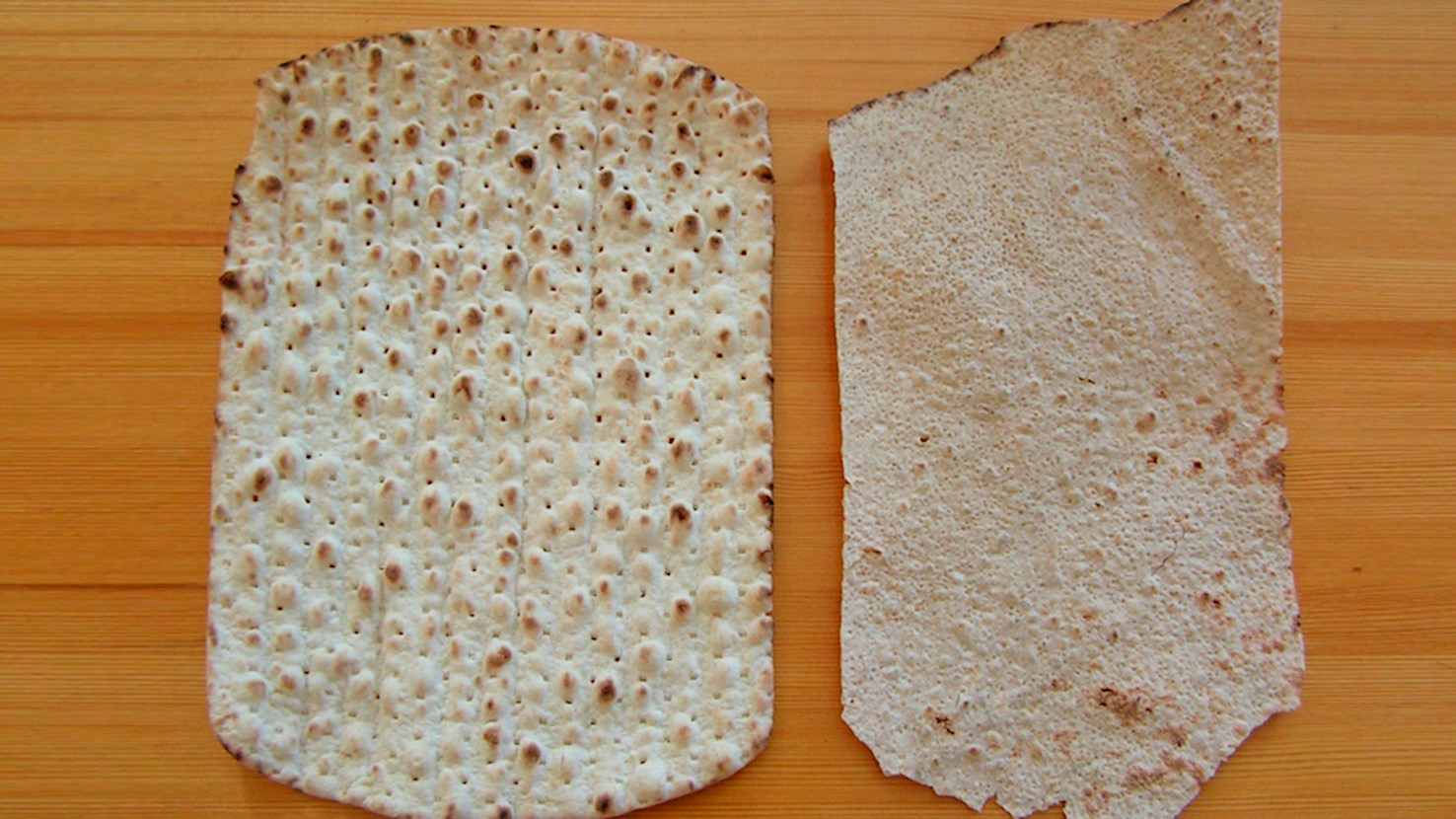
Tunnbröd (lit. thin bread) is a traditional flatbread. Since it could be stored for longer periods, it was created out of necessity. Nowadays, it comes in many forms, which may employ different combinations of wheat, barley, and rye, or various seeds. The primary distinction is made between the soft varieties, which are usually used as wrappers, and hard and crispy types that often form the base of various Swedish snacks.
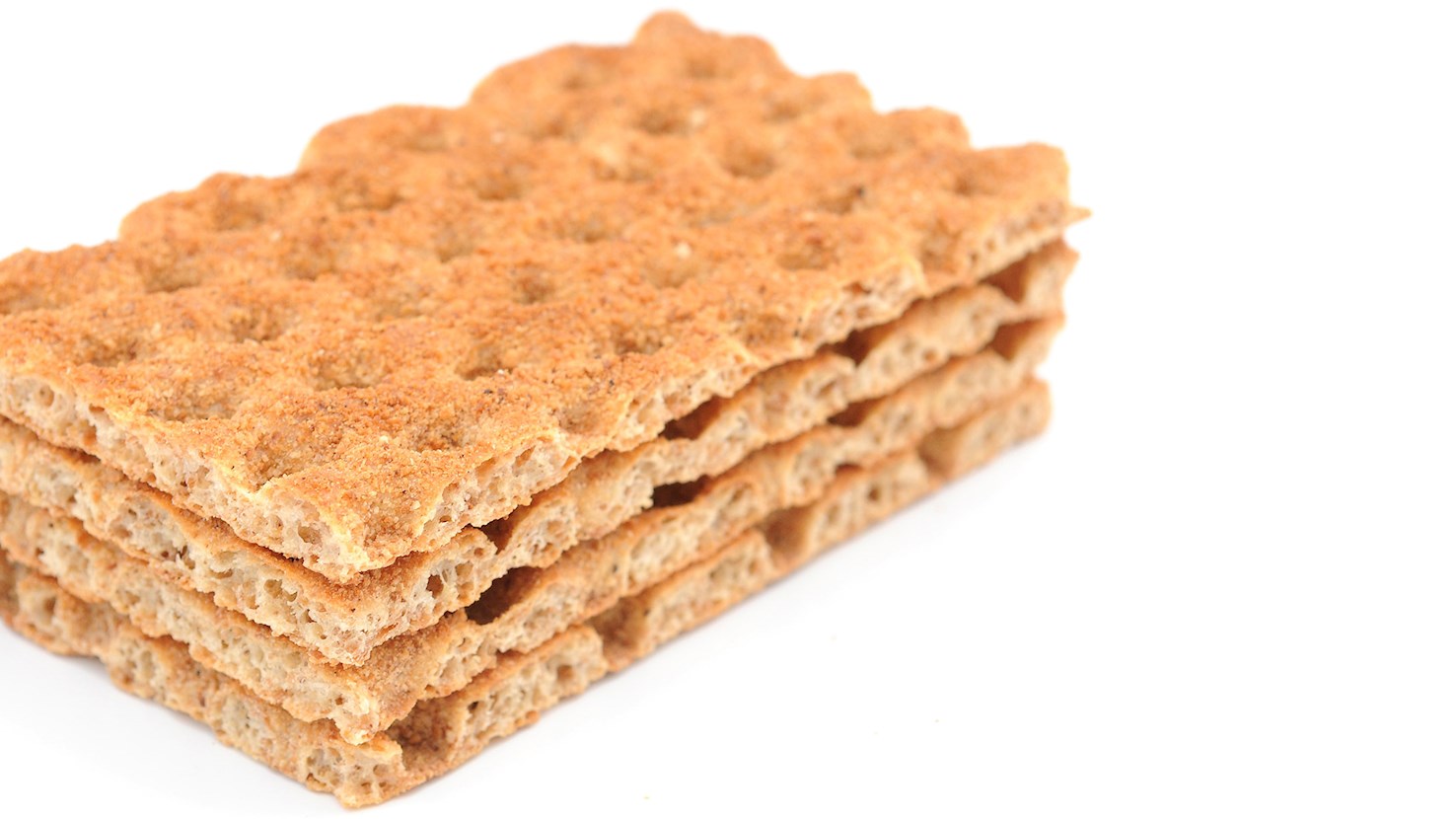
Knäckebröd is the original name of this famous Swedish crispbread. Even though it is regarded as a bread variety, its crunchy texture and thin form have more similarities to crackers. The key ingredient is rye flour, which was the main element in the original version. Today, a variety of seeds such as sesame, sunflower, pumpkin, or flax seeds are used to create different versions of this crispy bread. The tradition of preparing knäckebröd in Sweden appeared in a time of hardship, approximately 500 years ago, when bread was considered a rare and luxurious food item. This way of preparation, which uses a small percentage of water, allows the bread to stay crispy and fresh for a longer period of time. Today, most of these crackers are factory-produced, but easy preparation and convenient storing make it a standard homemade option. Light, easy to crack and to handle, it is a perfect accompaniment that is served alongside a variety of appetizers, dips, sauces, cold meat cuts, smoked salmon, cheese, and fruit spreads. In Sweden, it is a staple breakfast ingredient that is also commonly consumed as a snack or a light dinner.
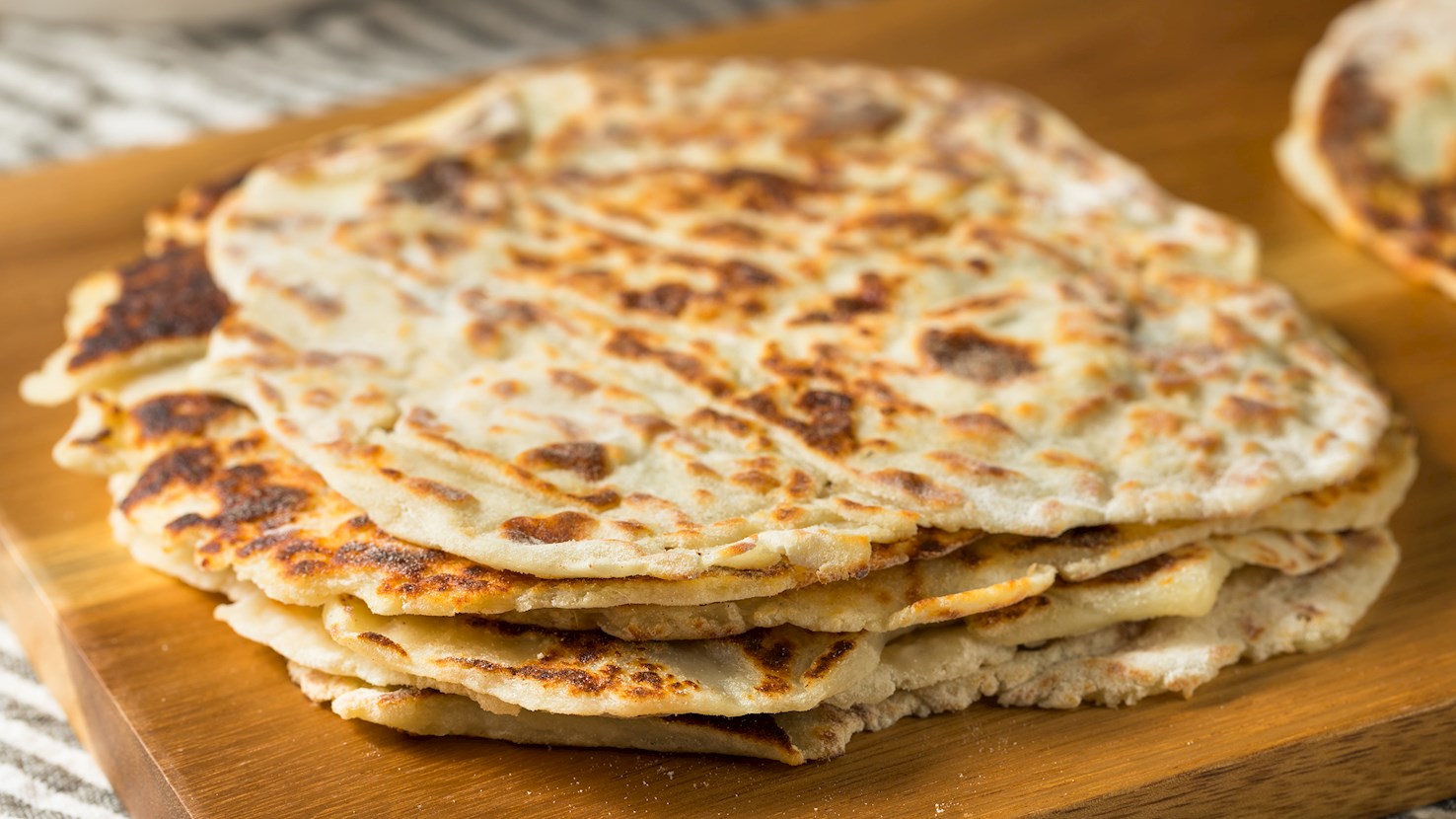
Lomper is a traditional flatbread originating from Norway. The flatbread is made with potatoes, salt, and flour, and it's similar to the more famous lefse flatbread. However, lomper is usually smaller in diameter than lefse and it's most commonly used for wrapping hot dogs (pølser) into it. Lomper can also be filled with various ingredients. Once rolled, the dough is cooked over medium-high heat in a frying pan or directly on a stove. If properly cooked, both sides of the flatbread should be golden brown.
Prepared with a base of mashed potatoes and various types of flour, this traditional, unleavened Finnish flatbread is characterized by its round shape and a golden, crispy crust. Best served fresh from the oven, it is usually enjoyed as a light snack or breakfast, complemented with various spreads, butter, or smoked salmon.
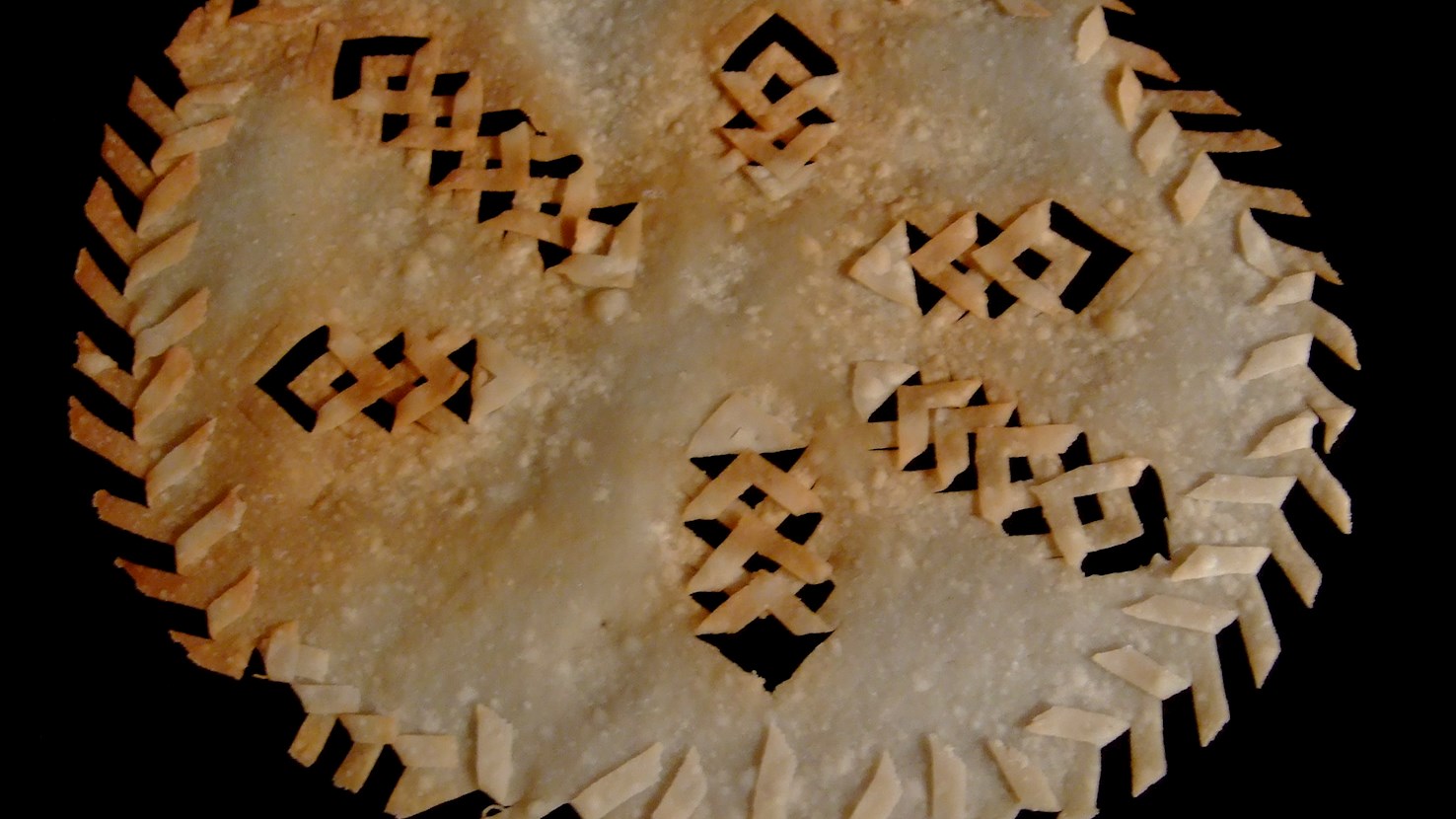
Translated as leaf bread, this classic flatbread is a Christmas staple in Iceland that was first mentioned in writing in 1736. It is prepared with a basic dough that incorporates flour, butter, sugar, milk, and is typically enriched with caraway. The dough is rolled into a thin, round sheet, which is then decorated with leaf-like, geometric patterns before it is shortly fried. In the past, the decorations were incised by hand, using a small pocket knife but nowadays it is mostly done with the help of a small brass iron. Laufabrauð is usually enjoyed alongside potatoes, peas, cabbage, and hangikjöt - Icelandic smoked lamb. Although it is believed to have originated in the north, the bread is prepared and enjoyed throughout the country.
Ohrarieska is a traditional unleavened barley flatbread that is characterized by its circular form and dense texture. It is usually prepared with a combination of barley flour and buttermilk, but it appears in different versions that often employ eggs or sour milk. The flatbread is traditionally accompanied by butter and is usually enjoyed as a light, nutritious snack.
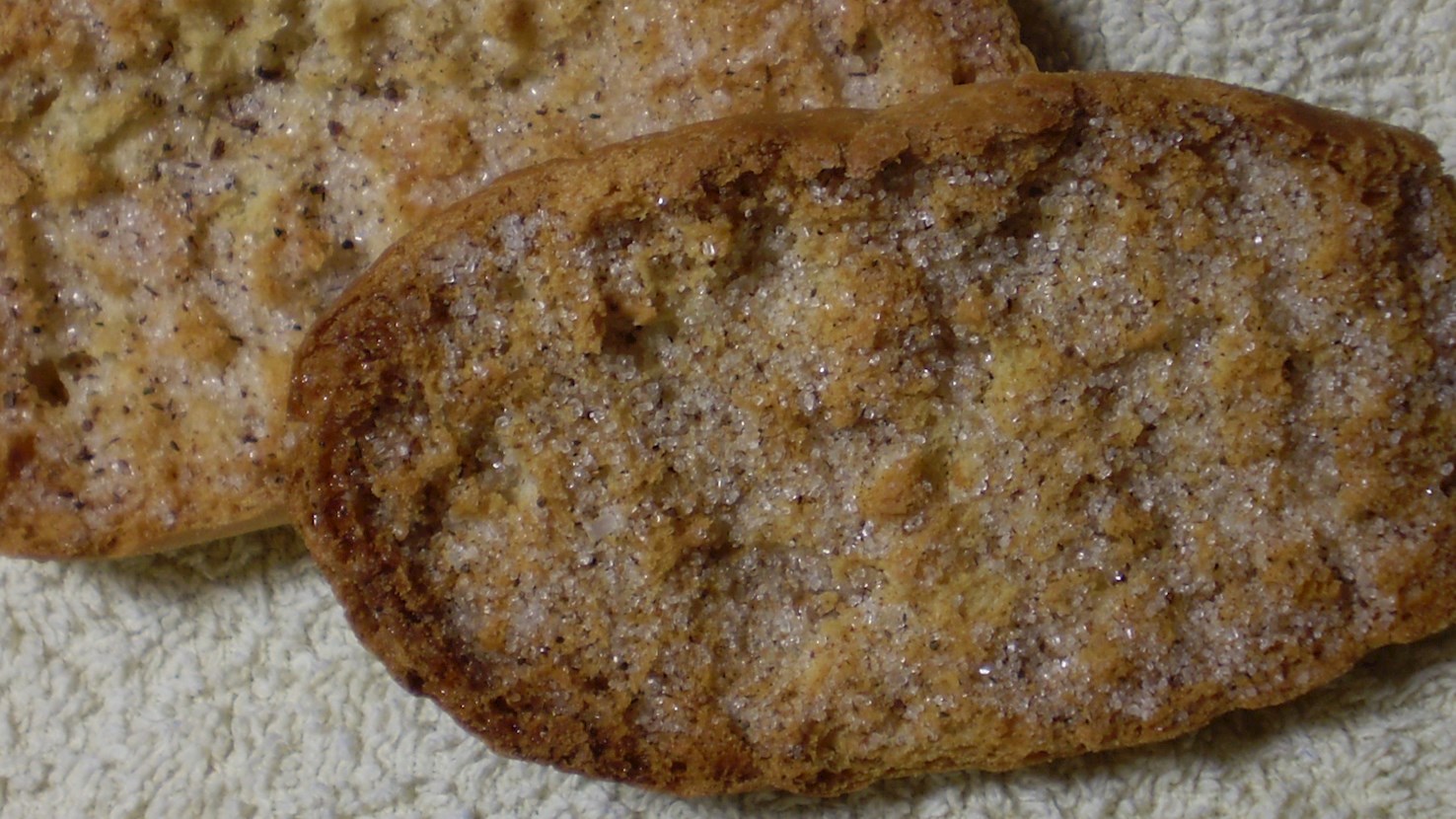
This traditional Finnish delicacy is best described as a rusk—the crispy, twice-baked bread. It is usually prepared with various types of bread rolls or the sweet, cardamom-spiced pulla bread. Korppu comes in numerous sweet or savory versions, but it is traditionally thinly sliced, dusted with cinnamon sugar, and baked until crispy. Sweet versions are often enjoyed as an accompaniment to coffee or tea.
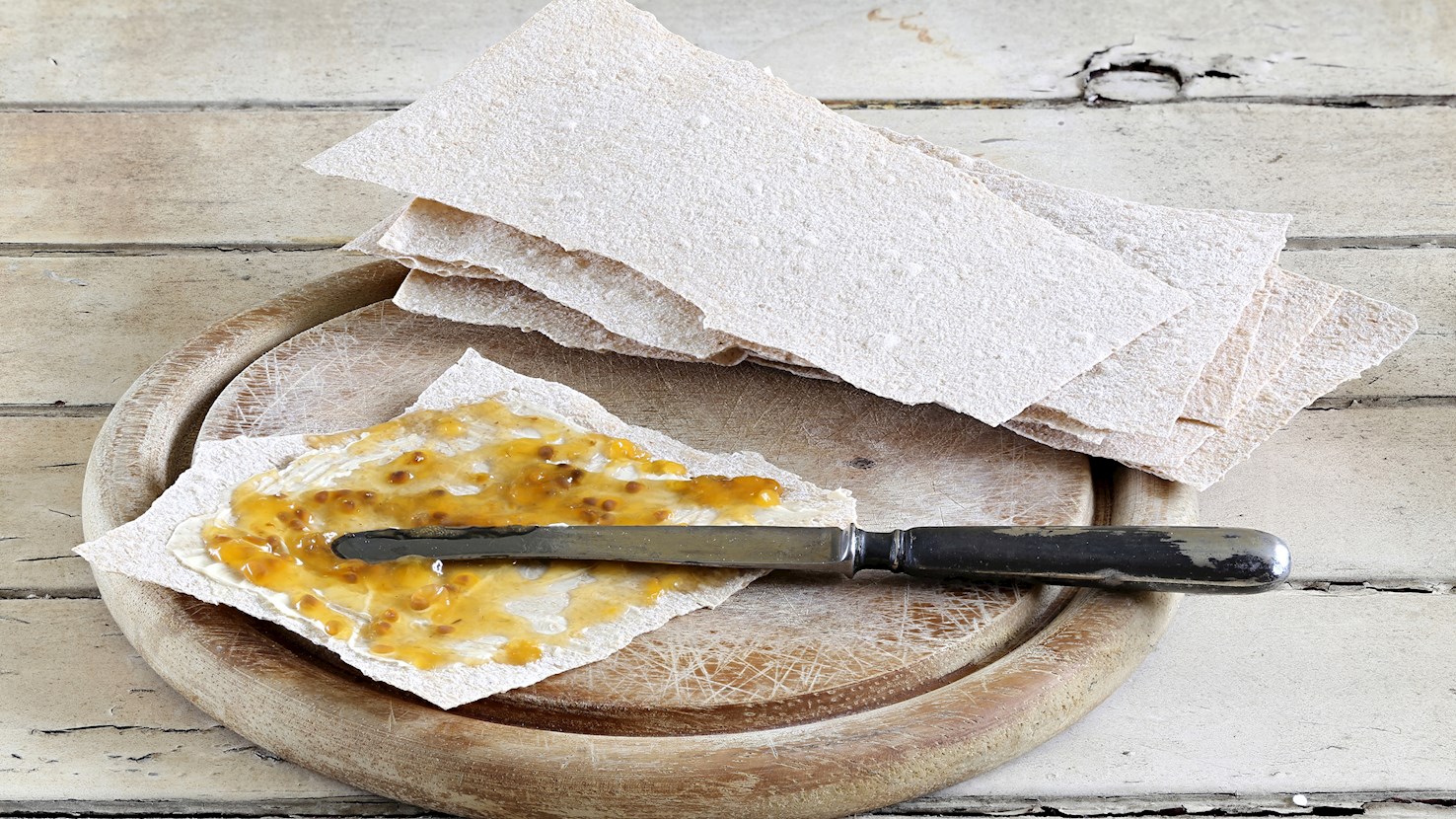
Flatbrød is a traditional unleavened flatbread. Although there are many varieties, this very thin and crisp bread is usually made with a combination of barley flour, salt, and water. Some people use sour milk instead of water, or a mixture of dark and white flour instead of barley flour. The dough is rolled flat and cooked in a pan on both sides until it hardens. Once prepared, it's enjoyed with a wide array of sweet and savory toppings such as strawberry jam, double cream, smoked salmon, and soft cheese. Flatbrød is often served as an accompaniment to soups, stews, meat, and fish dishes. It is believed that this flatbread dates back to Viking times.
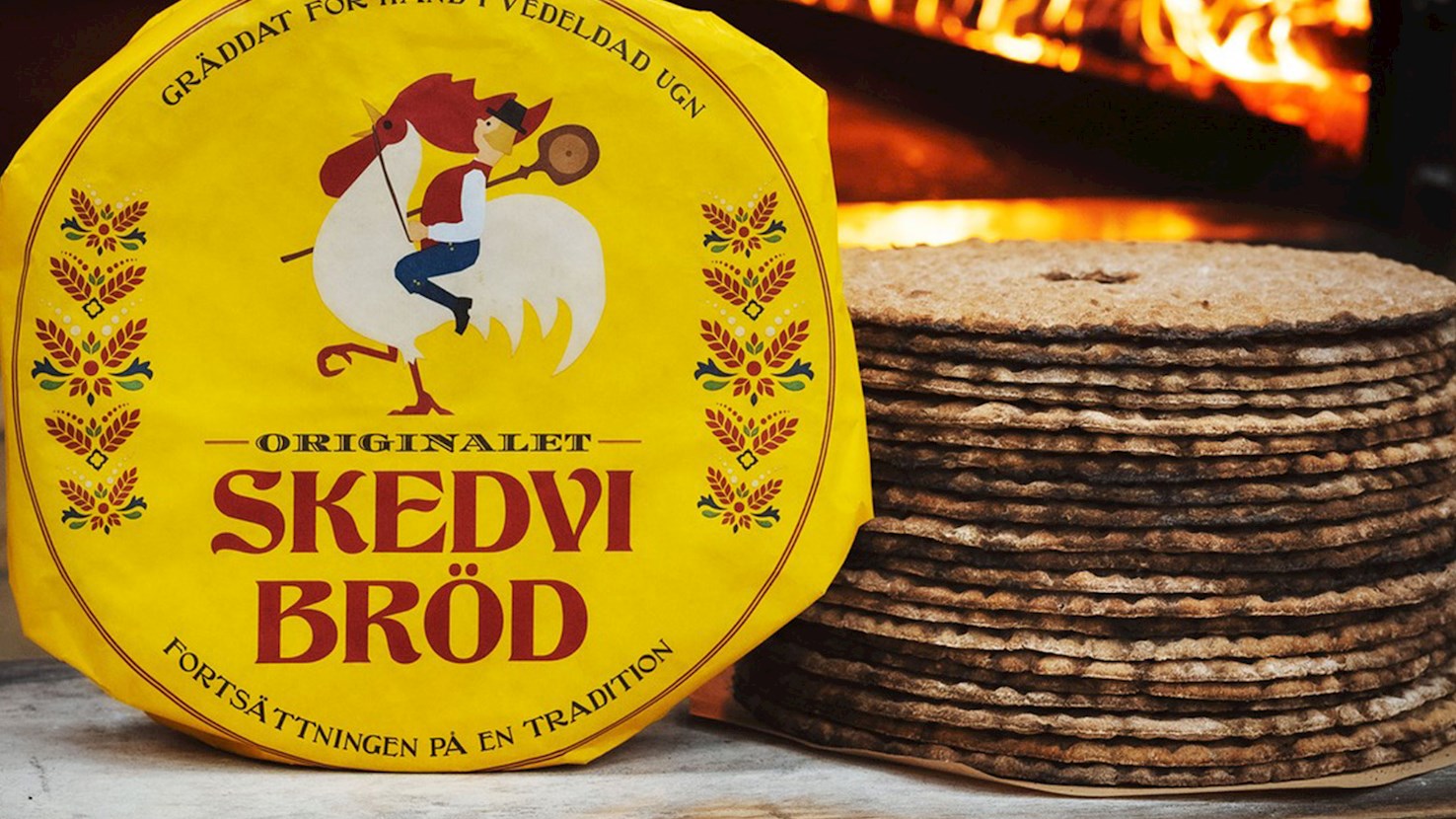
Skedvi Bröd is a traditional Swedish crispbread, known for its distinctive taste and texture. Originating from the region of Dalarna in Sweden, this crispbread is made from simple ingredients, primarily whole grain rye flour. The dough is typically rolled out thinly and then baked on a griddle, resulting in flat, hard bread with a distinctive crispiness. The process of making Skedvi Bröd often involves using a special rolling pin with deep grooves, which creates a unique pattern on the bread. This pattern not only gives skedvi bröd its characteristic appearance but also helps in cooking it evenly. The bread is usually circular and can vary in size. Skedvi bröd is often enjoyed as part of a traditional Swedish meal or snack. It can be eaten plain, or topped with various spreads, cheese, or cold cuts. Its crunchy texture and wholesome rye flavor make it a popular choice for those looking for a hearty, rustic bread option.
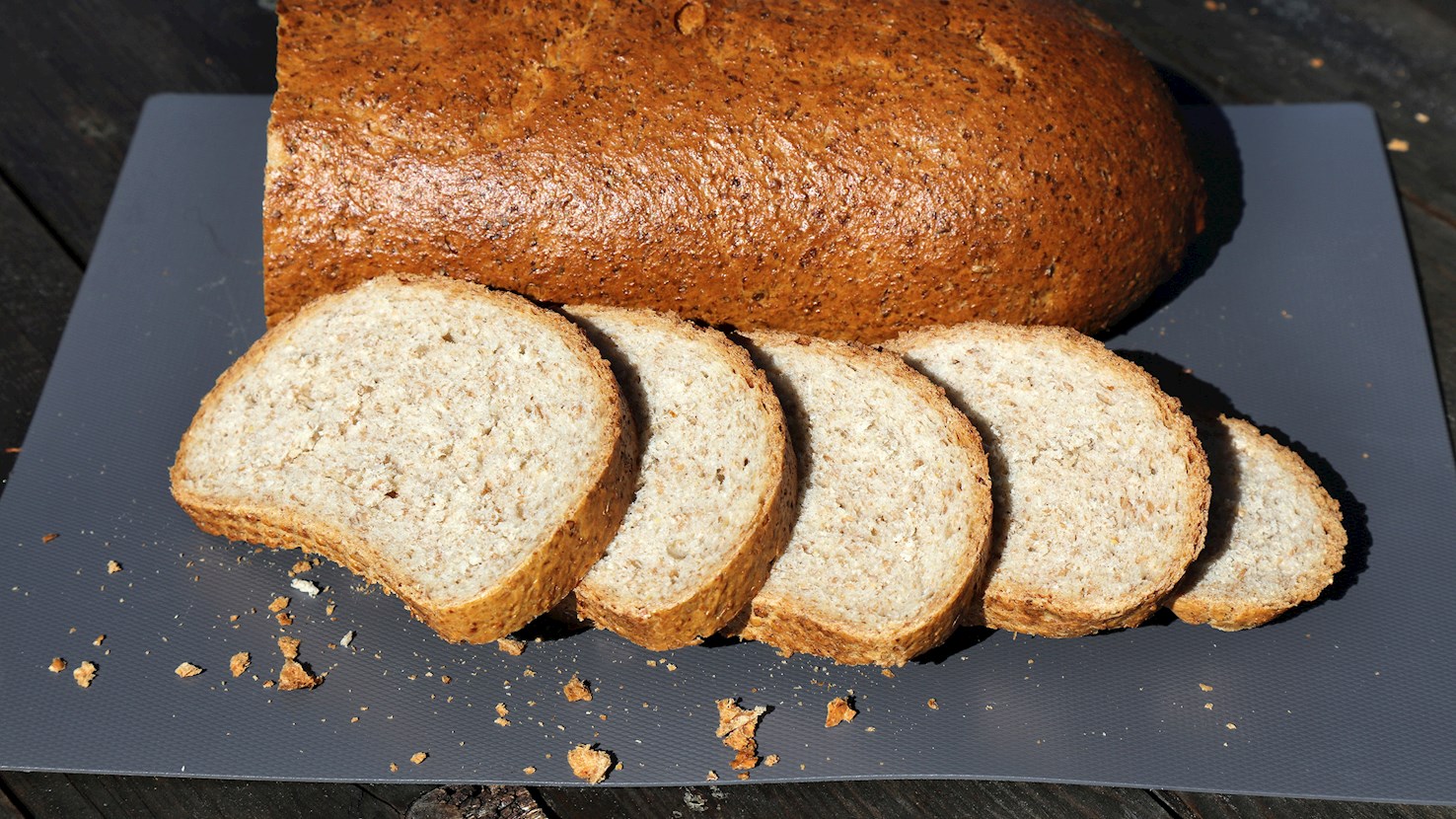
Kneippbrød is a traditional bread originating from Norway that's named after Sebastian Kneipp, a 19th-century Bavarian priest, who is credited with being the first person to use the whole grain (shell, kernel, and germ) when making bread. Although there are many variations on the bread, it's usually made with 100% whole wheat flour, yeast, salt, milk, water, and rapeseed oil. The smooth and firm dough is proofed and baked in buttered loaf pans until golden brown. The bread came to Norway in 1895, and nowadays it's one of the most popular types of bread in the country.
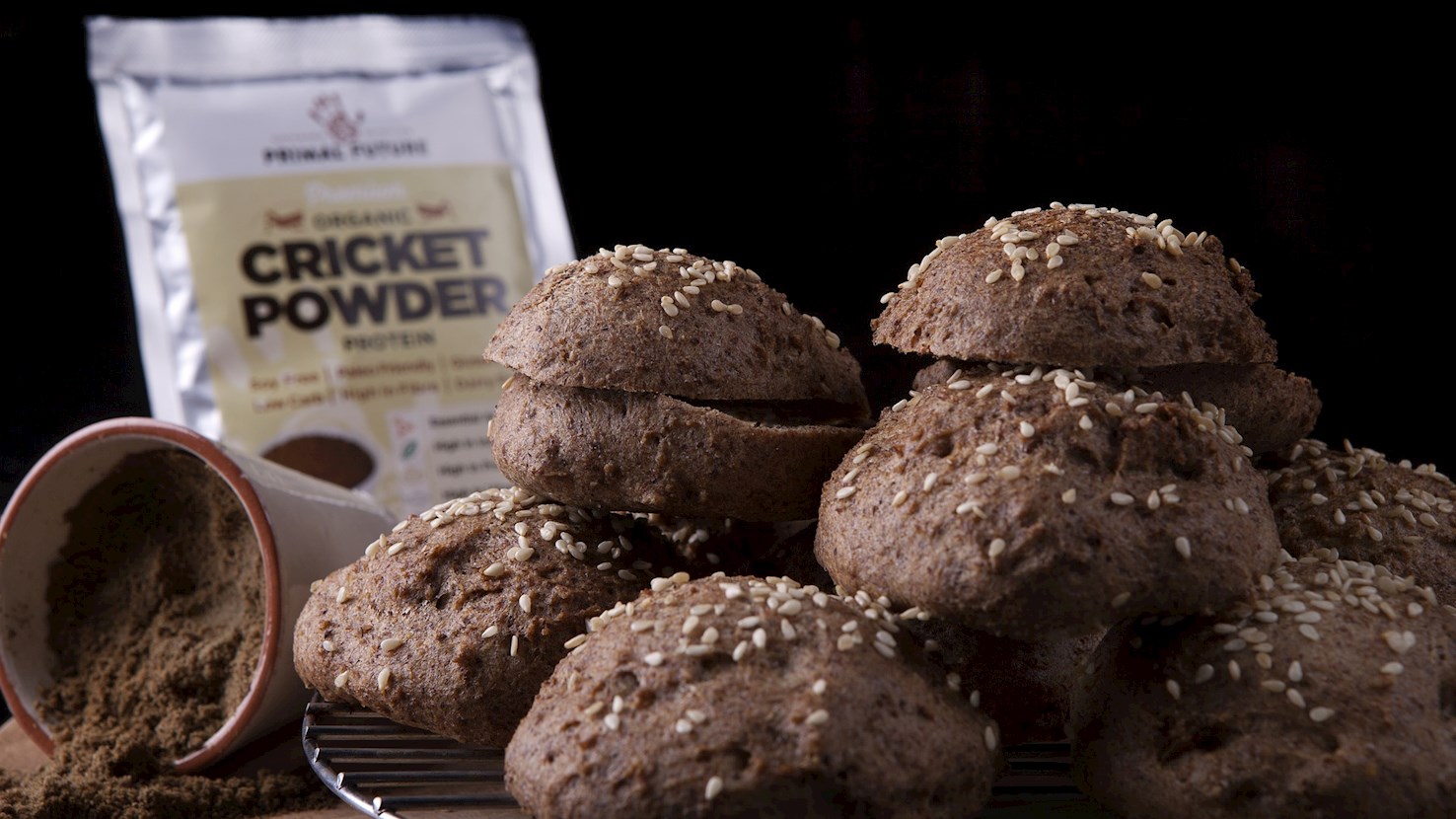
Sirkkaleipä is a unique bread from Finland, containing about 70 dried house crickets in the dough. The bread is produced by a large food company called Fazer. The crickets are ground into a fine powder, then added to the flour before baking. This nutritious bread is a great source of protein, and it also contains iron, calcium, vitamin B12, and good fatty acids. However, due to the fact that the insects make up 3% of the loaf's weight, the price of sirkkaleipä is much higher than regular bread.
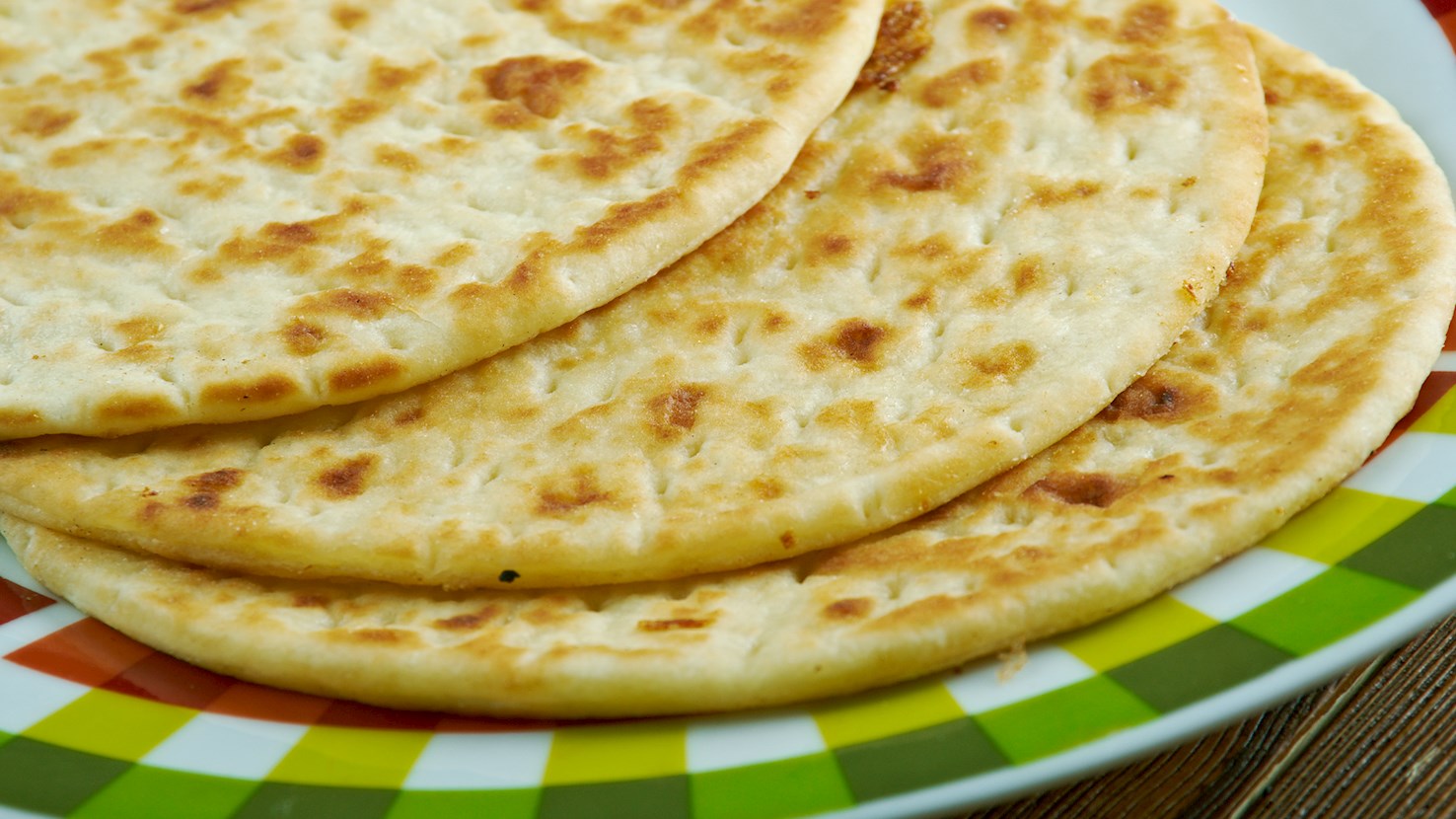
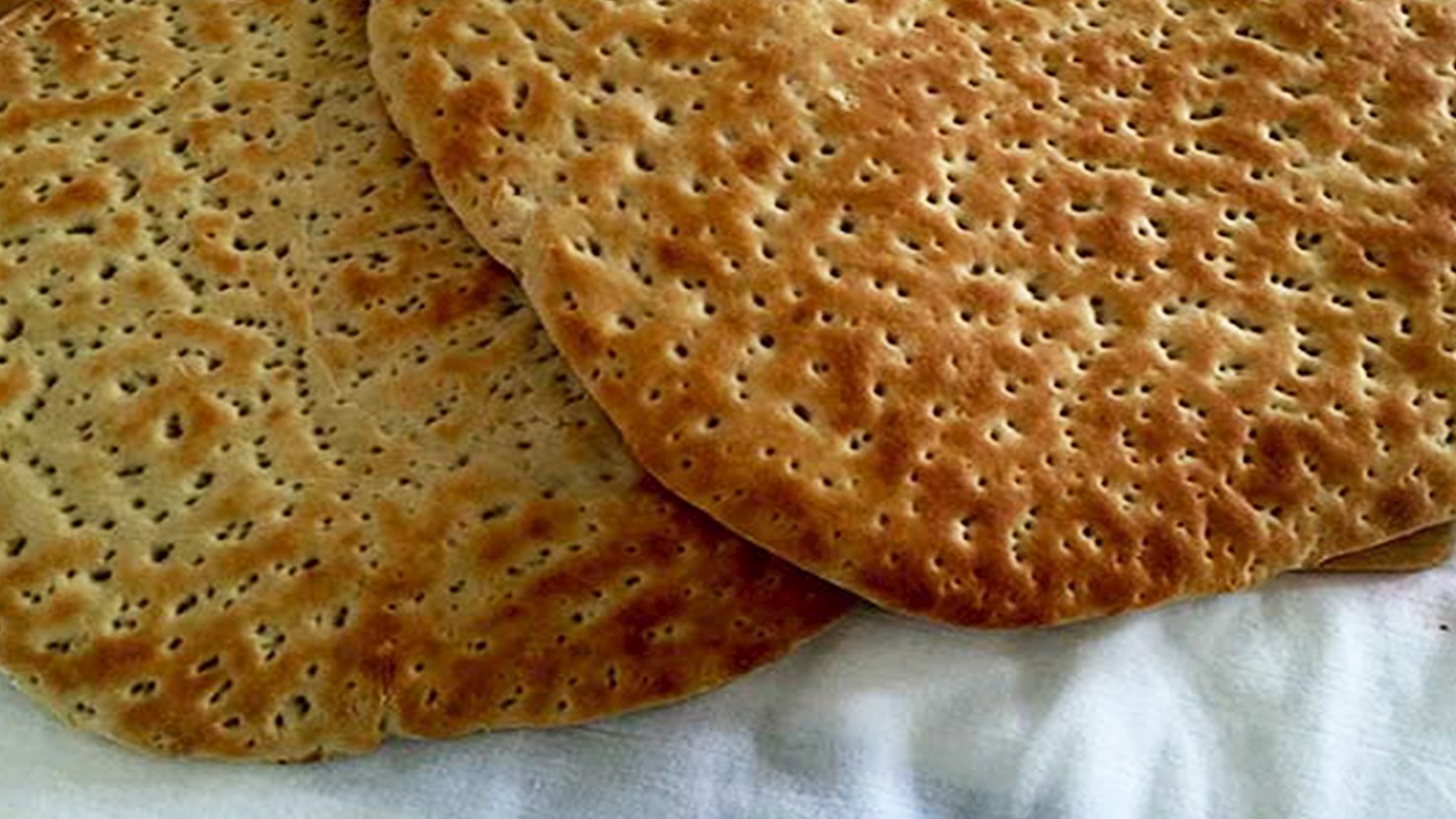
Mjukkaka is a round Swedish flatbread that is usually baked in a brick oven. This bread is about the size of a regular plate and consists of flour, yeast, sugar, water, salt, and oil. It is characterized by fork prick marks on its top, used in order for the dough to stay flat while it is baking. Mjukkaka is usually served for breakfast, consumed as it is, or accompanied by butter.
Gáhkku is a traditional flatbread originating from the Sámi peoples. In the past, this chewy flatbread was prepared with readily available ingredients such as flour, salt, and milk or water. Nowadays, it's usually enriched with yeast, oil or butter, and light sugar beet syrup (ljus sirap). The dough was rolled with lefse rolling pins, and the flatbread was then baked over embers in a pan or over hot stones. Nowadays, the flatbread is usually prepared in an oven or on top of a stove. Gáhkku is usually accompanied by suovas (salted and smoked reindeer meat), butter, or cheese, but it can also be used to mop up a plate after eating stews or similar dishes.
Sunnmørsbrød is a traditional bread originating from the district of Sunnmøre in the county of Møre og Romsdal. This typical hearty Norwegian bread is usually made with a combination of sugar, oil, maple syrup, salt, rye flour, whole wheat flour, oats, all-purpose flour, water, and yeast. The dough is rolled out into loaves, left to rise, then brushed with butter and baked until the bread is crispy on the outside and soft and light on the inside. The top should have a dark brown color. The bread is typically eaten with butter or served with marinated Edam cheese known as marinert Edamerost.
Krotekake is a traditional flatbread originating from Hardanger, and it's characterized by its cross-hatch pattern decoration on top. The dough is made with a combination of whole wheat flour, yeast, and water. It's left to rise and then rolled into smooth rounds. The rounds are rolled with a special rolling pin with deep grooves that leave a cross-hatch pattern on the dough. Krotekake is baked on a flat grill, stacked, and dried. The preparation and baking of krotekake is a communal affair, and the use of the special rolling pin is usually delegated to guests or children. Dried krotekake can be stored for long periods of time.
Ruisrieska is a traditional type of Finnish rieska flatbread. It’s usually made with a combination of rye flour, yogurt, molasses or honey, baking powder, and salt. Baking powder and salt are mixed into the rye flour along with molasses and yogurt. The dough is divided into smaller pieces and shaped into balls that are flattened on a baking sheet lined with parchment paper. These flat circles of dough are pricked with a fork and baked in the oven until golden and crisp. Ruisrieska flatbread is typically served with butter, or sometimes with salmon, cheese, and vegetables such as cucumbers and tomatoes.
Paltbröd is a type of tunnbröd, a classic Swedish flatbread. What makes platbröd unique is the addition of animal blood. Its blood content makes it a good source of iron, which is why many Swedish schools serve it to children. It is typically served with butter or with a side of fried pork and white sauce. A variation of this unique type of bread is also consumed and available in stores in Finland, where it is called blodbröd.
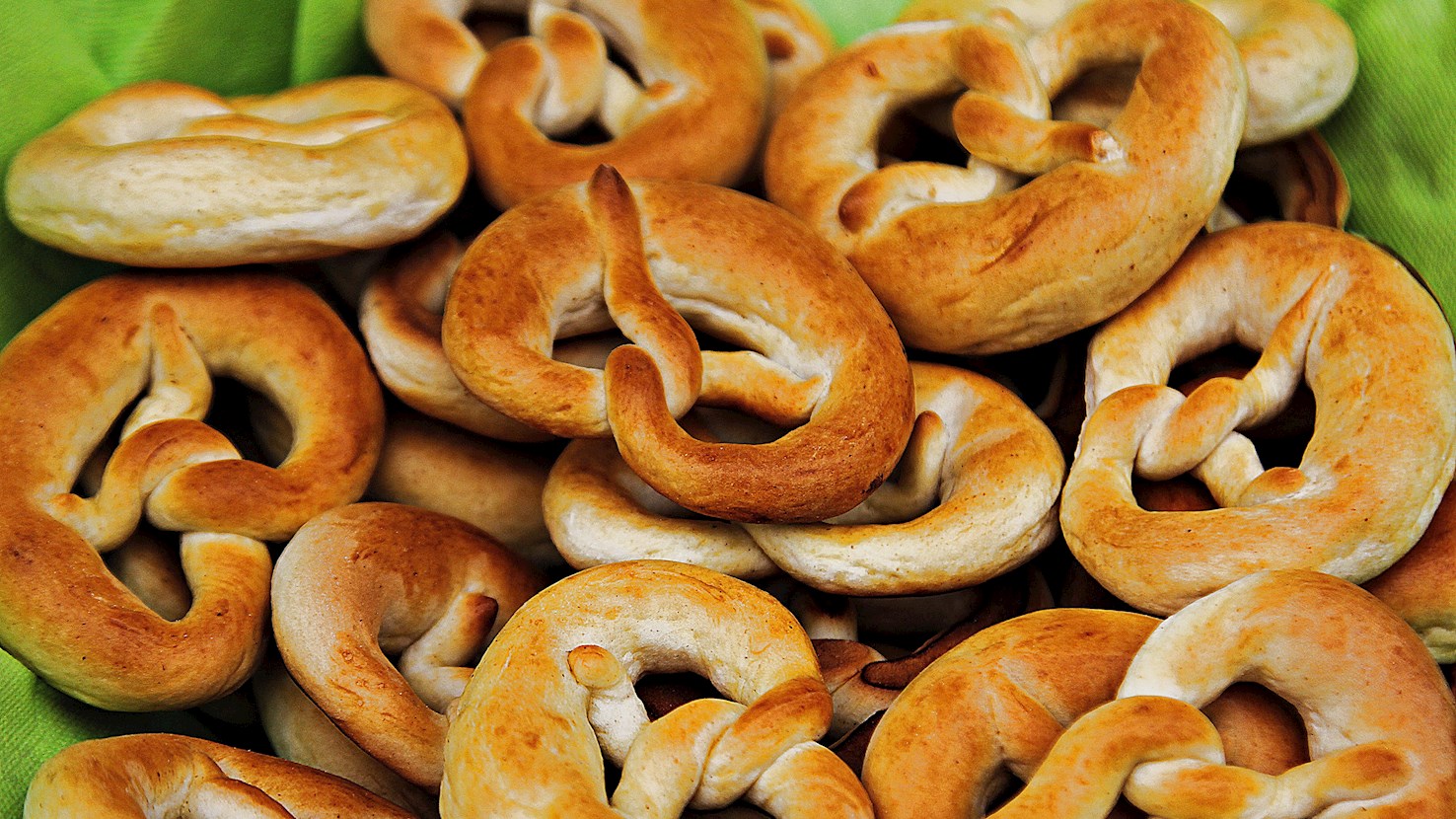
Vannkringler or bergenskringler is a traditional pretzel-shaped bread originating from Bergen. It's usually made with a combination of milk, yeast, flour, salt, and butter. The yeast is dissolved in lukewarm milk, and it's then mixed with melted butter, flour, and salt in order to create a firm dough. The dough is kneaded until elastic and smooth, and it's then divided into equal parts before they're rolled into sausages and shaped into pretzels. They're cooked in boiling water and baked in an oven until light golden brown and crisp. Once cooled, this pretzel-shaped bread is ready to be enjoyed, traditionally with sour cream porridge (rømmegrøt) and cured meats.
Sirapslimpa is a sweetened, yeast-leavened rye-and-wheat loaf originating in Sweden, created under state recommendation during the First World War, when Sweden experienced severe grain shortages and food scarcity alongside a simultaneous high domestic production of sugar beets. Because sugar provided immediate dietary energy, state authorities advised commercial bakers to add dark sugar beet syrup directly into the bread dough to stretch the limited flour supplies and elevate the caloric value of the loaves, causing the bread to gain widespread public adoption under the early administrative name VR-limpa, denoting vete och råg, or wheat and rye. Constructing the dough requires mixing a specialized, pre-blended flour known as rågsikt, which consists of sifted rye flour and strong white wheat flour, with lukewarm milk or water, yeast, salt, room-temperature butter, and a high concentration of dark beet syrup. Ground spices like fennel, aniseed, and caraway are frequently kneaded into the mixture to introduce a mild herbal aromatic profile, though plain variations are also produced. The baker kneads the sticky dough thoroughly to develop the gluten structure, allows it to undergo a primary rise until doubled in volume, shapes the mass into smooth, unslashed oval loaves, and proves them a second time on a baking sheet. Once baked, the hot crust is brushed with a solution of dark syrup diluted with water or black coffee, yielding a characteristic deep brown, glossy, and slightly tacky exterior finish. A unique feature of this bread is its ability to retain moisture in the crumb, extending shelf life and keeping the interior soft for several days without modern artificial preservatives. Slices are cut clean with a bread knife from the cooled loaf and consumed at household breakfast tables or during afternoon fika breaks throughout all regions of Sweden. The loaf is eaten at room temperature or lightly toasted, almost always spread with a layer of salted butter and topped with slices of hard Swedish cheeses like herrgårdsost or prästost, or a spread of salted cod roe paste. Beverage pairings consistently feature a glass of cold milk for children after school, while adults consume the sweet-and-savory slices alongside mugs of hot, strong, black drip coffee.
Upplandskubb is a traditionally made bread from Uppland made of rye and wheat flour that must be produced locally. What's so unique about Uppland is the method of preparing it - instead of being baked like most breads, it is instead boiled in a closed, cylindrical mould that is put in boiling water for a few hours, while developing no crust at all. Its color varies from gingerbread to greyish brown tones. On the interior it is juicy, sticky and has small holes, and a rich, crumbly texture. It posseses a unique rye flavor, sweetness and sourness and a slightly burnt aroma. When the product is finished, it is sold in slices and usually eaten at Christmastime.
TasteAtlas food rankings are based on the ratings of the TasteAtlas audience, with a series of mechanisms that recognize real users and that ignore bot,
nationalist or local patriotic ratings, and give additional value to the ratings of users that the system recognizes as knowledgeable.
For the “Top 31 Northern European Breads and Flatbreads” list until July 16, 2026, 989 ratings were recorded, of which 869 were recognized by the system as legitimate.
TasteAtlas Rankings should not be seen as the final global conclusion about food. Their purpose is to promote excellent local foods,
instill pride in traditional dishes, and arouse curiosity about dishes you haven’t tried.