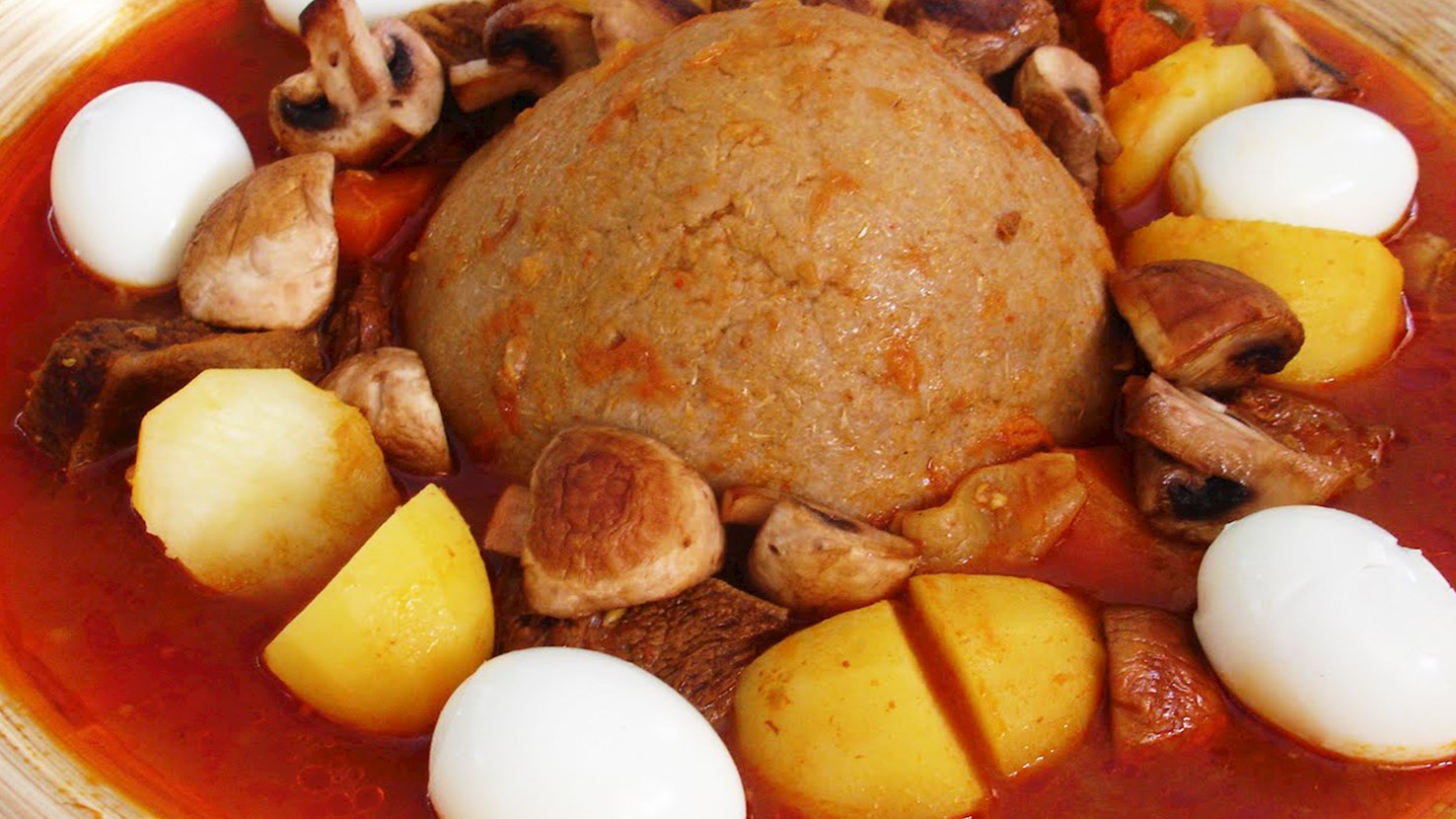
Bazin is a popular Libyan unleavened bread (also considered a dough-based dish) made by boiling barley flour and salt in water and beating it with a stick called magraf until it develops into a dough which is then baked or steamed. The bread is characterized by its hard texture, achieved by the usage of large amounts of salt. It is traditionally shared and consumed using the right hand. Bazin is often served with a tomato-based stew, potatoes, hard-boiled eggs, and mutton.
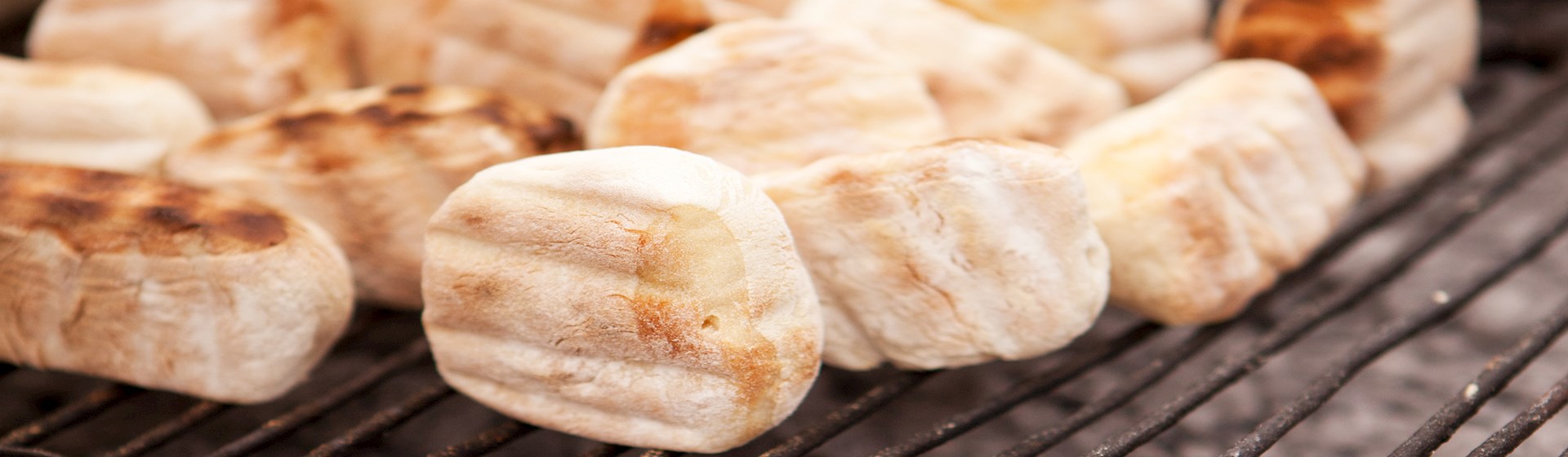
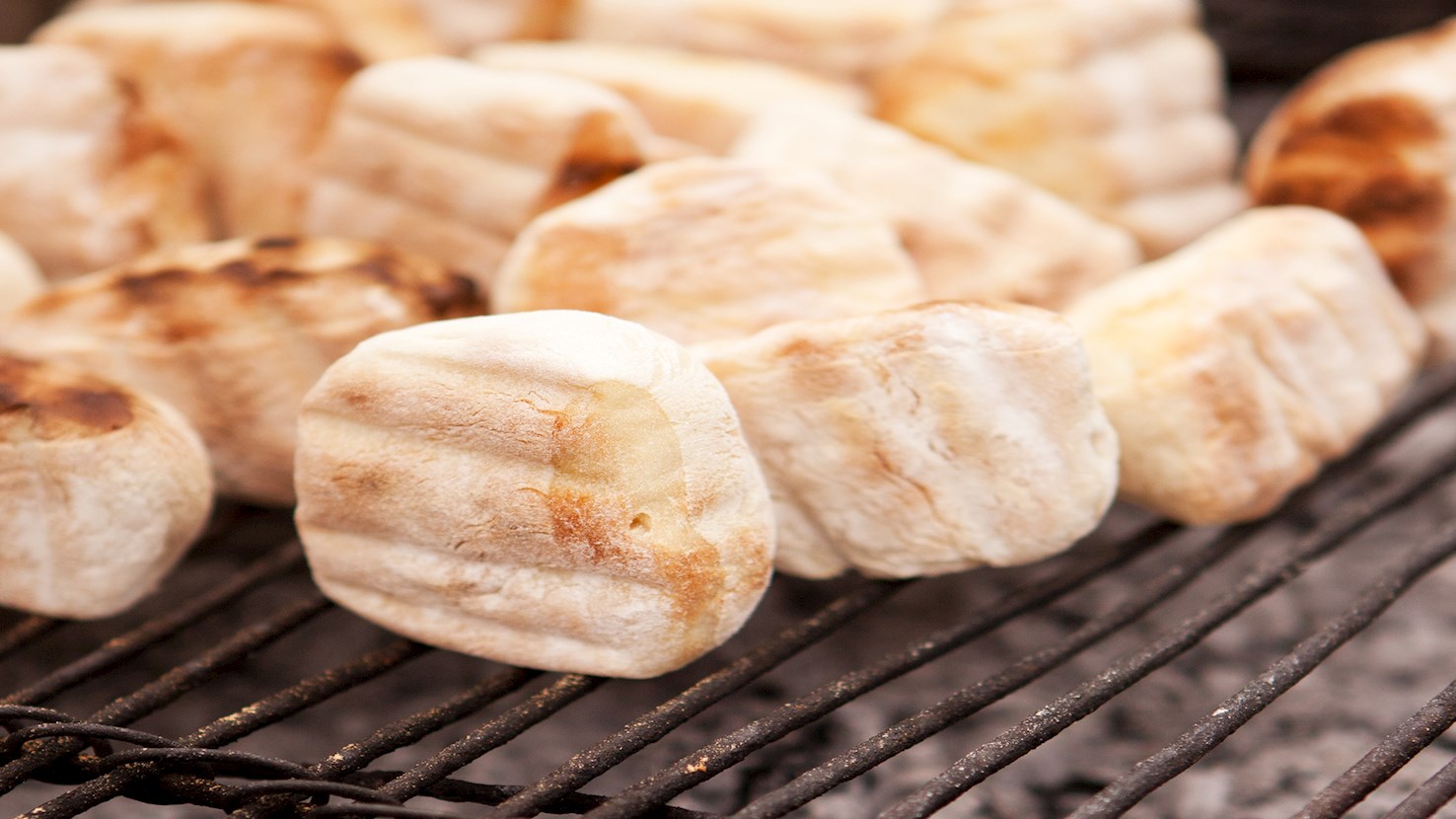
Roosterkoek, literally meaning grill cake, is a traditional bread baked on a grid over the coals. Made with flour, yeast, salt, sugar, oil, and water, these small balls of leavened bread dough are brushed with butter and grilled until slightly charred. Roosterkoek is best enjoyed piping hot, straight off the grill, smeared with more butter. The bread makes an inevitable part of a braai, a South African barbecue, but it's also great as a snack, paired with butter, jam, or cheese.
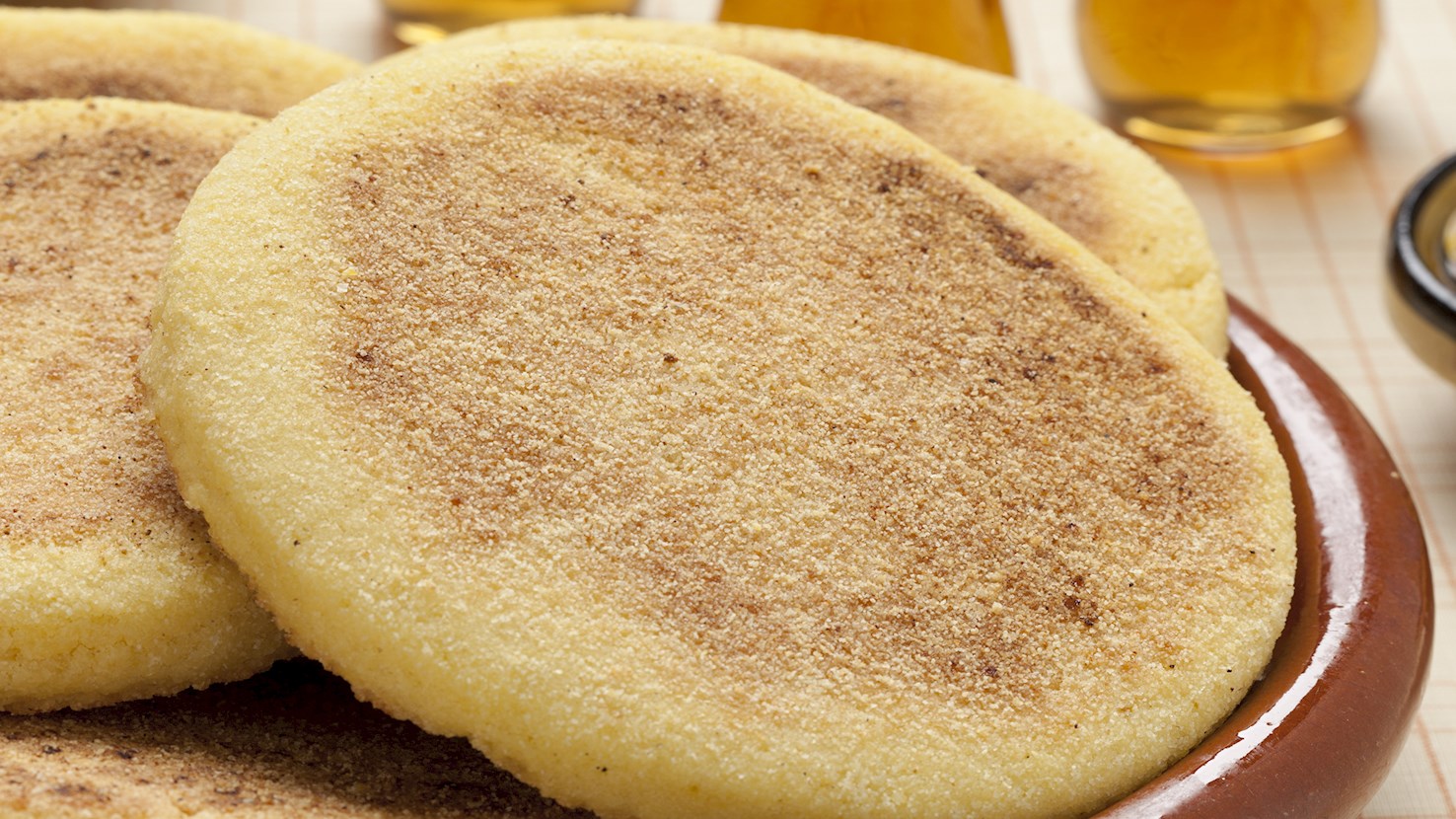
Harsha is a popular Moroccan bread that is usually made with a combination of semolina, sugar, butter, milk, baking powder, and salt. It is traditionally fried in a pan until it develops a soft, crumbly texture. Most Moroccans prepare it for breakfast or as an afternoon snack, serving it with butter, honey, or cheese. It is recommended to pair harsha with a cup of hot Moroccan tea.
Khobz is a traditional bread that is shaped into round, flat loaves and baked in an oven until it develops a crispy crust. It can be made with different types of flour such as wheat, bran, barley, and semolina. Some bakers like to add anise, nigella, or cumin in order to enhance its flavors. The bread often replaces utensils and is used to scoop up sauces, dips, meat, and vegetables in numerous Moroccan dishes.
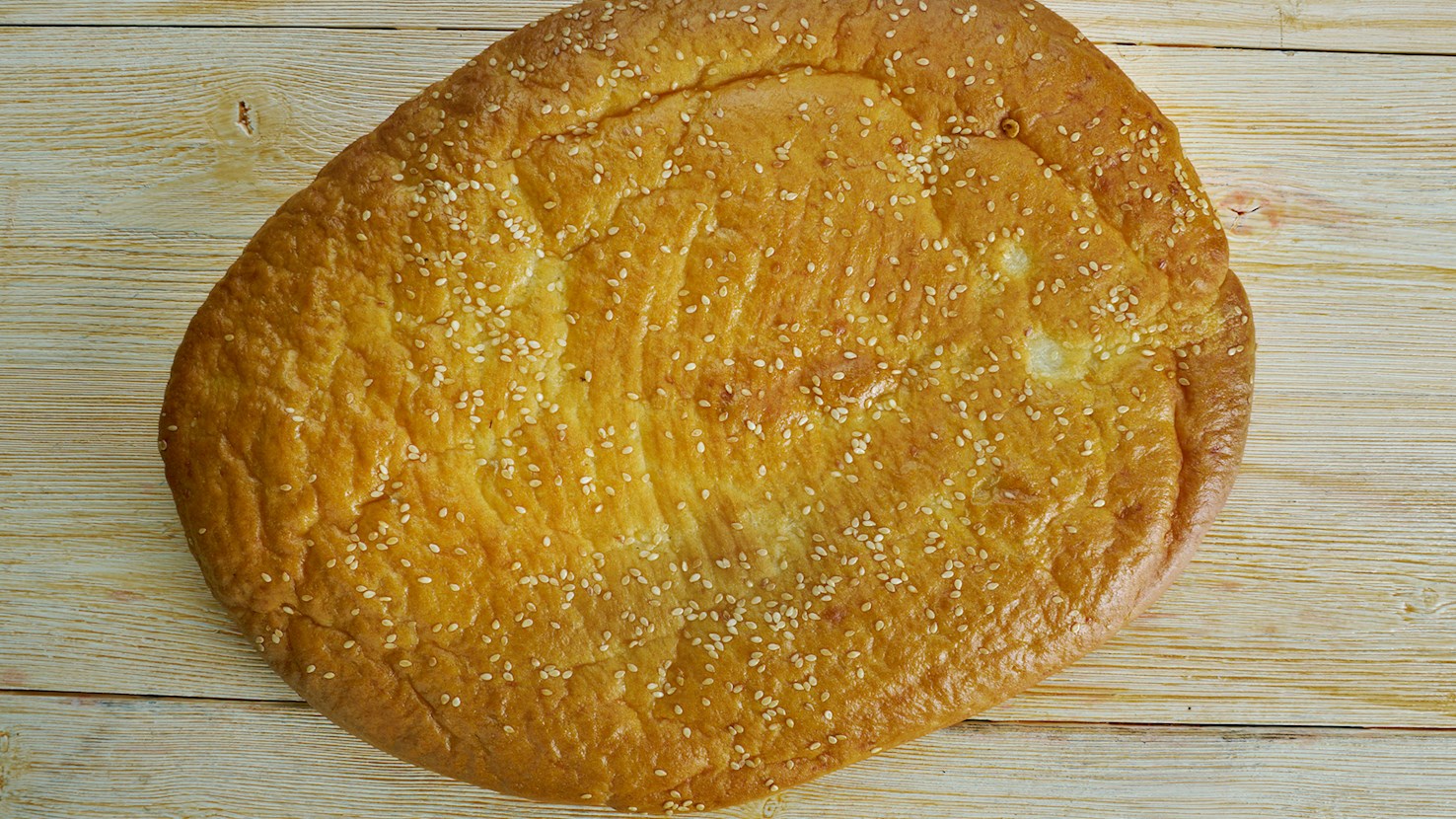
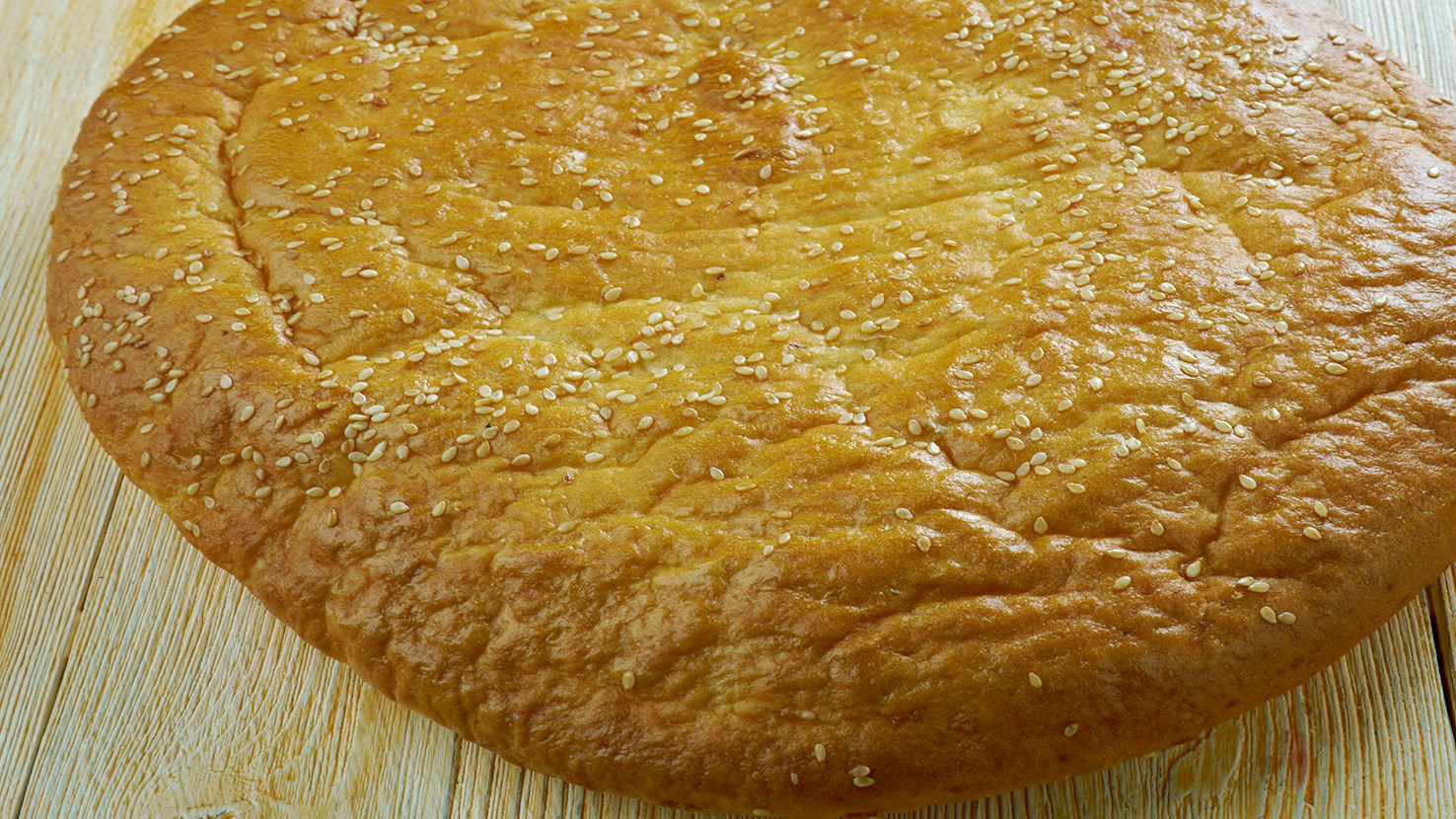
Khobz el dar is an Algerian and Moroccan bread that requires no kneading. It consists of semolina, salt, sugar, yeast, oil, eggs, milk, and optional sesame seeds for decoration. Once it has been baked, the bread develops a soft and tender texture and a slightly sweet flavor. This bread can be found it almost every household in Algeria, hence its name, which translates to bread of the house.
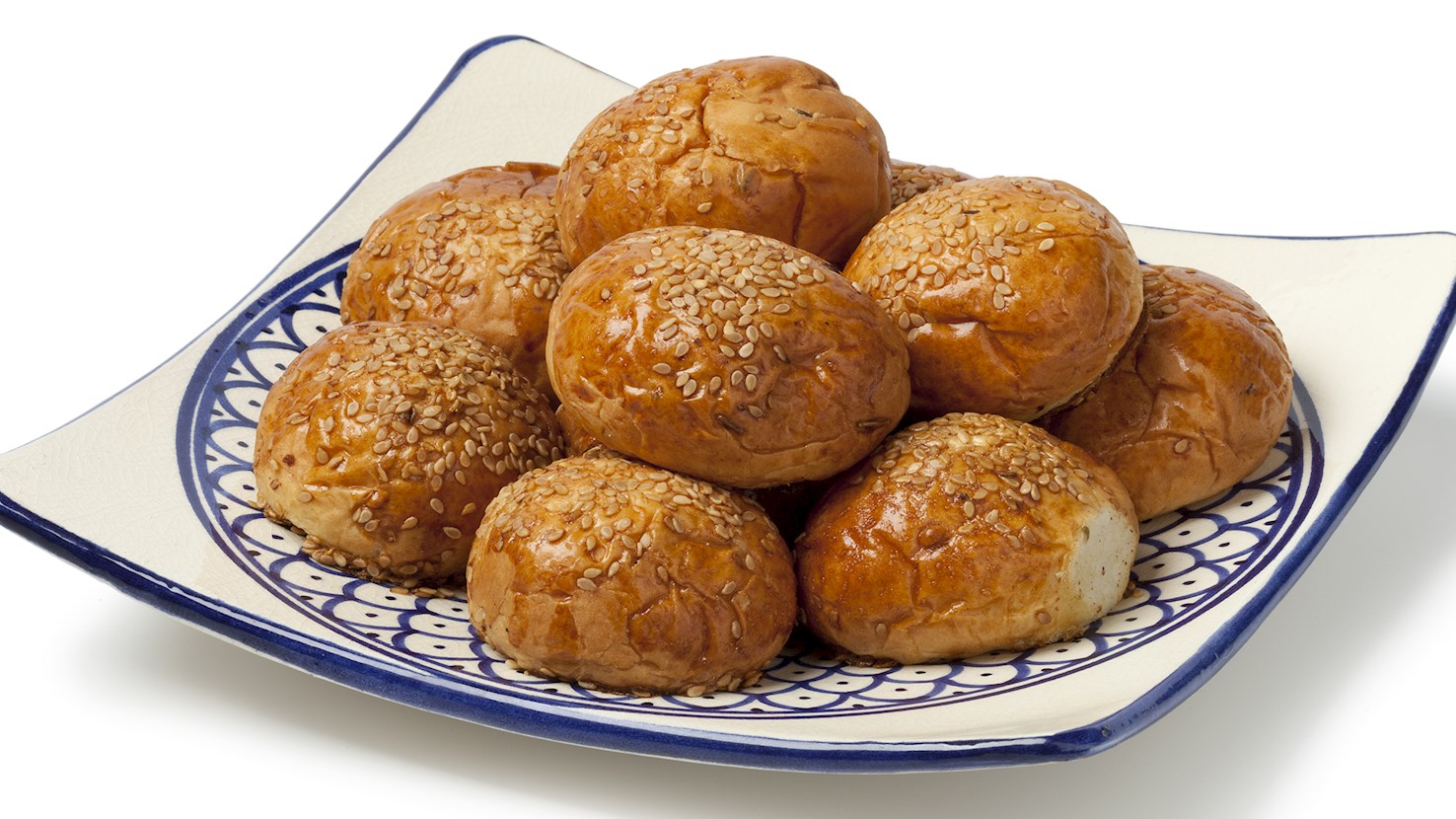
These traditional Moroccan bread rolls are prepared with a yeasted, brioche-like dough that is enriched with aniseed. They also incorporate toasted sesame seeds and are usually flavored with orange blossom water. Before baking, krachel are brushed with egg wash, while the top is sprinkled with toasted sesame seeds or pearl sugar. The buns can be enjoyed plain, but they are also commonly served with cheese and savory or sweet spreads such as butter, jams, or chocolate spreads. They perfectly pair with coffee or tea.
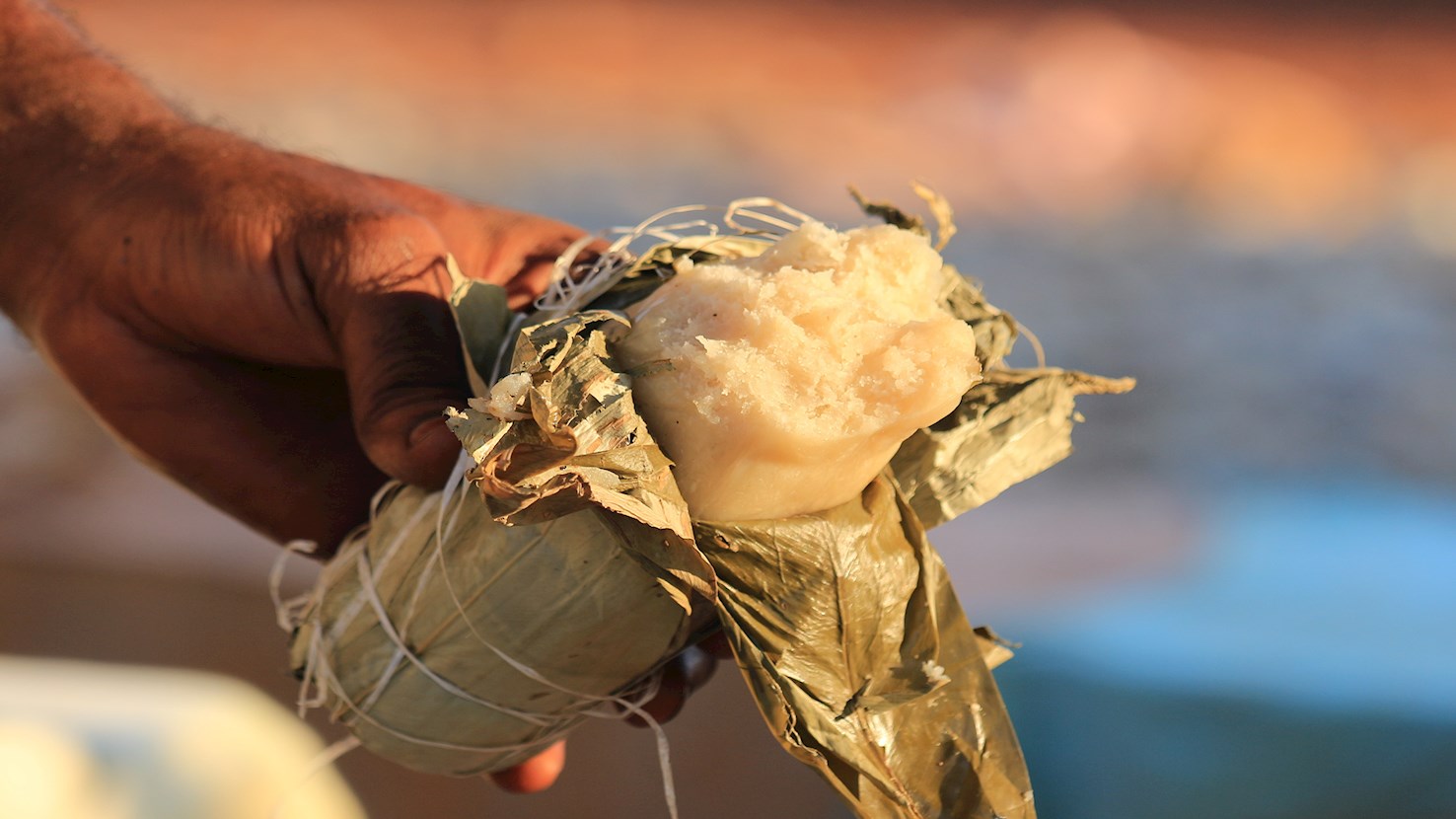
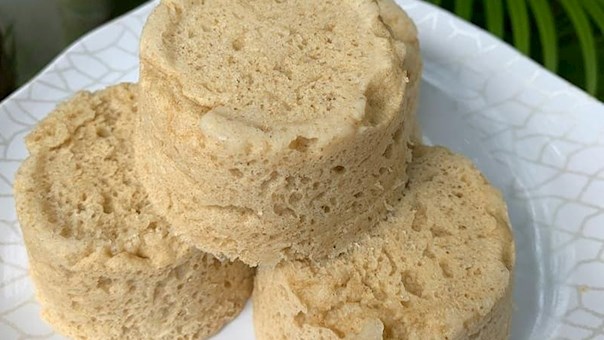
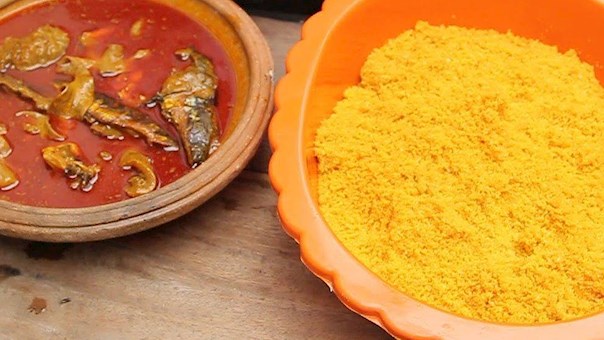
Chikwanga or kwanga is a traditional bread from the Democratic Republic of Congo, consisting of cassava flour cakes that are wrapped in dry banana leaves, then steamed. Its savory flavor pairs well with most of the main meals in the country. It is especially popular to serve warm chikwanga with various African stews, soups, and sauces as it helps to slightly offset their spicy flavors. This cassava-based bread is typically cut into thick round slices before it's served on the plates. Once prepared, chikwanga will keep for a few days, but only if it's kept in the leaf-wrapper in a dry and cool place.
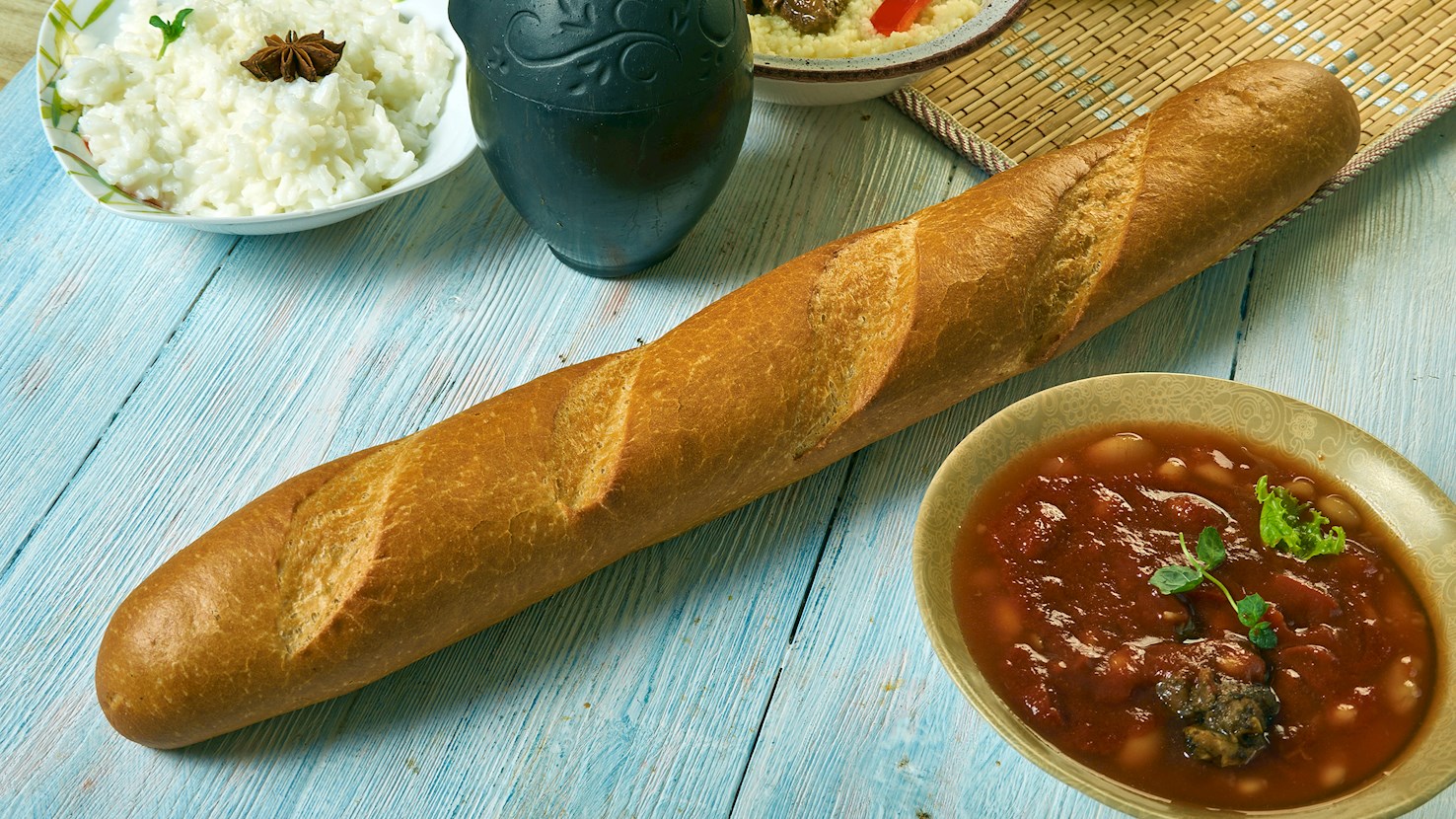
Tapalapa is a traditional bread, also very popular in Guinea. It is made with a mixture of millet and wheat flour with the addition of maize flour, cowpea flour, yeast, salt, and water. Visually, it looks somewhat similar to the French baguette on the exterior, but on the inside, it is much more dense and heavy, and its flavor is reminiscent of pretzels. The bread is typically bought for breakfast, and people like to pair it with jam, butter, or eggs.
Mmasekuku is a rustic, wood-fired bread hailing from Botswana, characterized by a firm, dense texture and a distinctly smoky flavor. The origins trace back to rural communities that relied entirely on outdoor hearths, demanding a reliable method to transform milled grain into a daily staple over open flames. The dough needs just four basic ingredients: wheat flour, warm water, salt, and a leavening agent like yeast. A lengthy period of aggressive hand-kneading turns these simple ingredients into a smooth, elastic mass. After resting in a warm spot until it doubles in size, the dough gets portioned out and shaped into uniform, solid rounds. The dough is placed right over burning firewood or inside a wood-fired clay oven. The intense, direct heat from the live flames quickly sears the outside, forming a thick, dark crust while deeply infusing the soft interior with a sharp wood-smoke flavor. This aggressive baking method yields a highly structural loaf that holds up well to heavy moisture without turning to mush. Because of this durability, the bread serves as a side to thick meat and vegetable stews. The warm, smoky rounds are brought to the table whole and torn apart by hand, usually dipped directly into savory spreads or simple melted butter. Tweaks to the core recipe happen based on regional preferences and available pantry items. Folding sorghum flour or coarse cornmeal into the wheat dough introduces a gritty, rustic texture and a deeper, nutty flavor, while adding a spoonful of rendered animal fat softens the crumb and adds a layer of richness. Apart from being a side, mmasekuku is also a standalone snack.
Khbeiza bil tonn is a small stuffed bread originating from Libya. The dough, which consists of flour, milk, butter, and yeast, is typically shaped into small loaves, crescents, or balls. Although these tasty snacks are often filled with dried mint, white cheese, and olives, the most popular stuffing is made with tuna and harissa. It is recommended to decorate the stuffed bread with cumin or sesame seeds before baking. In Libyan homes, khbeiza bil tonn is usually served to guests with a cup of tea on the side.
TasteAtlas food rankings are based on the ratings of the TasteAtlas audience, with a series of mechanisms that recognize real users and that ignore bot,
nationalist or local patriotic ratings, and give additional value to the ratings of users that the system recognizes as knowledgeable.
TasteAtlas Rankings should not be seen as the final global conclusion about food. Their purpose is to promote excellent local foods,
instill pride in traditional dishes, and arouse curiosity about dishes you haven’t tried.







What People Say