

Top 4 Armenian Breads

Last updated on June 15, 2026
01

Lavash

4.1 ·

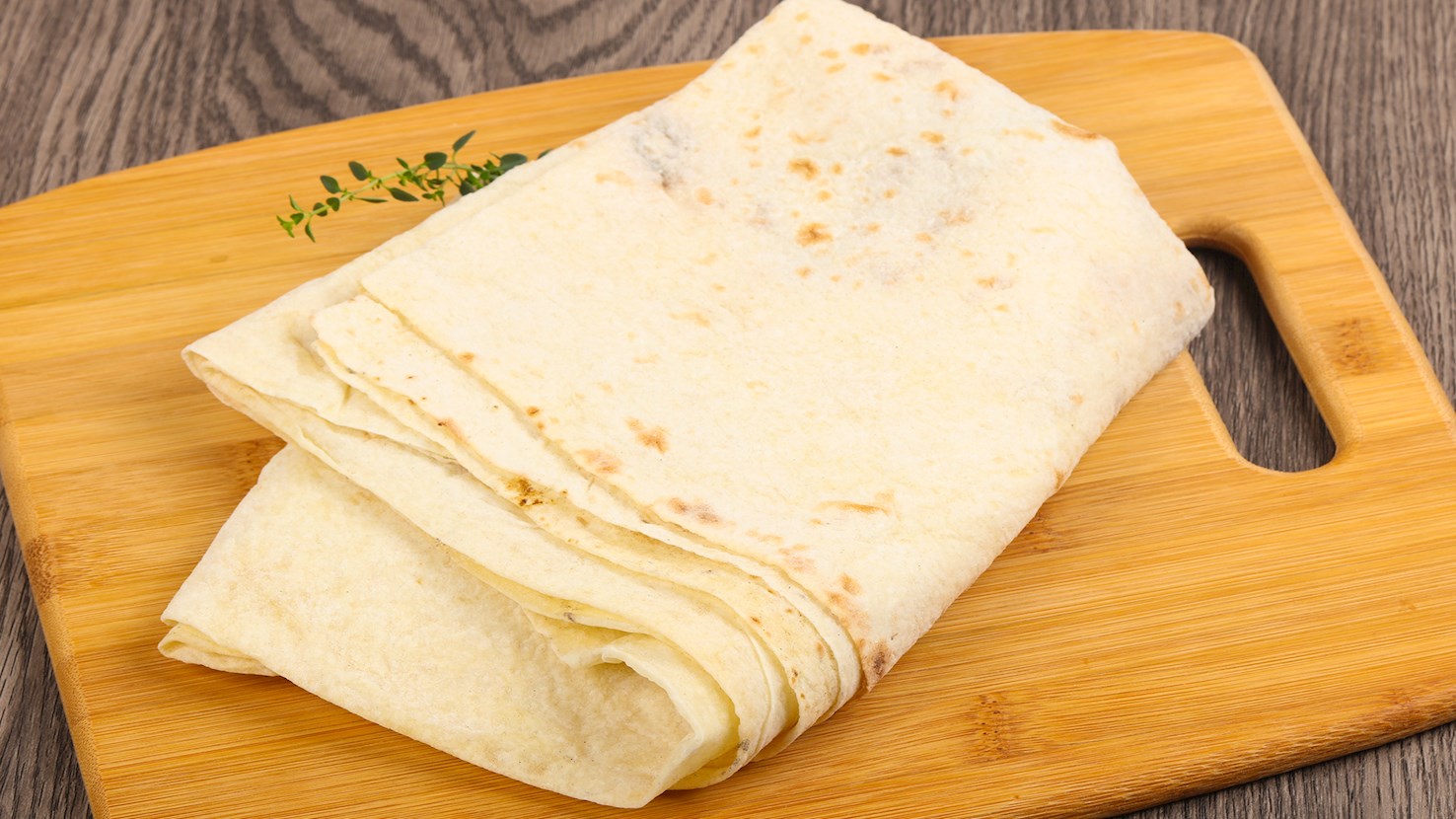
Lavash is a traditional flatbread claimed by many food specialists to be Armenian in origin, but it is well-known and prepared throughout Western Asia (most noteably Iran and Türkiye) and the Caucasus (most noteably Azerbaijan). The dough consists of wheat flour, salt, and water leavened only with a sourdough starter. Once the dough has risen, it is shaped into small lumps that are rolled flat and then slapped against the inside of a clay oven called tonir. Depending on the part or region of Armenia, these flatbreads can vary in thickness, size, shape, and the method of kneading. Because the process of making lavash is so labor-intensive, as well as time-consuming, this flatbread is typically prepared in advance. The baked flatbreads are kept in a dry place and sprinkled with water before use to restore their flexibility. Even to this day, lavash is only torn by hand and can be used either as bread, a wrap, or a spoon. The significance of this flatbread in Armenia is reflected in the ceremonial ritual of its preparation, starting with the choice of women who are fit to make this flatbread, to the sacred and obligatory whispering of blessings or reciting of kind words while making the dough, as it is believed the dough has magical powers to make the whispered wishes come true. As it is considered to be a symbol of fertility and prosperity, lavash has great significance in the Armenian wedding ceremonies, and is also used in traditional medicine since it is believed to have healing properties. In 2016, UNESCO recognized lavash making and sharing culture as an Intangible Cultural Heritage of Humanity.

02

Zhingyalov khats

3.9 ·

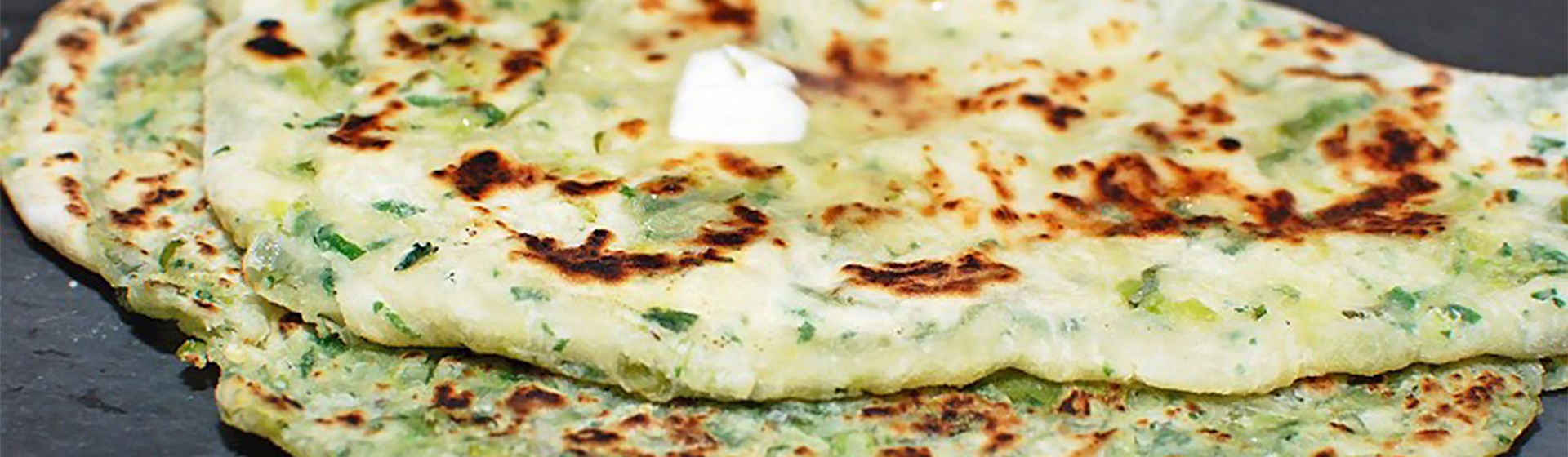
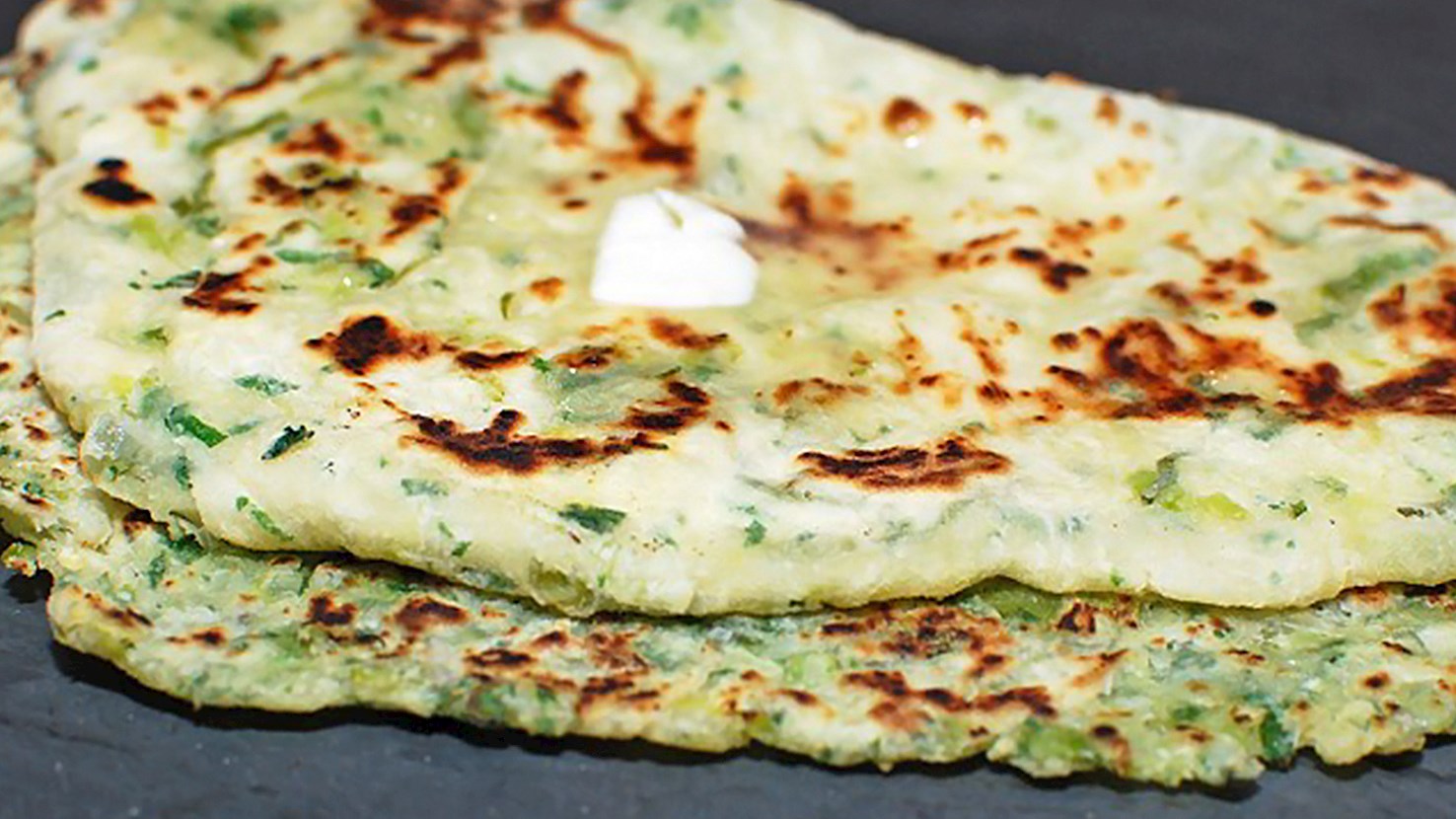
A culinary delicacy coming from Artsakh, or the Nagorno-Karabakh region, zhingyalov khats is a traditional flatbread that contains a variety of herbs and greens. Often considered a lavash with herb filling, this flatbread typically consists of a thin unleavened dough that is topped with a mixture of thinly sliced herbs and greens, folded over, sealed, and then carefully rolled out again. Zhingyalov khats is traditionally baked on a hot saj, a type of Armenian cast-iron vessel resembling a bulging tray. The filling is typically made with butter, salt, onions, and lots of herbs and greens, sometimes supposedly even up to 20 different kinds, such as spinach, leeks, scallions, nettle, chickweed, mint, parsley, tarragon, lettuce, chard, dill, or kale. In Armenia, this flatbread is commonly prepared and eaten during Lent, usually as a snack, an appetizer, or a dinner meal with some butter.

03

Matnakash

3.8 ·

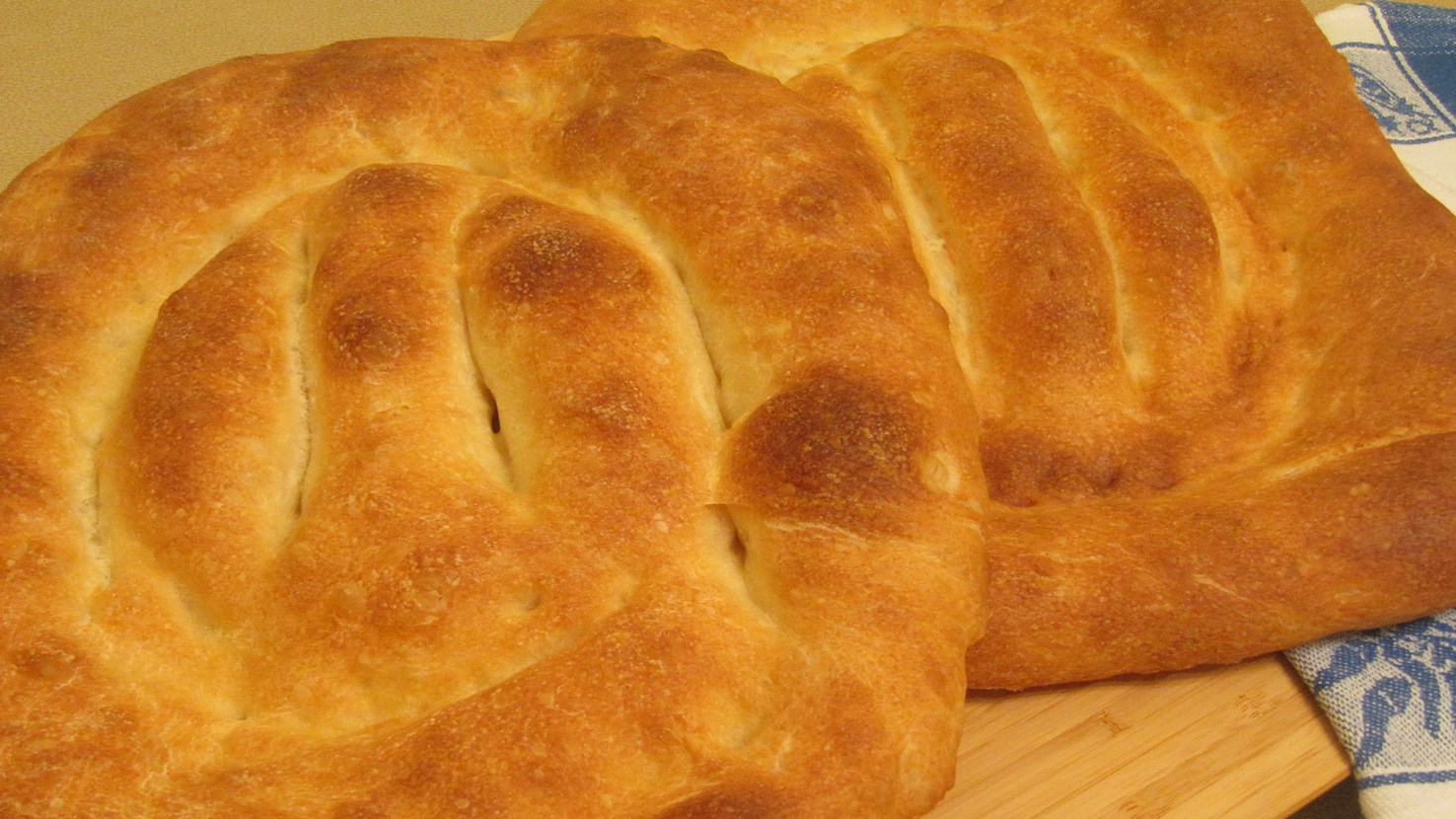
Matnakash is a traditional bread consisting of a smooth, elastic dough made with flour, yeast, water, sugar, salt, and oil. Originally, it was prepared only with flour and water, and without yeast. Before it is baked in a well-steamed oven, the dough is usually topped with a type of flour mixture consisting of flour and water or black tea, which lends the bread a unique, crispy crust that complements its soft and slightly chewy interior. This Armenian flatbread has a distinctive oval or round shape, and its surface is adorned with a traditional pattern of indentations. Its name matnakash translates to finger draw or finger pull and is derived from the traditional way of adorning the bread’s top by using one’s fingers. In Armenia, this leavened bread is still a staple as it has been for ages, and it is available in bakeries, grocery stores, and restaurants throughout the country. Matnakash is eaten warm, optionally sprinkled with sea salt flakes, and it pairs well with dipping sauces, soups, and curries.

04

Peda Bread

n/a ·

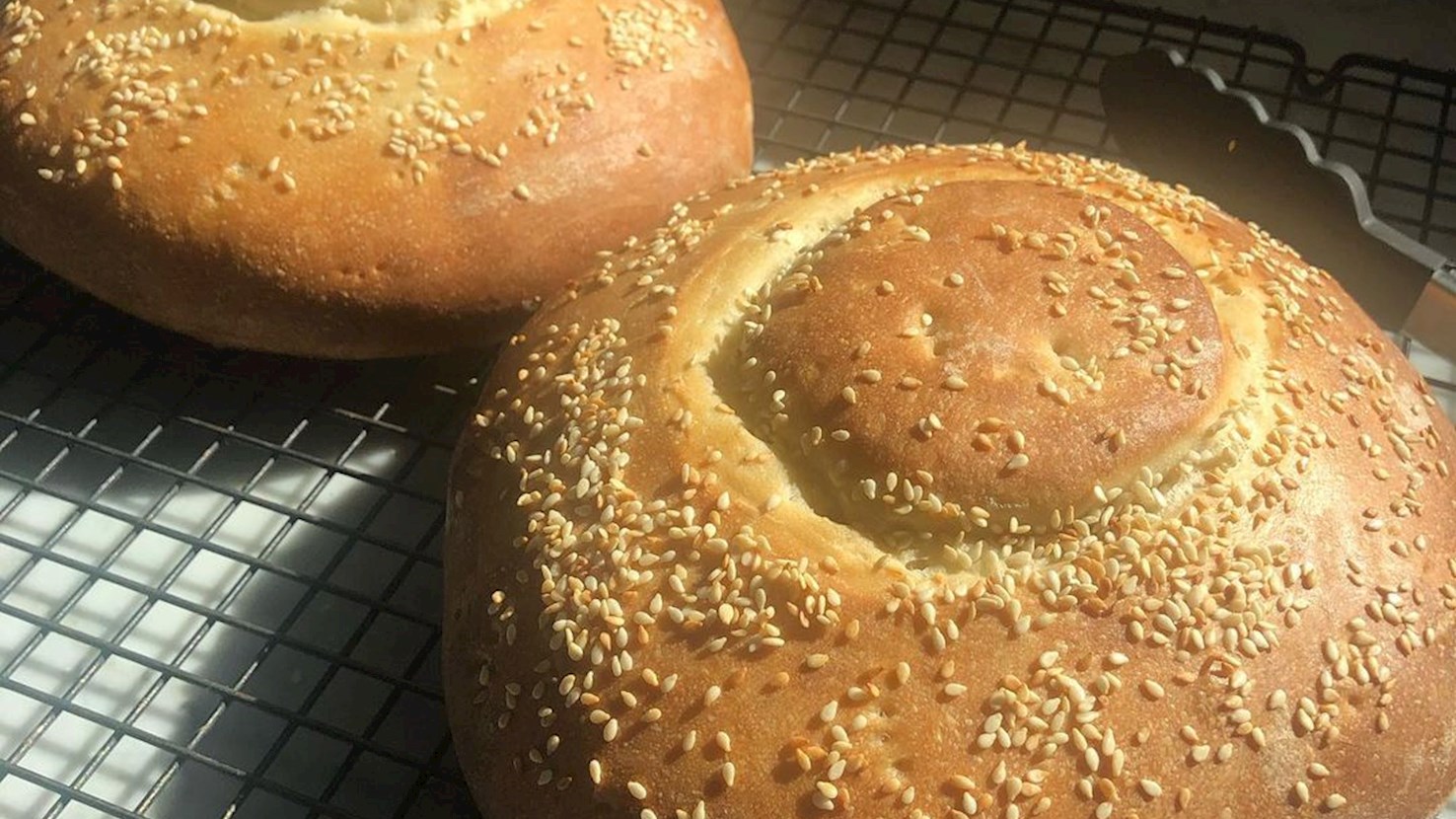
Peda is a traditional type of bread originating from Armenia. The bread is usually made with a combination of white flour, olive oil, yeast, milk, sugar, salt, eggs, and sesame seeds. In order to prepare it, sugar and yeast are added into a warm mixture of water and milk. Once the yeast starts to work, flour, salt, and olive oil are mixed in, and the dough is kneaded until smooth. When it doubles in size, pieces of dough are shaped into balls that are left to rise a bit more before they’re placed on oiled baking sheets, flattened, and a hole is made in each ring. The smaller balls are placed into the holes and flattened. The bread is brushed with whisked egg yolks, sprinkled with sesame seeds, and baked in the oven until it’s nicely golden and browned.

Read more
View all
View map
About this ranking

TasteAtlas food rankings are based on the ratings of the TasteAtlas audience, with a series of mechanisms that recognize real users and that ignore bot, nationalist or local patriotic ratings, and give additional value to the ratings of users that the system recognizes as knowledgeable. For the “Top 4 Armenian Breads” list until June 15, 2026, 557 ratings were recorded, of which 329 were recognized by the system as legitimate. TasteAtlas Rankings should not be seen as the final global conclusion about food. Their purpose is to promote excellent local foods, instill pride in traditional dishes, and arouse curiosity about dishes you haven’t tried.

Similar lists